
English Edition
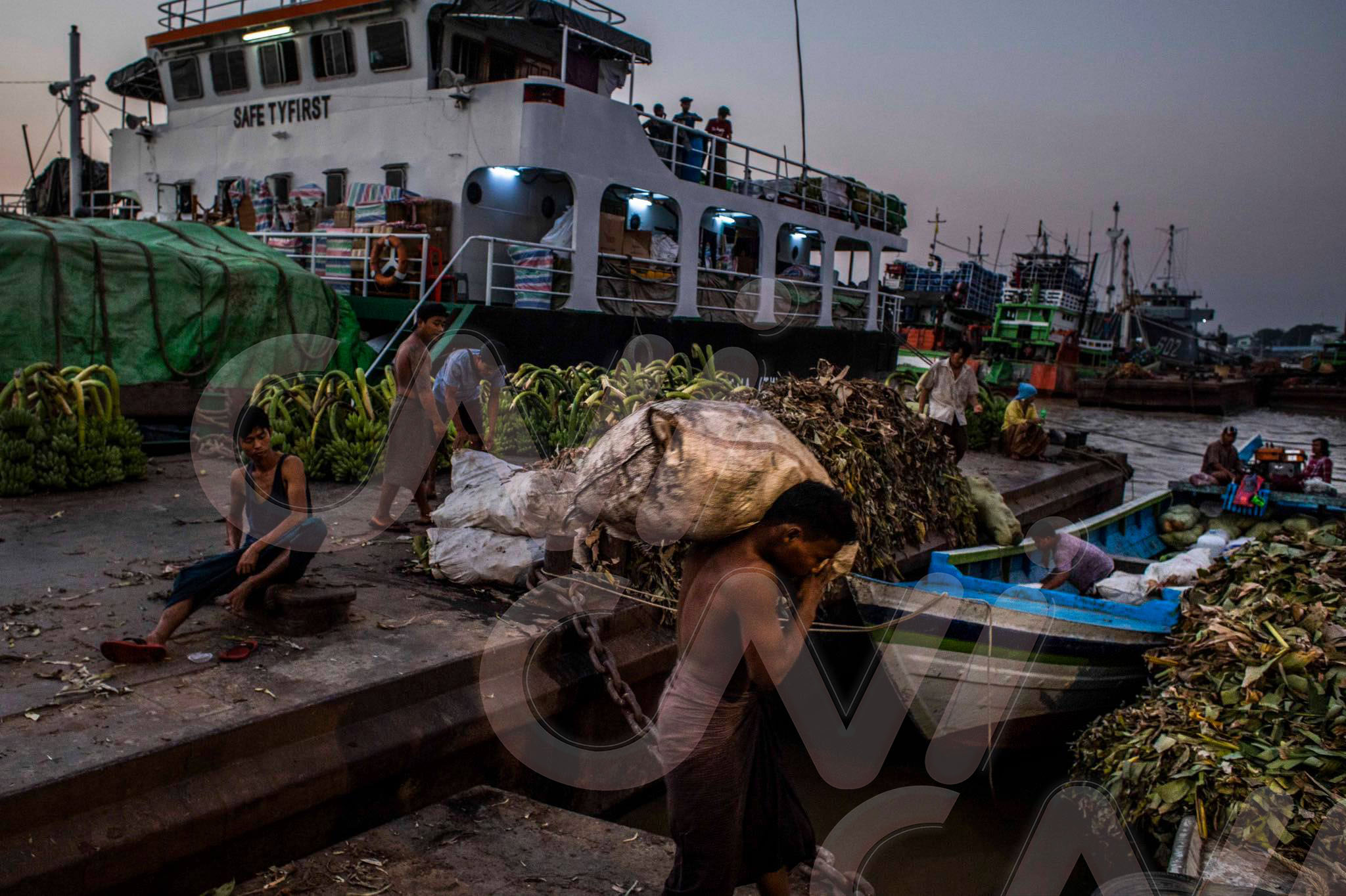
- By CNI
- Category: English Section
- Hits: 335
CNI News
February 5, 2026
Due to ongoing damage to manufacturing, import businesses, and the flow of goods in Myanmar, business owners and economic observers have pointed out that, under the new government, policies and laws that negatively affect the economic sector should be relaxed.
In order to help Myanmar’s economy recover, the Chairman of the State Security and Peace Commission, Senior General Min Aung Hlaing, has been inviting international investments to Myanmar and has been making efforts to cooperate with countries such as China, Russia, Belarus, Thailand, and India.
Currently, Myanmar’s economy is declining due to political instability, weak security and rule of law, insufficient electricity supply, labor shortages, international economic sanctions, and overly strict economic policies and laws.
A businessman, U Thiha Paing, told CNI News that there are economic laws enacted over the past five years under the justification of security concerns, and among them are laws that can negatively affect the business sector.
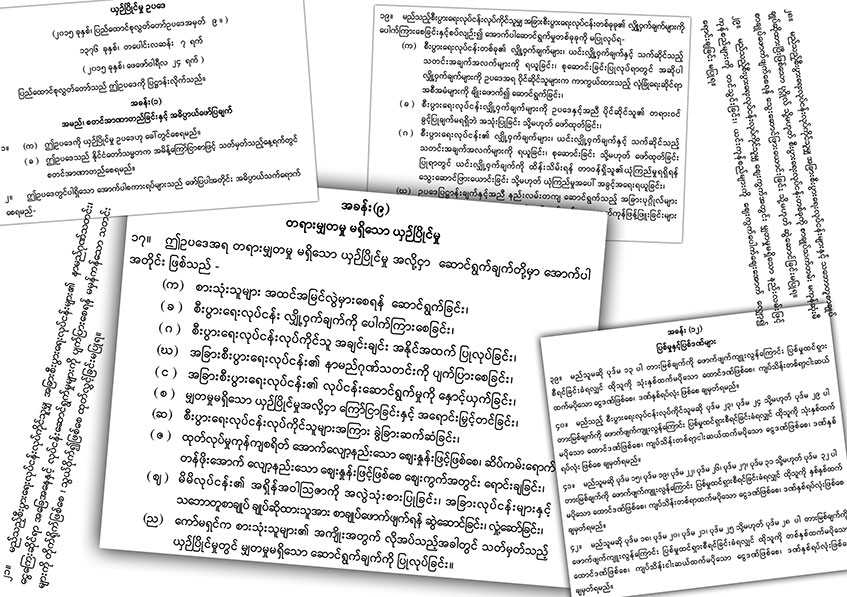
economic regulatory laws
He said: “We need to relax some laws. Over the past five years, there have been laws enacted for security reasons. Among those laws, there are some that negatively impact the economic sector. First and foremost, we business owners need to demand that all of those be relaxed. At present, there are many laws affecting manufacturing processes, import procedures, and the flow of goods. Those are the ones that need to be relaxed as a priority. During previous governments, issues were addressed through a parliamentary system. Some matters were enforced by leaders unwillingly due to security and national conditions. However, now that the situation has changed, these restrictions should be relaxed. If they continue to be maintained, it will become very difficult to operate businesses. Border trade has also been heavily affected. Once a parliament is formed, we will be able to raise our demands again.”
Under the new government, it is necessary to create new job opportunities and enable manufacturers to expand their markets. Similarly, policies related to imports and exports should be relaxed, and sufficient fuel supply must be ensured.
As Myanmar has now transitioned to democracy under the new government, businessman U Zaw Zaw told CNI News that he hopes to see transparent and open economic reforms.
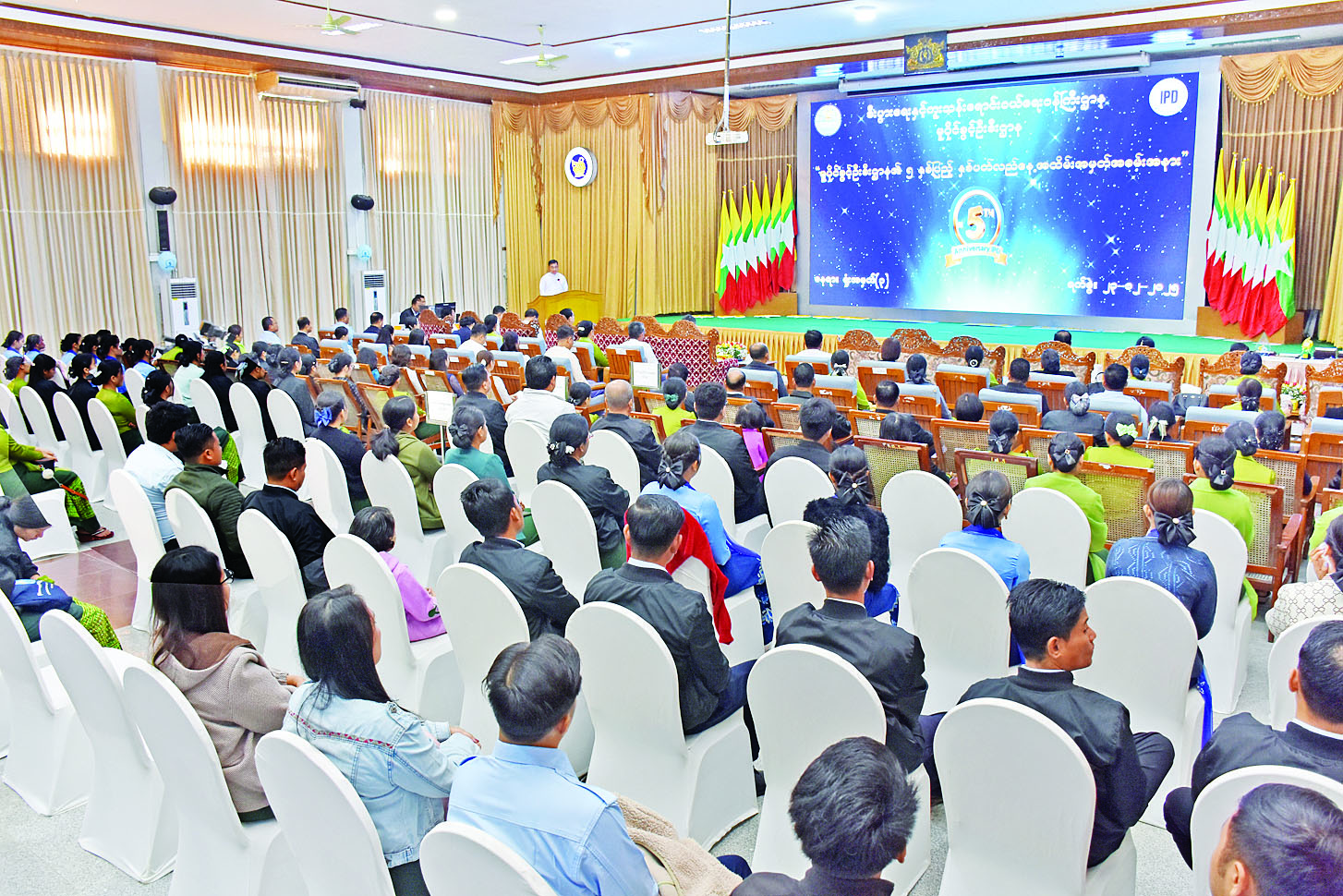
an economic discussion forum
He said: “In terms of economic policies, there are various restrictions imposed for different reasons. Import and export activities should be opened up in a transparent manner, and the state should collect fair and reasonable taxes. Matters that need to be relaxed should be relaxed. There are many areas that require reform. Although there were political conditions and restrictions previously, now democracy has been achieved. Under the new government, we want transparent relaxations and concrete actions related to the economy. Many policies need to be changed. There are many prohibitions and restrictions that should now be eased. For example, in northern Shan State, the Hsipaw Bridge has been closed without any clear explanation. These kinds of issues, even down to the details, need serious attention, especially in the tourism sector. Obstacles like these significantly hinder economic development.”
Business owners and economic analysts pointed out that it is necessary to find ways for the government and business community to cooperate effectively in order to develop and grow Myanmar’s economy.
- By CNI
- Category: English Section
- Hits: 670
CNI News
4 February 2026
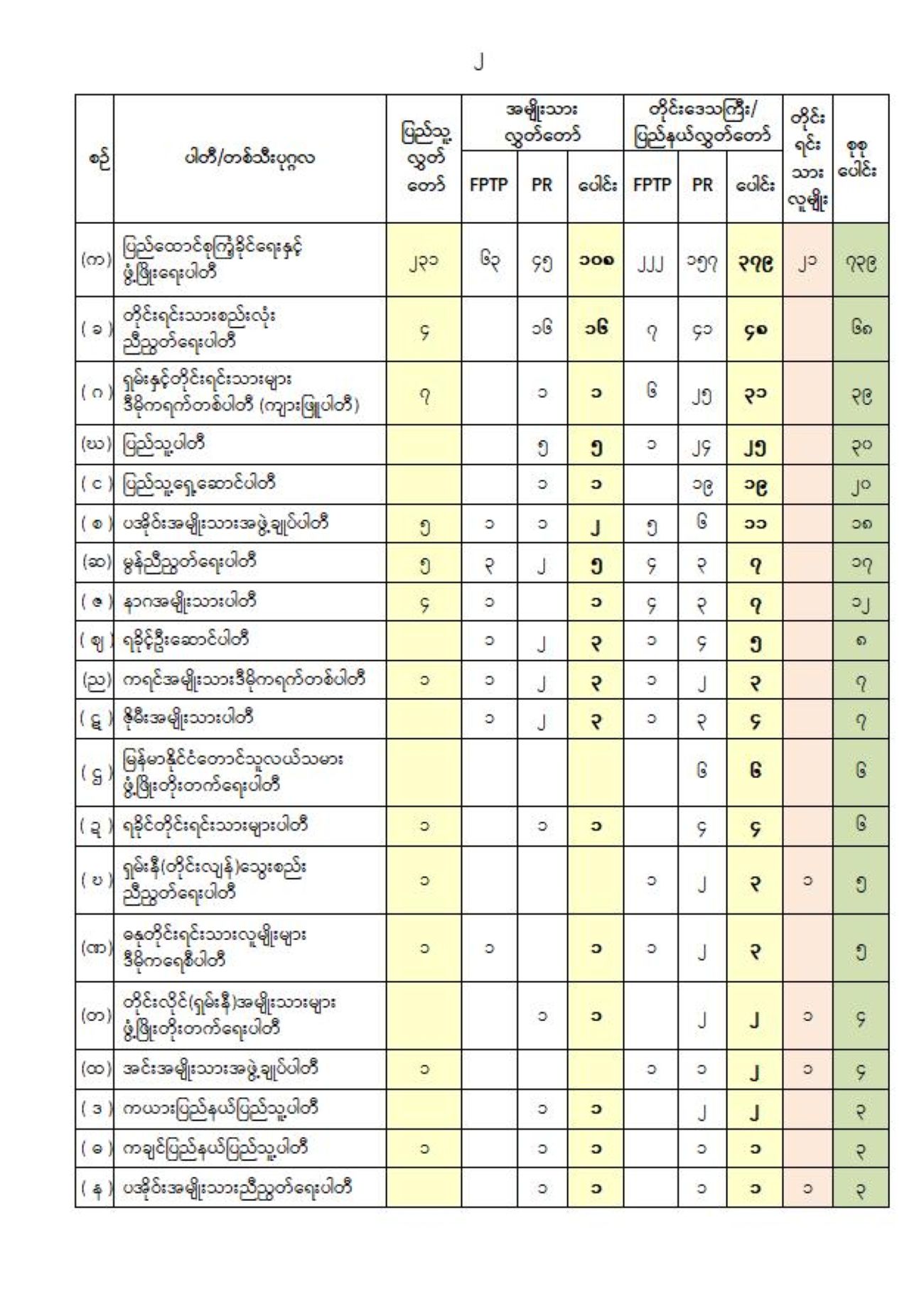
The Union Election Commission (UEC) announced the consolidated list of elected parliamentary representatives from the 2025 Multiparty Democratic General Election on February 3, 2026.
According to the announcement, the Union Solidarity and Development Party (USDP) won 739 seats, followed by the National Unity Party (NUP) with 68 seats, the Shan and Nationalities Democratic Party (White Tiger Party) with 39 seats, the People’s Party (PP) with 30 seats, the People’s Pioneer Party (PPP) with 20 seats, and the Pa-O National Organization Party (PNO) with 18 seats, among others.
In addition, the Mon Unity Party won 17 seats, the Naga National Party 12 seats, the Arakan Front Party 8 seats, the Karen National Democratic Party 7 seats, the Zomi National Party 7 seats, the Myanmar Farmers Development Party 6 seats, the Arakan National Party 6 seats, the Shanni (Tai-Leng) Solidarity Party 5 seats, the Danu Ethnic Democratic Party 5 seats, the Tai-Leng (Shanni) National Development Party 4 seats, the Inn National League Party 4 seats, the Kayah State People’s Party 3 seats, and the Kachin State People’s Party 3 seats, respectively.
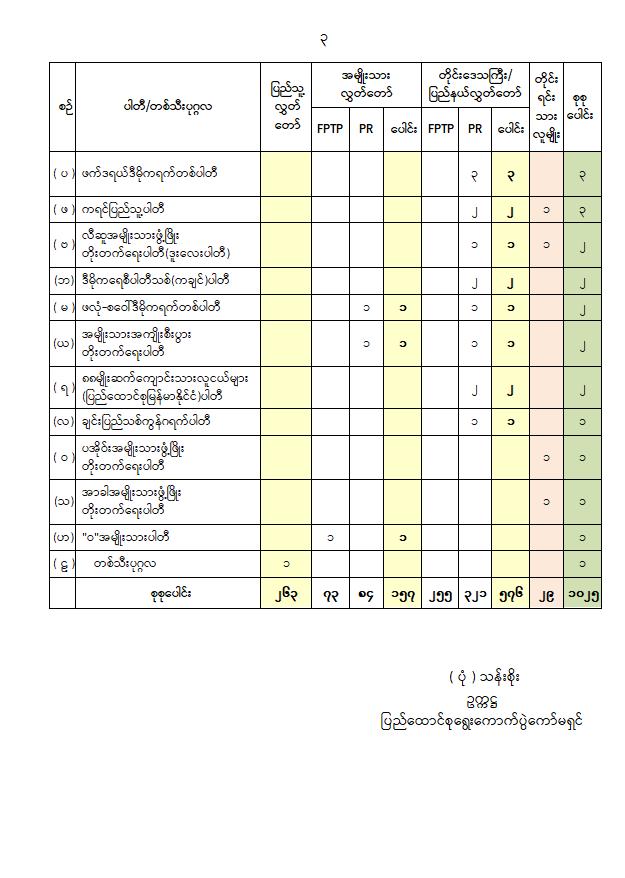
The general election in Myanmar was held in three phases, from December 28, 2025, to January 25, 2026.
According to the UEC, the election covered a total of 688 constituencies, including: 263 constituencies for the Pyithu Hluttaw, 73 constituencies for the Amyotha Hluttaw under the First-Past-The-Post (FPTP) system, 26 constituencies for the Amyotha Hluttaw under the Proportional Representation (PR) system, 255 constituencies for Region or State Hluttaws under the FPTP system, 42 constituencies for Region or State Hluttaws under the PR system, 29 ethnic minority constituencies for Region or State Hluttaws.
- By CNI
- Category: English Section
- Hits: 294
CNI News
4 February 2026
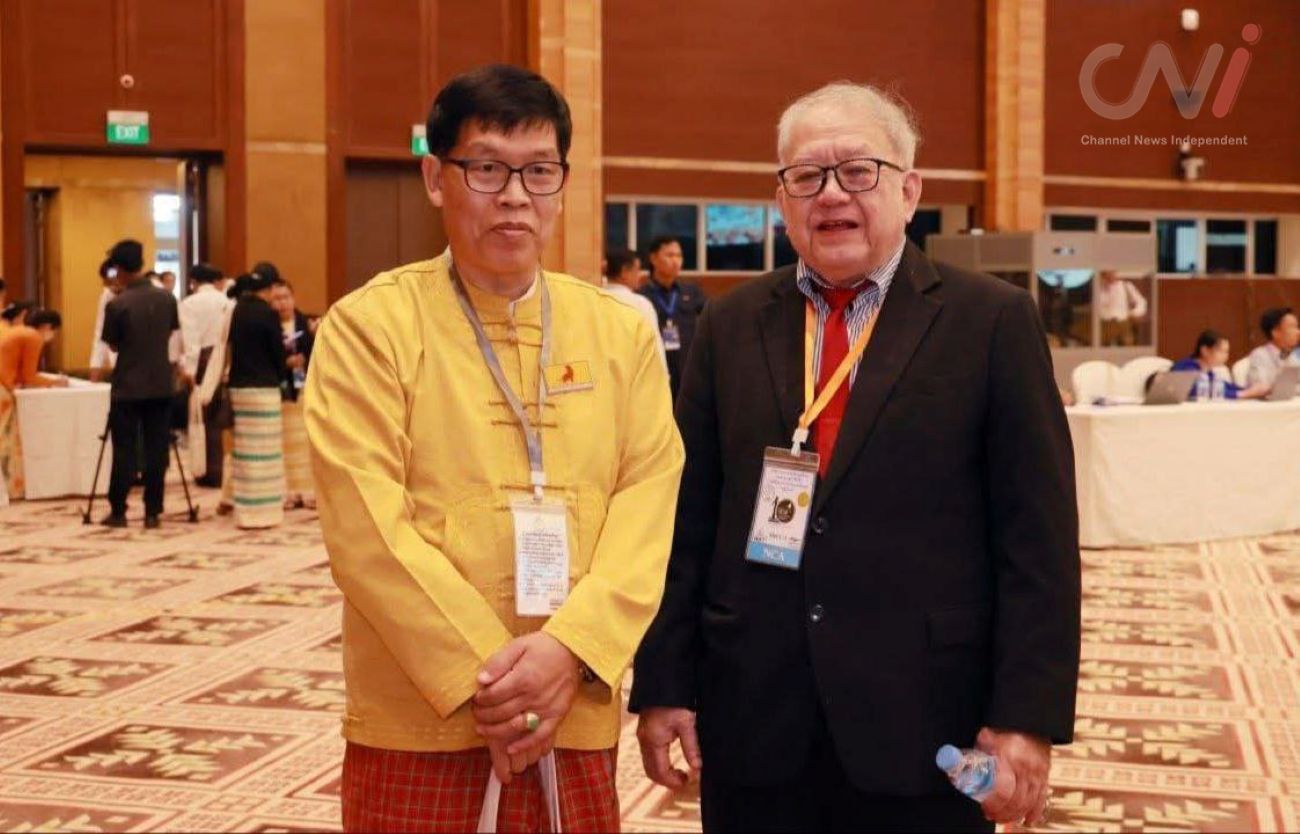
Sai Htay Aung, Chairman of the Tai-Leng (Shanni) Nationalities Development Party (TNDP), told CNI News that armed organizations must be brought under legal regulation by any means necessary. He emphasized that every time a new armed group emerges, it adds another burden to the people, and his party is committed to transitioning from the dominance of armed groups to a rule-of-law system.
Sai Htay Aung highlighted the historical and current struggles of the Shanni people:
Long-term Oppression: The Shanni people have lived under the oppression of the KIA for over 60 years.
Proliferation of Armed Groups: In the current political shift, various armed groups have emerged within Shanni regions, often with the intent to fight back.
Resource Exploitation: Despite the Shanni region being rich in natural resources, locals do not benefit. Armed groups extract these resources for their own interests.
"To speak of 'law' when armed groups are dominant might make some people call me a fool today," Sai Htay Aung remarked. "But I will try my best to make it happen so that our people can live peacefully under legal protection."
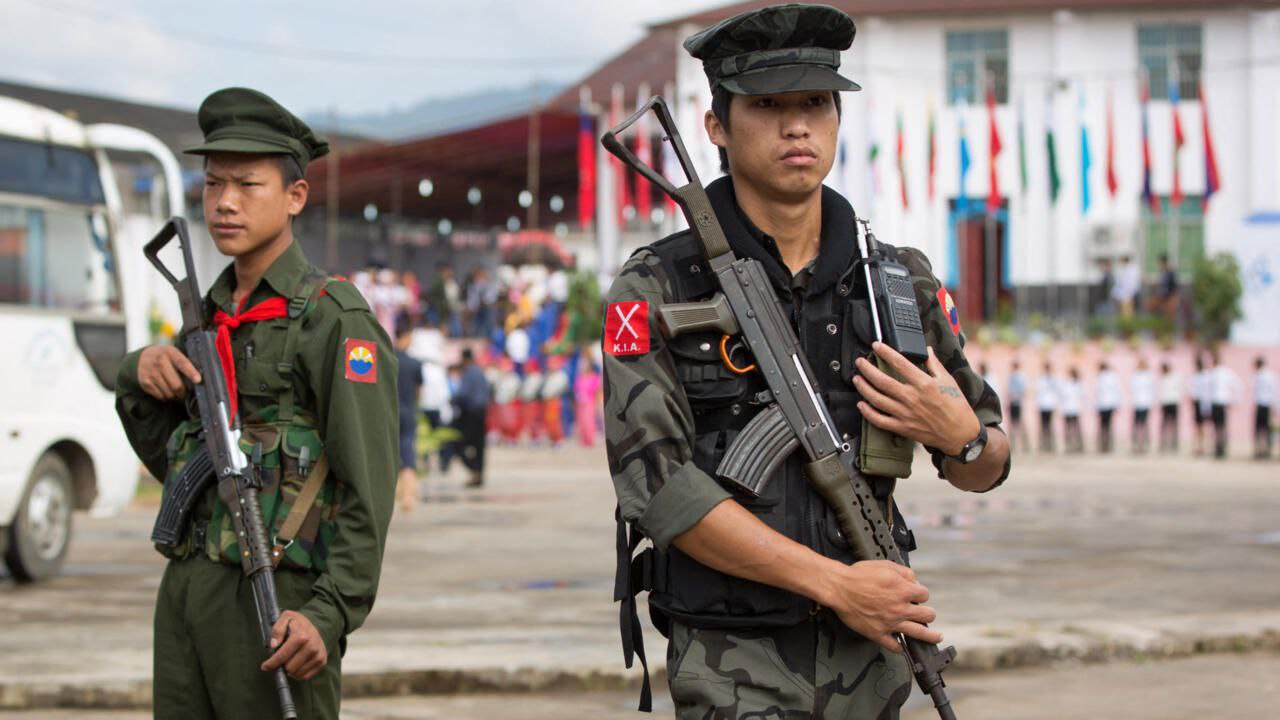
A leader of the KIA.
The Current Military Landscape
The KIA is currently providing military training, ammunition, and sanctuary to Spring Revolution forces, while also participating in joint operations in Sagaing Region and Kachin State. Sources close to the situation report that the KIA headquarters currently hosts a coalition of groups, including the AA, Naga armed groups (ENDA/ENNO), NUG, NUCC, CNF, ABSDF, and various PDFs.
The conflict between the Myanmar military (Tatmadaw) and these armed forces has intensified across the country, resulting in over 3 million internally displaced persons (IDPs).
The Role of the New Parliament (Hluttaw) Colonel Khun Okkar, Chairman of the Pa-O National Liberation Organization (PNLO-NCA/S), noted that significant changes regarding armed conflict are unlikely within the first six months of the new parliament.
Legislative Process: The new parliament must first enact policies and laws to address the current situation.
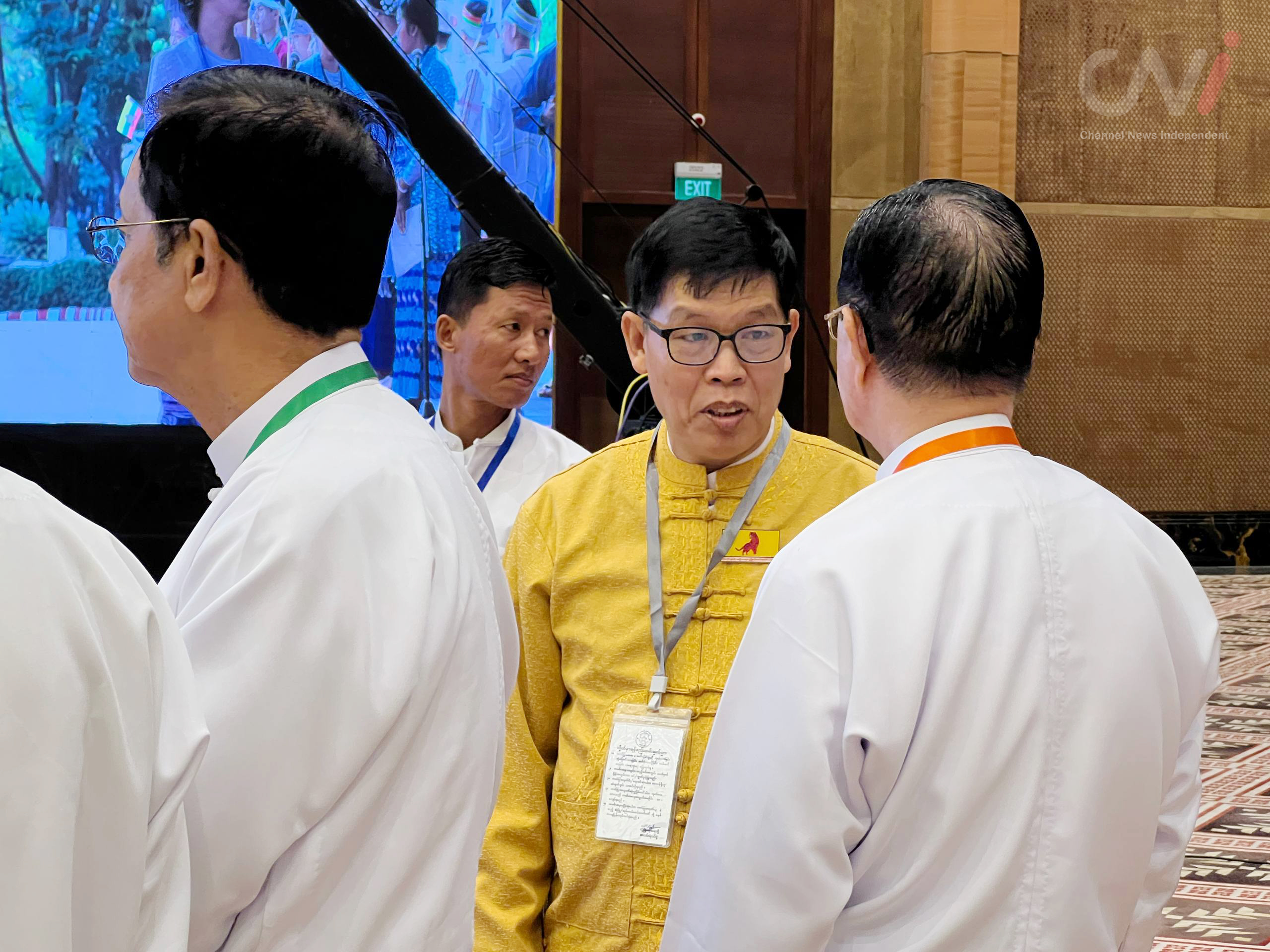
Sai Htay Aung, Chairman of TNDP.
Timeline for 2026: The first half of 2026 will likely focus on forming the government, electing a president, and reviewing existing laws (repealing unnecessary ones and enacting new ones).
Second Half Prospects: By the second half of the year, the government may begin inviting fighting groups and those abroad back into the political fold.
International Impact: Sanctions may only be reconsidered by the international community once the government and parliament demonstrate clear legal reforms and de-escalation.
Looking Ahead Following the completion of the three-part general election on January 25, 2026, both observers and the public are closely watching how the political and military landscape will shift under a new government.
Senior General Min Aung Hlaing has stated that the Hluttaw will be convened in March, followed by the formation of a new government in April.
- By CNI
- Category: English Section
- Hits: 529
CNI News
4 February 2026
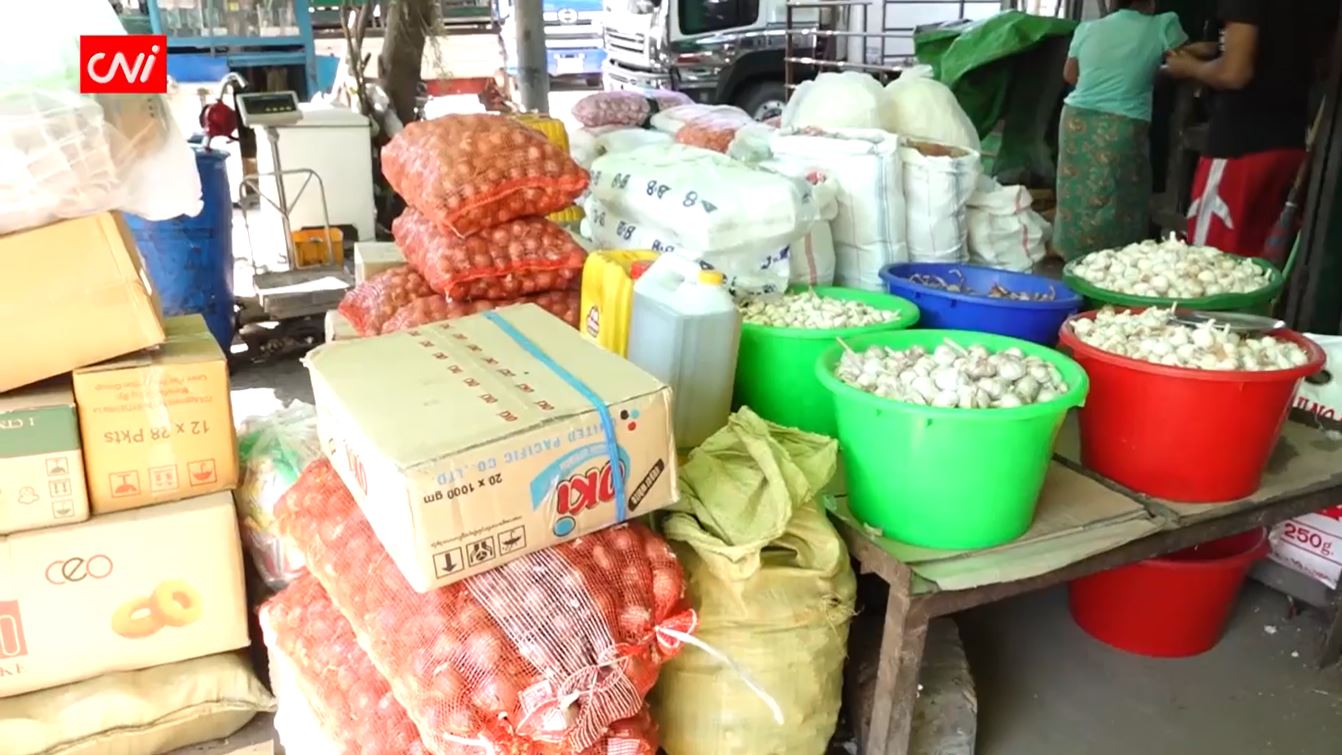
Since February 2021, Myanmar has seen a steady climb in basic food prices, leading many to question the root causes and search for solutions to stabilize the market.
In Yangon, a bag of Sin Thukha rice has reached 85,000 MMK, while a bag of Pawsan rice exceeds 200,000 MMK. Eggs are priced at 350 MMK each, creating significant hardships for the working class. However, the situation is even more dire in other urban areas; for instance, in Homalin, Sagaing Region, a single egg can cost between 1,500 MMK and 2,000 MMK.
Root Causes of Inflation According to businessman U Aung Pyae Sone, the issue is deeply tied to production and labor. He shared the following insights with CNI:
Labor Shortages: Failure to address the scarcity of labor will keep prices on an upward trajectory.
Supply and Demand: Prices fluctuate based on market availability versus consumer needs.
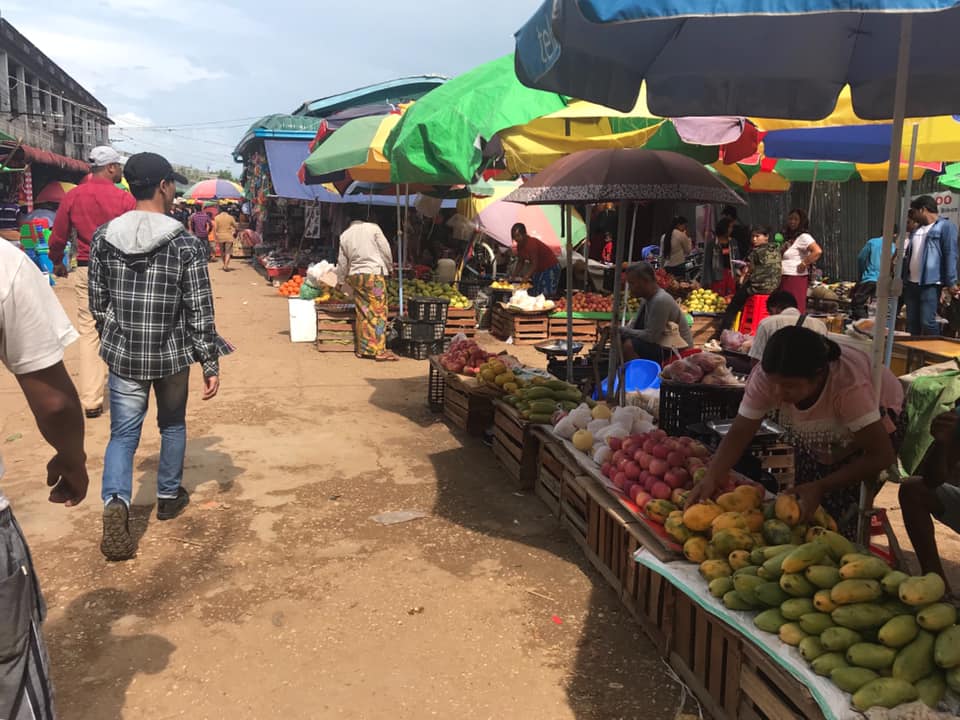
A view of the market in Tamu.
Production Weaknesses: High costs of land, labor, and capital are hindering local output.
Logistics: Instability along transportation routes adds to the final cost of goods.
Operational Costs: Daily expenses and rising wages naturally push commodity prices higher.
Business analysts also point to three fundamental economic factors: Rising Demand, Decreasing Supply, and Currency Inflation.
Furthermore, political analyst U Htet Aung Kyaw noted that bureaucratic hurdles are a major bottleneck. He explained that delays in obtaining import licenses from the Ministry of Commerce are causing shortages and price hikes for goods that cannot be produced locally.
Proposed Solutions Experts suggest that controlling prices requires more than just a centralized government mandate.
Key recommendations include: Boosting Local Production: Encouraging domestic manufacturing to replace expensive imports.
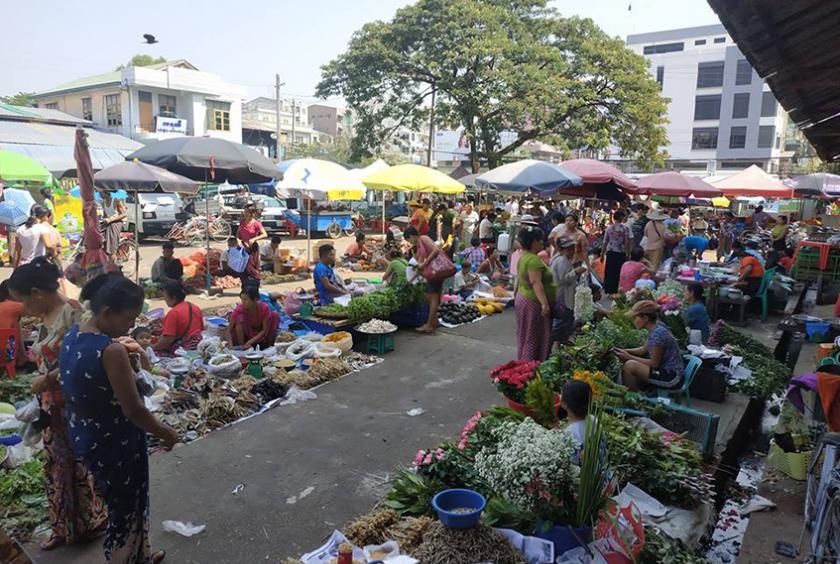
Vendors selling basic produce.
Human Resource Investment: Developing skilled labor to ensure efficient production.
Capital Accessibility: Providing the necessary funding and support for businesses to expand.
Policy Reform: Streamlining the import/export licensing process to prevent market stagnation.
Legislative Action: Utilizing parliament to address these economic challenges and influence ministerial decisions.
The Public Outlook Currently, citizens are forced to spend more cautiously than ever. There is a widespread hope among the people of Myanmar that the new government and parliament following the elections will prioritize controlling and reducing the high cost of living.
- By CNI
- Category: English Section
- Hits: 392
CNI News
3 February 2026
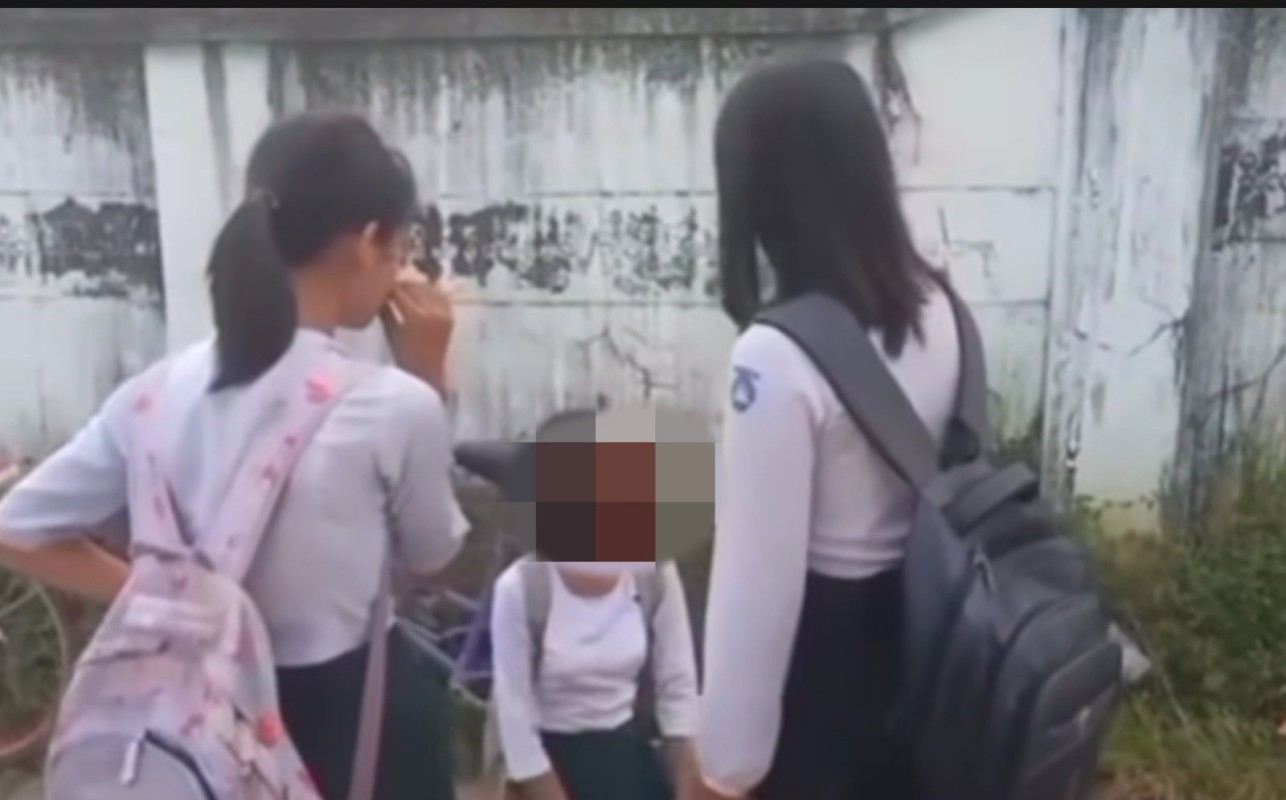
The growing frequency of brawls, violence, and bullying among students in Myanmar's basic education schools has prompted educators and political observers to question the root causes of this trend.
Recent tragic incidents have highlighted the severity of the issue: On January 27, 2026, a student died following a fight at Basic Education High School (1) in Shwepyitha Township, Yangon Region.
On January 15, 2026, a Grade-12 female student was reportedly raped at Aung Myay Thit Private High School in Taunggyi, Southern Shan State.
Lack of Parental Supervision and Emotional Support Dr. Nyo Nyo Thin, founder of the Yangon Watch group, told CNI News that a lack of adequate care and quality family time is a major contributing factor to youth violence.
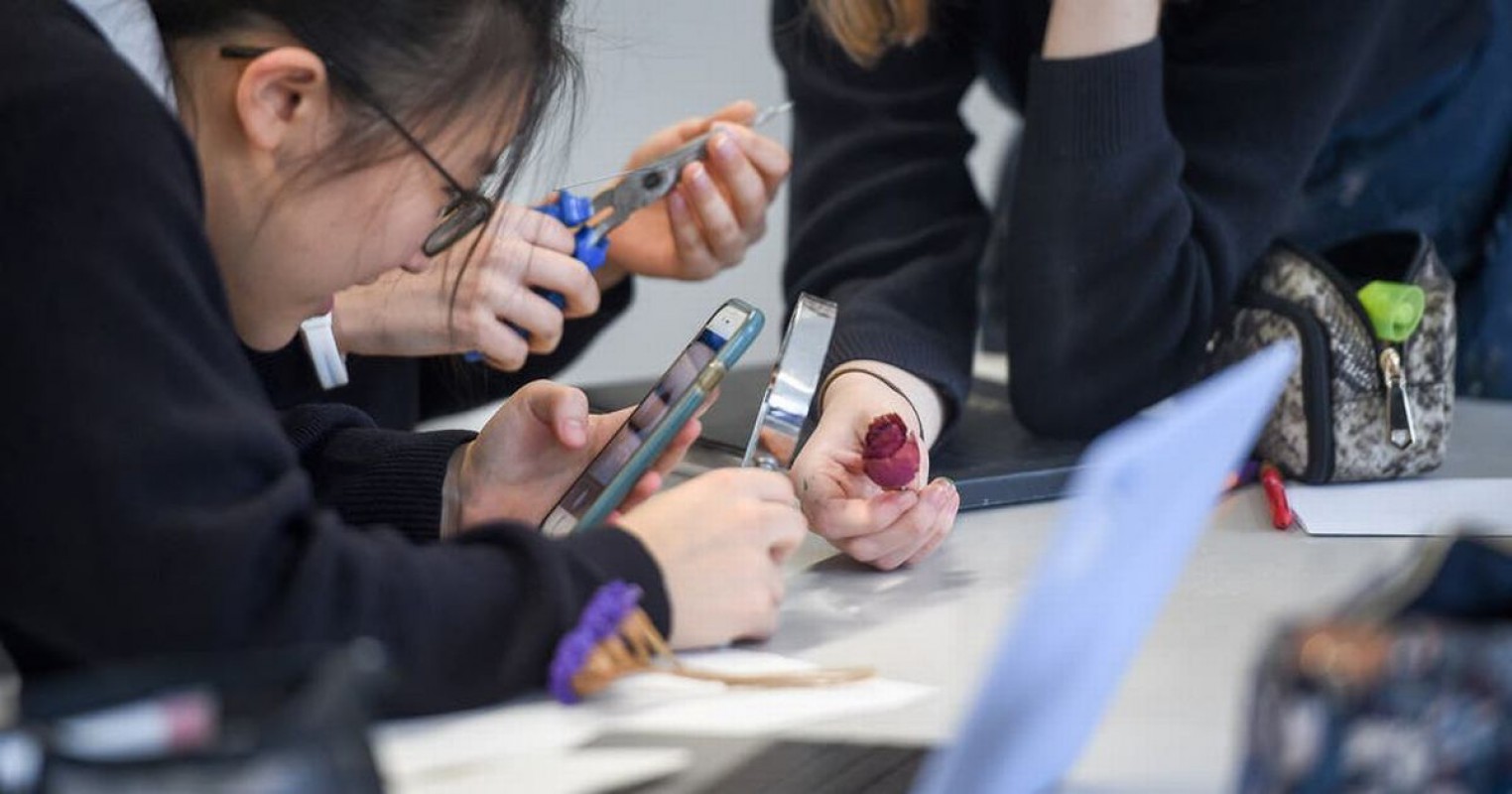
A student using a mobile phone inside a classroom.
"Bullying in schools has always existed, but parents are becoming increasingly concerned lately. From a psychological perspective, I believe students are projecting their frustrations with their parents onto weaker peers at school. While this doesn't apply to all, many parents are struggling so hard for their daily livelihoods and economic survival that they have less time to provide sufficient love and attention to their children," she explained.
The Influence of Social Media Dr. Aye Maung, Chairman of the Arakan Front Party (AFP), emphasized that social media platforms now exert an immense influence on the youth. He urged the new government to systematically supervise social media usage alongside maintaining school discipline.
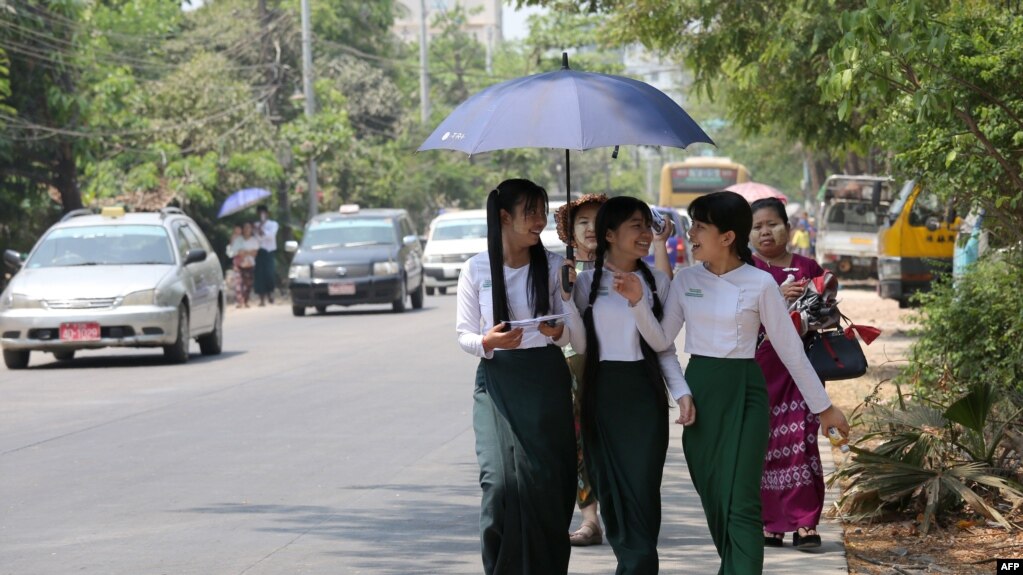
A group of female students seen at a school.
"In our era, school education heavily influenced social life. The supervision of teachers was vital to discipline. Now, social media has taken over. We need age restrictions on electronic device usage and must reintegrate traditional ethics (Loka Niti) into the school curriculum. Furthermore, the government needs to fulfill the infrastructural and resource requirements of schools," Dr. Aye Maung said.
Imitation of Media Violence
Political observers also pointed out that youth are increasingly exposed to domestic and foreign films depicting gang violence and bullying via social media. They warned that young people may be mistakenly imitating these harmful behaviors seen on screen.
- By CNI
- Category: English Section
- Hits: 260
CNI News
3 February 2026
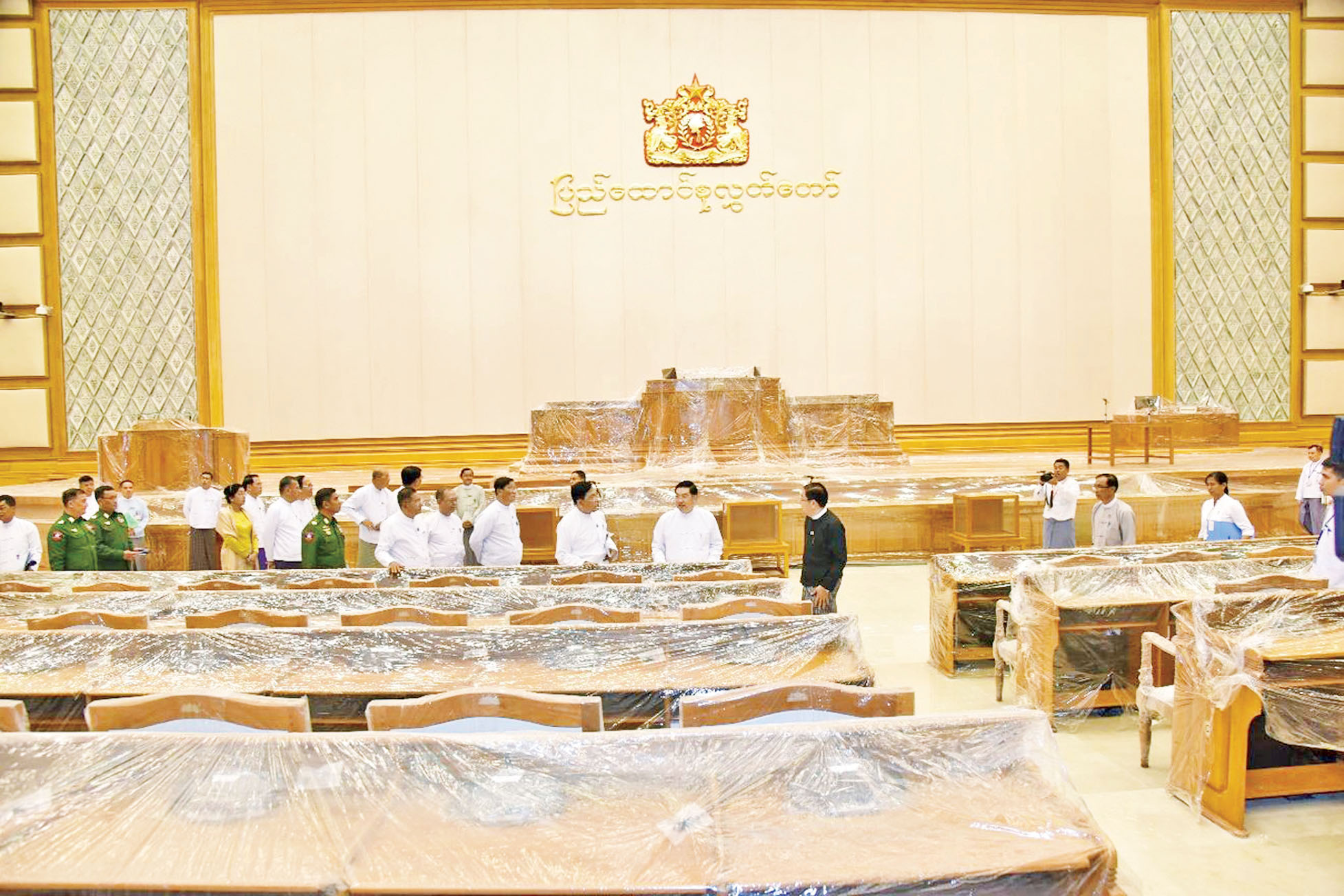
State Prime Minister U Nyo Saw has directed authorities to implement security measures for Members of Parliament (MPs) scheduled to attend parliamentary sessions in Myanmar this coming March.
During a meeting of the Central Committee for Organizing Parliamentary Sessions held on January 27, 2026, the Prime Minister emphasized several key logistical and safety requirements:
Accommodation & Utilities: Ensuring guesthouses are prepared for MPs with reliable access to drinking water and electricity.
Security Infrastructure: Strengthening security protocols both inside and outside the parliamentary compound, as well as at the MPs' residential quarters, during and between sessions.
Welfare & Transport: Organizing systematic arrangements for catering, healthcare services, and transportation to ensure smooth travel for representatives.
Perspectives on Security Risks
Sai Htay Aung, Chairman of the Tai-Leng (Shanni) National Development Party (TNDP), told CNI News that security is paramount given the current climate.
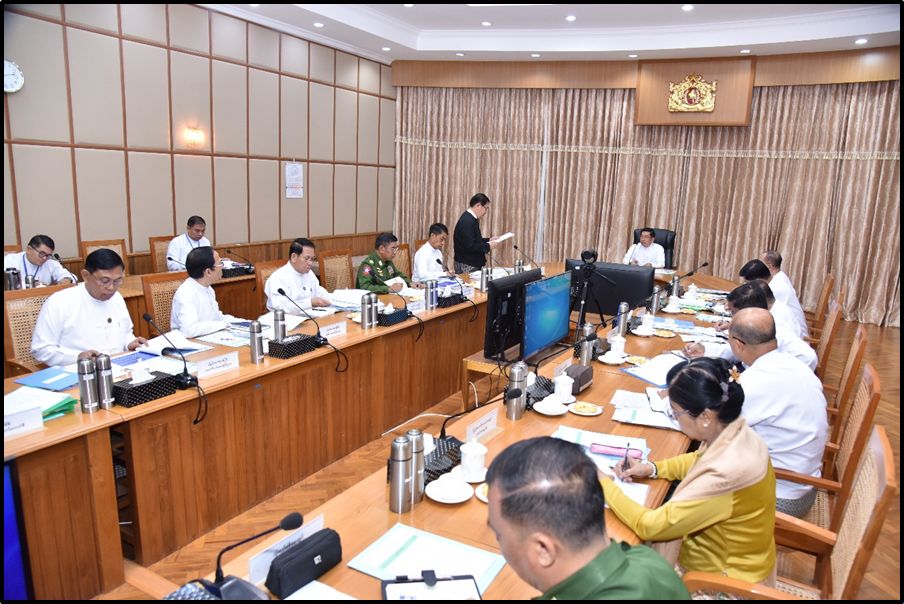
The Central Committee for Hluttaw meeting led by U Nyo Saw.
"The security of MPs is extremely important right now because once parliament starts, they must speak and act in the public interest. The government should provide firm security because, in a time when armed groups are prevalent, we cannot say there is no danger. To allow MPs to speak freely, security is vital," he stated.
He further suggested that intelligence gathering is key and that government security forces must maintain close coordination with the public to receive timely information regarding potential threats.
U Saw Than Myint, Joint Secretary of the Shan and Nationalities Democratic Party (SNDP), added that while the state bears the primary responsibility for MP security, the representatives themselves must remain vigilant.
"MPs should avoid unnecessary travel and stay alert. We expect relevant state security organizations to fulfill their duties before, during, and in the intervals between sessions," he said.
U San Lwin of the National Unity Party (NUP) noted that security needs vary and cannot be applied as a "one-size-fits-all" model, urging all representatives to prioritize their personal safety.
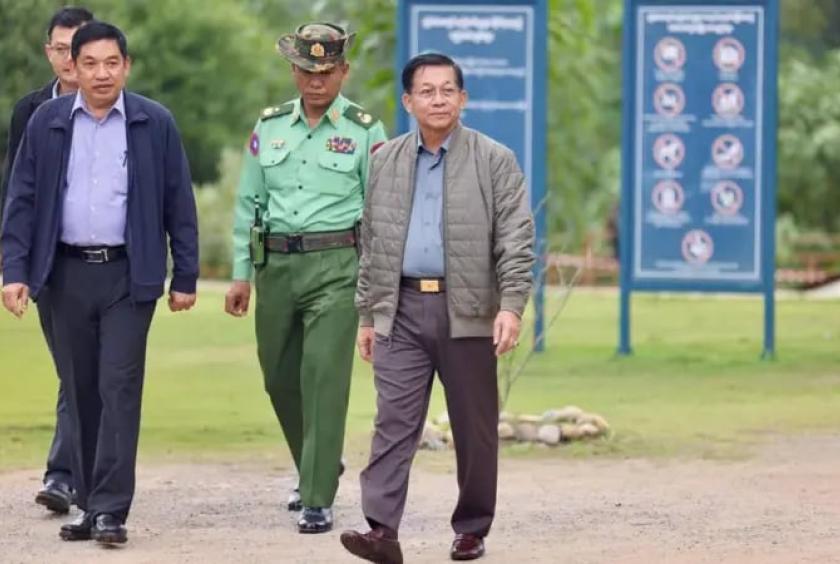
Prime Minister U Nyo Saw and the Acting President.
Political Context Myanmar recently concluded its 2025 General Election, which was held in three phases from December 28, 2025, to January 25, 2026.
Senior General Min Aung Hlaing previously announced that: Parliament will be convened in March.
A new government will be formed in April.
State power will be transferred to the winning party.
However, the election remains highly contentious. Revolutionary forces and the National Unity Government (NUG) have denounced it as a "sham." Furthermore, the NUG, PDF, and certain Ethnic Armed Organizations (EAOs) have issued warnings that they will take effective action against those participating in the election process.
The military seized power on February 1, 2021, after alleging voter fraud in the 2020 General Election—a claim the then-NLD government did not resolve before attempting to form a new administration.
- By CNI
- Category: English Section
- Hits: 318
CNI News
3 February 2026
Military and political analysts are currently evaluating whether a specific ministry related to peace should be established under the new government that will emerge in the near future.
In Myanmar’s history, peace processes have typically been implemented only through the formation of committees. Therefore, Colonel Saw Kyaw Nyunt, spokesperson for the 7 EAO Alliance, told CNI News that an organization capable of working dedicatedly for peace is truly necessary within the current landscape of numerous challenges and difficulties.
He stated, "Committees have been formed before. There have been joint efforts. However, for a government managing all the affairs of the country, if there is a distinct body and a distinct mandate for such a critically important national issue, I believe it would be more effective than previous committees. Furthermore, our 7 EAO Alliance always urges governments to do this. Peace is a genuine necessity for us. Instead of the current setting where meetings and discussions are incomplete and lack systematic structure, the government should establish a ministry to ensure a systematic framework. A government should adopt firm peace policies and there must be a systematically organized, dedicated mechanism to implement that peace."
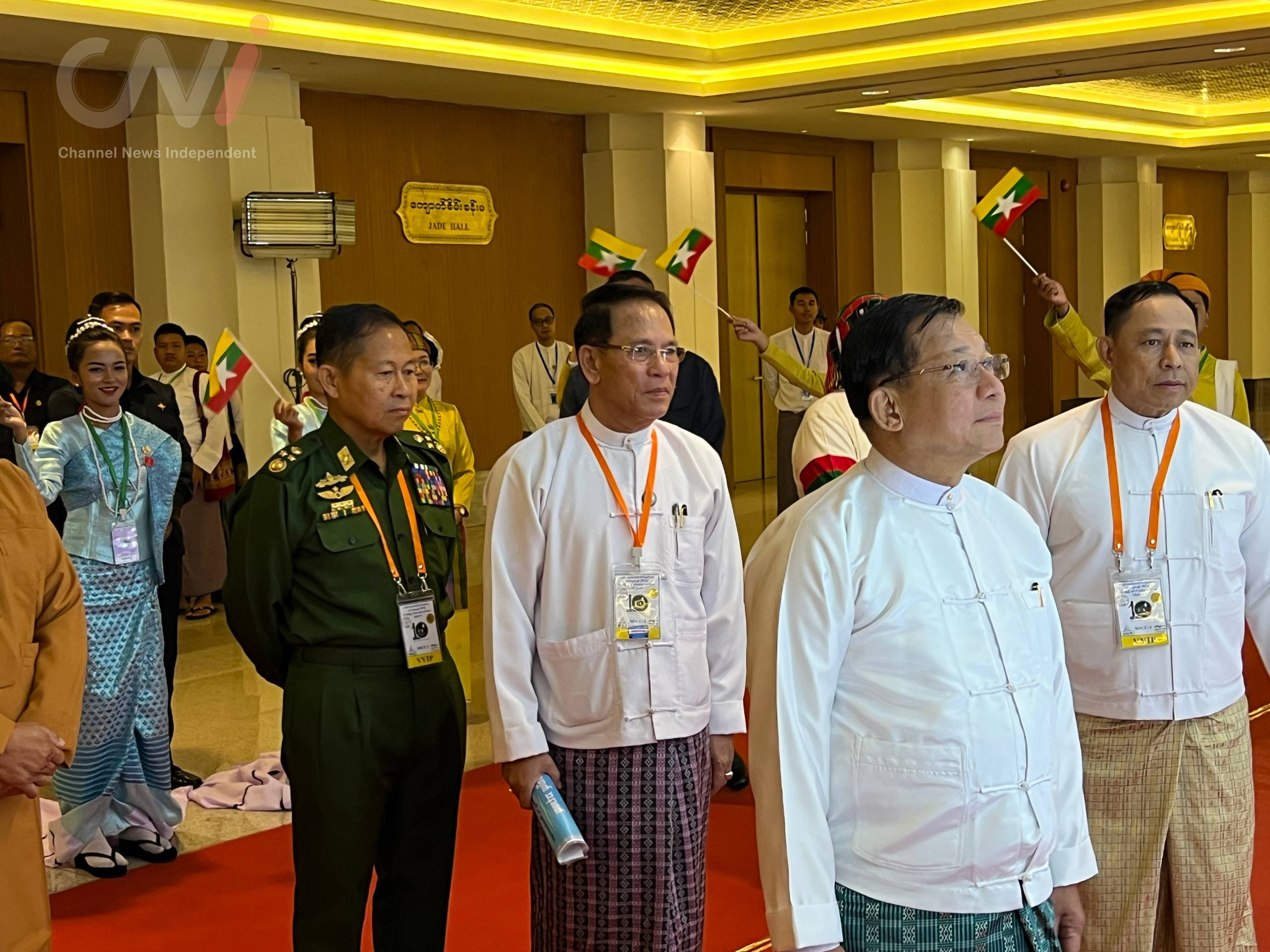
Tatmadaw leaders seen
During the Peace Forum 2025, held from June 25 to 27, discussions were also held regarding the formation of a non-governmental peace brokerage group to aid the Myanmar political landscape.
Political analyst U Kyaw Htet told CNI News that while the NSPNC (National Solidarity and Peacemaking Negotiation Committee) currently leads peace negotiations and forums during the military’s administration, other ministries still have to coordinate and assist in the arrangements.
Therefore, he suggested that a dedicated Ministry of Peace should be formed by the government, while a central-level peace implementation committee like the NSPNC should also exist at the state level; both should function simultaneously.
He added, "Regarding the composition, we should include individuals who have been involved in the political peace process since the 2010 NCA path began and those who are close to Ethnic Armed Organizations (EAOs). There are the 10 NCA-signatory groups, though the number has decreased due to later political situations. If we include people from these groups, the public will have more trust in national reconciliation and peace. If a Ministry of Peace is formed, it would be beneficial to appoint a government official as Minister and an ethnic leader from an NCA-signatory group as Deputy Minister. Additionally, a Union-level Peace Implementation Central Committee is necessary. In implementing tasks, the ministry officials need to be individuals granted special authority by the President—similar to the role U Aung Min played previously. The Minister of Peace would lead the preliminary discussions with ethnic groups before moving to the table for final negotiations. Establishing a ministry could move things forward due to the official authority and mandate of a Union Minister."
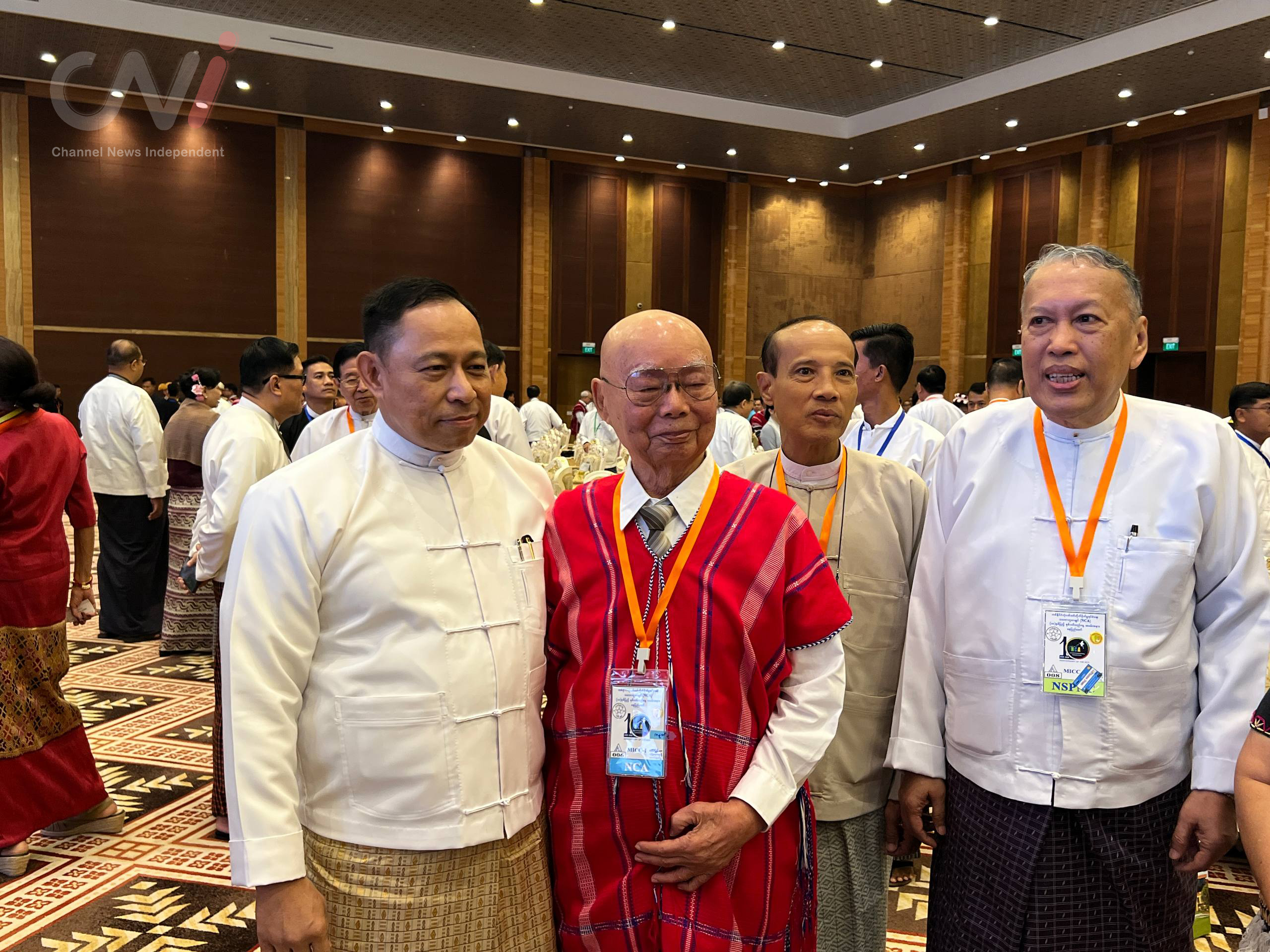
Individuals involved in the peace process.
Senior General Min Aung Hlaing has stated that following the completion of the 2025 Multiparty General Election, the parliament will be convened in March, and state responsibilities will be transferred to the winning party according to the procedures.
Furthermore, Prime Minister U Nyo Saw stated during a Union Government meeting on January 27 that since the signing of the Nationwide Ceasefire Agreement (NCA) remains vital for the progress of the peace process, the NCA agreements must be practically implemented.
According to sources close to those involved in the peace process, there are considerations to form a Ministry of National Reconciliation under the upcoming new government to implement peace processes, including the NCA.
It is noted that in South Korea, a dedicated Ministry of Unification exists specifically to work toward the reunification of the two Koreas.

- By CNI
- Category: English Section
- Hits: 530
CNI News
2 February 2026
Dr. Nyo Nyo Thin, founder of Yangon Watch, told CNI News that the upcoming new government should relax restrictions on certain social media platforms like Facebook, which currently require a VPN (Virtual Private Network), by implementing a trial period.
Following the political changes in Myanmar after 2021, access to internet-based social media platforms was restricted, with authorities citing security reasons. Due to these limitations, users have been forced to use intermediary applications known as VPNs to access platforms like Facebook.
Dr. Nyo Nyo Thin suggested that if national security is not affected, the government should move forward from a trial phase toward a full relaxation of these restrictions.
"Both young and old have been calling for the relaxation of VPN restrictions for about a year now. However, it seems the national leadership is being cautious due to security concerns and the potential spread of fake news and misinformation. Before the VPN restrictions, fake news was rampant among the public, and ordinary citizens were caught in a whirlwind of misinformation; people were essentially living on it. This likely led to the decision regarding VPNs. Therefore, if the VPN restrictions are lifted now, the authorities seem to be considering whether those issues will resurface from a security standpoint. That is why the VPN issue remains in a state of limbo. From our perspective, they should temporarily lift the VPN restrictions for a trial period. If security issues arise during that trial, they can simply revert to the original status. We believe a trial period is necessary," she said.

Various VPN application icons.
Currently, all phases of the 2025 multi-party democratic general election have been completed. Senior General Min Aung Hlaing has stated that parliament (Hluttaw) will be convened this coming March, and state responsibilities will be handed over to the winning party in accordance with established procedures.
In some regions, citizens are hoping the new government will address issues such as road closures due to local fighting, lack of electricity, internet blockages, and the cutting of phone lines.
Furthermore, political analysts point out that during the five-year period of military administration, various laws were amended, approved, and enacted without a sitting parliament.
Colonel Khun Okkar, Chairman of the Pa-O National Liberation Organization (PNLO-NCA/S), told CNI News that it would be more beneficial if the incoming government reviews and amends not only the laws enacted during the military administration but also the Constitution.

Senior General Min Aung Hlaing seen with political party leaders.
"I can't say if it will be a 'civilian' government—I don't know what kind of government it will be yet—but it will be a government that emerged from an election. When we say a government born from an election, one thing they can do is address the laws enacted during the five-year military rule. Many laws were passed without a parliament. The new government will have to decide whether to continue upholding them or to review them. If a review is necessary, the new parliament and government will handle it. We used to call the U Thein Sein-led government a 'half-civilian, half-military' government. Back then, he was the President, with Tin Aung Myint Oo and Sai Mauk Kham as Vice Presidents. That's why we called it that. I don't know what 'half' this post-election body will be. Regardless, if they can deal with policies, make changes, and review or amend the Constitution, things will improve. It creates the conditions for necessary work to be done. I think they will start with that at least," he said.
At present, both the international community and domestic military and political observers speculate that Senior General Min Aung Hlaing could become the President following the election. Furthermore, analysts suggest that the incoming government will likely be one dominated and led by the military itself.
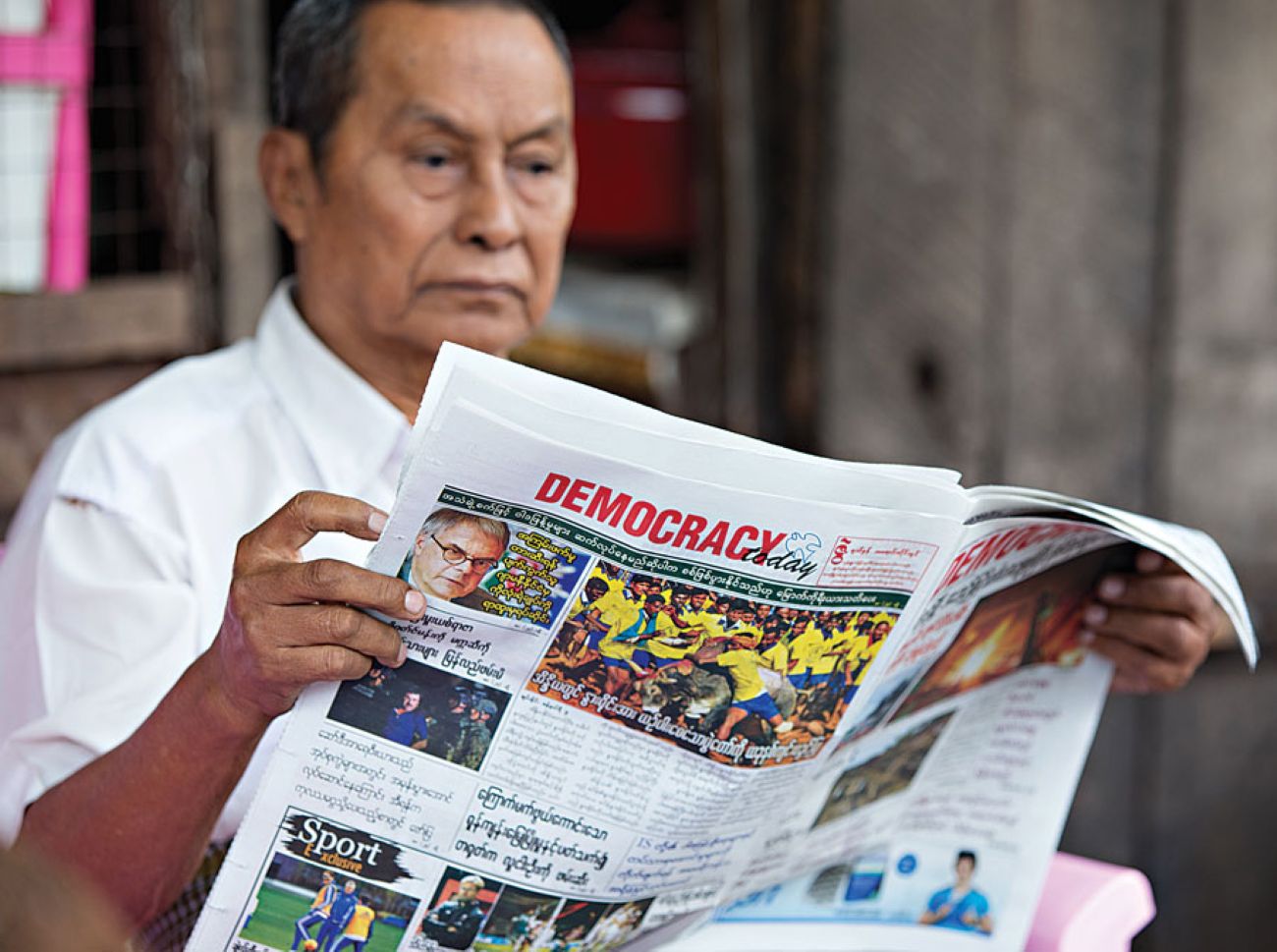
- By CNI
- Category: English Section
- Hits: 267
CNI News
2 February 2026
In Myanmar, where security is a top priority, questions are being raised regarding how the government and the media should cooperate.
In a country, cooperation between the government and the media can bring significant benefits. Economics analyst U Htay Aung Kyi told CNI News that the media is referred to as the "Fourth Pillar" because it has the responsibility to keep a country on the right track.
He stated, "In reality, the media should consist of individuals who thoroughly understand economics, political science, and public administration, and who can think with foresight for the sake of the country. On the other hand, the government must work on innovating and reforming systems for a better future. If experts in both fields—government and media—properly understand economics, political science, and public administration, their cooperation could greatly benefit the nation. As the Fourth Pillar, the media has the duty to ensure the country follows the correct path."
Analysts point out that in today’s era, media is evolving rapidly alongside technological advancements, making it crucial to adapt to the changing role of the media.
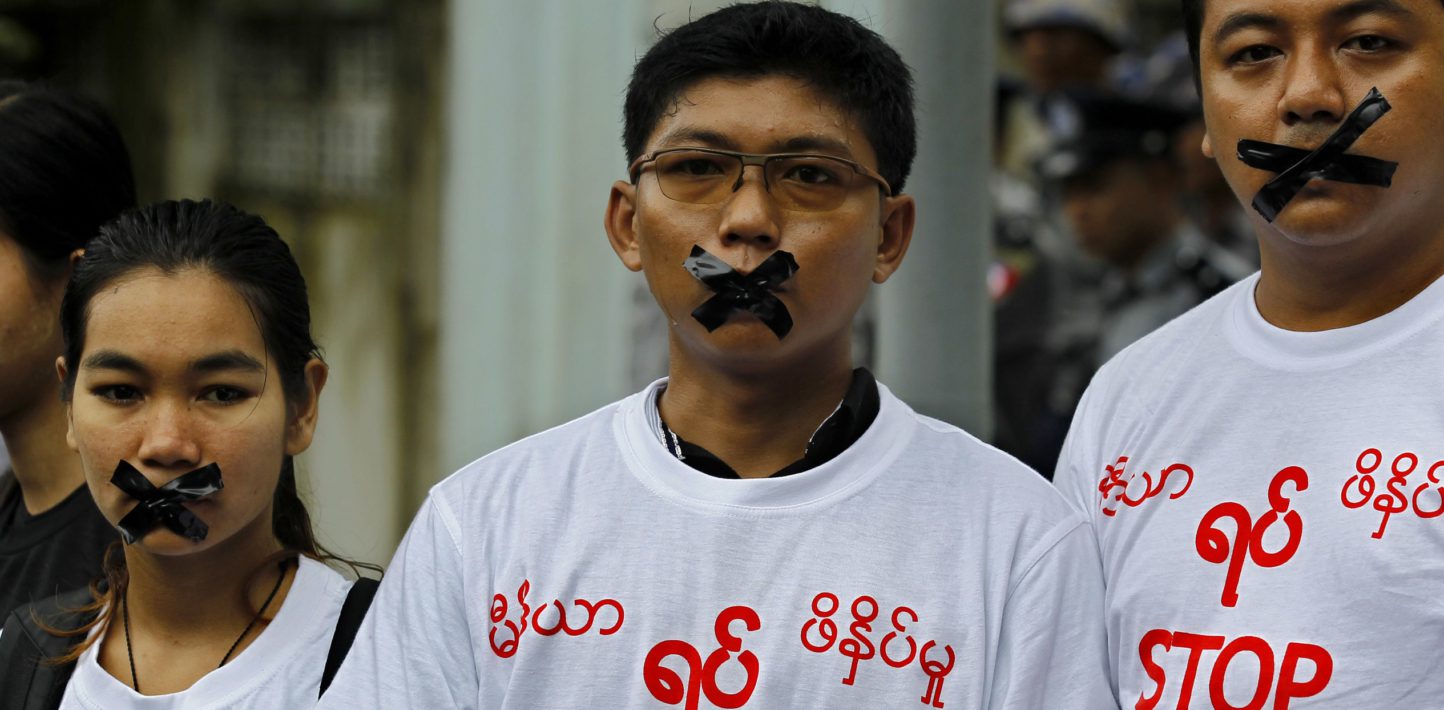
Journalists protesting during President U Thein Sein's era (AI).
Similarly, because news flows extremely fast on social networks, political analysts highlight that it is vital for government departments to use media channels to inform the public of their activities accurately and quickly. It is also essential for these reports to be high-quality and constructive.
Dr. Myo Set Thway, a political analyst, told CNI News that media freedom should be expanded, but there should also be quality control systems to ensure the proficiency of journalists.
"In Myanmar, the period under President U Thein Sein after the 2008 Constitution was enacted was the era when media freedom and strength were at their peak. Journalists were given considerable freedom to write. For the upcoming government, while national security is important and it must prevent public misunderstanding and the spread of fake news, I believe it should also grant a reasonable amount of freedom to the media. Of course, vetting is necessary. Currently, many domestic media outlets no longer exist; they have moved abroad. Due to technical shifts, they have become digital/online media. In other words, media presence has thinned out. There should be a system to monitor the quality of news media. So, there are two parts: more media freedom should be granted, but there should be quality control systems to ensure journalists meet professional standards and ethics. Primarily, there may be a need to enact further media-related laws," he said.
Under the U Thein Sein government, which came to power after the 2010 general election, media freedom was granted, and foreign media outlets were allowed to base themselves in Myanmar. Journalists even had the freedom to protest against the government. During that time, a system of checks and balances was maintained between the media and the government, as well as between the media and parliament.

Newspapers seen stacked (IMS).
However, under the Daw Aung San Su Kyi government following the 2015 general election, media freedom faced restrictions, and many journalists were arrested and prosecuted under Section 66(d) and Section 17(1).
Similarly, in the current period, media freedom remains limited, and the landscape for cooperation between the government and the media has weakened.
Sai Mein, Editor-in-Chief of the Shan Herald News Agency, told CNI News that if Members of Parliament (MPs) only act as "nodding yes-men," the path to media freedom will not open.
"The main thing is for MPs in parliament to be able to communicate transparently with the media. If those MPs are afraid to speak out or analyze an issue, it shows that an independent media does not yet exist. They themselves are worried. If that’s the case, how can they represent the people? They must interact openly with the media. They should bravely fight in parliament against laws that act as barriers to the media. But now, many are afraid to answer questions in parliament. If MPs are just at the level of raising their hands and nodding, the path to media freedom will not open," he said.
Political observers and journalists point out that there has been friction and a lack of understanding between successive governments and the media in Myanmar. They emphasize that if cooperation between the government and the media can be established, the country can navigate its transition with stability.
Page 36 of 352
Connect with us