
English Edition
- By CNI
- Category: English Section
- Hits: 346
CNI News
January 30, 2026
U Mahn Aung Pyi Soe, Chairman of the Karen National Democratic Party (KNDP), told CNI News that in addition to Ward and Village Tract Administrators, Township and District Administrators should also be appointed through an elective system.
He stated, "According to the Constitution, administrators are not elected at the District level; they are elected at the State level. Then, they are elected at the Ward and Village level. They are not elected at the Township and District levels. We are not satisfied with that. People are talking about it. It would be best if every administrator—at the District level, Township level, and the grassroots level—was chosen through an elective system."
He continued, "The Constitution does not explicitly state that these roles must be handled through elections. I wonder if they think electing Township and District Administrators would be too much trouble. If possible, an elective system would be the best. That is how I see it."
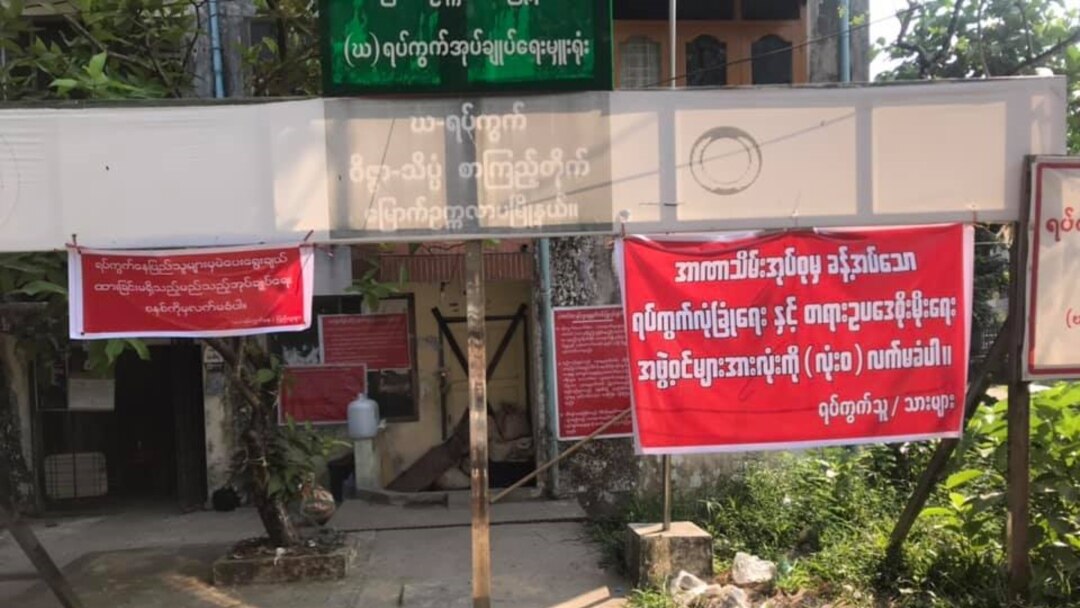
A Ward Administrator’s office.
Section 10 of the Ward or Village Tract Administration Law stipulates that anyone elected as a Ward or Village Tract Administrator must not participate in party political activities during their term of office, starting from the day of their appointment.
Based on the experience of the 2025 Multi-party Democratic General Election, U Ko Ko Gyi, Chairman of the People’s Party (PP), told media on January 25 during a session on "Election Part (3)" that Ward Administrators are the most fundamental element of Myanmar’s administration. He emphasized the need to review and reform the system to ensure Ward Administrators are independent of political parties and remain impartial.
He said, "The role of Ward Administrators was very prominent in this election. They are crucial in compiling voter lists and handling advance votes. We learned from this election experience that we need to reform the system so that Ward Administrators are free from political party influence and act neutrally. Because Ward Administrators were being threatened or killed, there was a shortage of people willing to do the job. Among those who stepped in, some acted fairly, while others significantly impacted the election results. Therefore, I want to say that the Ward Administrator system needs to be seriously reviewed and reformed."
U Li Paw Reh, Chairman of the Lisu National Development Party (Dulei Party), told CNI News that future governments must ensure that administrative bodies provide precise instructions to these administrators.
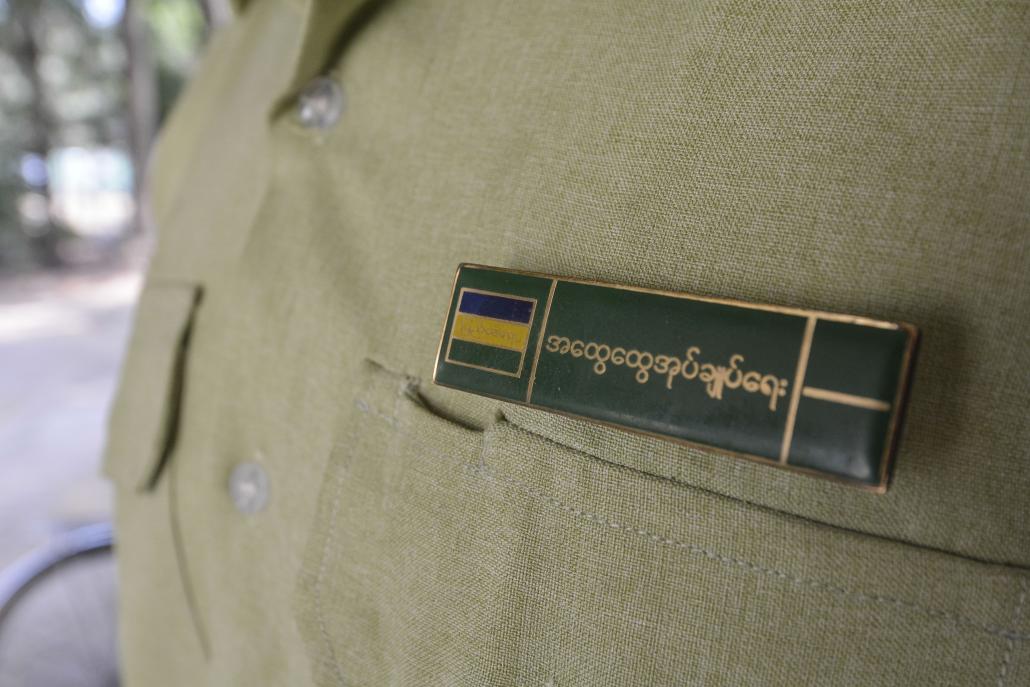
A General Administrator.
"The next government needs to give clear directives from the top to those administrators through their respective administrative organizations. However, some administrators fail to act because they don’t know how. Others are hesitant, worrying whether doing one thing or another might be wrong. If the leadership from above provides precise guidance, I think it will be fine," he said.
According to Myanmar’s Ward or Village Tract Administration Law, when selecting a Ward or Village Tract Administrator, a representative must first be elected from each group of ten households.
From among those elected, a list of individuals who meet the prescribed qualifications is compiled as ten-household representatives. A person’s name is then submitted to be proposed for the position of Ward or Village Tract Administrator.
The ten-household representatives then vote by secret ballot for the names on the list. The person who receives the most votes, if they meet the qualifications, is appointed as the Ward or Village Tract Administrator with the approval of the District Administrator.
Section 9 of the law stipulates that the term of office coincides with the term of the Pyithu Hluttaw (House of Representatives) and shall not exceed three terms.
- By CNI
- Category: English Section
- Hits: 294
CNI News
January 29, 2026
Political analyst U Htet Aung Kyaw told CNI News that if a new civilian government emerging after the election can effectively demonstrate national reforms, it is unlikely that the international community will not support the government.
The Malaysian Foreign Minister, Mohamad Hasan, stated on January 20 that ASEAN had clearly announced in advance that it would not send election observers and would not recognize the election.
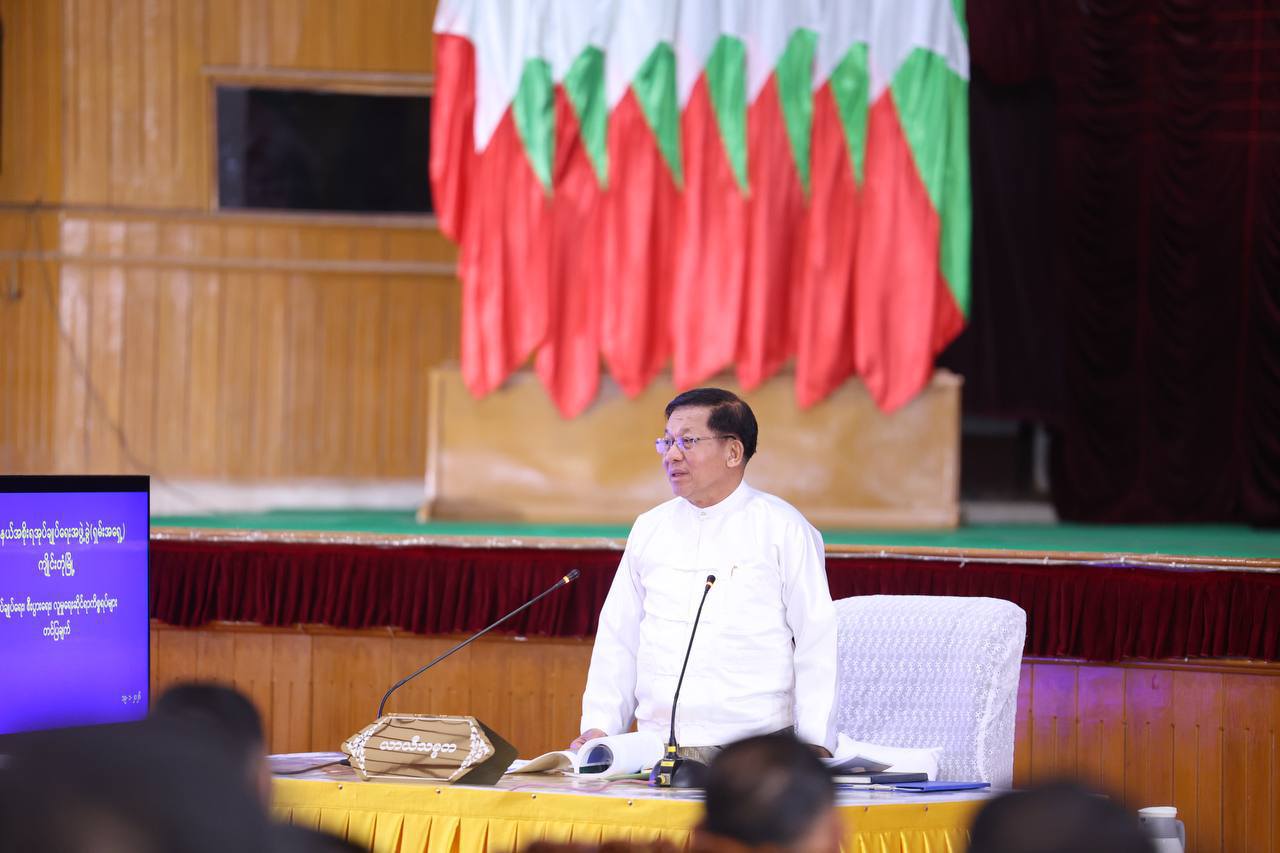
On the other hand, Senior General Min Aung Hlaing stated on January 25, 2026—following the conclusion of the third phase of the election—that he does not understand the international community’s recognition or non-recognition, but rather recognizes the public's participation in casting their votes.
U Htet Aung Kyaw told CNI News that the international perspective depends solely on the capabilities of the incoming new government. He noted that an elected government framework is more flexible than the current landscape where the military holds absolute control.

Senior General Min Aung Hlaing seen
He stated: "We are moving from a situation where the military holds 100% control to one where they might hold, say, 25%. Although the military-aligned Union Solidarity and Development Party (USDP) won the majority and everyone views them as the military, I don’t see it quite like that. It becomes an 'elected' body. Regardless of whether voter turnout was low or high, there was no set threshold for how many must vote for it to be valid; therefore, we must define it as an elected government. Such a government holds much more legitimacy than the current state. If this new government can truly show reforms, the countries that previously said they wouldn’t support it will change their attitudes. This is exactly what happened in 2010. Everything will fall into place depending on the new government’s performance and its goodwill toward the country."
Furthermore, U Htet Aung Kyaw added that regarding international relations, the country has already passed through the worst-case scenarios, and there is no reason for things to deteriorate further.
"In my view of international relations, 'it is never darker than at midnight.' We can say we have passed the worst. If an elected government emerges, there will be a better shift. If the resulting government handles matters smartly and can demonstrate real reforms, the 'rays of dawn' will appear. We can hope for that," he said.

Senior General Min Aung Hlaing seen
Dr. Hla Kyaw Zaw, an analyst of China-Myanmar affairs, told CNI News that while the government might gain some level of international legitimacy after its formation, there will be no way out unless internal issues are resolved.
She said: "Once the government is formed, it will gain some degree of international legitimacy as a 'De Facto Government'—a government actually in power. However, it won't be easy to overcome the crises the military is currently facing. While the Malaysian Foreign Minister said they won't recognize the election, a new government will appear regardless. It might receive some recognition internationally, but without solving domestic problems, there is no exit. I think our revolution will have to continue its course. There is no reason for an escape for them. Diplomatically, they might get some breathing room, though."
The multi-party democratic general election in Myanmar was held in three phases, starting from December 28, 2025, and was successfully concluded on January 25, 2026.
- By CNI
- Category: English Section
- Hits: 296
CNI News
January 29, 2026
Military and political observers are analyzing which ethnic figure might step into the role of Vice President (2) in the government expected to form following the 2025 multi-party democratic general election.
Since the administration of U Thein Sein, a tradition has been established where the presidential candidate nominated by the Amyotha Hluttaw (Upper House) is a non-Bamar ethnic person, who then serves as Vice President (2).
Colonel Khun Okkar, Chairman of the Pa-O National Liberation Organization (PNLO-NCA/S), told CNI News that the role might be given to a Rakhine ethnic person this time, with Dr. Aye Maung, Chairman of the Arakan Front Party (AFP), being a top contender.
"Most people estimate that the VP (2) slot is for a Rakhine ethnic person. Currently, Dr. Aye Maung is a popular guess. Even though he was not elected as an MP, a President or VP doesn't necessarily have to be an elected MP. The key is for the Amyotha Hluttaw to nominate them. If we follow tradition, the Shan and Chin have already held this position, so it's likely to rotate."
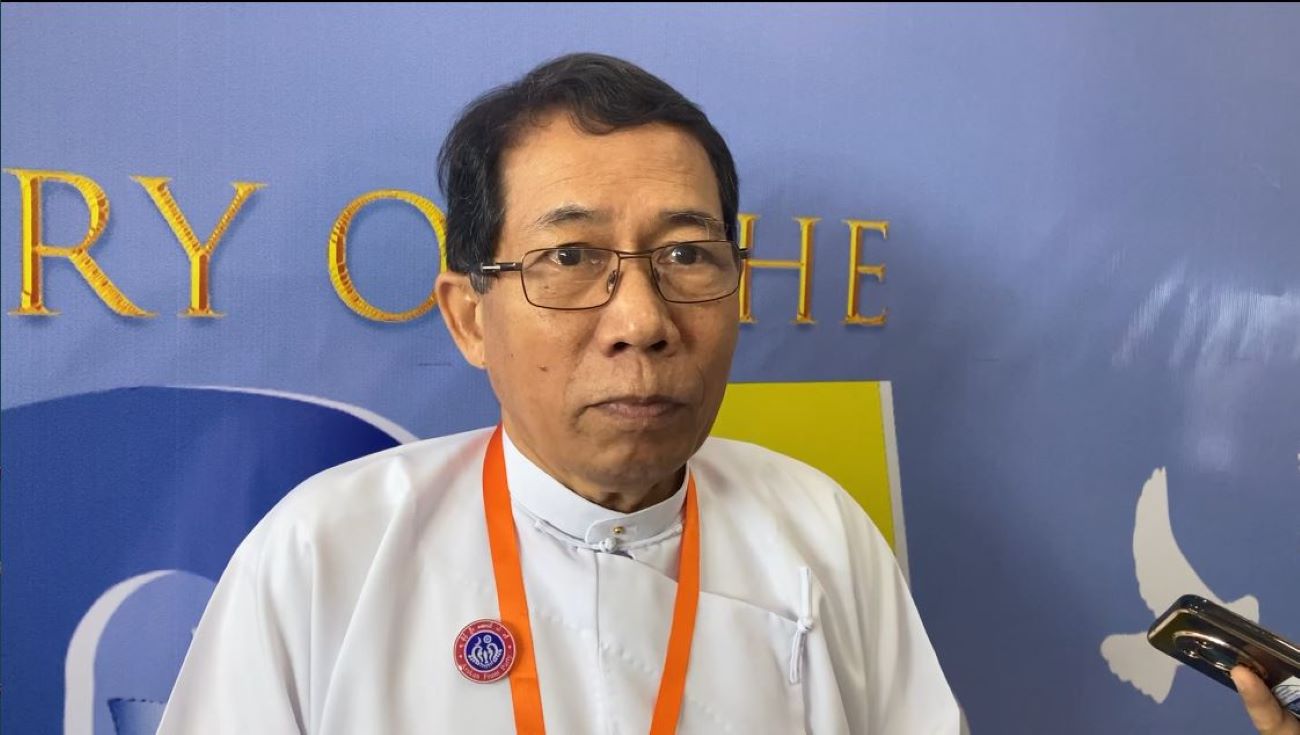
Dr. Aye Maung, Chairman of the Arakan Front Party, seen
Colonel Khun Okkar added that if there is a need to appease Kachin State due to ongoing conflicts, Daw Dwe Bu could be a candidate. She won a seat in the Amyotha Hluttaw representing the USDP in the 2025 election after leaving the Kachin State People's Party (KSPP).
The Selection Process Based on Section 63 of the 2008 Constitution, if a President or Vice President is an elected MP or a civil servant, they must resign from those positions upon being elected.
This confirms that even those who did not win or contest in the recent elections can still be nominated for the presidency.
U Mahn Aung Pyi Soe, Chairman of the Karen National Democratic Party (KNDP), expressed skepticism that appointing an ethnic Vice President would significantly change the dynamics between the military and the ethnic armed groups.
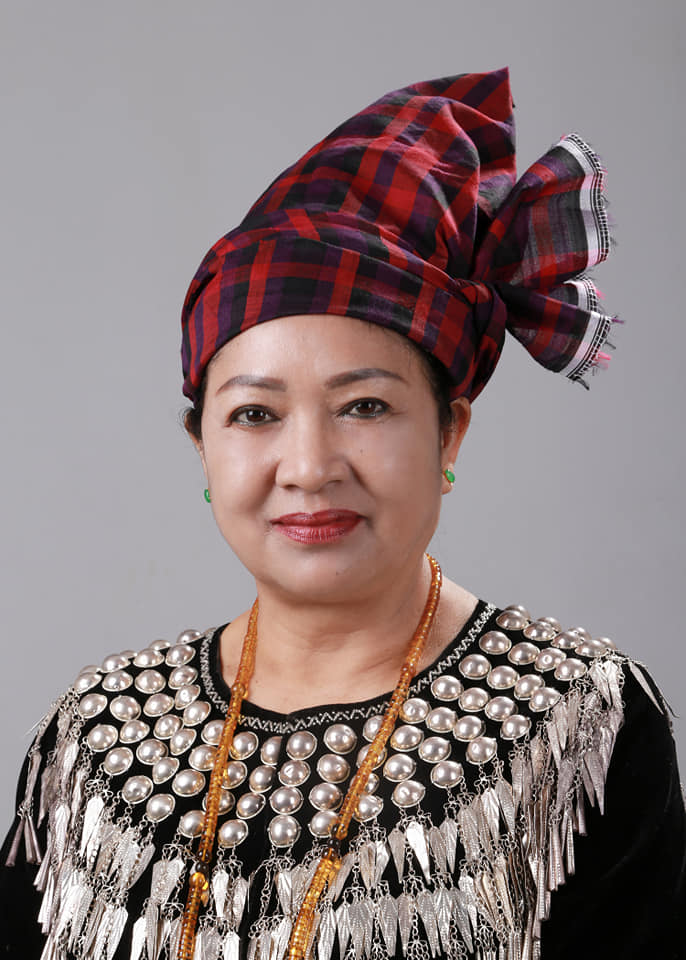
Daw Dwe Bu seen
U Thein Sein Era: Sai Mauk Kham (Shan) NLD Era: Henry Van Thio (Chin) and Mahn Win Khaing Than (Karen - Speaker) Remaining Groups: Mon and Rakhine are among the major ethnicities yet to hold the VP position.
Domestic and international observers speculate that Senior General Min Aung Hlaing may become the President after the election. Analysts further suggest that the incoming government will likely be one dominated and led by the Military (Tatmadaw).
- By CNI
- Category: English Section
- Hits: 270
CNI News
January 29, 2026
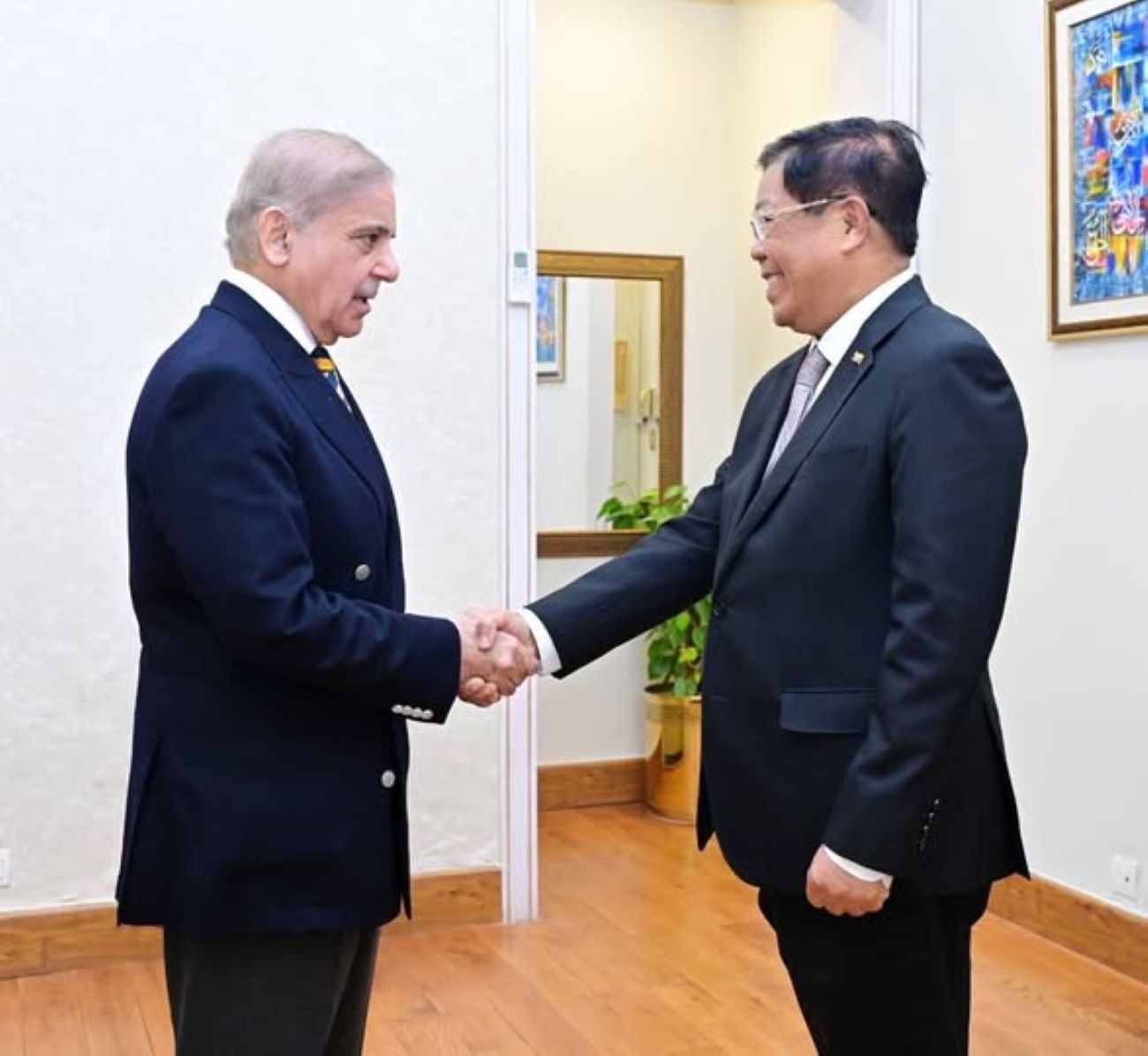
Myanmar’s Foreign Minister, U Than Swe, and Pakistani Prime Minister, Mr. Muhammad Shehbaz Sharif, met to discuss increasing cooperation between Myanmar and Pakistan within regional and international frameworks, including ASEAN.
The meeting took place on January 27, 2026, at the Prime Minister’s Office in Pakistan. During the discussion, both parties focused on: Enhancing diplomatic ties and multi-sectoral cooperation.
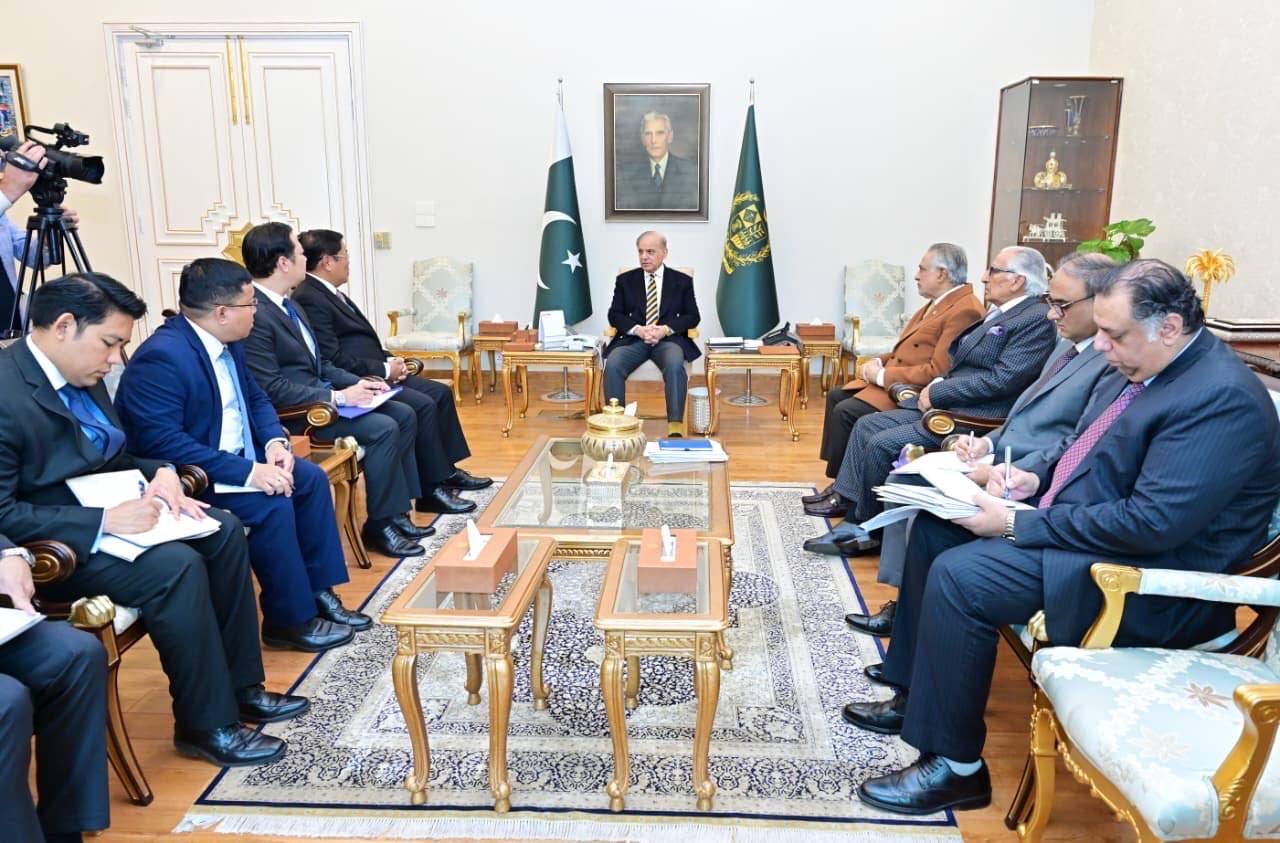
Promoting collaboration in trade, agriculture, livestock, energy, tourism, and culture for mutual benefit.
Increasing coordination and support within regional bodies like ASEAN and on the global stage.
According to a statement from the Myanmar Ministry of Foreign Affairs, Foreign Minister U Than Swe is currently visiting Pakistan at the invitation of the Deputy Prime Minister and Foreign Minister of Pakistan, Mr. Ishaq Dar.

- By CNI
- Category: English Section
- Hits: 334
CNI News
January 28, 2026
Based on the results from all phases of the election, the power to decide on motions submitted by MPs in parliament (Hluttaw) after the formation of the government now rests with the military (Tatmadaw) and the USDP, Dr. Aye Maung, Chairman of the Arakan Front Party (AFP), told CNI News.
According to the results of the 2025 general election held in Myanmar, the military and the Union Solidarity and Development Party (USDP) have secured the majority of parliamentary seats, reaching a position where they can convene a functional parliament.
Dr. Aye Maung noted that the USDP is currently in a position where it can independently form a government as a single party.
"So, what kind of framework will be followed? Will a single party form the government to act as a second transition government—one that takes responsibility for the current five-year term to build the future state? If so, a single party will shape the landscape for the next five years. The question then is whether the USDP is perceived as capable of achieving national unity and national reconciliation. If that capability exists, they will proceed. However, if those in power firmly assess that inclusive participation is required for national reconciliation, the USDP and the Myanmar military are now in a position to successfully pass and decide on firm motions in the upcoming parliament," Dr. Aye Maung said.
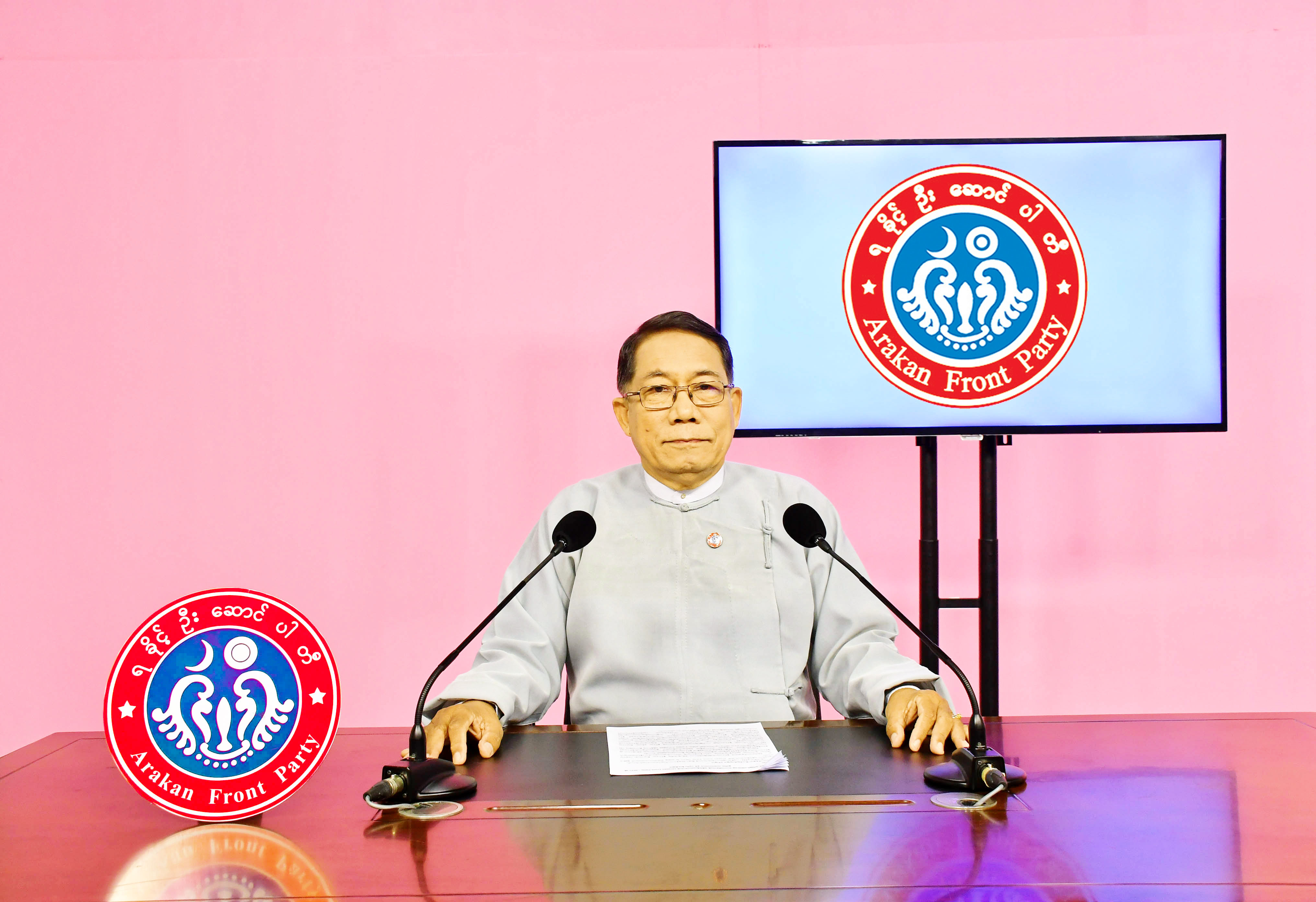
Dr. Aye Maung, Chairman of the Arakan Front Party.
To form a government, a party needs at least 50 percent (294 seats) of the 588 seats in the Union Parliament (Pyidaungsu Hluttaw). Prior to the final results of the election phase-3 held on January 25, 2026, the USDP had already secured 194 seats across two election phases.
When combined with the 166 seats reserved for military representatives (25 percent of parliament), the USDP and the military currently hold 360 seats, exceeding the 294 seats required to form a government.
While the transition during U Thein Sein’s era in 2010 involved various relaxations and the implementation of the Nationwide Ceasefire Agreement (NCA) without the current level of armed conflict, political veterans note the current situation is different.
U Ko Ko Gyi, Chairman of the People’s Party (PP), told CNI News that a landscape dominated by a single party weakens the system of checks and balances between the government and the parliament.
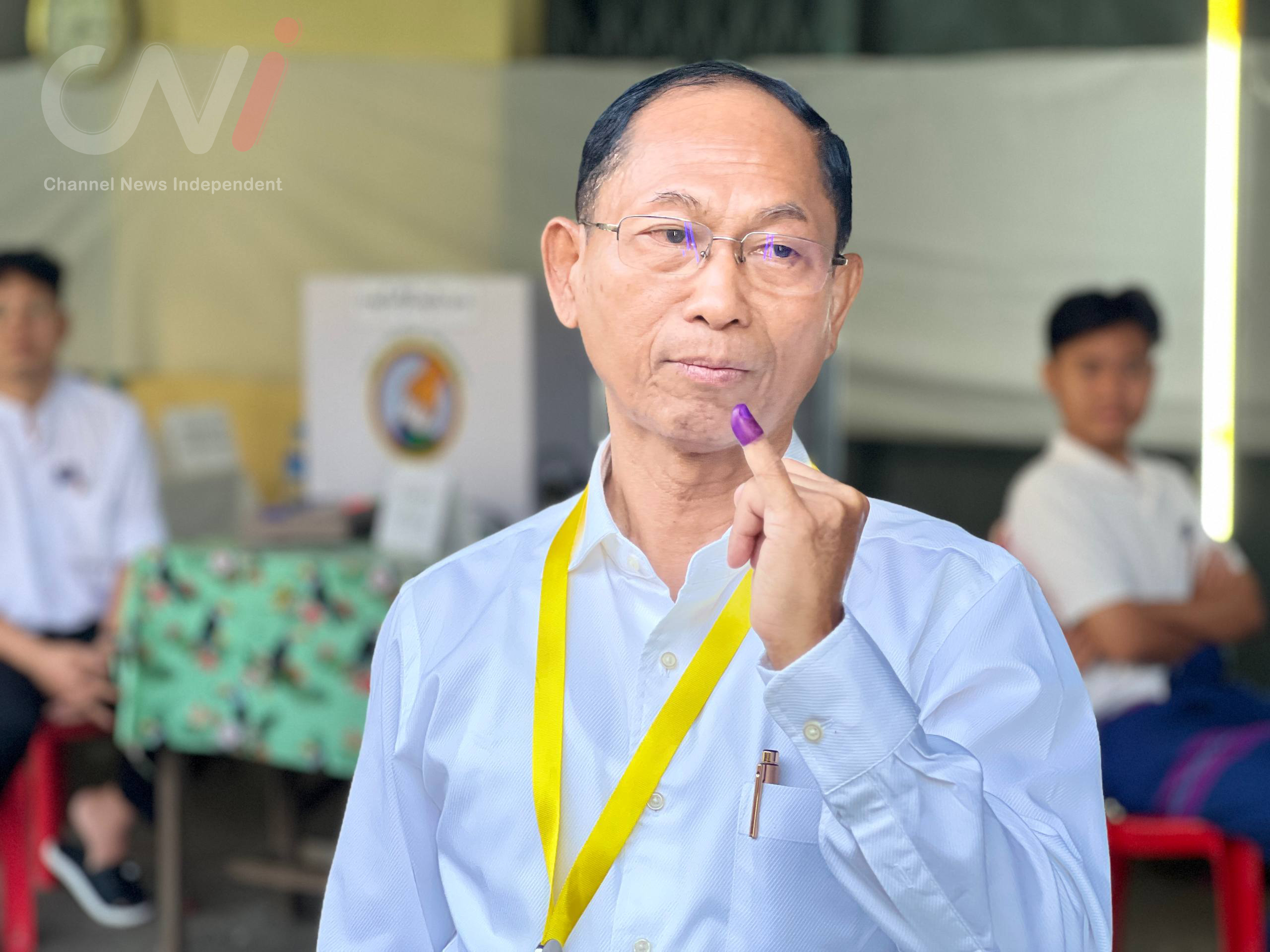
U Ko Ko Gyi, Chairman of the People's Party.
"What’s different from 2010 is that the intensity of the conflict is higher now, so the priorities will likely change. I believe peace must be the priority in this period. Personally, I want to see a parliament and a government that exert full effort in meeting, negotiating, and resolving issues. That is my heartfelt wish. However, we must wait and see what emerges based on the election results. It is a reality that a single-party-dominated landscape weakens the checks and balances between the executive and the legislature," U Ko Ko Gyi said.
Military and political analysts are currently observing how the USDP and the Myanmar military will structure the government following the election. However, based on the emerging election results, analysts suggest that the incoming government will likely remain under the dominance and leadership of the military itself.

- By CNI
- Category: English Section
- Hits: 400
CNI News
January 28, 2026
Mr. Guo Jiakun, a spokesperson for the Chinese Ministry of Foreign Affairs, stated that China supports maintaining political stability through the elections recently held in Myanmar.
He made these remarks on January 25, 2026, in response to a question from a reporter at The Chinese Global Program Center of China Media Group regarding Myanmar’s general elections.
Mr. Guo Jiakun stated: "China consistently and firmly adheres to the Five Principles of Peaceful Coexistence and does not interfere in Myanmar's internal affairs. As a good neighbor, we support all parties in Myanmar in implementing a broader, firmer, and more sustainable peace and reconciliation through the elections. We hope to see a rapid improvement in the situation and for everyone to work together to maintain political stability."
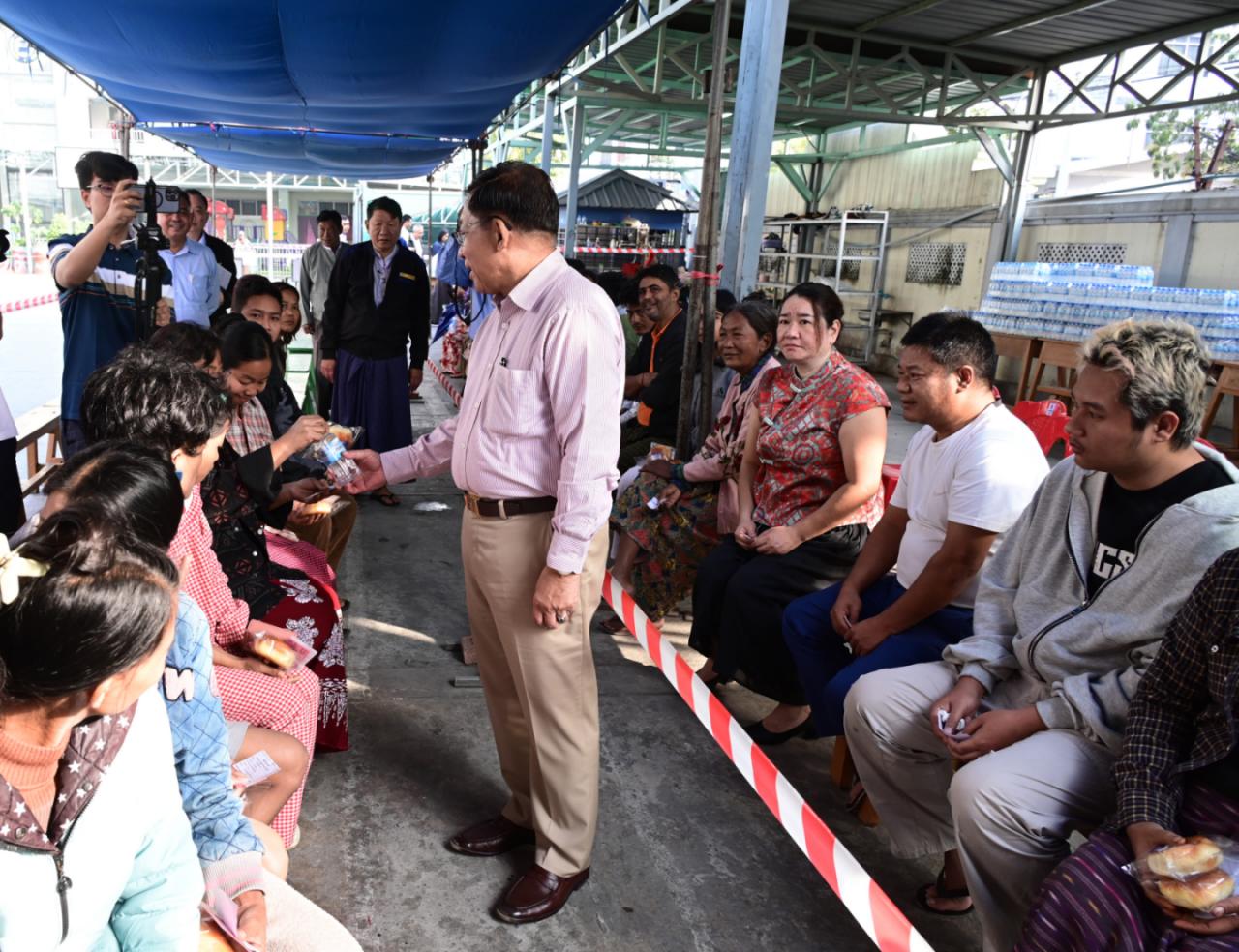
Senior General Min Aung Hlaing.
He further added that China, alongside international organizations, respects the choice of the Myanmar people and will continue to provide constructive assistance to restore peace, stability, and development in the country.
He also noted that representatives from China, Russia, India, ASEAN nations, and various international organizations monitored the Myanmar elections. He congratulated the process, stating it was stable, systematic, and saw active participation from voters.
Furthermore, Mr. Guo Jiakun emphasized that China will continue to deepen and implement the Comprehensive Strategic Cooperative Partnership between the two countries.
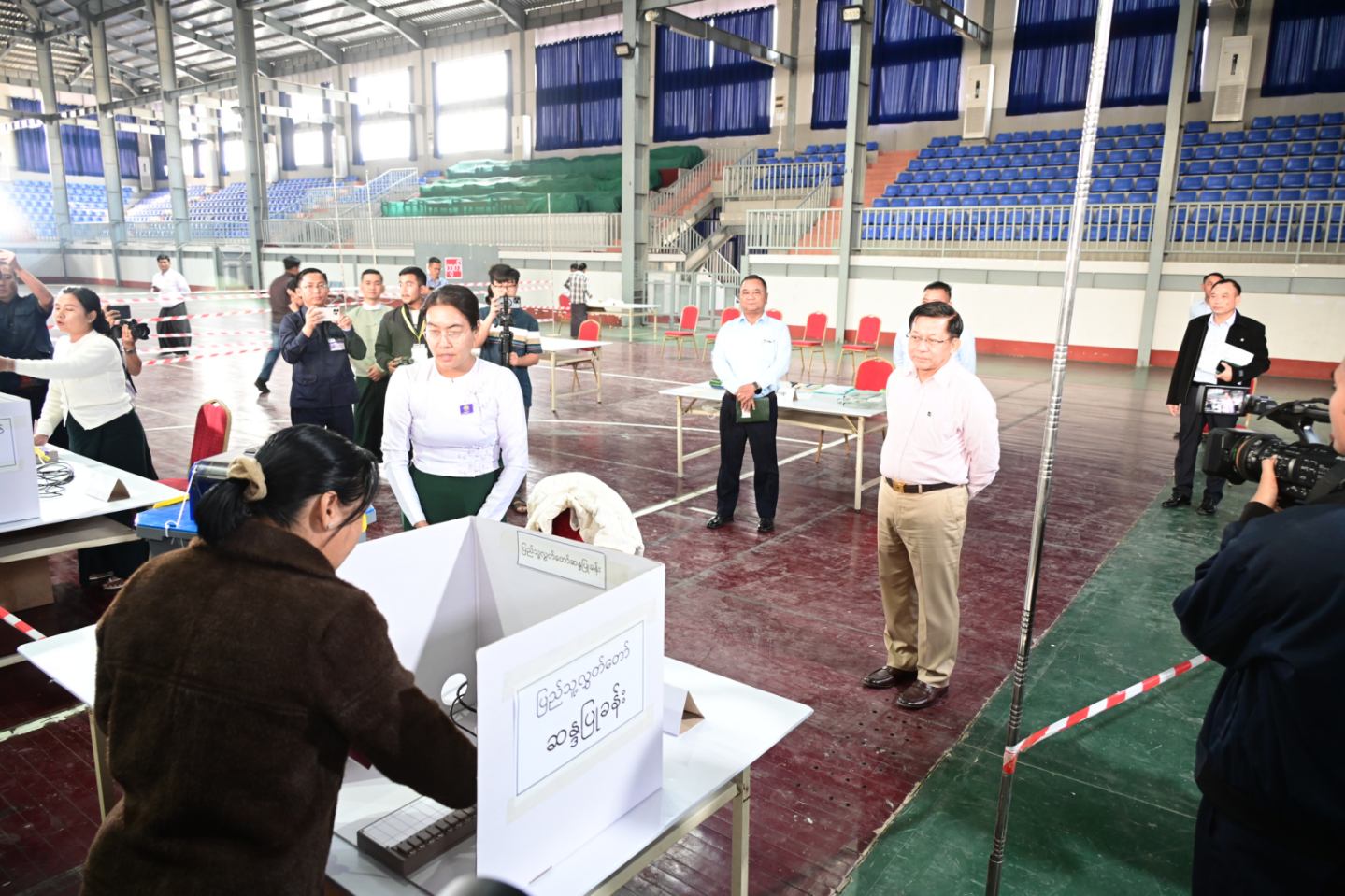
Senior General Min Aung Hlaing.
The 2025 Myanmar General Election was held in three phases: Phase 1: December 28, 2025, Phase 2: January 11, 2026, Phase 3: January 25, 2026.
A total of 57 political parties (6 union-level parties and 51 regional/state-level parties) and 4,863 independent candidates participated in the elections.
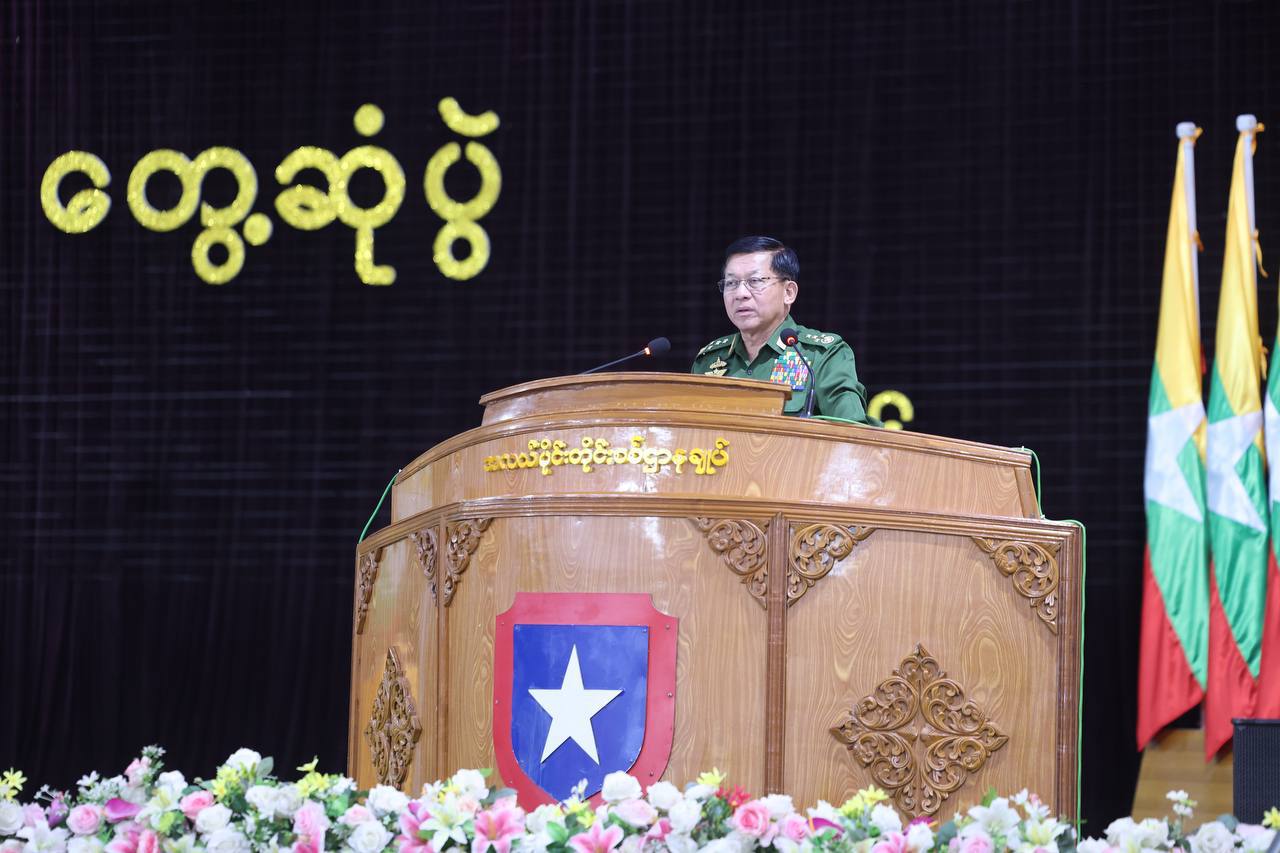
Senior General Min Aung Hlaing stated that state power will be transferred to the winning party, marking a significant turning point for the country. He noted that Parliament (Hluttaw) will be convened in March, and a new government—which he anticipates will be a highly coordinated administration—will be formed in April.
- By CNI
- Category: English Section
- Hits: 300
CNI News
January 28, 2026
If a capable and powerful military (Tatmadaw) can be built, no one will be able to disrespect our country, said Senior General Min Aung Hlaing, Chairman of the State Security and Peace Commission.
He made these remarks during a meeting with officers, soldiers, and their families at the Mandalay Cantonment of the Central Command on January 26, 2026.
Senior General Min Aung Hlaing stated, "If we can build a military with prowess and power, no one can act disrespectfully toward our nation. Therefore, we must continue striving to build a military that is always capable and strong."
He further mentioned that to ensure a powerful military, the Tatmadaw is continuously equipping itself with modern military hardware in line with daily evolving technologies.
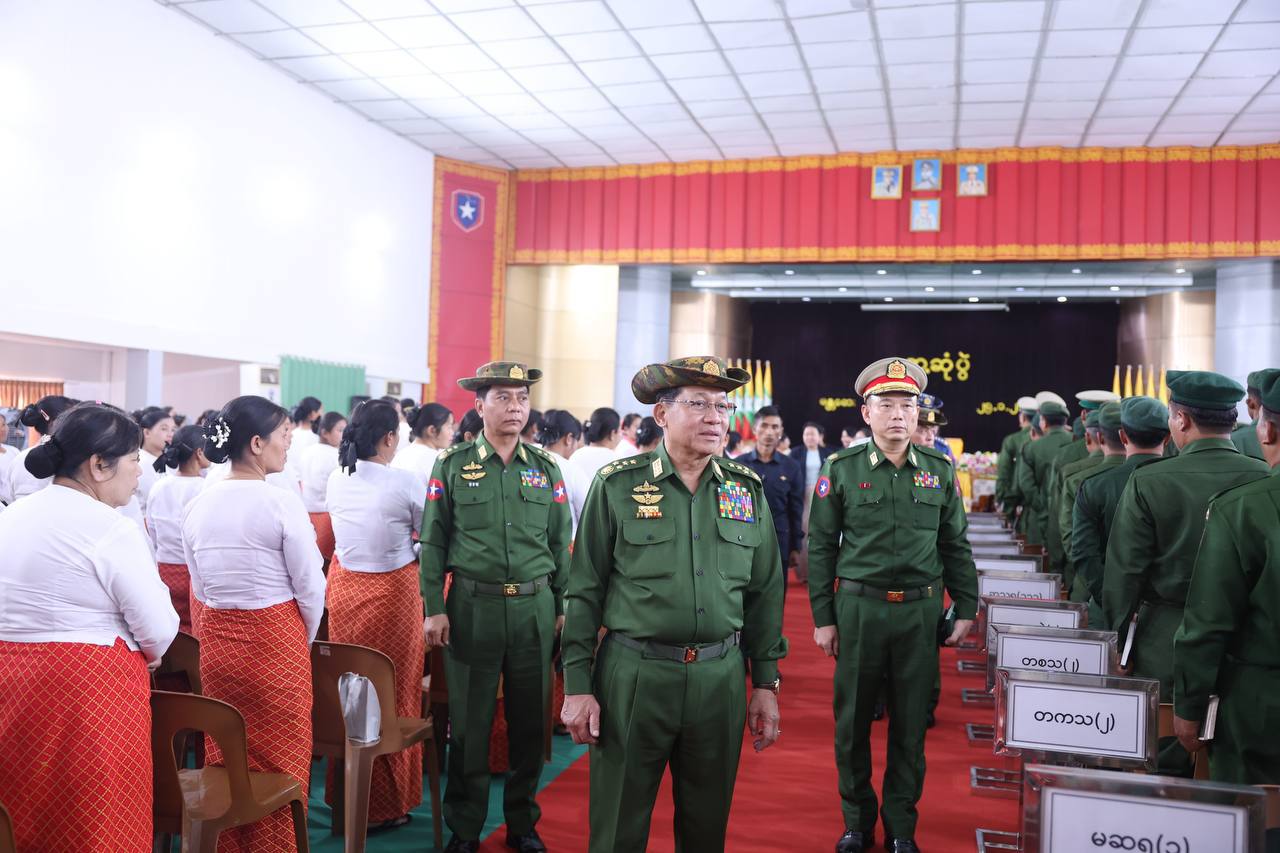
Senior General Min Aung Hlaing seen
Furthermore, he added that to be a powerful force, necessary supplies must be fulfilled. To be a capable force, individual soldiers and units must prioritize physical fitness, combat skills, and bravery. He emphasized the need for constant training to ensure proficiency in handling military tactics and weaponry, and the importance of applying evolving military science and tactics in line with the times.
Currently, clashes are occurring between the Myanmar military and various armed groups across Myanmar. During these conflicts, the Myanmar military has lost control of several towns as well as some Regional Military Commands.
On the other hand, armed groups have moved onto union highways and main roads to conduct inspections. Regarding these situations, the Myanmar military is implementing measures for the rule of law, regional stability, and territorial control.
- By CNI
- Category: English Section
- Hits: 288
CNI News
January 26, 2026
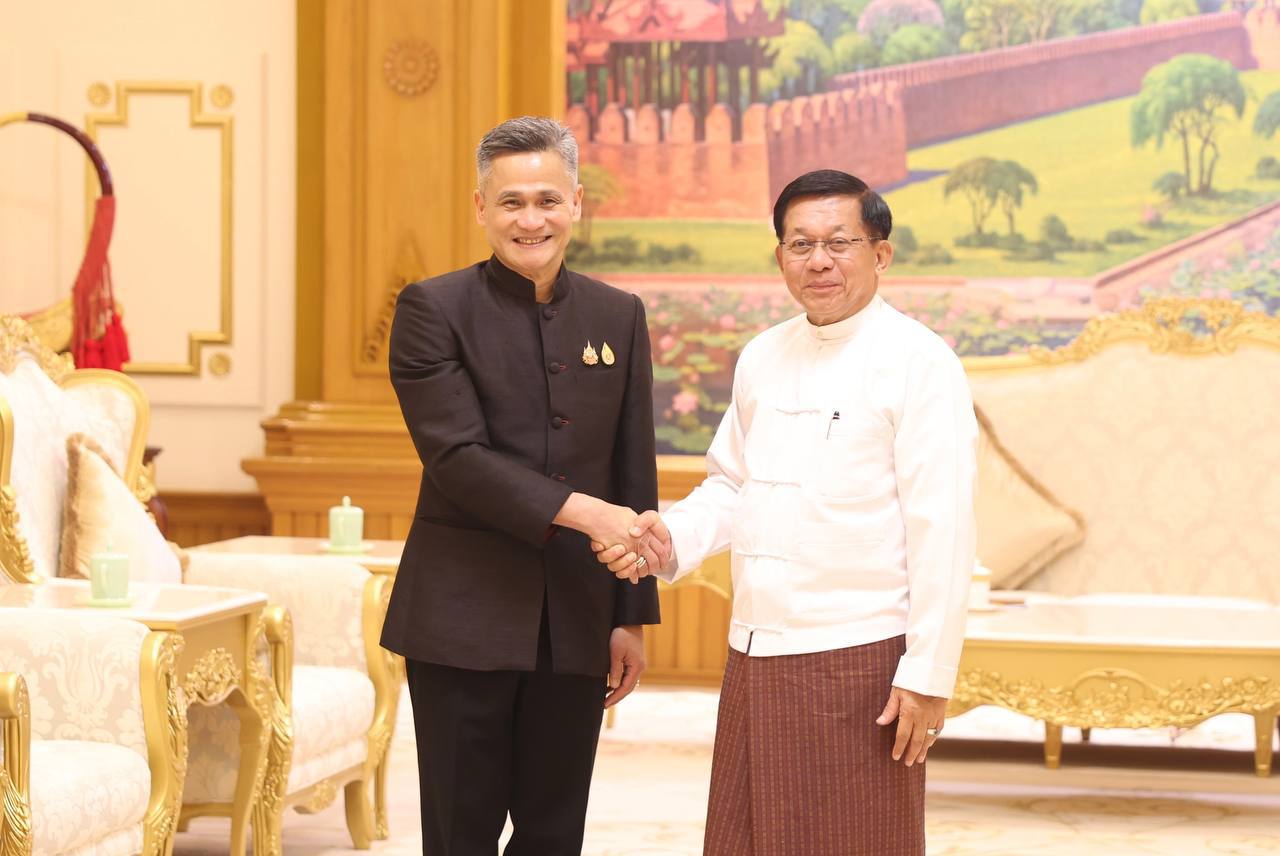
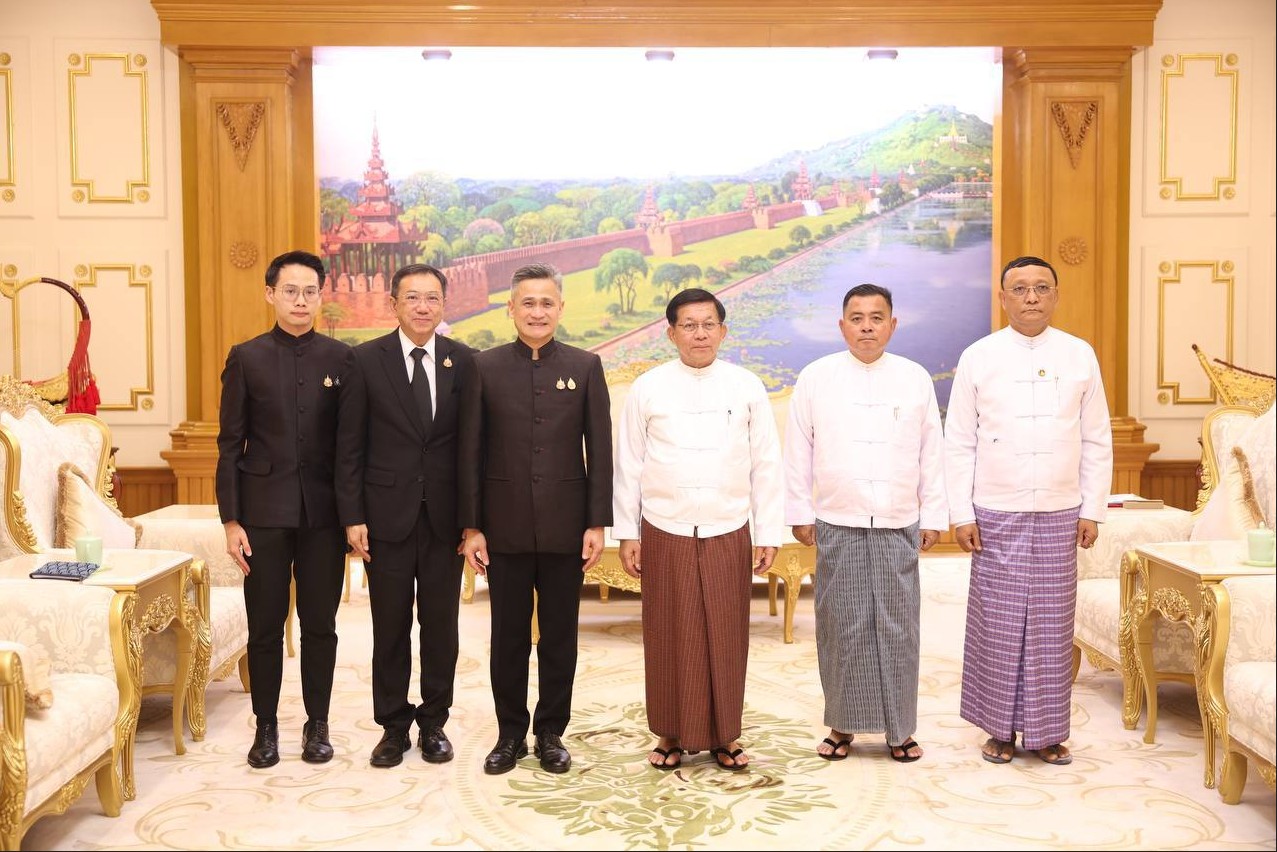
Senior General Min Aung Hlaing, Chairman of the National Security and Peace Restoration Commission, met with the Thai Ambassador to Myanmar, H.E. Mr. Mongkol Visiststump, in Nay Pyi Taw on January 26, 2026.
The Thai Ambassador met with the Senior General for a farewell visit as he prepares to depart Myanmar following the completion of his diplomatic tenure.
During the meeting, they discussed:
- Thailand’s participation alongside international election observers in monitoring Myanmar’smulti-party democratic general election.
- Observations that voters cast their ballots according to their own will without any external coercion.
- The successful holding of the election as afree, fair, and clean process.
The two leaders further discussed the necessity of cooperation between the governments and militaries of both nations to ensure border stability, which is essential for restoring bilateral trade and the flow of goods.
Additionally, they touched upon the Myanmar government’s commitment to treating the fight against online scams, gambling, and drug trafficking as a national priority, as well as ongoing collaboration regarding environmental conservation in border areas.
The meeting was also attended by the Commission’s Secretary, General Ye Win Oo, and Deputy Minister for Foreign Affairs, U Ko Ko Kyaw.
- By CNI
- Category: English Section
- Hits: 278
CNI News
January 27, 2026
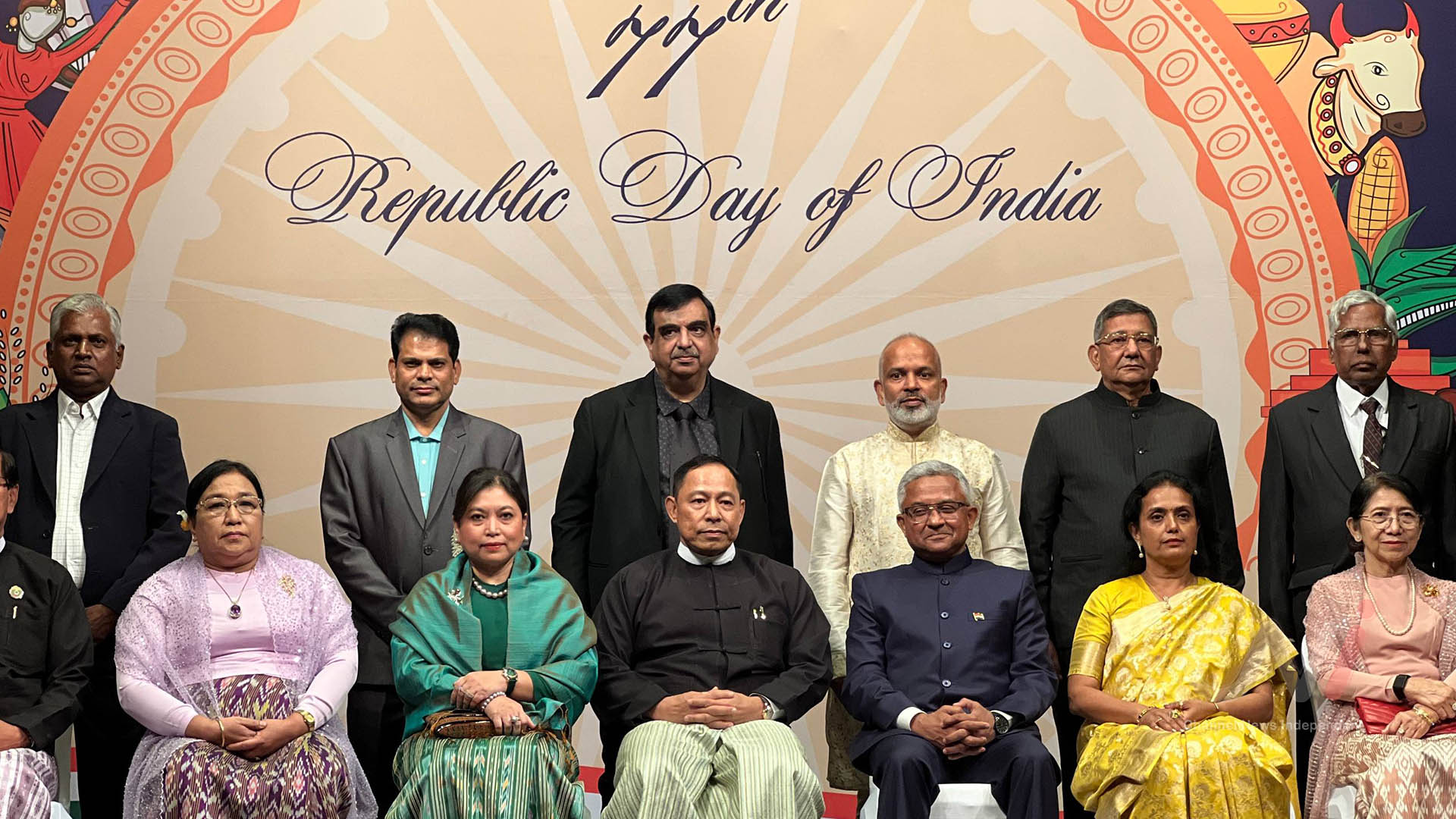
The Embassy of India celebrated the 77th National Day of the Republic of India on January 26, 2026, at the Lotte Hotel in Yangon.
The commemorative ceremony was attended by the Ambassador of India to Myanmar, H.E. Mr. Abhay Thakur; Union Minister for Border Affairs and Union Minister for Ethnic Affairs, Lt-Gen Yar Pyae; Union Minister for Information, U Maung Maung Ohn; heads of other foreign embassies; leaders of various organizations; representatives from the Myanmar-India Friendship Association; and community leaders.
During the event, the Indian Ambassador to Myanmar delivered a speech, followed by remarks from Union Minister Lt-Gen Yar Pyae.
Page 38 of 352
Connect with us