
English Edition
- By CNI
- Category: English Section
- Hits: 374
CNI News
February 1, 2026
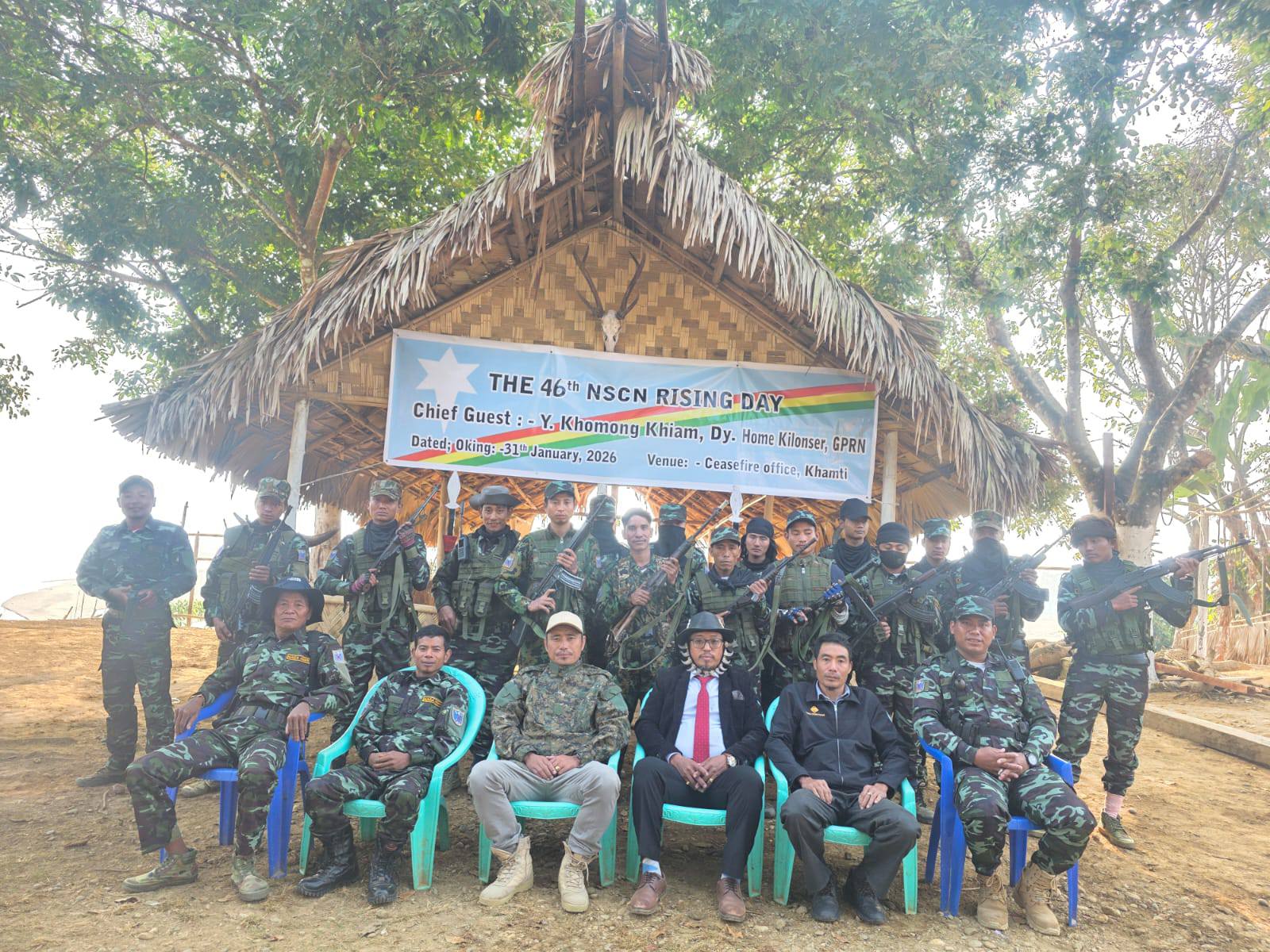
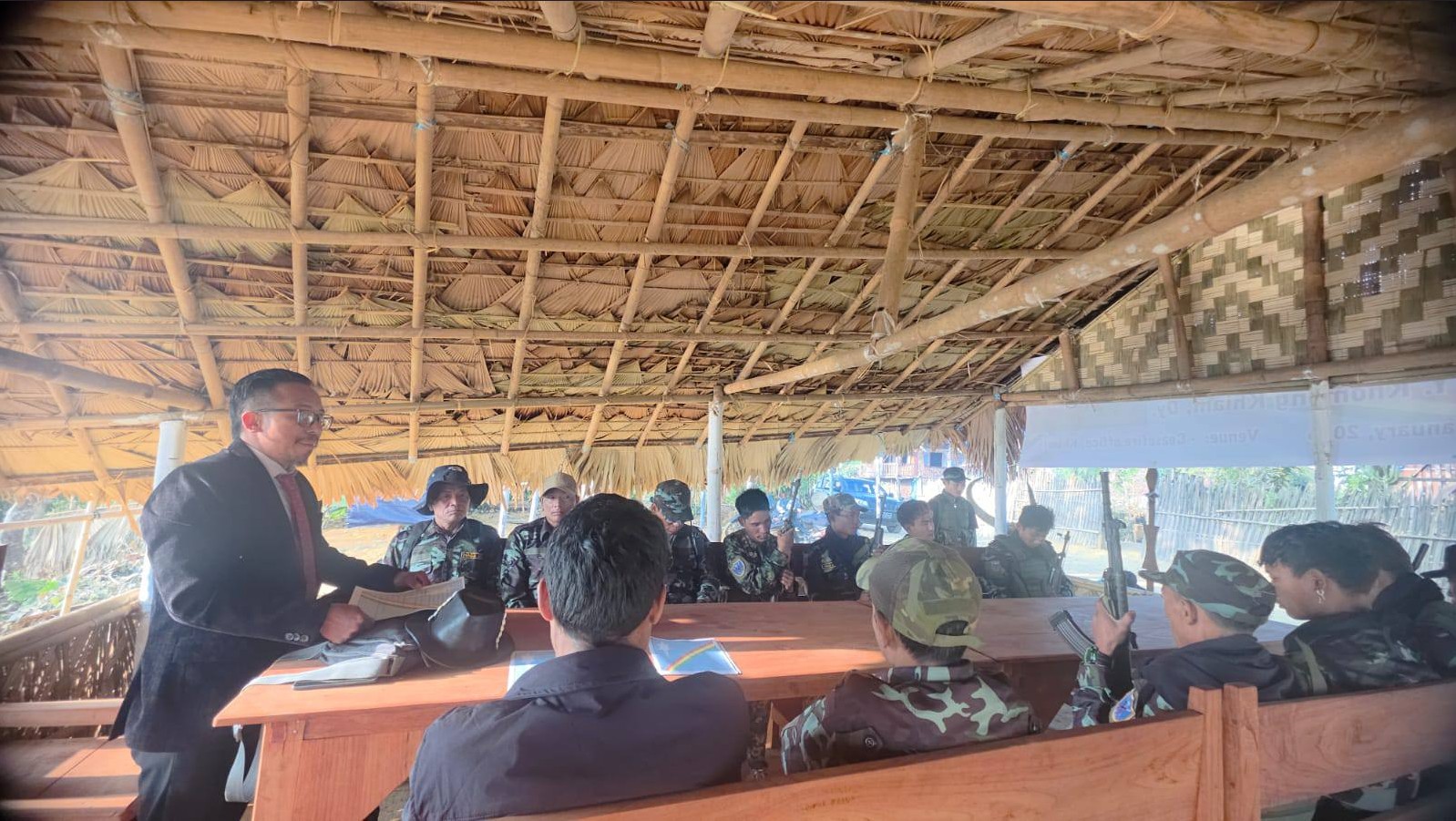
The NSCN-K/AM group held a ceremony to commemorate the 46th Anniversary of the founding (Rising Day) of the National Socialist Council of Nagaland (NSCN) at its liaison office in Hkamti, Sagaing Region, on January 31, 2026.
The NSCN-K/AM refers to this specific liaison office in Hkamti as their Ceasefire Office.
The NSCN was jointly formed in 1980 by Isak Chishi Swu, Thuingaleng Muivah, and S.S. Khaplang. However, following internal disagreements, the group split into two factions in 1988: NSCN-K and NSCN-IM.
NSCN-K: Led by the late Myanmar Naga leader S.S. Khaplang.
NSCN-IM: Led by Indian Naga leaders Isak Chishi Swu and Thuingaleng Muivah.
Of these two armed Naga groups: NSCN-IM entered into a peace agreement with the Indian government in 1997. In 2015, they co-drafted and began implementing a political framework.
NSCN-K signed a regional-level ceasefire agreement with the Myanmar government in 2012.
- By CNI
- Category: English Section
- Hits: 334
CNI News
1 February 2026
The leaders of the two Shanni political parties that won seats in the 2025 General Election—the Shanni (Tai Leng) Solidarity Party (SSP), known as the "Tiger King" party, and the Tai Leng (Shanni) Nationalities Development Party (TNDP), known as the "Red Tiger" party—told CNI News that they will collaborate to promote Shanni literature and culture.
The priority for the Shanni people is to unify Shanni literature and culture, which currently varies depending on geographical location despite being the same ethnic group. Sai Htay Aung, Chairman of the TNDP, told CNI News that the two parties will work together to standardize these cultural elements.
"Regarding the Shanni people, we will implement the wish we have had since 2015. Our party has secured the position of Minister of Shan Ethnic Affairs [in Kachin State]. In Sagaing Region, the SSP has also secured the Minister of Ethnic Affairs position. These ministers will coordinate. We want to ensure Shanni people don't have one script in Sagaing and another in Kachin; if we are one people, we must have one script. Our cultures are the same, everything is the same, so the script shouldn't differ. We will try to unify the script first. By reviewing the past and building the best in the present, we will work toward a better future. We will discuss the current obstacles and how to move forward to achieve a win-win situation for everyone," he said.
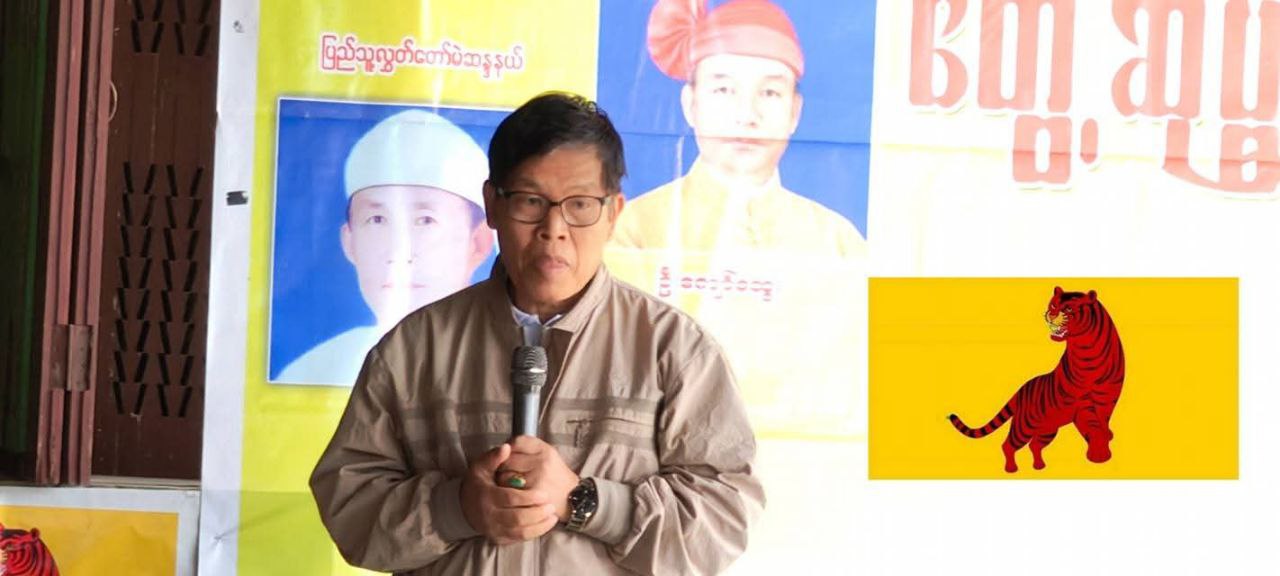
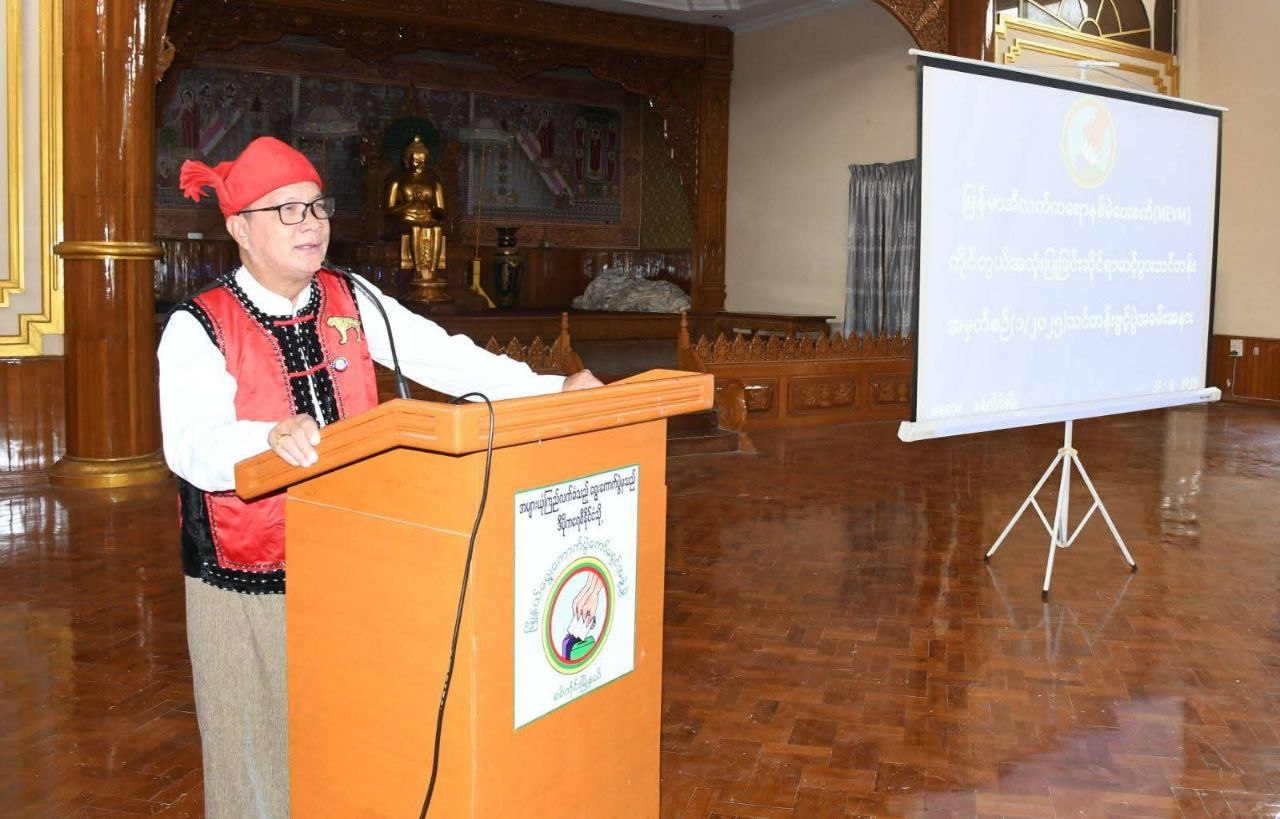
Shanni party leaders Sai Htay Aung.
Sai Naing Naing Kyaw, Chairman of the SSP, also told CNI News that since they are the same ethnicity, they should share a single script. He emphasized that the SSP and TNDP will work hand-in-hand to develop the Shanni tribes.
"Being Shanni, we should have a single script. We are one people. We need to move past the attachments of 'my script' or 'your script' based on where we live and establish a standardized script for the entire ethnic group. We will make that happen. Based on the current election results, the TNDP, representing Kachin State, won the Shan Affairs Minister seat. In Sagaing, the SSP will also hold the Shan Affairs Minister seat. Therefore, I believe we can do more for the Shanni people than before. Furthermore, I hope the two Shanni parties can work together for political progress," he said.
Additionally, the Shanni parties told CNI News they would strive to improve regional transportation and infrastructure. Through these improvements, they aim to alleviate the burden of high commodity prices currently facing the public.
Shanni party leaders Sai Naing Naing Kyaw
In the 2025 General Election, the TNDP party, also known as the Red Tiger Party (Kyarr Ni Party), contested in Kachin State and won a total of four seats. These included one Shan ethnic affairs seat, one seat in the Amyotha Hluttaw through the proportional representation (PR) system, and two seats in the State Hluttaw.
Subsequently, the SSP party, commonly referred to locally as the Kyarr Min Party (Tiger King Party), contested in Sagaing Region and also won a total of four seats. These included one Shan ethnic affairs seat as well as seats in the Pyithu Hluttaw, the Amyotha Hluttaw, and the Regional Hluttaw.
- By CNI
- Category: English Section
- Hits: 314
CNI News
January 31, 2026
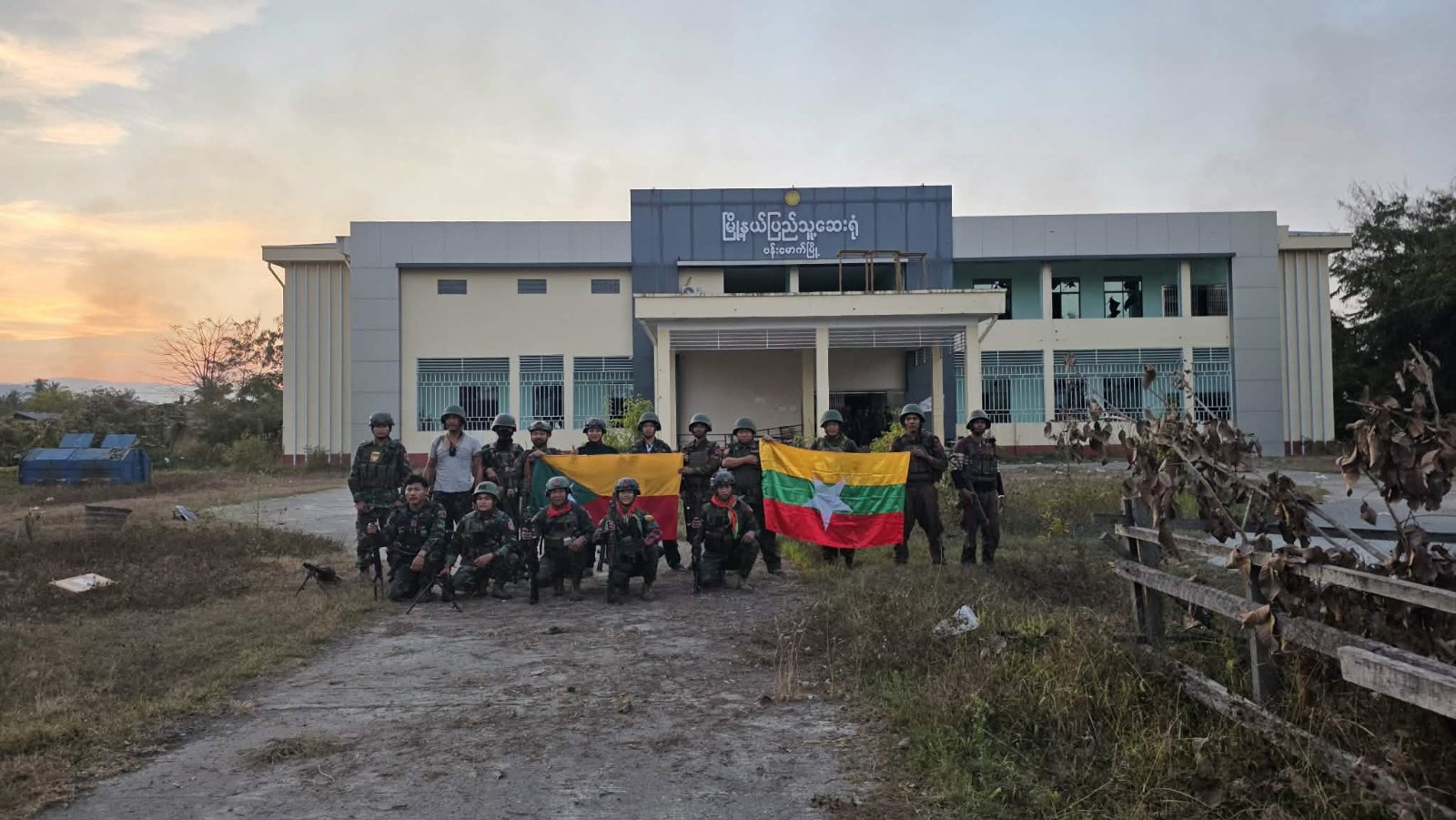
The Shanni Nationalities Army (SNA) has reportedly retaken control of Banmauk, a town in the upper Sagaing Region, on January 31, 2026, according to sources close to the situation.
Previously, a coalition consisting of the KIA, PDF, and Kadu forces launched an offensive to capture Banmauk on September 15, 2025, and successfully took control of the town on September 20, 2025.
Following those events, the SNA launched a counter-offensive. As of January 31, 2026, they have managed to regain control of almost the entire town. Reports indicate that only the Aye Thar Kone area remains under the previous occupiers' control.
Tags: #Shanni #Banmauk #SNA #Politics #CNImyanmar
- By CNI
- Category: English Section
- Hits: 230
CNI News
31 January 2026
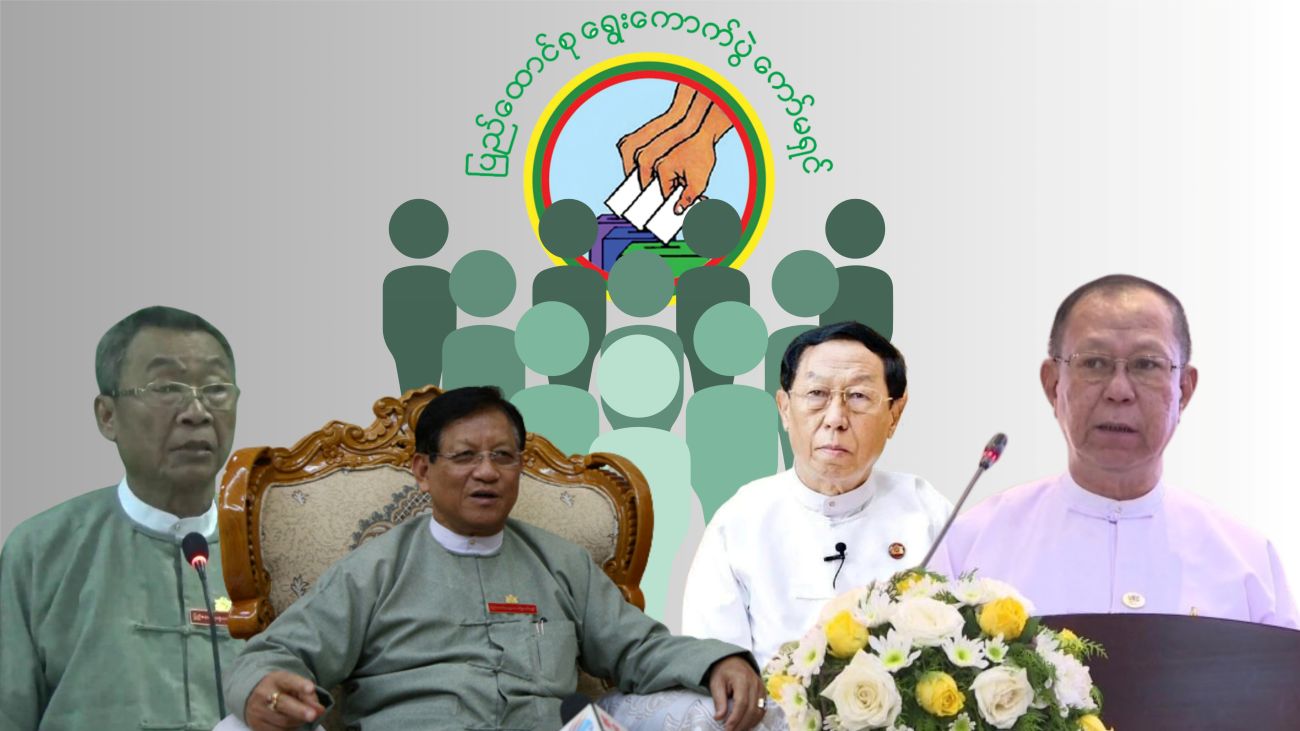
As elections held in Myanmar are extremely important, there are ongoing discussions between political parties and civil society organizations on how the Election Commission should be formed in order to avoid disputes.
According to U Man Aung Pyay Soe, Chairman of the Karen National Democratic Party (KNDP), the Election Commission should not be composed only of legal officials, but should also include representatives of political parties, officially recognized ethnic armed organizations, and government representatives. He made these remarks to CNI News.
He said:
“This is something that has been demanded for a long time. What usually happens is that the governments that come to power appoint the election commissions themselves. What we want to suggest is, if possible, to include election experts—people who are knowledgeable and experienced—along with party representatives, and if possible, religious representatives, government representatives, and representatives of armed organizations.
Among the armed organizations, even if representatives from groups designated as unlawful associations are excluded, including representatives from other ethnic armed organizations would make the commission more appropriate and acceptable. However, we are not saying that the current election commission appointments are wrong or invalid.
What we want is for the commission to be formed in a way that ensures equality and broad consensus. If it is composed of the types of individuals I mentioned, it would be suitable and proper. That is how I see it.”
Meanwhile, U Li Paw Reh, Chairman of the Lisu National Development Party (Dulei Party), told CNI News that although it is natural for the government to form the Election Commission, the commission must not operate under the influence or shadow of any single government or political party.
He added that, based on realities observed on the ground, while the commission chair mainly makes decisions, the actual work is carried out by lower-level staff, so there must be clear ethical standards for election commission personnel.
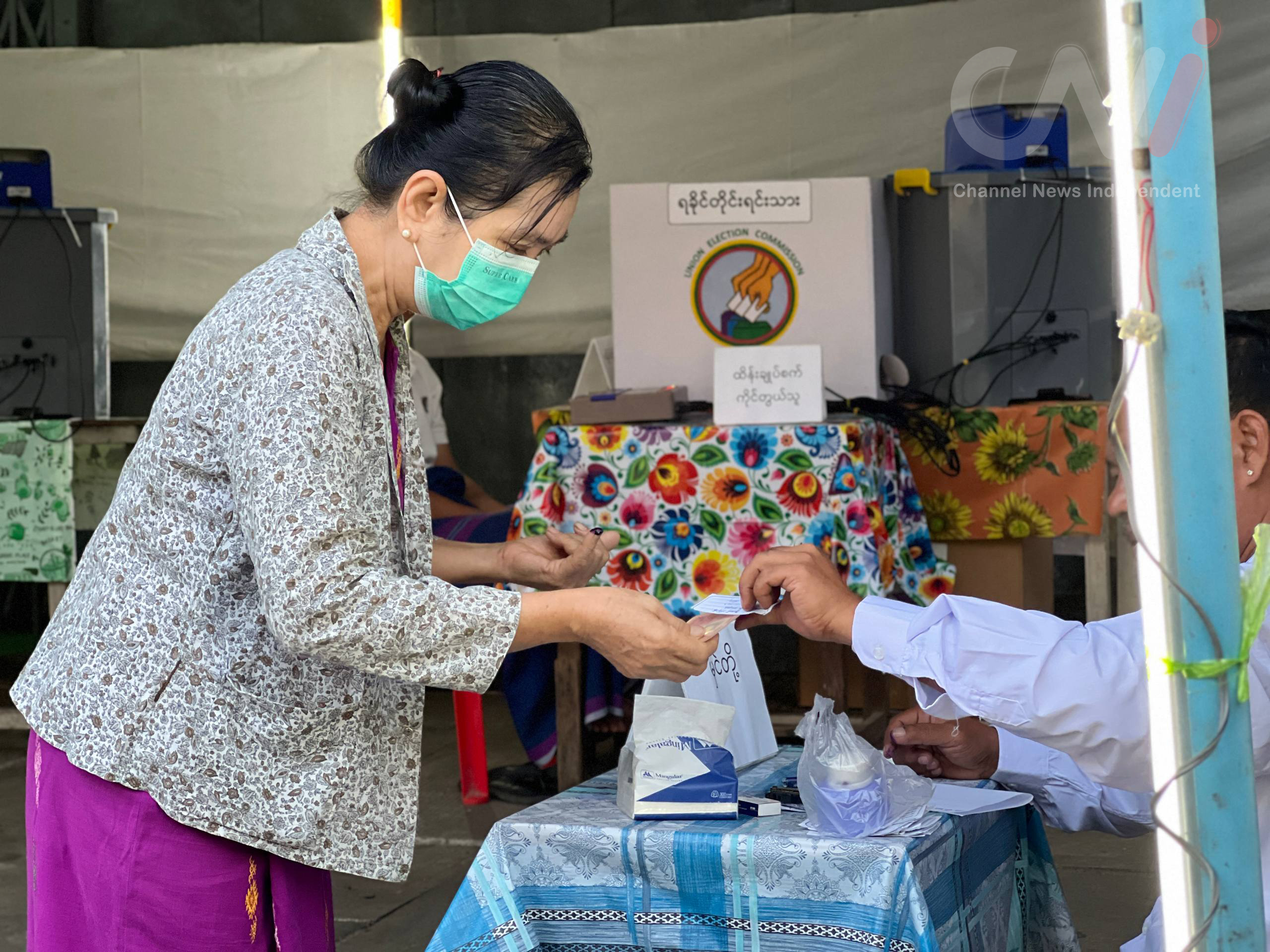
While an election is being held
U Li Paw Reh said:
“The most important thing is that the commission must be made up of individuals whom the public trusts and respects. As an independent body, they should have full autonomy in managing their work. They should not owe loyalty to any political party or government.
In reality, however, it is the commission’s staff organization that does most of the work. Therefore, the integrity and independence of the staff leadership is crucial. No matter what, the head of the staff must not be under the influence of any organization.
What we see is that commission members are generally respected and independent individuals. But since most of the operational work is carried out by staff, there must be strict codes of conduct for election commission staff. Whether or not they favor a political party largely depends on the leadership of the staff.
The commission members mainly make decisions, while the staff organization takes the lead in conducting the election.”
In addition, Dr. Nyo Nyo Thin, founder of the Yangon Watch Group, told CNI News that under the new government, the law governing the appointment of the Election Commission should be carefully amended and enacted, and that this should be carried out as a historic reform.
She said:
“The Election Commission should be an independent and impartial institution. But in Myanmar’s political culture, this has not truly been the case. As a result, the rule of law is affected to some extent.
Especially in matters like elections, controversies arise. Even if administrative authorities do not intend to interfere, simple communication with the Election Commission can be perceived as giving orders.
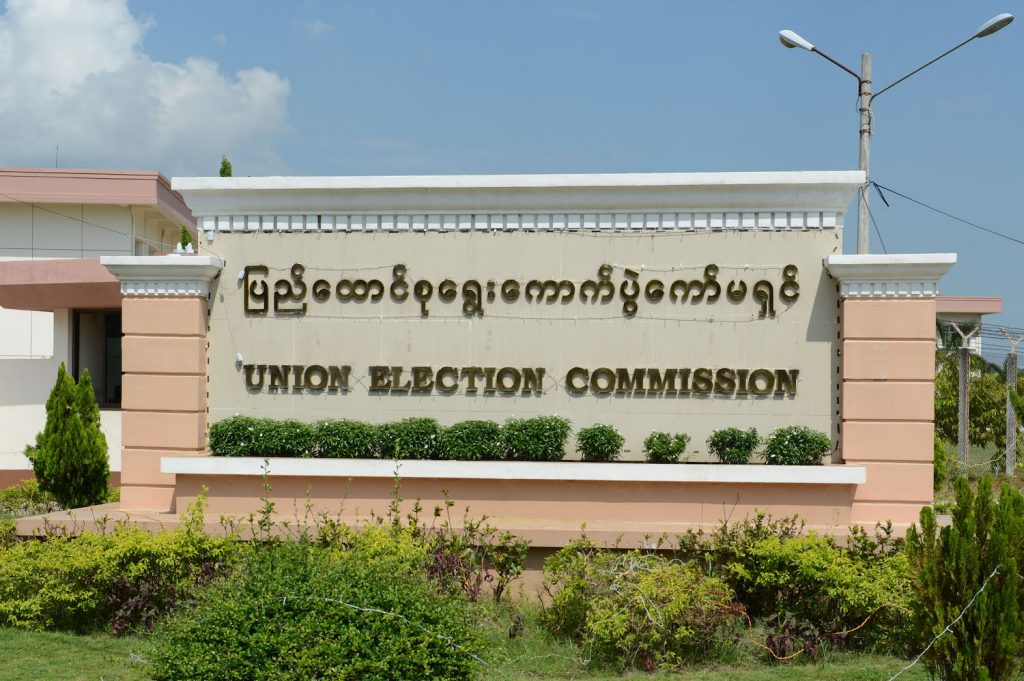
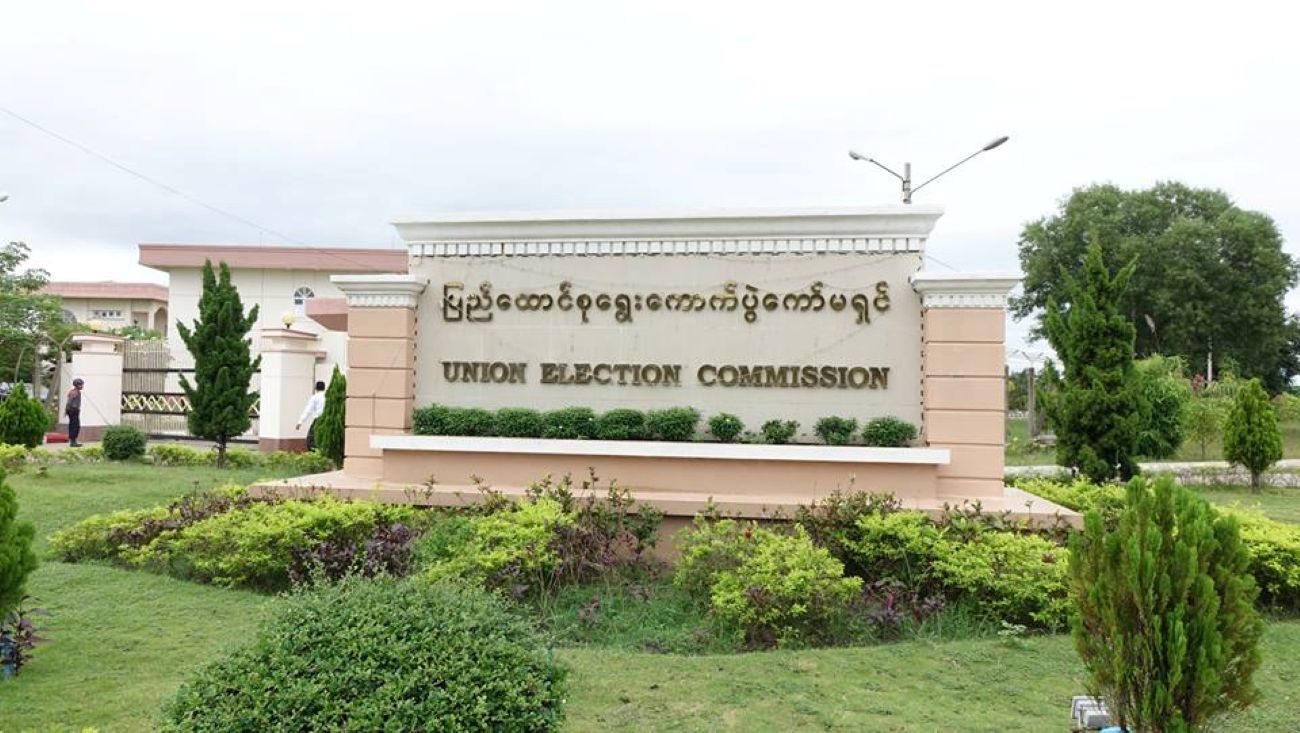
Union Election Commission office
Historically, election commissions have remained under administrative mechanisms. This should not be the case. However, this pattern has continued in Myanmar.
We hope this will change under the new government. We want election commissions to become truly independent mechanisms. Therefore, the law on the appointment of the Election Commission should be thoroughly revised and enacted, and the new government should carry this out as a matter that will go down in history.”
According to the Union Election Commission Law, in order to conduct parliamentary elections and supervise political parties, the President of the Republic of the Union of Myanmar shall form the Union Election Commission.
In forming the commission, the President may appoint at least five members, including the Chairperson.
The Chairperson and members must be individuals who meet one of the following qualifications:
Have served as Chief Justice of the Union, Justice of the Supreme Court, or as a Region/State High Court judge for at least five years; or
Have served as a judicial or legal officer at a level no lower than Region/State level for at least ten years; or
Have practiced as a lawyer for at least twenty years; or
Be a person of outstanding reputation and integrity, as determined by the President.
- By CNI
- Category: English Section
- Hits: 245
CNI News
31 January 2026
Because of its election victory, the Shan-Ni party now has the right and responsibility to carry forward the interests of the Shan-Ni regions and the Shanni people, according to Sai Htay Aung, Chairperson of the Tai-Leng (Shanni) Nationalities Development Party (TNDP), who told CNI News.
Myanmar’s multi-party democratic general election was held in three phases beginning on December 28, 2025, and was successfully completed on January 25, 2026.
In the completed election, the TNDP—also known as the Red Tiger Party—contested in Kachin State and won a total of four seats: one seat in the Ethnic Affairs of Parliament, one seat in the Amyotha Hluttaw under the proportional representation (PR) system, and two seats in the State Hluttaw.
At present, the party has become one that can voice public interests inside parliament. Sai Htay Aung said that the party would not only work for the interests of the Shanni people but would also devote strong efforts to serving regional development, he told CNI News.

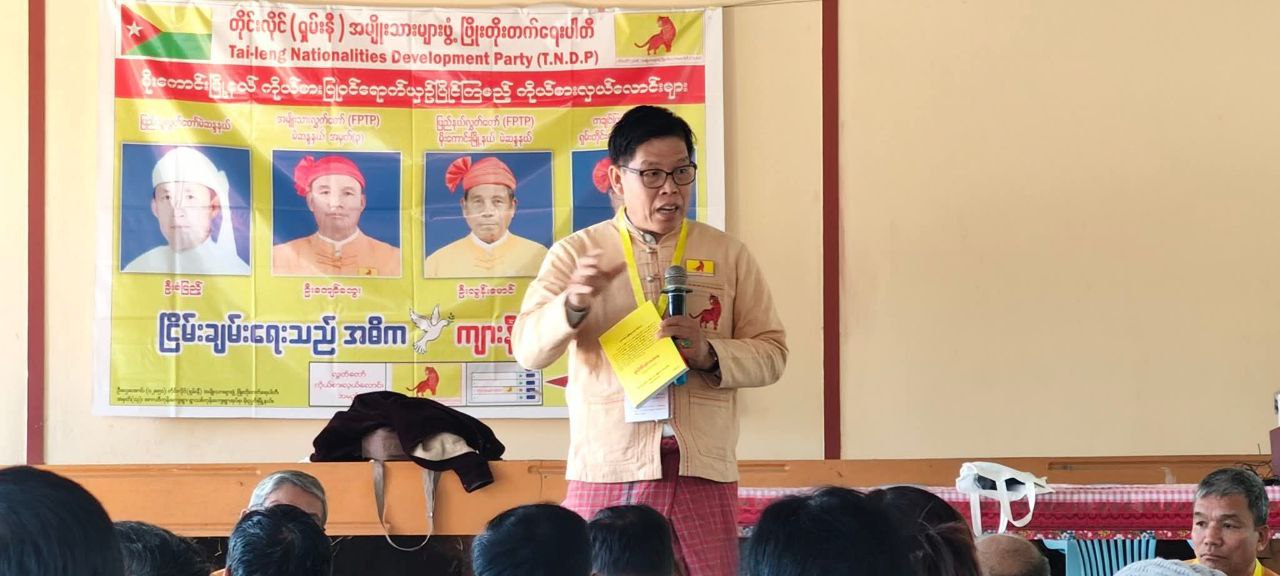
Tai-Leng (Shanni) Nationalities Development Party (TNDP) campaigning
He stated:
“I would say that our party has now become one that can speak inside parliament on behalf of the people. When we gained the opportunity to speak on these matters, Shanni people were extremely happy.
The reason is that throughout different eras, we had never won before in Kachin State, despite contesting three elections. This time, our representatives have won.
Because our party was established not only to serve Shanni ethnic interests but also to work for regional interests, we will now be able to strongly advocate for regional development inside parliament.
We have already discussed and decided, even before the election, that we will work in a balanced manner both inside and outside parliament. That is why Shanni people are happy to finally have representatives from our party. They place their trust in us.
We will strive to become representatives worthy of the trust and expectations that the public has placed in us.”

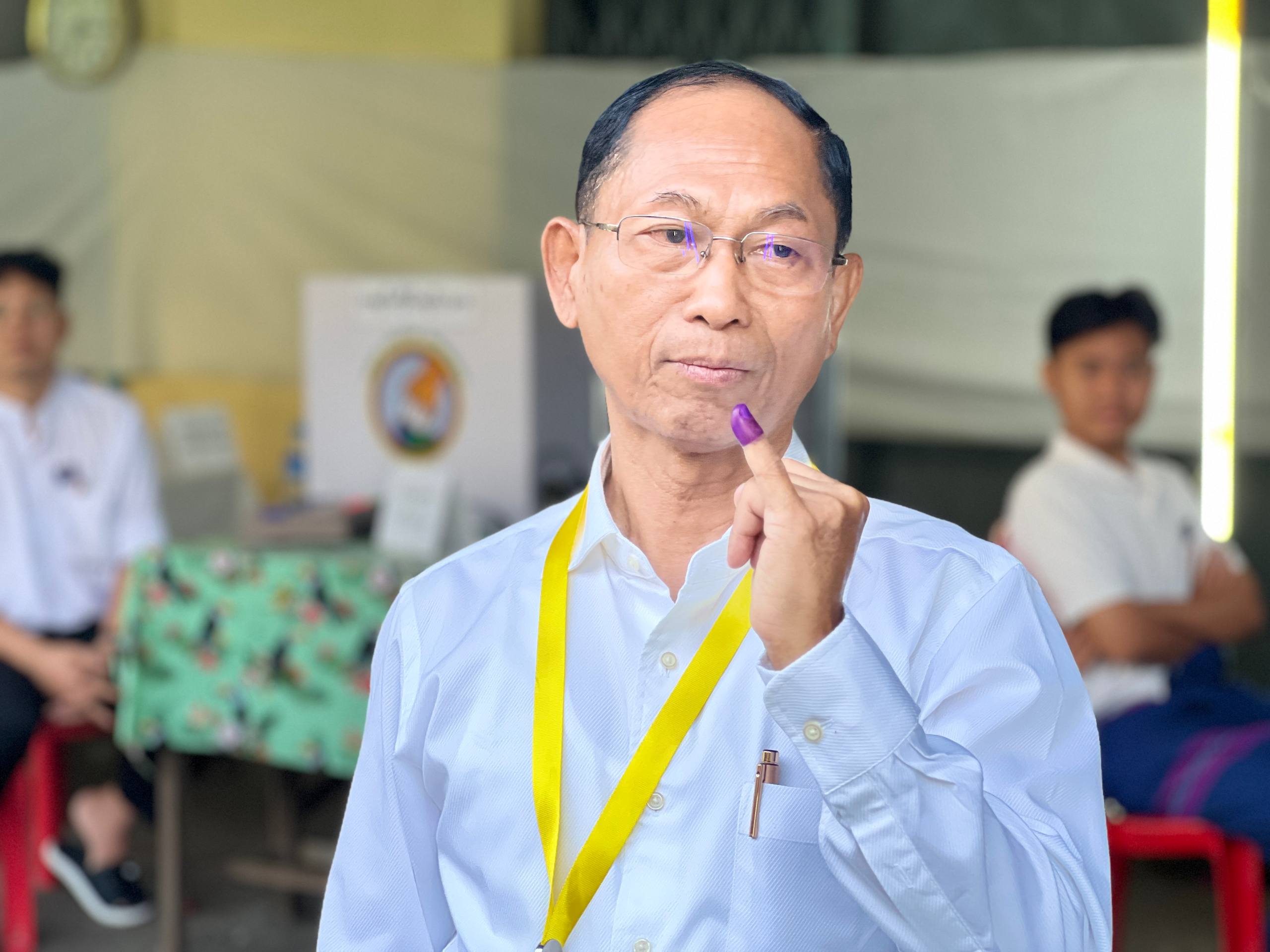
TNDP Chairperson Sai Htay Aung
The Red Tiger Party received official registration on May 10, 2013, during the civilian government era, and has continued to exist as a Kachin State–based political party up to the present.
Sai Htay Aung said that because civilians have suffered significant losses amid ongoing armed conflicts, peace would be his party’s top priority. He added that if peace is achieved in Kachin State, more than half of Myanmar could potentially attain peace.
He explained:
“Kachin State has always been part of our party’s agenda. If peace is achieved in Kachin State, more than half of Myanmar could become peaceful.
In reality, our party’s presence in parliament is still limited, with only two MPs. However, the Kachin State People’s Party (KSPP) has also won seats in both the Amyotha Hluttaw and the Pyithu Hluttaw.
If Kachin parties and our party can increase their presence in parliament and engage in broader discussions, we believe that many of the current armed conflict issues can be resolved.
In the past, Kachin State relied heavily on rail transport, but the railway has been unusable for a long time. If train services resume, commodity prices will fall. We want to raise these issues in parliament and work to improve transportation infrastructure.
For the railway to operate again, peace is essential. That is why peace is already included as our number-one priority in the party’s agenda. We will work with full dedication to achieve peace.
As a party, we will strive to ensure that the voices of the people can be heard inside parliament.
There are also many corrupt or irresponsible officials operating within the democratic system amid armed conflicts. Because of these officials, public resentment toward the state continues to grow. When such situations arise, we will speak out without hesitation.
As a region-based party, we will work to ensure that individuals who exploit the region for personal gain, without benefiting the local population, are held accountable under the law.”
In Kachin State, clashes continue between the Myanmar military (Tatmadaw) and KIA-PDF forces. In neighboring Sagaing Region, which borders Kachin State, KIA-PDF forces have also been conducting town-seizure operations.
During the election period, KIA-PDF forces also carried out disruptions and attacks aimed at obstructing the election process.
In Myanmar’s recently completed election, a total of 57 political parties—six union-level parties and 51 regional or state-level parties—along with 4,863 independent candidates, contested the election.
It has been announced that parliament will be convened in March and a new government will be formed in April. Senior General Min Aung Hlaing stated that state power would be transferred to the party that won the election.
- By CNI
- Category: English Section
- Hits: 382
CNI News
31 January 2026
Following the results of Myanmar’s 2025 General Election, a political landscape has emerged in which a single political party dominates both parliament (Hluttaw) and the government. As a result, the role of media outside the parliament has become increasingly important, according to U Ko Ko Gyi, Chairperson of the People’s Party (PP), who told CNI News.
He said that in the coming period, mutual checks and balances within parliament may weaken, making the role of media outside the Hluttaw more crucial. He also noted that the emergence of a national unity government would depend on the winning party’s reasoning and political judgment.
U Ko Ko Gyi stated:
“Now that one party has won a majority, the priorities of the winning party will naturally become government policy. Our country’s political system is based on a single parliamentary election. So when one party wins a majority in parliament, the government will also be led by that winning party.
We had already pointed this out beforehand. As a result, the system of mutual oversight and checks is affected. At such a time, what becomes important is the role of the media outside parliament. The key question is how freely the media will be allowed to speak openly.
Another important point is that political parties which did not win should still monitor, criticize, point out issues, and offer advice regarding parliamentary activities and government actions.
As for a National Unity Government, it fundamentally depends on the thinking and judgment of the winning party, because legal authority has now passed into the hands of that party. Therefore, while we can offer suggestions, the final decisions will ultimately be made by the winning party.”
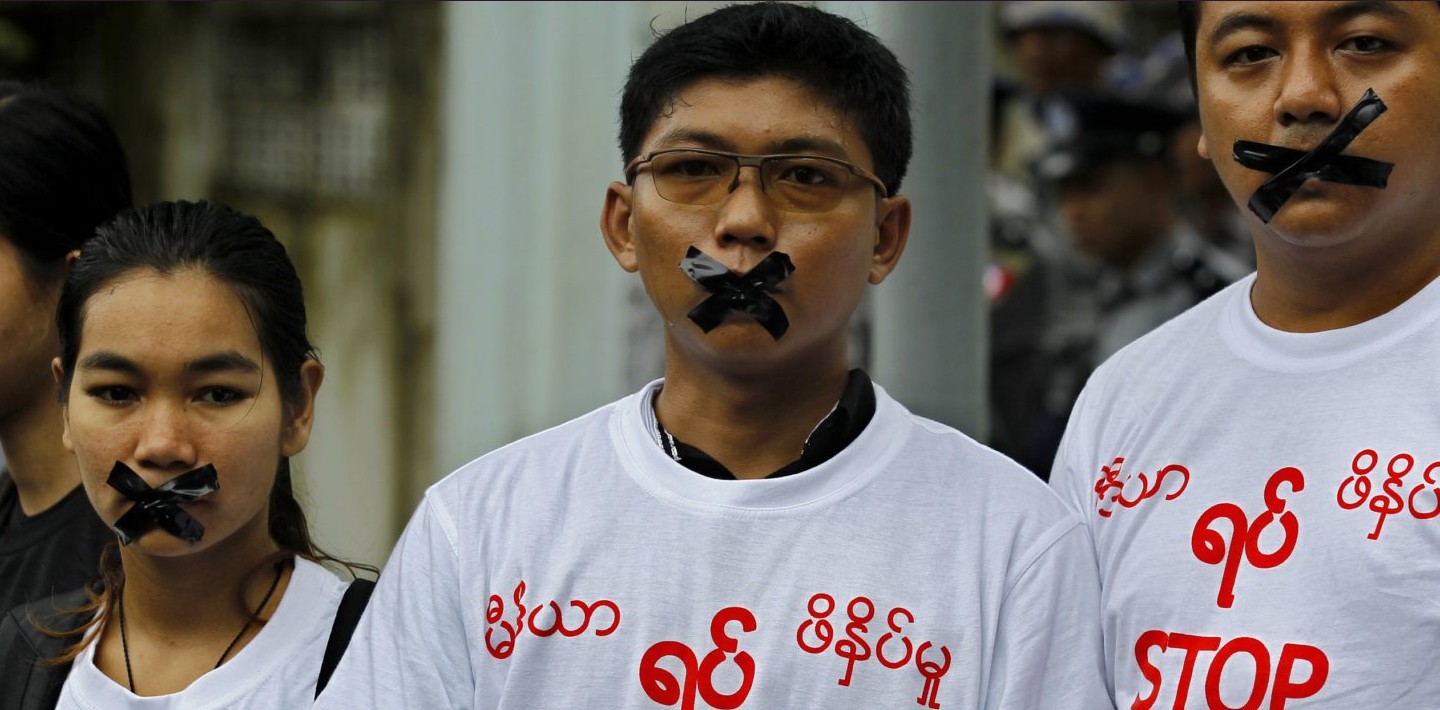
Journalists protesting during U Thein Sein’s administration (AFP)
Political parties and political observers have also pointed out that the post-election government needs to be flexible yet firm, and must work seriously and decisively toward achieving sustainable, long-term peace.
Sai Mein, Editor-in-Chief of Shan Herald News Agency, said that during former President U Thein Sein’s administration, both domestic and foreign journalists were welcomed and media freedom was granted, allowing a reasonable level of mutual oversight.
He explained:
“During U Thein Sein’s era after 2010, trust-building was prioritized—not only politically, but also with the media. The government issued announcements welcoming people living abroad, including journalists, which encouraged them to return.
Today, what matters is not just the idea of ‘change,’ but the reality of how freely journalists are allowed to travel and operate. How transparent will things be? How much freedom will be granted in ethnic border areas? That is the true measure of a genuine welcome.
Only then can the media move freely; and only when the media can move freely can they report freely. Only through free reporting can we assess how much the new government truly represents the people and serves public interests.
Most importantly, laws such as Section 66(d), laws related to alleged treason, electronic communications laws, and Section 17(1) must all be repealed. Only then will the media regard this government as one that truly practices openness and transparency. That is the key issue.”
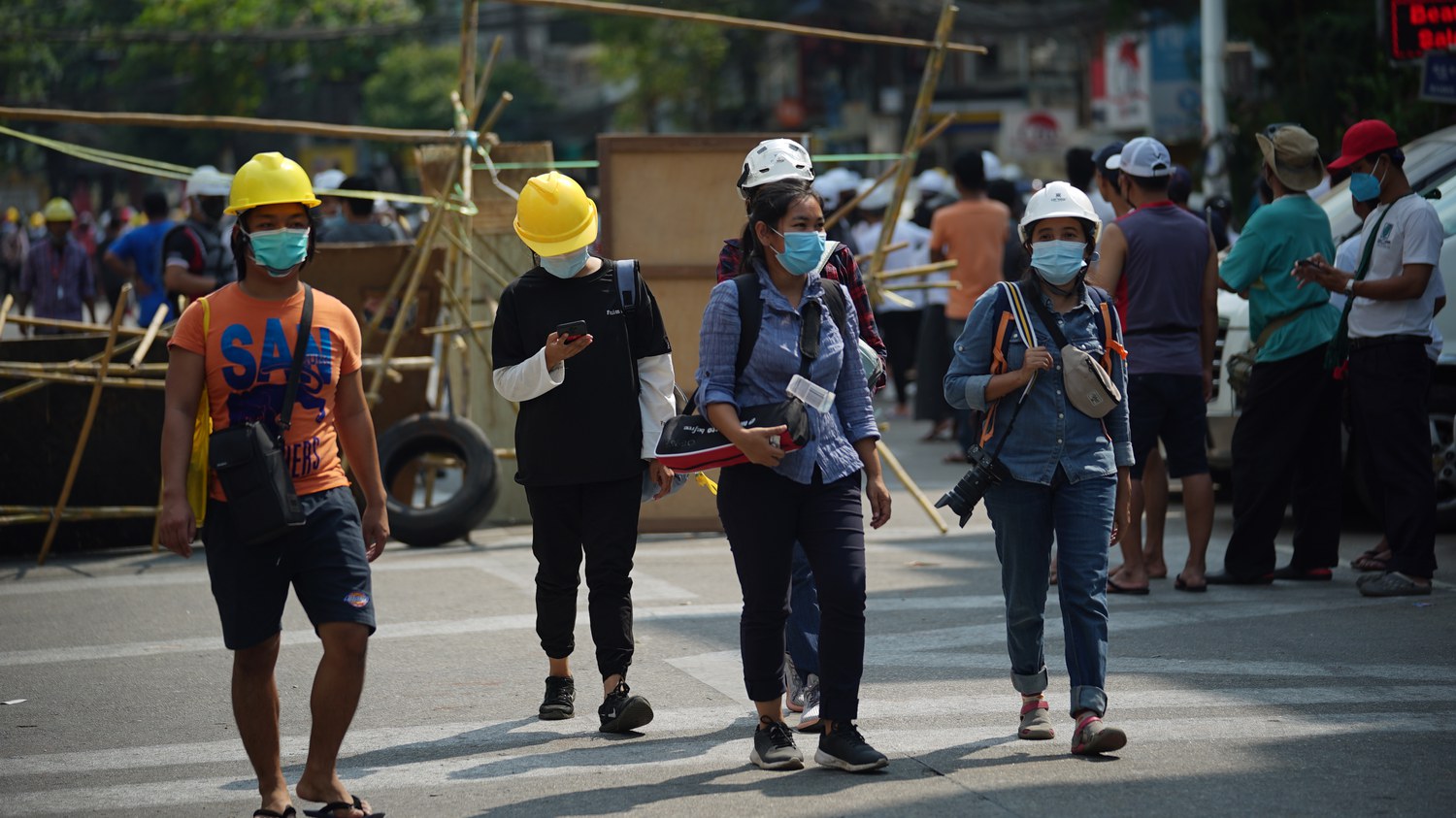
Journalists gathering news (Credit: Original owner)
During the administration of U Thein Sein, which came to power after the 2010 General Election, media freedom was expanded, and foreign media organizations were allowed to establish offices inside Myanmar. Journalists were able to freely express opinions about the government, and mutual oversight between the media and the government, as well as between the media and parliament, was possible.
However, during the administration of Daw Aung San Suu Kyi, which came to power after the 2015 General Election, media freedoms were restricted. Many journalists were arrested and prosecuted under laws such as Section 66(d) and Section 17(1).
- By CNI
- Category: English Section
- Hits: 353
CNI News
30 January 2026
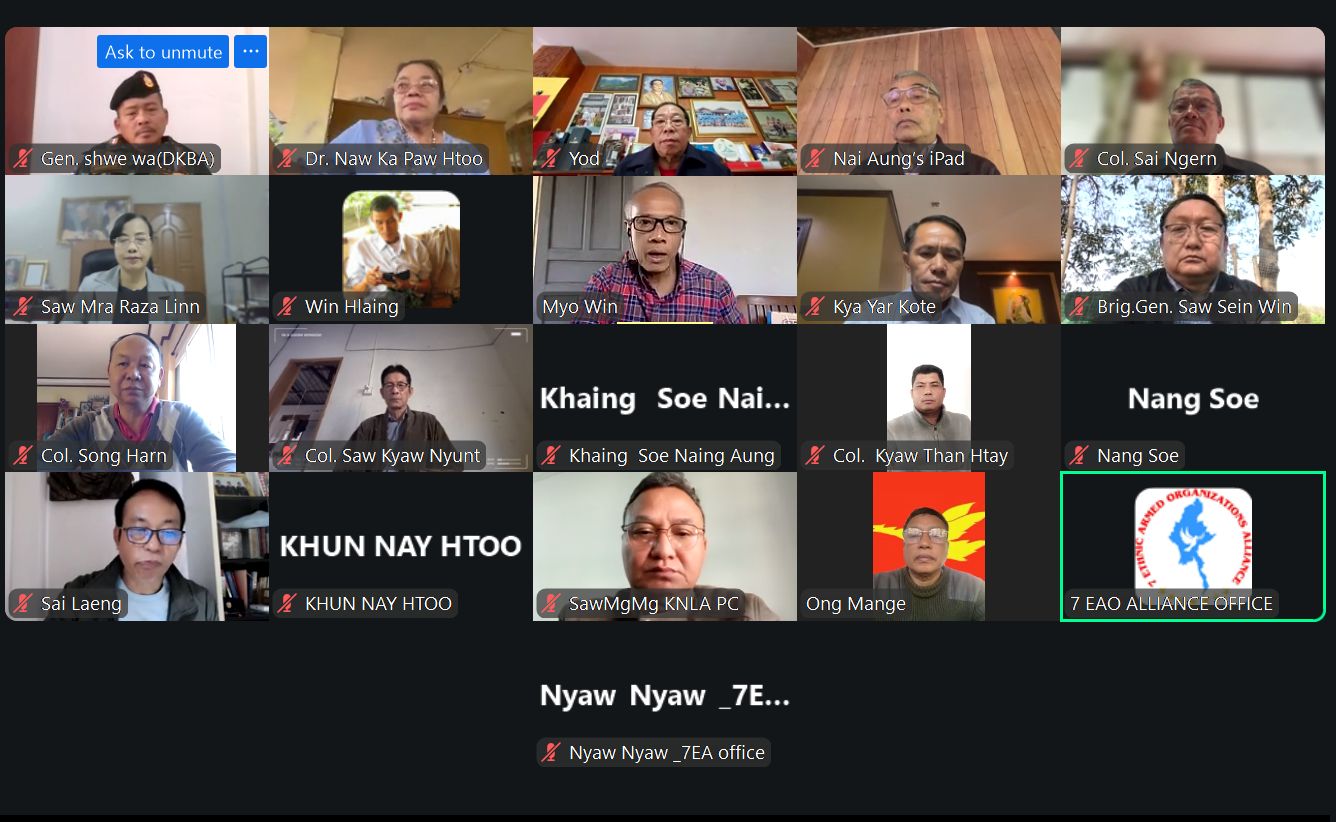
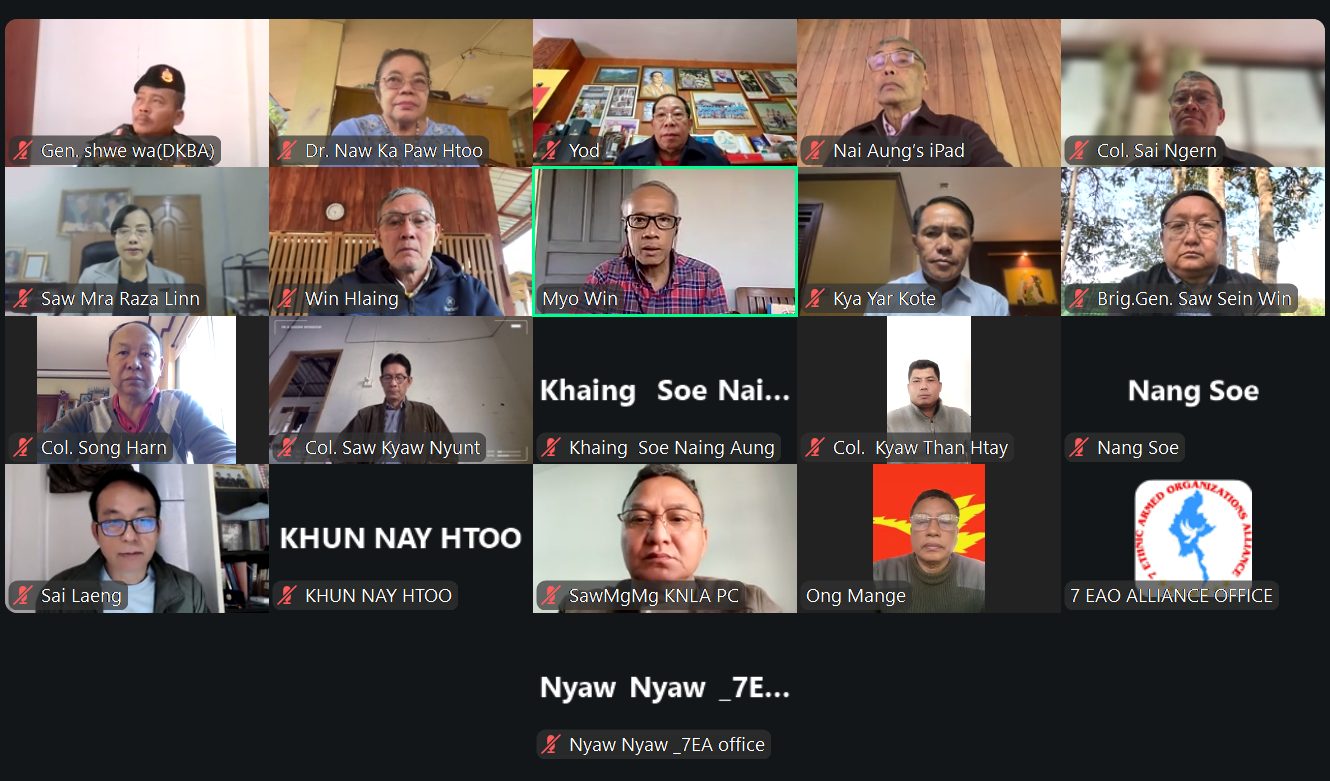
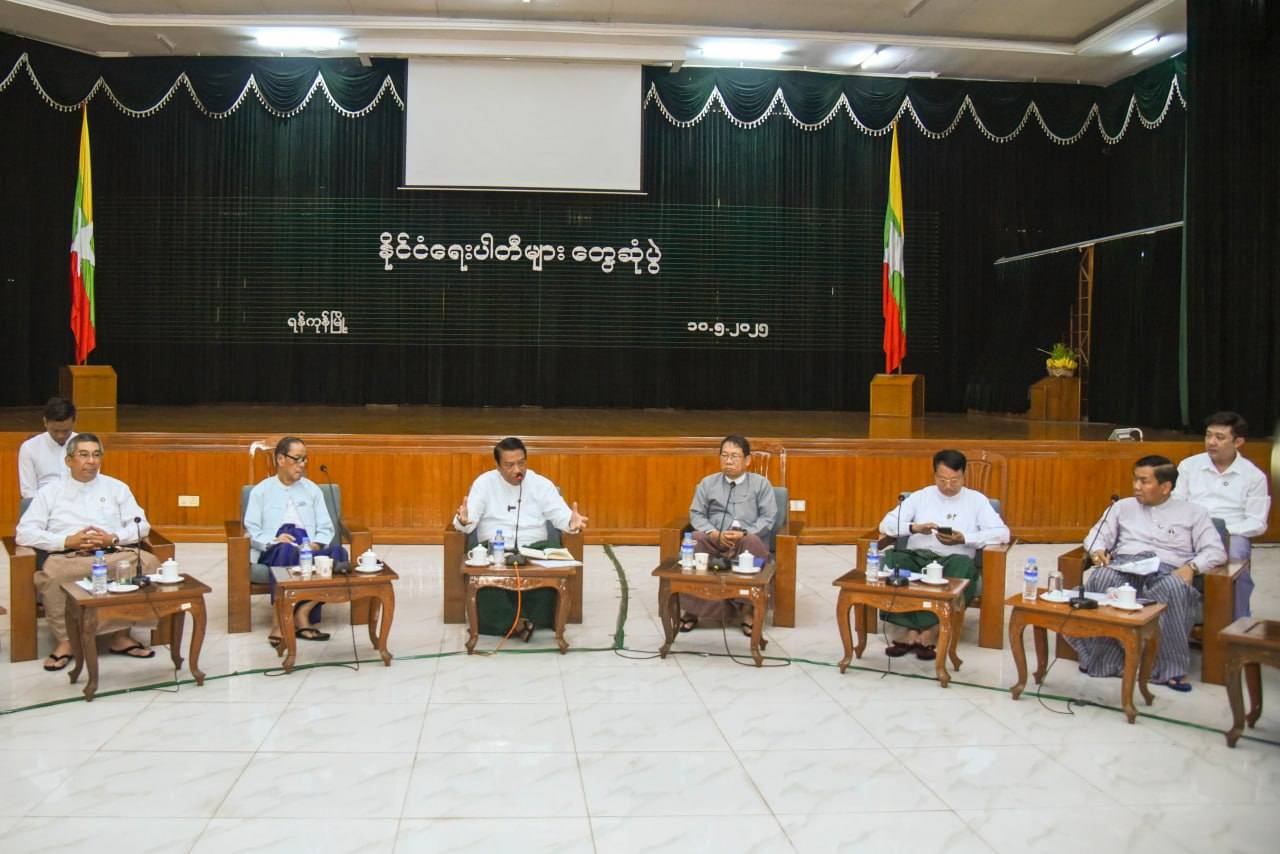
The 7 EAO Alliance, composed of seven ethnic armed organizations that are signatories to the Nationwide Ceasefire Agreement (NCA), held a meeting on January 28, 2026.
According to a statement released on January 28, the meeting involved analyzing and discussing current political and military developments, the international landscape, and potential scenarios that may arise in the post-election period.
The 7 EAO Alliance further announced that the meeting successfully established several key directives, including:
Guidelines for the transition toward a Federal Democratic Union.
Guidelines for the 7 EAO’s strategic review and preparatory measures.
Guidelines for the review of the ongoing peace process.
The 7 EAO Alliance consists of the following members: Restoration Council of Shan State (RCSS), New Mon State Party (NMSP), Democratic Karen Benevolent Army (DKBA), KNU/KNLA Peace Council (KNU/KNLA-PC), Pa-O National Liberation Organization (PNLO), Arakan Liberation Party (ALP), Lahu Democratic Union (LDU).
- By CNI
- Category: English Section
- Hits: 305
CNI News
30 January 2026
Political parties and observers are analyzing whether the Union Solidarity and Development Party (USDP), which won the election, might form a national unity government style administration in the post-election period.
Dr. Aye Maung, Chairman of the Arakan Front Party (AFP), told CNI News that a review of the USDP’s goals, policies, slogans, and their conduct during the election period suggests they may not form a government alone. Instead, they are likely to collaborate with individuals capable of shaping the nation’s future to form a national unity government.
"Looking back at the entire election period, their slogan was to build a 'Stronger Myanmar.' The founders and current leaders of the USDP have a vision to build a more robust state. One should analyze whether they intend to go it alone or not. The post-election government needs to align with the USDP’s slogan. Given the 'Stronger Myanmar' motto, it doesn’t seem like the USDP will form a government in isolation. They are moving towards a model of working together with qualified individuals, current leaders, and visionaries for the future state. Although the USDP could form a government on its own, they already have a vision for the future of the new state. This makes it more likely they will form such a government, reducing the likelihood of a single-party administration. Therefore, a government capable of leading national unity and national reconciliation is likely to emerge," he said.
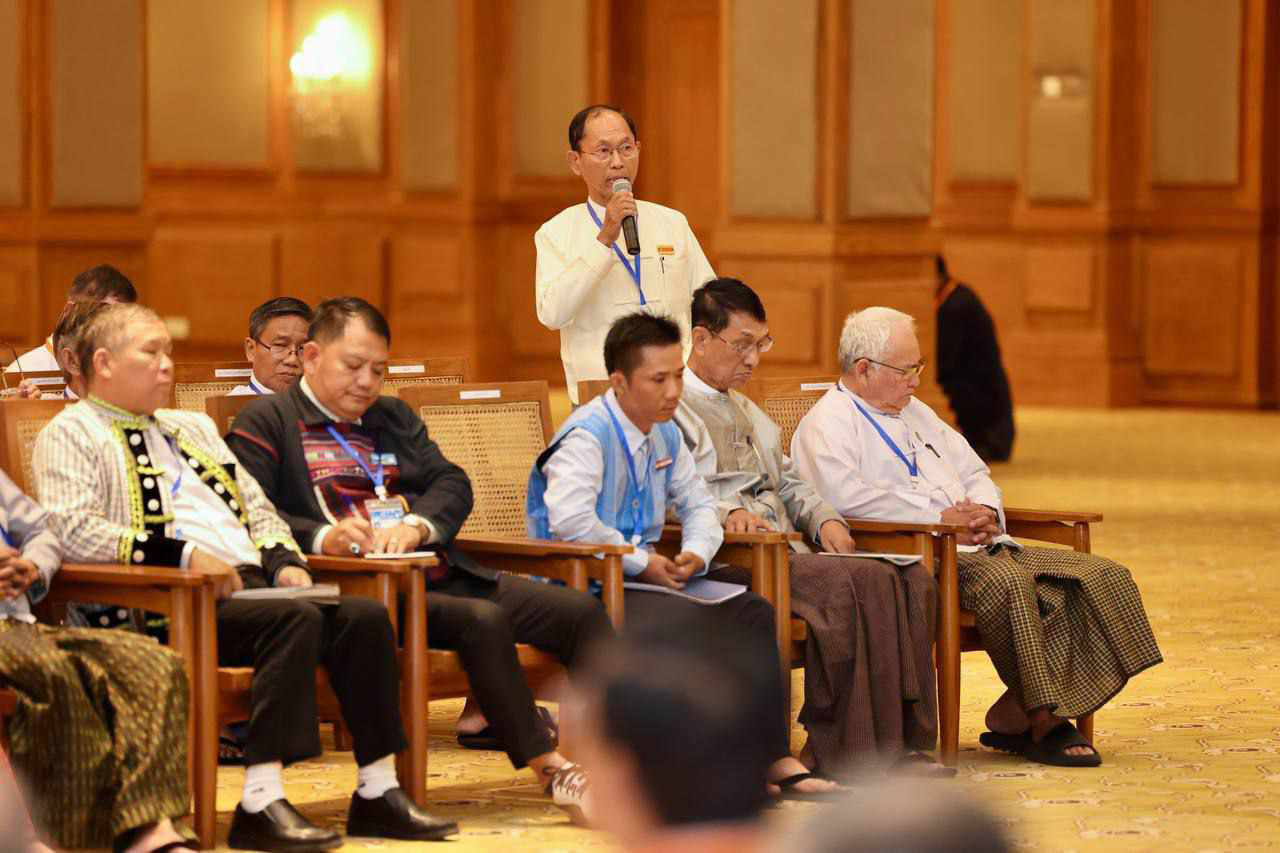
U Ko Ko Gyi and other political party members.
U Ko Ko Gyi, Chairman of the People’s Party (PP), stated on January 25, 2026, during the third phase of the election, that the incoming government needs to form a national unity government to resolve the current armed conflicts and political crises.
"I have been calling for the formation of a national unity government since before 2020—long before the current overseas NUG was even a concept. I said then that because this country is rife with conflict, we should avoid a 'winner-takes-all' approach and instead create a government structure capable of resolving those conflicts. This is different from a coalition. At the time, I faced much criticism from people who didn't want a coalition. A coalition is when a single party cannot form a government and has to join with smaller parties. A National Unity Government is one where, even if a party can govern alone, it includes ethnic leaders and other democratic forces that ought to be included. I said this over six years ago, and the need remains today. I'm not saying this based on who won more or fewer seats. In times of such high conflict, the magnanimity, intellect, and heart of the leaders are vital. If we instead provoke emotions and stay at extreme ends, our country will never recover. That’s why I want to emphasize again the need for a National Unity Government format," he said.
Political analyst U Htet Aung Kyaw told CNI News that since the winning USDP can choose how to shape the government, it ultimately depends on them. He added that the emergence of an elected government meets at least the minimum expectations.
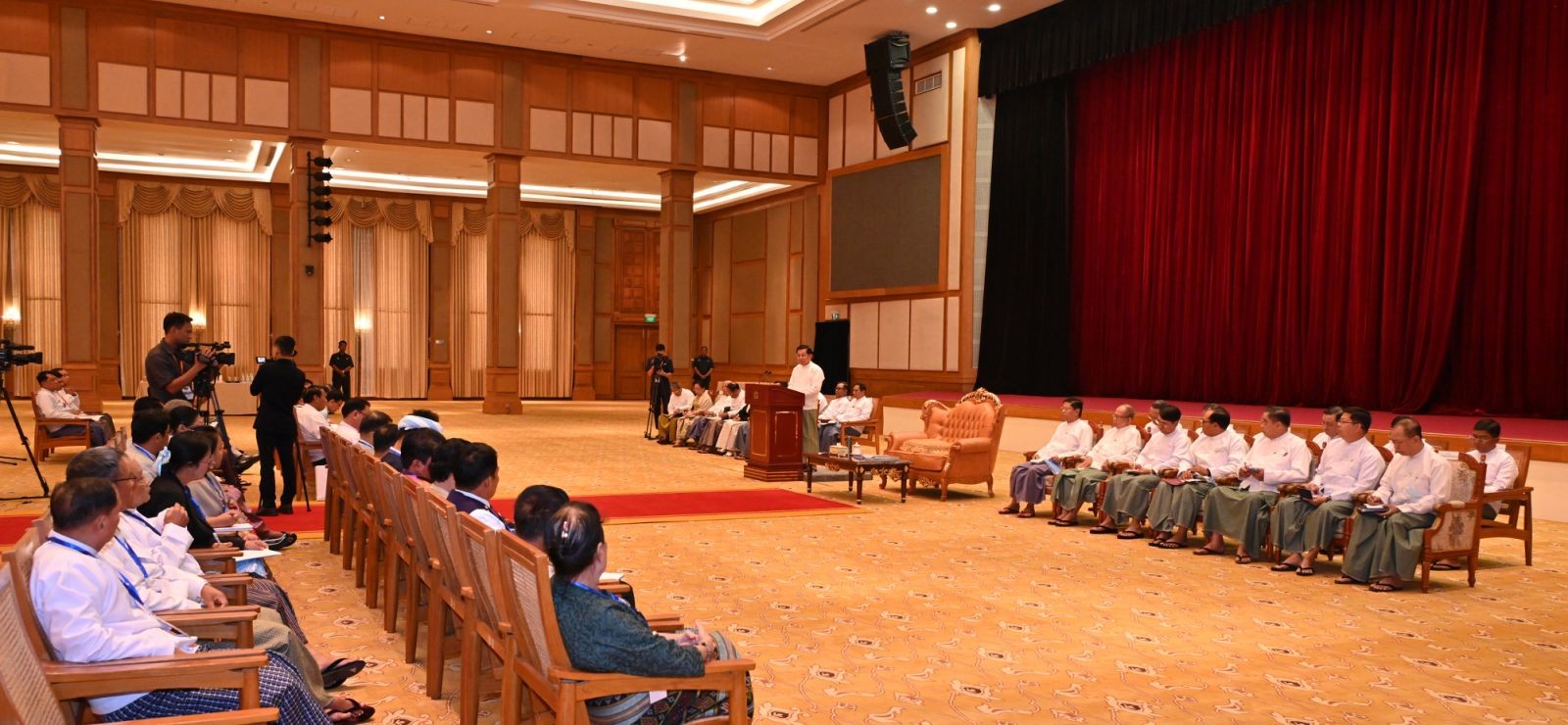
Senior General Min Aung Hlaing meeting with political parties.
"It will likely be a government led primarily by the USDP and the military. The National Unity Government U Ko Ko Gyi mentioned will happen if they want it to, and won't if they don't. It depends on how the winning party thinks. There isn't much more to say; they have the freedom to create it as they see fit. Whatever happens, our minimum expectation—the return of Parliament and the emergence of an elected government—has been met. We will all have to work together to see how much 'check and balance' can be achieved within the current framework," he said.
Myanmar’s multi-party general election was held in three phases starting December 28, 2025, and was successfully concluded on January 25, 2026.
A total of 57 political parties (6 Union-level and 51 Regional/State parties) and 4,863 independent candidates participated. Senior General Min Aung Hlaing has stated that Parliament will convene in March, the new government will form in April, and state power will be transferred to the winning party.
To form a government in Myanmar, a party needs 50% of the 588 seats in the Union Parliament (294 seats). Before the final results of the January 25 phase were known, the USDP had already secured 194 seats from the first two phases. When combined with the 166 seats (25%) reserved for military appointees, the USDP-aligned bloc currently holds 360 seats, surpassing the 294 seats required to form a government.
- By CNI
- Category: English Section
- Hits: 253
CNI News
30 January 2026
Political observers and political parties are pointing out that Election Commissions, which are a vital pillar of Myanmar’s electoral process, should be selected and appointed by the Parliament (Hluttaw).
Political parties emphasize that it is crucial for the Election Commission to be an independent body composed of independent individuals. They argue that only through such independence can the commission resolve disputes impartially and conduct free and fair elections.
U Saw Than Myint, Joint Secretary of the Shan and Nationalities Democratic Party (SNDP), told CNI News that there are 43 points some of which are related to the Election Commission that have been negotiated and agreed upon between the NSPNC (National Solidarity and Peacemaking Negotiation Committee) and the political party groups.
"The NSPNC and the political party groups have reached an agreement regarding the Commission. We assume this will be approved in the upcoming Parliament. These are facts already discussed within the NSPNC. For example, the political party groups and the Tatmadaw's NSPNC have already agreed upon those 43 points in principle. If these are approved in the upcoming Parliament, the format for appointing the Election Commission will change. Those 43 points will be reviewed and approved in accordance with parliamentary bylaws. Whether it actually happens depends a lot on the upcoming Parliament, but I think it will. Even now, the agreement includes the USDP (Union Solidarity and Development Party) within the political party group, as well as ourselves. Since the USDP is among the top winners and they are involved, and the Tatmadaw also supports and agrees with it, I believe these 43 points will be re-negotiated and approved by the MPs in accordance with the law and bylaws," he said.
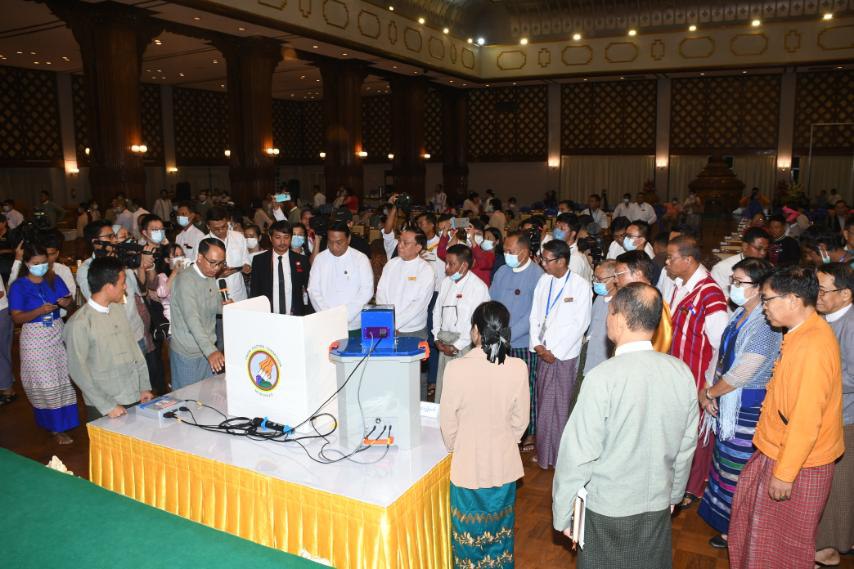
A meeting between the Election Commission and political parties.
In Myanmar, the 2025 General Election was successfully held in three phases from December 28, 2025, to January 25, 2026. Following this, Senior General Min Aung Hlaing has stated that the Parliament will be convened in March, and a new government will be formed in April.
However, political analyst Dr. Aung Myo told CNI News that the Election Commission should not even be chosen by the Parliament, but rather should be directly elected by the people.
"The Parliament shouldn't choose the Election Commission either. If the Parliament chooses, there is a risk it will just be whoever the ruling party selects by majority vote. Ideally, the Parliament shouldn't have the right to choose them; the Parliament should stick to law-making. The best way is for the public to elect the Election Commission directly. During the general election, township commission chairmen should be elected at the same time. This would result in over 300 chairmen nationwide. Then, those chairmen should hold a convention to elect the Union Election Commission and the Regional Commissions. Some township chairmen would move up to the regional or central levels. Members must be part of this commission structure only—they must never have been a member of any political party or political organization," he said.
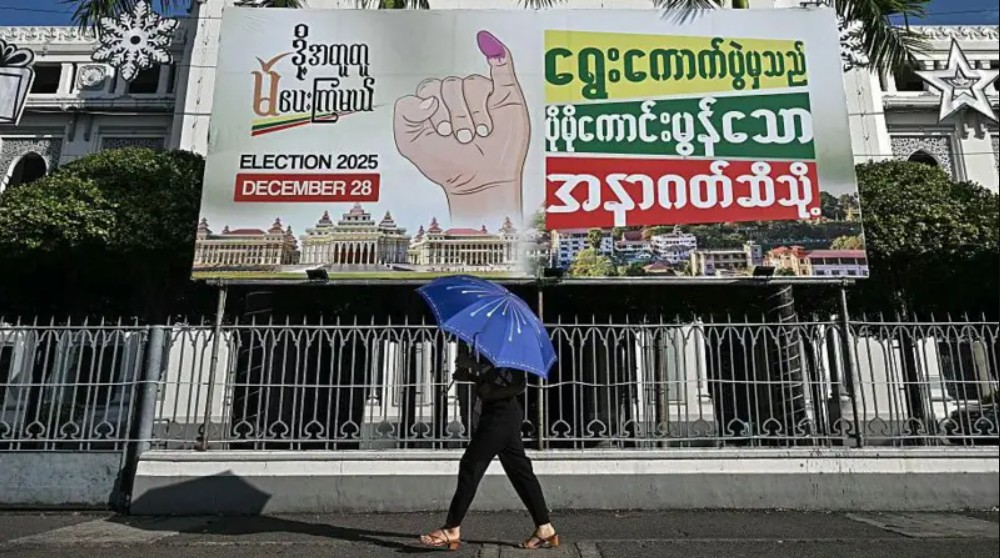
An election awareness notice.
In the recently concluded 2025 General Election in Myanmar, a total of 57 political parties (6 Union-level parties and 51 parties competing within a single Region or State) and 4,863 independent candidates participated.
However, political parties have raised criticisms regarding the election, particularly concerning advance voting issues and the compilation and announcement of voter lists.
Page 37 of 352
Connect with us