
CNI News
31 January 2026
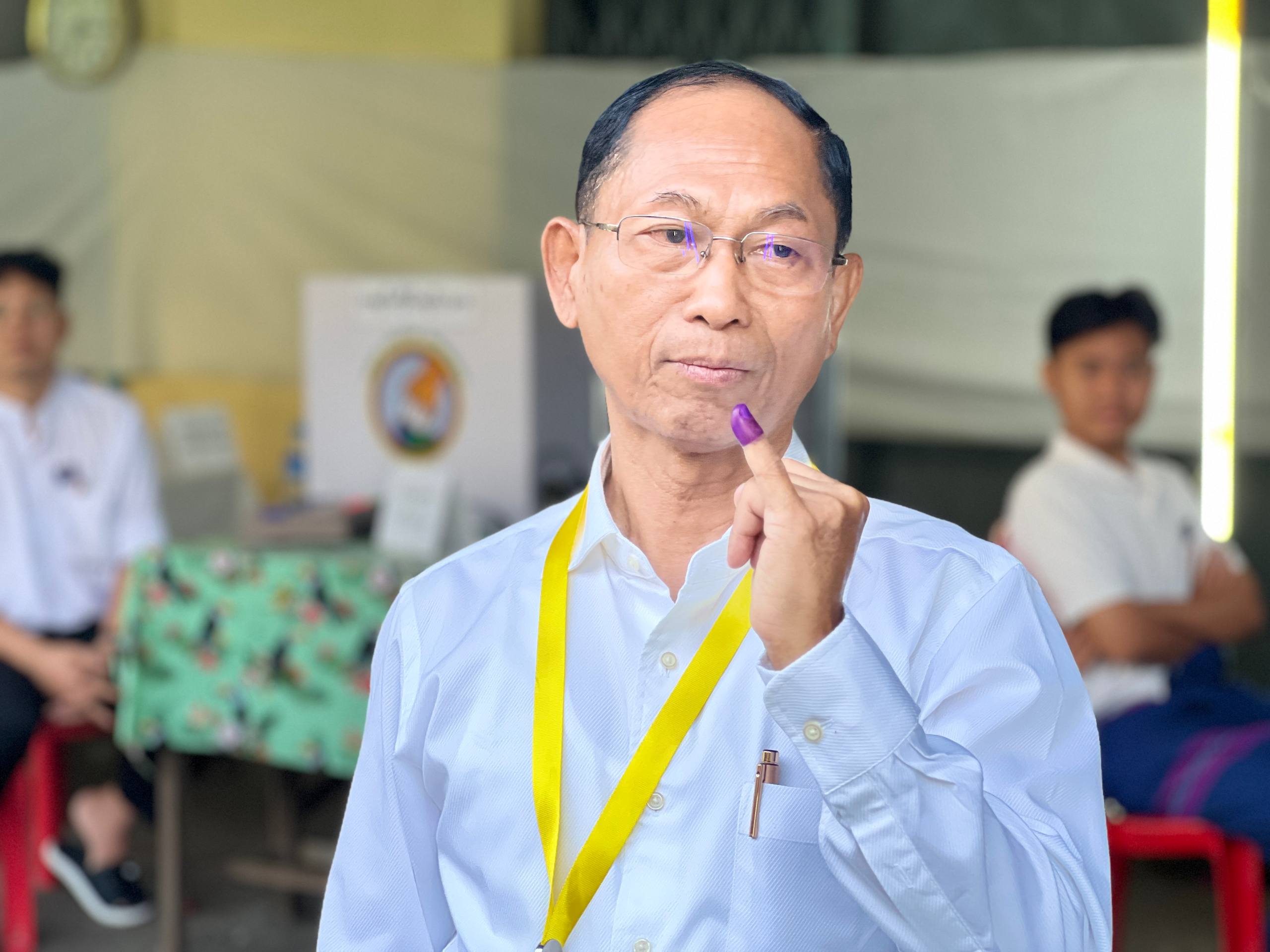
Following the results of Myanmar’s 2025 General Election, a political landscape has emerged in which a single political party dominates both parliament (Hluttaw) and the government. As a result, the role of media outside the parliament has become increasingly important, according to U Ko Ko Gyi, Chairperson of the People’s Party (PP), who told CNI News.
He said that in the coming period, mutual checks and balances within parliament may weaken, making the role of media outside the Hluttaw more crucial. He also noted that the emergence of a national unity government would depend on the winning party’s reasoning and political judgment.
U Ko Ko Gyi stated:
“Now that one party has won a majority, the priorities of the winning party will naturally become government policy. Our country’s political system is based on a single parliamentary election. So when one party wins a majority in parliament, the government will also be led by that winning party.
We had already pointed this out beforehand. As a result, the system of mutual oversight and checks is affected. At such a time, what becomes important is the role of the media outside parliament. The key question is how freely the media will be allowed to speak openly.
Another important point is that political parties which did not win should still monitor, criticize, point out issues, and offer advice regarding parliamentary activities and government actions.
As for a National Unity Government, it fundamentally depends on the thinking and judgment of the winning party, because legal authority has now passed into the hands of that party. Therefore, while we can offer suggestions, the final decisions will ultimately be made by the winning party.”
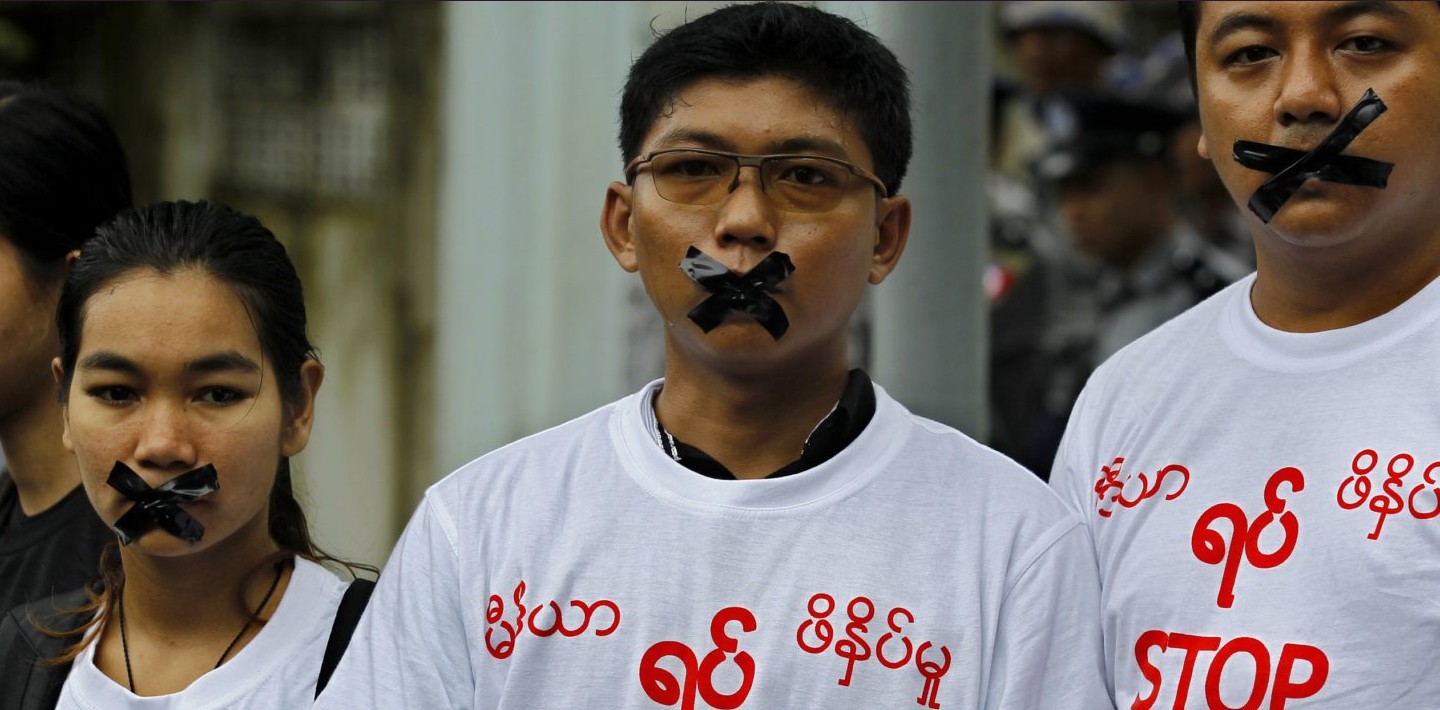
Journalists protesting during U Thein Sein’s administration (AFP)
Political parties and political observers have also pointed out that the post-election government needs to be flexible yet firm, and must work seriously and decisively toward achieving sustainable, long-term peace.
Sai Mein, Editor-in-Chief of Shan Herald News Agency, said that during former President U Thein Sein’s administration, both domestic and foreign journalists were welcomed and media freedom was granted, allowing a reasonable level of mutual oversight.
He explained:
“During U Thein Sein’s era after 2010, trust-building was prioritized—not only politically, but also with the media. The government issued announcements welcoming people living abroad, including journalists, which encouraged them to return.
Today, what matters is not just the idea of ‘change,’ but the reality of how freely journalists are allowed to travel and operate. How transparent will things be? How much freedom will be granted in ethnic border areas? That is the true measure of a genuine welcome.
Only then can the media move freely; and only when the media can move freely can they report freely. Only through free reporting can we assess how much the new government truly represents the people and serves public interests.
Most importantly, laws such as Section 66(d), laws related to alleged treason, electronic communications laws, and Section 17(1) must all be repealed. Only then will the media regard this government as one that truly practices openness and transparency. That is the key issue.”
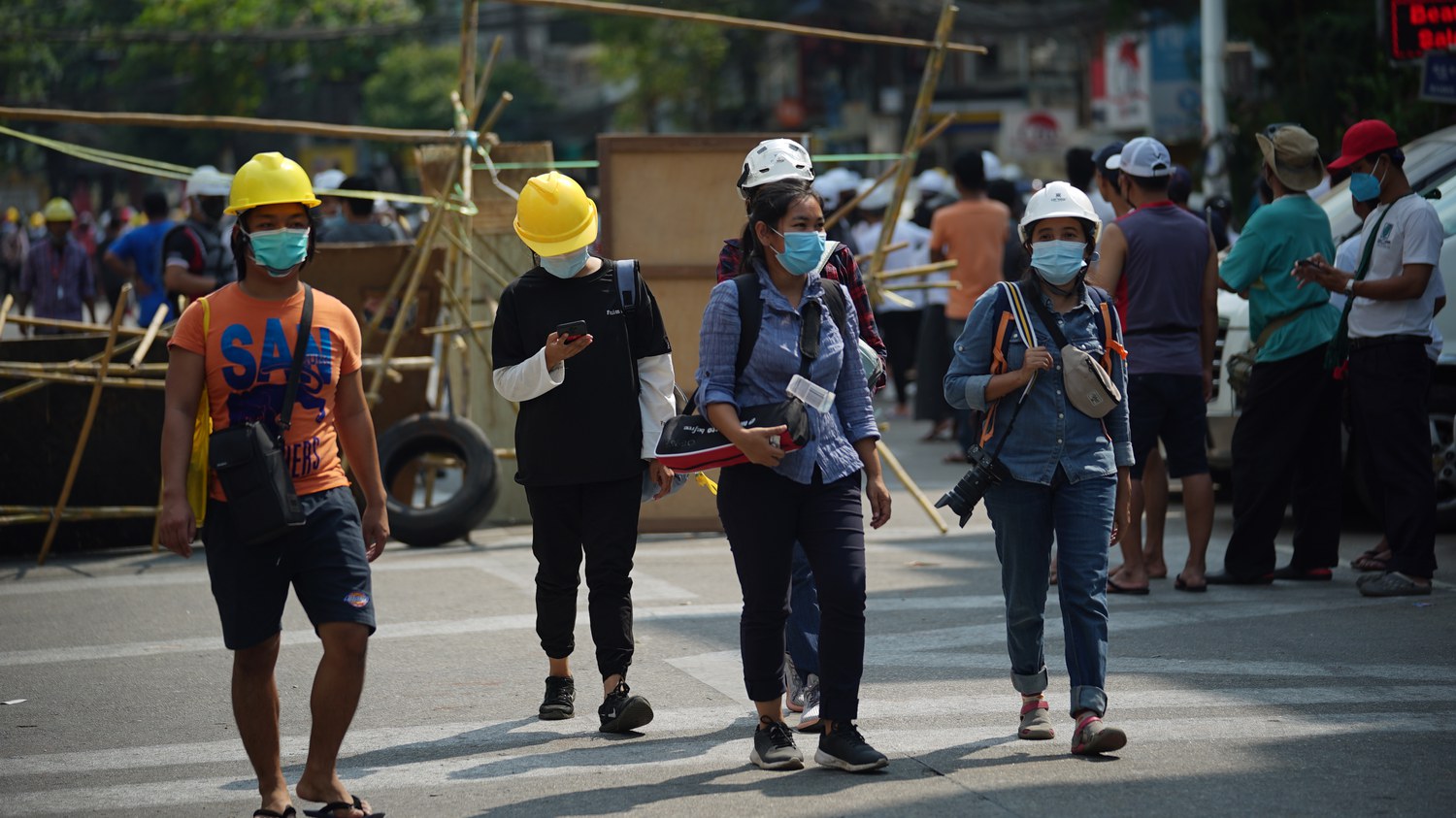
Journalists gathering news (Credit: Original owner)
During the administration of U Thein Sein, which came to power after the 2010 General Election, media freedom was expanded, and foreign media organizations were allowed to establish offices inside Myanmar. Journalists were able to freely express opinions about the government, and mutual oversight between the media and the government, as well as between the media and parliament, was possible.
However, during the administration of Daw Aung San Suu Kyi, which came to power after the 2015 General Election, media freedoms were restricted. Many journalists were arrested and prosecuted under laws such as Section 66(d) and Section 17(1).