
CNI News
3 February 2026
Military and political analysts are currently evaluating whether a specific ministry related to peace should be established under the new government that will emerge in the near future.
In Myanmar’s history, peace processes have typically been implemented only through the formation of committees. Therefore, Colonel Saw Kyaw Nyunt, spokesperson for the 7 EAO Alliance, told CNI News that an organization capable of working dedicatedly for peace is truly necessary within the current landscape of numerous challenges and difficulties.
He stated, "Committees have been formed before. There have been joint efforts. However, for a government managing all the affairs of the country, if there is a distinct body and a distinct mandate for such a critically important national issue, I believe it would be more effective than previous committees. Furthermore, our 7 EAO Alliance always urges governments to do this. Peace is a genuine necessity for us. Instead of the current setting where meetings and discussions are incomplete and lack systematic structure, the government should establish a ministry to ensure a systematic framework. A government should adopt firm peace policies and there must be a systematically organized, dedicated mechanism to implement that peace."
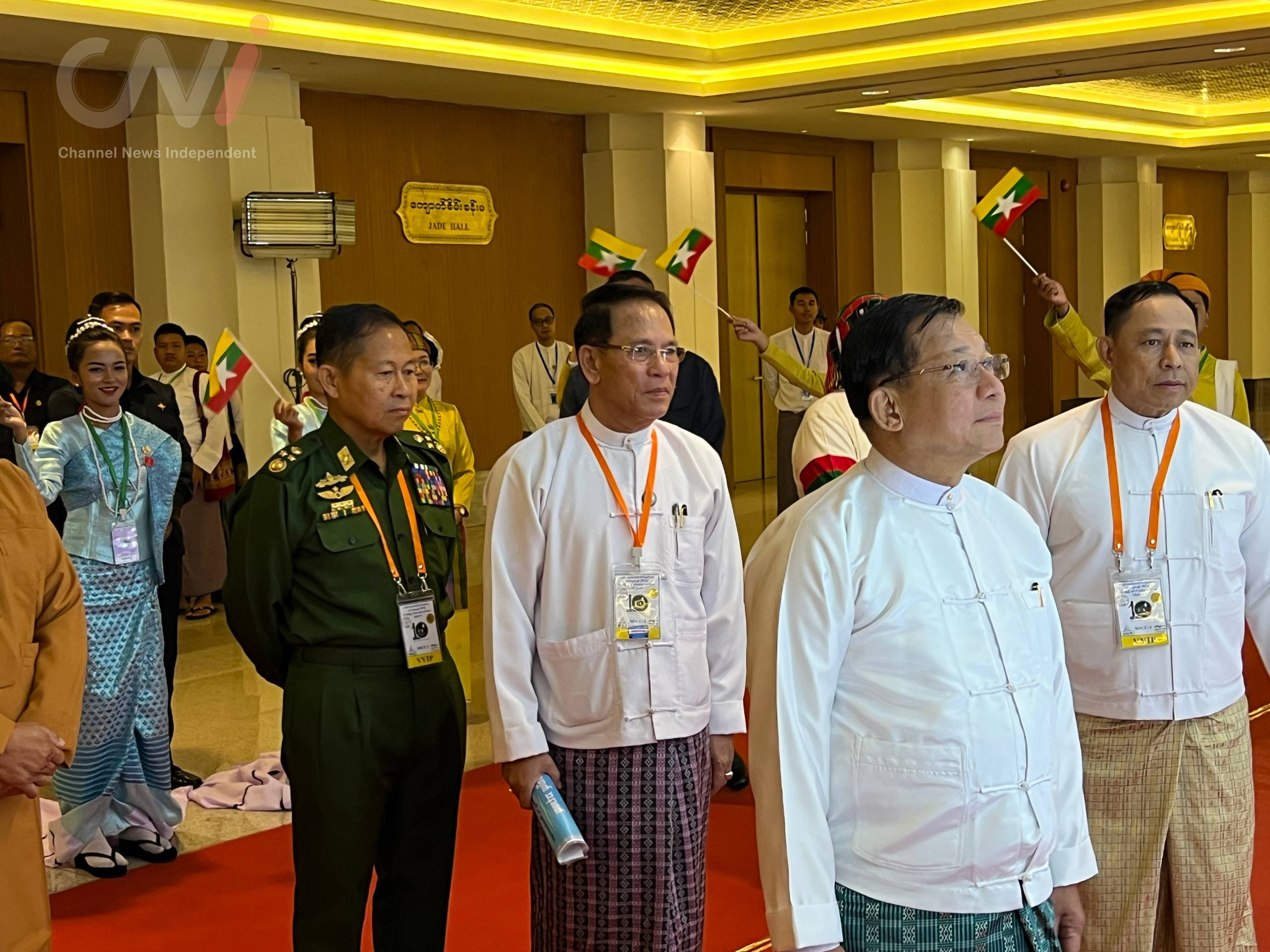
Tatmadaw leaders seen
During the Peace Forum 2025, held from June 25 to 27, discussions were also held regarding the formation of a non-governmental peace brokerage group to aid the Myanmar political landscape.
Political analyst U Kyaw Htet told CNI News that while the NSPNC (National Solidarity and Peacemaking Negotiation Committee) currently leads peace negotiations and forums during the military’s administration, other ministries still have to coordinate and assist in the arrangements.
Therefore, he suggested that a dedicated Ministry of Peace should be formed by the government, while a central-level peace implementation committee like the NSPNC should also exist at the state level; both should function simultaneously.
He added, "Regarding the composition, we should include individuals who have been involved in the political peace process since the 2010 NCA path began and those who are close to Ethnic Armed Organizations (EAOs). There are the 10 NCA-signatory groups, though the number has decreased due to later political situations. If we include people from these groups, the public will have more trust in national reconciliation and peace. If a Ministry of Peace is formed, it would be beneficial to appoint a government official as Minister and an ethnic leader from an NCA-signatory group as Deputy Minister. Additionally, a Union-level Peace Implementation Central Committee is necessary. In implementing tasks, the ministry officials need to be individuals granted special authority by the President—similar to the role U Aung Min played previously. The Minister of Peace would lead the preliminary discussions with ethnic groups before moving to the table for final negotiations. Establishing a ministry could move things forward due to the official authority and mandate of a Union Minister."
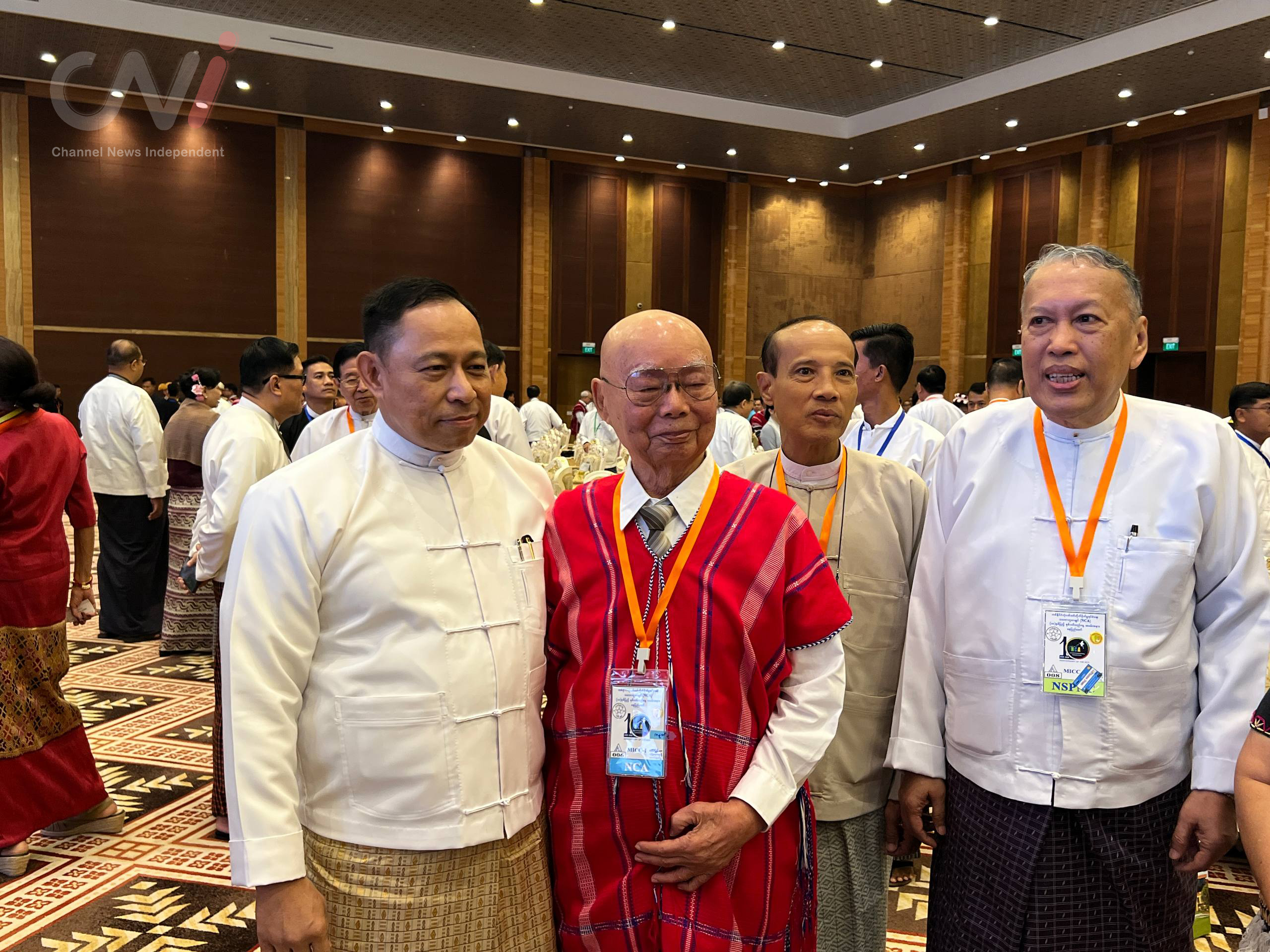
Individuals involved in the peace process.
Senior General Min Aung Hlaing has stated that following the completion of the 2025 Multiparty General Election, the parliament will be convened in March, and state responsibilities will be transferred to the winning party according to the procedures.
Furthermore, Prime Minister U Nyo Saw stated during a Union Government meeting on January 27 that since the signing of the Nationwide Ceasefire Agreement (NCA) remains vital for the progress of the peace process, the NCA agreements must be practically implemented.
According to sources close to those involved in the peace process, there are considerations to form a Ministry of National Reconciliation under the upcoming new government to implement peace processes, including the NCA.
It is noted that in South Korea, a dedicated Ministry of Unification exists specifically to work toward the reunification of the two Koreas.