
English Edition
- By CNI
- Category: English Section
- Hits: 315
CNI News
28 February 2026
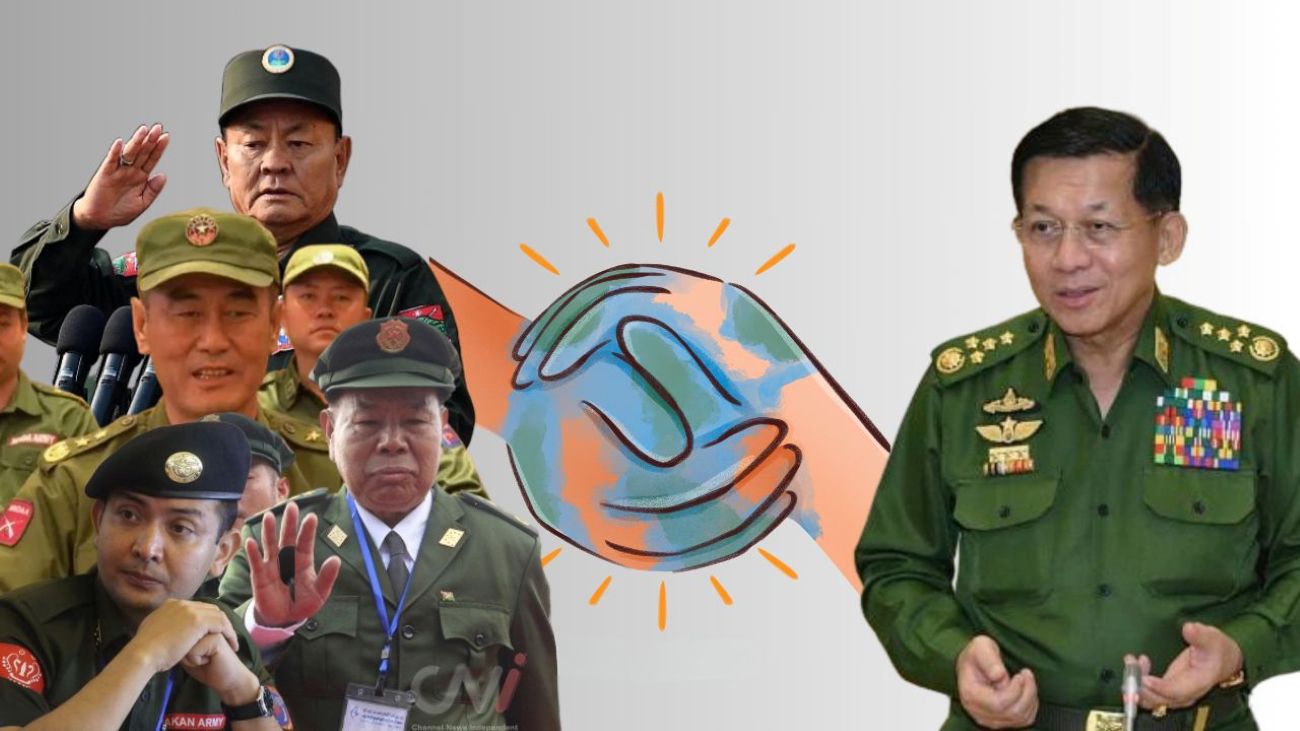
In Myanmar, peace should not be something done merely for appearance’s sake, but rather a genuine win-win outcome where both sides benefit, said U Khun Sai, who is involved in the peace process, in an interview with CNI News.
He said, “From what we are hearing, when the new government is formed, there are plans to restart the peace process. At the very least, one side needs to genuinely act, and the other side also needs to demonstrate to the public that they are truly making efforts. So peace must indeed be pursued.
However, what we hope for is not something done just for show, but a real solution where both sides benefit and both sides are satisfied. As Martin Smith, a scholar on Burma, once said, we have been fighting for nearly 80 years. For the opposition, revolution has become a way of life — an ongoing journey. For the Tatmadaw as well, suppressing insurgency has also become a way of life.”
During the five years that the Myanmar military governed the country, NCA ceremonies and peace forums were held.
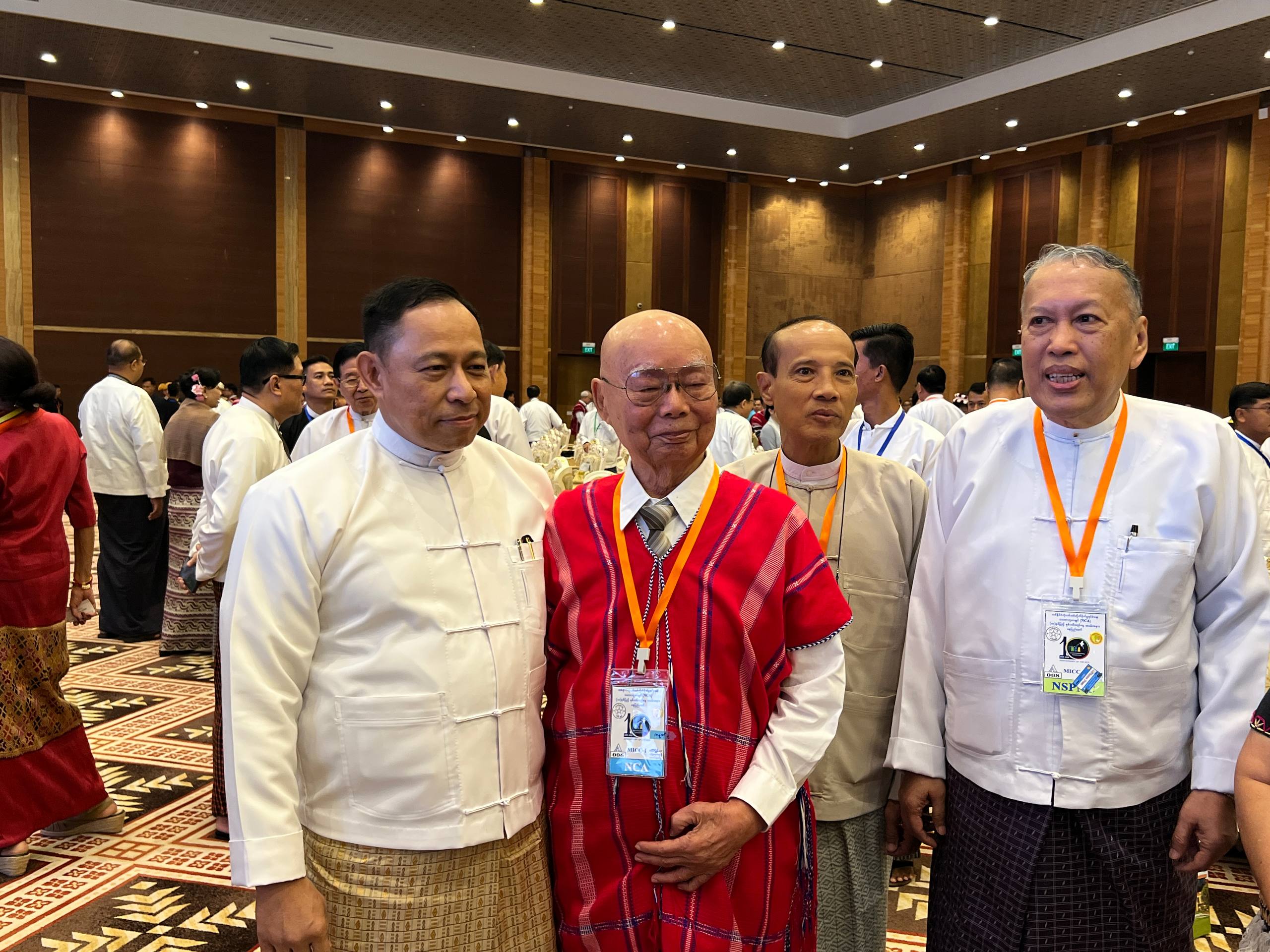
Participants in the peace process
However, these discussions were conducted only with political parties, ethnic armed organizations that had signed the NCA, and civil society groups — not with armed groups that were actively engaged in fighting on the ground.
Following the political changes in 2021, armed conflict expanded across the country, and the number of armed groups increased.
As the fighting intensified, civilians were forced to abandon their homes and properties and flee to other areas.
Therefore, unless something concrete is done regarding peace, Myanmar will never achieve peace, said U Soe Htet, Chairman of the Chin National Congress Party (NCC), in an interview with CNI News.
He said, “Whether it is through NCA signatories or through renewed peace talks, if nothing is done, our country will never achieve peace. I believe they will eventually come to the negotiating table.
If the revolution continues indefinitely, the people will suffer greatly. They are already exhausted. The revolutionaries are also exhausted. The public has suffered heavily. Our children cannot attend school. Healthcare services cannot be properly provided. People cannot live peacefully in their own homes and villages but are instead living in constant fear.
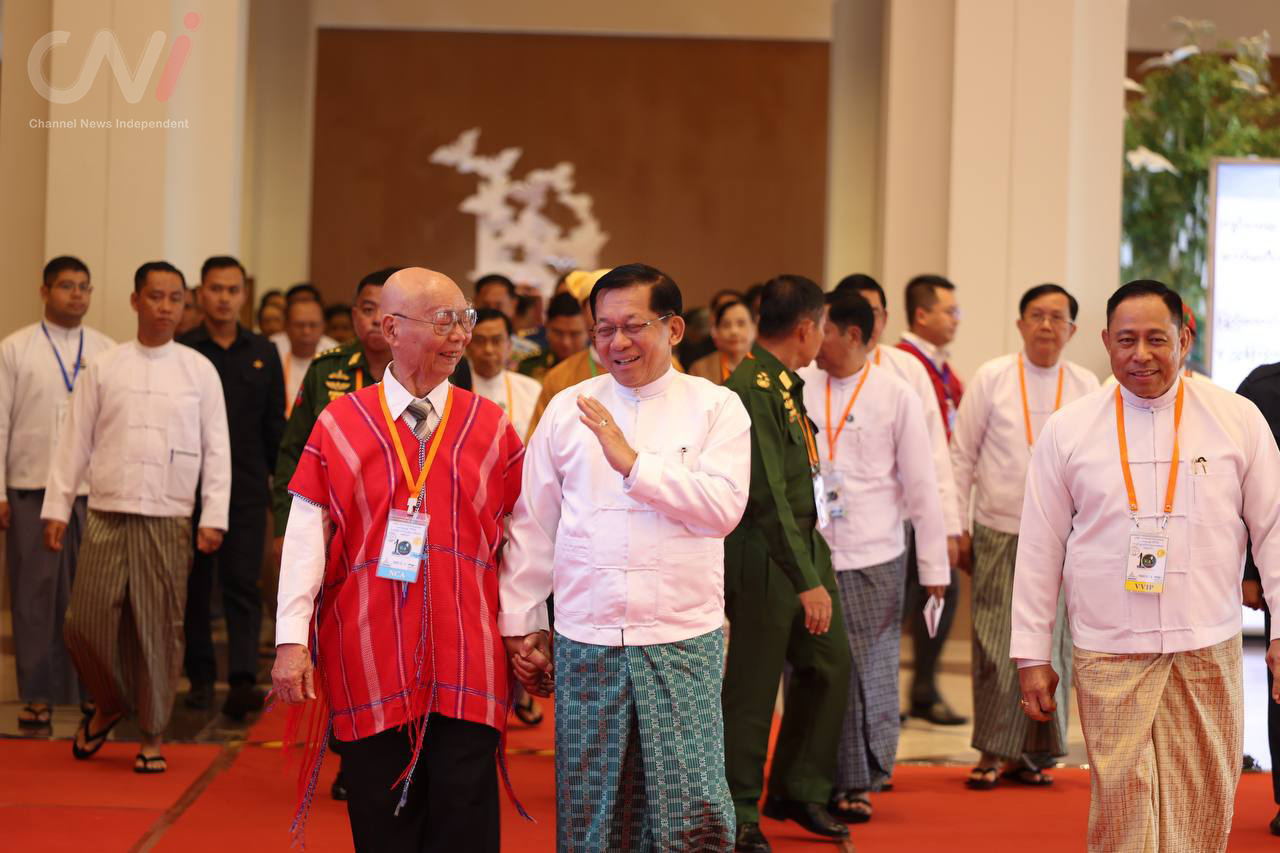
Senior General Min Aung Hlaing meeting with former KNU Chairman Saw Mutu Say Poe
Now people from Chin State, Sagaing Region, Magway Region, Mandalay Region, Naypyitaw Council Area, and Bago Region are being displaced. They want to return to their own areas. No one wants to live elsewhere. They want to return to their regions, do their own work, and live their own lives. Elderly people especially wish to return home.
So I believe those who are leading the revolution, those involved in politics, and the politicians who are in parliament will think carefully and initiate peace discussions.”
In Myanmar, ethnic armed organizations that signed the Nationwide Ceasefire Agreement (NCA) include:
Restoration Council of Shan State (RCSS),Democratic Karen Benevolent Army (DKBA), Karen National Union/Karen National Liberation Army – Peace Council (KNU/KNLA-PC), Arakan Liberation Party (ALP),Pa-O National Liberation Organization (PNLO),New Mon State Party (NMSP),Chin National Front (CNF),All Burma Students’ Democratic Front (ABSDF),Lahu Democratic Union (LDU),Karen National Union (KNU).
However, after the political changes on February 1, 2021, CNF, ABSDF, and KNU declared the NCA void and withdrew, while PNLO, ALP, LDU, and NMSP split into two factions.
Armed groups that have not signed the NCA include:
United Wa State Army (UWSA),National Democratic Alliance Army (NDAA), Myanmar National Democratic Alliance Army (MNDAA),Ta’ang National Liberation Army (TNLA), Kachin Independence Army (KIA),Shan State Progress Party (SSPP),Arakan Army (AA), Karenni National Progressive Party (KNPP).
- By CNI
- Category: English Section
- Hits: 832
CNI News
February 28, 2026
Naga forces are working to reunify the National Socialist Council of Nagaland-Khaplang/Ang Mai (NSCN-K/AM) and the National Socialist Council of Nagaland-Khaplang/Yung Aung (NSCN-K/YA) into a single organization.
While NSCN-K/YA and NSCN-K/AM were once a unified entity under the leadership of Baba Khaplang, the group split after his death in 2017. In August 2018, Yung Aung assumed the chairmanship.
Following his takeover, several key figures—including Ang Mai, U Kyaw Wan Sein, Aung Sai, U An Kan, U Saw Htein, Niki Sumi, Starswan, and Nyemlang—were expelled. This led to further splintering: Niki Sumi formed NSCN-K/NK, Aung Sai established ENNO/ENDA, and Ang Mai founded NSCN-K/AM.
According to U Chin Maung, Chairman of the Peace-making Committee for NSCN-K/AM, the two factions are expected to meet at the negotiating table soon to discuss reunification.
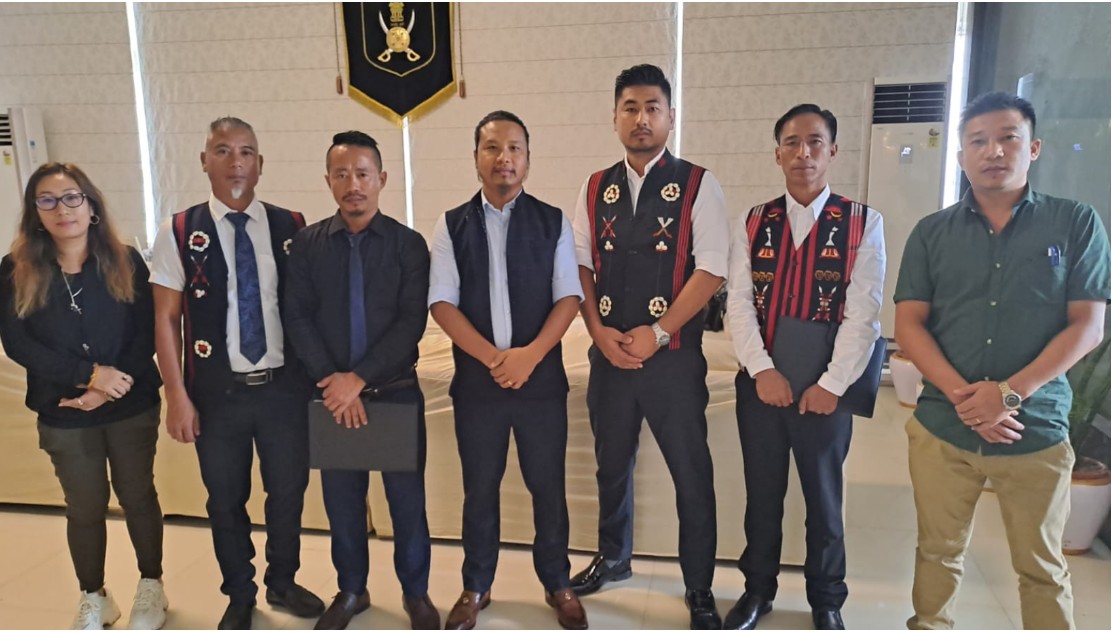
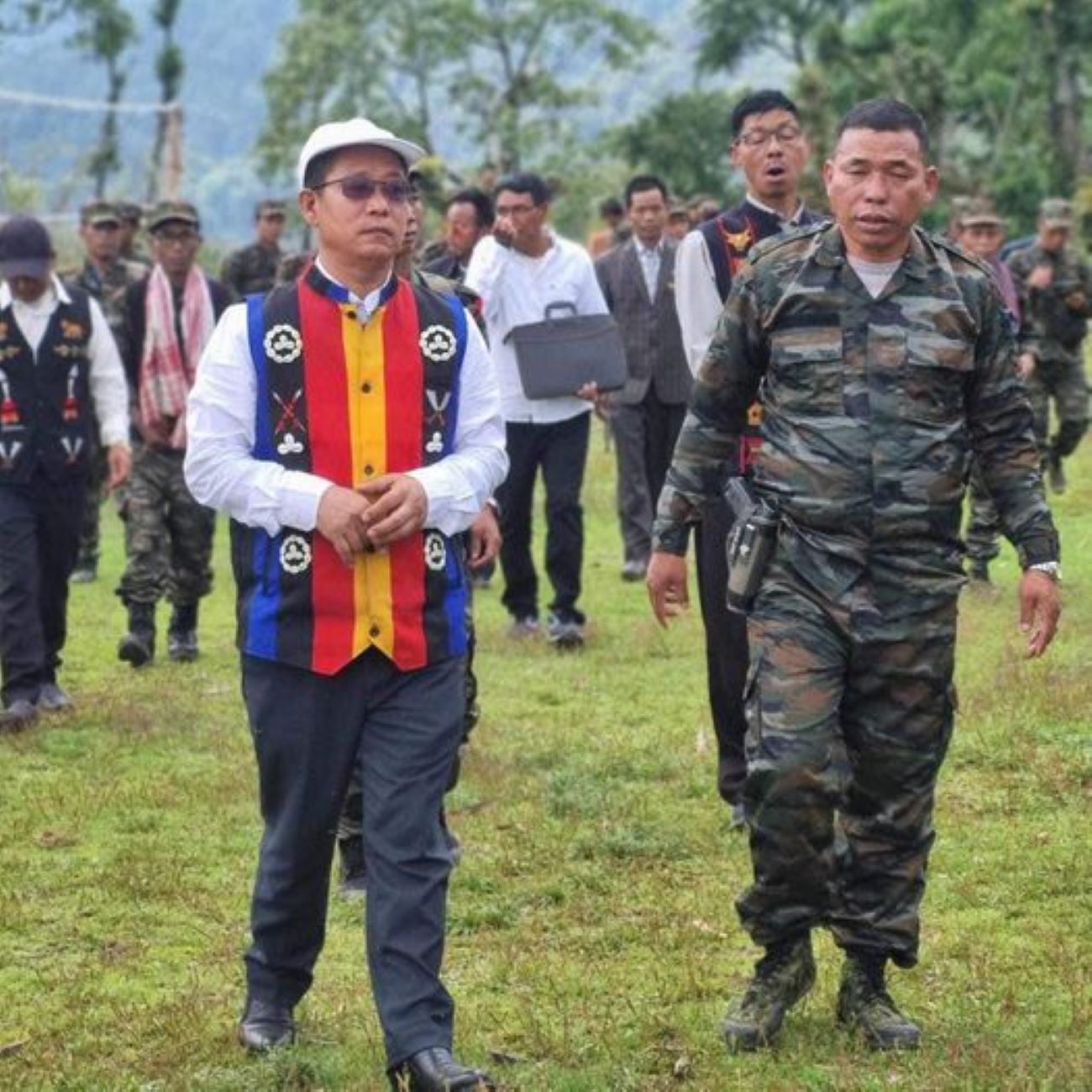
Niki Sumi, leader of the NSCN-K/NK faction.
"In the current situation, we are arranging to talk at the table; it will happen soon. If it happens, the two groups are likely to become one again," U Chin Maung told CNI News.
On February 21, 2026, NSCN-K/AM released a statement noting that while they are attempting to engage NSCN-K/YA through Naga literary, cultural, and religious organizations, the Yung Aung faction has been avoiding the meeting citing various reasons.
A "Family Matter" A Naga local told CNI News that the Naga Traditional Cultural Committee plans to lead a coordination committee to facilitate the merger. He views the split as a "family issue."
He noted that while their political visions were initially aligned, disagreements over leadership and misunderstandings led to the divide.
Public Pressure: "They are organizations that survive by relying on the people, so they must listen to the people's voice," the local resident added.
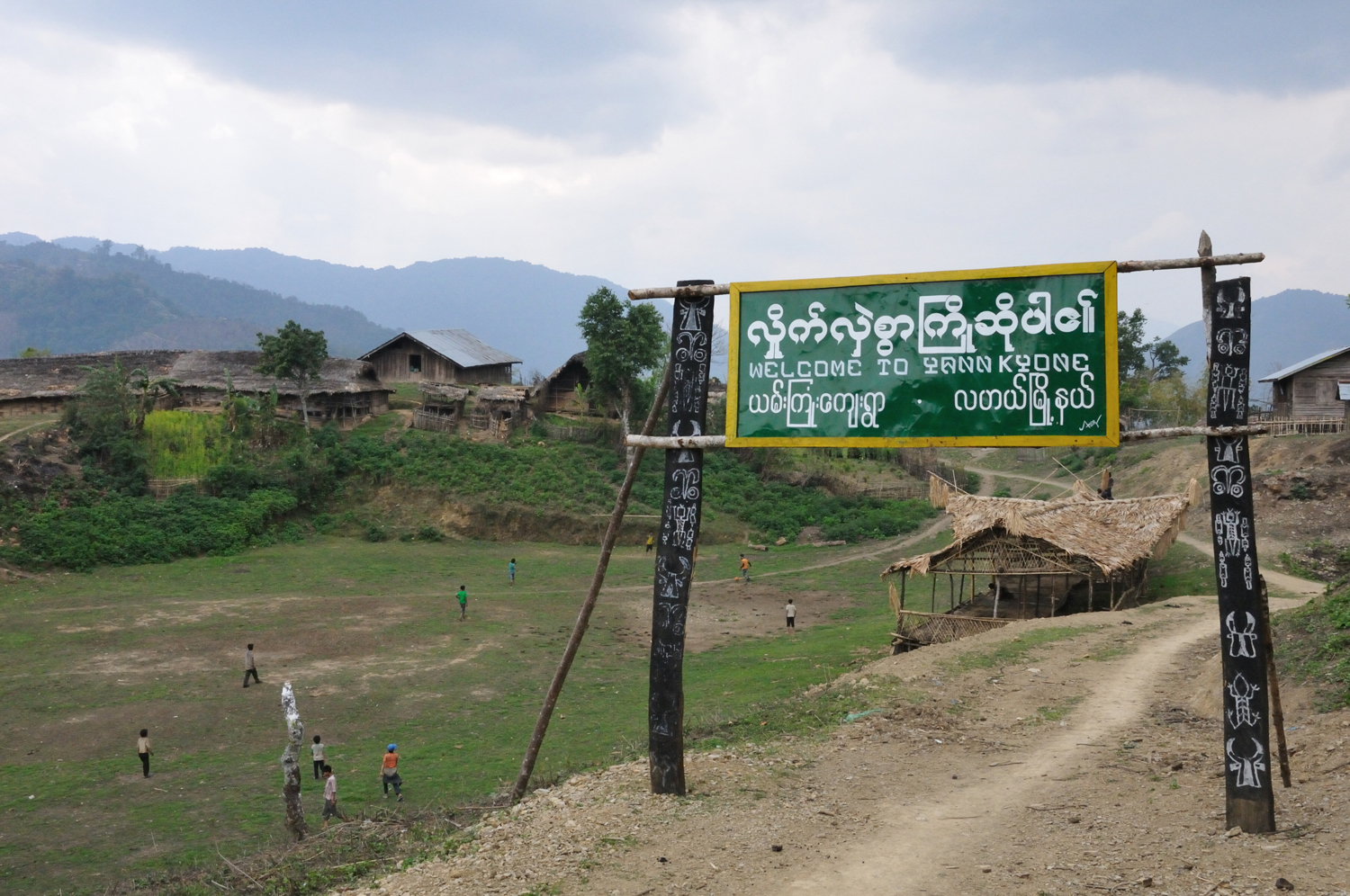
A view of the Naga region.
Currently, the Naga Self-Administered Zone is plagued by leadership and administrative disputes between the factions led by Yung Aung and Ang Mai.
This division has placed a heavy burden on the local population:
Double Taxation Residents are forced to pay taxes to both factions, causing significant financial hardship.
Stalled Development Internal conflict prevents focused efforts on regional growth.
Security Concerns Multiple armed groups are active in the area, complicating the safety of the Naga people.
If the groups reunify, locals hope it will end the era of double taxation and allow for political dialogue aimed at regional development.
The Naga Self-Administered Zone remains a complex landscape of various armed actors, including:
Local Factions: NSCN-K/YA, NSCN-K/AM, ENNO/ENDA, and Naga PDF. Indian Armed Groups: NSCN-IM, NSCN-Hashe Yansan, and ZUF. Meitei and Other Groups: PLA and ULFA-(I).
- By CNI
- Category: English Section
- Hits: 313
CNI News
February 28, 2026
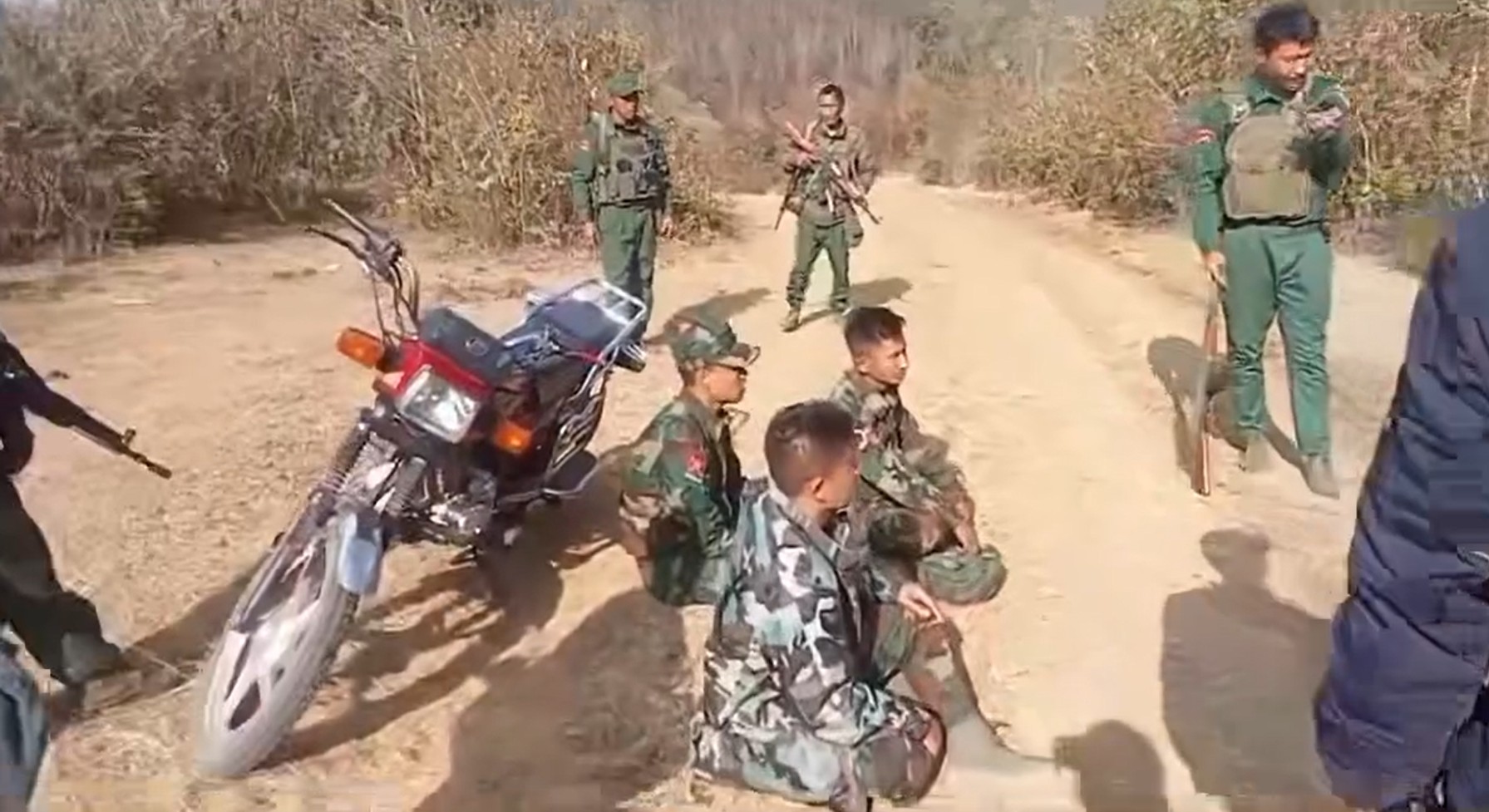
In Kutkai Township, Northern Shan State, the Myanmar National Democratic Alliance Army (MNDAA) intercepted six members of the Ta'ang National Liberation Army (TNLA) and seized their weapons on February 26, 2026.
The six TNLA members were traveling to Manjet Village near Ward (7) of Kutkai. While on a pine forest road, they were stopped and searched by the MNDAA. During the encounter, the TNLA members were reportedly assaulted (punched), and their weapons were confiscated.
- By CNI
- Category: English Section
- Hits: 213
CNI News
February 28, 2026
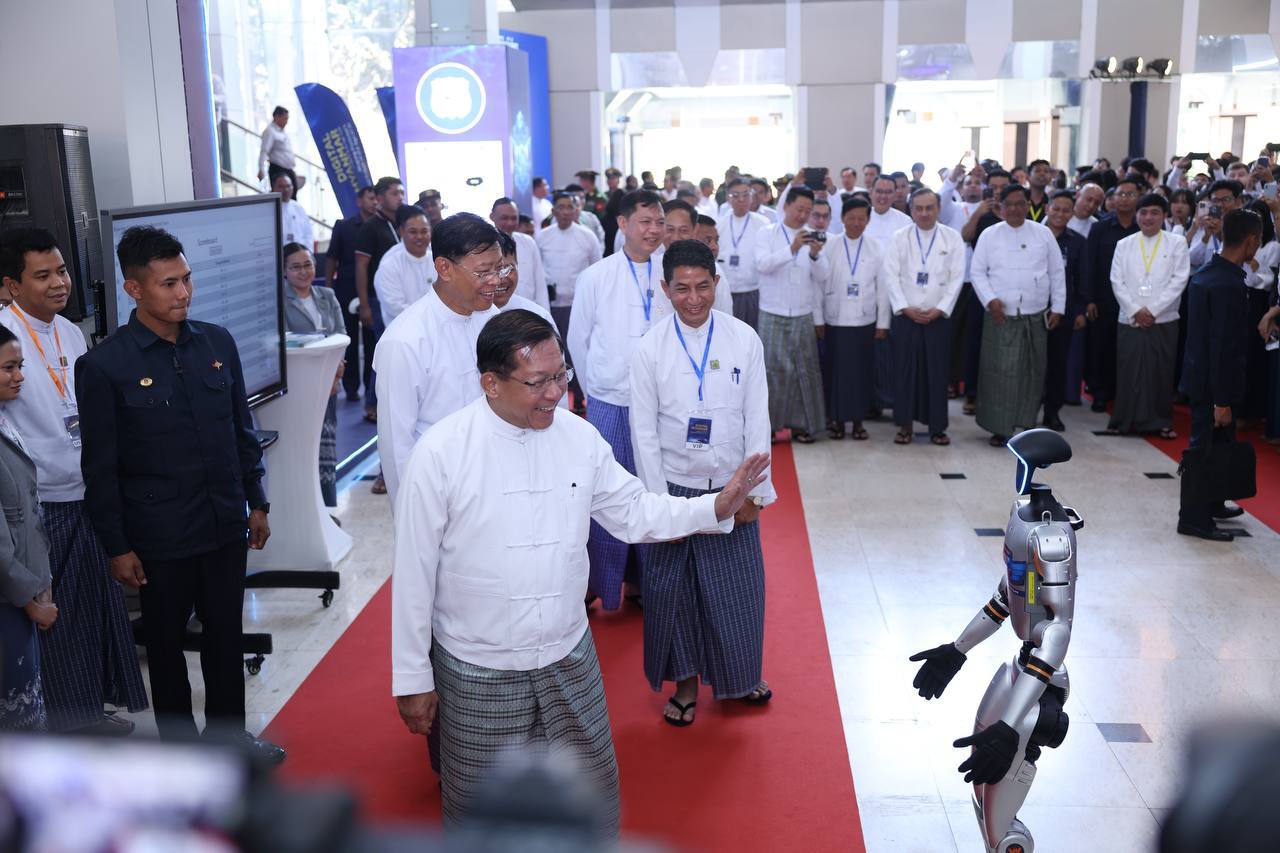
The Digital Myanmar Technology Conference and Exhibition was inaugurated on February 27, 2026, in Pyin Oo Lwin, Mandalay Region, Myanmar.
The opening ceremony was attended by Senior General Min Aung Hlaing, Chairman of the State Administration Council (SAC).
- By CNI
- Category: English Section
- Hits: 311
CNI News
February 28, 2026
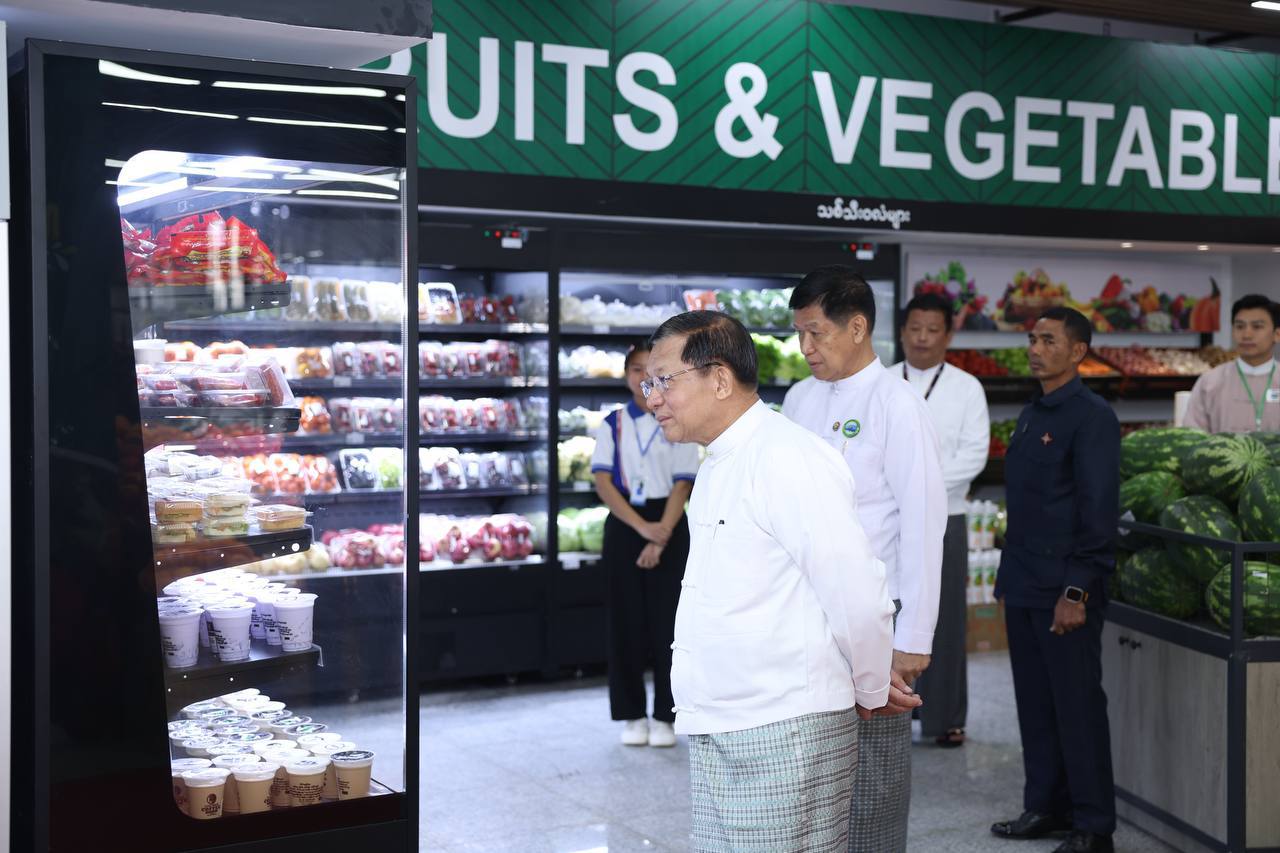
The Thu Mingalar Advanced Market, which has completed construction in Pyin Oo Lwin, Mandalay Region, was officially opened on February 27, 2026.
The opening ceremony of the advanced market was attended and officiated by Senior General Min Aung Hlaing, Chairman of the State Administration Council (SAC).
- By CNI
- Category: English Section
- Hits: 458
CNI News
February 27, 2026
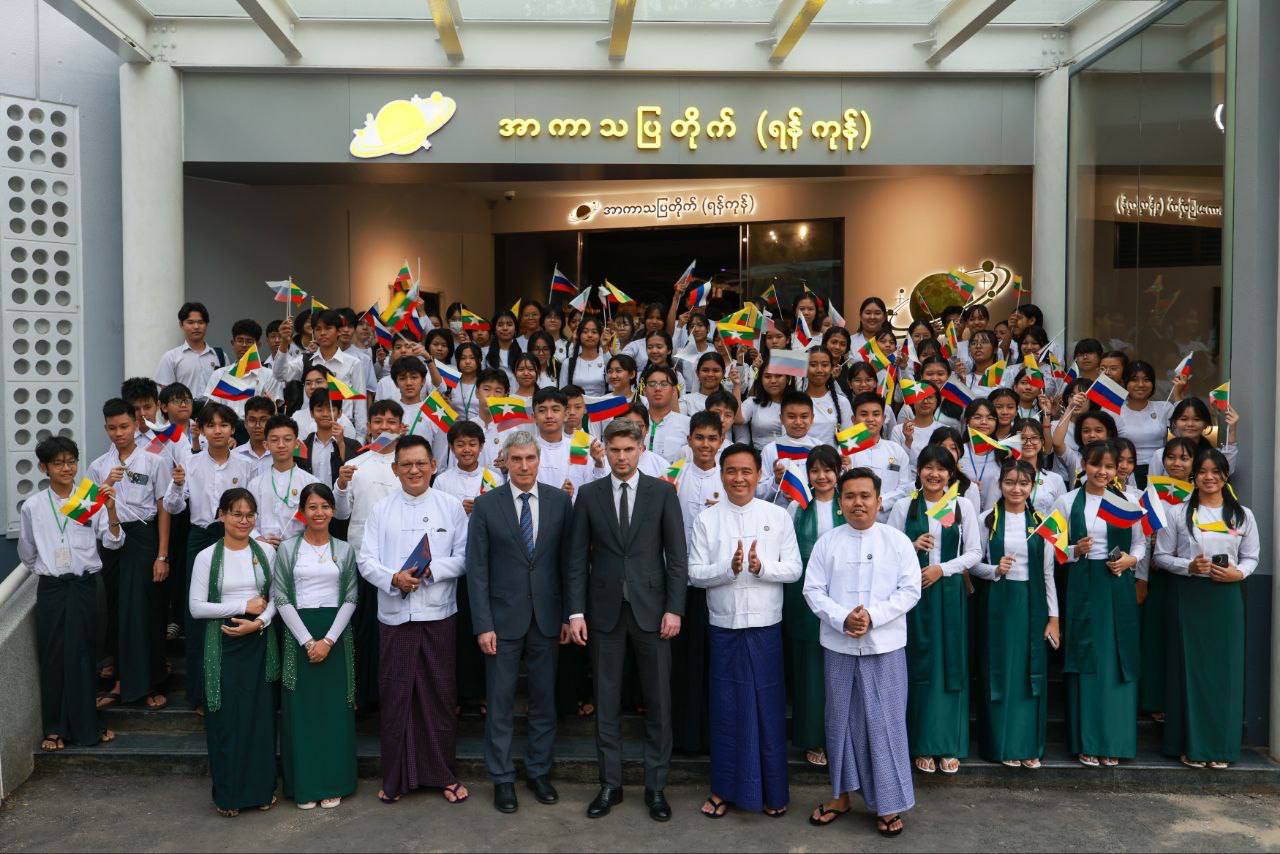
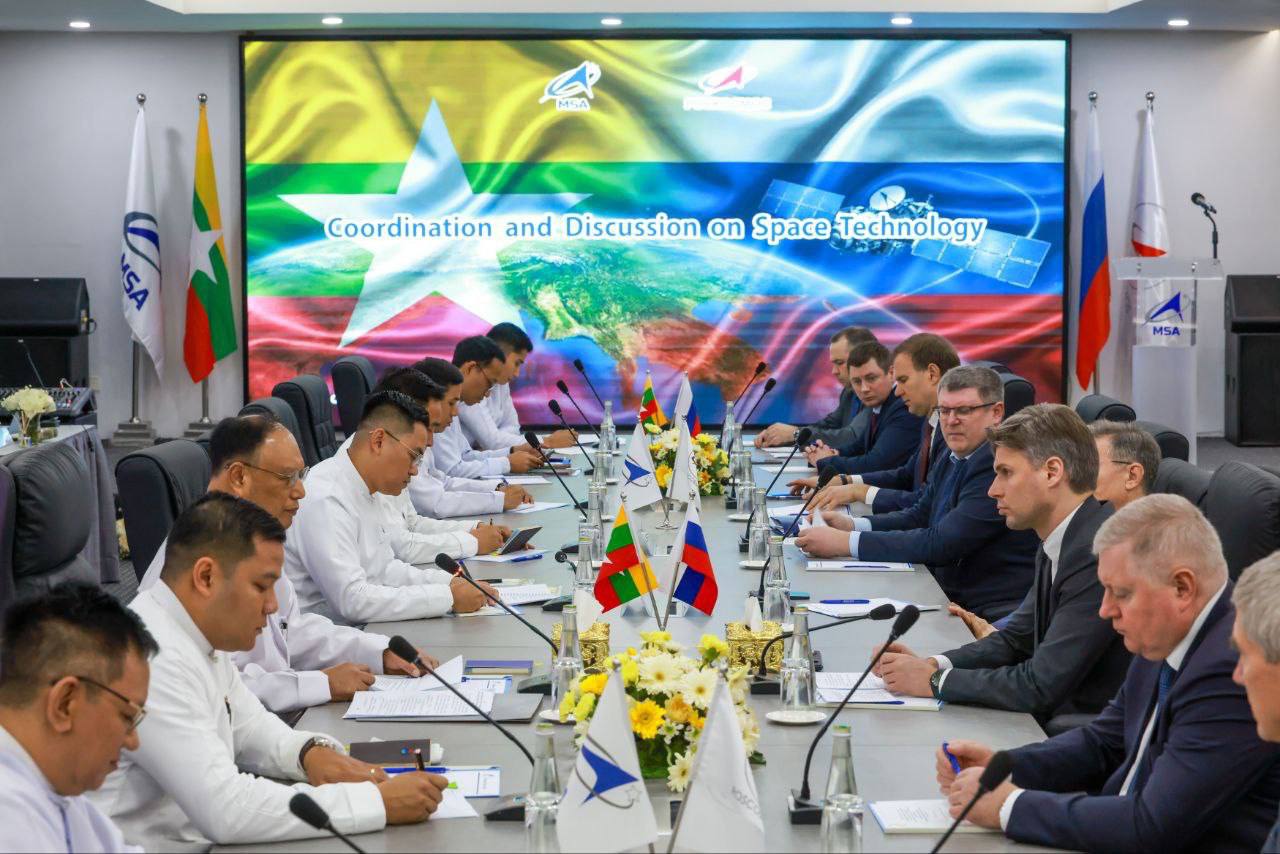
A coordination meeting on space technology cooperation between Myanmar and Russia was held in Yangon on February 25, 2026.
At the meeting, the Russian delegation was led by H.E. Dmitry Vladimirovich Bakanov, Director General of the State Corporation for Space Activities “Roscosmos.” The Myanmar delegation was led by Dr. Soe Myint Maung, Chief Executive Officer of the Myanmar Space Agency (MSA).
According to a statement released from Naypyidaw, both sides discussed and coordinated matters related to Russia–Myanmar cooperation in space technology.
After the meeting, H.E. Dmitry Vladimirovich Bakanov and his delegation visited the Space Museum on Alone Road in Dagon Township, where they met with middle and high school students from the Practicing High School (Kamayut Township). They also delivered lectures on space technology.
Similarly, Mr. Sergei Konstantinovich Krikalev — a recipient of the title Hero of the Soviet Union and Hero of the Russian Federation, and a cosmonaut — shared his experiences regarding space flights.

- By CNI
- Category: English Section
- Hits: 397
CNI News
February 27, 2026
Following the news that Bo Nagar, leader of the Burma National Revolutionary Army (BNRA), along with his deputy and three others, surrendered to the Tatmadaw, military and political analysts are weighing in on the potential impact on the revolution.
Dr. Hla Kyaw Zaw, an observer of China-Myanmar affairs, told CNI News that the surrender of a single individual like Bo Nagar is unlikely to cause the revolution to collapse.
"Our revolution will keep moving forward. Any revolution has its strengths, weaknesses, ups, and downs. For example, if our unity suddenly fractures, we must investigate why it happened, examine it, and then correct our course. It is impossible for the entire revolution to falter just because Bo Nagar surrendered. This is because a revolution does not depend on a single person or a single organization. As long as the public remains resolute against this military—determined to uproot the fascist army—the revolution will maintain its momentum. There will be ebbs and flows, of course," she said.
Nay Pyi Taw previously released a statement claiming that on February 18, Naing Lin (aka Nagar), the leader of the BNRA, and his family members—followed by the deputy leader and five others on February 20—entered the "legal fold" along with weapons and ammunition.
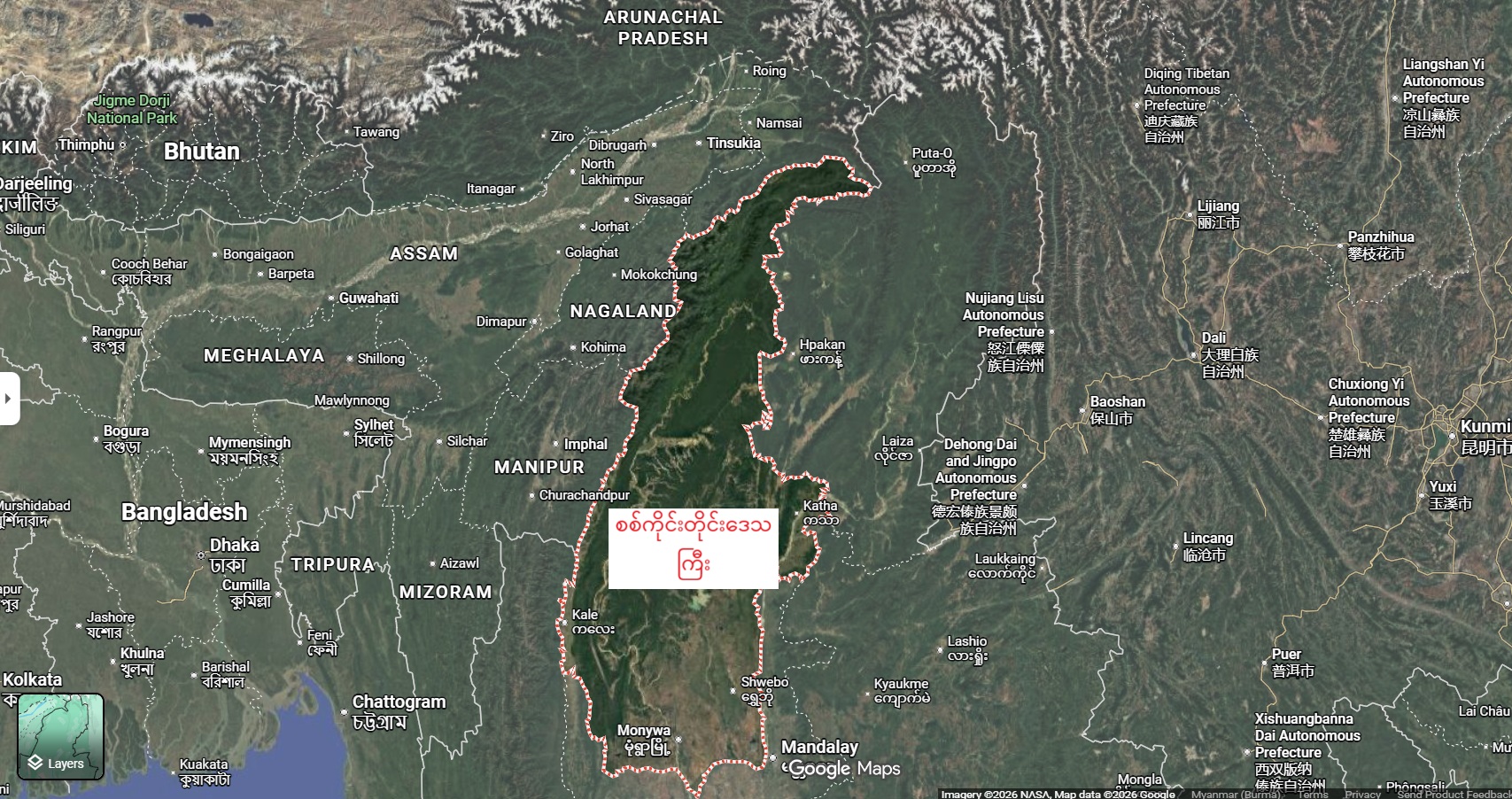
Map/Area of Sagaing Region.
Bo Nagar was a prominent figure who fought for five years following the 2021 political shift. He led the formation of the Pale Township People's Defense Force, which was later reorganized as the Myanmar Royal Dragon Army (MRDA) in 2022.
In 2023, he formed the Burma National Revolutionary Army (BNRA) from the MRDA. Operating in Yinmabin District and Pale Township, the group stood as an independent revolutionary force not under the direct command of the National Unity Government (NUG).
Sagaing Region, the largest of the seven regions, is surrounded by Magway, Mandalay, Shan State, Chin State, Kachin State, and the Indian border. In the current revolutionary landscape, the Myanmar military and various armed groups, including Ethnic Armed Organizations (EAOs), are competing for control over this strategic region.
U Thein Tun Oo, Executive Director of the Thayninga Institute for Strategic Studies, told CNI News that many armed groups that emerged at the start of the Spring Revolution lacked a clear and firm political roadmap as they moved forward. He suggested that if the NUG-PDFs continue on their current path, they may eventually vanish.
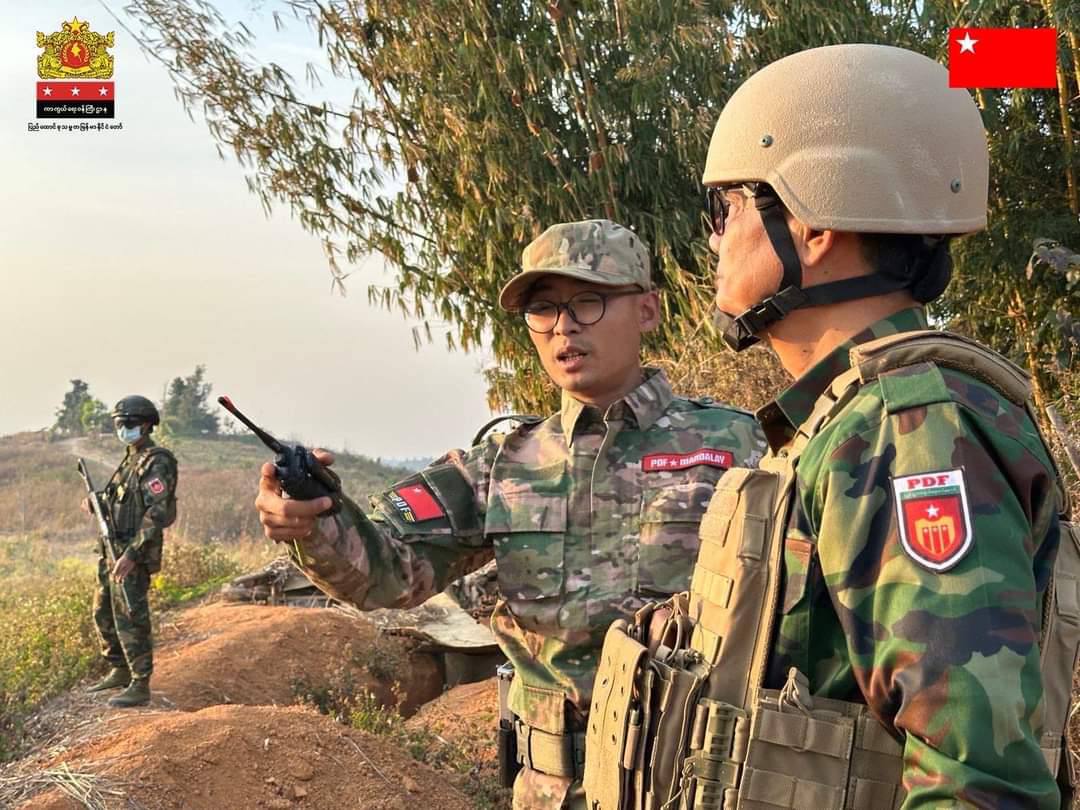
NUG Minister of Defense, U Yee Mon.
"We have said this from the beginning. If the NUG-PDF continues on a path that was fundamentally flawed from its inception, there is no reason for it to succeed. We predicted they would disappear eventually," U Thein Tun Oo said. "When individuals who joined the revolution based on personal feelings and ideologies re-evaluate whether their path is right or wrong, they may choose to surrender. To put it simply, those following an incorrect ideology and a broken roadmap will eventually have to choose the right side. If the NUG-PDF continues to hold onto a mistaken path, they too will eventually disappear."
Following the political changes on February 1, 2021, numerous new armed groups emerged across Myanmar alongside existing Ethnic Armed Organizations.
Regarding the surrender of Bo Nagar and his comrades, Phoe Shoke, the commander of Yinmabin District Battalion 19 under the NUG, wrote on social media: "There is still a group on the ground that acts exactly like Nagar; the PLA (Communist) will prove this situation."
- By CNI
- Category: English Section
- Hits: 281
CNI News
February 27, 2026
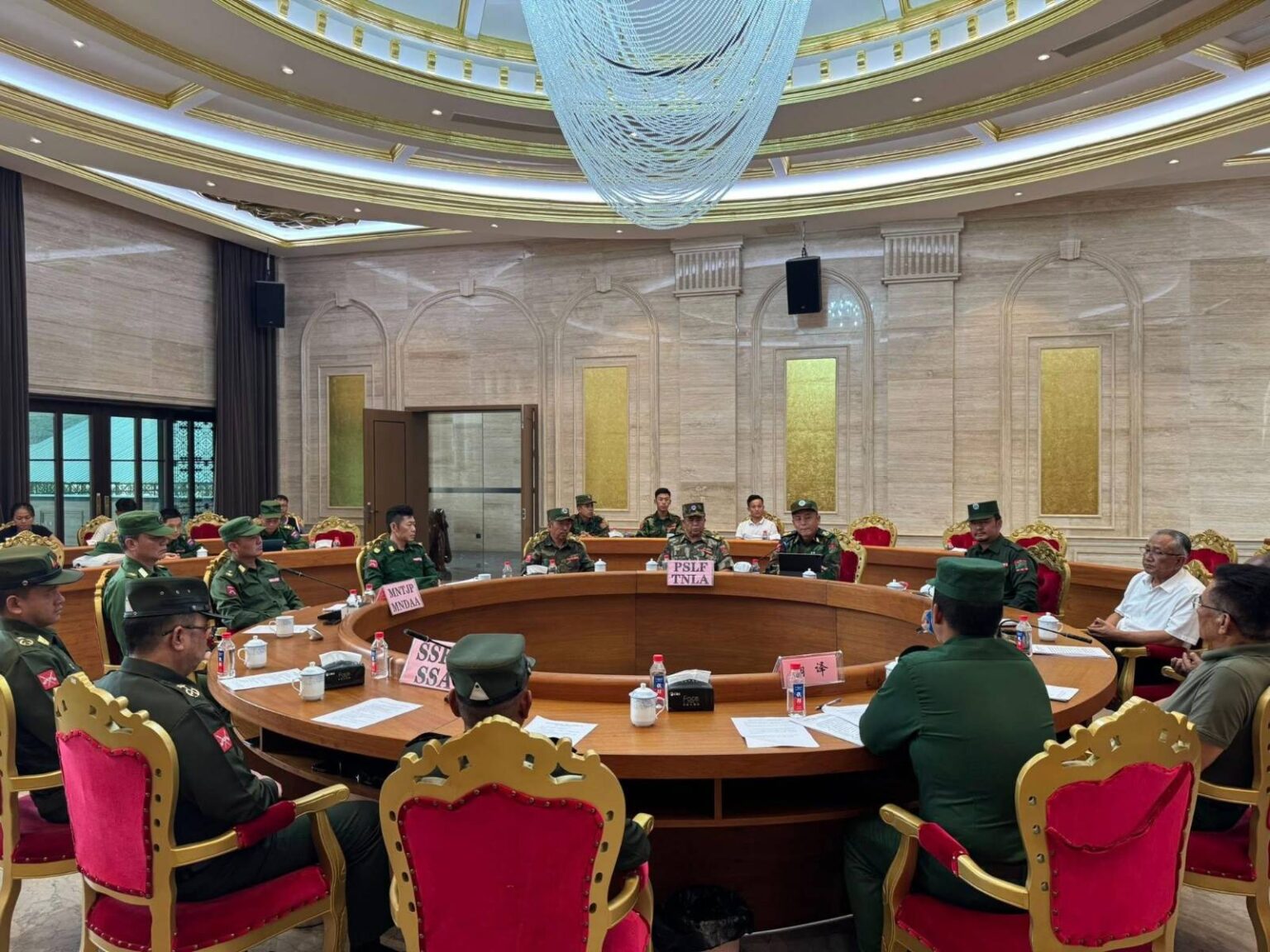
Military and political analysts are pointing out the necessity of territorial demarcation among Ethnic Armed Organizations (EAOs) due to frequent territorial disputes.
Recently, in Kutkai Township, Northern Shan State, administrative rivalries emerged between the MNDAA (Kokant Army) and the TNLA (Ta'ang Army). This led to altercations and the imposition of restrictive inspections on the movement of local civilians.
Locals reported that the friction between the MNDAA and TNLA was also evident during recent earthquake relief efforts; TNLA members reportedly intervened while MNDAA members were collecting funds, leading to physical brawls.
Dr. Hla Kyaw Zaw, a China-Myanmar affairs analyst, told CNI News that territorial demarcation is essential among EAOs. She noted that since these disputes involve not just administration but also self-interests like taxation, clearly defined borders could reduce the likelihood of conflict.

TNLA and MNDAA forces seen inside Kutkai.
"Territorial demarcation is necessary because a systematic administrative system needs to be built. In some places, there are no defined boundaries. When boundaries are missing, there should be negotiations. If districts overlap, they could implement joint administration or take turns. They used to do that. I don’t know if they are doing it now, but boundaries must be set. Conflicts arise not just over administration, but over tax collection. When self-interest is involved, the conflict escalates. Therefore, there must be clear definitions and rules on how to resolve issues when they arise. The leaders likely have these rules, but sometimes the grassroots levels act out of emotion," she said.
Following "Operation 1027," which began on October 27, 2023, in Northern Shan State, the TNLA has faced territorial and administrative rivalries with the KIA, MNDAA, and SSPP. Currently, Northern Shan State sees active presence from the TNLA, KIA, MNDAA, AA, SSPP, and UWSA, alongside people's militias and PDF forces.
Political analyst U Htet Aung Kyaw told CNI News that while territories might be demarcated amidst ongoing conflicts, such arrangements would only be temporary. He believes territorial disputes will only truly end when a peace process agreed upon by all parties is reached.

Members of the Shanni Nationalities Army (SNA).
"When you take up arms, everyone wants to claim 'this is my territory.' However, I want to see the civil war end quickly and move toward a political landscape that is fair and agreed upon by all. In my opinion, dividing territories like this shouldn't happen. But by the nature of being armed, there will be 'your territory' and 'my territory.' Only when we reach a political settlement will these disputes end. Any demarcation before peace is achieved is just temporary. In Northern Shan State, multiple ethnicities live in a single town. You can't just separate the people based on who controls the area. You can't say 'only Palaung live here' or 'only Chinese live there' because the population is intermingled. Therefore, problems will persist," he explained.
Currently, across Myanmar, battles for territorial control and dominance are occurring between the Myanmar military and armed groups, as well as among the armed groups themselves. The KIA is conducting operations in Kachin State, Shan State, and Sagaing Region, leading to clashes with the Shanni Nationalities Army (SNA) and the Myanmar military (Tatmadaw), as well as disagreements with the Naga armed group (NSCN).
- By CNI
- Category: English Section
- Hits: 523
CNI News
February 27, 2026
U Chin Maung, Chairman of the Peace-making Committee for the National Socialist Council of Nagaland-Khaplang/Anmai (NSCN–K/AM), told CNI News that they absolutely reject the "Naga Unit" proposed by the Kachin Independence Army (KIA), asserting that the KIA is pursuing a political path based on ethnocentrism (Great-Race Chauvinism).
KIA leader Lieutenant General Gun Maw recently stated that they have designated specific zones: the Chin Unit, Kachin Unit, Naga Unit, and the "Ka-Thone-Lone" area (Kanbalu-Kawlin-Katha). He claimed that by controlling these regions, they would seize and manage the entirety of upper and lower Myanmar.
Lt. Gen. Gun Maw made these remarks during the 65th Kachin Revolution Day ceremony held on February 5, 2026, in Texas, USA.
U Chin Maung of the NSCN–K/AM clarified that their own political trajectory is not based on "units," and they firmly reject the KIA’s designation.
"I don’t know in what context the KIA is using the term 'Unit.' Our path is not about units; we are on the path toward Naga Independence. We have absolutely no involvement with them on this matter. Regardless, Nagas and Kachins have traditionally lived like brothers. However, we don't know what they mean by 'Naga Unit' or who they are referring to. We reject their 'Unit' roadmap. In my view, as we strive for independence, they are using a chauvinistic approach. They label areas adjacent to their territory as 'Units'—for instance, calling Shan areas the 'Shan Unit.' They are building a political path based on chauvinism, and I absolutely cannot accept that," U Chin Maung said.

KIA Lt. Gen. Gun Maw and a map of Sagaing Region.
Lt. Gen. Gun Maw had argued that for the security of Kachin State, they must intercept the enemy (the Myanmar Military) starting from Sagaing Region. He stated that to control Sagaing, they must implement the "Ka-Thone-Lone" operation alongside the Chin and Naga Units. He believes that controlling Sagaing Region provides the key to controlling both Northern and Southern Myanmar.
However, the KIA has not publicly clarified which specific areas are designated as the "Naga Unit" or which Naga organizations were consulted in making this determination.
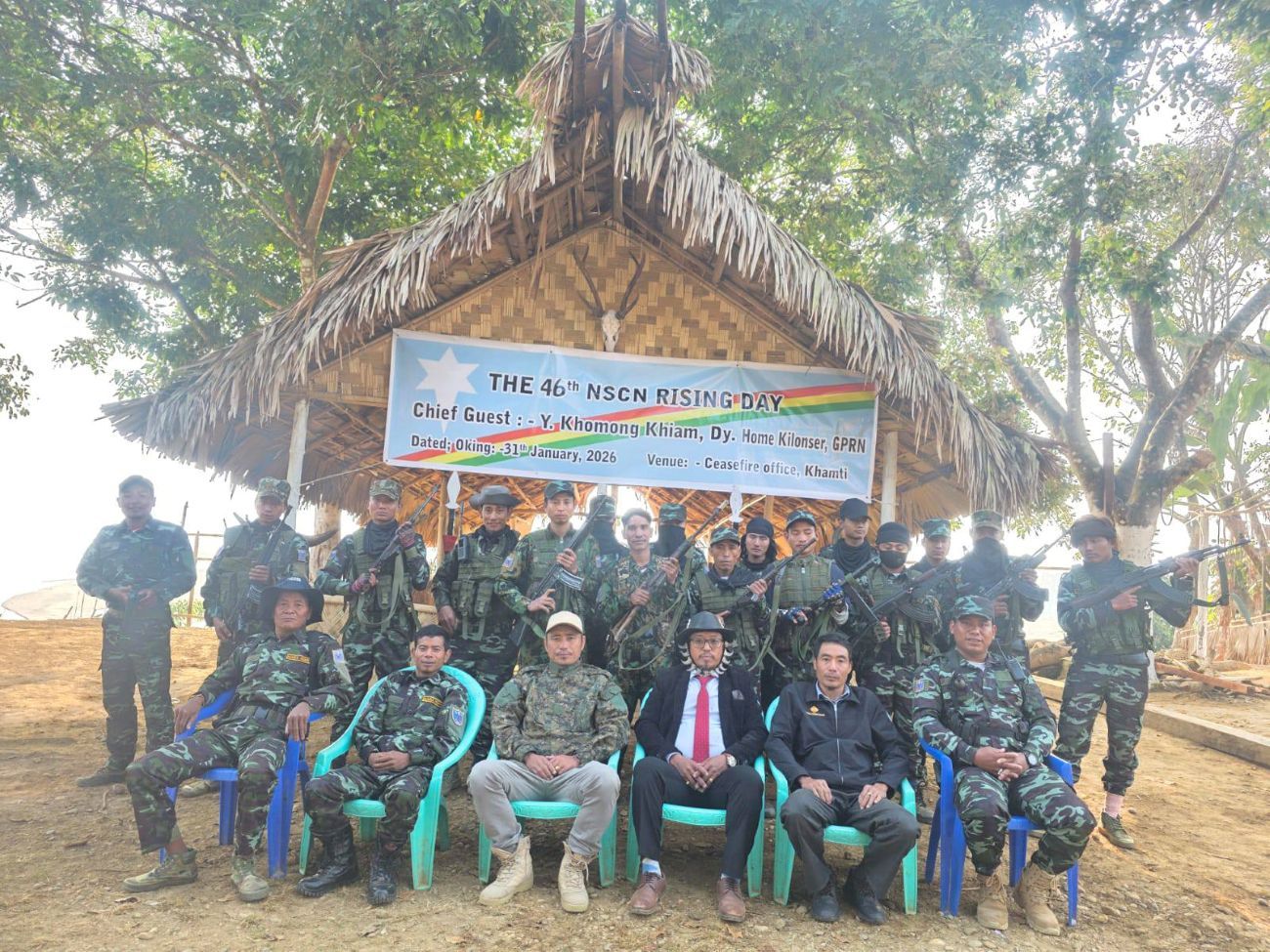
Currently, the KIA provides military training and arms to the Eastern Naga National Organization (ENNO/ENDA) and the Naga PDF (NPDF), who are fighting the Myanmar Military and the Shanni Nationalities Army (SNA) in Sagaing Region and Kachin State.
U Chin Maung further noted that the KIA appears to be seizing an opportunity within the current Myanmar crisis to establish its own administration. He added that the NSCN-K/AM intends to issue a formal statement rejecting the "Naga Unit" concept.

NSCN-K/YA and the proposed Naga Unit area.
"As we understand it, 'units' were used in the past by the Bamars, who formed ethnic units under their command—like the Kayah Unit or Chin Unit. Early after independence, there were units stationed in Naga territory under Bamar policy. Now, the Kachins are doing something similar, perhaps not under the KIA name but under the 'Wunpawng' banner. I see them treating Naga armed groups as if they are part of their own force structure. That is what is actually happening. In the current landscape of Myanmar, it looks like they are taking an opportunity to govern the Nagas. We have no personal issues with the Kachin people, but the NSCN absolutely rejects this terminology. We don't know which group they are coordinating with to say this, but we do not accept the 'Unit' designation issued by the KIA," he said.
While the exact boundaries of the KIA’s "Naga Unit" remain unclear, observers are questioning whether it refers to the Naga Self-Administered Zone in Sagaing Region, or a broader collection of territories including Hkamti, Homalin, and Tamu.
Regional sources suggest that Naga armed groups based in Myanmar are considering a "Naga Unit" territory that spans from Tanai-Shinbwiyang in Kachin State down through the Naga Self-Administered Zone, Hkamti, Homalin, Shwe Pyi Aye, Phaungpyin, and Tamu in Sagaing Region.
Page 31 of 352
Connect with us