
English Edition
- By CNI
- Category: English Section
- Hits: 276
CNI News
March 5, 2026
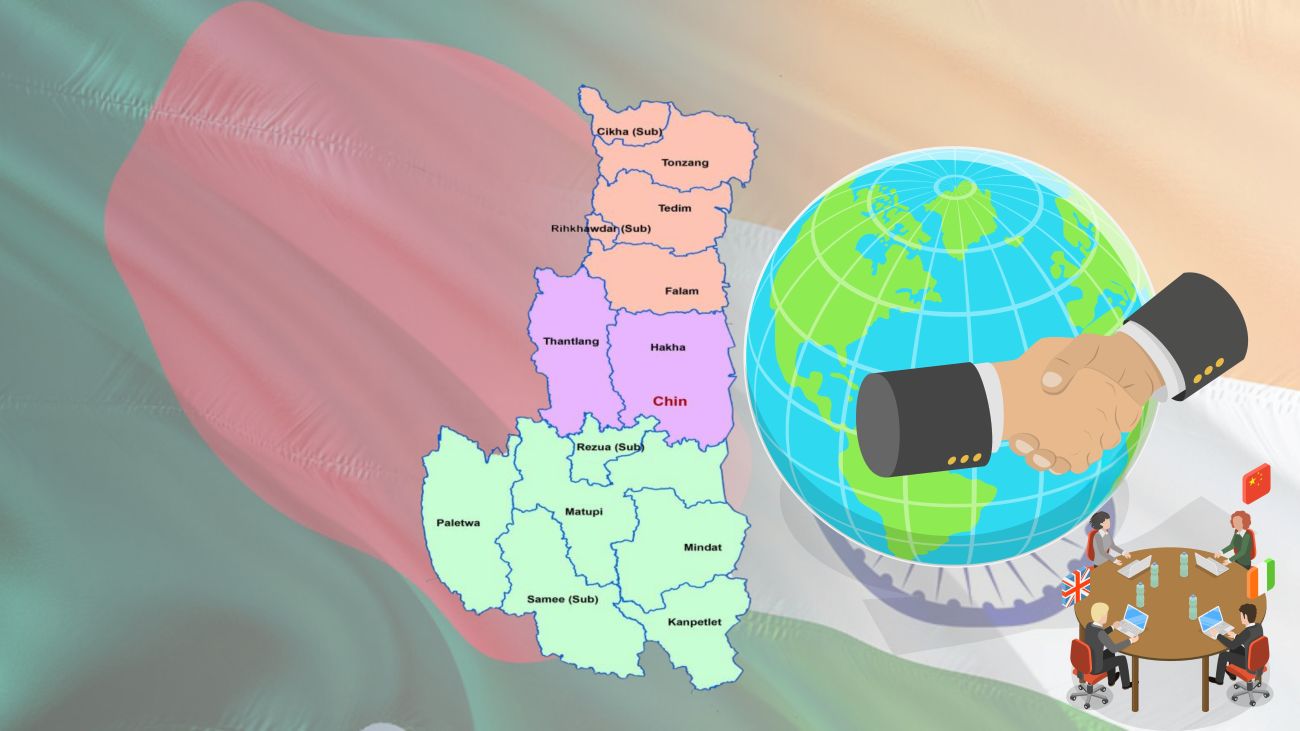
Chin State, one of the westernmost states in Myanmar, serves as a vital "Western Gateway," making it a key player in the current Myanmar political landscape, according to U Soe Htet, Chairman of the New Chin State Congress (NCC).
Speaking to CNI News, he stated:
"Our Chin State stretches vertically from north to south and acts as the Western Gateway. Because of this, we share borders with both India and Bangladesh. We also connect with areas controlled by the Arakan Army (AA) in Rakhine State for about 100 miles. We share approximately 46 miles of border with Bangladesh. Paletwa alone shares a 45-mile stretch with India, and the upper regions share many more miles with India. Being the gateway to India, Bangladesh, and Rakhine State makes Chin State a critically important strategic point for Myanmar."
Since 2021, Chin State has emerged as a major stronghold for the Spring Revolution. Military and political analysts point out that the resistance from local defense forces (CDF/CNA) plays a pivotal role in the country's political turning point.
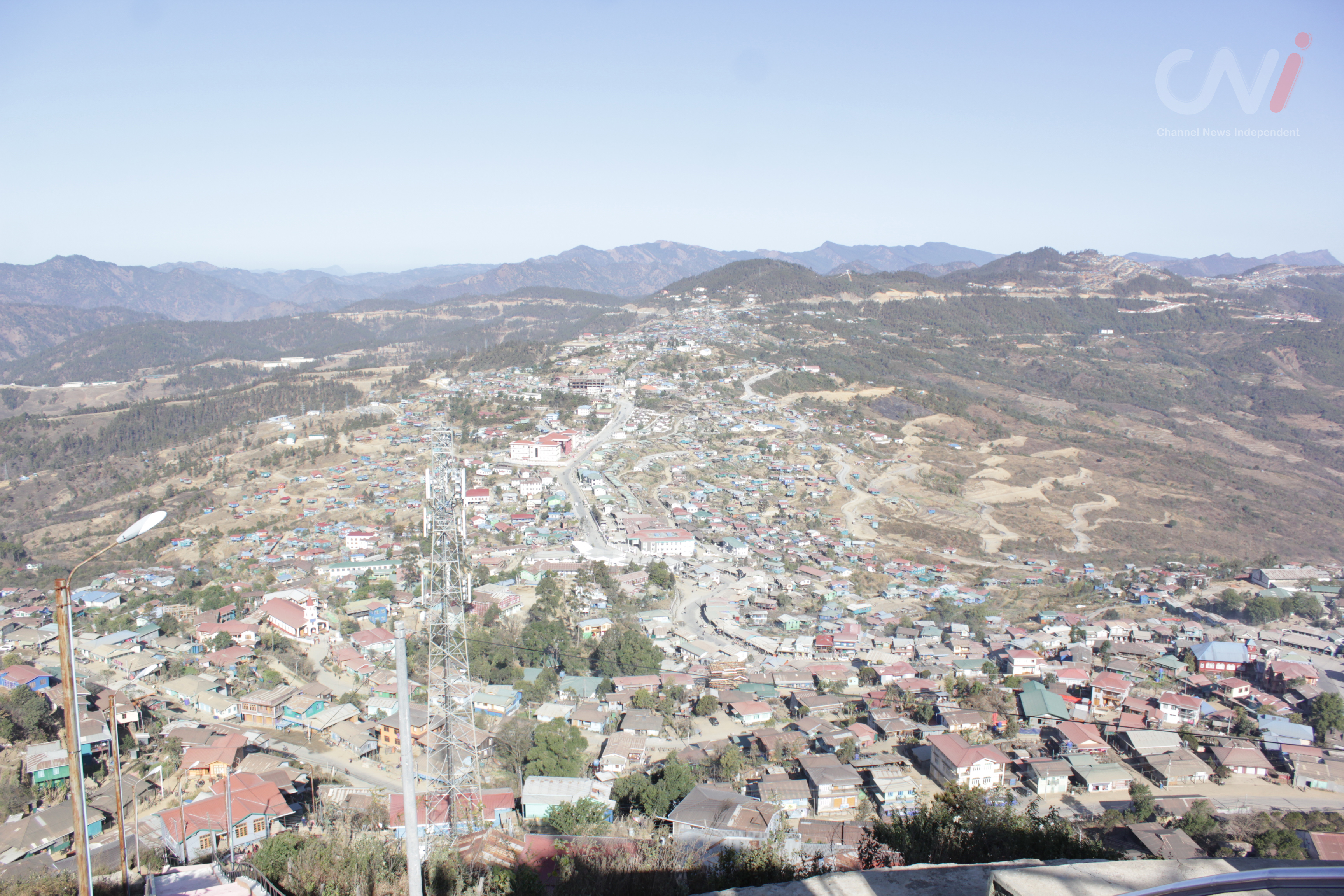
View of Hakha City, Chin State.
The situation in Chin State significantly impacts the nation's overall military and political trajectory. Furthermore, Chin State is seen as indispensable for the success of India's "Act East Policy." Analysts believe that if Chin State remains unstable, Myanmar's Western Gateway will effectively be closed.
On February 5, 2026, Lt. Gen. Gun Maw of the KIA stated that they are prioritizing efforts regarding Chin State. He expressed belief that Chin State's resources could lead to nationwide success and asserted that they are working diligently for the complete liberation of the state.
However, Pu Pu Htan, spokesperson for the Zomi National Party (ZNP), told CNI News that India's interests are heavily tied to Chin State and expressed concern regarding Lt. Gen. Gun Maw's statements.
Myanmar is sandwiched between India and China.
India's security and economic interests rely heavily on Chin State.
Even during WWII, Chin State was a strategic route for military operations.
Pu Pu Htan warned that if the scenario described by Lt. Gen. Gun Maw unfolds, it could pose significant dangers.
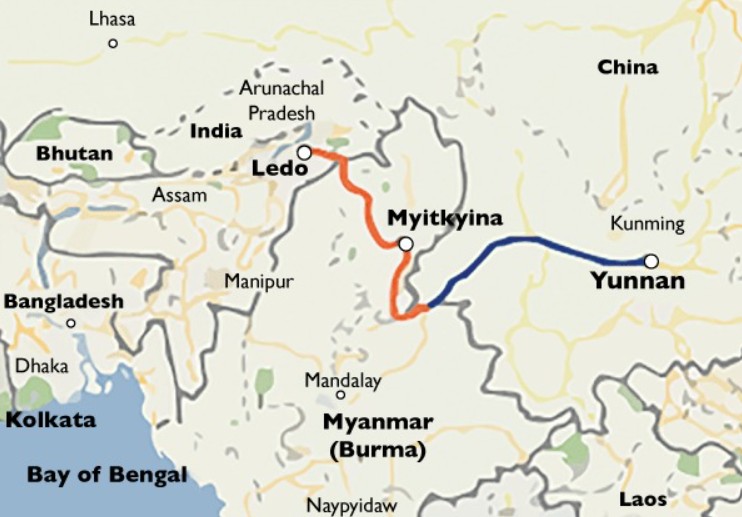
The Myanmar-India Ledo Road.
Currently, the Kachin Independence Army (KIA) is executing the "Ka Thone Lone" Operation (Kantbalu-Kawlin-Katha) in the Sagaing Region. Lt. Gen. Gun Maw has revealed plans to control both Northern and Lower Myanmar once these areas are secured.
To achieve this, the KIA is providing arms and ammunition to: The Arakan Army (AA), Chin National Front (CNF),Naga armed groups,People's Defense Forces (PDF) within the Sagaing Region.
If the KIA successfully controls the northwestern corridor of Myanmar, it would gain a route from landlocked regions to sea access, potentially allowing for direct diplomatic relations with Western and European nations. This could empower the KIA to pursue military, political, and economic autonomy, or even secession.
Lt. Gen. Gun Maw reminded the public during the Kachin Revolution Day ceremony on February 5, 2026, that during a meeting with Daw Aung San Suu Kyi in 2018-2019, he stated they cannot promise not to secede.
- By CNI
- Category: English Section
- Hits: 177
CNI News
March 5, 2026
As political dialogues take place in Myanmar between the government, the military, political parties, and ethnic armed organizations, military and political analysts are questioning whether the agreements reached during these sessions should be transparently disclosed to the public.
Since February 1, 2021, the armed conflict in Myanmar has expanded significantly, leading to a proliferation of armed groups. Amidst this political and military turmoil, civilians have been forced to abandon their homes and property, fleeing to safer areas while facing constant life-threatening risks.
Political analyst Dr. An Kaw La told CNI News that political and peace talks must be based on the people's desire and agreements reached between the government organizations and armed groups must be rediscussed among the people.
"It is a fact that the process must ultimately go through the people. The public must be informed of certain data. However, the negotiation style is different. Detailed negotiations must initially follow a top-down approach at the expert level. For instance, ethnic groups have their own intellectuals, experts, and influencers. When the mainland calls for talks, they should speak at that top-level first. Once preliminary agreements are reached, the process should transition into public discussions. There are steps to this.
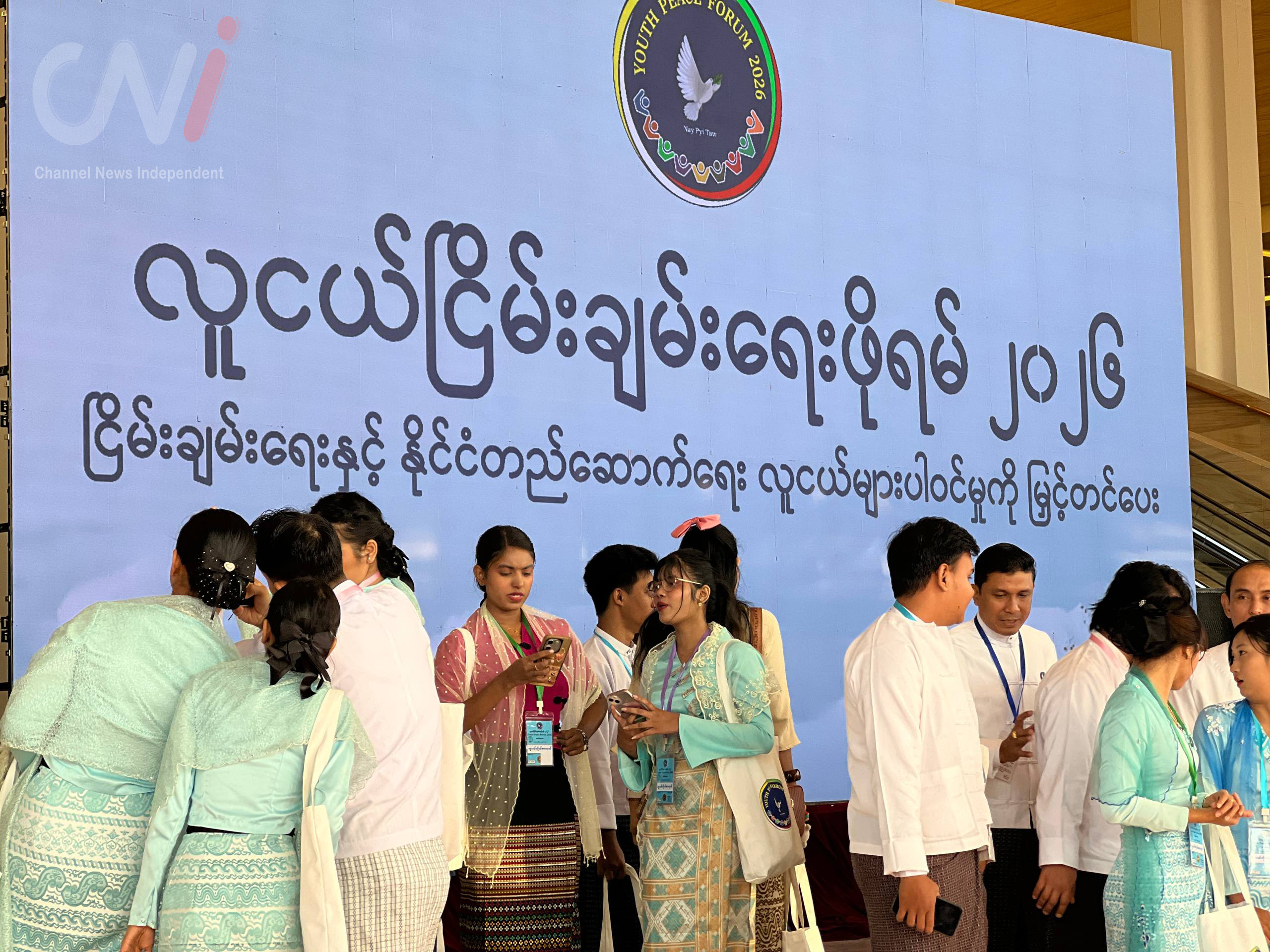
A Youth Peace Forum in progress.
In my view, experts should talk first to reach a draft agreement, and then bring it to the public to gain support. This is similar to a Law Referendum. If information is disclosed prematurely, it can be problematic because public awareness levels vary. Often, negotiations fail because groups with different levels of understanding intervene and disrupt them. Some people struggle with daily survival and may not have the capacity to process complex messages immediately. This needs to be carefully coordinated."
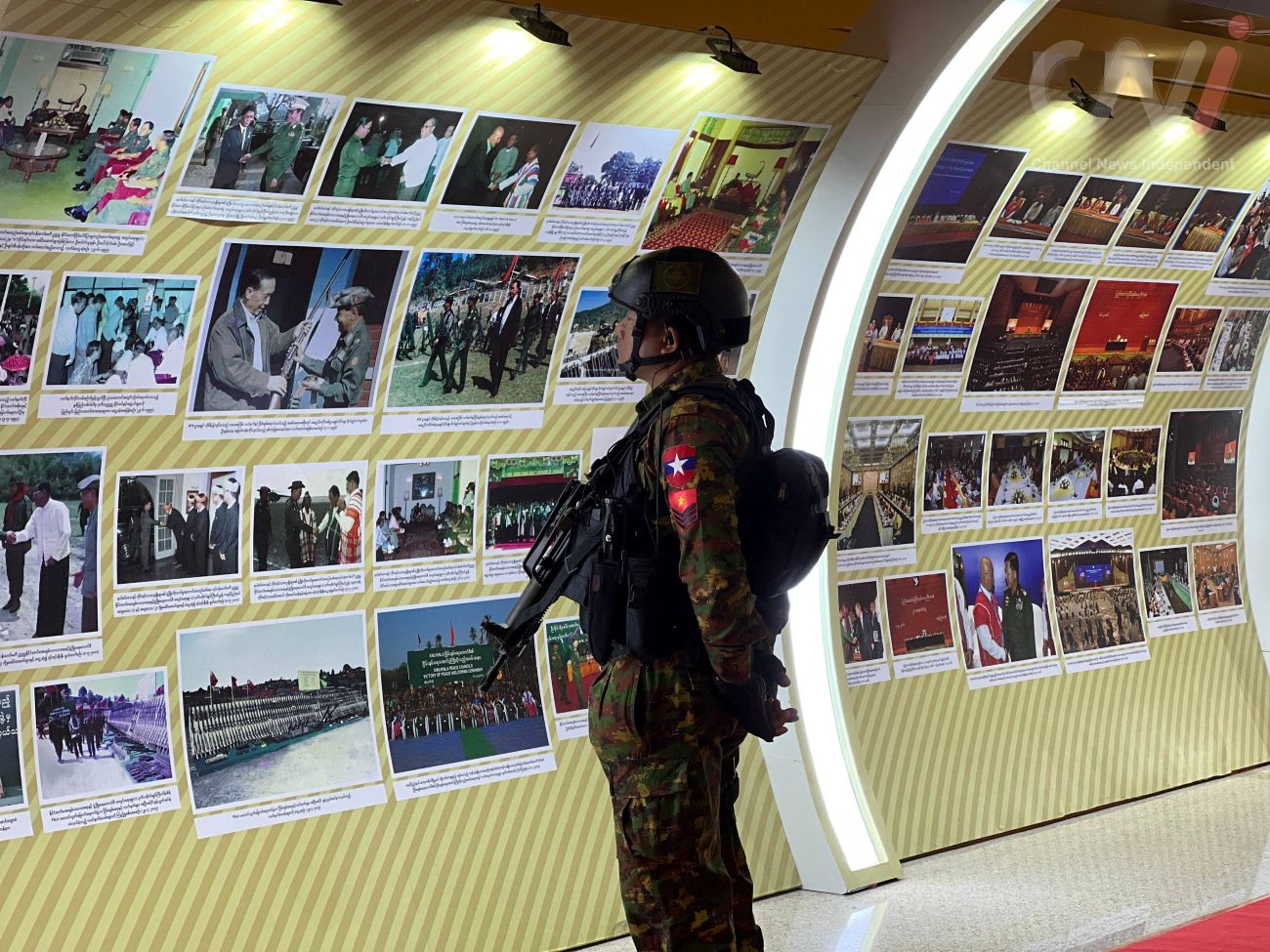
Military and political observers point out that in Myanmar, peace processes and political talks are traditionally kept secret. When disputes arise between groups, they often resort to mutual accusations of breaking agreements. Analysts argue that instead of dragging the public into conflicts to gain a tactical advantage, the public should be informed to foster a constructive path forward.
U Khun Sai, a participant in the peace process, emphasized to CNI News that disclosing essential details from peace talks to the public is absolutely vital.
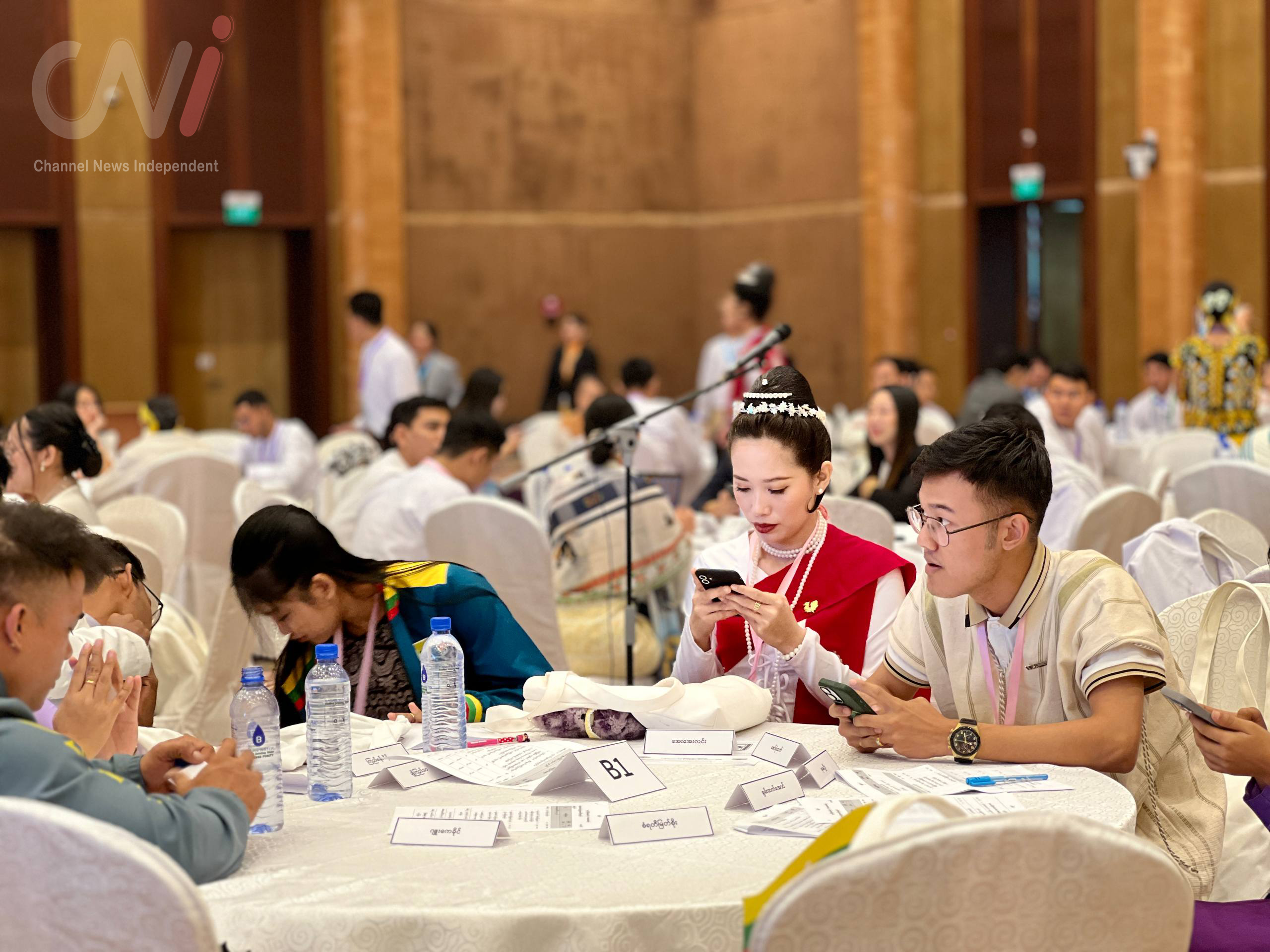
A Youth Peace Forum in progress.
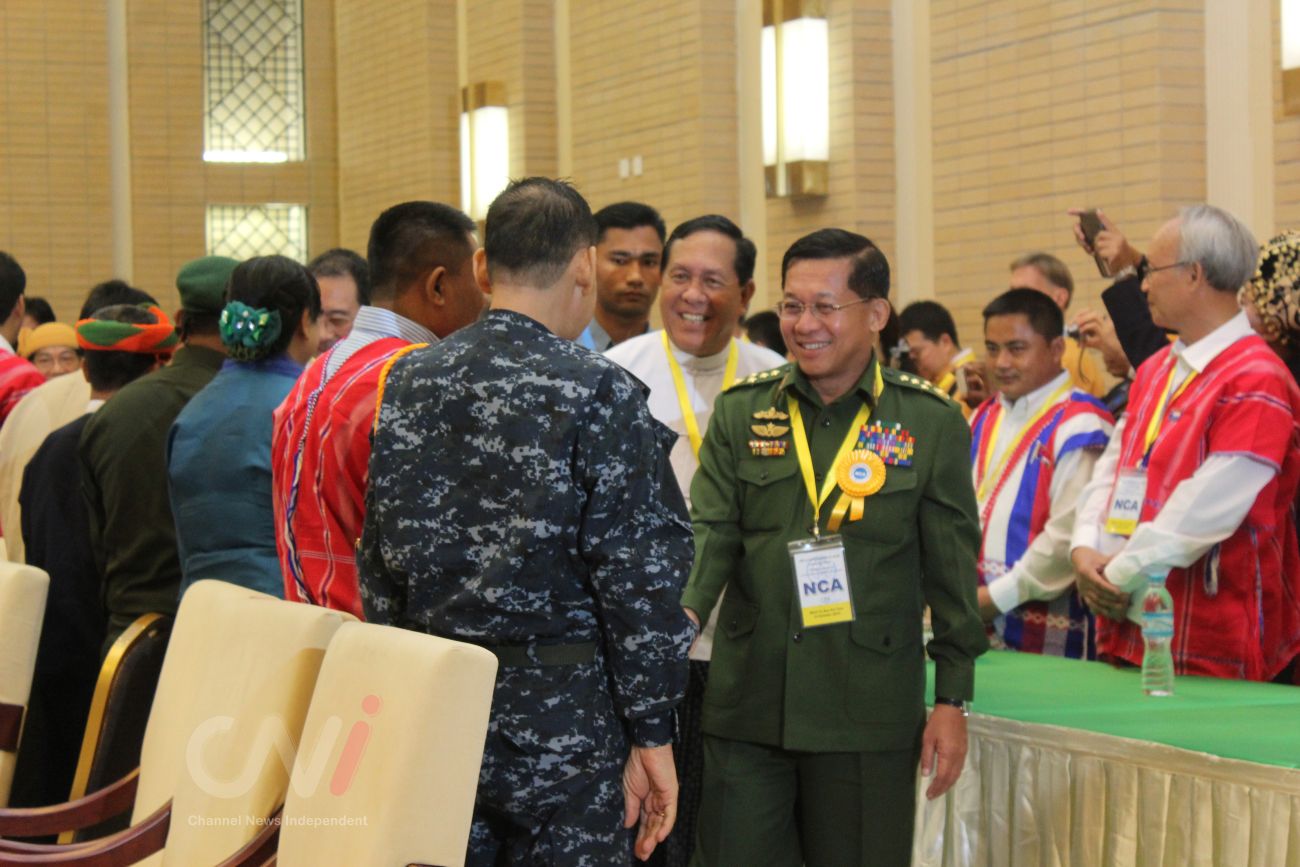
"Informing the public is essential. We did this during the NCA (Nationwide Ceasefire Agreement) negotiations. As far as I know, the KNU, RCSS, and SSPP all conducted public consultations. The public shouldn't just be listeners; they should have the opportunity to offer suggestions. However, the authorities in Naypyidaw often viewed these public engagements with suspicion, fearing they were being used for recruitment rather than peace advocacy, which led to interference and blockades. We must work to prevent such patterns from repeating."
Myanmar’s 2025 General Election was held in three phases from December 28, 2025, to January 25, 2026. Following this:
The Third Pyithu Hluttaw (House of Representatives) and Amyotha Hluttaw (House of Nationalities) sessions are scheduled for March 16 and 18, 2026.
A new government is expected to be formed in April 2026.
Analysts suggest that once a civilian government emerges, a new wave of peace negotiations between ethnic armed organizations and the Myanmar military is likely to follow.
- By CNI
- Category: English Section
- Hits: 205
CNI News
March 5, 2026
Military and political alysts are raising questions regarding whether the various armed organizations in Myanmar are truly working for the benefit of the public or merely pursuing their own self-interests.
Political analyst U Htet Aung Kyaw told CNI News that while everyone carrying a weapon claims to be doing so for the people because it sounds good to the ear, it is the civilians who are left to bear the consequences.
"The people are the priority. Everyone carrying a weapon says 'it's for the people' because it’s a pleasant thing to say. However, if they are truly working for the people, one must ask why the public is the only side suffering and mired in endless trouble? They claim to be working for the masses, revolting for the masses, or on the other hand, protecting the masses—yet only the people suffer. This needs a serious rethink. Where there is a problem, there is a solution. The issue is that everyone is busy pointing fingers and blaming each other. If there is a genuine desire for change and a will to make things better, these are not impossible tasks. Because of the weight of this civil war and the abundance of empty promises, no one really believes them anymore. I want to ask those holding guns: give us a reason to believe you, just once. That’s all."
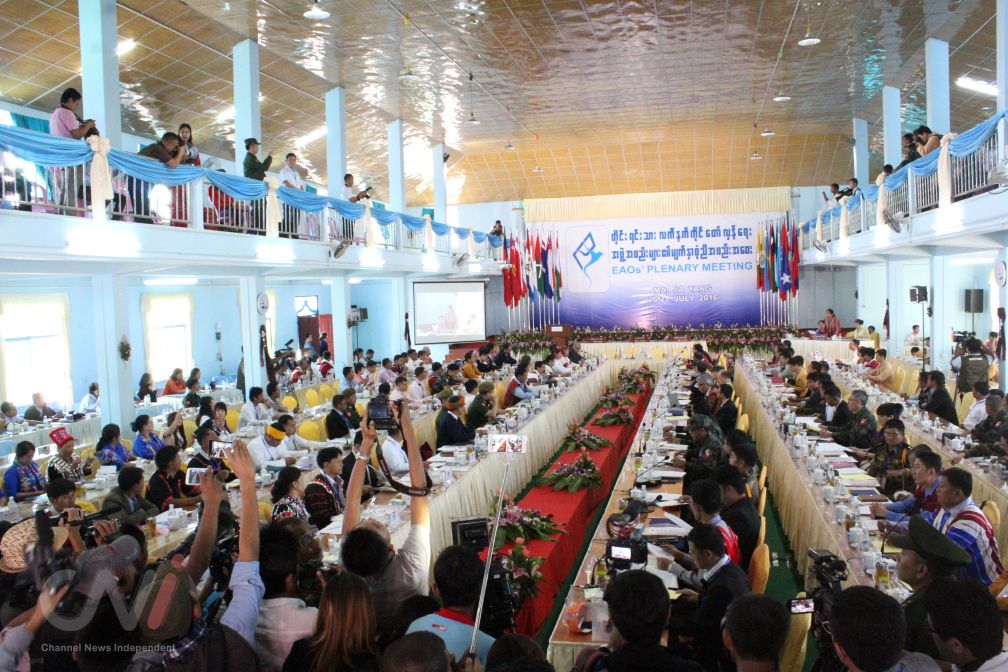
Armed group leaders holding a conference.
Political analysts point out that since the political shifts of 2021, armed conflict has expanded across Myanmar, reaching regions and states that had never experienced fighting before. They argue that attempting to solve armed conflict with more weapons will not yield results for generations to come.
Currently, the impact of the war includes: Over 4 million internally displaced persons (IDPs).
Hundreds of thousands of homes destroyed by fire. Significant numbers of civilian casualties.
U Htet Aung Kyaw further emphasized that open verbal debate about the vision for the country is the best path forward.
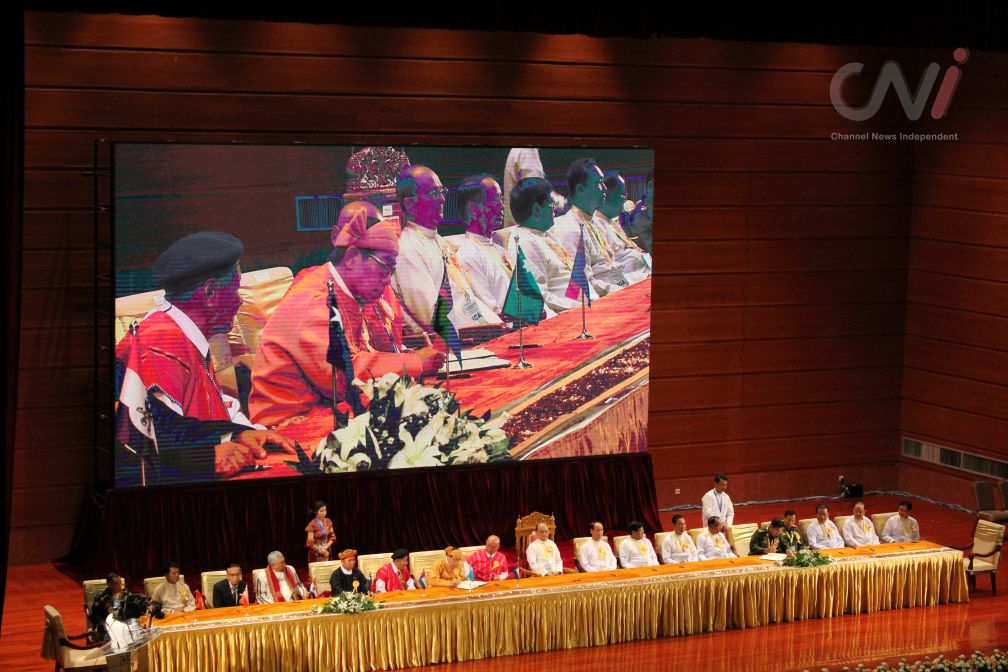
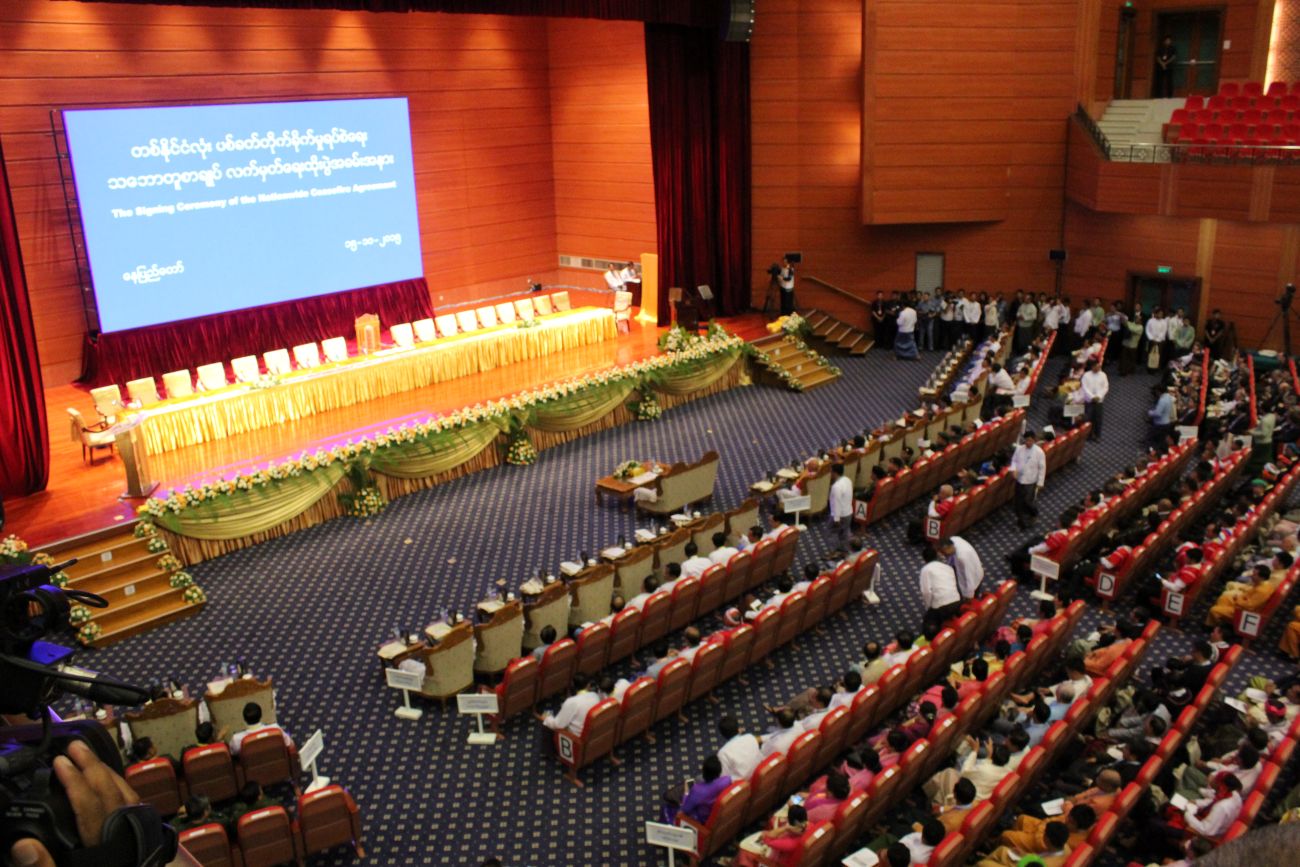
A scene from the signing of the Nationwide Ceasefire Agreement (NCA).
"War requires sacrificing lives and money on both sides. Instead of that, it would be best to openly argue with words about what kind of nation we envision. If we can develop the habit of accepting a logical and reasonable argument rather than just insisting on being right, then no matter how much we argue, it’s not a problem. If we debate with the mindset of finding a solution, we can move forward. If one feels that the current actions only result in harming the people, there is no reason to be afraid of debate. We must debate for the sake of the people. If they are brave enough to kill each other with guns, why would they be afraid to argue with words? They must speak."
Senior General Min Aung Hlaing has stated that ethnic unity is vital for ending internal armed conflicts and is a major driving force for national development. He urged ethnic brothers to remove suspicions, build trust through negotiation, and work toward achieving eternal peace.
- By CNI
- Category: English Section
- Hits: 238
CNI News
4 March 2026
Political analyst U Kyaw Htet told CNI News that it is necessary to enact a law capable of taking action against any organization that violates the Nationwide Ceasefire Agreement (NCA).
He stated that the agreements within the NCA are not matters to be conducted solely with the Military (Tatmadaw) but with the State. He noted that because there were no provisions on how to penalize violations after signing the NCA, groups have been fluctuating between withdrawing from and participating in the agreement.
"The NCA agreement is not a matter just for the military; it is a matter for the State. If NCA rules are violated, the military must take action on behalf of the State. Currently, we only have the signing of the NCA. I view the reversal [of peace] as happening because there are no specific legal provisions on how to take action if violations occur after signing. Whether it is the government or Ethnic Armed Organizations (EAOs), there needs to be a law in the country stating that the State will take action against anyone who does not follow the NCA. It can be analyzed that violations are happening easily because these laws do not exist. Furthermore, federal rights need to be granted. There needs to be an 'open-palm' [generous] approach. It needs to be enacted according to the law and by the Parliament. Otherwise, questions arise over who is doing what and which group is being represented, creating a political landscape where conflicts are manufactured as desired," U Kyaw Htet said.
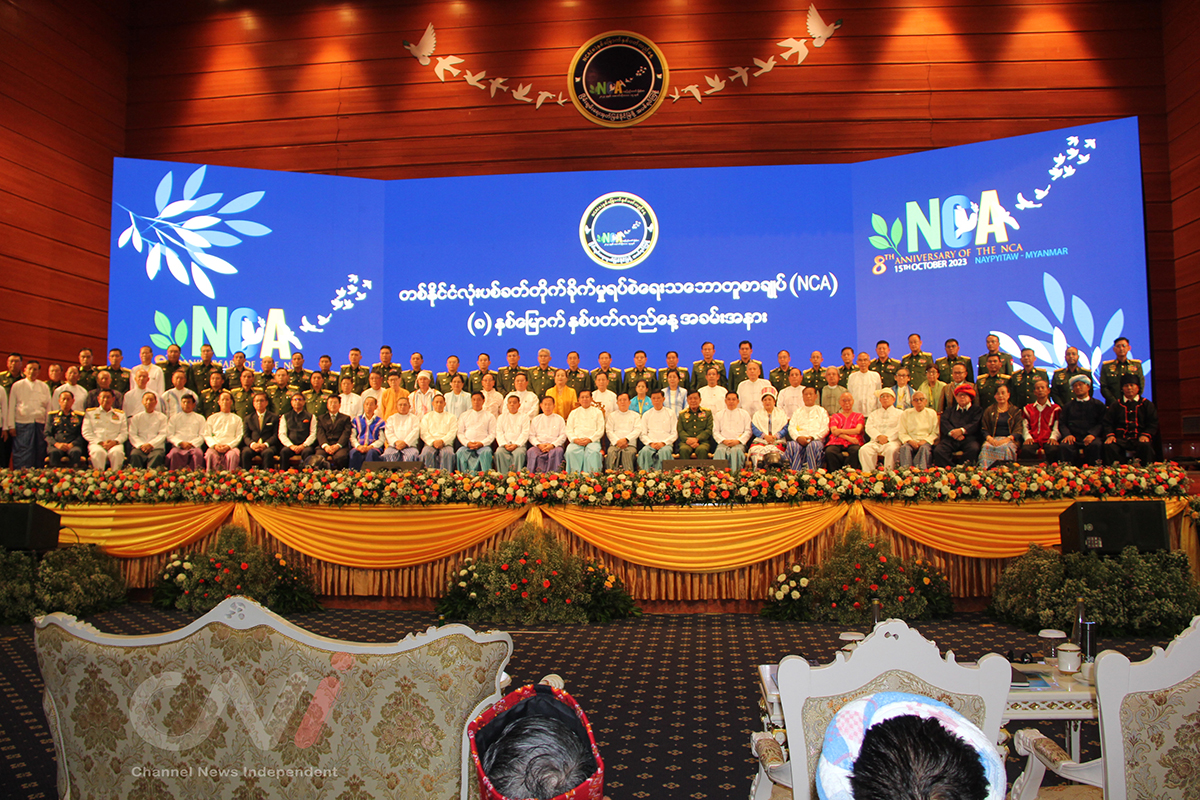
Scene from an NCA anniversary event
During the administration led by U Thein Sein in 2011–2012, bilateral ceasefire agreements were signed at the state and union levels with 14 EAOs. Discussions for the NCA began in 2013, and a draft was reached in August 2015.
Subsequently, the following groups signed the NCA:
October 15, 2015: KNU, RCSS, ALP, DKBA, KNU/KNLA-PC, PNLO, CNF, and ABSDF.
February 13, 2018: NMSP and LDU.
Currently, the KNU, CNF, and ABSDF have withdrawn from the NCA and are engaged in active combat with the Myanmar military.
U Khun Sai, who is involved in the peace process, told CNI News that proceeding with the previous NCA framework will no longer be effective and that the negotiation frameworks need to be revised.
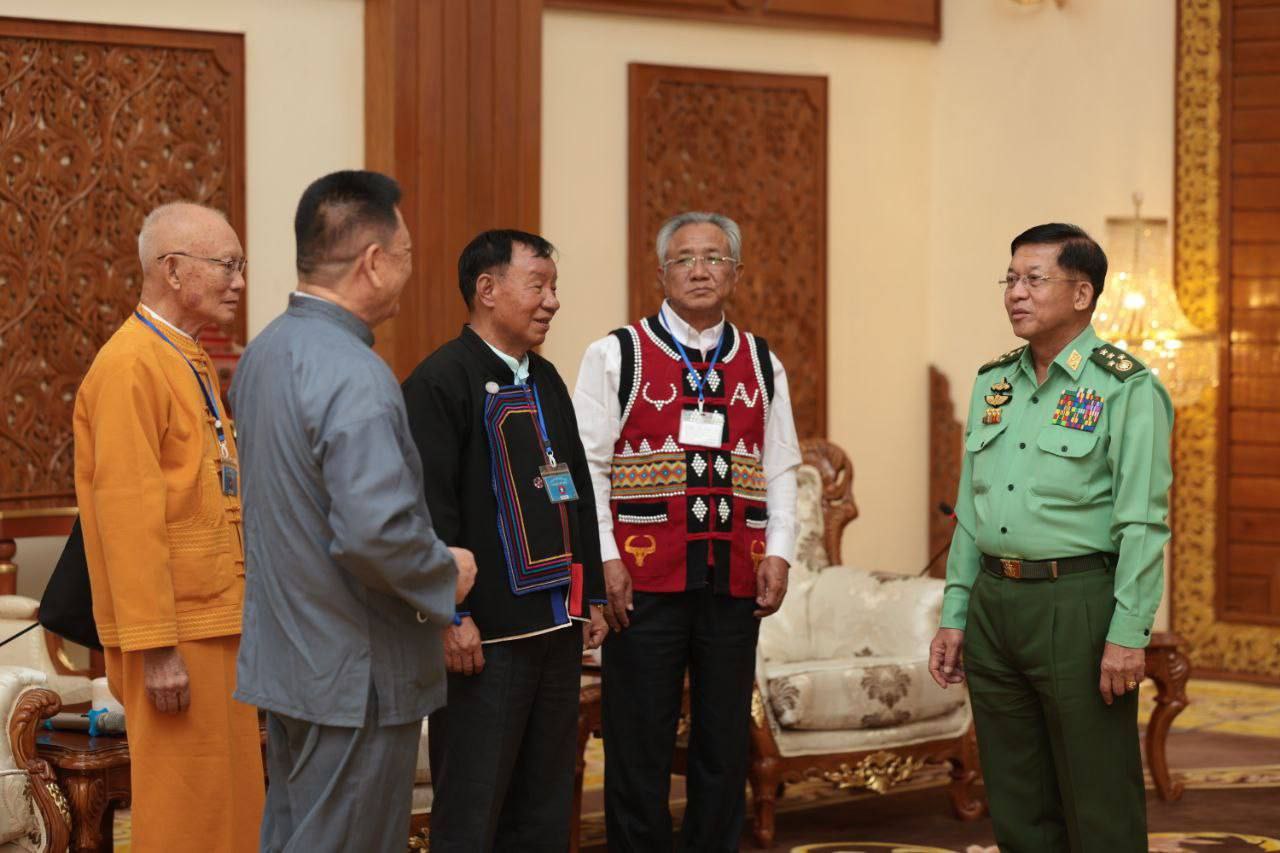
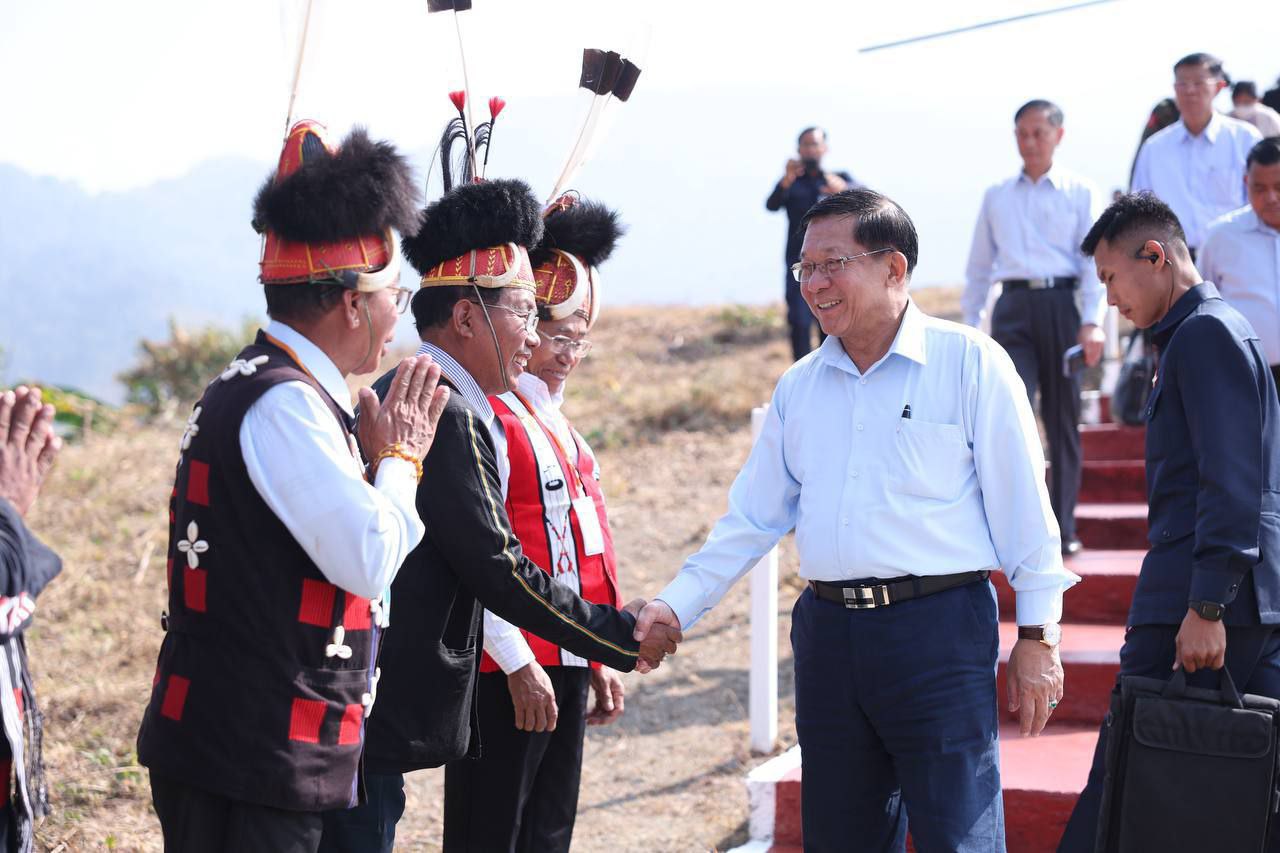
Senior General Min Aung Hlaing and leaders of armed organizations seen together
"It would be good to have [a law]. Regarding this matter, it’s important to know what constitutes a violation. You can't just blame one side; it can happen on both sides. If penalties are to be imposed, everyone needs to realize that 'it’s not just him who will suffer, but me too.' There are currently two ways to think about this. One is to punish the offender. If they correct their mistakes because of the punishment, that’s good. However, if they respond to punishment by turning back to armed resistance, we must consider in advance how to handle that. If we don't think ahead, instead of solving the problem, it will make it worse. That is the problem with our country," U Khun Sai explained.
He added, "The situation has changed significantly. Back then, there were 21 armed groups nationwide, but now there are hundreds. In a situation where there are hundreds of groups, it is impossible to carry out the NCA according to its original process. This needs to be amended. Primarily, we need to revise the negotiation framework. While the framework isn't directly inside the NCA, it is the framework that arose from it."
In the NCA signed between EAOs and the Myanmar Military-Government-Parliament, there are no specific provisions regarding under what conditions a group has the right to withdraw or is prohibited from doing so.
Furthermore, because there is no mechanism to take action against those who breach the contract, the NCA is often interpreted arbitrarily, leading to mutual accusations of violations and ongoing disputes.
- By CNI
- Category: English Section
- Hits: 235
CNI News
March 4, 2026
Ethnic groups told CNI News that it would be better if the State Government prioritized ethnic unity and provided the best support to ethnic armed groups with a magnanimous and "fatherly" attitude.
A Naga ethnic individual stated that because the country is moving toward a federal system, ethnic organizations must be recognized according to their respective states, and the central government can no longer maintain total dominance.
He said, "Taking up arms and revolting is about preserving our own cultural customs and protecting our own territories. That is why they are armed. Ethnic armed groups are not rebels. The Myanmar Military usually refers to them as rebels, but they are not. Since they are organizations protecting their own people, they will continue to exist. Regarding this, I believe it would be better if the State Government acted with a broad-minded, mature, and fatherly spirit toward its own 'children'—the ethnic people and their regions—by developing them, providing the best care, and prioritizing ethnic unity instead of pursuing chauvinism. When the Military tries to keep ethnic armed groups only as People’s Militia or Border Guard Forces, there is no reason for them to accept it. For instance, there must be a Kachin Army, and similarly, there must be a Naga Army. If the Federal Army and State Armies can negotiate and integrate, only then will the federalism Myanmar desires be successful. The current way of 'bundling' everything into a federal label—like giving a child pocket money just to show the world—is unacceptable to me as an ethnic person."
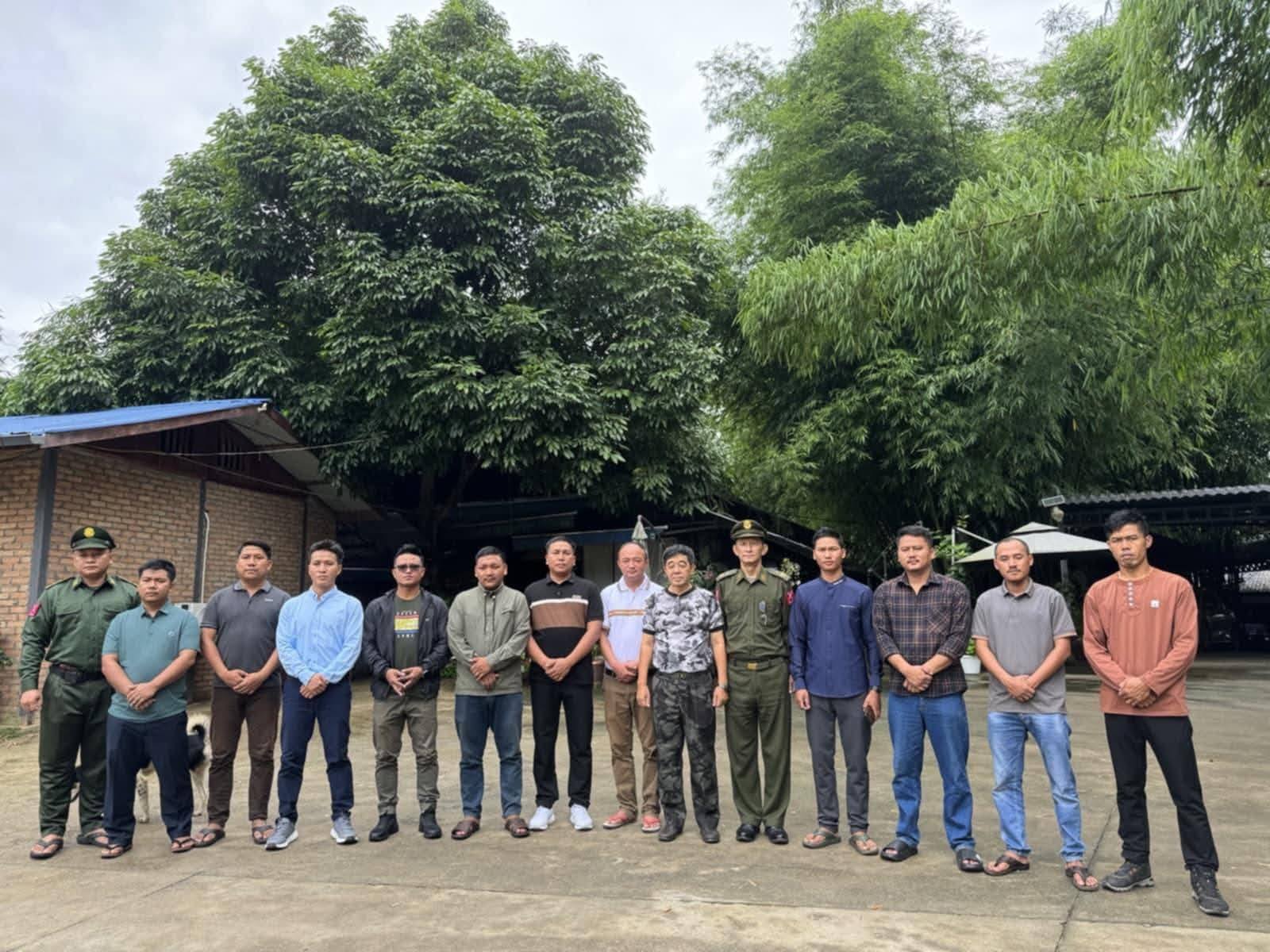
KIA Lieut-Gen Gun Maw seen with the Chin Brotherhood.
Senior General Min Aung Hlaing stated that armed conflicts have emerged within the country because attempts were made to solve political problems through violent means rather than political solutions.
Similarly, he said that some Ethnic Armed Organizations (EAOs) are striving to control and govern territories, and are benefiting themselves by illegally extracting and selling natural resources and drugs.
Political analyst Dr. Aung Myo told CNI News that ethnic armed groups should demand the rights they want through peaceful democratic means and that there is no reason to take up arms.
He said, "To be honest, they are using beautiful words for all the rights they want. There is every reason to demand what you want through peaceful democratic methods and political means. There is no reason to be armed. Regarding the concept of being a 'dutiful father,' it doesn't mean just standing by and watching without fighting back. In terms of administration, a country cannot be split into two. Therefore, the way forward is to demand everything they desire through peaceful and political means. Their claims that they must act this way because the government is not 'fatherly' are just a justification. In reality, we cannot accept these words."
Currently, intense fighting is taking place across Myanmar between the Myanmar Military and armed groups.
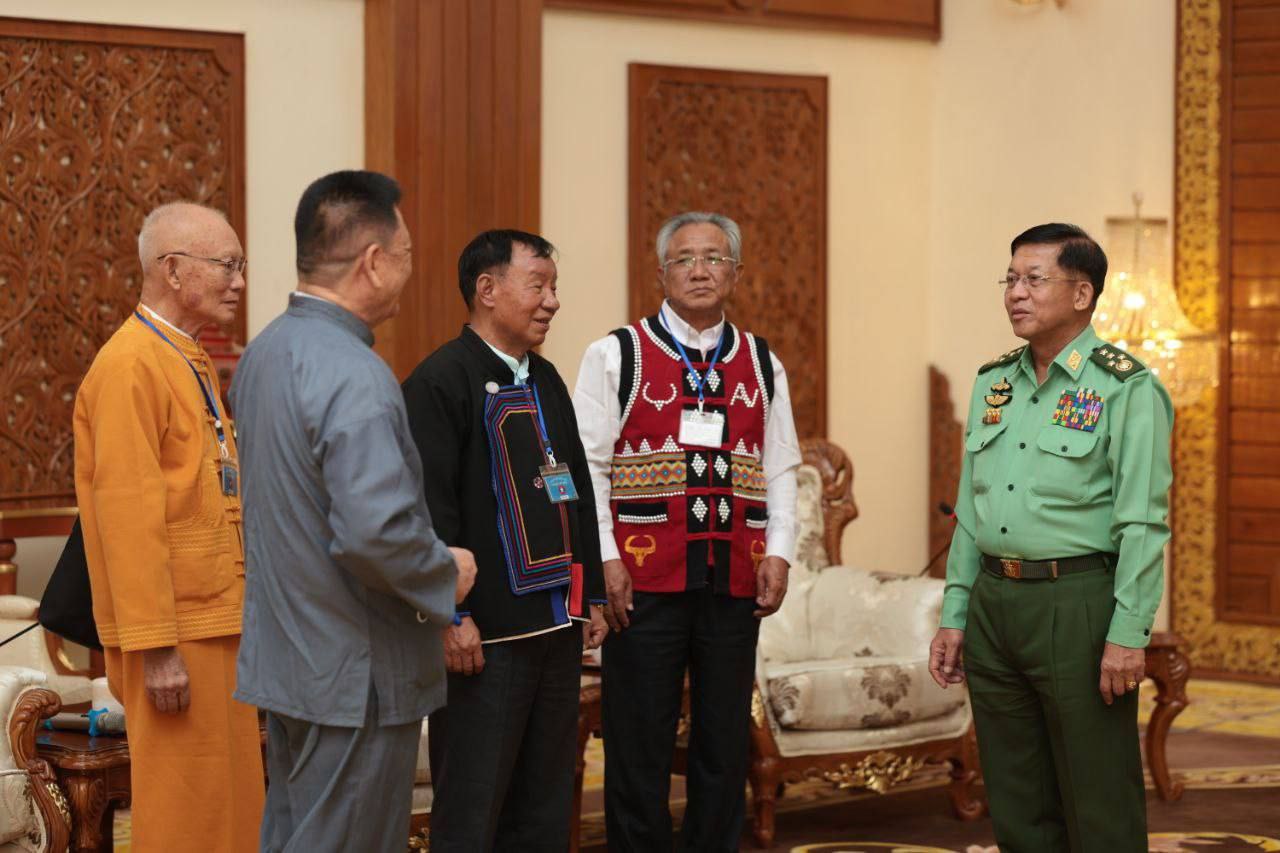
Leaders of UWSA, SSPP, and NDAA seen with Senior General Min Aung Hlaing.
In these armed conflicts, the KIA is providing arms and ammunition to the Arakan Army (AA), Chin (CNF), Naga armed groups, PDFs, Kuki (KNO), and the Student Army (ABSDF), carrying out "town-seizure" battles in Kachin State, Sagaing Region, and Northern Shan State.
KIA leader Lieut-Gen Gun Maw stated that to ensure the security of KIA territories in Kachin State, they must fight the enemy from Sagaing Region. He mentioned that by implementing the "Ka Thone Lone" operation (Kantbalu-Kawlin-Katha) in Sagaing, they must control the northern and lower regions of Myanmar.
Furthermore, he stated that as ethnic armed groups move past 2025, their considerations will extend beyond federalism.
Currently, the AA expects a "Confederation" level at minimum and will go as far as independence; the TNLA has stated they must prepare to establish a state; and the MNDAA is working to retake and rebuild its Special Region.
Some Karen armed groups have announced the establishment of "Kawthoolei State," while the UWSA has established a separate administrative system, building self-rule and self-determination.
Naga armed groups also aim to unite Naga people from both Myanmar and India to establish a "Free Naga Federation" or a "Naga Nation."
- By CNI
- Category: English Section
- Hits: 927
CNI News
March 3, 2026
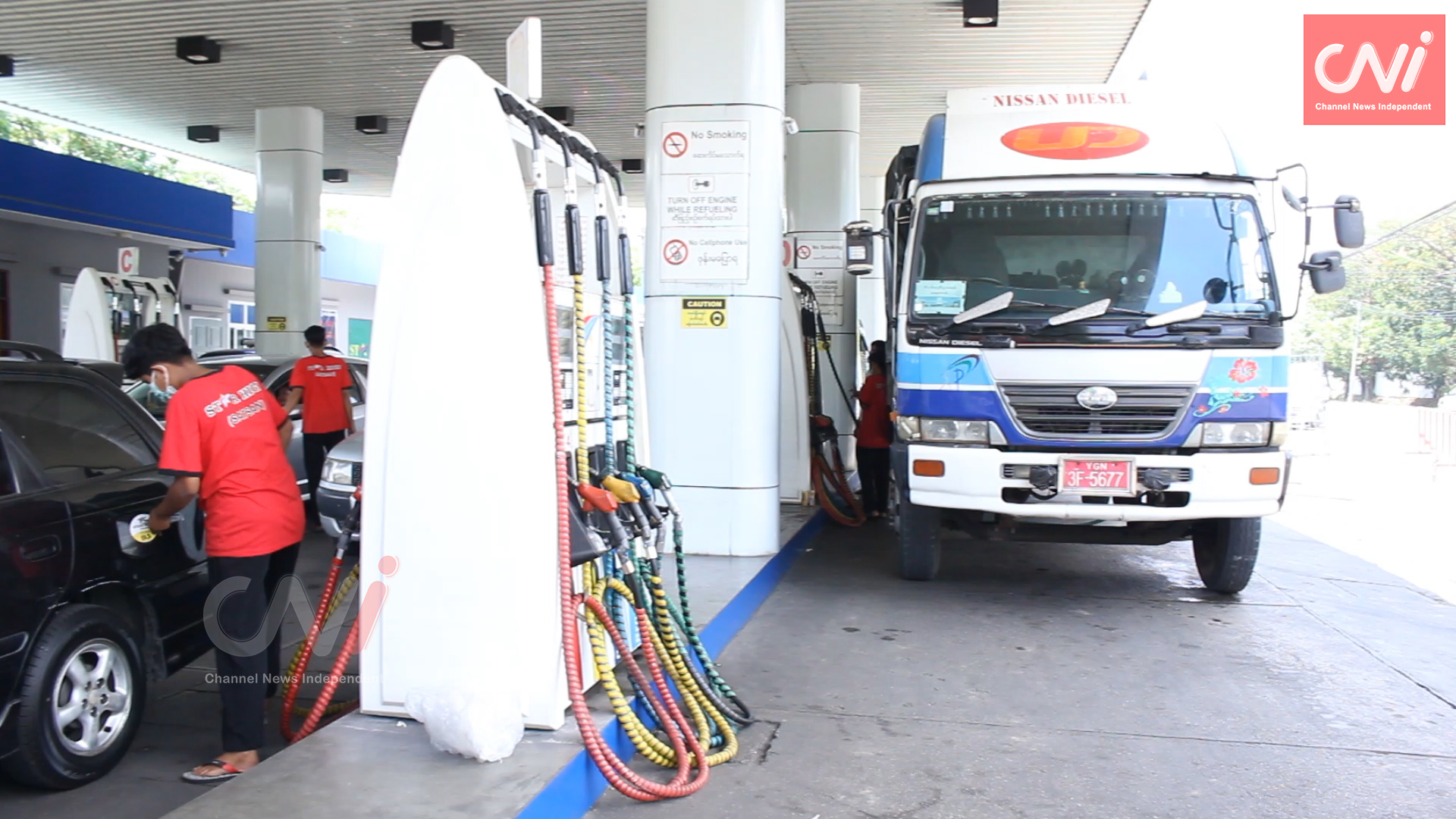
The Information Team of the National Defense and Security Council (NDSC) issued an announcement today (March 3) stating that, starting from March 7, private vehicles must follow an odd-even license plate system based on the date to conserve fuel.
The report notes that due to current global political situations and military conflicts in the Middle East, there are barriers and blockades along the maritime routes used by fuel tankers. Consequently, to ensure fuel sufficiency and conservation, private vehicles, commercial vehicles, and transport vehicles must adhere to specific regulations starting March 7, 2026.
Under these rules, only private vehicles with license plates matching the date of the month may be driven:
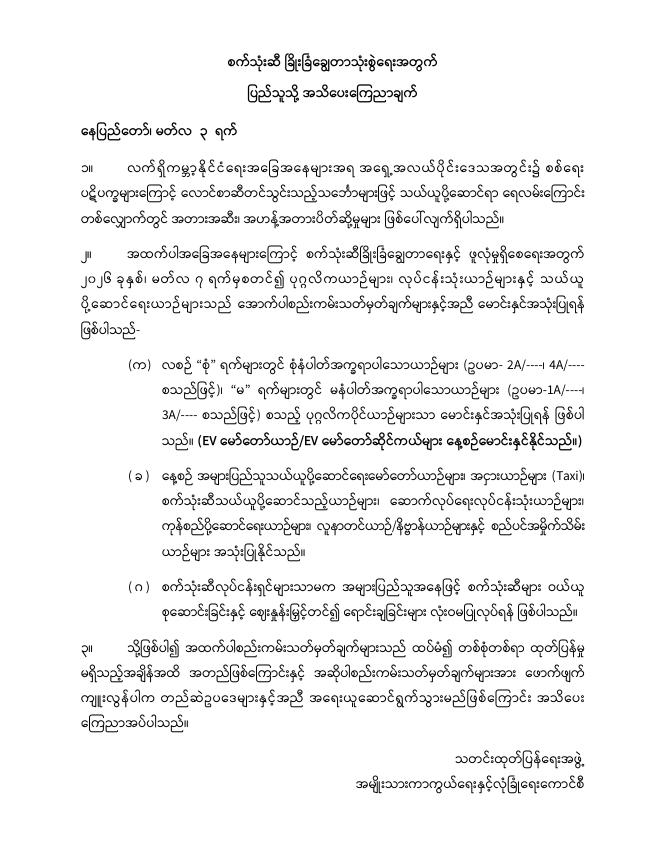
Even Days: Vehicles with "Even" plate letters (e.g., 2A/----, 4A/----). Odd Days: Vehicles with "Odd" plate letters (e.g., 1A/----, 3A/----).
The following vehicles are exempt from these restrictions and may be driven daily: Electric Vehicles (EVs): Both EV cars and EV motorcycles.
Public Services: Public transport buses, Taxis, fuel tankers, construction vehicles, and freight trucks.
Emergency & Utility: Ambulances, funeral hearses, and municipal garbage trucks.
The announcement also warns fuel entrepreneurs and the general public strictly against hoarding fuel or price gouging.
These regulations will remain in effect until further notice. Authorities stated that anyone found violating these rules will face legal action in accordance with existing laws.
- By CNI
- Category: English Section
- Hits: 240
CNI News
3 March 2026
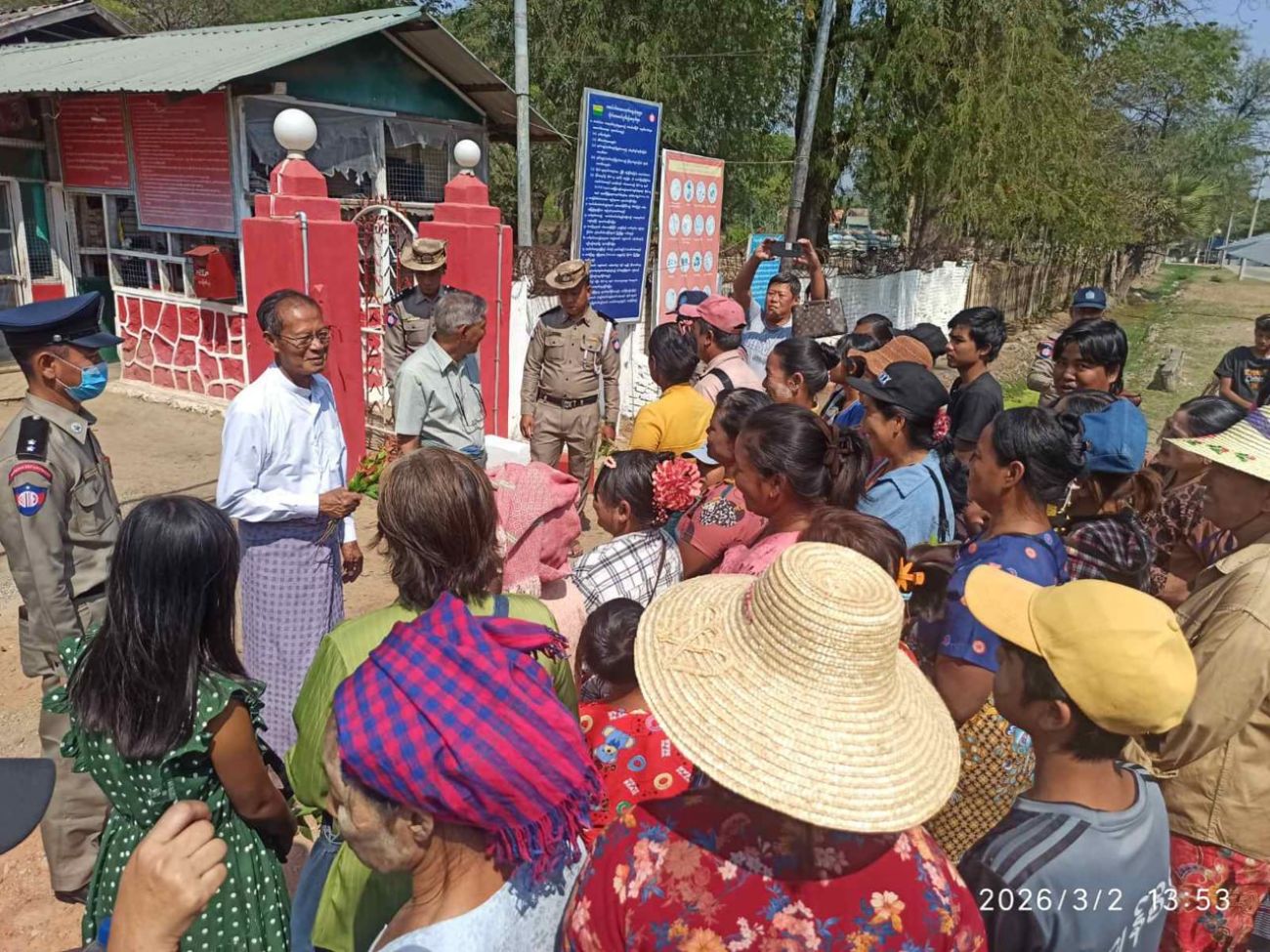
With a view toward human rights, the State Government issued a statement on March 2, 2026, granting amnesty to over 7,000 prisoners/detainees serving sentences in various prisons, jails, and camps.
Included in this amnesty are several individuals who served as ministers under the National League for Democracy (NLD) government:
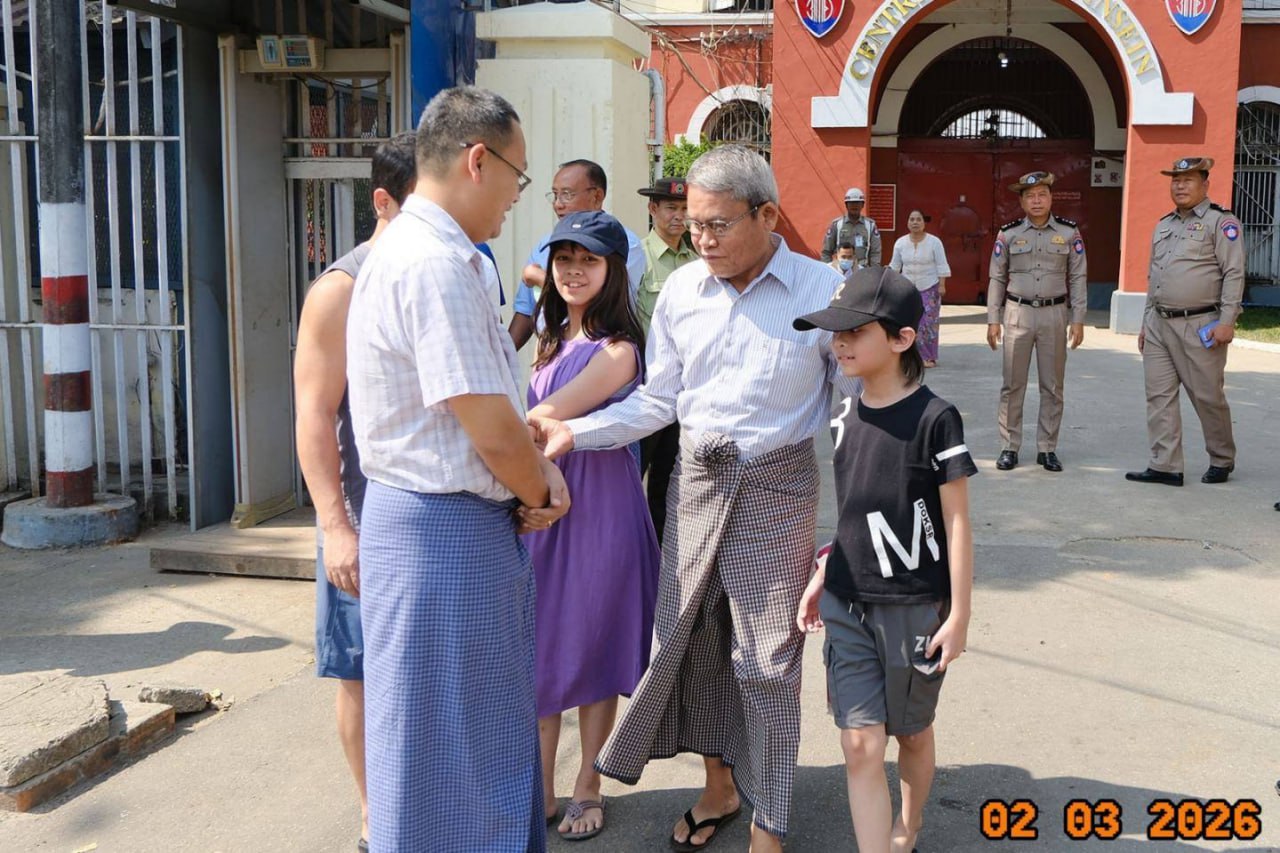
U Min Thu (Minister of the Union Government Office),Dr. Myo Aung (Chairman of the Nay Pyi Taw Council),U Han Tun (Yangon Region Minister of Agriculture and Livestock),Daw Moe Moe Su Kyi (Yangon Region Minister of Immigration and Human Resources),U Ye Min Oo (Nay Pyi Taw Deputy Mayor and Yangon Region Minister of Economy).
- By CNI
- Category: English Section
- Hits: 730
CNI News
March 3, 2026
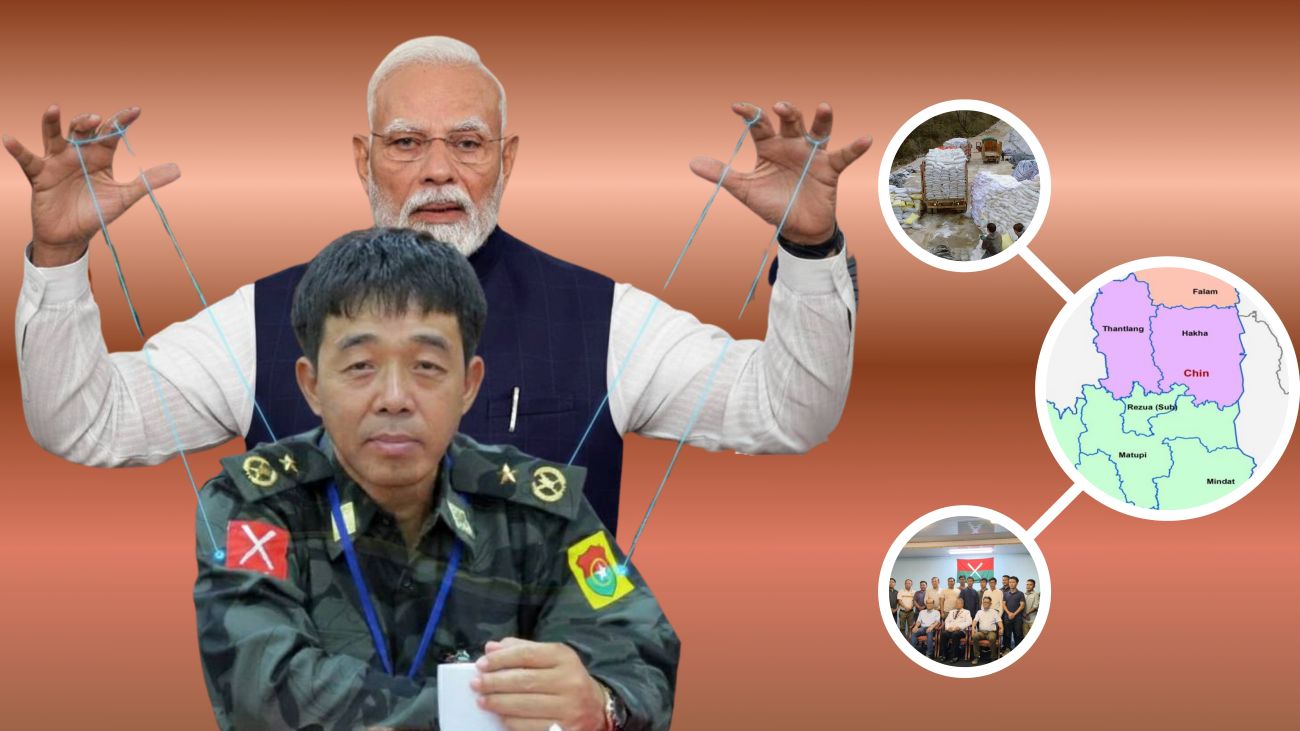
Pu Pu Htan, spokesperson for the Zomi National Party (ZNP), told CNI News that any potential agreement between the Indian government and the Kachin Independence Army (KIA) could pose a significant danger to Myanmar’s political landscape.
On February 5, 2026, KIA leader Lieutenant General Gun Maw stated that after implementing and controlling the "Ka-Thone-Lone" operation (covering Kantbalu, Kawlin, and Katha) in the Sagaing Region, the KIA would proceed to control the entire northern and southern regions.
He claimed that they are currently working to stabilize and control the entire northern area, including the Kachin unit, Chin unit, Naga unit, and the "Ka-Thone-Lone" area. He added that once the upper region is secured, the lower region can be easily controlled.
Pu Pu Htan (ZNP) remarked that the KIA’s plan would be difficult to implement without the assistance of a neighboring government. He suggested that if India is attempting to secure rare earth minerals from the KIA, Lieutenant General Gun Maw’s predictions could become a reality.
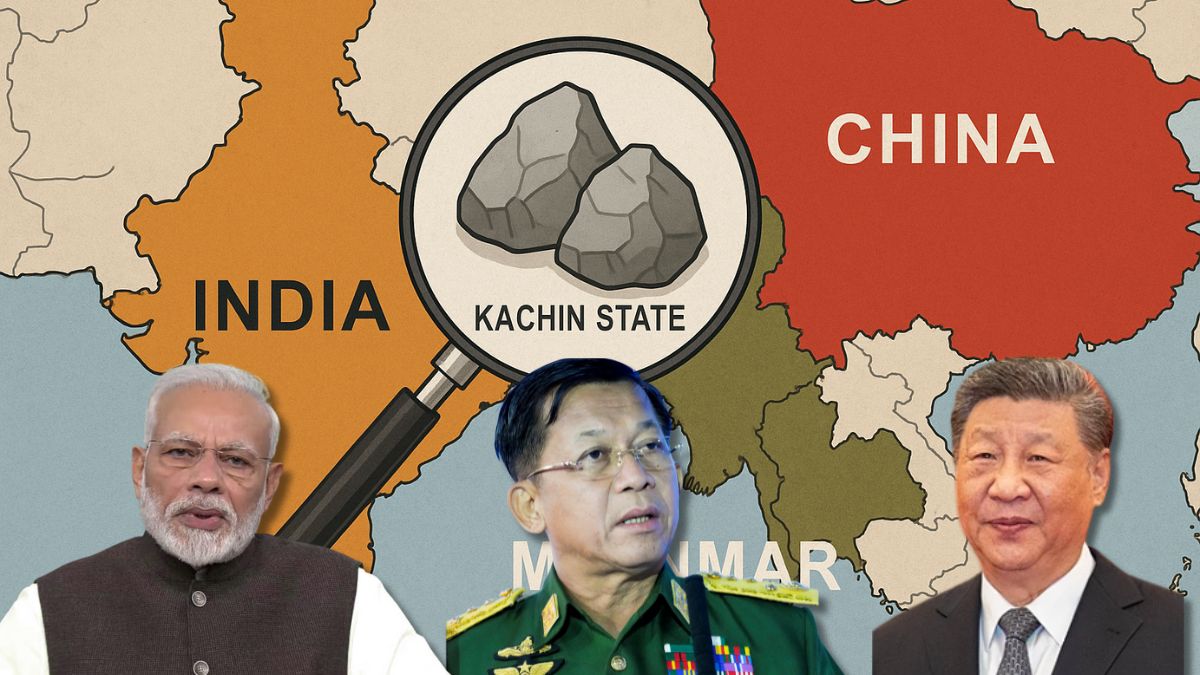
Indian Prime Minister Modi, Senior General Min Aung Hlaing, and Chinese President Xi Jinping.
"We don’t know to what extent they have reached agreements with the Indian government. It’s not easy without the help of a foreign country. Geopolitically, Chin State is vital. However, without the involvement of the Indian or Chinese governments in their armed struggle, it’s unlikely to materialize. This could also be propaganda. On the surface, the Indian government isn’t at a stage where it can be fully trusted; they [the KIA] could become tools if they aren't careful. It depends on India’s policy. If India is focused on acquiring rare earth minerals, what Lt. Gen. Gun Maw said could happen. India could use the KIA and Chin groups. It’s not as easy as Gun Maw says for him to do it alone. But we must be cautious about the level of understanding he has with the Indian government. If an agreement has been reached, it is dangerous—very dangerous."
In December 2025, the U.S.-based Silicon Valley Times reported that a secret investigation revealed a confidential agreement between India and the KIA. The report stated that this agreement involves strategic cooperation for rare earth mineral extraction while Myanmar’s sovereignty is weakened.
Furthermore, in his February 5, 2026, speech, Lieutenant General Gun Maw emphasized that they are prioritizing Chin State affairs, believing that Chin State’s resources could lead to nationwide success. He stated they are working diligently for the liberation of the entire Chin State.
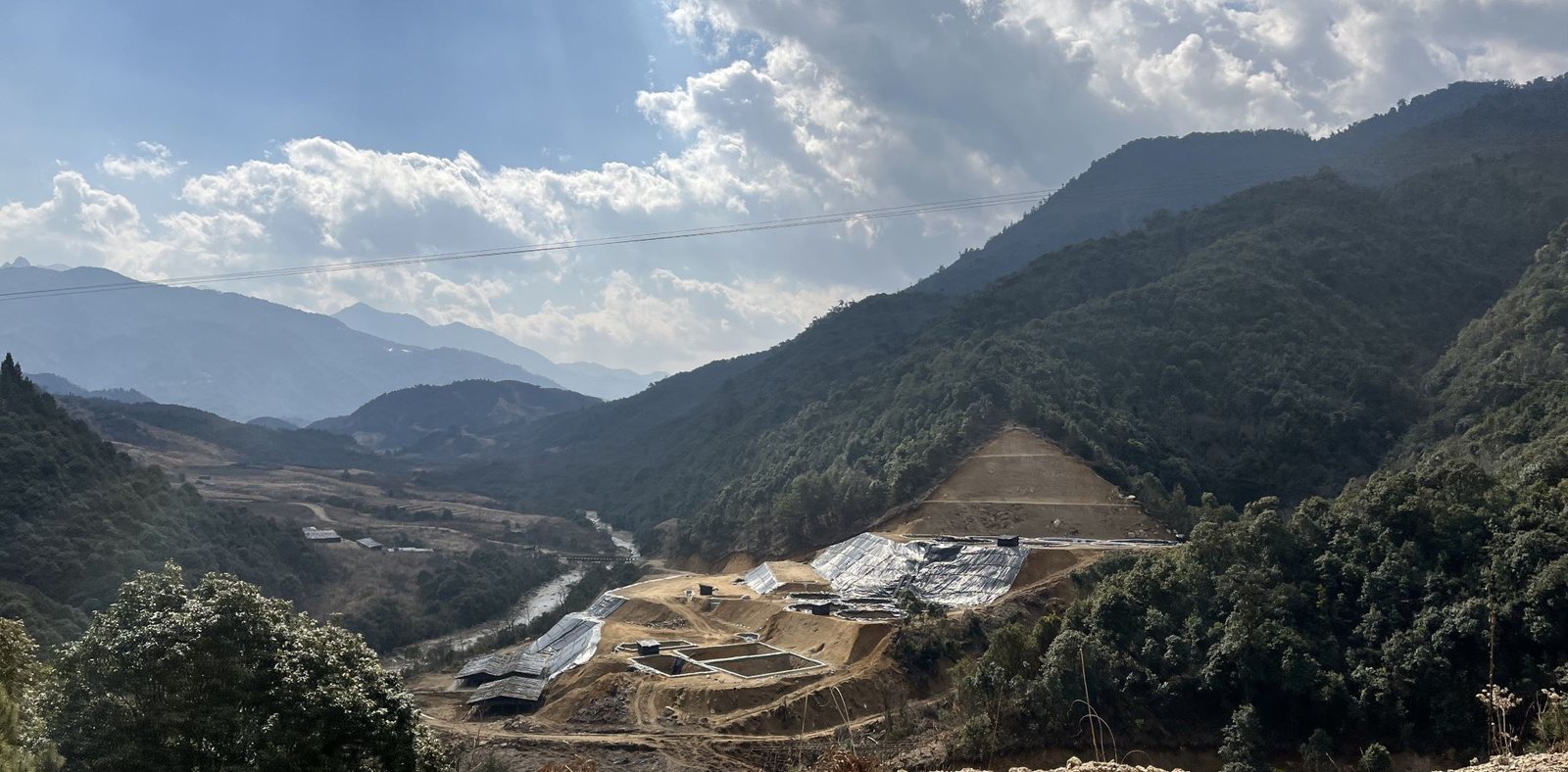
Rare earth minerals.
Regarding these comments on Chin State, U Soe Htet, Chairman of the Chin National Congress Party (NCC), told CNI that while it’s unclear if a major power is influencing the situation, Chin State is geographically close to both Bangladesh and India.
"Kachin State is closest to China. Our Chin State is close to both India and Bangladesh. So, we don’t know how the background support is linked. In reality, Mizoram and Manipur states in India are areas where many Chin people reside. Thus, there could be cross-border interactions and mutual assistance. Kachin is close to China. Historically, Kachins and Chins are kindred, and they support each other in military operations. We cannot know the details of whether a major power is influencing this."
The Silicon Valley Times previously reported that India is constructing a 365-km road from Vijaynagar in Arunachal Pradesh to rare earth mines in Chipwi, Kachin State. This road, allegedly built without the Myanmar government's permission, would allow India to access rare earth resources in exchange for providing weapons, medicine, and other logistical support to the KIA.
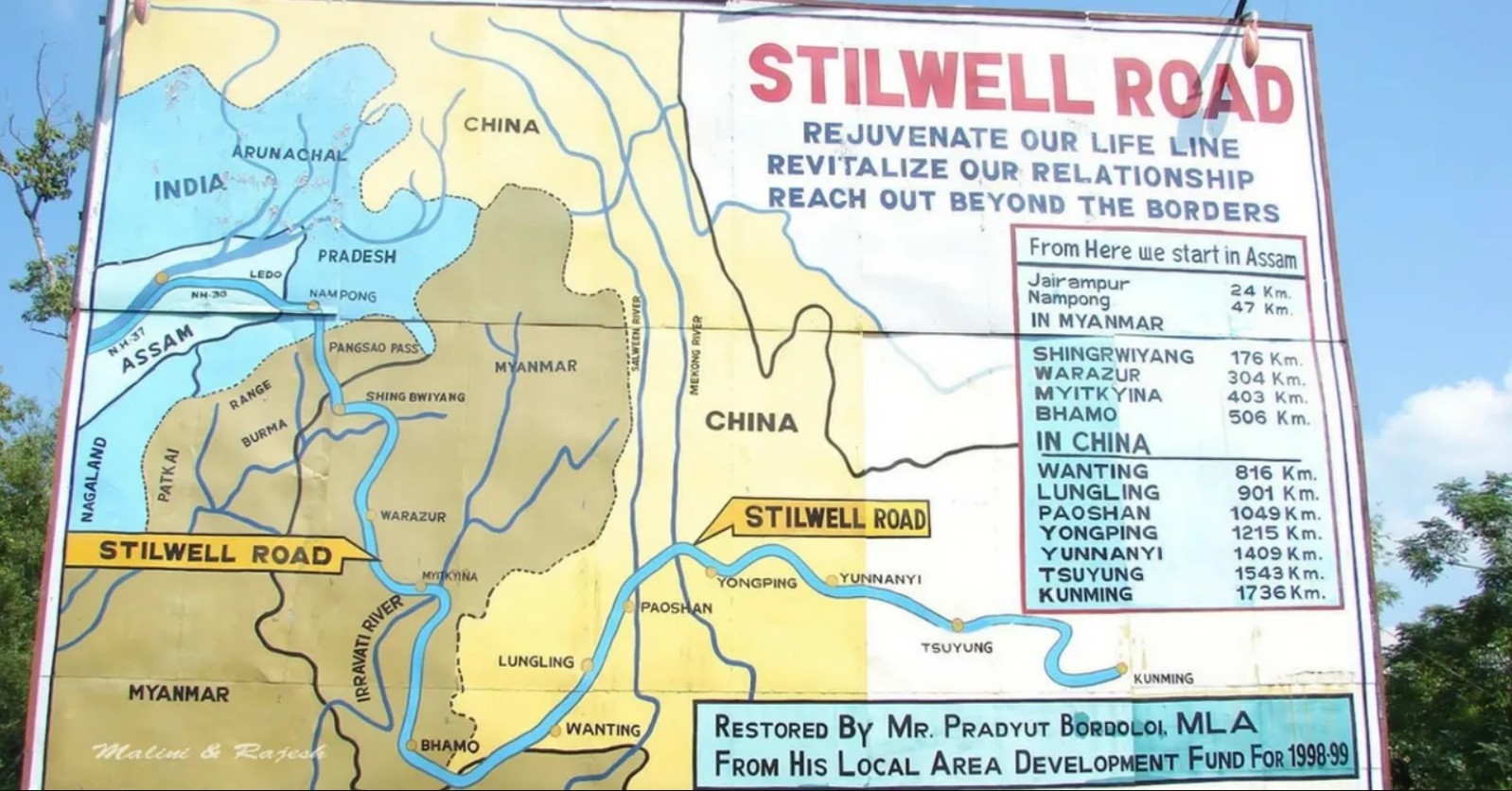
The Ledo Road.
The partnership agreement reportedly includes a secret plan to build a second strategic corridor connecting the KIA headquarters in Laiza through Sagaing Region to Rihkhawdar in Chin State. Funding for this corridor would allegedly come from illegal timber smuggling networks, ensuring long-term exports of rare earth minerals, oil, and teak to India.
The report also claimed that India’s military support—including advanced weapon systems and medical supplies sent via Arunachal Pradesh—has enhanced the KIA's capabilities in its confrontation with the Myanmar military. In return, the KIA reportedly promised to crack down on anti-India insurgent groups, including the NSCN-K/YA, and quietly supported Indian claims in the disputed Chin State and Kabaw Valley regions.
However, the KIA has denied these allegations.
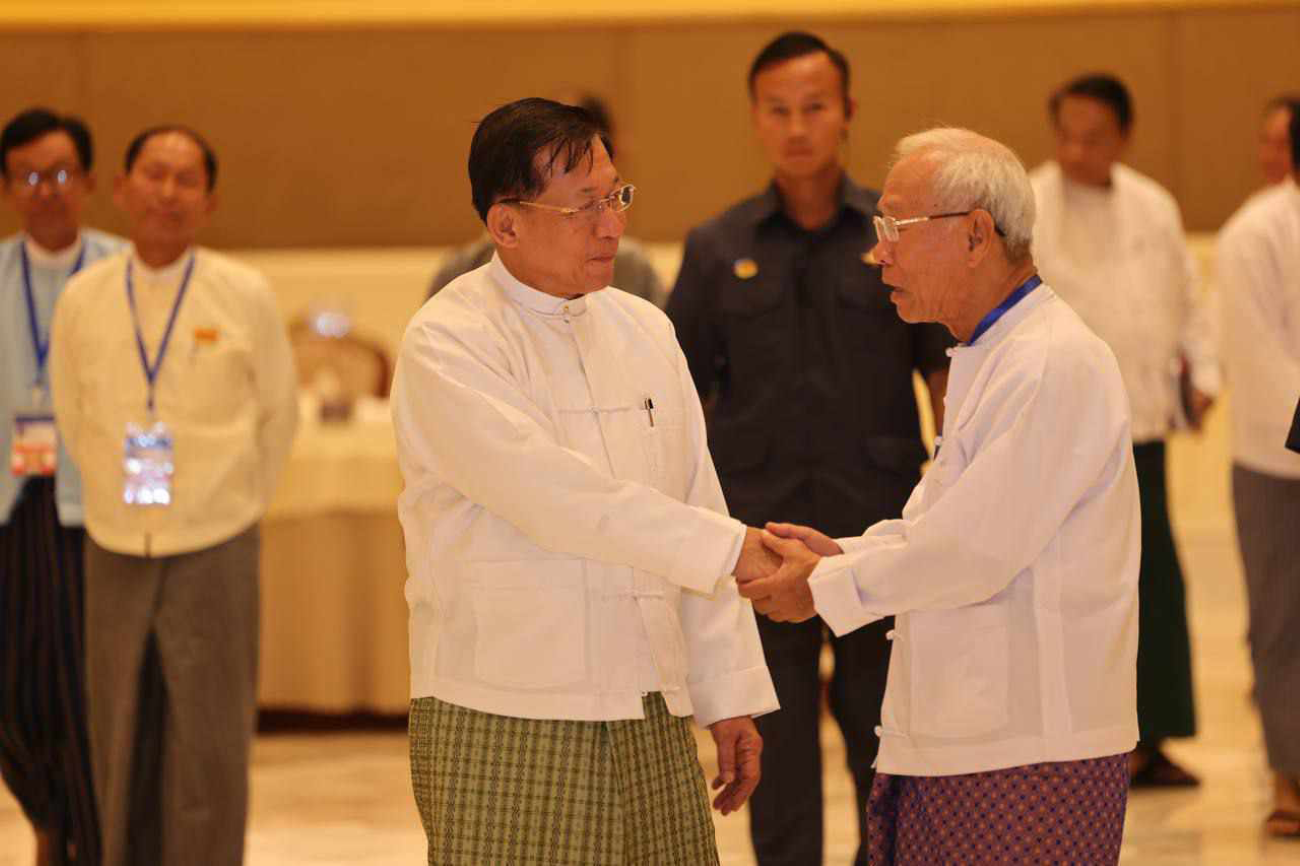
- By CNI
- Category: English Section
- Hits: 561
CNI News
February 28, 2026
In Myanmar, political parties and political analysts are discussing what kinds of political and military developments may emerge under the new government that will take office following the election.
Myanmar’s 2025 General Election was held in three phases from December 28, 2025, to January 25, 2026.
The third sessions of the Pyithu Hluttaw and Amyotha Hluttaw will be convened on March 16 and 18, 2026, respectively, and the new government will be formed in April.
Political analyst U Kyaw Htet told CNI News that once a civilian government emerges, it will need to change its approach to negotiations.
Only then can positive progress be expected.
He added that the new government should amend Section 261 and include widely accepted ethnic leaders in the cabinet.
By doing so, it may be able to influence the positions of Ethnic Armed Organizations (EAOs).
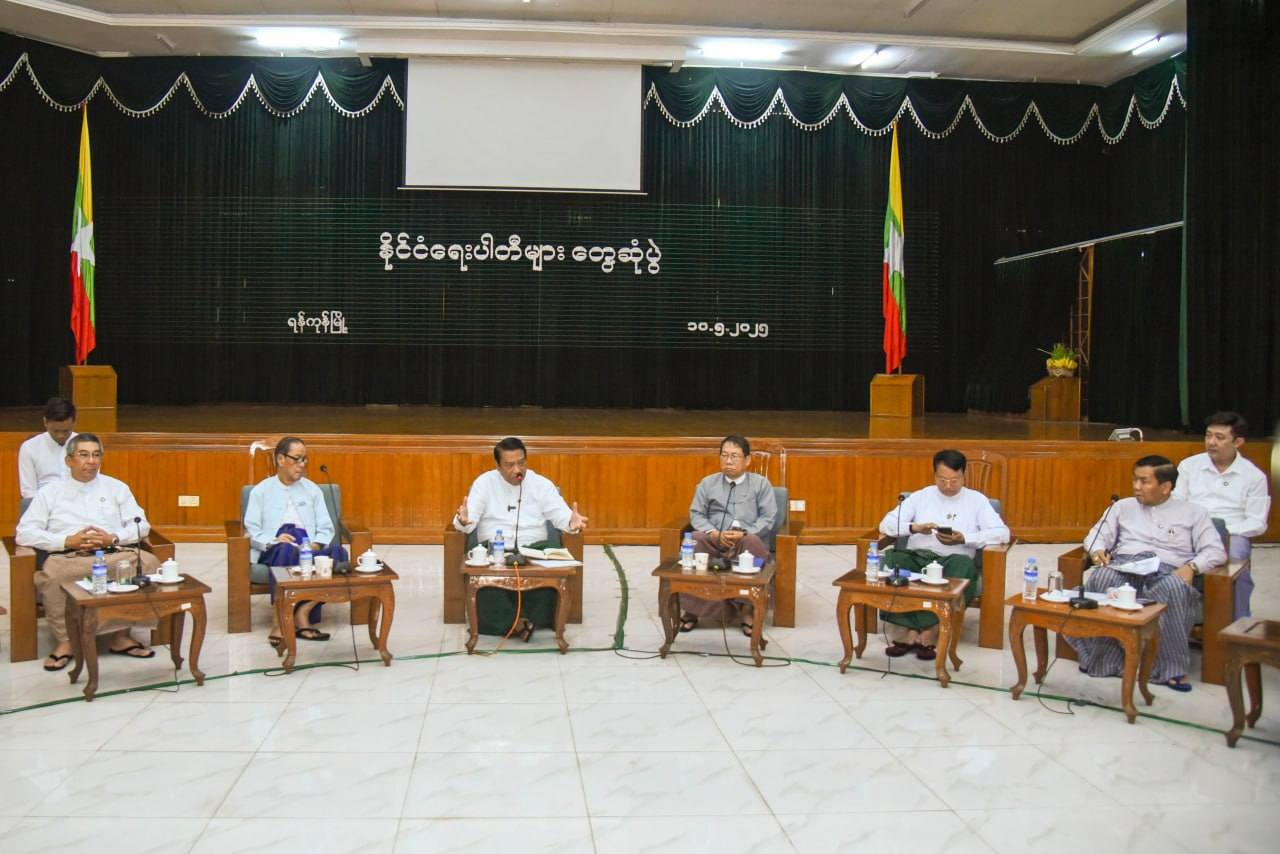
Political parties meeting among themselves
He said:
“When a civilian government comes to power, we need to shift toward a negotiation-based approach. For example, political commitments such as amending Section 261 and revising the Constitution should be prioritized. The third Hluttaw should amend laws to better align with federal principles demanded by ethnic groups. If the government includes widely accepted ethnic leaders in its cabinet and works toward national unity, the attitudes of EAOs may change. The international community’s perception would also improve. In that case, we can hope for positive developments.
However, if Section 261 and other laws are not amended, if negotiations demanded by all ethnic groups are not implemented in parliament, and if ethnic leaders who should be included in the government are excluded, the conflict will likely continue as it is now. If all sides can move toward federalism and establish clearer frameworks for dialogue and participation, armed conflict may gradually decrease. Otherwise, the conflicts will persist. The new government will also have to bear the consequences of the 2021 conflicts, which may hinder and delay nation-building and state-building efforts.”
Military and political observers also pointed out that the new government should negotiate amendments to key constitutional provisions and invite non-NCA signatory groups for dialogue.
According to analysts, the first major challenge for the new government will be addressing armed conflict and the suffering of the people.
Sai Htay Aung, Chairman of the Tai-Leng (Shanni) Nationalities Development Party (TNDP), told CNI News that he hopes for a strong yet flexible government.
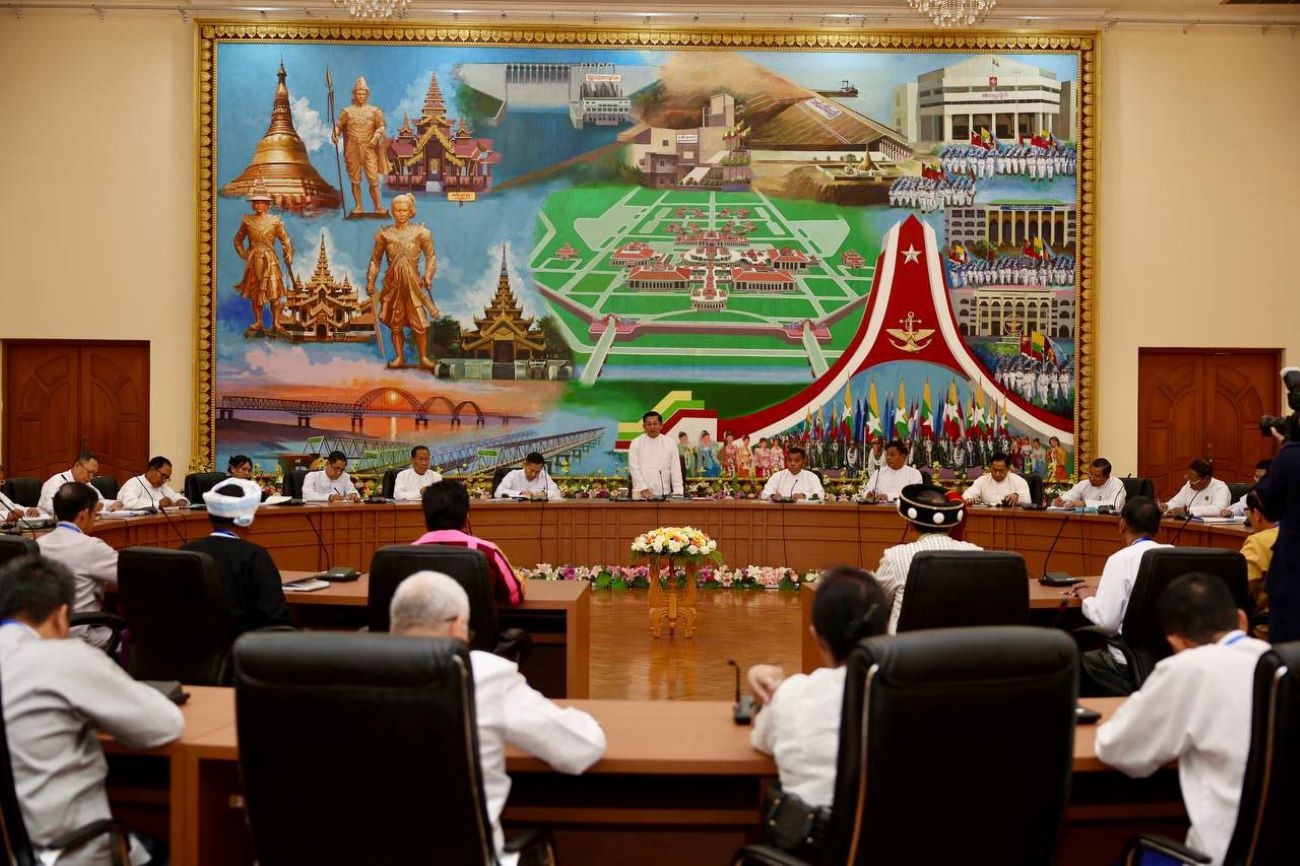
Senior General Min Aung Hlaing meeting with political parties
He said:
“The idea of collective leadership is a good one. If we move forward with collective leadership, trust will increase. A government based on collective leadership could become a strong government. In the past, when the NLD won by a landslide, they formed the government themselves. Under President Thein Sein, when forming the government, state-level winners and representatives from winning parties were included in the cabinet. We don’t yet know whether the new government will follow that model or include party leaders instead. If leading figures from various parties are included, collective leadership will be stronger.
A government must be strong. If it firmly upholds its policies but applies flexible and gentle strategies, it can become more effective for the country. The first challenge for the new government will be how to resolve armed conflict and address the suffering of the people. We hope for a strong government that can also act with flexibility and gentleness.”
Observers believe that new political and military dynamics may emerge under the new government taking office in April.
Territorial battles involving ethnic armed groups may expand. The government may launch offensives to regain lost territories, while also making peace overtures.
Additionally, analysts suggest that the new government may work to revive the declining economy, control rising commodity prices, reopen border trade routes, and stabilize the hotel and tourism sectors.
Page 30 of 352
Connect with us