
English Edition
- By CNI
- Category: English Section
- Hits: 311
CNI News
March 18, 2026
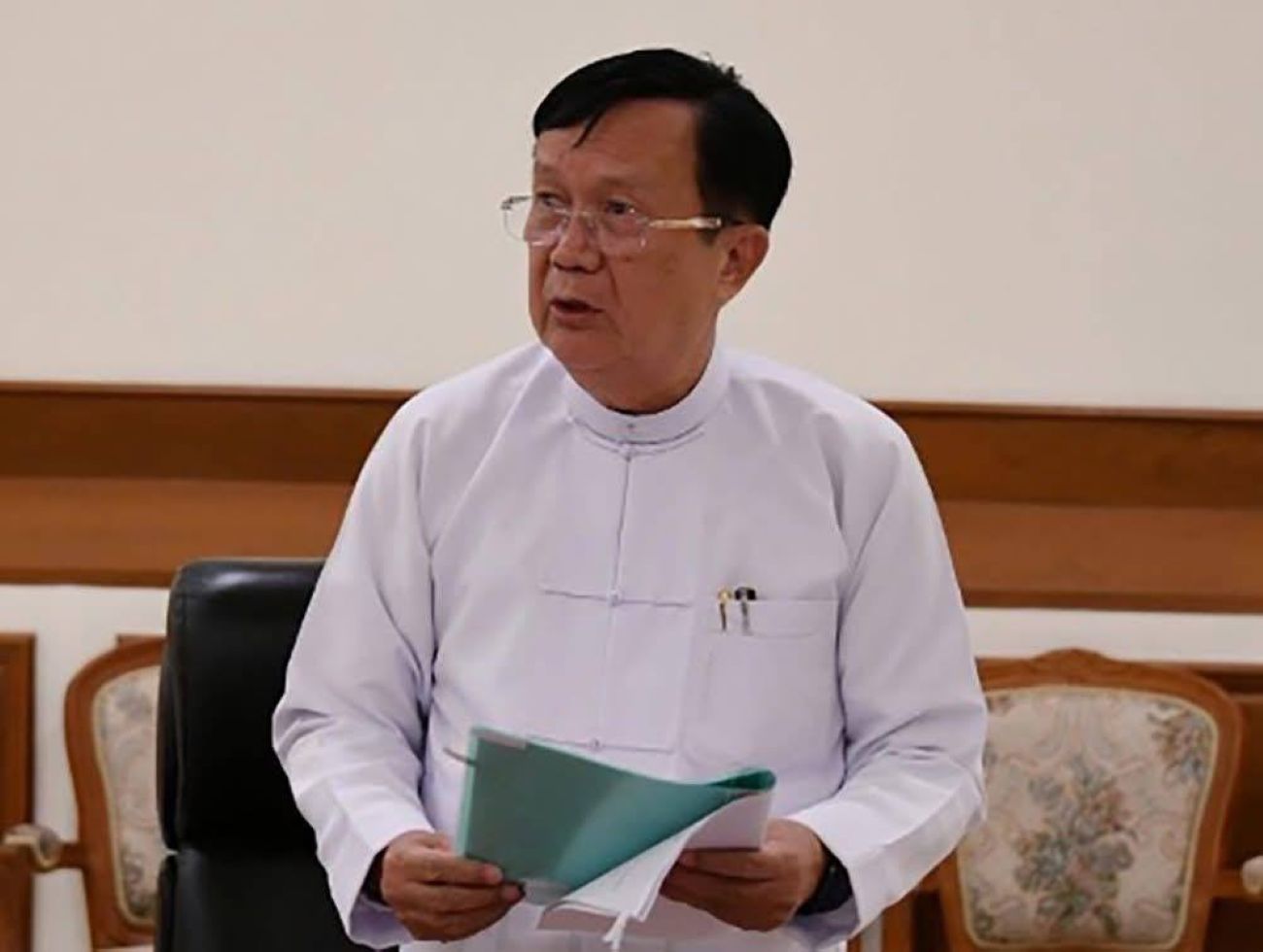
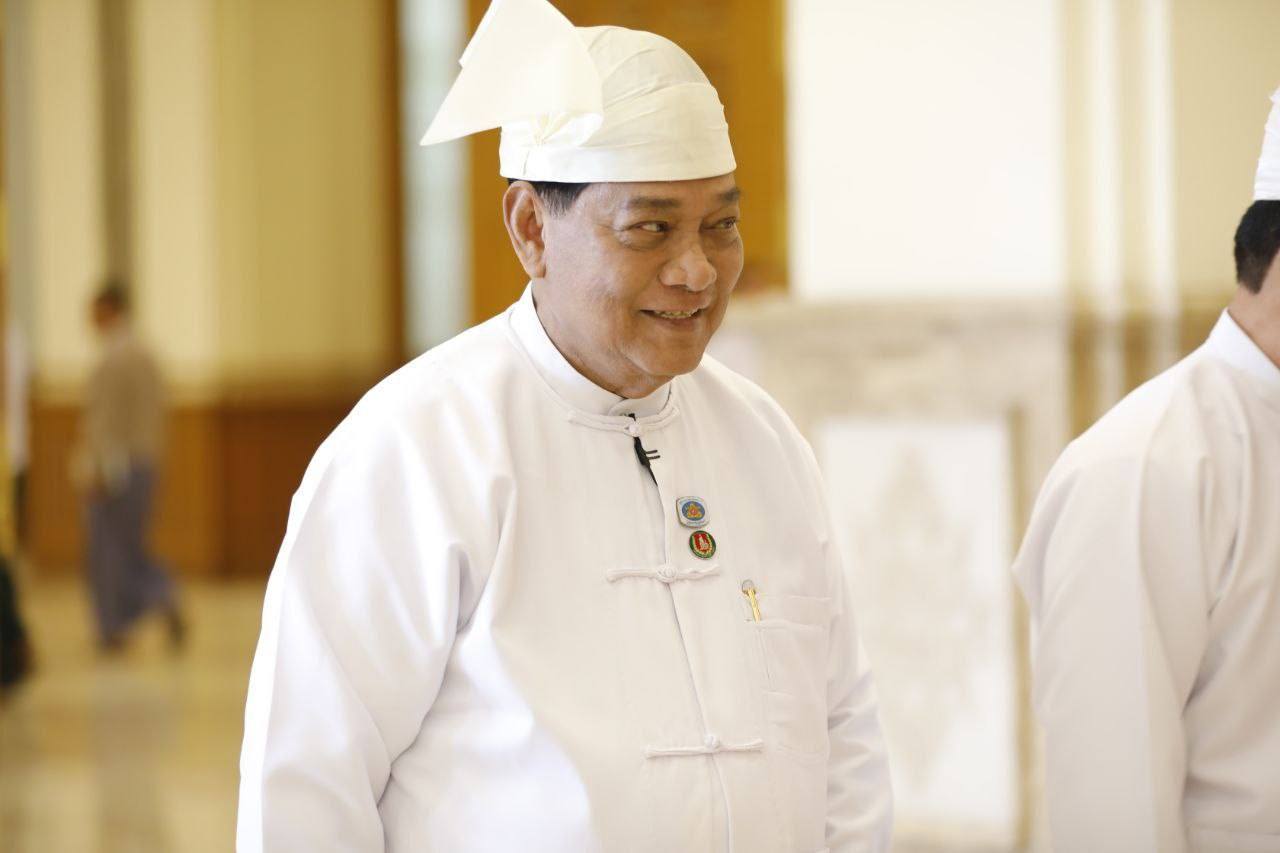
It has been reported that U Aung Lin Dwe has been elected as the Speaker of the third Amyotha Hluttaw.
U Aung Lin Dwe is a representative of the Amyotha Hluttaw from Mandalay Region Constituency No. 11.
In the recently concluded general election, he was elected from the Union Solidarity and Development Party (USDP) representing Mandalay Region Proportional Representation (PR) Constituency No. 3.
U Aung Lin Dwe previously served as a General in the Tatmadaw. He also held the positions of Secretary of the State Administration Council (SAC) and Chief Executive Officer of the National Defence and Security Council (NDSC).
As the Speaker of the third Amyotha Hluttaw, U Aung Lin Dwe will also serve as the Chairperson (Speaker) of the Pyidaungsu Hluttaw (Union Parliament) for the first two-and-a-half-year term of the third parliamentary session.
- By CNI
- Category: English Section
- Hits: 295
CNI News
17 March 2026
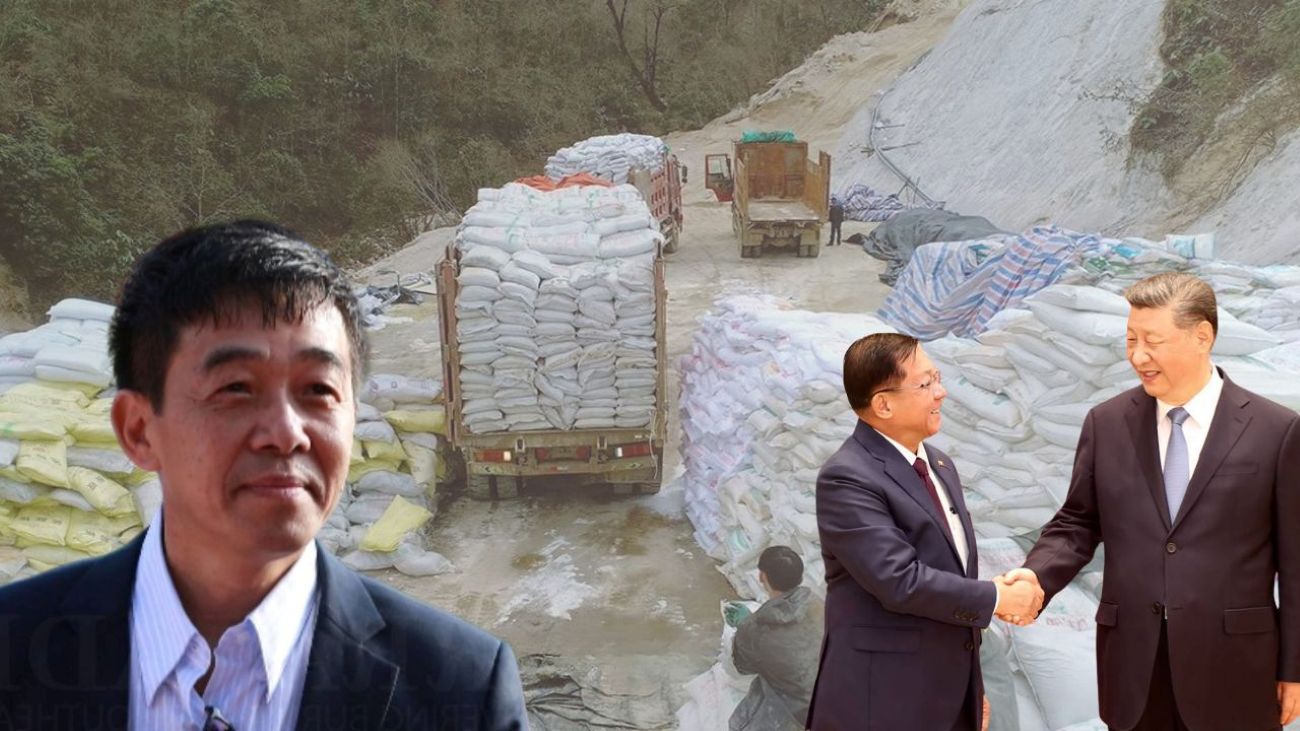
Military and political analysts told CNI News that Myanmar could face national ruin if the country’s rare earth minerals are being sold solely for financial gain.
Global superpowers and developed nations are eyeing Myanmar’s rare earths for use in high-tech manufacturing and military hardware. Myanmar is currently ranked as the third-largest producer of rare earth minerals in the world.
The Panwa and Chipwi areas in Kachin State Special Region (1) are the primary sources of these minerals. Currently, border gates and most mining sites—including Panwa—are under the control of the KIA (Kachin Independence Army). Additionally, certain armed groups in Shan State also control rare earth extraction sites.
Political analyst Sai Mein told CNI News that it is not only the Tatmadaw (military) but also Ethnic Armed Organizations (EROs) that must be cautious of China’s monopolization of rare earths and other natural resources.
"Global powers and developed countries want these rare earth minerals. According to environmental groups in Shan State, it is said that wherever there is gold in the rivers and lakes, rare earths are also present. Our country is effectively a 'Land of Gold,' but we are caught in economic infighting," Sai Mein said.
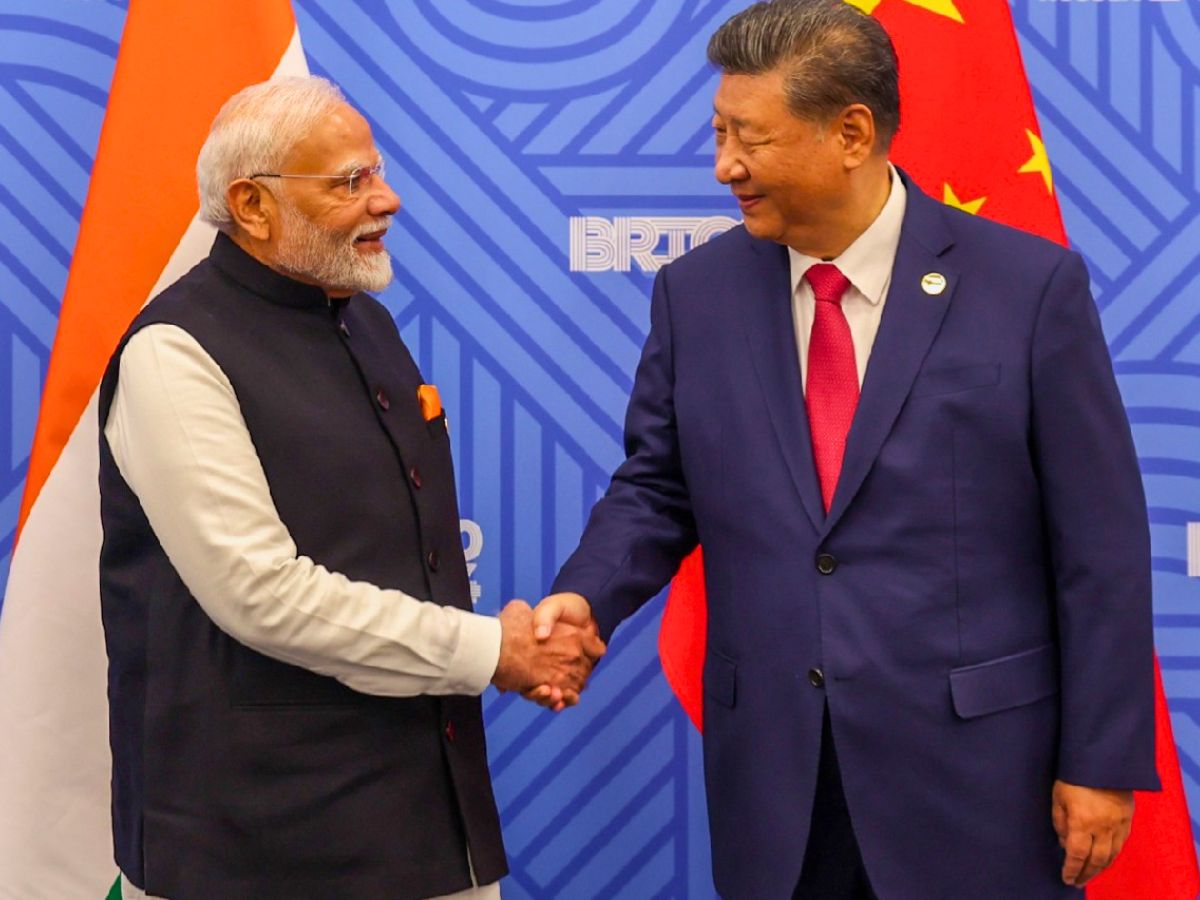
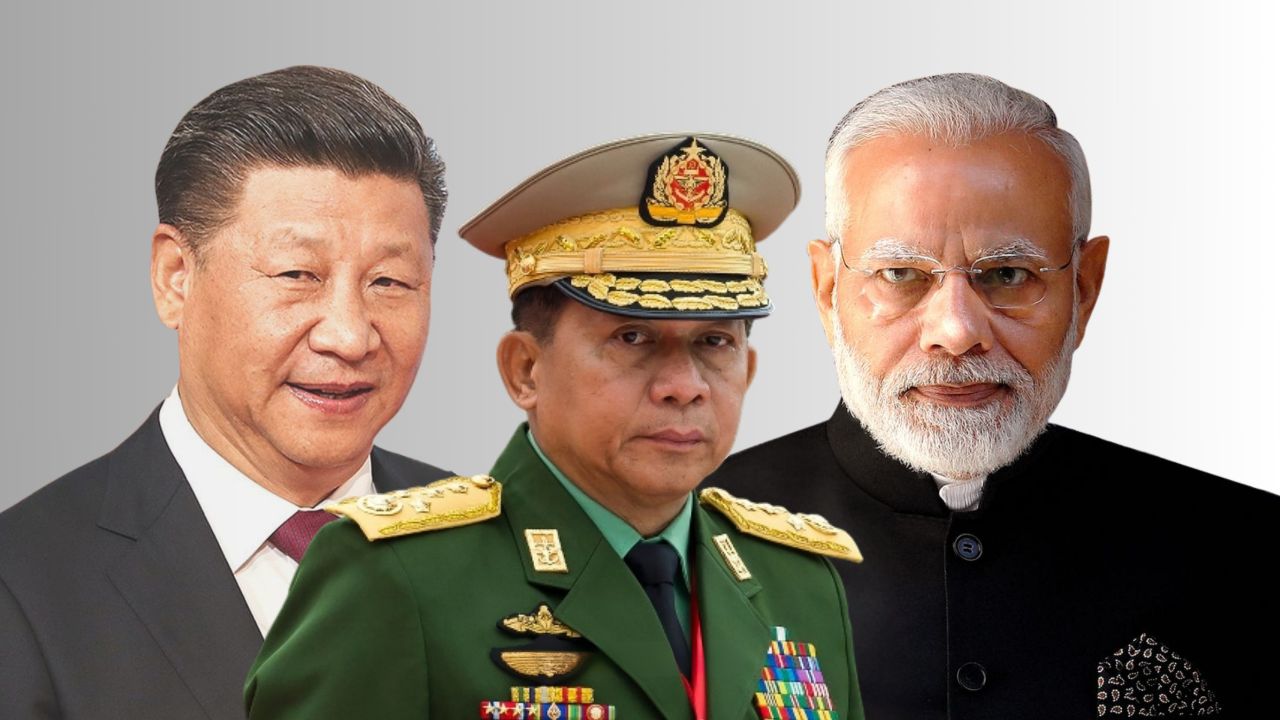
Indian Prime Minister Modi and Chinese President Xi Jinping
He further warned that due to the ongoing civil war, economically powerful nations are monopolizing extraction while the general public sees no benefit.
The China Factor: If this continues, China will dominate not just rare earths, but forests and other natural resources, leading to total influence over the country.
Policy Needs: Sai Mein emphasized that both the military and EROs need strict environmental conservation policies. Selling resources just for "quick cash" will deplete the nation's wealth, leaving nothing for the people.
U Khun Sai, a participant in the peace process, told CNI News that while rare earths may be abundant in Myanmar compared to other countries, they should not be sold off desperately to anyone willing to pay without proper bargaining.
He noted that Myanmar’s resources should command the highest market prices, but because the revenue often goes into private pockets rather than being used for national development, the country remains in a state of "begging while holding a bag of money."
"We are geographically one of the wealthiest countries in Southeast Asia, yet socially we are extremely poor. We are like a rich man's son lost on a sandbank—clutching a bag of money but with nothing to use it on, living like a beggar. This history must end," U Khun Sai stated.
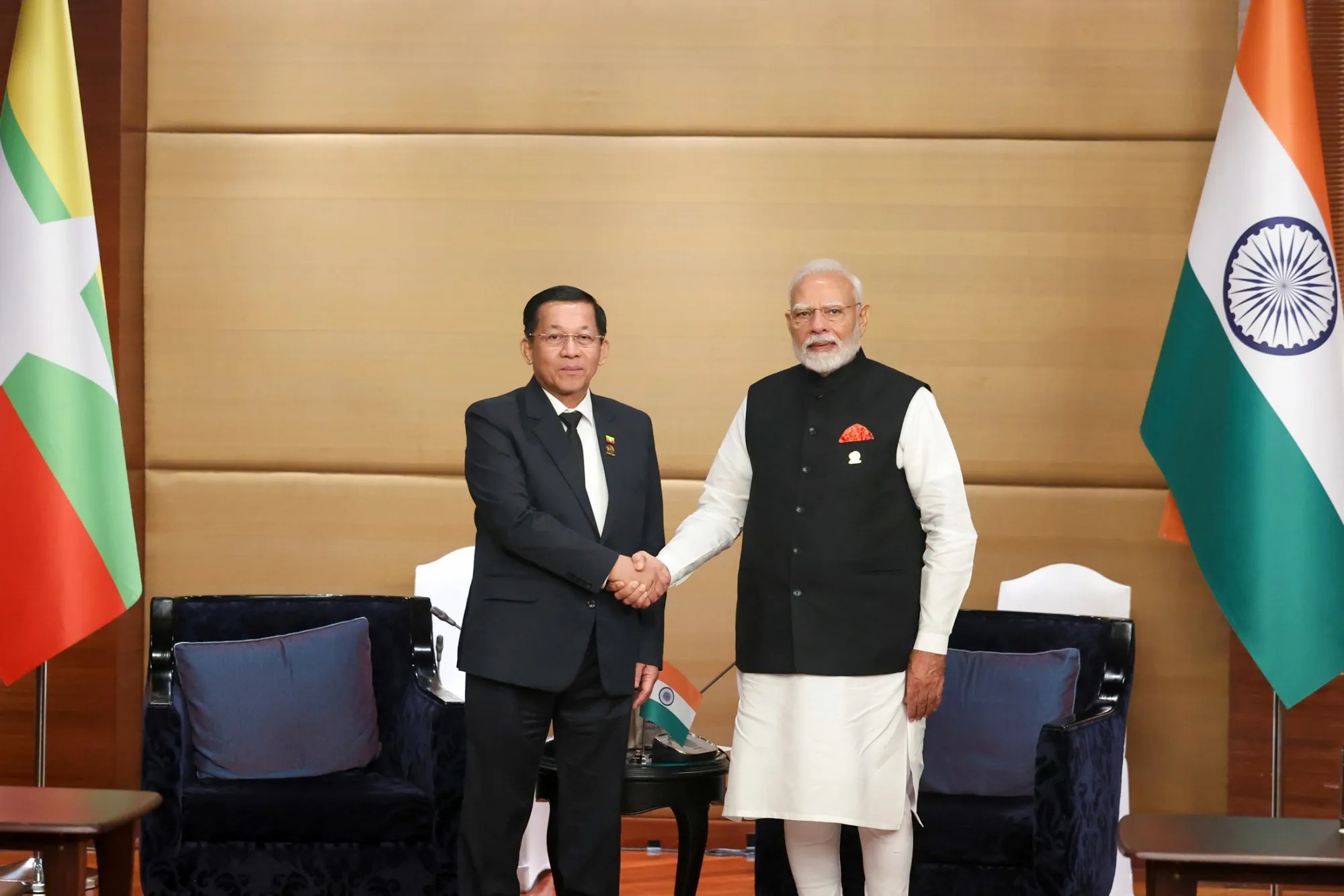
Senior General Min Aung Hlaing and Indian Prime Minister Modi
The rare earth minerals found in Myanmar are of the Ionic Adsorption Clay type. This variety is easier to refine than other ores and is rich in highly valuable elements such as:
Dysprosium (Dy), Terbium (Tb), Key Statistics:
Export Volume: In 2023 alone, Myanmar exported over 50,000 tons of rare earth minerals to China, an increase of nearly 80% compared to 2022.
Trade Value: The annual trade value is approximately $1 billion USD, a massive sum for the Myanmar economy, particularly for border regions.
Because Myanmar lacks its own refinery plants, it primarily exports raw ore to China. China then processes these raw materials into high-grade elements to resell on the global market.
Analysts point out that rare earth minerals have become a "geopolitical weapon." Beyond China, neighboring India is also reportedly interested in purchasing Myanmar’s rare earths. International news reports have suggested that secret agreements may have been signed between India and the KIA.
- By CNI
- Category: English Section
- Hits: 268
CNI News
17 March 2026
Ethnic Armed Organizations (EAOs) appear to be prioritizing their own interests rather than working toward the establishment of a federal union, according to former Member of Parliament Daw Sandar Min, who spoke to CNI News.
She also said that ending the armed struggle would be very difficult.
Daw Sandar Min stated: “Ending the armed struggle is extremely difficult. Over the past five years, when we study the situation, we have to ask whether these EAOs truly want to build a federal union or whether they really want federalism at all, or if they simply want to establish their own interests. From what we are seeing, many of them appear more interested in building their own interests than in building federalism. As long as self-interest and ego are placed at the forefront, it will be very difficult to end the armed struggle and achieve peace.”
Observers of military and political affairs note that federalism is an unavoidable issue for Myanmar. However, they point out that armed conflicts arise not only from political causes but also from competing interests.
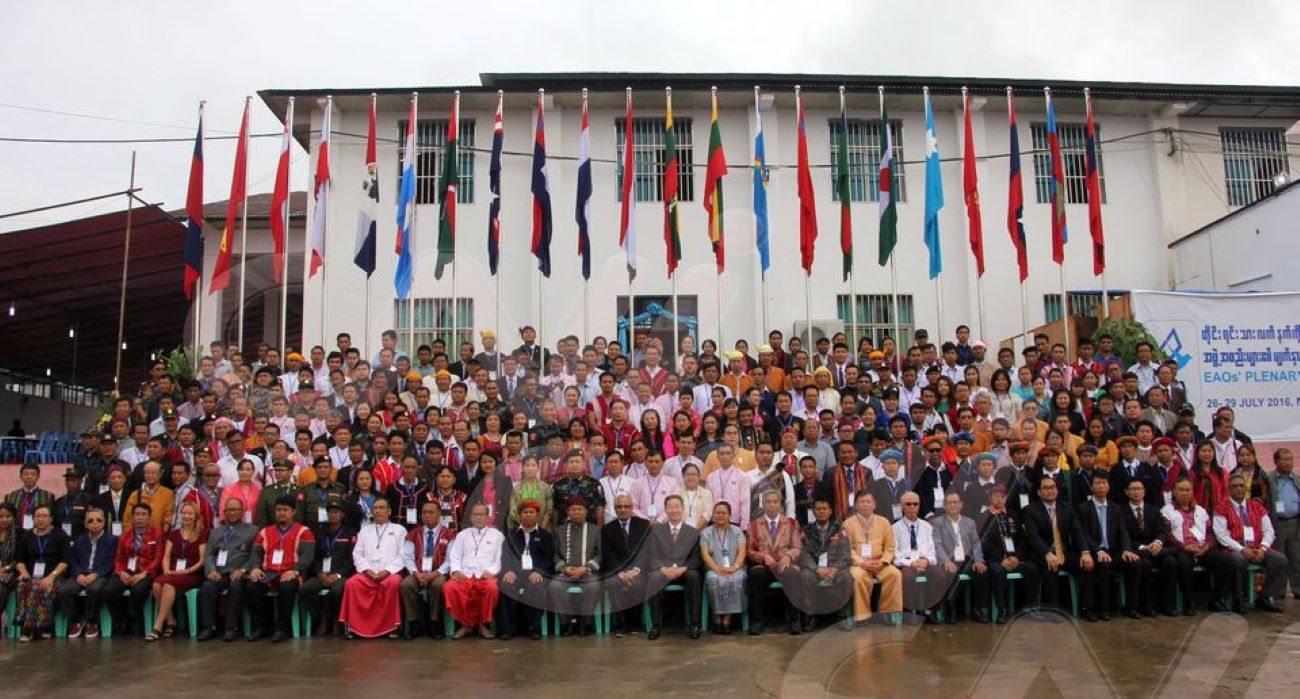
Ethnic Armed Organizations (EAOs), diplomats, and political parties seen
Senior General Min Aung Hlaing previously said that when implementing democracy and a federal administrative system, a region-based federal system would be the most appropriate approach. He made the remark on September 10, 2023, during a meeting with leaders of local militia forces in northern Shan State.
Military and political analysts have also pointed out that the main reason behind Myanmar’s armed revolutions was the failure to secure the fundamental rights of ethnic groups.
Since the political changes following February 1, 2021, armed conflicts in Myanmar have intensified and spread more widely, while the number of armed groups has also increased significantly.
At the same time, the Myanmar military and government have suffered territorial losses, while ethnic armed organizations are increasingly focusing on expanding and maintaining territorial control.
China–Myanmar affairs analyst Dr. Hla Kyaw Zaw told CNI News that when revolutionary movements begin, they are usually driven by the interests of the people and the national cause, and it is important not to deviate from that path.
She said: “When people first become revolutionaries, they often start with a sudden sense of determination. But as time goes on, some may stray from that path. Some individuals may also become morally compromised by personal interests. Even in our own experience in the Communist Party of Burma, we saw many people who eventually broke away. Such individuals will fall away during the long journey of the revolution, so we should not worry too much about them.
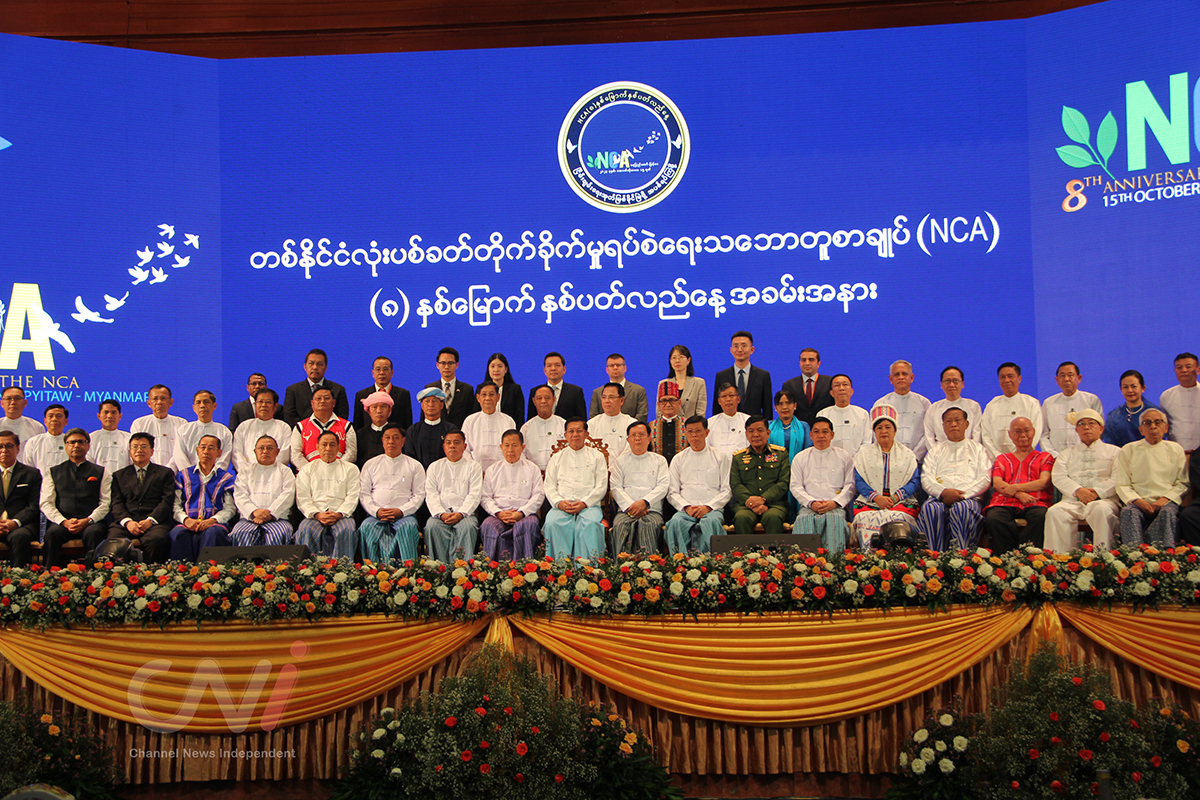
International diplomats, SAC (State Administration Council) leaders, and leaders of armed groups seen
In the long run, they will have to choose their path. If they focus only on personal interests, they may join forces with the military council, like the path taken by Bo Nagar. But if their basic political conviction becomes stronger, they will return to the revolutionary side. What I want to say is that the revolution began for the sake of the people and the national cause, so it should not deviate from that path. We must continue persuading and discussing among revolutionaries and adopt a policy of bringing people back to the revolution through dialogue.”
Military and political observers say that since federalism has been widely accepted as a solution, efforts are being made to move forward with a federal system. However, if alternative arrangements beyond that framework are pursued, it could lead to the disintegration of the Union, which could create major problems not only domestically but also across the Southeast Asian region.
Efforts are currently underway in Myanmar to build a union based on federalism and democracy.
However, some ethnic armed organizations have begun openly discussing goals that go beyond federalism, including confederation or even independence.
Amid the ongoing political and military conflicts, analysts emphasize that trust must be rebuilt in order to carry out inclusive peace processes involving all stakeholders.
They also point out that ethnic armed organizations need to prioritize the interests of all citizens rather than their own self-interest and work toward union peace. In addition, the upcoming government will need new approaches and new ways of thinking when addressing peace issues and armed conflicts.
- By CNI
- Category: English Section
- Hits: 656
CNI News
March 17, 2026
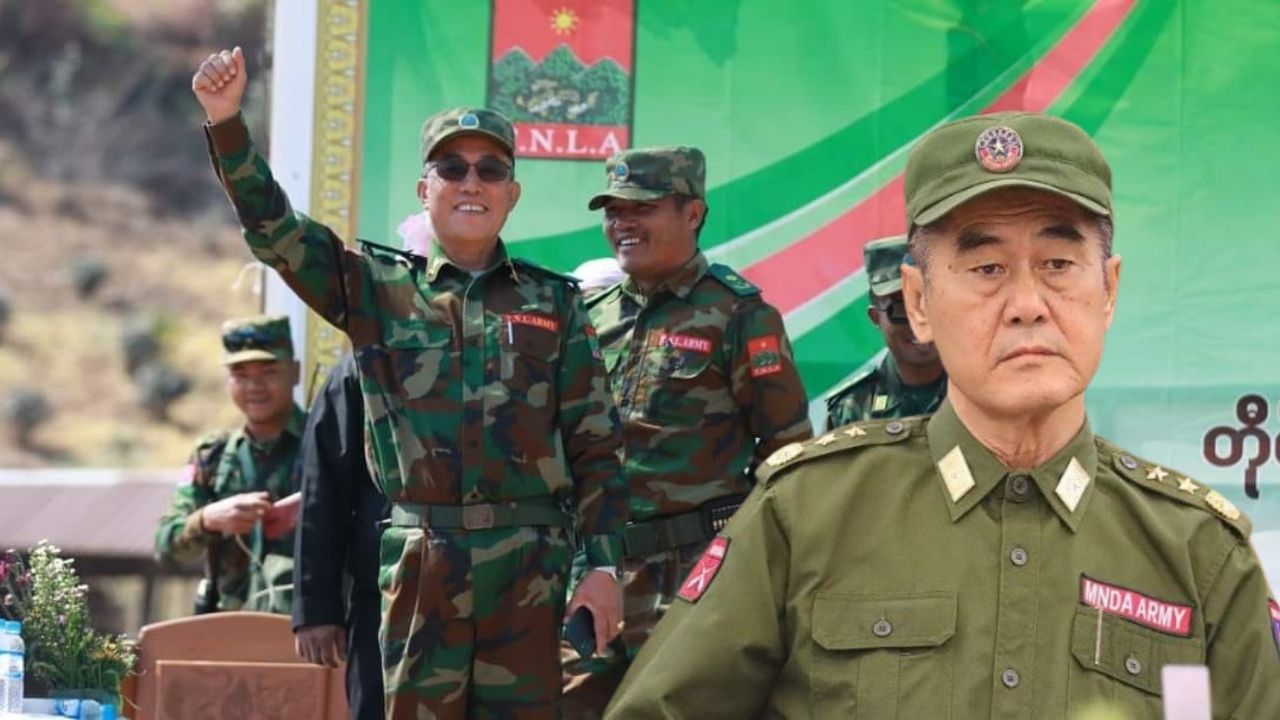
A spokesperson for the Ta'ang Women's Organization (TWO) told CNI News that while leaders from the Ta'ang National Liberation Army (TNLA) offered to negotiate, the Myanmar National Democratic Alliance Army (MNDAA) refused to meet.
She stated that an answer will likely only emerge if the leaders of the respective forces speak with one another at this time.
She said, "Leaders from the TNLA side reached out to negotiate with the military leaders on the other side. However, the leaders from the other side refused to meet. If they do not agree to negotiate, there are no other ways to find a path forward. I believe that if the leaders speak now, a solution will emerge. Currently, people are trapped in Kutkai and cannot leave yet. It is difficult for food and supplies to enter, and it is equally difficult for people to get out. Even for providing food and rations, the routes are impassable. Since the fighting hasn't ended, various routes in Kutkai are blocked. No one dares to travel—neither drivers nor the public. With the sound of drones and heavy artillery, everyone is in a state of anxiety. That is why they are trapped inside the town and cannot leave. There have also been civilian casualties."
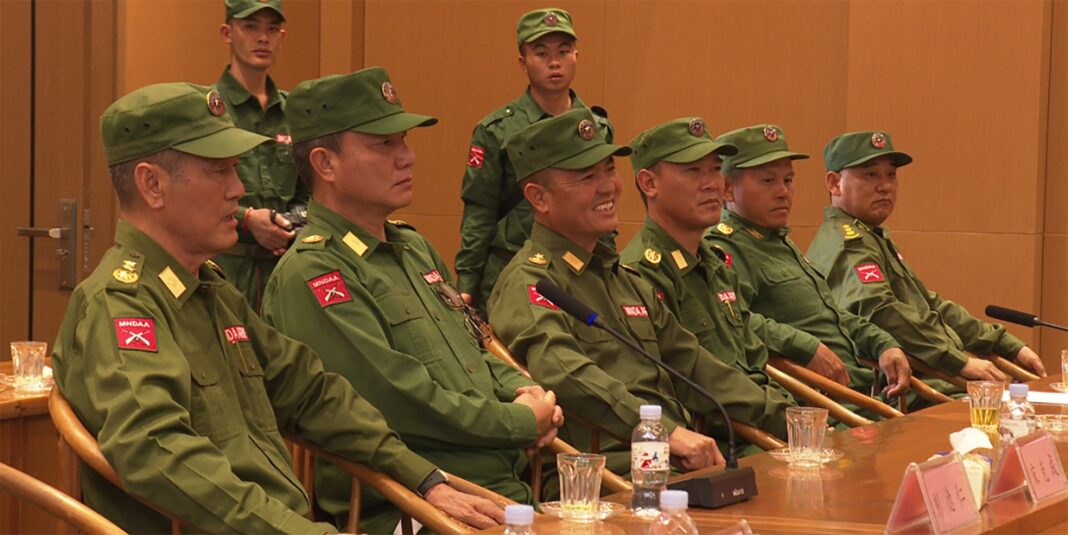
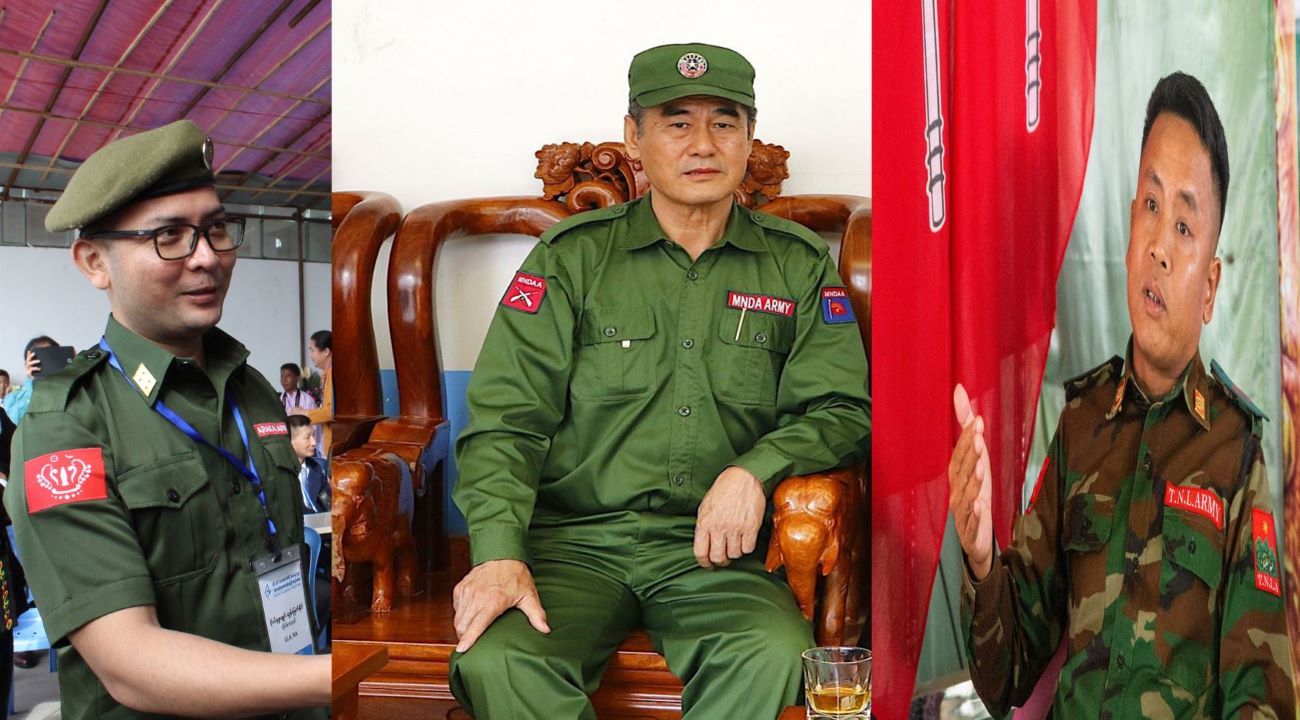
Senior leadership of the MNDAA.
Tensions between the grassroots troops began on February 13, 2026, when TNLA members blocked MNDAA troops from installing CCTV surveillance cameras in Kutkai, northern Shan State. Regarding that incident, the MNDAA released a statement claiming that TNLA members raided and beat personnel at MNDAA administrative offices in Kutkai district on February 13, injuring some Kokang members. They also alleged that the TNLA has been conducting forced recruitment in the region and claimed that they reached out five times to resolve the recent conflicts, but were rejected.
From these tensions, the situation has escalated to the level of active combat between the TNLA and the MNDAA in the Kutkai township of northern Shan State. Following Operation 1027, the TNLA had controlled Kutkai, but it is reported that intense fighting broke out after the MNDAA began attacking on the morning of March 14. The MNDAA has been seizing TNLA camps, including those in the town area as well as Namphatka, Kyin San Kyawt, Tarmoenye, and Mong Si.
Dr. Hla Kyaw Zaw, an observer of China-Myanmar affairs, told CNI News that the MNDAA is likely focusing primarily on retaking Kutkai and will probably stop once they have secured the town.
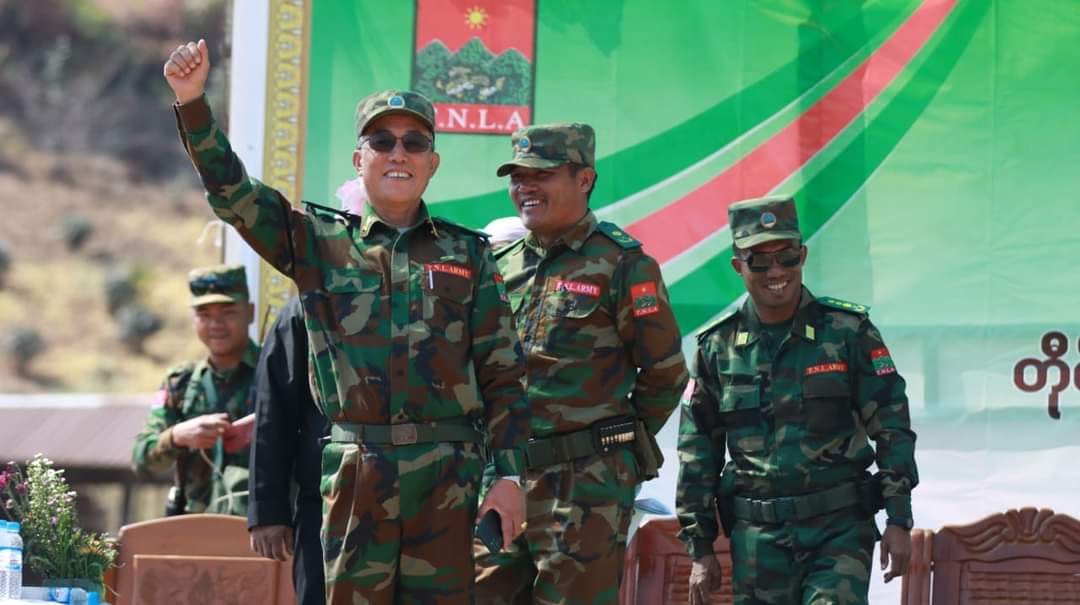
Lieutenant General Tar Jock Jar of the TNLA.
She stated, "I think the MNDAA is focusing solely on getting Kutkai. Once they have it, I think they will stop. I haven't heard the TNLA say they will fight back; they seem to be talking about negotiating instead. They are speaking quite flexibly. So, it looks like they will eventually negotiate among themselves. Another thing I noticed is that a high-ranking Chinese official in charge of Myanmar affairs is currently in Nay Pyi Taw. I believe they will discuss a ceasefire. I don't think it will get too severe based on the TNLA's tone. Also, while the MNDAA is attacking with drones, I haven't heard of their ground troops being fully involved in the assault. Their strategy seems to be strictly focused on retaking Kutkai. The TNLA's strength has decreased significantly; they haven't been able to replenish their forces or finances since their operations. Early on during Operation 1027, it was the MNDAA that reinforced them. Therefore, I don't think this will escalate into a major war. There might be some clashes at the grassroots level, but it won't reach the stage of a full-scale battle."
Although the Kokang Army (MNDAA), the Ta'ang Army (TNLA), and the Arakkha Army (AA) are formed as the Three Brotherhood Alliance, territorial disputes and frequent friction between the MNDAA and TNLA continue to occur in northern Shan State. Currently, local sources report that while the MNDAA has taken positions at TNLA camp sites in Kutkai, the town remains silent with no pedestrians, and residents are trapped inside, unable to leave.
- By CNI
- Category: English Section
- Hits: 264
CNI News
March 17, 2026
Dr. Nyo Nyo Thinn, founder of the Yangon Watch group, told CNI News that the role of the military becomes elevated when a country’s powerful neighbor is not a democracy.
She stated that the military likely perceives a civilian government as being unable to protect national sovereignty when faced with threats from a highly populated country. Consequently, the military’s role is considered significant.
Dr. Nyo Nyo Thinn said, “Therefore, there are countries that believe the military's role must be higher than that of a civilian government. Our country is among them. Specifically, there is a powerful neighboring country that is not democratic. When such a large neighbor is not a democracy, the military’s role increases. Furthermore, that country poses a major threat to our national security. When bordering countries with high population densities threaten security, our situation may shift toward prioritizing security and the perpetuation of sovereignty. This is currently the case. In such circumstances, it is difficult to place the military under the control of a civilian government.”
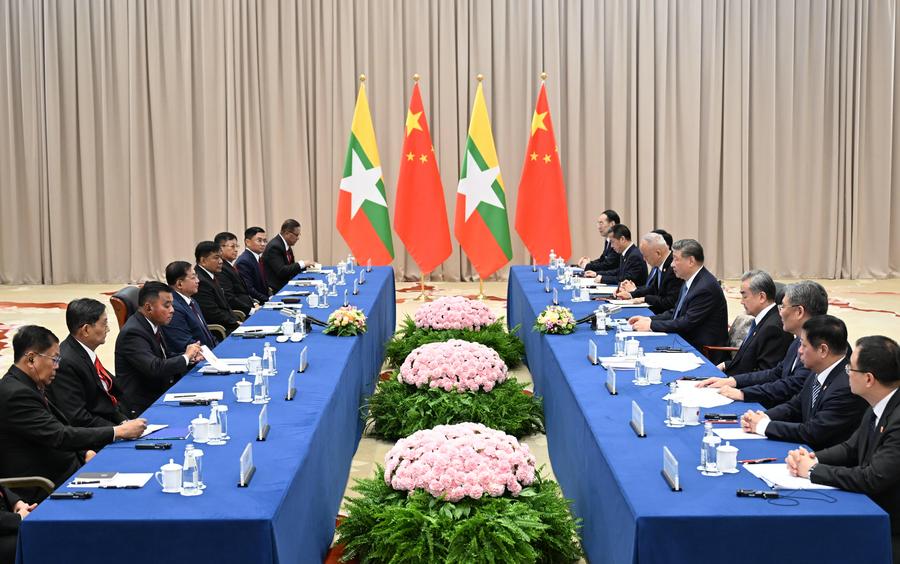
Senior General Min Aung Hlaing and Chinese President Xi Jinping seen together.
Military and political analysts point out that while democratic standards dictate that a nation’s military should be under civilian rule, these standards are not always met, depending on the democratic reforms of various countries worldwide.
Currently, the Myanmar military has been governing the country for five years after ousting the NLD government in 2021 for attempting to form a government without resolving disputes over voter lists. Following the political changes in 2021, armed organizations have multiplied, and armed conflicts have become larger and more widespread.
U Li Paw Reh, Chairman of the Lisu National Development Party (Dulei Party), told CNI News that if internal peace is achieved, the military’s role will automatically decrease.
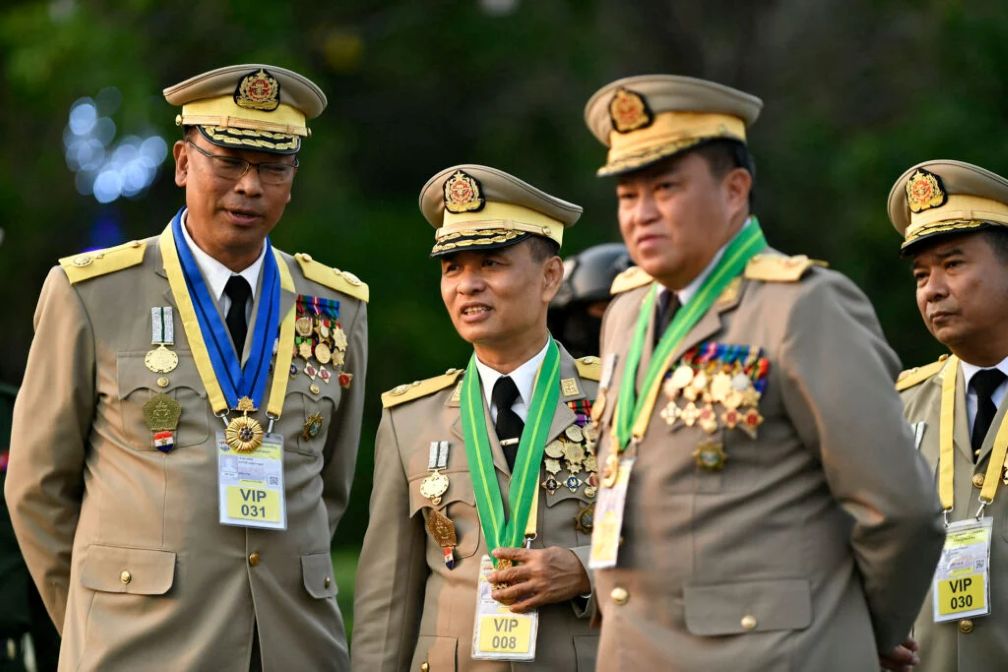
Senior military officials seen
He stated, “The main thing is that if there is internal peace and ethnic armed organizations no longer exist—if things become peaceful—the military’s role will decline. However, if the military’s role were reduced right now, they would still have to be used for national peace and security. Therefore, the primary issue is that national peace is number one. To achieve national peace, it is necessary for current military leaders, administrative leaders, and all ethnic armed organizations to work with a clear vision for the development of the country.”
In cases where a nation’s history, human resources, and practical political conditions must be considered, there are countries where the military is not at all under the control of a civilian government.
These include Pakistan, Thailand, Egypt, and some African nations such as Mali, Guinea, and Burkina Faso. North Korea is slightly different; while the military is under the leadership of the Party and its leader, it serves as the lifeblood of the state, and all national resources are prioritized for the military.
- By CNI
- Category: English Section
- Hits: 437
CNI News
17 March 2026
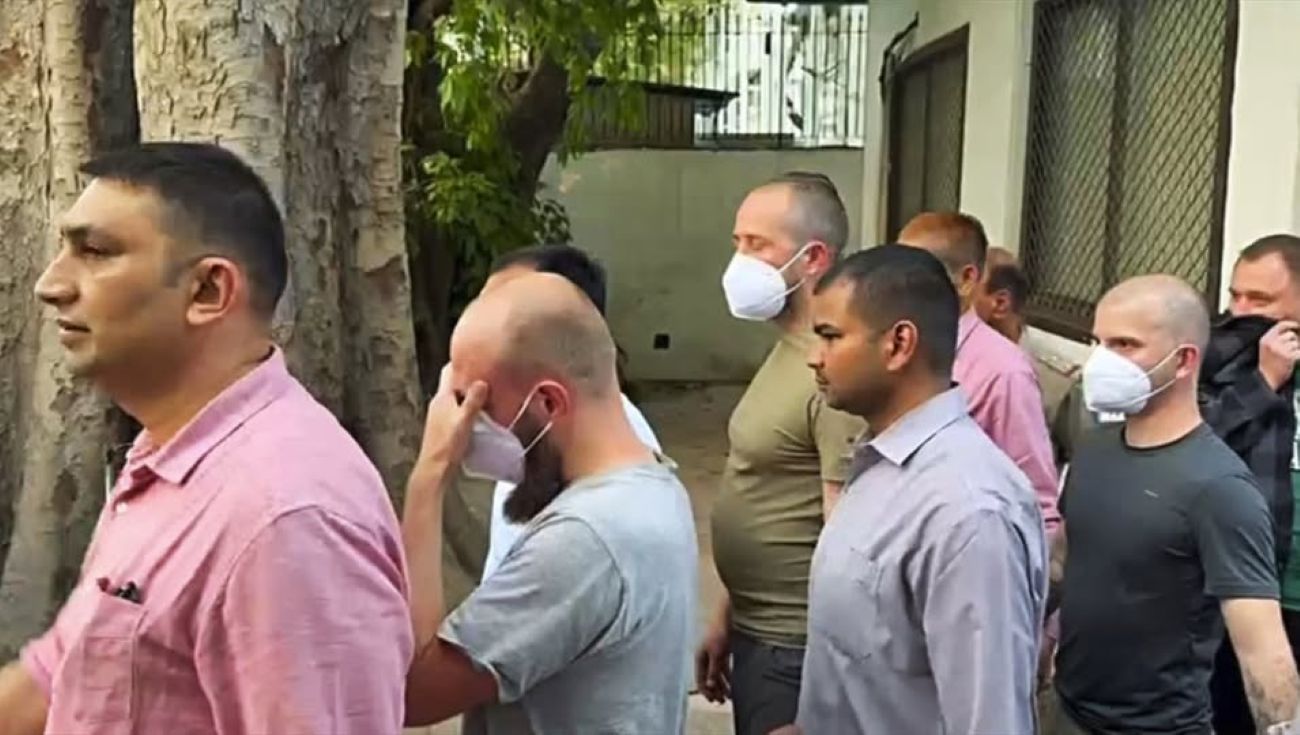
The National Investigation Agency (NIA) of India has arrested seven foreigners who allegedly met with Myanmar-based armed groups that oppose India and supplied them with drones.
The detainees include six Ukrainian nationals and one American national. They were apprehended at airports in Delhi, Kolkata, and Lucknow.
According to reports, although these individuals entered India on valid visas, they traveled to the restricted state of Mizoram without the required permits. From there, they crossed into Myanmar to establish contact with armed groups acting against India and arranged the delivery of drones imported from Europe.
The NIA has detained the seven foreigners on charges of conspiring to carry out terrorist attacks against India.
A criminal court in Delhi has ordered them to be held in custody until March 27 while further investigations continue, as reported by the Indian Express.
The reports did not specify exactly which Myanmar-based armed groups were receiving the drones. Currently, several groups are active along the India-Myanmar border, including the Chin National Front (CNF), Arakan Army (AA), Chin PDF, Kuki National Army (KNA), Naga armed groups, Meitei (Kathey) armed groups, Zomi Revolutionary Army (ZRA), PDFs under the NUG, and the Kachin Independence Army (KIA).
- By CNI
- Category: English Section
- Hits: 400
CNI News
March 16, 2026
Today (March 16), during the first day of the first regular session of the third Pyithu Hluttaw, U Khin Yi was elected as the Speaker of the Pyithu Hluttaw.
U Khin Yi contested and won his seat as a Pyithu Hluttaw representative for the Zeyarthiri constituency in the 2025 General Election.
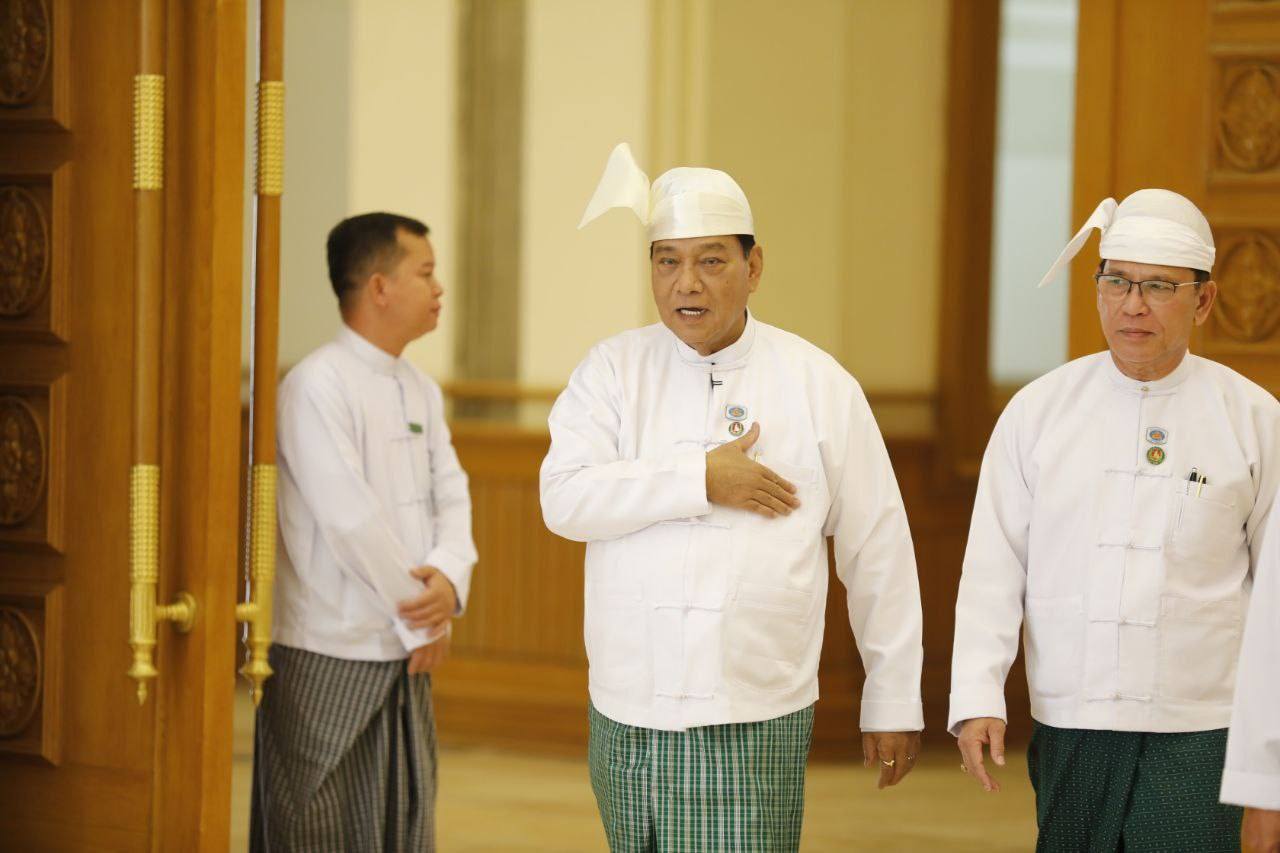
He also serves as the Chairman of the Union Solidarity and Development Party (USDP).
The election for the Deputy Speaker of the Pyithu Hluttaw is currently ongoing.

- By CNI
- Category: English Section
- Hits: 258
CNI News
14 March 2026
Self-administration is an inherent part of a federal system, but in Myanmar some individuals still view federalism and self-administration as separate concepts, a political analyst told CNI News. According to the analyst, if federalism is properly understood, there would be no reason to deny self-administration.
He said, “In reality, self-administration is one of the components of a federal system. However, some people interpret self-administration and self-governance as something separate. In fact, federalism already includes self-administration. Self-administration or self-determination means that people in a region hold their own elections and the government that emerges in their state governs them. The central government should not interfere with that regional government. The federal government cannot change the chief minister, the administrator, or the government of that region. The region governs itself. Of course, it remains part of the country, but it is governed according to the decisions and the mandate of the people in that region. That is an important component of federalism. If this is understood, there is no reason to deny it.”
However, he added that Myanmar’s 2008 Constitution does not align with the essence of a federal system. Therefore, solutions should be approached by aligning the framework of the 2008 Constitution with principles closer to those of federalism.
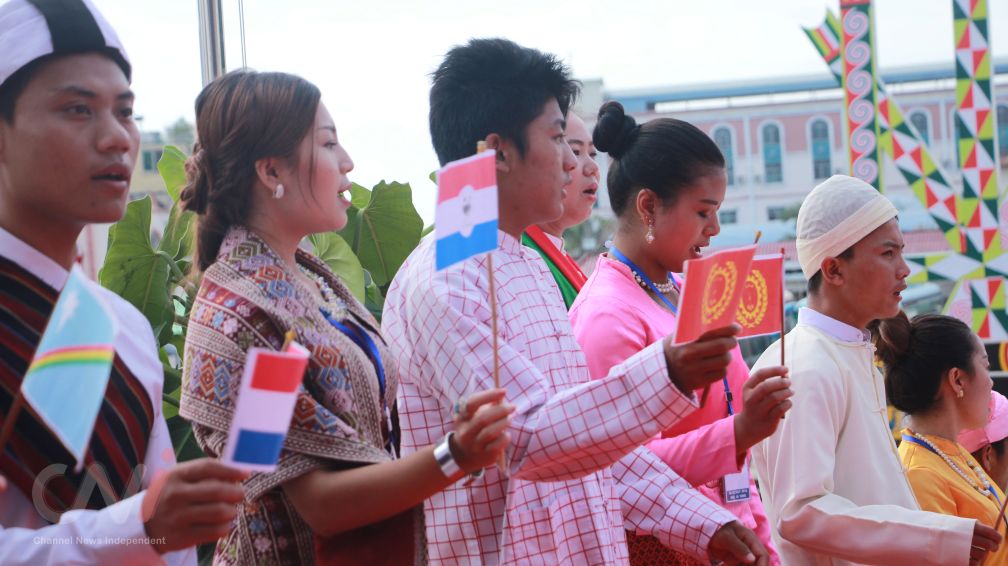
Ethnic groups of diverse backgrounds
Another political analyst said, “Under the 2008 Constitution, the situation is different. Elections are held in the states at the same time as the national elections. After the elections and the formation of parliaments, the president from the central government appoints the chief ministers of the states. In addition, military representatives still occupy one-quarter of the seats in the legislatures. The chief ministers are nominated by the president. This does not conform to the essence of federalism. Not only that, it also contradicts the self-administration that ethnic groups are demanding. These issues need to be addressed by approaching the framework of the 2008 Constitution with ideas that are closer to the principles of federalism.”
Military and political observers have also pointed out the need to clearly understand the essence of both federalism and democracy, whether it is called a “federal democracy” or a “democratic federal union.”
They noted that transitioning to a federal system would require either amending the 2008 Constitution or drafting a new constitution.
Observers also recommended opening political dialogue in order to end ethnic armed conflicts and establish a federal union.
Dr. Nyo Nyo Thin, founder of the Yangon Watch group, told CNI News that what is most important is the genuine willingness of all armed groups, including the Myanmar military, to provide real peace.
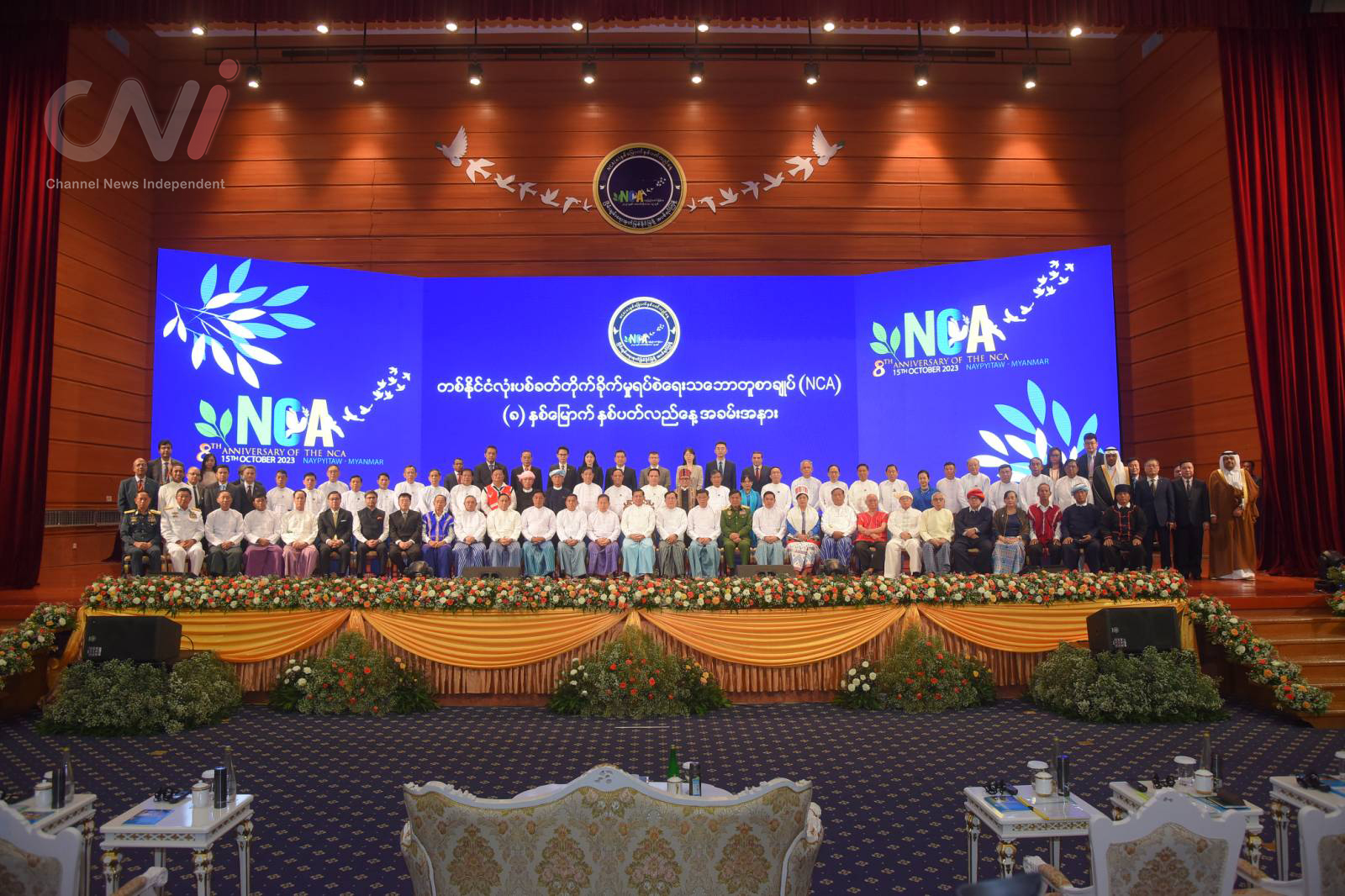
Government, Tatmadaw, and armed group leaders seen together
She said, “Once talks begin, discussions can address what kind of federal system is desired and what type of autonomy is being sought. Under the 2008 Constitution, some things can be granted while others cannot. Even if certain things cannot be granted directly, opportunities can still be created through other mechanisms. These are matters that can be addressed through peace dialogue platforms. There is nothing that cannot be discussed. What matters most is that all armed organizations, including the Myanmar military, genuinely have the goodwill to deliver real peace for the future union and for the next generation.”
Political analysts also noted that devolving power to the states is a key factor in achieving peace. They argued that since the current 2008 Constitution is based on military dominance, a new constitution is necessary for a genuine federal democracy.
In shaping Myanmar’s future, ethnic armed organizations and non-Bamar ethnic forces have expressed a desire to establish a federal democratic union, while the Myanmar military, the NLD, and the USDP have expressed support for building a democratic federal union.
However, the Nationwide Ceasefire Agreement (NCA) states that a union based on democracy and federalism should be built in accordance with the outcomes of political dialogue.
Senior General Min Aung Hlaing also previously stated, in a message sent to the ceremony marking the 75th Kachin State Day on January 10, 2023, that under a union system based on democracy and federalism, states and regions would be granted self-determination rights under the constitution.
- By CNI
- Category: English Section
- Hits: 255
CNI News
14 March 2026
Political observers and business owners are currently analyzing how a new government should act to improve individual incomes and job opportunities for every citizen in Myanmar.
Sai Htay Aung, Chairman of the Tai-Leng (Shanni) Nationalities Development Party (TNDP), told CNI News that the incoming government needs to create jobs through companies and private enterprises. He emphasized that the government should set a minimum wage that is proportionate to current commodity prices.
He stated: "I believe the government must create opportunities for every citizen to work while simultaneously pursuing peace. Once a government is established, foreign investment will flow in, and we need to invite a lot of it. The government needs to create many jobs through companies and private sectors so citizens can find employment. If the people have the right to work, their hardships will ease.
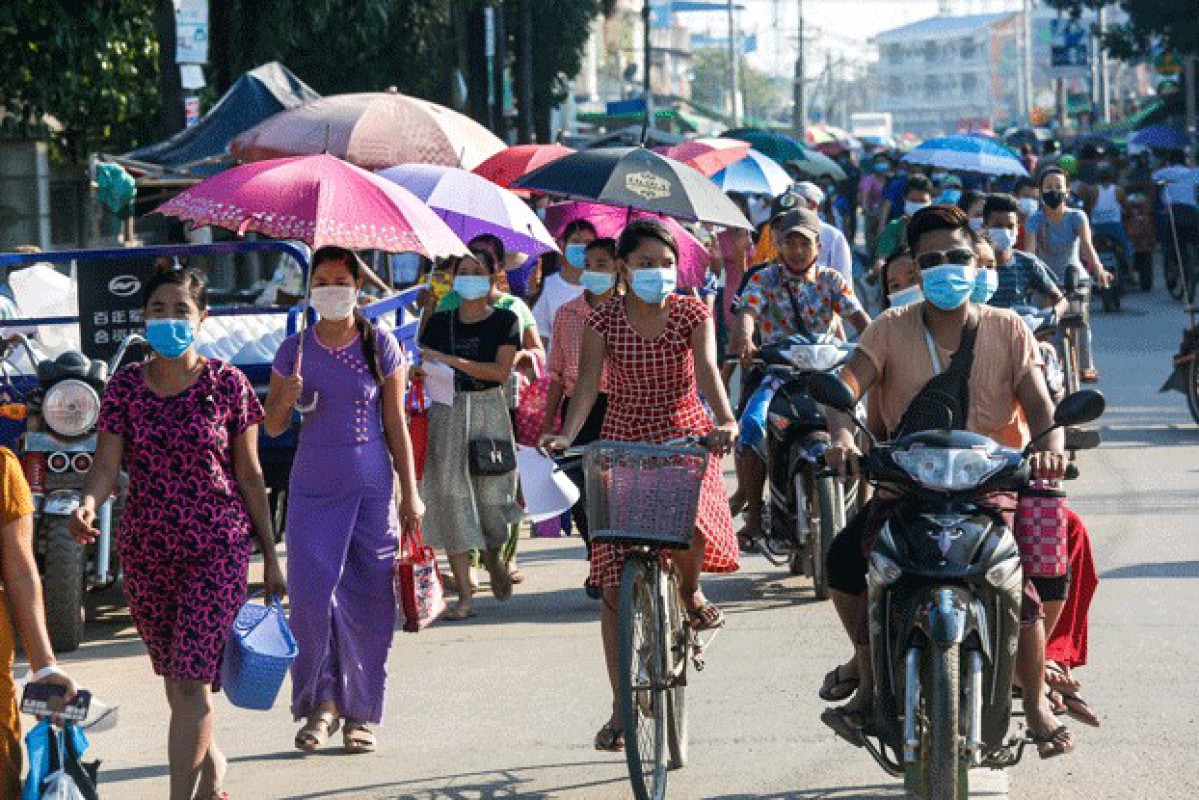
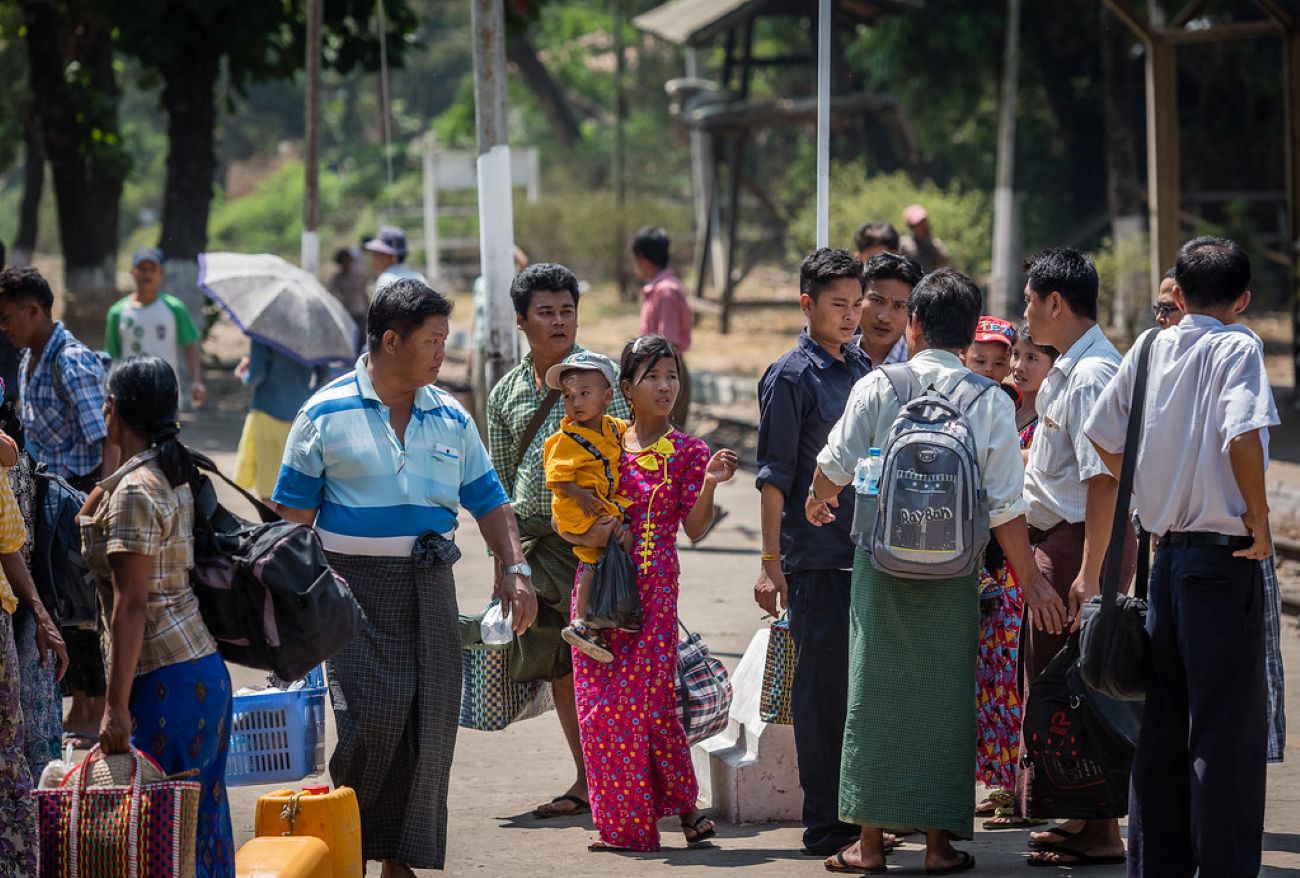
Members of the grassroots class in Myanmar
Currently, the government-set minimum wage is 6,800 Kyats, which isn't even enough to cover food costs today. The government must set a wage that matches the cost of living. In this current era, a daily wage should be at least 15,000 Kyats for a person to reach a level of food sufficiency, and there should be rates higher than that as well. We must control inflation while creating job opportunities. If jobs are plentiful, the public economy will improve. Right now, many people want to work but lack the opportunity, leading them to go abroad. Without domestic jobs, people have reached a stage where they have no income. If every citizen has the chance to work, I believe the national economy will improve."
On March 10, 2026, Senior General Min Aung Hlaing spoke at a review meeting regarding national development efforts between 2021 and 2025. He stated that individual incomes—and subsequently national income—will only increase if every citizen actively works.
He said: "If we continue business as usual without striving to promote operations, the goal of poverty reduction cannot be achieved. Individual incomes will only rise, leading to a rise in national income, if every citizen actually works. Having agriculture and livestock businesses that match the local population will ensure local food sufficiency and keep basic food prices at a reasonable level."
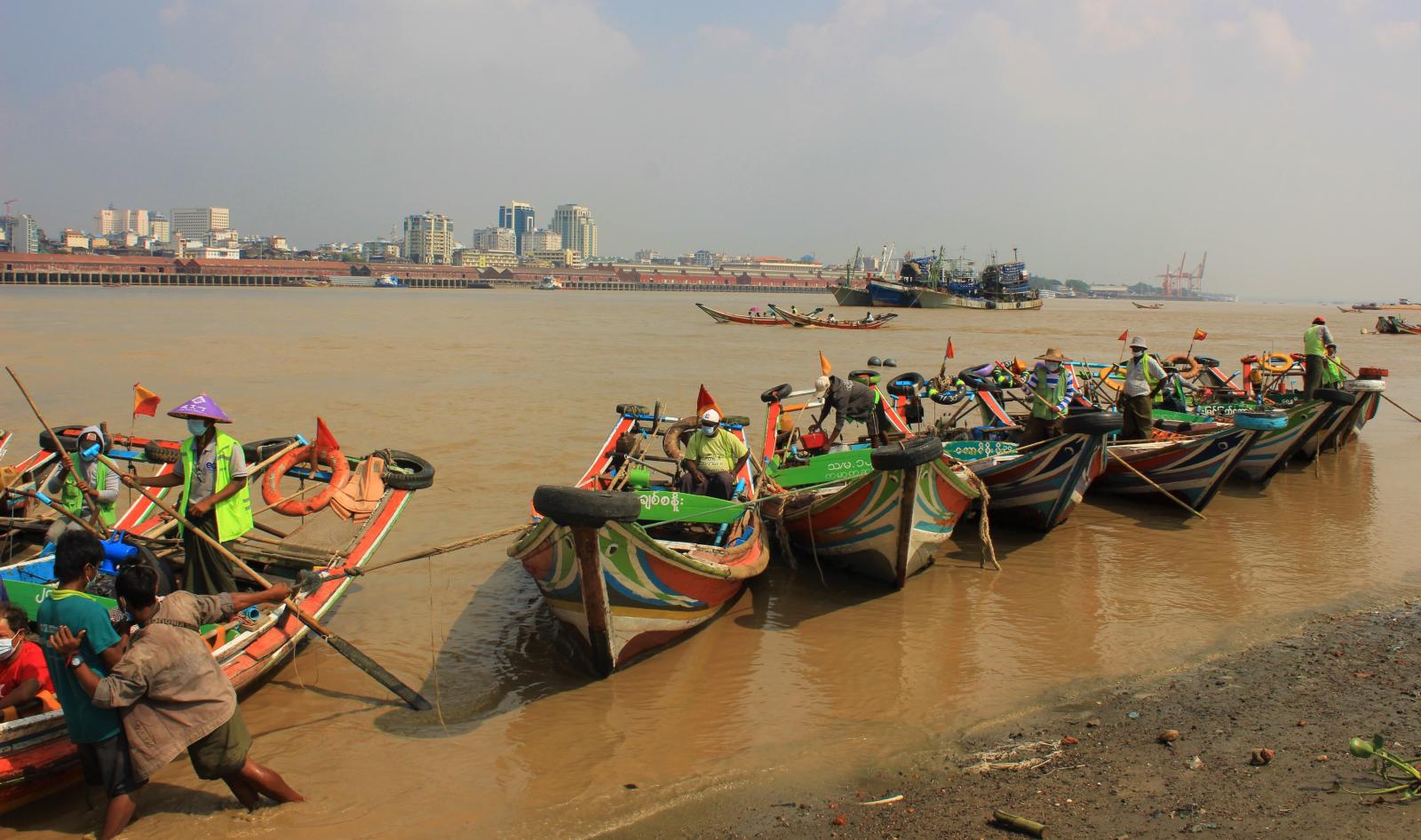
People working for their livelihood by driving motor-boats
Business owner U Aung Pyae Sone told CNI News that a new government must prioritize two factors: increasing public income and expanding job opportunities. He noted that human resources have become scarcer than before and that issues like poor transportation and energy insufficiency must be addressed.
He stated: "When a government takes office, the first two things they must do are increase citizen income and expand job opportunities. Compared to other countries, we have many weaknesses. The main one is human resources; many youth capable of working have gone abroad. We need to first solve the issues of poor transportation and the lack of electricity. Only after solving these can we find new job opportunities.
Rather than just domestic job creation, the government needs to try harder to bring in Foreign Direct Investment (FDI). Once that is done and labor is recruited, people will get both jobs and income. This is the only way the economy will become manageable for the grassroots class."
Military and political observers pointed out that while a new government needs to consistently work on the peace process, it must also strive for economic stability. They suggested that a new administration might offer peace invitations while attempting to revitalize the economy.
However, everyone emphasized that economic and peace policies must be correct and upright, and current policies need to be thoroughly reviewed.
Page 26 of 352
Connect with us