
CNI News
4 February 2026
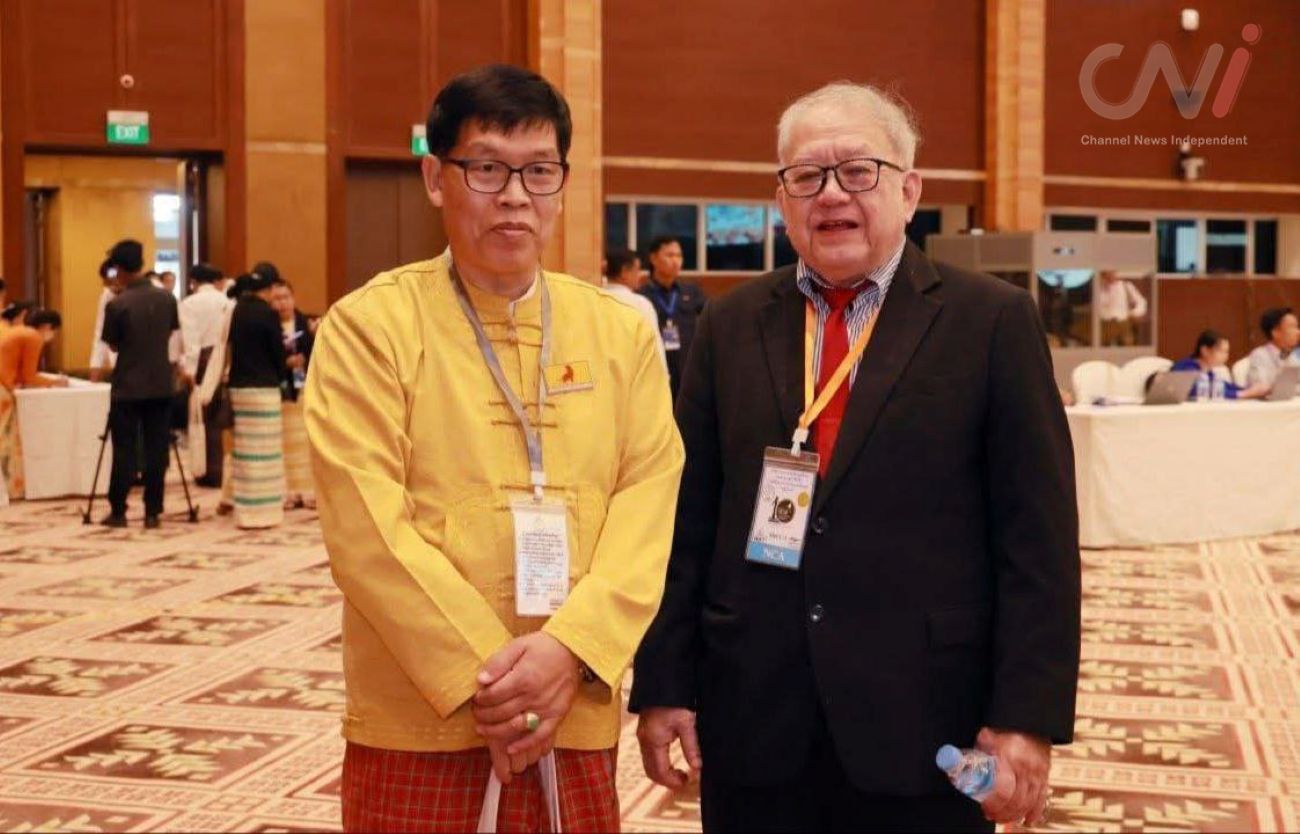
Sai Htay Aung, Chairman of the Tai-Leng (Shanni) Nationalities Development Party (TNDP), told CNI News that armed organizations must be brought under legal regulation by any means necessary. He emphasized that every time a new armed group emerges, it adds another burden to the people, and his party is committed to transitioning from the dominance of armed groups to a rule-of-law system.
Sai Htay Aung highlighted the historical and current struggles of the Shanni people:
Long-term Oppression: The Shanni people have lived under the oppression of the KIA for over 60 years.
Proliferation of Armed Groups: In the current political shift, various armed groups have emerged within Shanni regions, often with the intent to fight back.
Resource Exploitation: Despite the Shanni region being rich in natural resources, locals do not benefit. Armed groups extract these resources for their own interests.
"To speak of 'law' when armed groups are dominant might make some people call me a fool today," Sai Htay Aung remarked. "But I will try my best to make it happen so that our people can live peacefully under legal protection."
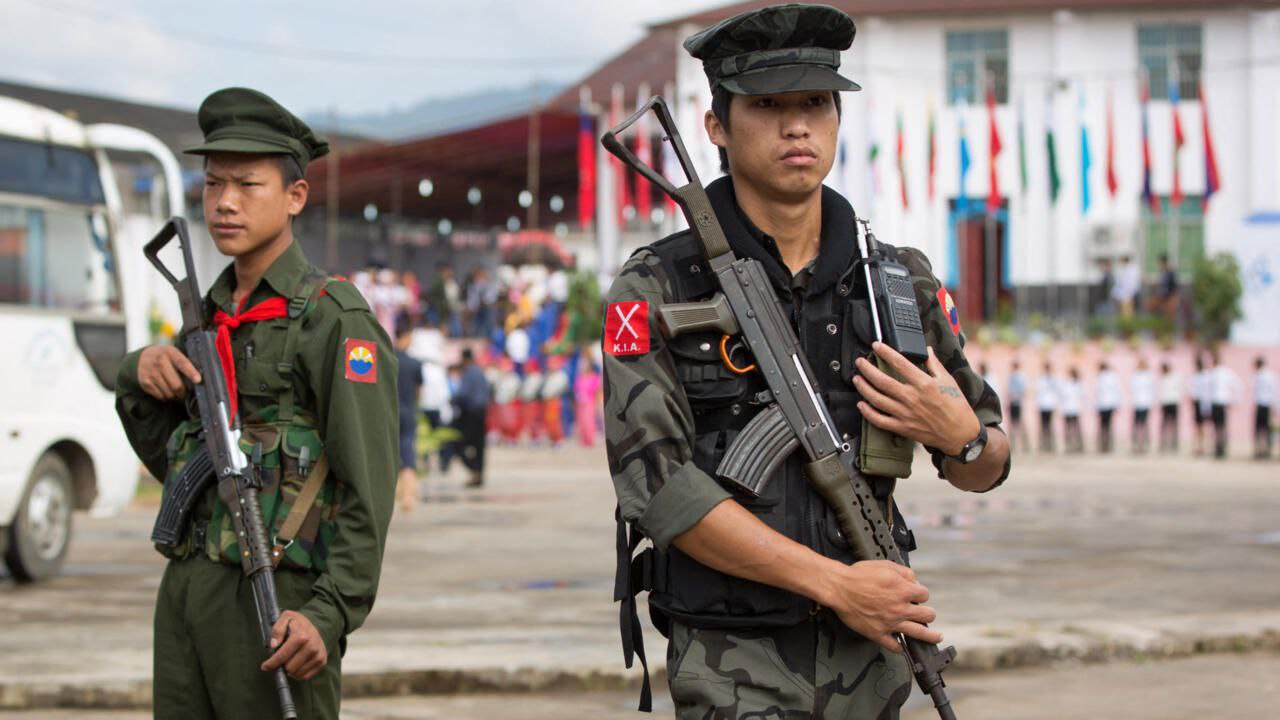
A leader of the KIA.
The Current Military Landscape
The KIA is currently providing military training, ammunition, and sanctuary to Spring Revolution forces, while also participating in joint operations in Sagaing Region and Kachin State. Sources close to the situation report that the KIA headquarters currently hosts a coalition of groups, including the AA, Naga armed groups (ENDA/ENNO), NUG, NUCC, CNF, ABSDF, and various PDFs.
The conflict between the Myanmar military (Tatmadaw) and these armed forces has intensified across the country, resulting in over 3 million internally displaced persons (IDPs).
The Role of the New Parliament (Hluttaw) Colonel Khun Okkar, Chairman of the Pa-O National Liberation Organization (PNLO-NCA/S), noted that significant changes regarding armed conflict are unlikely within the first six months of the new parliament.
Legislative Process: The new parliament must first enact policies and laws to address the current situation.
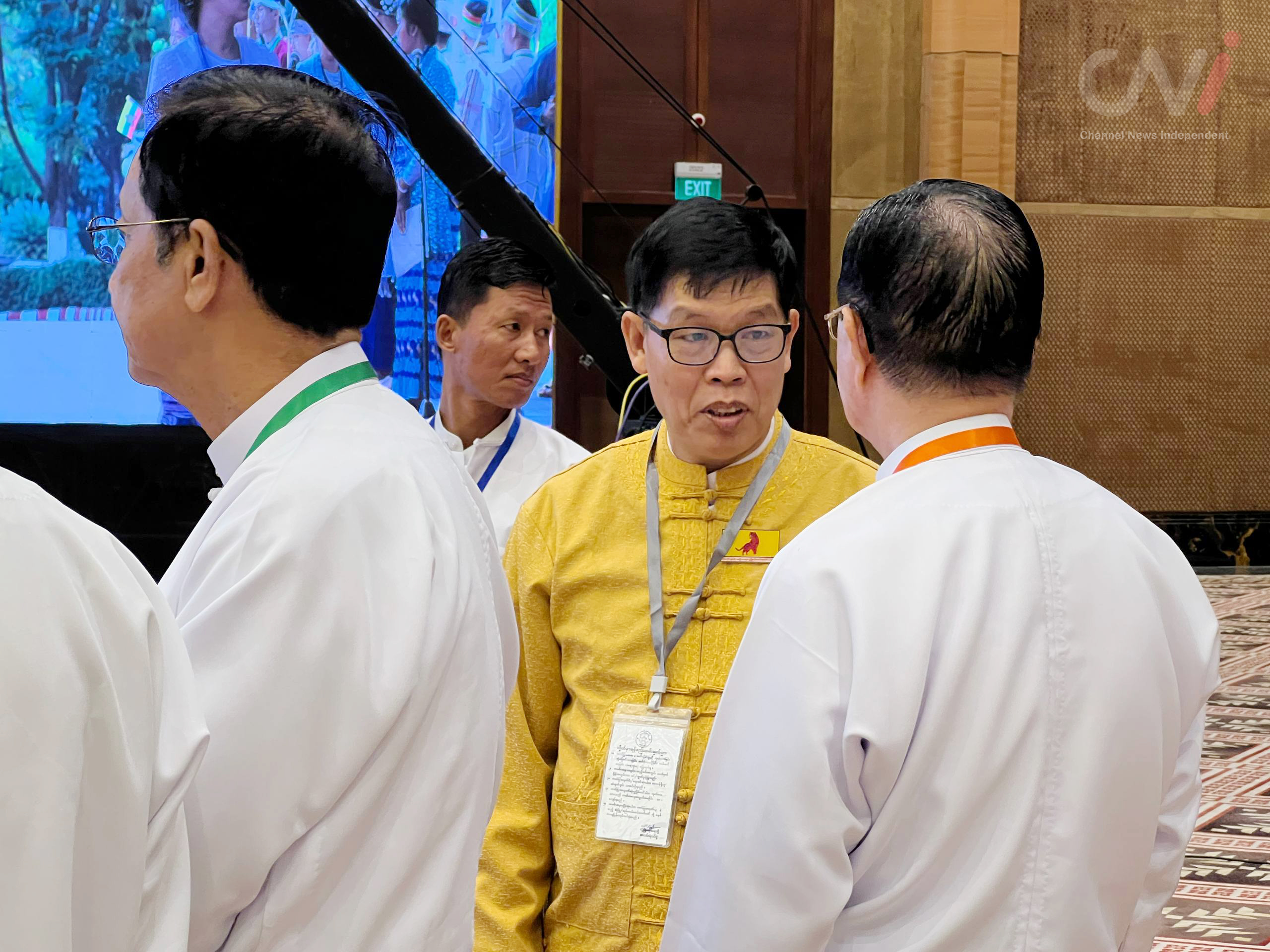
Sai Htay Aung, Chairman of TNDP.
Timeline for 2026: The first half of 2026 will likely focus on forming the government, electing a president, and reviewing existing laws (repealing unnecessary ones and enacting new ones).
Second Half Prospects: By the second half of the year, the government may begin inviting fighting groups and those abroad back into the political fold.
International Impact: Sanctions may only be reconsidered by the international community once the government and parliament demonstrate clear legal reforms and de-escalation.
Looking Ahead Following the completion of the three-part general election on January 25, 2026, both observers and the public are closely watching how the political and military landscape will shift under a new government.
Senior General Min Aung Hlaing has stated that the Hluttaw will be convened in March, followed by the formation of a new government in April.