
English Edition
- By CNI
- Category: English Section
- Hits: 380
CNI News
21 January 2026
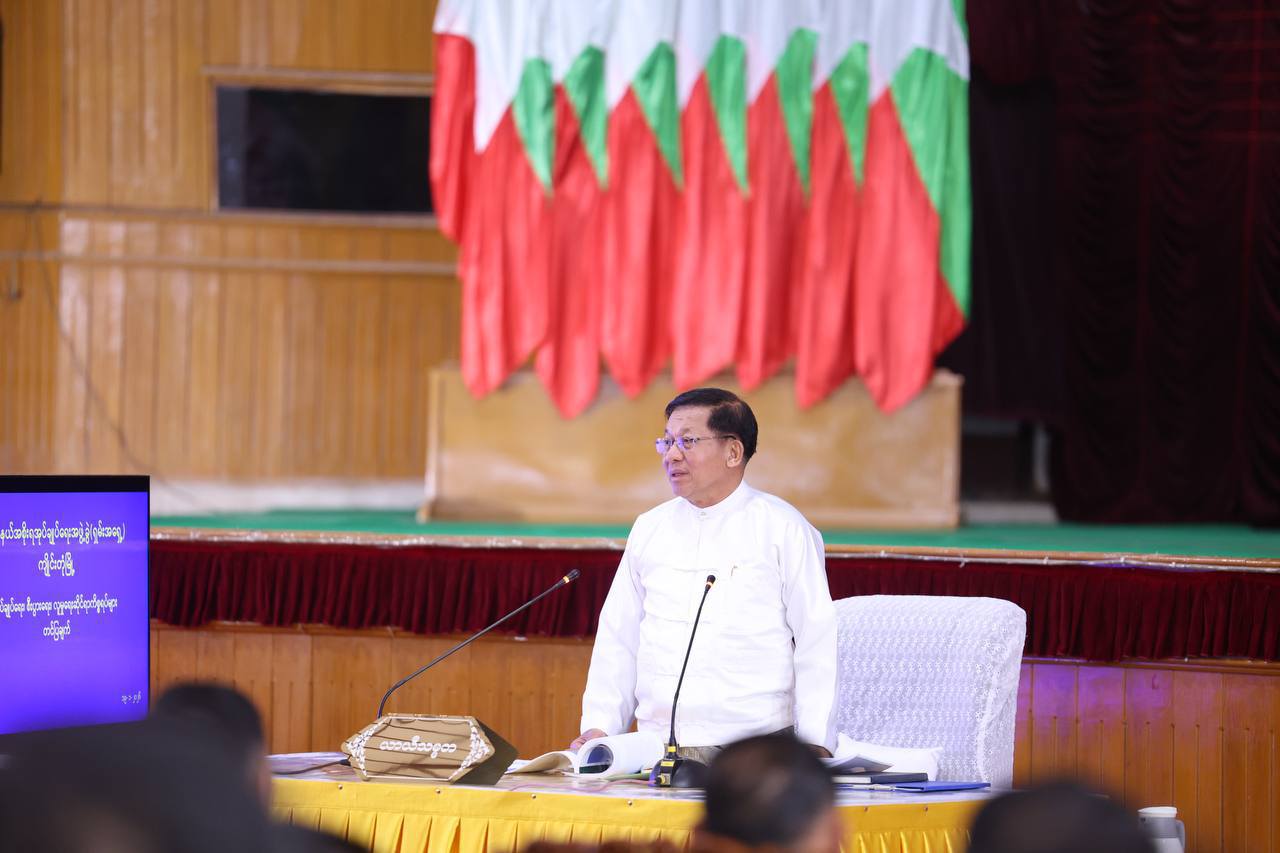
There is significant public interest and questioning regarding how Senior General Min Aung Hlaing would maintain control over the Tatmadaw (military) if he were to assume the presidency in the upcoming new government.
In the post-election political landscape, Senior General Min Aung Hlaing likely harbors ambitions to become the official President. At the same time, he may create a framework that allows him to continue exercising power over the military, according to Colonel Khun Okkar, Chairman of the Pa-O National Liberation Organization (PNLO-NCA/S), an ethnic armed group signatory to the Nationwide Ceasefire Agreement.
Speaking to CNI News, Colonel Khun Okkar said, "I believe he has the ambition to become President. Therefore, he will likely take the presidency while simultaneously designing a model that allows him to maintain administrative authority over the military. Analysts suggest he will definitely take the presidency but will also manage to mitigate any 'side effects' [of leaving the military]. This could be called a new political landscape. While he is expected to officially become President, there are concerns that this might distance him from the military. However, this could be resolved by amending the 2008 Constitution to allow one person to hold both positions. We must watch whether the first task of the Parliament(Hluttaw) that emerges in March will be to amend crucial sections of the Constitution. If they do, this scenario could indeed materialize."
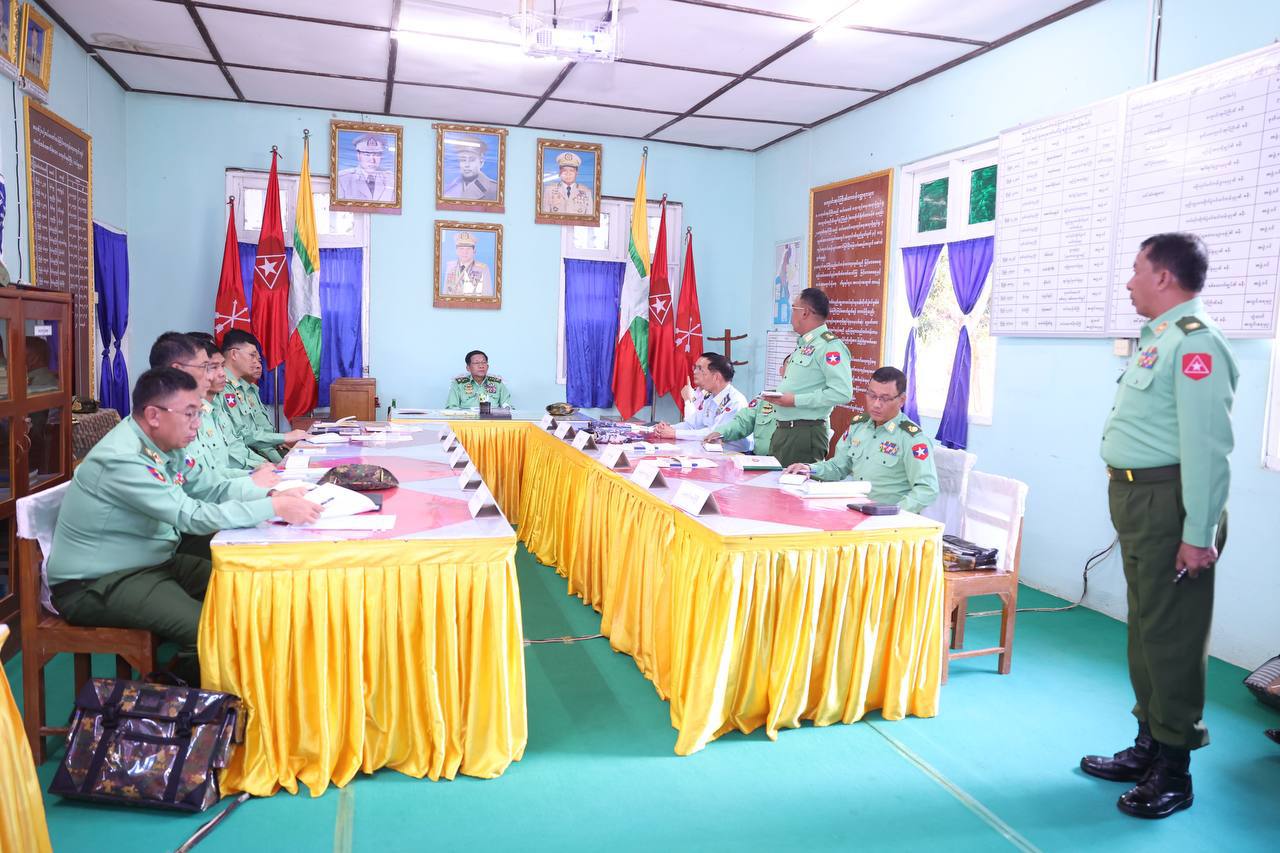
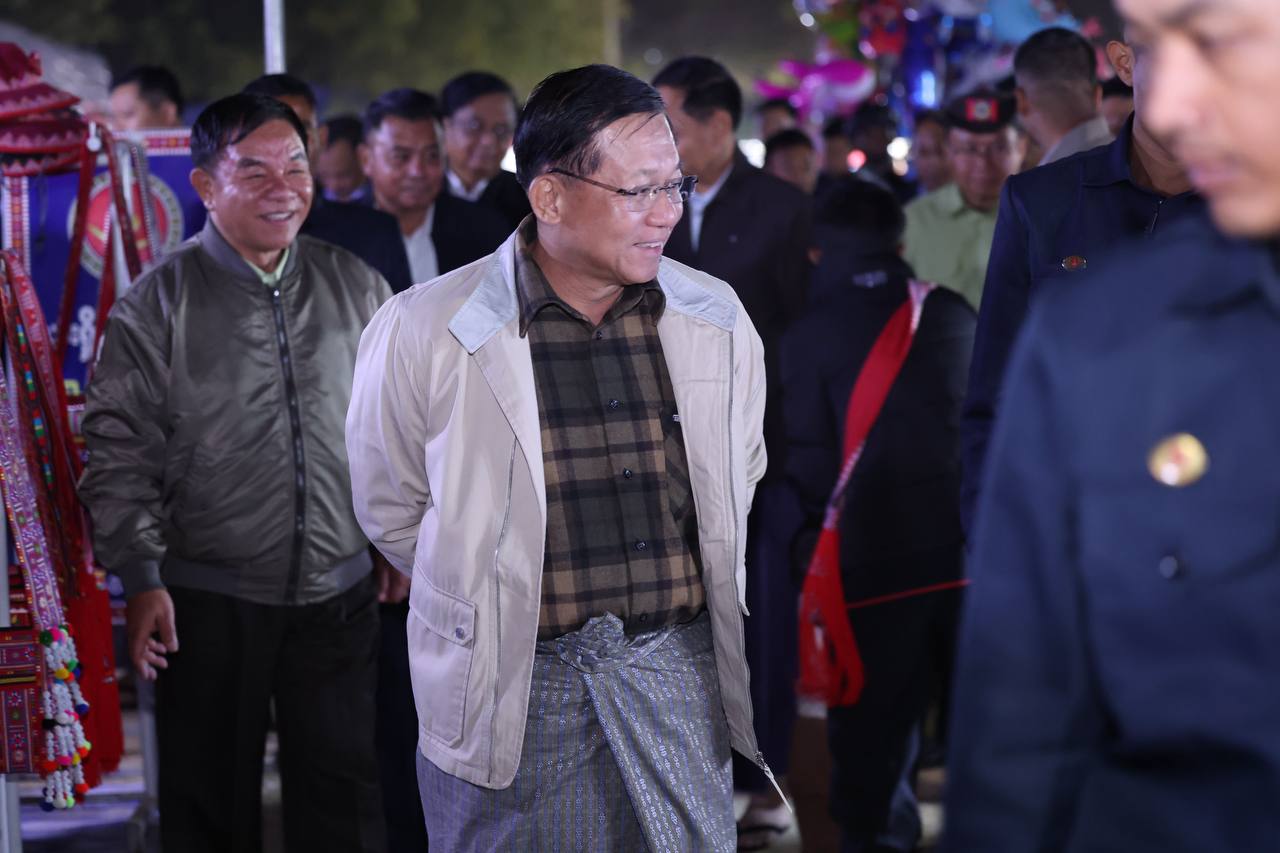
Senior General Min Aung Hlaing
Colonel Khun Okkar further suggested that a proposal to amend the Constitution regarding these matters could emerge as soon as the Parliament is formed.
"I assume that as a President officially elected and confirmed by Parliament, he would proceed decisively through official channels. However, the current 2008 Constitution contains points that could distance a President from the military. They could amend this (so the President is also the Commander-in-Chief). For example, the U.S. President is also the Commander-in-Chief. Similarly, in federal countries, the President's authority controls the military—that is the American model. If Parliament enacts such a provision first, it would become applicable. It’s hard to predict, but under the current Constitution, it is not easy to control both positions. If amended, it becomes easy. Therefore, we believe a constitutional amendment proposal could be tabled immediately after Parliament convenes," he added.
Currently, Senior General Min Aung Hlaing holds the positions of Acting President, Chairman of the State Security and Peace Commission, and Commander-in-Chief of the Defense Services. Consequently, domestic and international observers anticipate he may take the presidency following the 2025 general election.
Military and political analysts point out that if he accepts the presidency, he would technically need to retire from his current post and transfer the role of Commander-in-Chief to a trusted successor. To maintain control over the military, he might then utilize the 2008 Constitution or establish a committee/commission through the National Defence and Security Council (NDSC).
Dr. Nyo Nyo Thinn, founder of Yangon Watch, told CNI News that she does not believe Senior General Min Aung Hlaing becoming President would significantly impact the country's trajectory, noting that the Constitution is not set in stone and can be amended at any time.
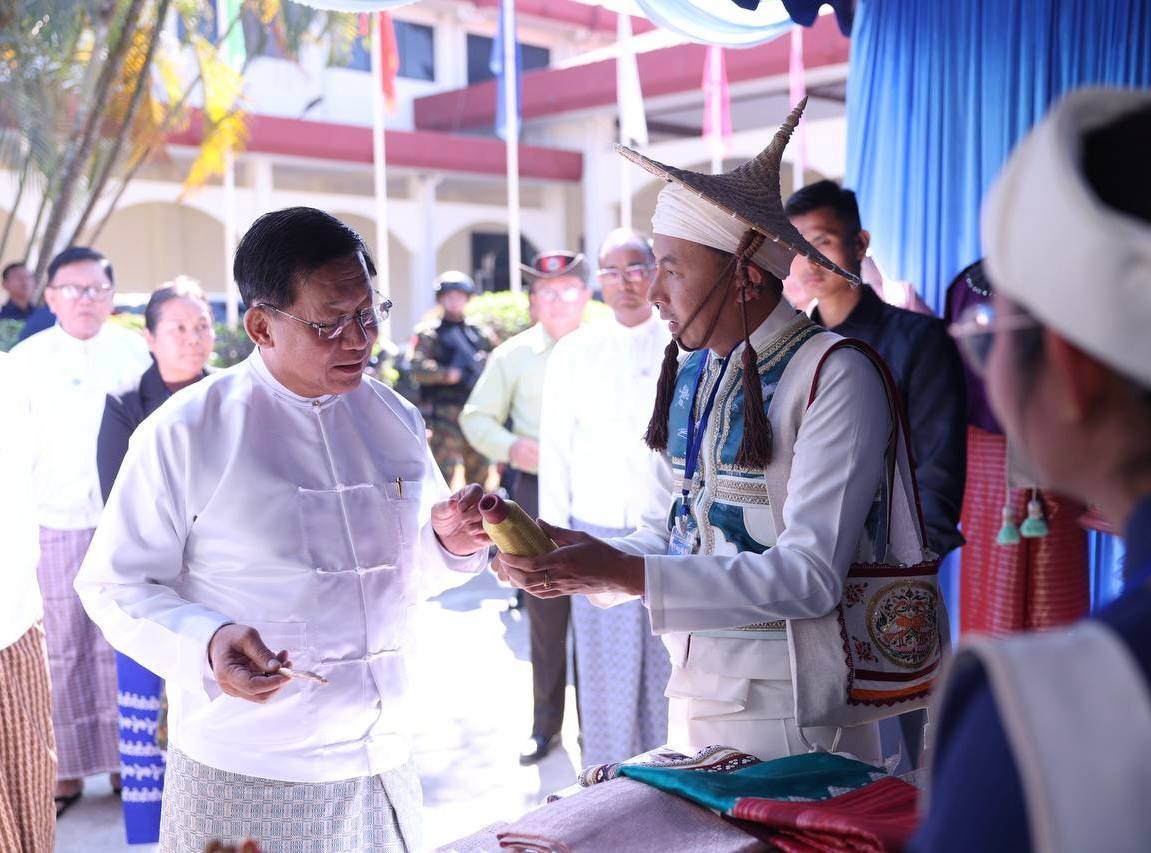
Senior General Min Aung Hlaing
"In my personal view, whether Senior General Min Aung Hlaing becomes President or not won't bring about extraordinary changes for the country. He already has the opportunity to be President if he wants to. If he chooses not to take the presidency, it would clearly indicate his confidence that he can control the incoming government nearly 100 percent anyway. Constitutional obstacles are man-made and can be easily overcome by those who created them. Since laws are written by people, people can change them at any time. Even without a full amendment, every law has a 'loophole.' He can use these exits to achieve his goals. If he wants to, he can create a situation where he controls both positions," she said.
Senior General Min Aung Hlaing has previously stated that state power will be transferred to the government that emerges after the election and that the Tatmadaw will return to its primary duty of national defense.
Therefore, military and political analysts say it remains to be seen whether the Senior General will refrain from the presidency and appoint someone else while acting as an "overseer" of the government from his military post, or if he will take the presidency himself and continue to direct the military.
- By CNI
- Category: English Section
- Hits: 225
CNI News
21 January 2026
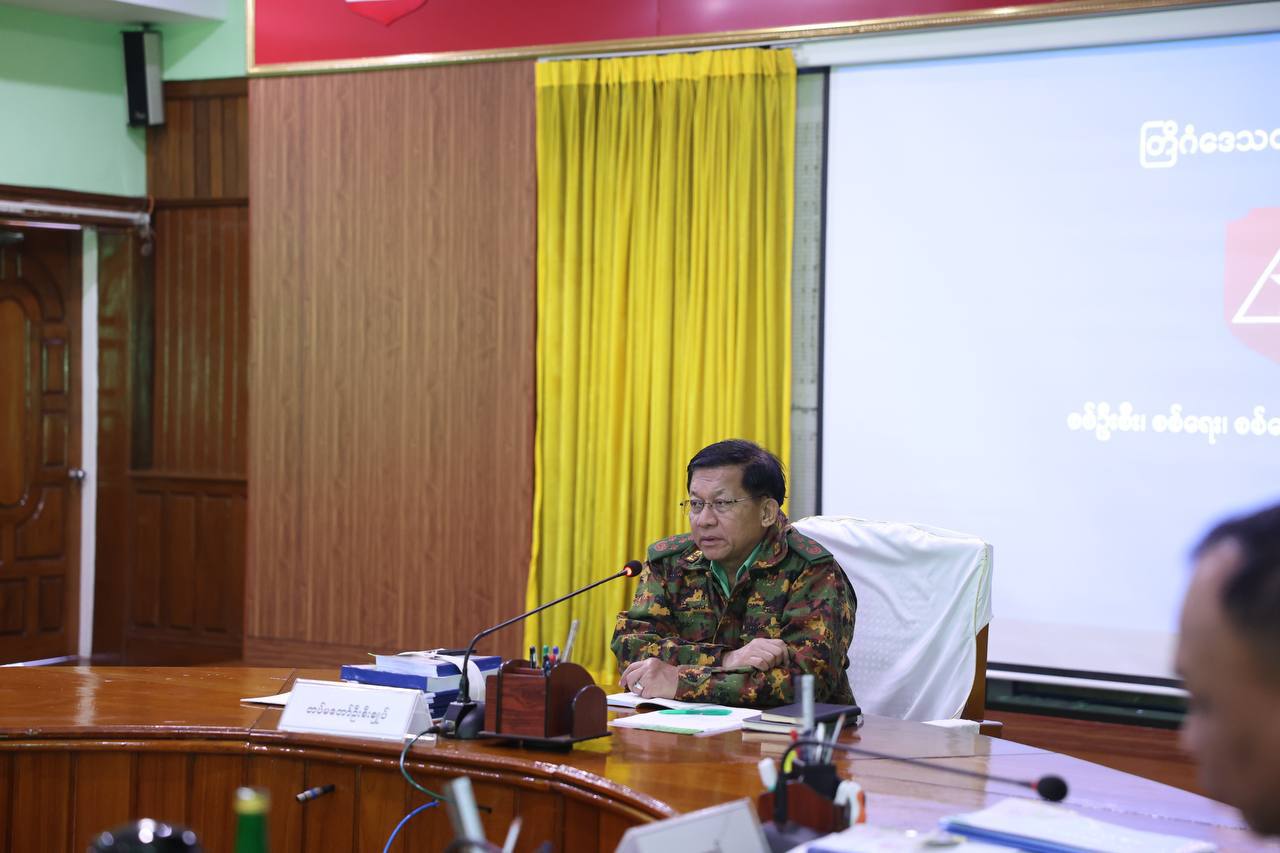
Senior General Min Aung Hlaing, Chairman of the State Security and Peace Commission, said that efforts must be made to modernize conventional military tactics in line with the times and to apply special military tactics suited to current conditions.
He made the remarks on January 19, 2026, while meeting officers, soldiers, and their families in Kengtung, eastern Shan State.
The Senior General said: “As today is an era of technology, military tactics must also be changed and applied based on the continuously evolving military equipment and technologies. Research must be carried out to ensure that conventional military tactics are updated in line with the times, and that special military tactics can be applied in accordance with current conditions.”
He added that national defense is a very broad responsibility, and therefore training duties must be carried out with great seriousness.
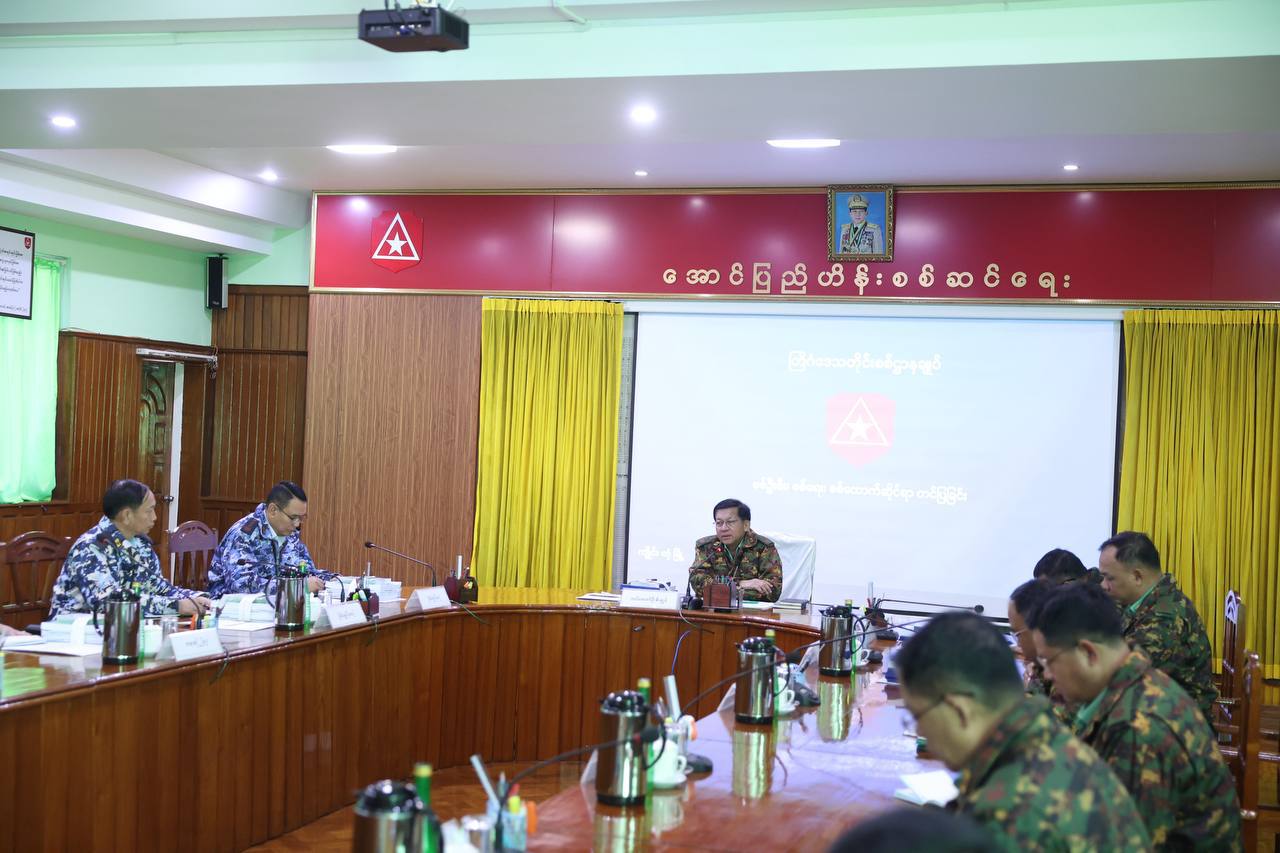
Senior General Min Aung Hlaing seen
Currently, the Myanmar Armed Forces (Tatmadaw) are engaged in fighting with various armed groups nationwide and have suffered territorial losses. In order to regain control of these areas, the military has resumed offensive operations by integrating drones, air power, and ground forces.
Territories that were lost after October 27, 2023—such as Lashio, Hsipaw, Kyaukme, Naungcho, Thabeikkyin, Madaya, Singu, Mogok, and Momeik—have now been brought back under control.
At present, the Myanmar Tatmadaw is also engaged in fighting with multiple armed groups in Rakhine State, Chin State, Kachin State, Kayin State, Kayah State, Sagaing Region, Mandalay Region, Magway Region, Tanintharyi Region, and Bago Region.
- By CNI
- Category: English Section
- Hits: 345
CNI News
20 January 2026
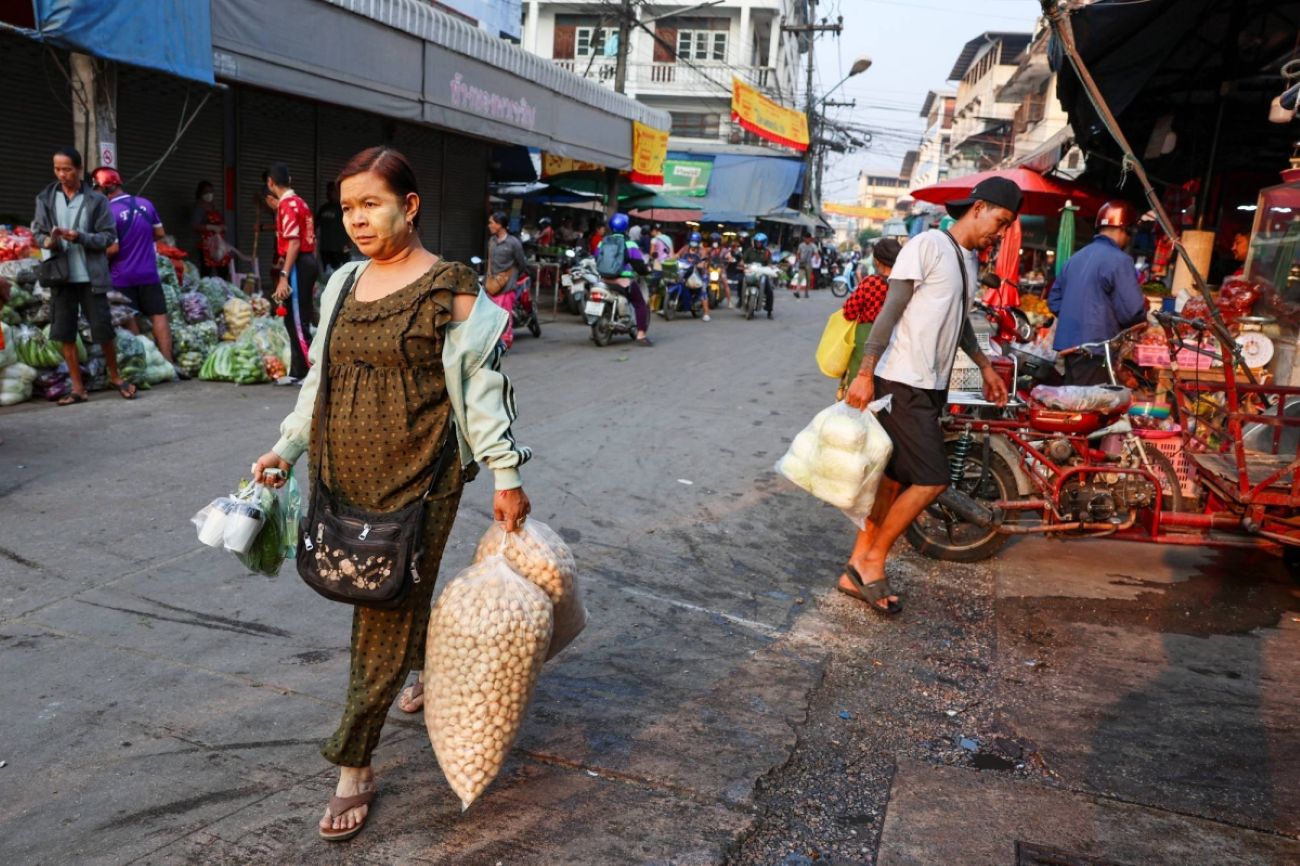
Labor rights activists for Myanmar workers in Thailand are warning about the potential consequences if conflicts between Myanmar migrant workers and Thai nationals continue to escalate.
Following several recent consecutive brawls between Myanmar workers and Thai youths in Thailand, Myanmar migrants are becoming increasingly concerned about the long-term negative repercussions.
U Aung Kyaw, a migrant labor rights activist, told CNI News that if conflict-prone disputes occur repeatedly, it could lead to protests demanding that Myanmar citizens no longer be allowed to stay in Thailand. He noted that because there are currently active extremist Thai nationalist movements, Myanmar migrants need to live and behave with caution and wisdom.
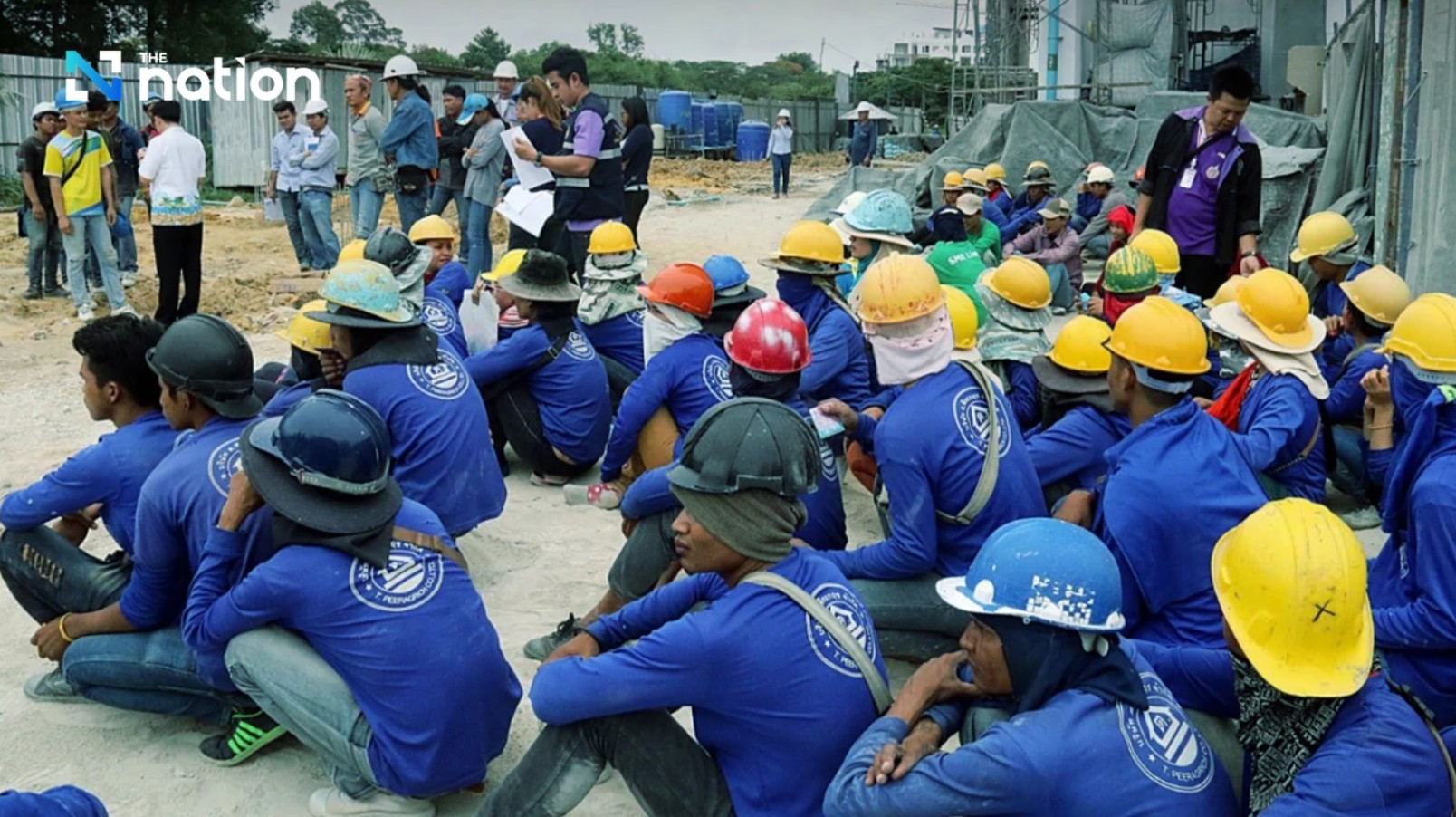
Migrant workers.
He stated, "We are in a situation where we must control our speech and actions. During the many decades we have lived here as migrant workers, these types of conflict-driven incidents rarely happened. The fact that they are happening now is something to be very careful about because extremist nationalist organizations have emerged in Thailand. They didn't exist like this in the past. Currently, Thai extremist patriots have been protesting heavily against Cambodians staying in Thailand due to Thai-Cambodian disputes. If a second wave of conflict starts with Myanmar nationals, and they collectively oppose us or demand we be barred from staying, our stable jobs and livelihoods could be completely destroyed. Right now, the situation in our own country isn't right for us to go back and work yet. That’s why I worry that the actions of a few individuals will lead to opposition against the many. If these brawls happen repeatedly, we will face a dire situation. As guests in this country, I want to advise that we should focus only on our goal of working and avoid getting involved in other matters."
U Min Oo, the labor officer from the Foundation for Education and Development (FED), told CNI News that following these conflicts, Thai citizens might develop a negative perception of Myanmar migrants, similar to their view of Cambodians. He urged Myanmar migrants to live in a way that is harmonious with their environment.
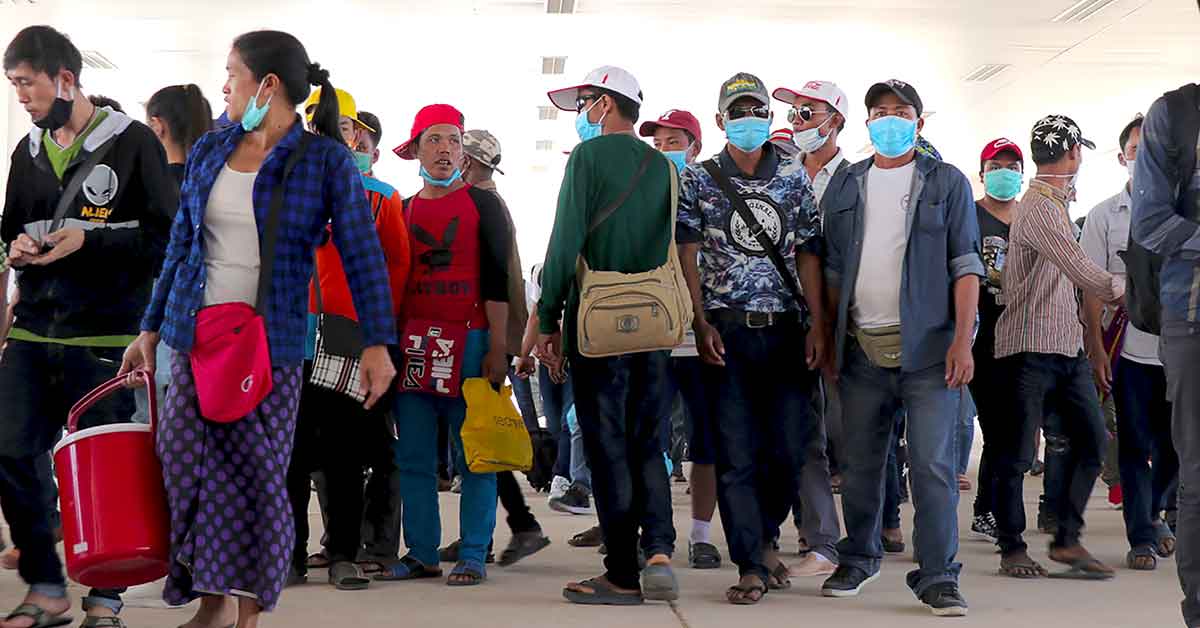
Myanmar migrants in Thailand.
He said, "After these incidents, I worry that Thai citizens will look down on Myanmar migrant workers. We saw this with the Cambodian situation; when there were clashes at the border, it impacted Cambodian migrant workers inside Thailand. Eventually, if extremist Thai patriots saw a Cambodian on the street, they would harass or beat them. We fear a similar situation. Whatever the case, since we are in Thailand, we must be careful. Our speech and behavior don't just affect ourselves; we should consider the collective impact."
Following these recent conflicts, authorities have increased inspections beyond the usual levels. According to Immigration Department records and labor activists, there are currently an estimated 6 million legal Myanmar migrants and 4 million undocumented migrants in Thailand.
- By CNI
- Category: English Section
- Hits: 312
CNI News
20 January 2026
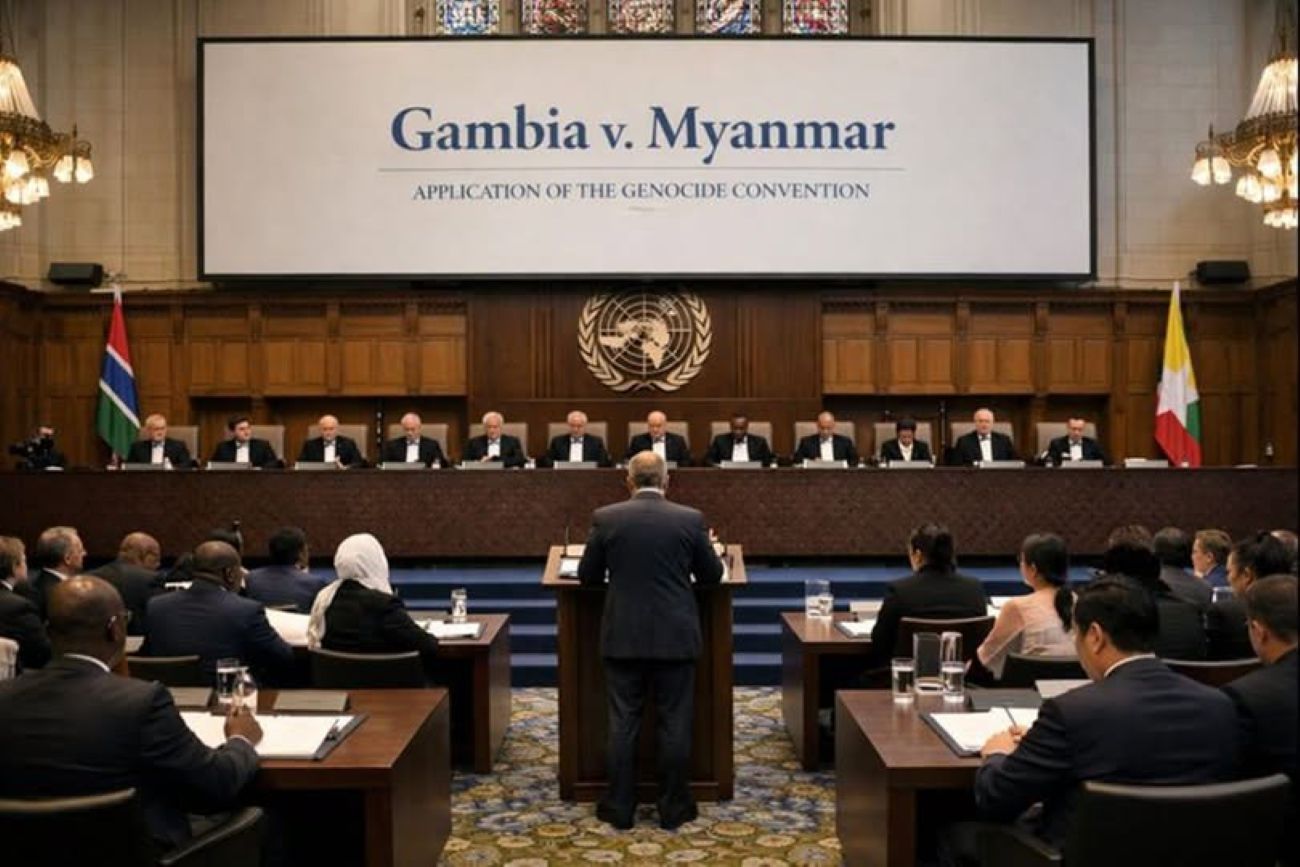
At the International Court of Justice (ICJ), Myanmar’s lead counsel, Mr. Christopher Staker, argued that the statements submitted by The Gambia do not meet the standard of evidence that the Court should take into consideration.
The Gambia has accused Myanmar of committing genocide and filed a case at the ICJ. Hearings in the case are being held from January 12 to January 29, 2026.
Myanmar began presenting its first oral arguments on January 16.
Myanmar’s lead counsel, Mr. Christopher Staker, argued that the reports of the United Nations Fact-Finding Mission (FFM), which The Gambia has relied on as its primary sources in this case, as well as the statements collected by that mission, do not reach the evidentiary standard required for consideration by the Court.
He stated that the Independent Investigative Mechanism for Myanmar (IIMM), which was established as a body to collect evidence for international judicial proceedings, was able to provide only 42 witness statements relevant to this case during its period of operation, and that Gambia has relied on only 12 of those statements.
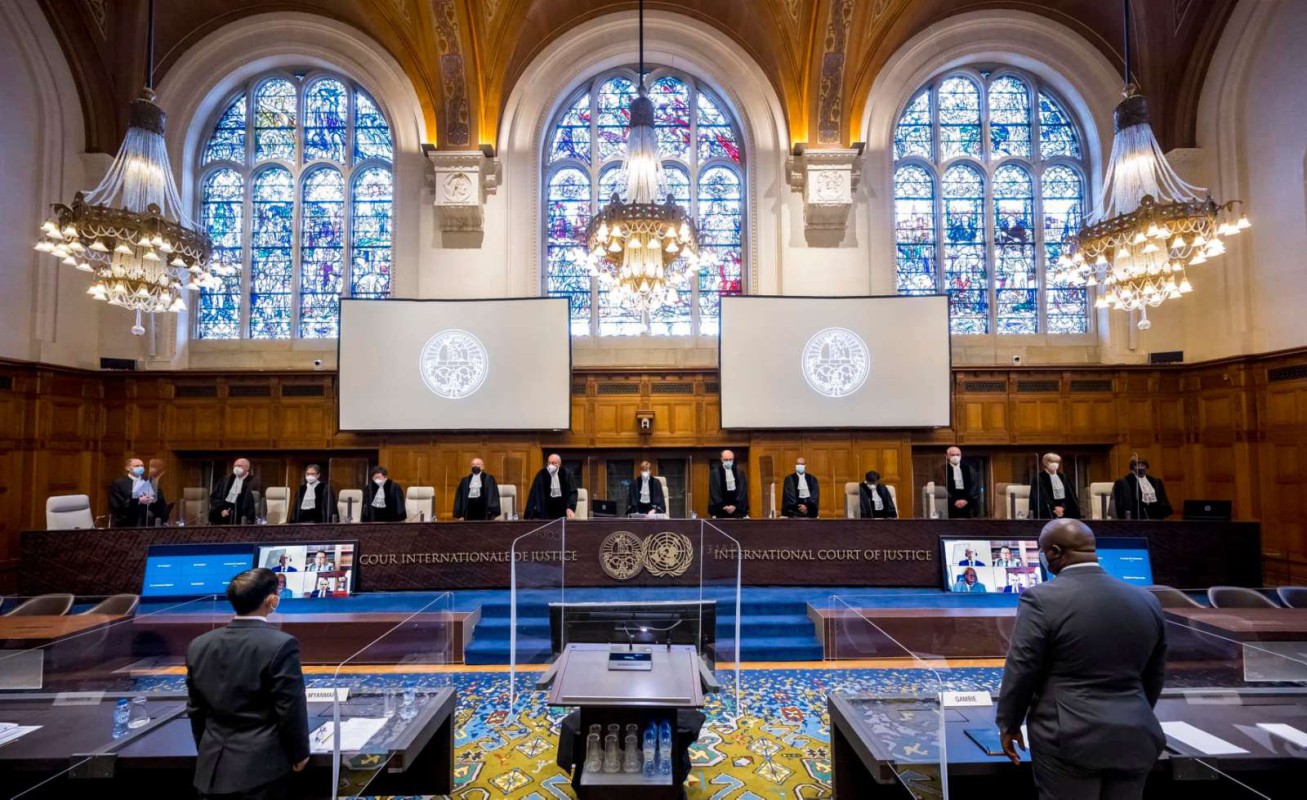
Myanmar and The Gambia are facing off at The Hague over genocide charges.
Mr. Christopher Staker further argued that although Myanmar does not recognize or cooperate with either of these two bodies, it has referred to Gambia’s cited evidence solely for the purpose of rebutting it.
Following this, Myanmar’s counsel, Ms. Leigh Lawrie KC, presented arguments on the emergence and evolution of the ARSA group, its organization and training, and its recruitment of civilians.
She also argued that in 2016 and 2017, Myanmar was compelled to carry out counterterrorism operations and other security measures in response to systematically planned and coordinated terrorist attacks carried out by ARSA.
In Rakhine State, Myanmar, the ARSA (Arakan Rohingya Salvation Army) terrorist group simultaneously attacked 30 border guard police outposts on August 25, 2017, and killed members of Hindu and Rakhine ethnic communities.
Subsequently, the Myanmar Tatmadaw conducted area clearance and security operations, during which approximately 700,000 Bengalis fled to Bangladesh.
It was over these circumstances that Gambia accused Myanmar of committing genocide and filed the case against Myanmar at the ICJ in The Hague, Netherlands.
- By CNI
- Category: English Section
- Hits: 367
CNI News
20 January 2026
At present, as the Union Solidarity and Development Party (USDP) has won the majority of parliamentary seats, there are analyses among military and political observers regarding how the USDP and the Myanmar Tatmadaw will form a government after the election.
A political analyst told CNI News that if there is no prior negotiation and agreement between Senior General Min Aung Hlaing and USDP Chairman U Khin Yi regarding the appointment of the president and the formation of the government after the election, the final decision will have to be made by Members of Parliament (Hluttaw), and such a vote would be very interesting to watch.
He said: “Before the election, the Tatmadaw reportedly sent many generals and responsible officials to contest the election under the USDP banner, and some were also sent to the National Unity Party (NUP). Looking at this, it can be assumed that the current acting president, who is also the Commander-in-Chief of Defense Services, wants the upcoming parliament to support him as president. The presidential candidate chosen by the military will almost certainly be him. Whether as president or vice president, he will be certainly chosen. Because there is no full confidence about becoming president, generals were placed into political parties—that is my assessment. That is why it appears there was no prior negotiation. If, in reality, there truly was no prior agreement and they have agreed to accept the parliament’s final decision, then the vote inside parliament will be quite interesting.”
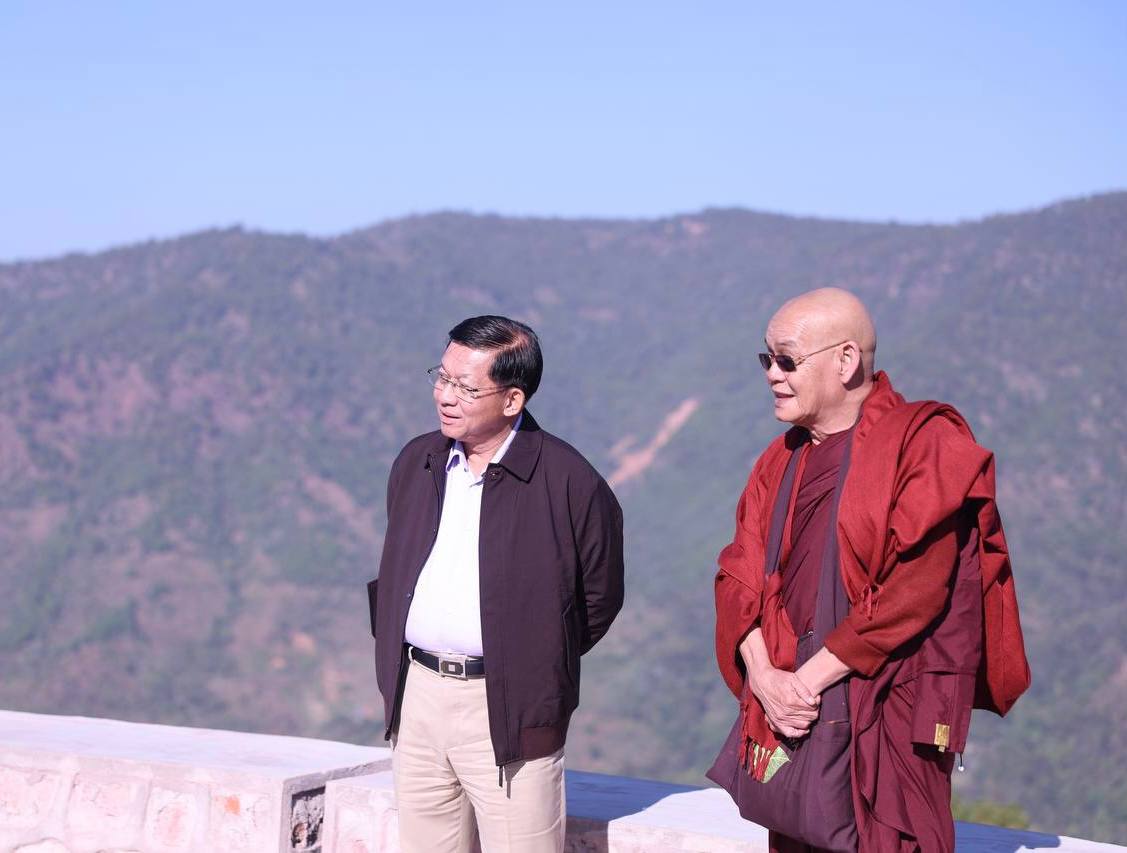
Senior General Min Aung Hlaing
The multi-party democratic general election began on December 28, 2025, and is being held in three phases. By January 11, 2026, two phases had already been completed.
Up to the present time, the majority of parliamentary seats have been won by the USDP, with the National Unity Party (NUP) holding the second-largest number of seats.
A political analyst, Sai Mein, told CNI News that regardless of how many parliamentary seats the USDP wins, it will only form a new government in partnership with the military.
He said that military leaders within the party will be included among top government positions, and the USDP will make those selections accordingly.
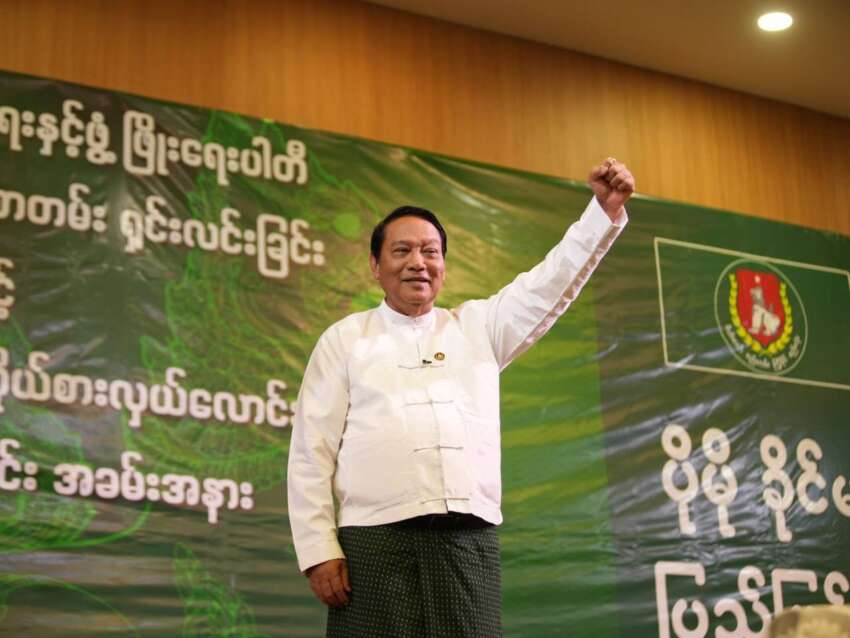
U Khin Yi
He said: “The main point about the USDP’s strength is that it won against other competitors largely due to a significant number of advance votes. Therefore, the USDP’s victory cannot really be considered a transparent and honest election result. No matter how much dissatisfaction is voiced regarding advance voting, those criticisms are not strong enough to challenge the military. That is why the emergence of the USDP is backed by the military. Therefore, no matter what, the military and the USDP will move forward together. There is really no other option. Even if negotiations are needed, their very existence is intertwined, so it will be a type of prior agreement between them. The USDP will continue to implement what the military needs, and the military will continue to support the USDP. The USDP will also select military leaders within the party to be included among top government officials.”
The military-backed Union Solidarity and Development Party (USDP) already holds enough seats to form a government together with the 25 percent of parliamentary seats reserved for Tatmadaw representatives, even before the final phase of the election.
To form a government, a party must secure 50 percent of the 588 seats in the Union Hluttaw — 294 seats. According to reports, the USDP has won 194 seats in the first two phases of the election.
In addition, when combined with the 166 seats held by military-appointed parliamentary representatives, the USDP currently controls a total of 360 seats, exceeding the 294-seat majority required to form a government.
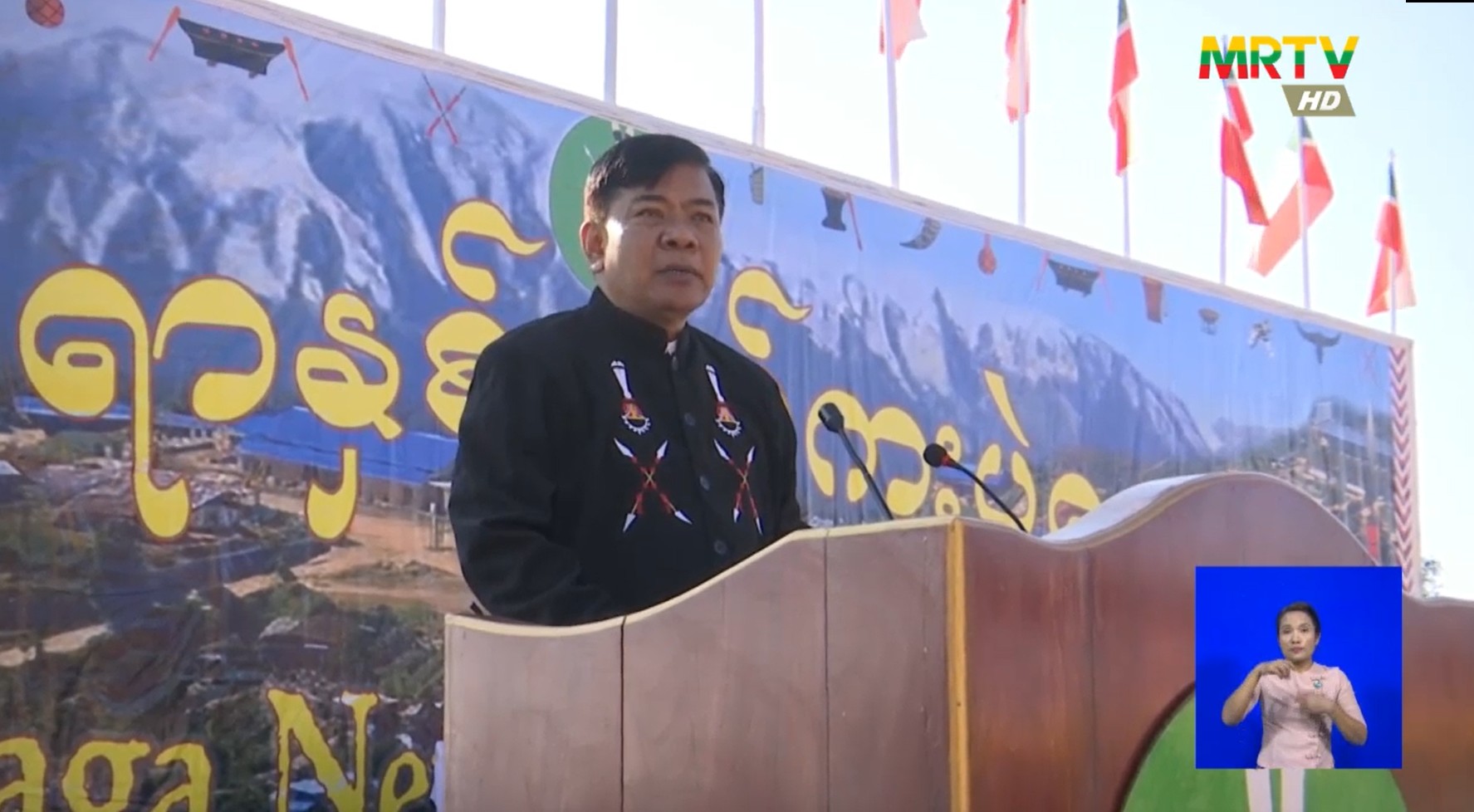
- By CNI
- Category: English Section
- Hits: 304
CNI News
17 January 2026
Regional stability and peace are extremely important, and the people of the Naga region have a responsibility to safeguard and ensure that this stability is not undermined, said General Maung Maung Aye, Union Minister for Defence and a member of the State Security and Peace Commission.
He made these remarks while delivering a speech at the Naga Traditional New Year Festival held on January 15, 2026, in Leshi Town, Naga Self-Administered Zone, Sagaing Region.
General Maung Maung Aye stated, “Because the Naga region remains stable and peaceful, development efforts can be carried out more effectively year by year. Therefore, regional stability and peace are extremely important, and the people of the Naga region have a duty to protect and preserve this stability.”
He also said that the Naga region needs to transition from shifting cultivation to a modern terraced farming system. In addition, he urged the expansion of cultivation and production of perennial crops suited to local soil and climate conditions—such as walnuts, tea, apples, avocados, grapefruit, and oranges—as regional products.
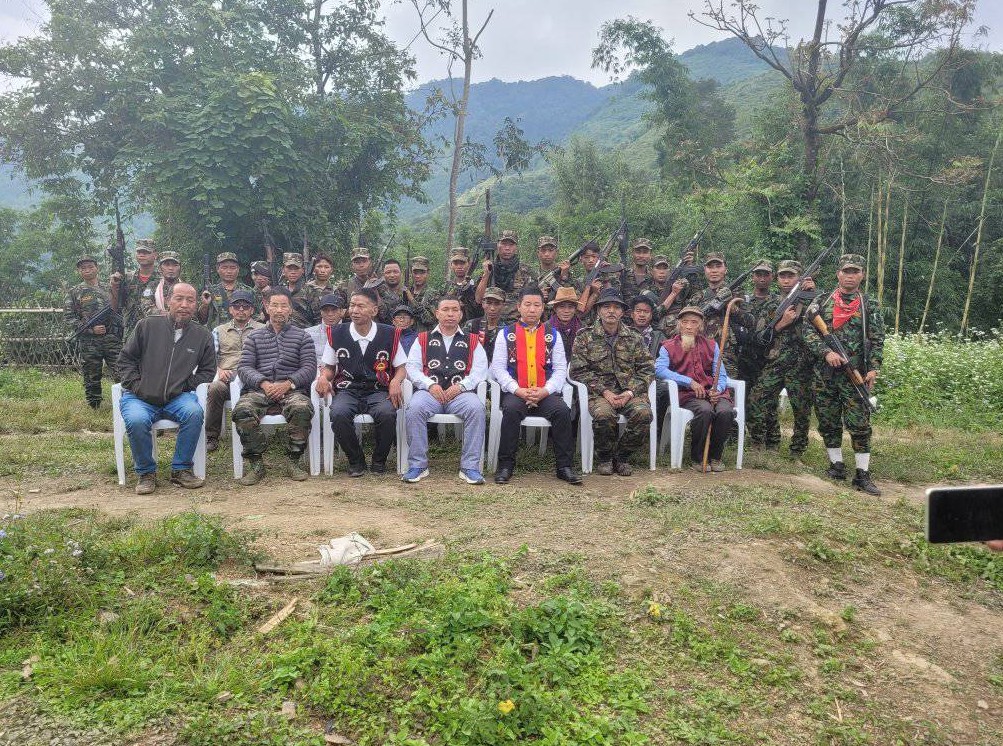
NSCN-K/AM members
Due to extremely difficult transportation conditions, the Naga region faces delays in the flow of goods, high commodity prices, high travel costs, limited job opportunities, lack of investment, and forced recruitment by armed groups, among other challenges.
In the Naga Self-Administered Zone of Sagaing Region, Myanmar, several Naga armed groups are active, including NSCN-K/YA (led by Yung Aung), NSCN-K/AM (led by Angmai), ENNO/ENDA (led by Aung Saing), NSCN-IM (led by Isak Chishi Swu and Thuingaleng Muivah), NSCN-IM/HS (a splinter group from NSCN-IM led by Hansi Ram Sam), as well as the NPDF and NNC.
In addition, Meitei armed groups are also reportedly based and operating in the area.
Among these armed groups, ENNO/ENDA and the NPDF are receiving arms and ammunition support from the Kachin Independence Army (KIA) and are jointly fighting the Myanmar military alongside KIA-PDF forces. The NSCN-IM/HS group is also reported to have links with the NUG and KIA to conduct joint military operations.
At present, NSCN-K/AM and NSCN-K/YA are competing with each other to gain control of Pansaung Town, the Naga region’s trade gateway with India. As a result, clashes have occurred between the two sides, causing casualties and injuries.
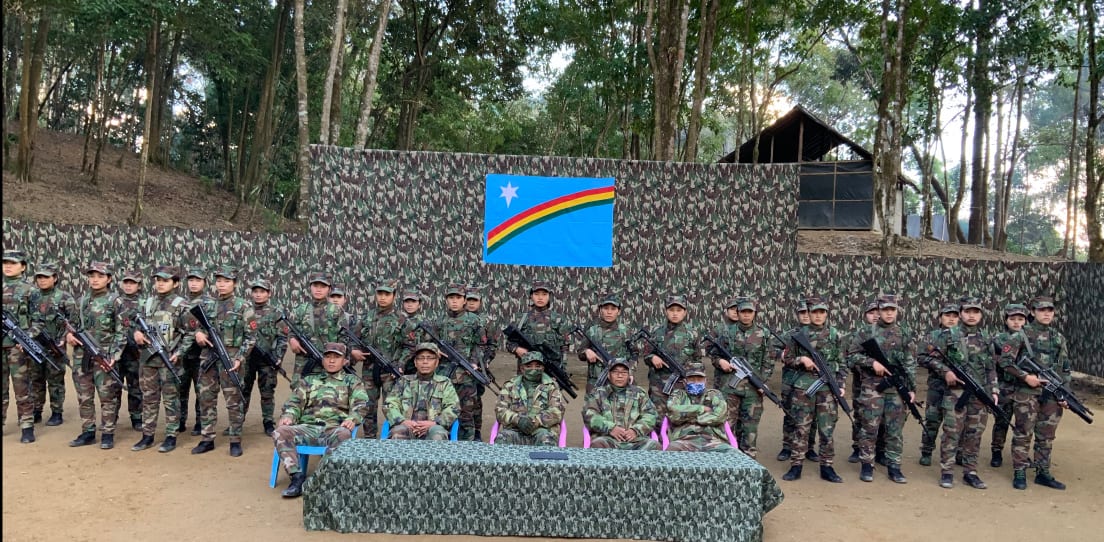
- By CNI
- Category: English Section
- Hits: 466
CNI News
17 January 2026
The National Socialist Council of Nagaland–Khaplang/Yung Aung (NSCN-K/YA) alleged on January 14, 2026, that the National Socialist Council of Nagaland–Khaplang/Angmai (NSCN-K/AM) received military equipent and financial assistance from the Indian government in order to gain control of the Pansaung area, which has an outlet on the India–Myanmar border.
Pansaung is located in Nanyun Township, Naga Self-Administered Zone, Sagaing Region, and is the only border trade gateway between the Naga area and India. In addition to NSCN-K/AM, other groups such as NSCN-K/YA, the Kachin Independence Army (KIA), and the Eastern Naga National Organization/Army (ENNO/ENDA) are also striving to control the area.
NSCN-K/AM entered Pansaung town on January 1, 2026, deployed troops, and carried out security operations. On January 9, NSCN-K/YA launched an attack, resulting in the deaths of two NSCN-K/AM members and injuries to one.
In retaliation, NSCN-K/AM attacked and seized an NSCN-K/YA camp located between Takar Village and Namphar Village (18-mile gate) in Nanyun Township on January 12, 2026.
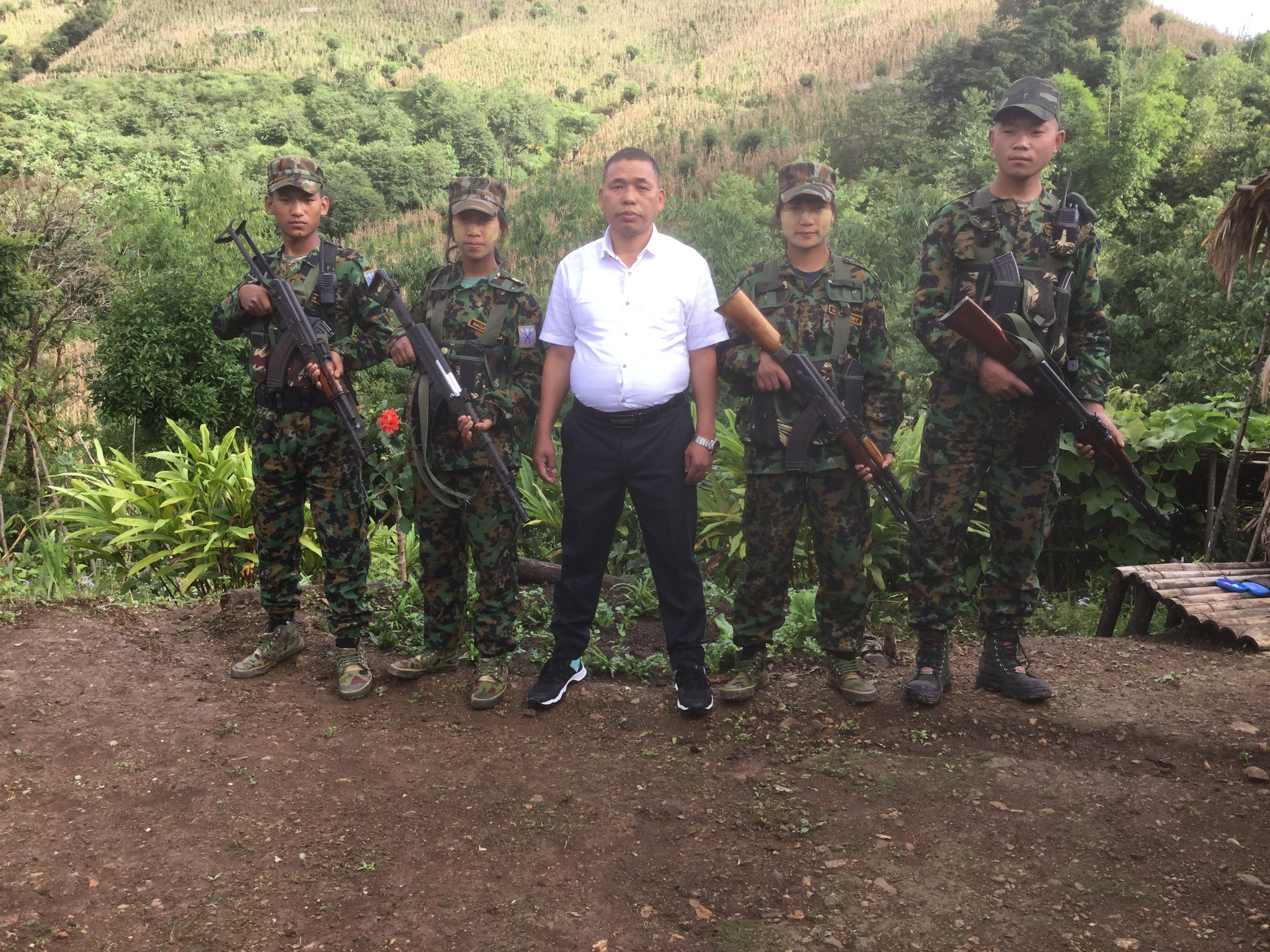
NSCN-K/AM members
NSCN-K/YA further claimed that, acting under the directives of Indian agencies, NSCN-K/AM incited violence in Eastern Nagaland, once again disregarding the Naga people’s desire for peace. It accused the group of being merely a proxy of Indian intelligence, according to a statement released on January 14, 2026.
NSCN-K/YA stated:
“Indian agencies show understanding toward this group (NSCN-K/AM) because the presence of the Angmai faction is viewed as a secondary force to weaken and suppress NSCN-K/YA and its fighting capacity. The Angmai group received military equipment and financial assistance from Indian authorities to counter NSCN-K/YA in the Pansaung area.”
The NSCN-K/YA statement also said that Mr. Angmai and Mr. Mulatonu must correct their irrational actions and should not align themselves with a country like India.
NSCN-K/AM has held peace talks with the governments of Myanmar and India regarding regional stability and peace during 2024–2025.
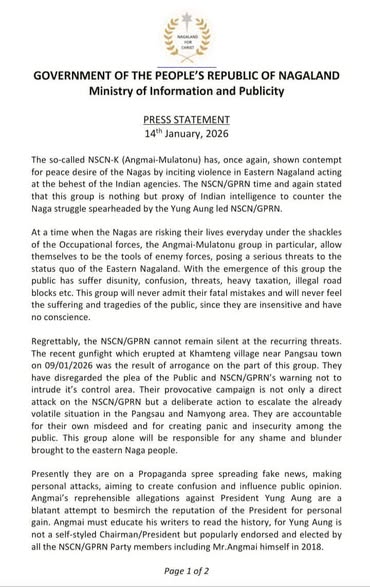
NSCN-K/YA statement
NSCN-K/YA, meanwhile, has frequently carried out ambush attacks against the Indian military in Arunachal Pradesh State.
India previously conducted a drone strike on NSCN-K/YA camps operating along the Arunachal Pradesh–Myanmar border on the afternoon of October 20, 2025, killing five people.
- By CNI
- Category: English Section
- Hits: 258
CNI News
January 16, 2026
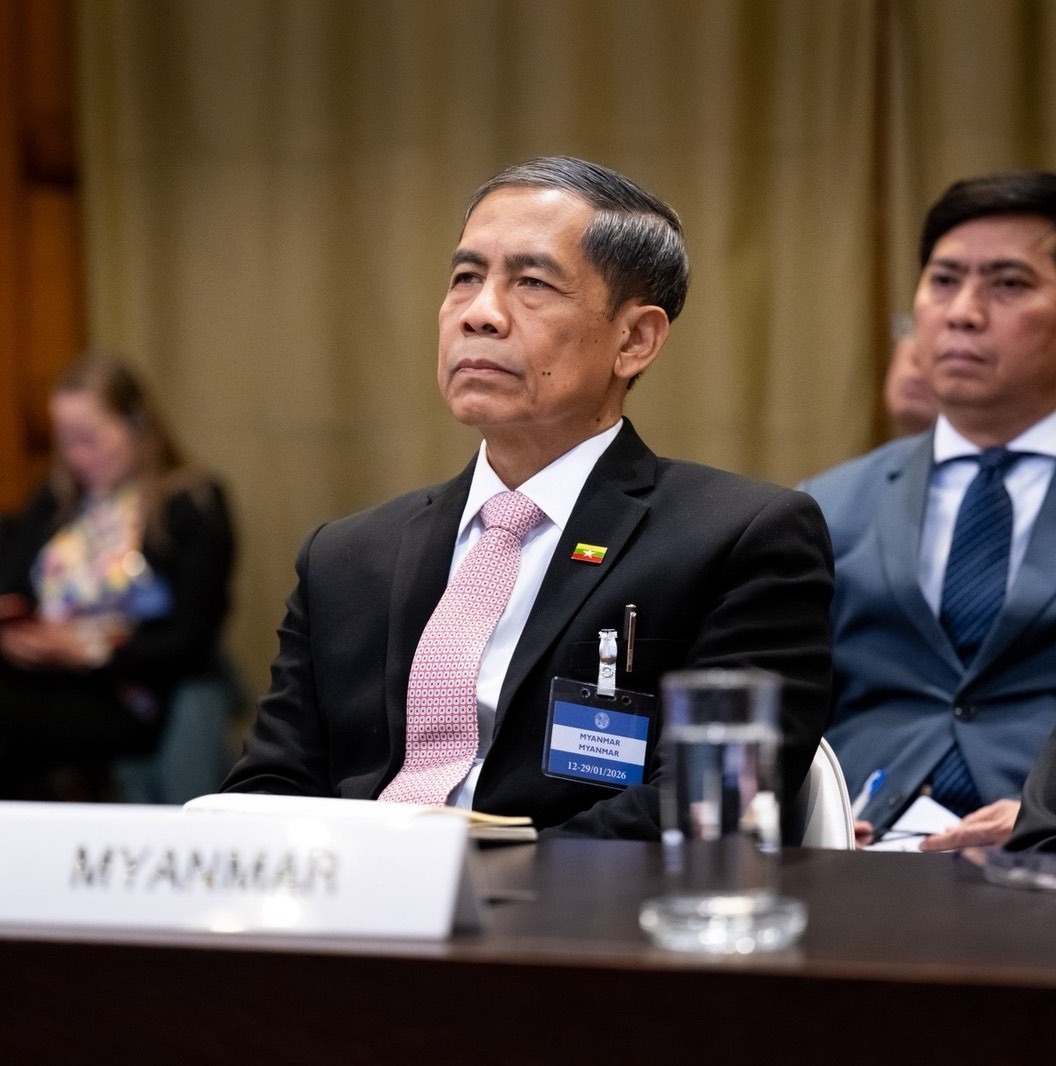
Minister U Ko Ko Hlaing, representing the Myanmar delegation, argued at the International Court of Justice (ICJ) that accusing counter-terrorism operations against violent attacks of being "genocide" is a baseless allegation.
Minister U Ko Ko Hlaing presented this defense on behalf of the Myanmar delegation at the ICJ on January 16, 2026.
He testified that Myanmar complies with international agreements and regulations. He further argued that the genocide allegations are groundless, asserting that no genocide was committed and that the actions taken were merely counter-terrorism operations in response to violence.
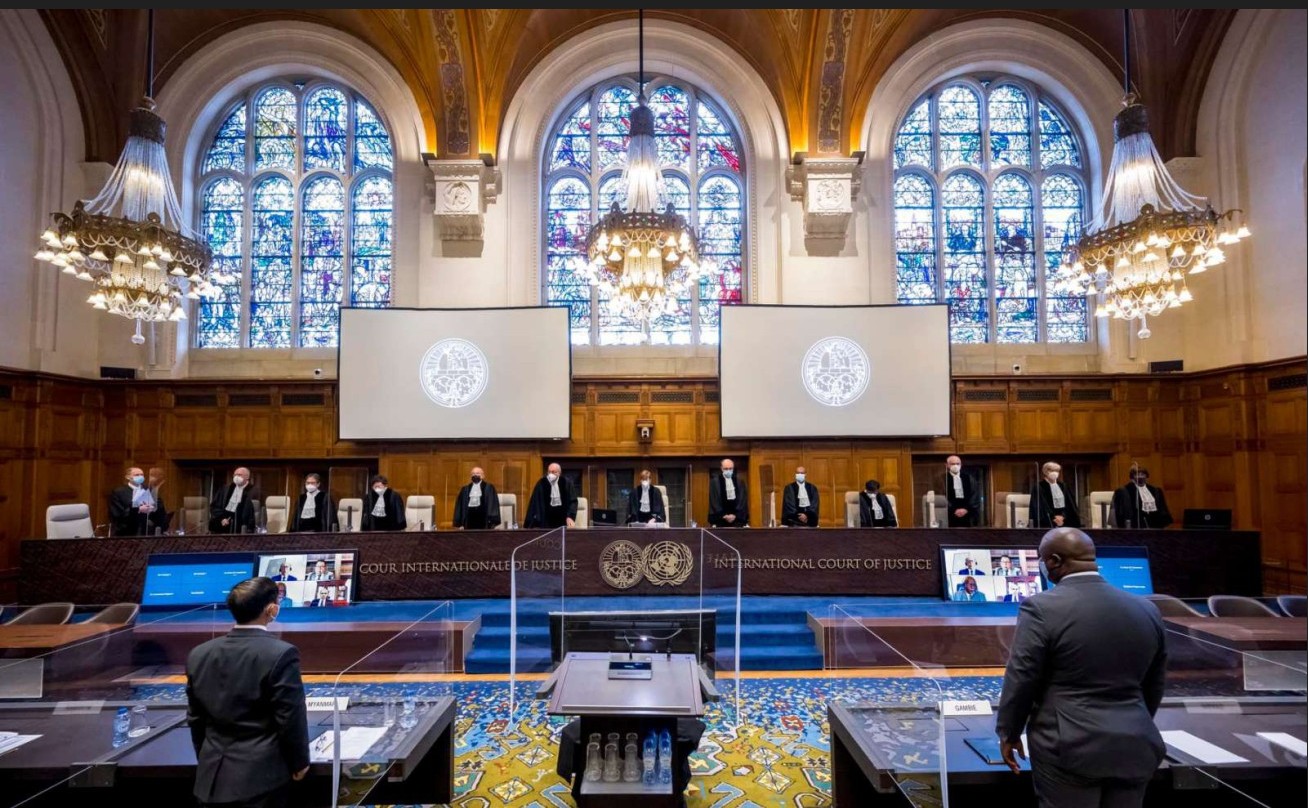
The ICJ in The Hague, Netherlands, is currently conducting hearings from January 12 to January 29, 2026, regarding the case filed by The Gambia, which accuses Myanmar of committing genocide against the Bengali people.
Following the initial proceedings, the Myanmar delegation is presenting its arguments in two sessions: first from January 16 to January 20, and again from January 28 to January 29.
Under the National League for Democracy (NLD) government on August 25, 2017, the ARSA terrorist group launched simultaneous attacks on 30 Border Guard Police outposts in Rakhine State and killed non-Muslim civilians.
Subsequently, the Myanmar military (Tatmadaw) conducted "area clearance operations," after which approximately 700,000 Bengalis fled to Bangladesh. The Gambia filed the lawsuit at the ICJ, alleging that this displacement constituted genocide.
Myanmar is currently defending itself against these charges at the ICJ. The team led by Minister U Ko Ko Hlaing previously represented Myanmar at the ICJ in February 2022 as well.
- By CNI
- Category: English Section
- Hits: 187
CNI News
16 January 2026
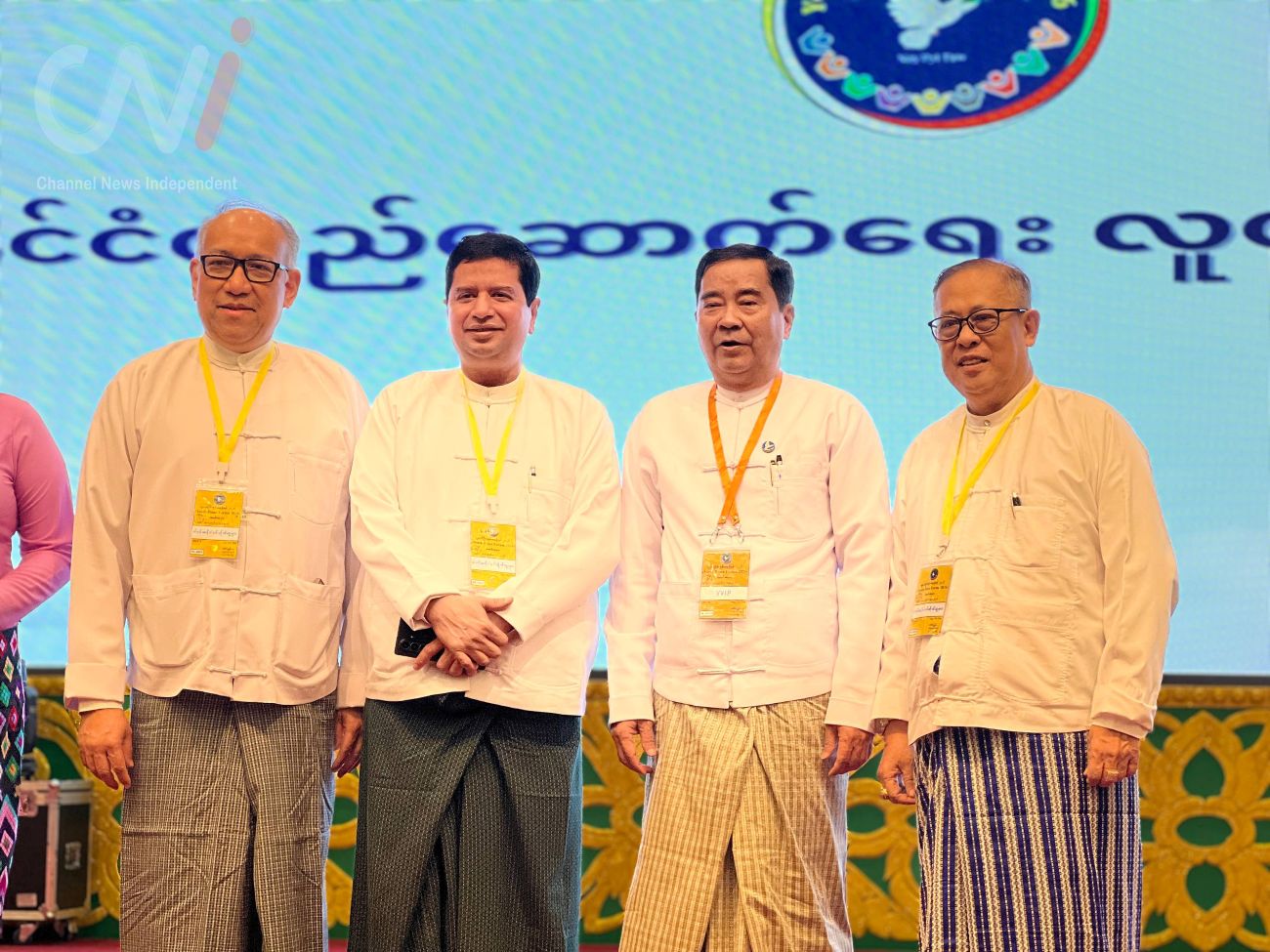
The "Youth Peace Forum," being held in Nay Pyi Taw, Myanmar, continues for its third day on January 15, 2026.
The forum is being conducted from January 13 to January 15, 2026.
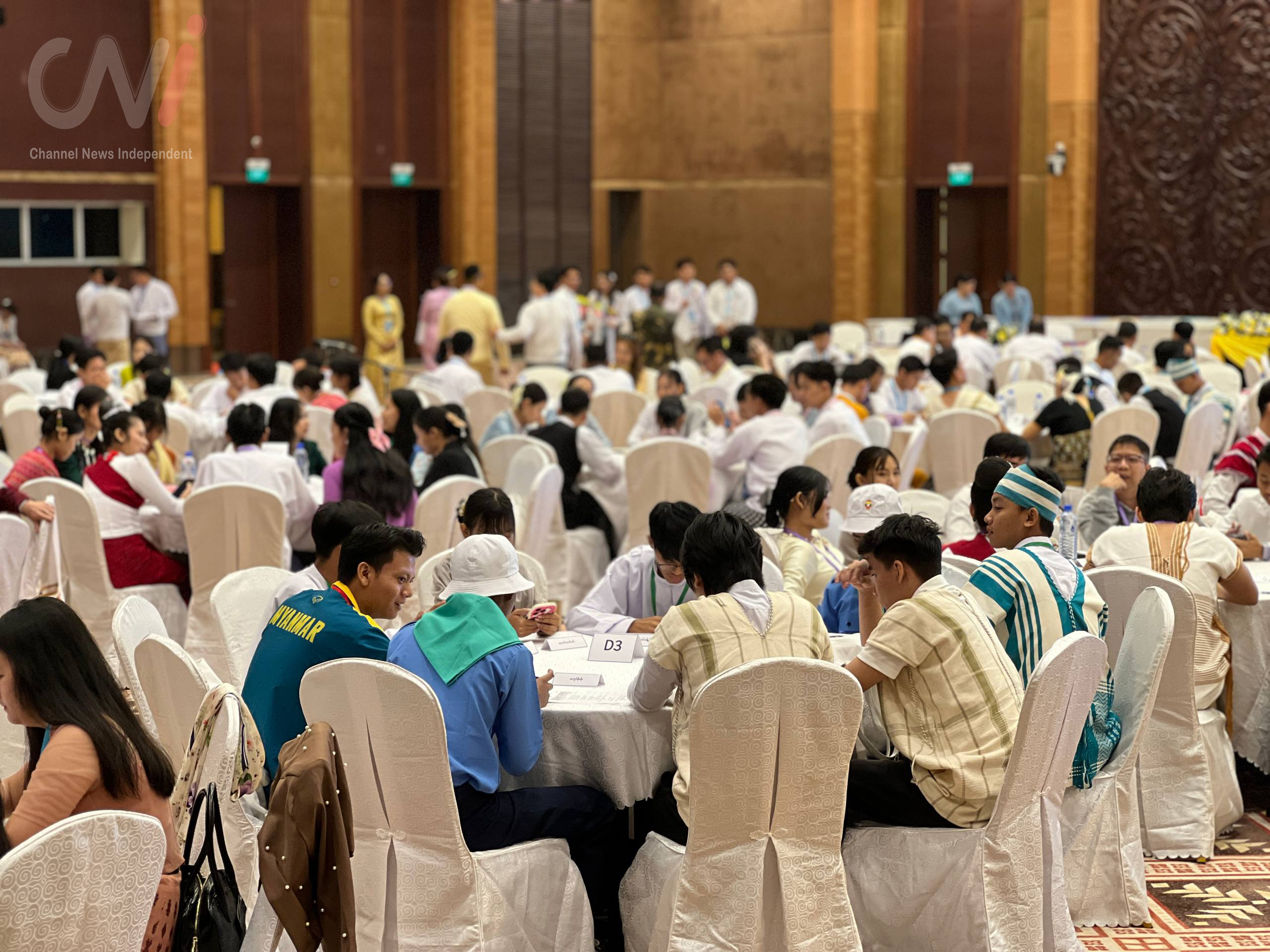
Youth from various Regions and States are attending and participating in the discussions at the forum.
Page 20 of 331
Connect with us