
English Edition
- By CNI
- Category: English Section
- Hits: 201
CNI News
April 23, 2026
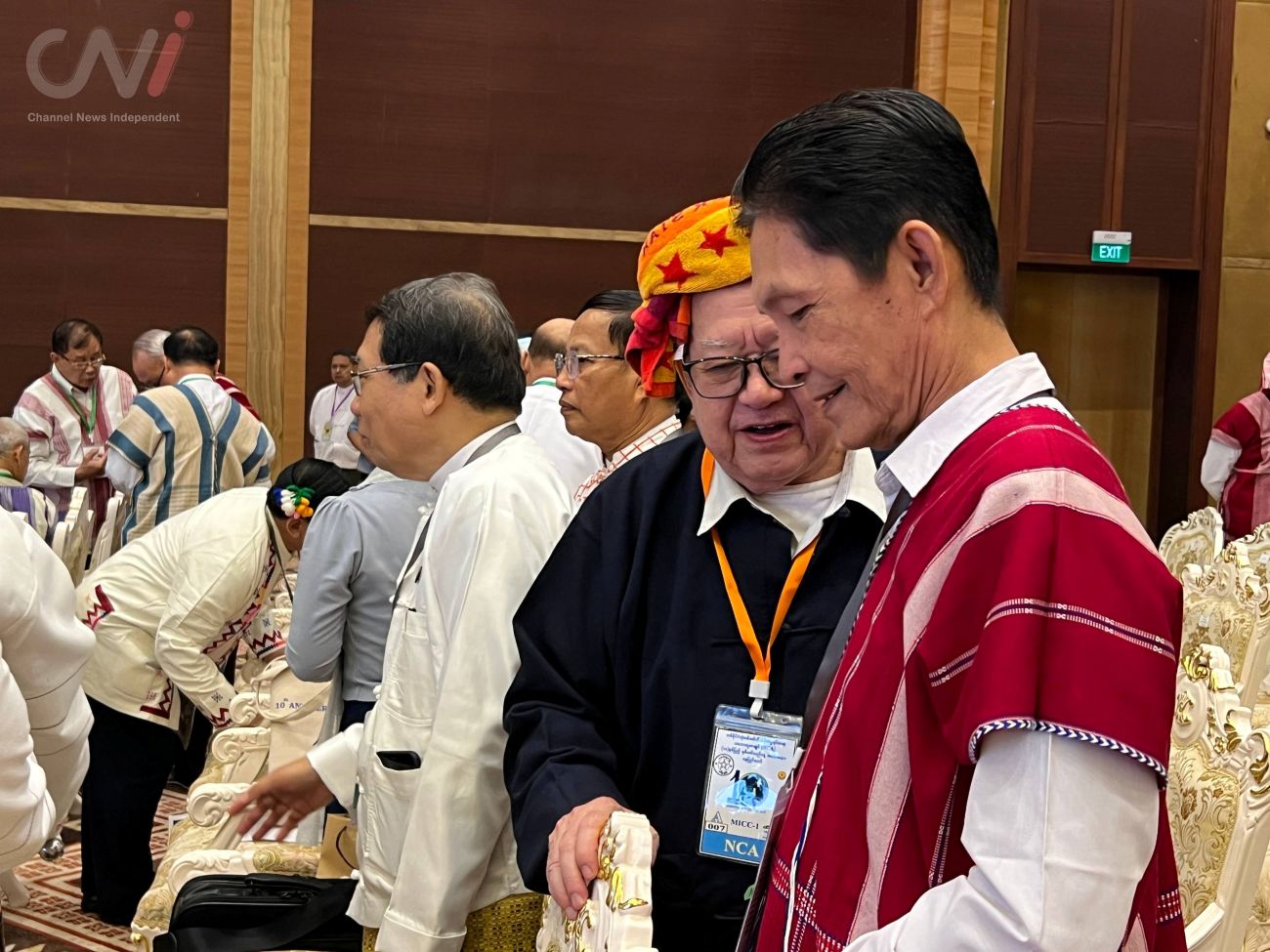
Colonel Khun Okkar, Chairman of the Pa-O National Liberation Organization (PNLO-NCA/S)—a signatory to the Nationwide Ceasefire Agreement (NCA)—told CNI News that the government in power from 2021 to 2025 needs to reflect on whether it fully implemented the agreements laid out in the NCA.
Following remarks from the government side urging groups not to focus solely on their own organizational survival, NCA signatory groups have countered by questioning whether the government itself has strictly adhered to and implemented the terms of the treaty.
Colonel Khun Okkar stated that the roadmap included in the NCA has stalled and interim arrangements have failed to materialize. He noted that if the NCA could be fully implemented, it would be highly satisfactory.
"There are interim arrangements included in the NCA. Since we haven't been allowed to exercise those rights, it is necessary to fully comply with the NCA's provisions. Currently, there is no full compliance with the existing stipulations. On the other hand, being told not to talk about organizational survival is one-sided, especially when the NCA signatories have plenty to say. One must ask: are all points in the NCA being strictly followed? Since this is a bilateral issue, details should be discussed later; however, setting agendas that exclude certain points or requests before a meeting even begins is a unilateral approach. Setting aside the demands, if the 33 points already agreed upon in the NCA could be implemented, it would be very good. Currently, even those signed and agreed-upon points cannot be fully realized. Therefore, I want to urge everyone to cooperate and collectively implement every point within the agreed-upon NCA," the Colonel said.
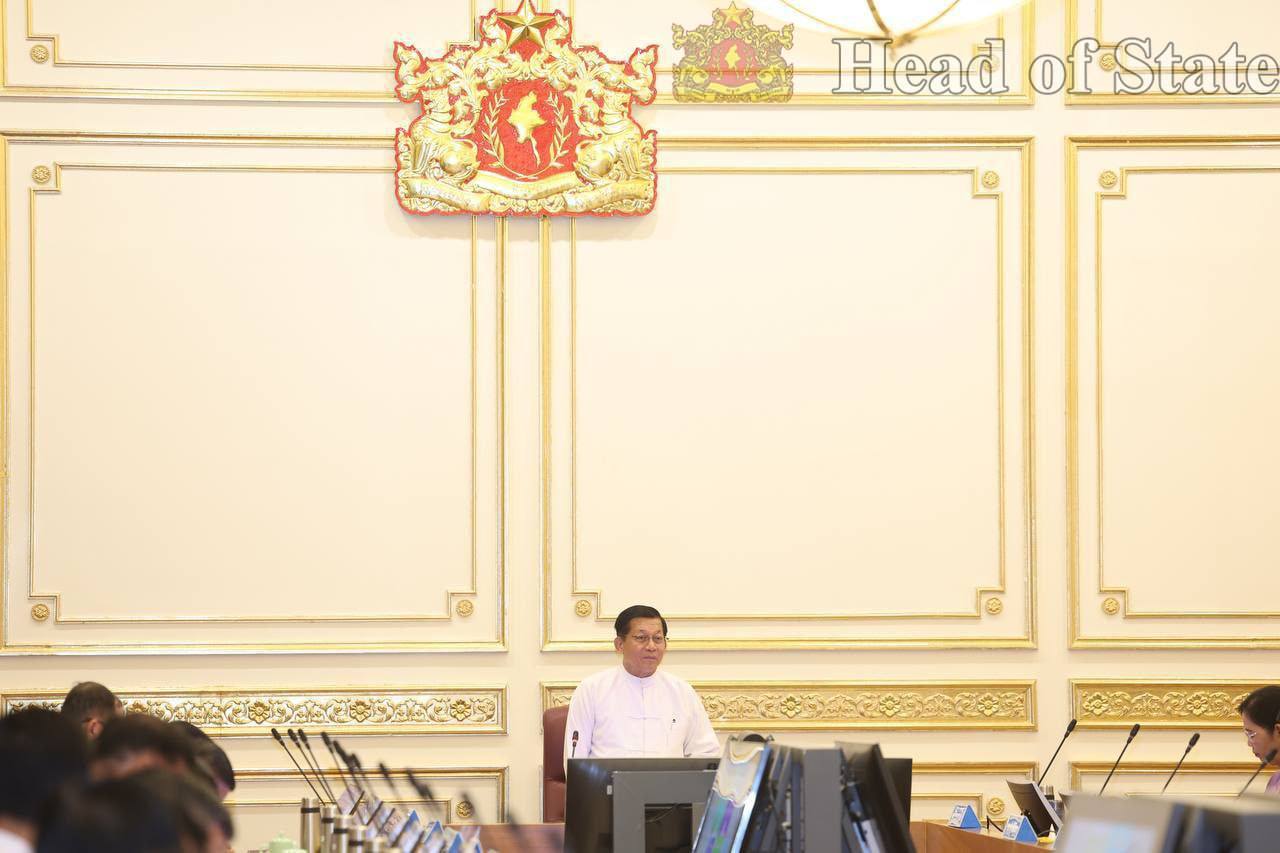
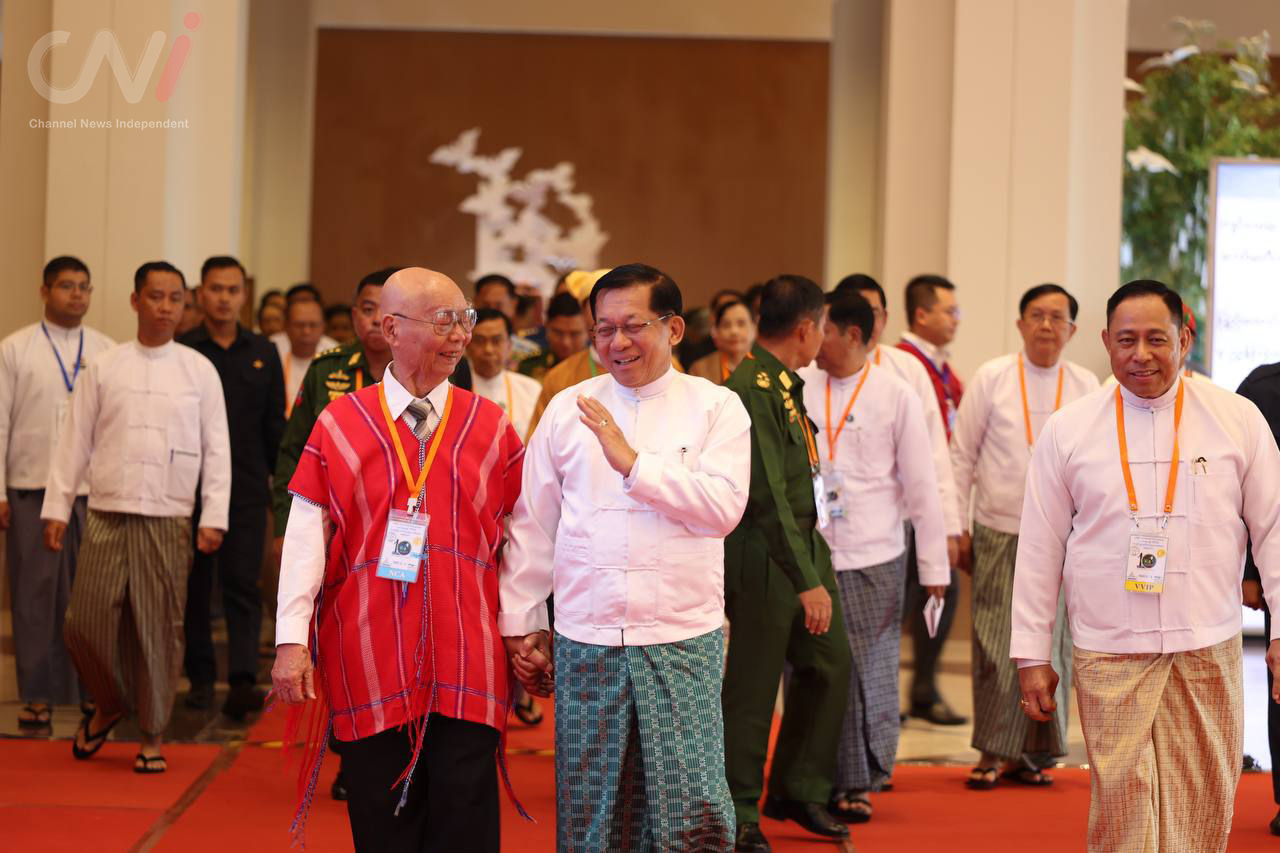
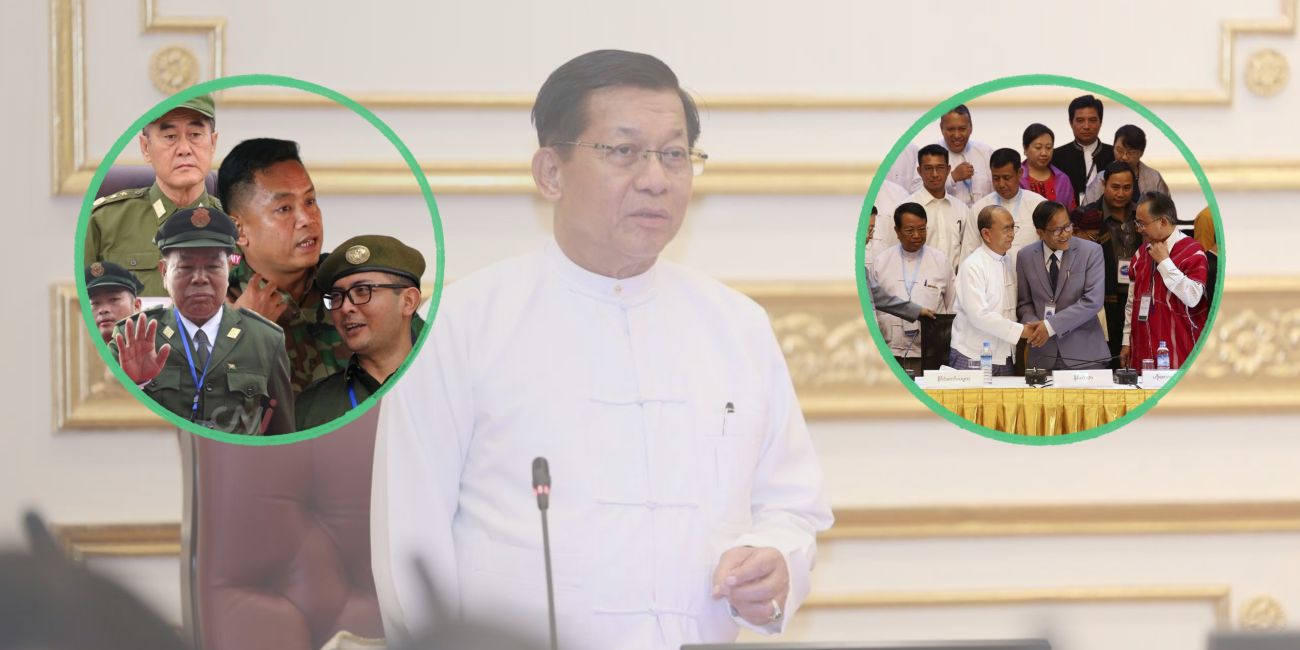
President U Min Aung Hlaing.
Colonel Khun Okkar further mentioned that based on the experiences of the last three to four years, NCA signatory groups have not received significant support, recognition, or the opportunity to access international assistance.
On April 20, 2026, during a Union Government meeting, President U Min Aung Hlaing stated that it would be a mistake if groups made impossible demands during peace negotiations simply to ensure their own organizational stability, and emphasized that the State must also perform its necessary duties.
Political analyst Dr. Aung Myo told CNI News that a separate provision should be made for organizations that have signed the NCA and truly haven't breached it—unlike the KNU.
"One of the main problems arises when these organizations try to raise funds for their survival. I understand there were efforts to clearly demarcate territories, but they haven't been implemented. This includes territory for their livelihood, government territory, and neutral zones where both sides can operate. Even if agreed upon, I hear implementation is lacking. This is a crucial task that must be done. You cannot treat those who signed the agreement the same as those who didn't. For those who signed and have truly not violated the terms—unlike the KNU—there should be a move to support their independent standing," he said.
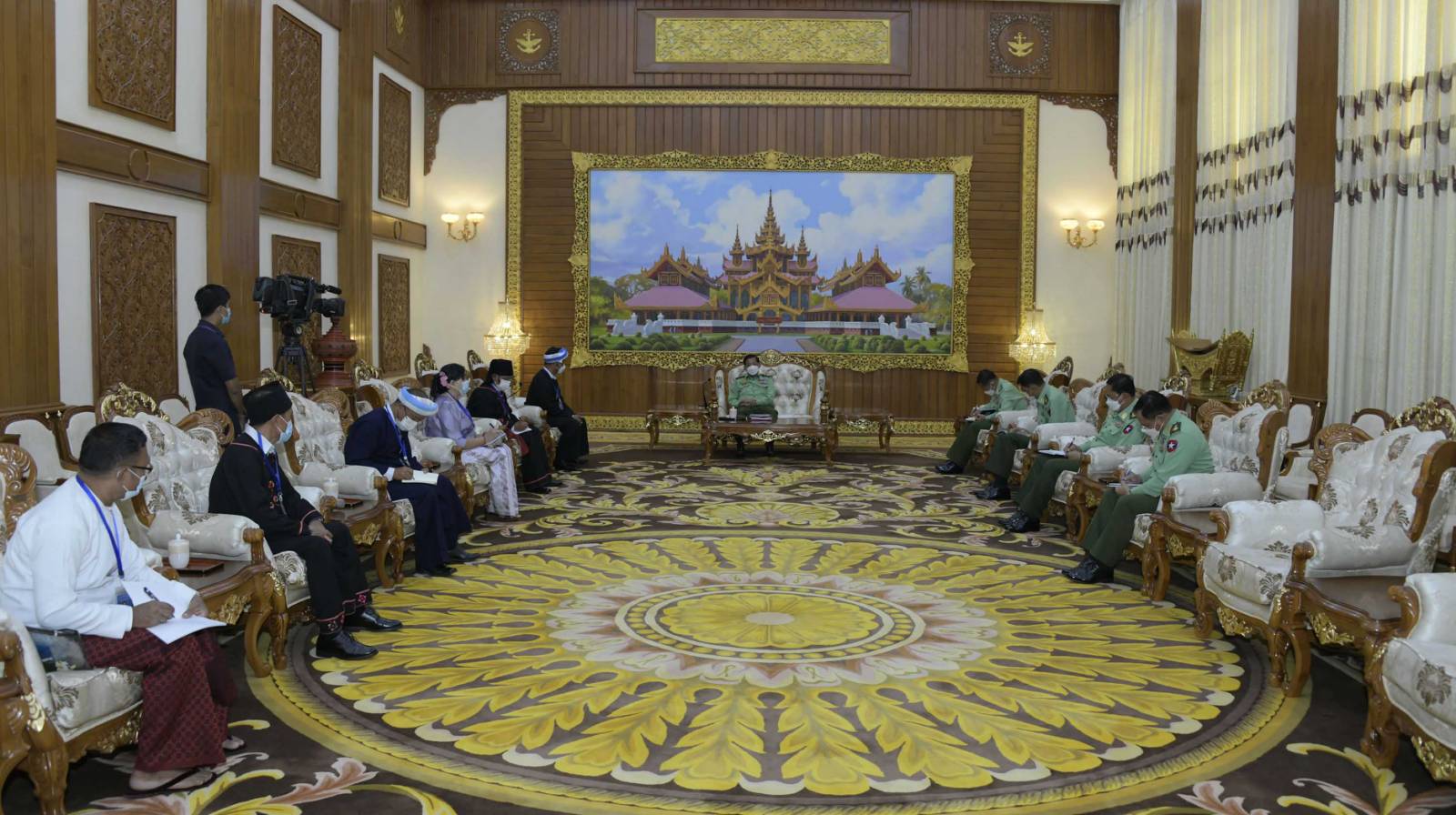
Senior General Min Aung Hlaing with some leaders of NCA-signatory armed groups.
The Nationwide Ceasefire Agreement (NCA) was signed between the government and ethnic armed organizations (EAOs) in October 2015. The agreement includes provisions for a ceasefire, the holding of national-level political dialogues, and the convening of the Union Peace Conference to achieve genuine peace.
Following these steps, it was agreed to build a Union based on democracy and federalism in accordance with the outcomes of the Union Peace Conference. While the NCA was intended not just as a ceasefire but as a foundation for political reform, it is reported that there are currently significant challenges in implementing its provisions.
- By CNI
- Category: English Section
- Hits: 168
CNI News
April 23, 2026
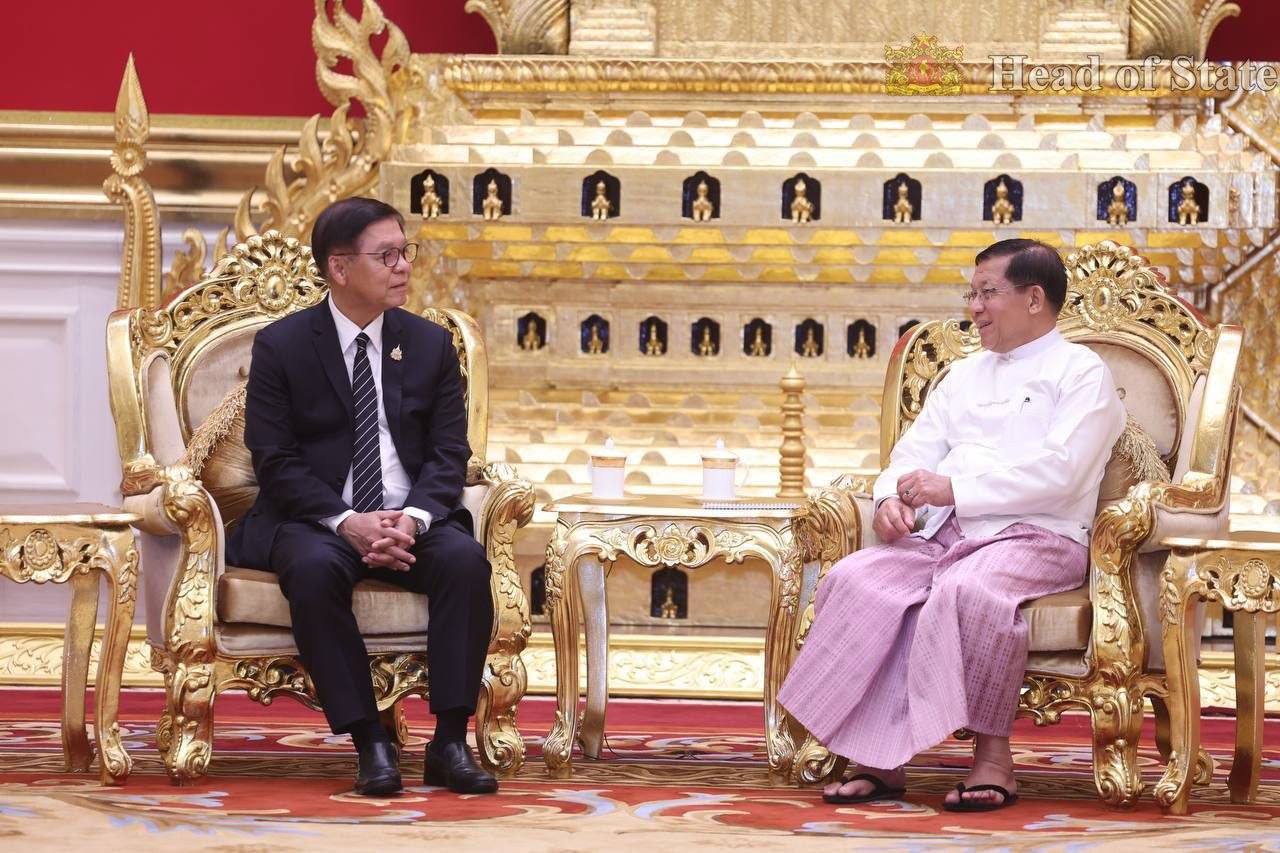
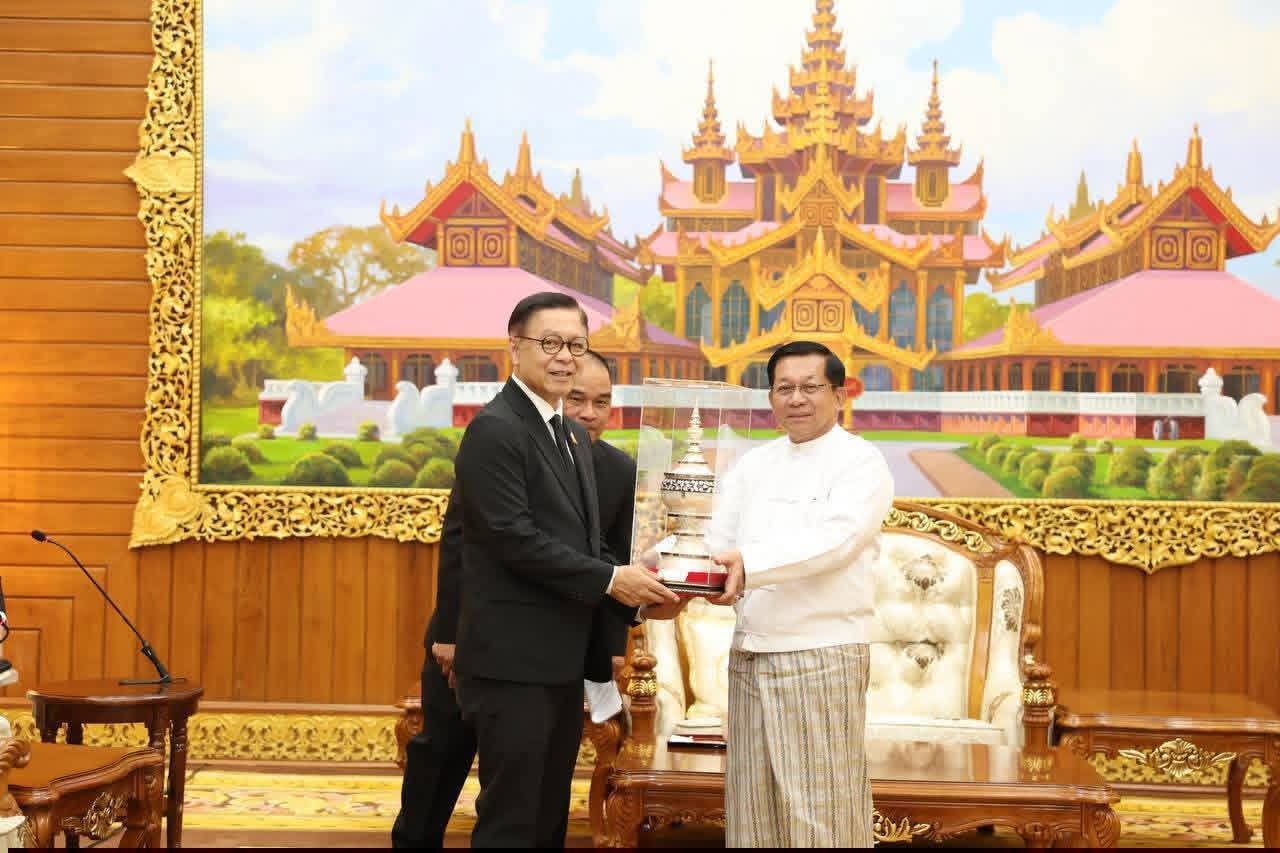
Thailand’s Deputy Prime Minister and Minister of Foreign Affairs, Mr. Sihasak, met with Myanmar President U Min Aung Hlaing to discuss assistance for the peace process recently offered by Myanmar's new transitional government.
The Thai Foreign Minister visited Myanmar from April 21 to 22, 2026, and held talks with President U Min Aung Hlaing in Nay Pyi Taw on April 22.
During the meeting, they discussed the current status of the Myanmar government's invitation to hold peace talks to achieve internal stability. They also reviewed Myanmar's efforts to cooperate on humanitarian issues as part of the ASEAN Five-Point Consensus and the progress of domestic peace-building initiatives.
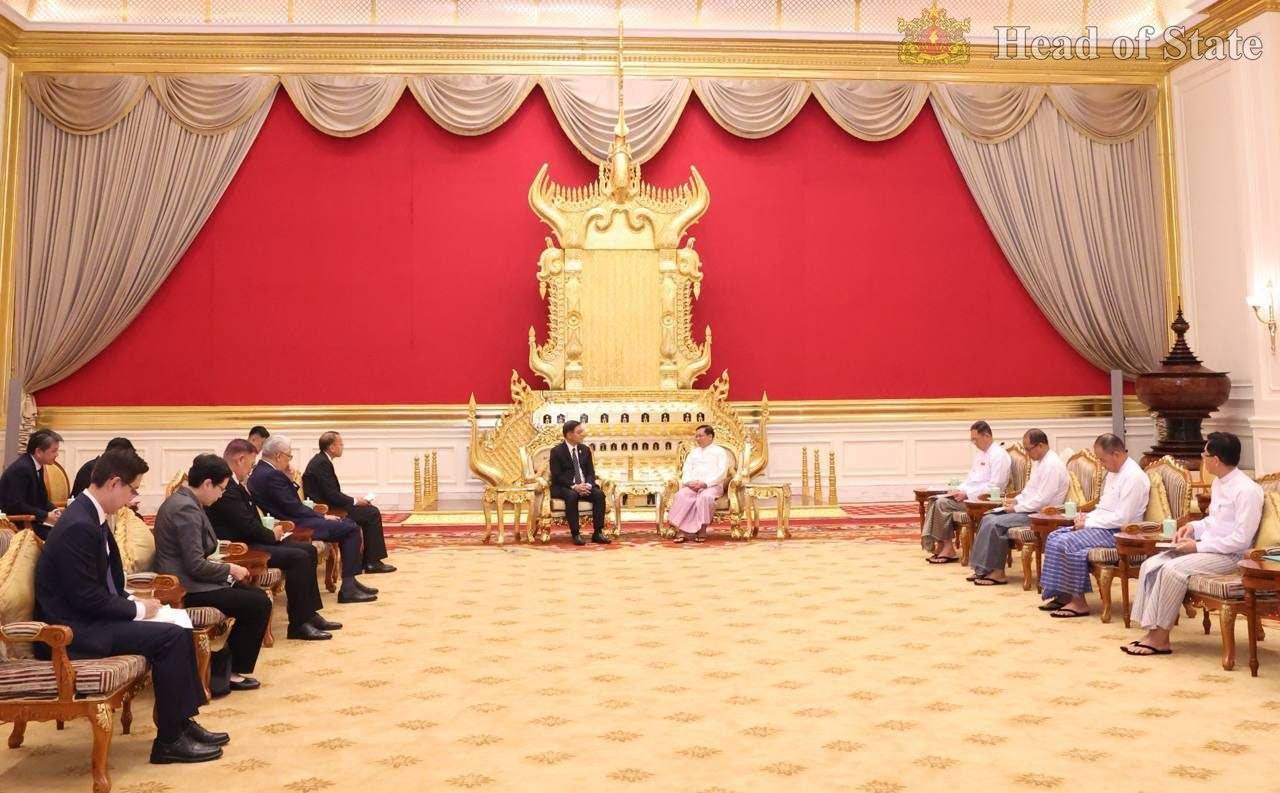
Myanmar President U Min Aung Hlaing meets with Thai Deputy Prime Minister and Minister of Foreign Affairs, Mr. Sihasak.
Additionally, the discussion covered potential Thai involvement in Myanmar’s peace processes and the continued enhancement of bilateral cooperation across multiple sectors, including agriculture, livestock, investment, electricity and energy, and manufacturing.
Thailand has a history of supporting such efforts; following the peace invitation issued on August 18, 2011, under President U Thein Sein’s administration, Thailand facilitated negotiations with various armed organizations.
Many Ethnic Armed Organizations (EAOs) are based in Thailand, and the country frequently serves as a venue for meetings and negotiations between the Myanmar government and these armed groups.
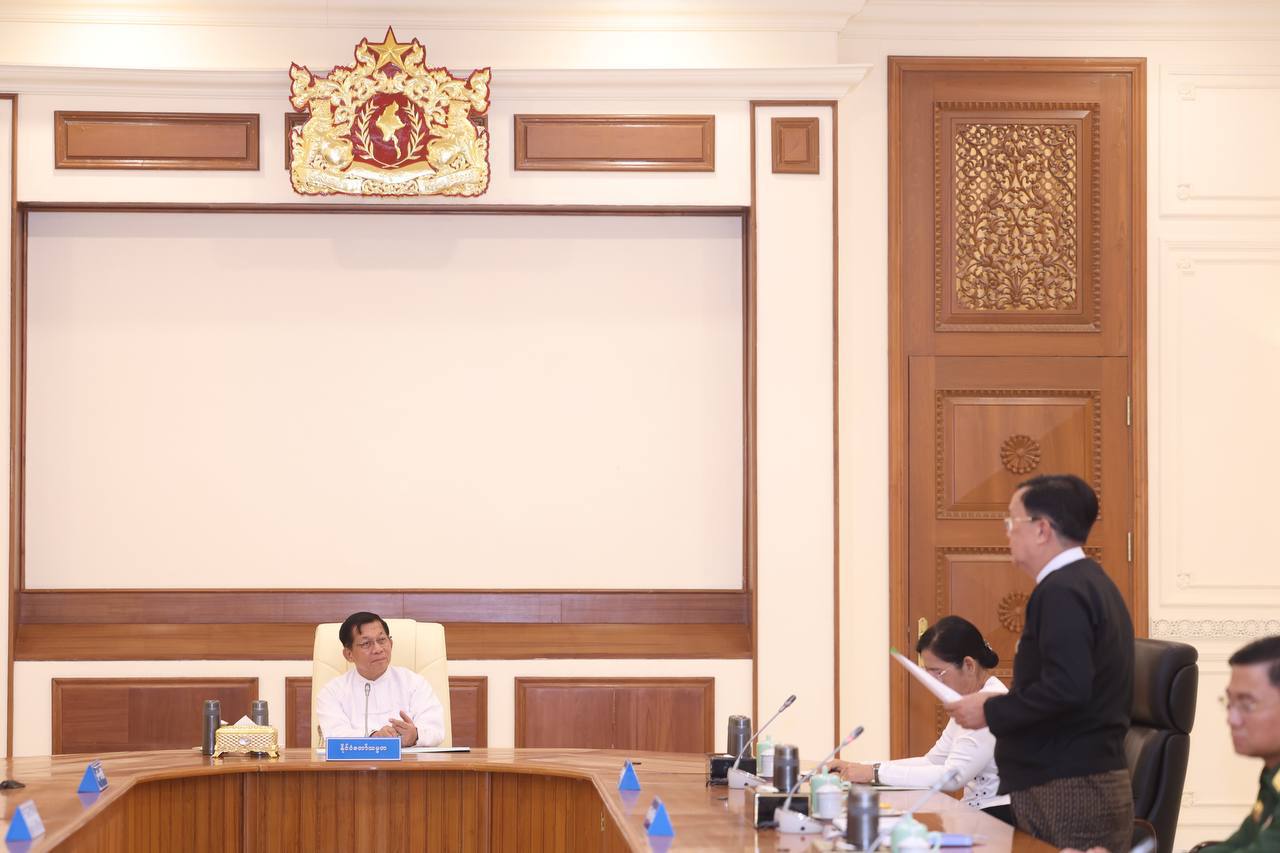
Most recently, on April 21, 2026, the transitional government led by President U Min Aung Hlaing issued a formal invitation to armed organizations to engage in peace talks.
- By CNI
- Category: English Section
- Hits: 147
CNI News
April 23, 2026
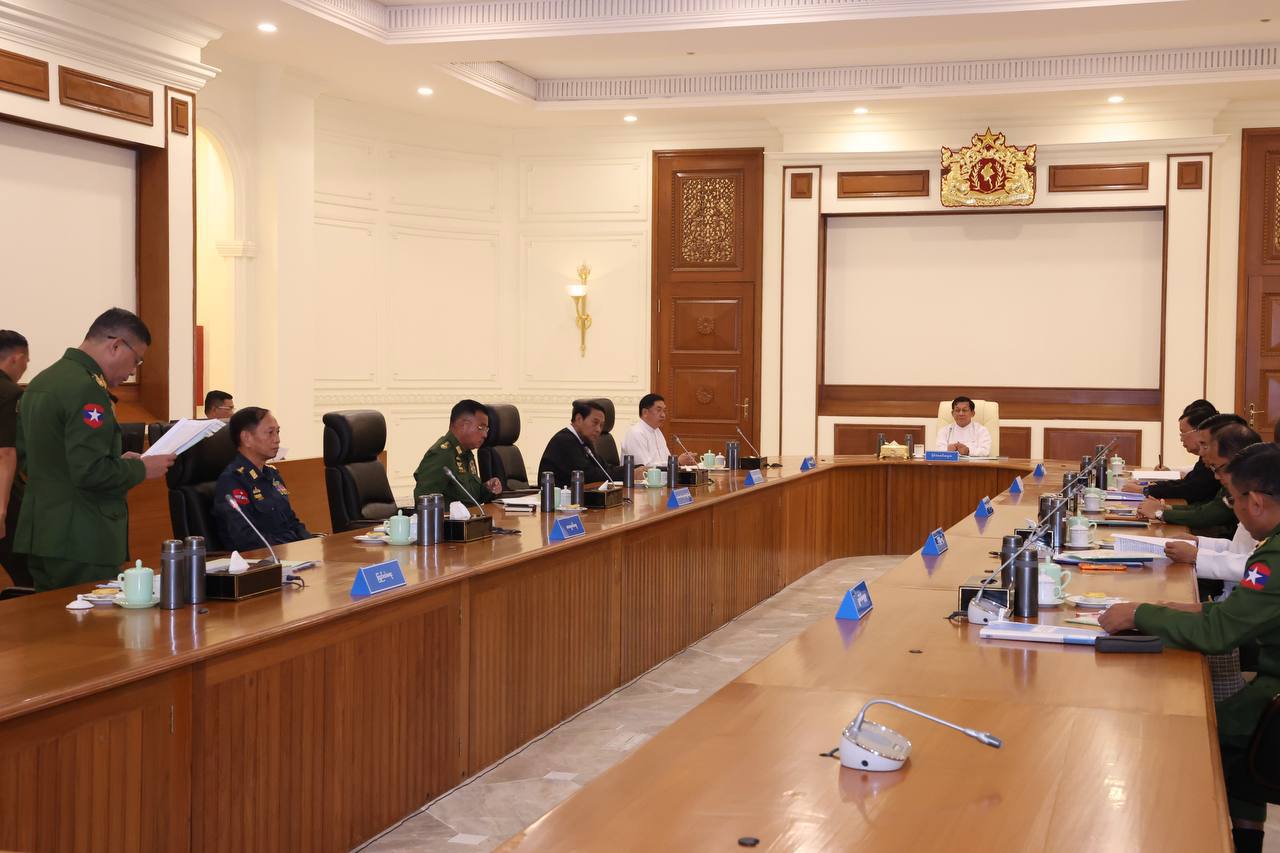
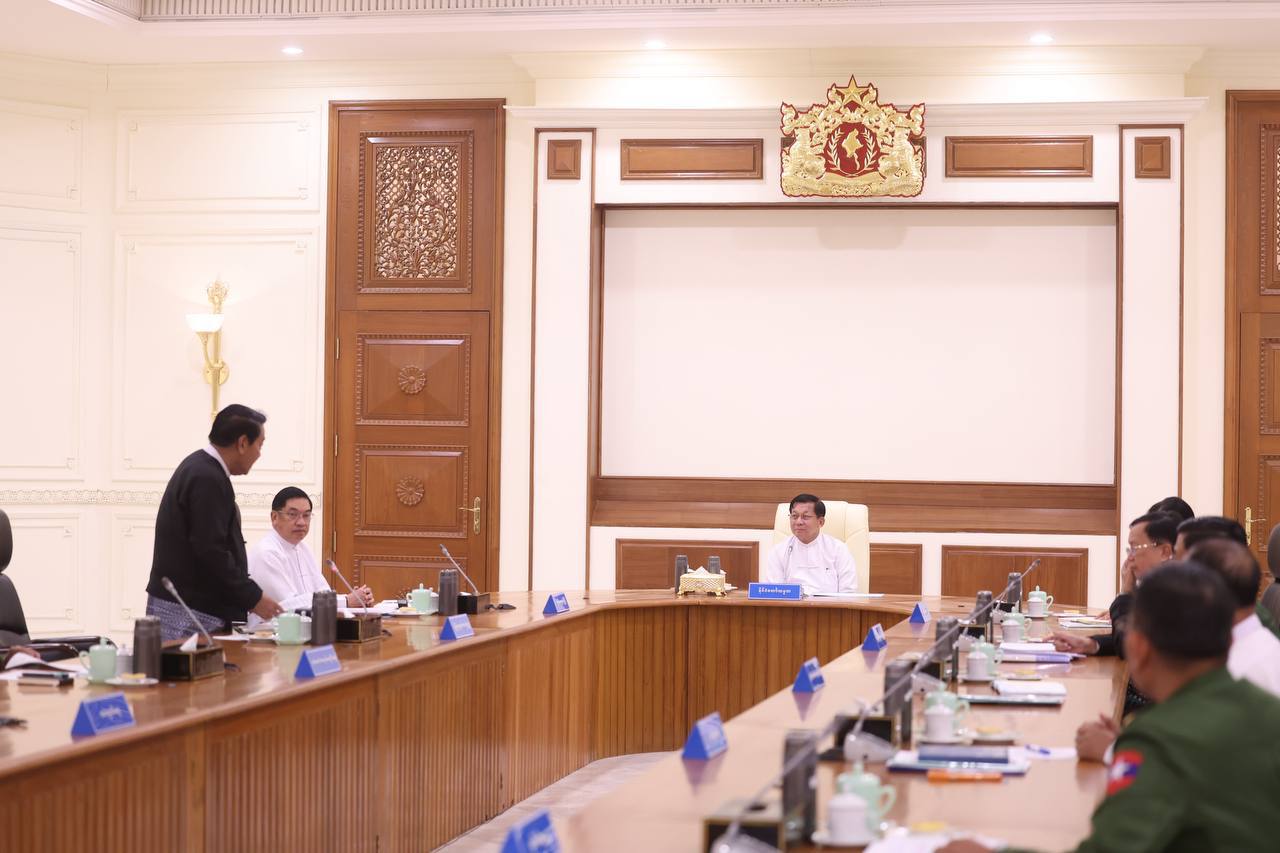
For the sake of national stability and development, administrative bodies at the ward, village, and township levels—including the Military and the Myanmar Police Force—must be free from corruption, stated President U Min Aung Hlaing.
He noted that during the current five-year term, it is essential to enhance the capabilities and power of the Military and the Myanmar Police Force to ensure national peace. He added that measures must be taken to ensure they maintain good discipline in their conduct and attire while remaining free from corruption.
Regarding administrative bodies, the President emphasized that organizations at the ward, village, and township levels, which interact directly with the public, must be competent and possess a clear understanding of the rules, laws, and basic principles of administration set by the state.
"Administrative groups need to be free from corruption," he said. "Therefore, they must be systematically trained to become capable administrative bodies."
In Myanmar, government employees serving under successive administrations have historically committed high levels of corruption, resulting in a lack of integrity within the government mechanism.
During the period of military governance from 2021 to 2025, corruption remained prevalent, leading to the arrest and prosecution of high-ranking military and police officials, as well as staff from various administrative departments.
Currently, there are reports of ward and village administrators committing acts of corruption by using the military service law as a pretext. There are also allegations of power abuse regarding the seizure of land in public recreation areas, and bribery involving guest list registrations and inspections.
Similarly, municipal staff at the township, district, and regional levels are reportedly bypassing legal regulations for high-rise buildings and other constructions in exchange for bribes. Further allegations include granting completion certificates regardless of quality standards due to bribery, and abusing power to allocate land plots to family members and close associates.
Furthermore, it is reported that Union-level ministers have engaged in bribery to issue permits and business concessions. Region and State Chief Ministers and ministers have also been accused of corruption by allocating land and business opportunities to their inner circles and relatives.
Members of the public have pointed out that to truly eliminate corruption in Myanmar, an Anti-Corruption Commission should be formed with representatives from various sectors, including social organizations, civil society groups, political parties, members of parliament, and the media.
- By CNI
- Category: English Section
- Hits: 177
CNI News
April 23, 2026
Military and political analysts are evaluating how the new government, led by President U Min Aung Hlaing, will approach and implement the peace process amidst ongoing armed conflicts.
On April 11, 2026, the government announced the reconstitution of the National Solidarity and Peacemaking Central Committee (NSPCC), the National Solidarity and Peacemaking Working Committee (NSPWC), and the National Solidarity and Peacemaking Negotiation Committee (NSPNC).
Analysts have raised questions regarding the absence of the parliamentary sector in these committees, wondering if this implies that the parliament is no longer considered relevant to peace affairs.
One political analyst told CNI News that while the role of parliament is technically essential because constitutional amendments must be made there, the current parliamentary structure suggests that as long as the Military and the USDP party agree, things move forward. This might be why they feel parliamentary representatives are not strictly necessary in the initial committees.
"In theory, once peace is negotiated, the agreed points must be submitted to parliament to amend the constitution. Therefore, it is necessary to include parliamentary representatives or members of parliamentary peace committees so they can report on progress and agreements. Only then can the parliament—which includes the winning party, ethnic political parties, and military representatives—successfully amend the constitution. However, realistically speaking, under the current structure, if the leaders of the USDP and the Military agree, the representatives will follow orders to support or oppose, regardless of their detailed understanding. They aren't attending NCA discussions or being invited. According to the NCA, constitutional reform is part of the bilateral agreement, so while parliamentary involvement is theoretically vital, the current reality is a 'show of hands' parliament," the analyst said.
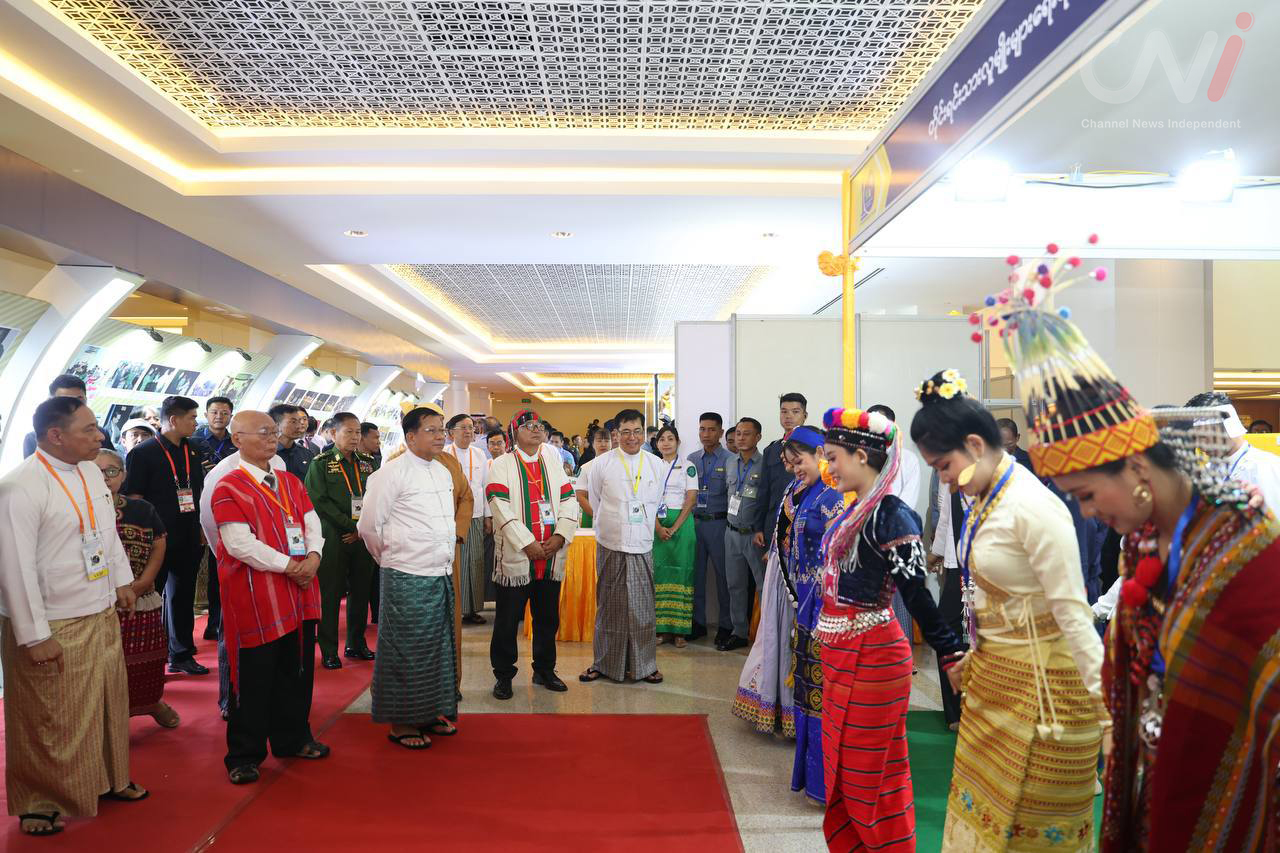
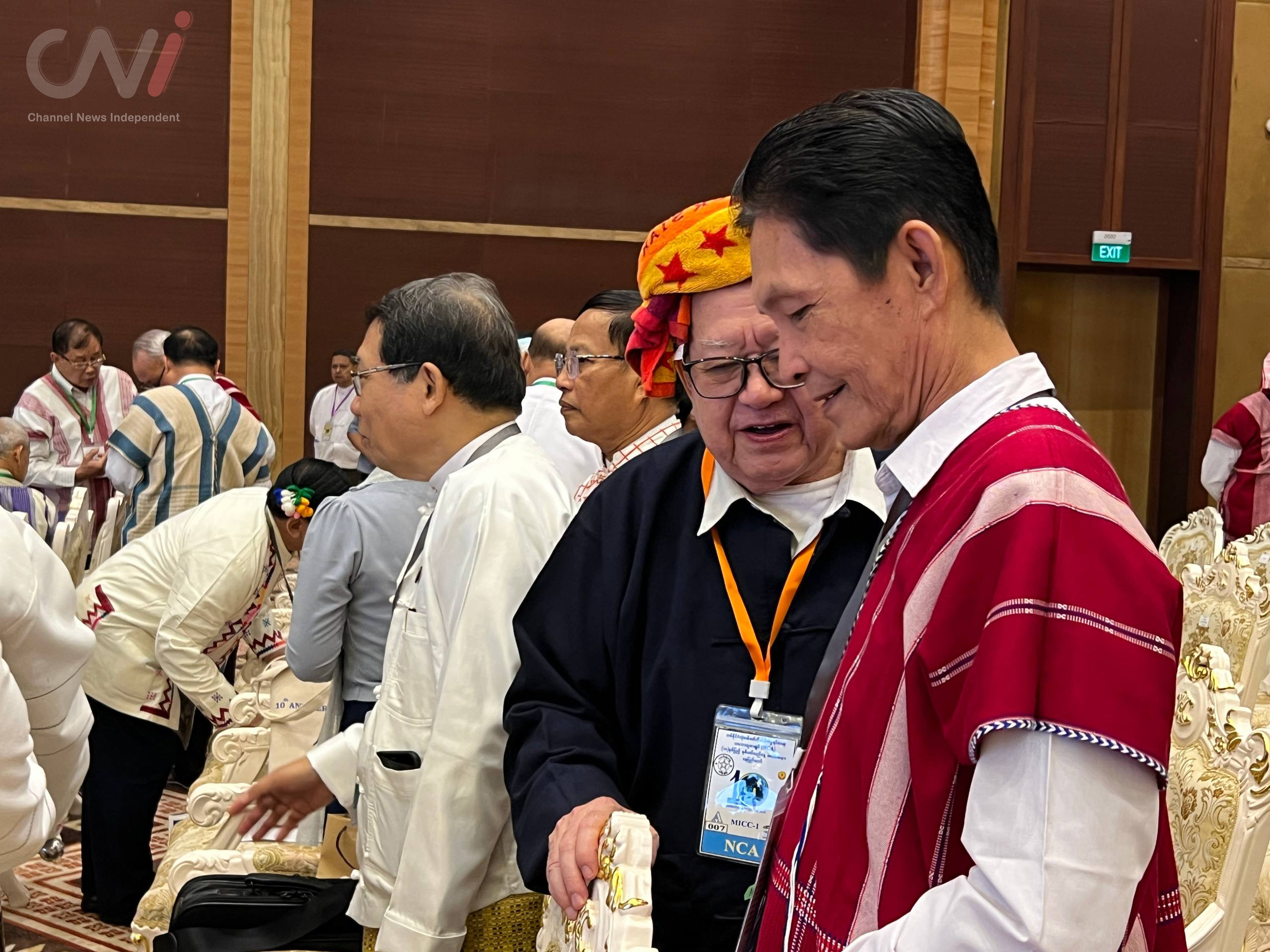
Observers at the NCA anniversary ceremony.
Colonel Saw Kyaw Nyunt, spokesperson for the 7 EAO Alliance, told CNI News that the Military's influence and involvement are likely to persist in the current political landscape, and many challenges remain for the peace process.
"Many people point out that during the previous NCA implementation period, many military leaders were involved. Back then, under the NUCC framework, we were able to organize systematically. Now, the Military's dominance remains. We must meet face-to-face, engage in trade-offs, and build trust to create a framework that aligns with everyone's views. I see that there are still many processes left to do. The challenges are immense, primarily due to the country's instability. Even when the NCA wasn't signed in the past, many ethnic areas didn't have active warfare. This situation is very different. Implementing a peace process under such widespread armed conflict requires much effort. International support will also be key," he stated.
Currently, intense fighting continues between the Myanmar Military and various armed forces, stalling peace efforts. Myanmar’s civil war has persisted since gaining independence on January 4, 1948. Analysts point out that the government and armed groups should negotiate repeatedly and firmly rebuild mutual trust.
U Thein Tun Oo, Director of the Thayninga Institute for Strategic Studies, told CNI News that the results and the momentum of the peace process are more important than who specifically is involved.
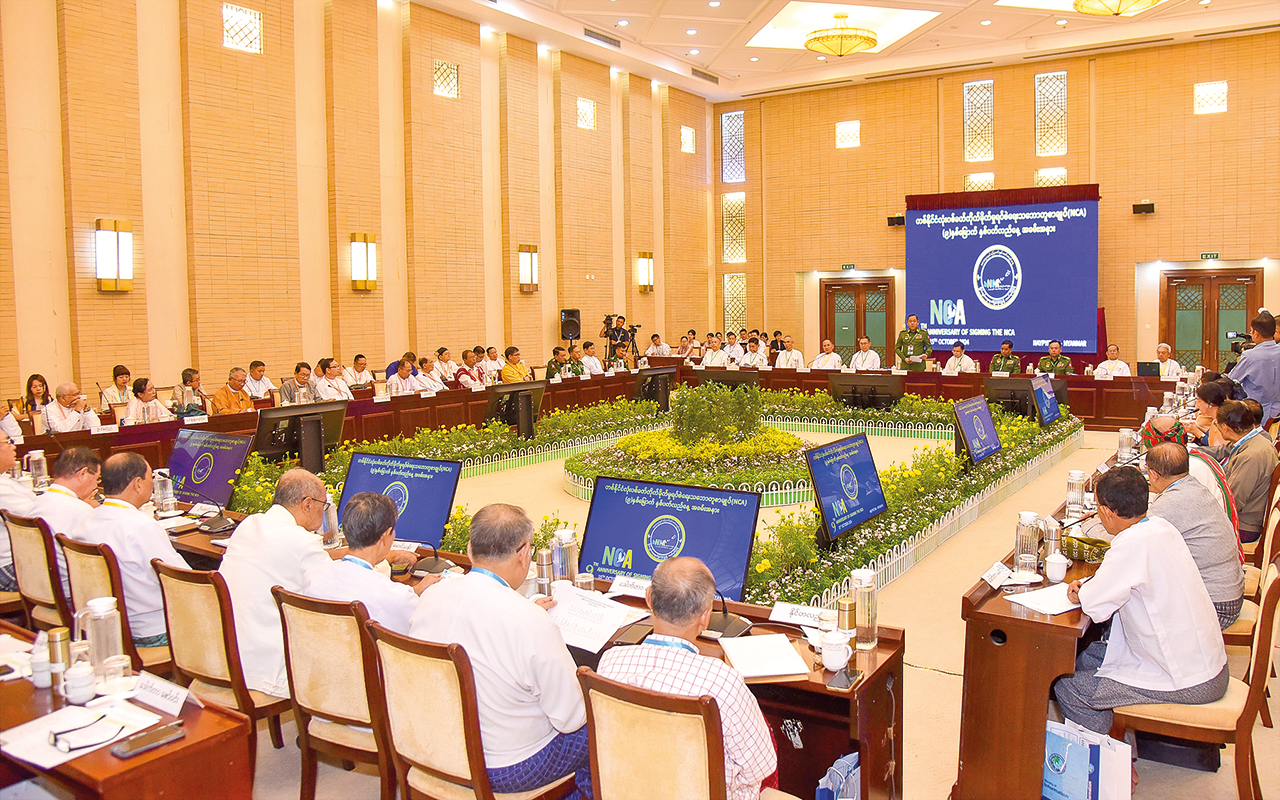
Engaging in peace talks at the NCA anniversary ceremony.
"In building peace, it’s not about who must be there, but how far we can move along the path toward peace. Whether military-led or civilian-led, if there are no results, it’s in vain. We need to see if this new organization can deliver. During the NLD's term, there was a civilian chair, but did those peace movements succeed? The main thing is the result. There have been many invitations and meetings recently, but not as many results as expected. If the current government can follow the momentum of the peace process seen during U Thein Sein’s era, there might be a result," he said.
Analysts also highlight that the peace process will not work unless the root causes of the conflict—such as political convictions, historical backgrounds, and ideological disputes—are taken into account.
Currently, the government led by President U Min Aung Hlaing issued an invitation on April 21, 2026, to both NCA-signatory and non-signatory armed groups to engage in peace talks.
- By CNI
- Category: English Section
- Hits: 261
CNI News
April 23, 2026
The new government led by President U Min Aung Hlaing will face numerous multi-faceted crises. Among them, the Kachin, Rakhine, and Karen regions pose the greatest difficulties, political analyst Dr. An Kaw La told CNI News.
He noted that resolving political conflicts and establishing peace with the armed organizations in these three regions is a significant challenge for the new administration. He believes the government must strive intensely to reach a resolution within the next two years.
"In my view, there are three regions. It’s hard to say which one is the biggest difficulty right now because all three are simultaneously important," Dr. An Kaw La said. "First is the point of negotiation with the KIA/KIO in Kachin State, Northern Myanmar. Second is Rakhine, which is also very important as it opens up the entire western maritime front. Third is Tanintharyi in Southern Myanmar. In Tanintharyi, the Win Wa battles were significant recently; reports suggest the Union Government has been able to retake that area. Tanintharyi is close to the Malacca Strait trade route and is where the Dawei Deep Sea Port project is to be implemented—it’s a strategic location for Myanmar. KNU Brigade 4 has been dominant there, so we must be very cautious, especially regarding the KNU. Now, the Myawaddy routes have opened, and trade routes need to be operational. On the other side, the Muse-Mandalay route in the northeast needs to open as well. The new government is striving hard for these. Simultaneously, how to handle peace issues and political conflicts in these three areas is a real challenge. I see that they must try very hard to reach a resolution within two years."
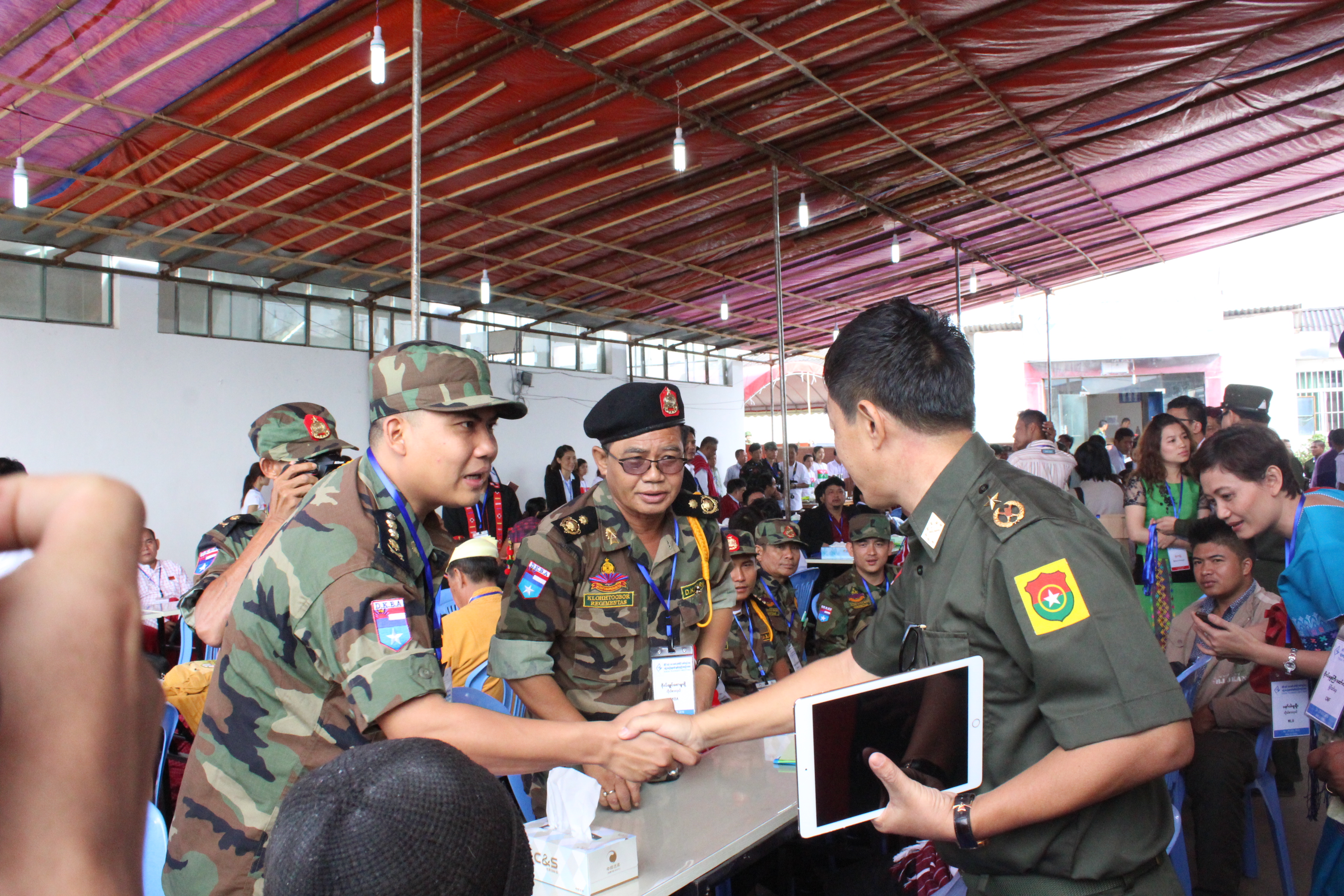
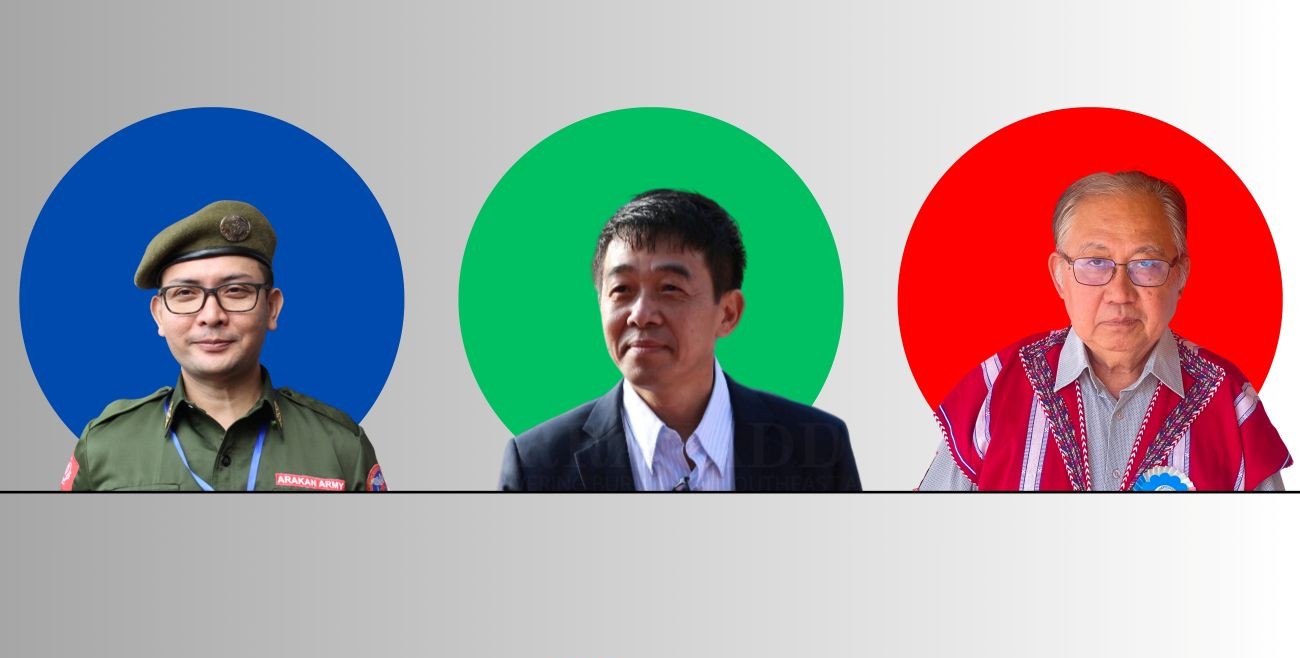
Some leaders of the KIA and the DKBA.
Currently, the government cabinet mostly consists of former top officials from the previous five-year term. Rakhine and Kachin ethnicities have been given leadership roles in the parliament, and a Karen individual has been appointed as Vice President.
The Kachin, Rakhine, and Karen ethnic armed organizations (EAOs) are groups that have grown stronger amidst the political changes following 2021 and have been conducting military operations in cooperation with "Spring Revolution" forces.
Colonel Khun Okkar, Chairman of the Pa-O National Liberation Organization (PNLO-NCA/S), a signatory of the Nationwide Ceasefire Agreement (NCA), told CNI News that if the government can provide public welfare, rehabilitation, peace, and stability, other problems will become much easier to solve.
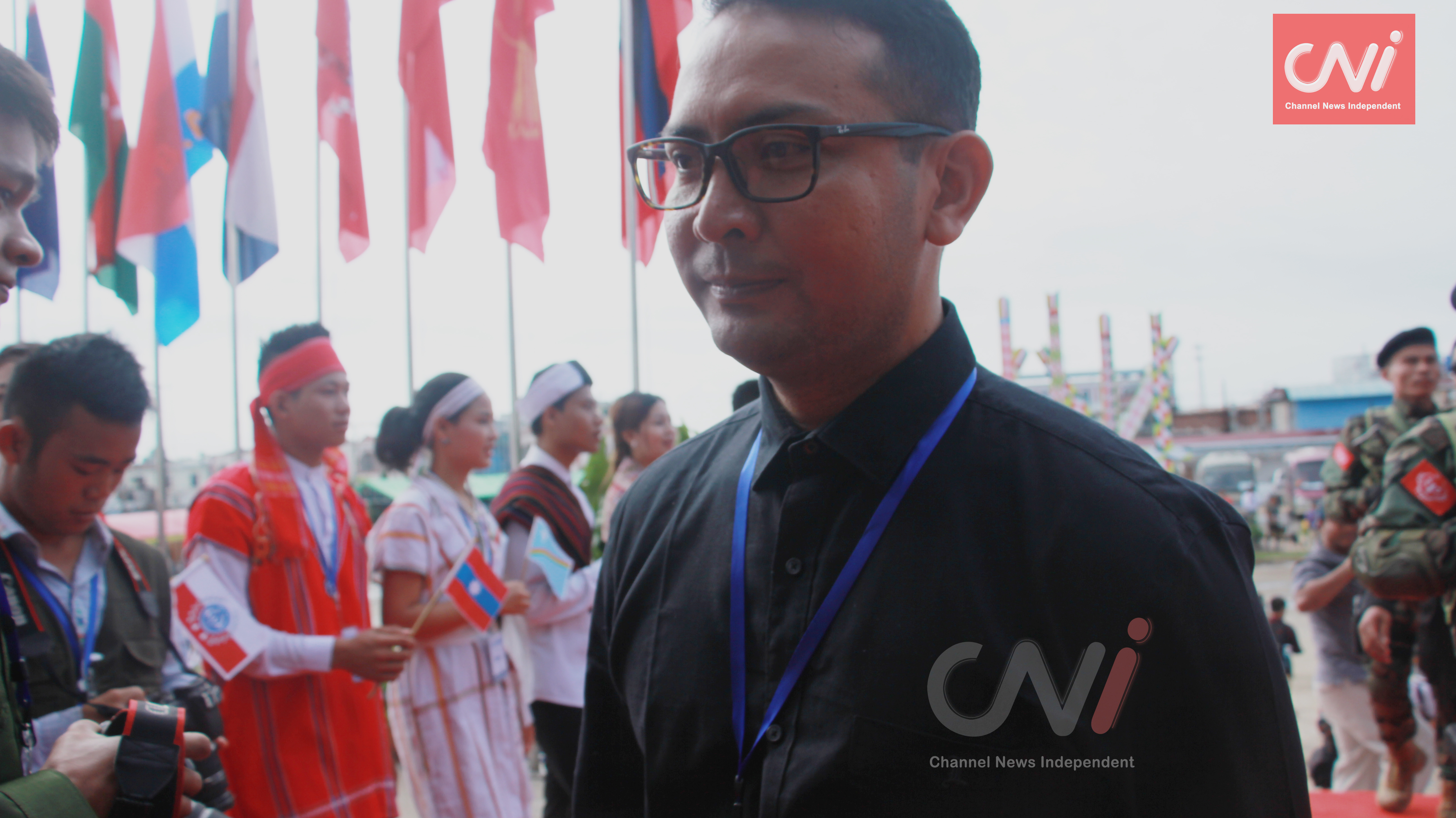
AA leader General Tun Myat Naing.
"It’s all regions. From Kachin to Rakhine, Chin, Karenni, and Karen—all regions currently in conflict have major problems. It's not that one is bigger or smaller than the other," he said. "The Kachin issue exists, but Kachin is politically savvy and flexible; I think it can be resolved. Especially the Karenni and KNU issues in the south, and the Tanintharyi Region issue where various armed groups are fighting. These are the problems the new government will face in the coming five years. Therefore, if they can create peace and stability and provide for the basic welfare and rehabilitation of the grassroots people, resolving the remaining issues will be a bit easier. There are many citizens who are not combatants. If the suffering of the majority can be addressed, I believe it will be much easier to solve the problems I mentioned. That is what I would like to suggest."
On April 20, 2026, President U Min Aung Hlaing issued an invitation to all PDFs, NCA-signatory EAOs, and non-signatory groups to meet and discuss peace within a 100-day period—from April 20 to July 31.
Military and political analysts point out that while there are hundreds of armed groups in Myanmar post-2021, if peace can be achieved with the three main Kachin, Rakhine, and Karen armed groups, it will simplify the path to resolving the wider armed conflict.
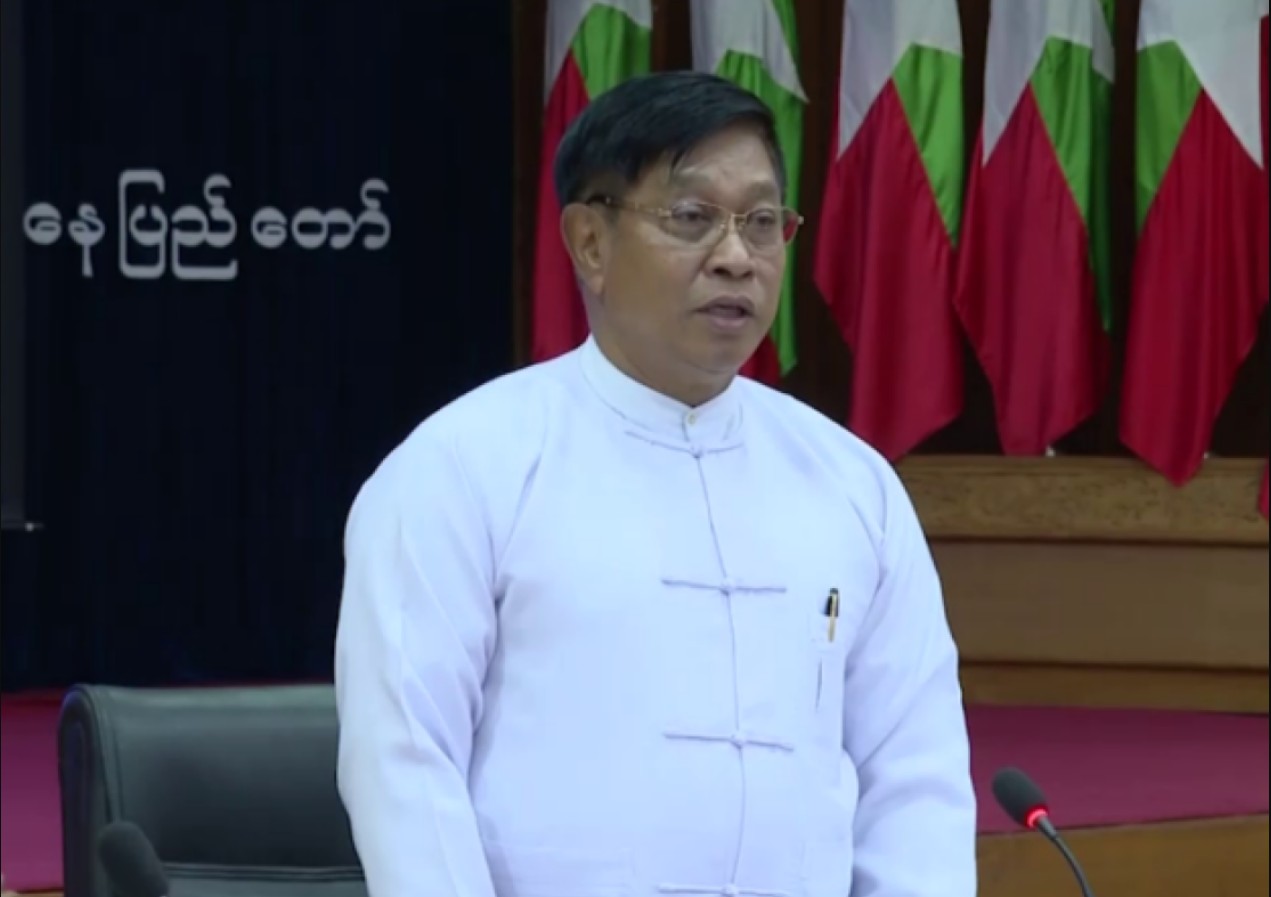
- By CNI
- Category: English Section
- Hits: 197
CNI News
April 22, 2026
President U Min Aung Hlaing issued a statement on April 22, 2026, appointing Union Minister U Tin Aung San as the National Security Advisor.
U Tin Aung San also currently serves as the Minister for the Office of the Union Government within the Union Government Cabinet.
The appointment aims to provide the President and the Office of the President with multi-faceted research, analysis, and recommendations regarding national security matters.
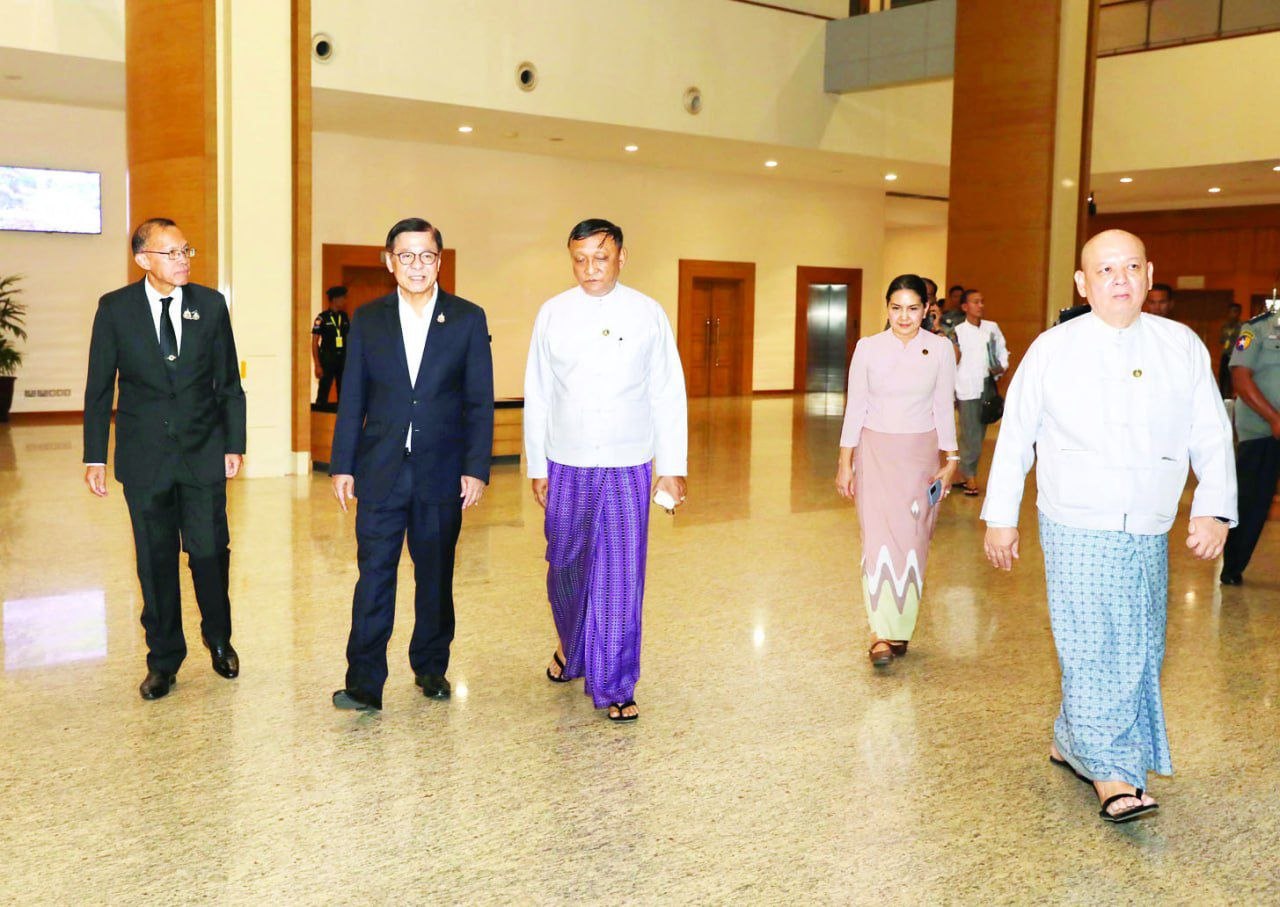
- By CNI
- Category: English Section
- Hits: 206
CNI News
April 22, 2026
It is reported that Mr. Sihasak, Thailand’s Deputy Prime Minister and Minister of Foreign Affairs, arrived at Nay Pyi Taw Airport via a special flight on the evening of April 21, 2026.
Following his arrival, he is scheduled to meet and hold discussions with President U Min Aung Hlaing.
Mr. Sihasak’s visit to Myanmar is taking place from April 21 to April 22.
In a related development, Chinese Foreign Minister Mr. Wang Yi is also expected to visit Myanmar in the coming days to meet with President U Min Aung Hlaing.
- By CNI
- Category: English Section
- Hits: 234
CNI News
April 22, 2026
Political analysts and diplomats are closely observing whether the upcoming visit of Thailand’s Deputy Prime Minister and Minister of Foreign Affairs, Mr. Sihasak, to Myanmar can end the country’s isolation and facilitate its reintegration into ASEAN.
President U Min Aung Hlaing stated during the first regular session of the Third Union Parliament (Pyidaungsu Hluttaw) on April 10, 2026, that as Myanmar is an ASEAN member state, it will strive to restore regular relations with the bloc.
Mr. Sihasak is scheduled to arrive in Myanmar on April 22, 2026, and is expected to meet with President U Min Aung Hlaing. This will be the first visit by an ASEAN member state official to the new government following the elections in Myanmar.
A political analyst told CNI News that the stance of neighboring Thailand is crucial for improving relations between Myanmar and ASEAN. He suggested that progress is possible if the government implements ASEAN’s consensus agreements.
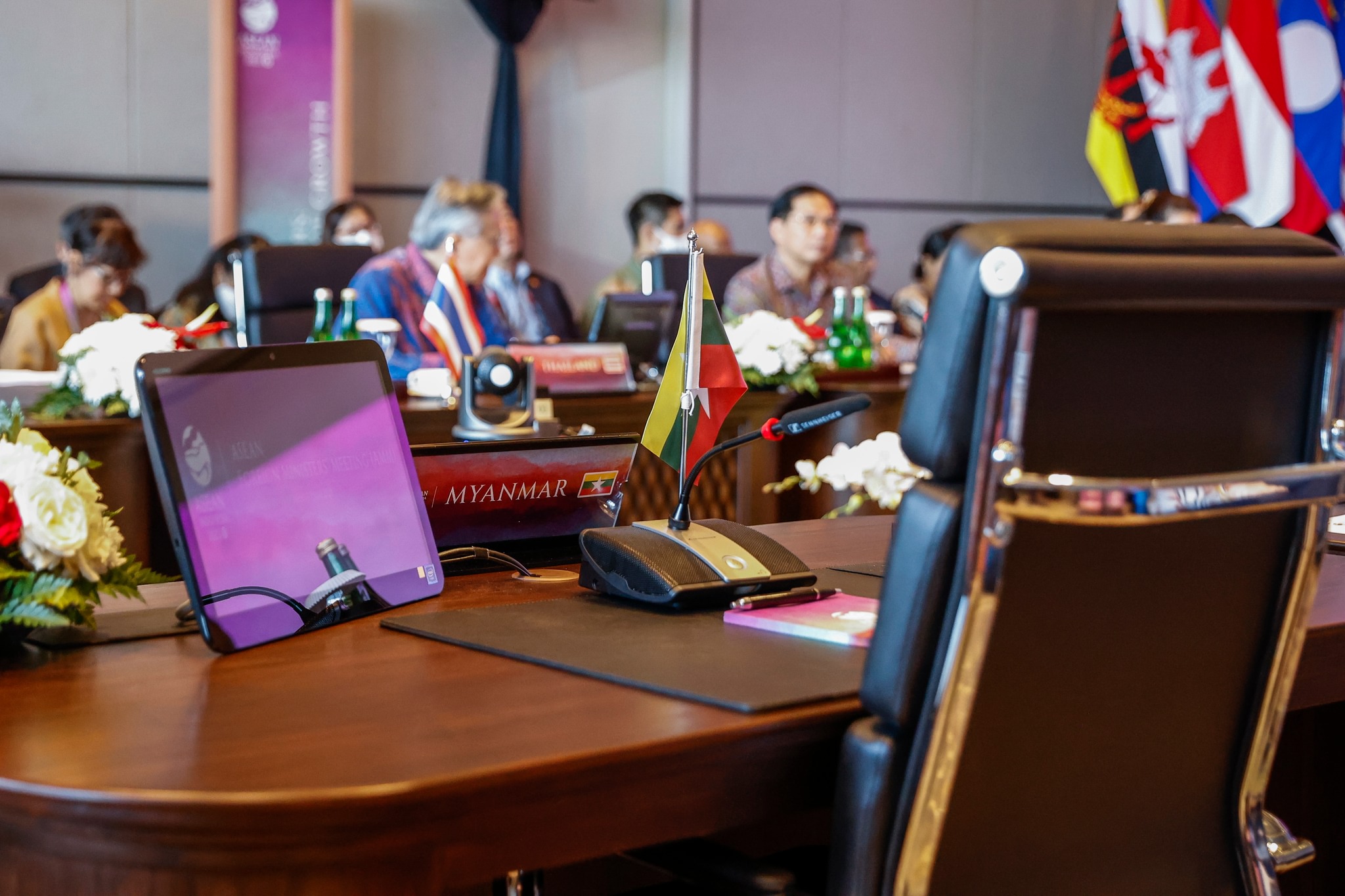
The vacant Myanmar seat at an ASEAN meeting.
"It depends on the decisions of the respective governments and how Myanmar responds. If Thailand is satisfied with the response, they will report back to their government. If the Thai government recognizes [the new administration], other countries might follow suit. Currently, most countries are reluctant to recognize the elections or the appointment of Min Aung Hlaing as President; only a minority holds a more flexible view. Thailand acts as a neutral and influential mediator, making its stance vital," the analyst said.
He further noted that while U Min Aung Hlaing agreed to the ASEAN 5-Point Consensus, ASEAN has been dissatisfied with the lack of implementation. "Myanmar’s response is critical. If there is hope in the response, and if Thailand leads with recognition, others may follow."
President U Min Aung Hlaing is also scheduled to visit China and meet with President Xi Jinping. The analyst added that the response to the Thai diplomat is even more significant because it occurs before the China trip.
"China also wishes to see Myanmar reintegrate into ASEAN. If Myanmar remains distanced or antagonistic toward ASEAN, China likely won't be pleased. China is pushing for reconciliation with neighbors and peaceful dialogue to resolve internal conflicts. Therefore, this meeting before the China trip must be handled with care."
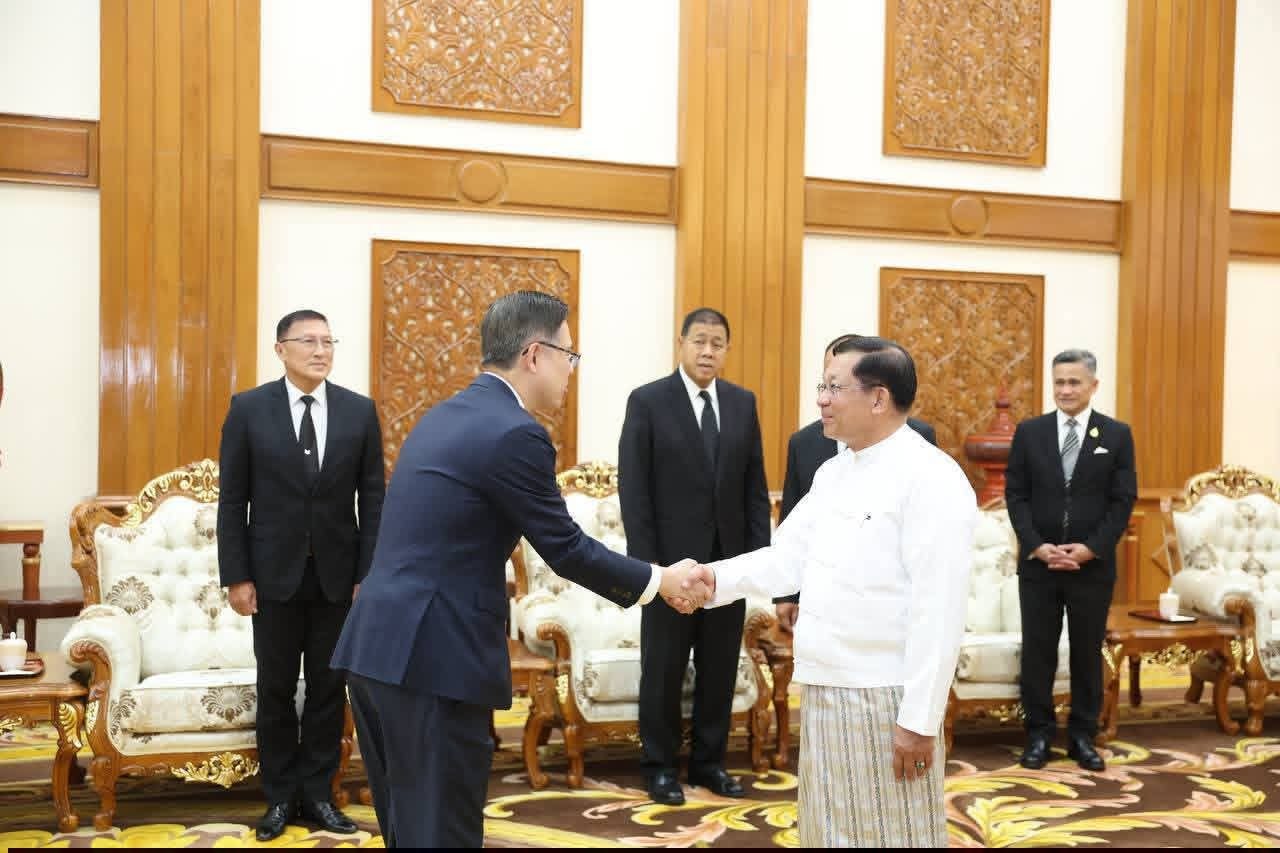
President U Min Aung Hlaing with the Thai delegation seen
U Thein Tun Oo, Director of the Strategic Studies Group, told CNI News that Mr. Sihasak's visit might focus more on Thai-Myanmar bilateral cooperation than on ASEAN-Myanmar relations.
Key Areas of Focus: Border security and the resumption of trade.
Historical Ties: The two nations share deep historical links and essential operational tasks that require coordination.
ASEAN Context: U Thein Tun Oo noted that Myanmar is following its own path according to the original ASEAN Charter. He pointed out a divide within ASEAN between mainland Southeast Asian nations and archipelagic nations regarding the Myanmar issue.
"If the ASEAN community accepts Myanmar’s existence and desires a collaborative solution, they will eventually have to re-accept Myanmar," he stated.
Following the events of February 1, 2021, and the subsequent declaration of a state of emergency, ASEAN intervened in the Myanmar crisis and excluded Myanmar's military leadership from its summits.
Currently, stakeholders are watching whether the post-election government can restore ties with the bloc. Simultaneously, preparations are underway to reopen the Asian Highway and resume border trade between Thailand and Myanmar, which has been stalled for a significant period.
- By CNI
- Category: English Section
- Hits: 186
CNI News
April 21, 2026
Military and political observers are analyzing the potential attitudes of Ethnic Armed Organizations (EAOs) and revolutionary groups toward the peace invitation issued by the government led by President U Min Aung Hlaing, which spans from April 20 to July 31, 2026.
During a Union Government meeting on April 20, 2026, President U Min Aung Hlaing delivered a speech outlining tasks to be undertaken within a "100-day plan." Within this 100-day window (April 20 to July 31), he invited People’s Defense Forces (PDFs), EAOs that have signed the Nationwide Ceasefire Agreement (NCA), and non-signatory groups to meet for peace talks.
U Khun Sai, an active participant in the peace process, told CNI News that during the initial implementation of the NCA under President U Thein Sein’s administration, negotiations were extremely difficult. He suggested that peace talks are more likely to succeed if negotiators travel to the locations where the armed groups are based.
Leaders of armed organizations seen together.
"President U Thein Sein issued a declaration about four months after taking office. On August 18, 2011, he invited Myanmar citizens abroad to return and help develop the country, and called on all revolutionary organizations to discuss peace. But no one came. Those they did meet with were groups that already had existing ceasefire agreements, like the 'Wa', Kokang, Mongla, and DKBA. However, not a single group actively engaged in armed revolution showed up; they simply didn't trust the offer. Consequently, in October, U Aung Min and U Soe Thein were tasked with traveling to the Thai border to negotiate. Even then, they were unsuccessful until U Harn Yawnghwe assisted through the National Reconciliation Program, as he had connections with all EAOs. Only then, in November, did five EAOs agree to talk. If it was that difficult under U Thein Sein, I think it will be even harder in the current situation. Because of these difficulties, it is unlikely EAOs will come if they are told 'come to where I am.' It is much more likely to happen if the government goes to where they are, though it will require even more effort than U Aung Min and U Soe Thein exerted," U Khun Sai said.
President U Min Aung Hlaing stated that he is inviting groups that have not yet engaged in dialogue to do so by the July 31 deadline. He emphasized that the government desires peace, noting that national development is impossible without stability and tranquility.
Dr. Hla Kyaw Zaw, an observer of China-Myanmar affairs, suggested to CNI News that this 100-day peace invitation might be a strategic move to secure an invitation for Myanmar to attend next month’s ASEAN summit.
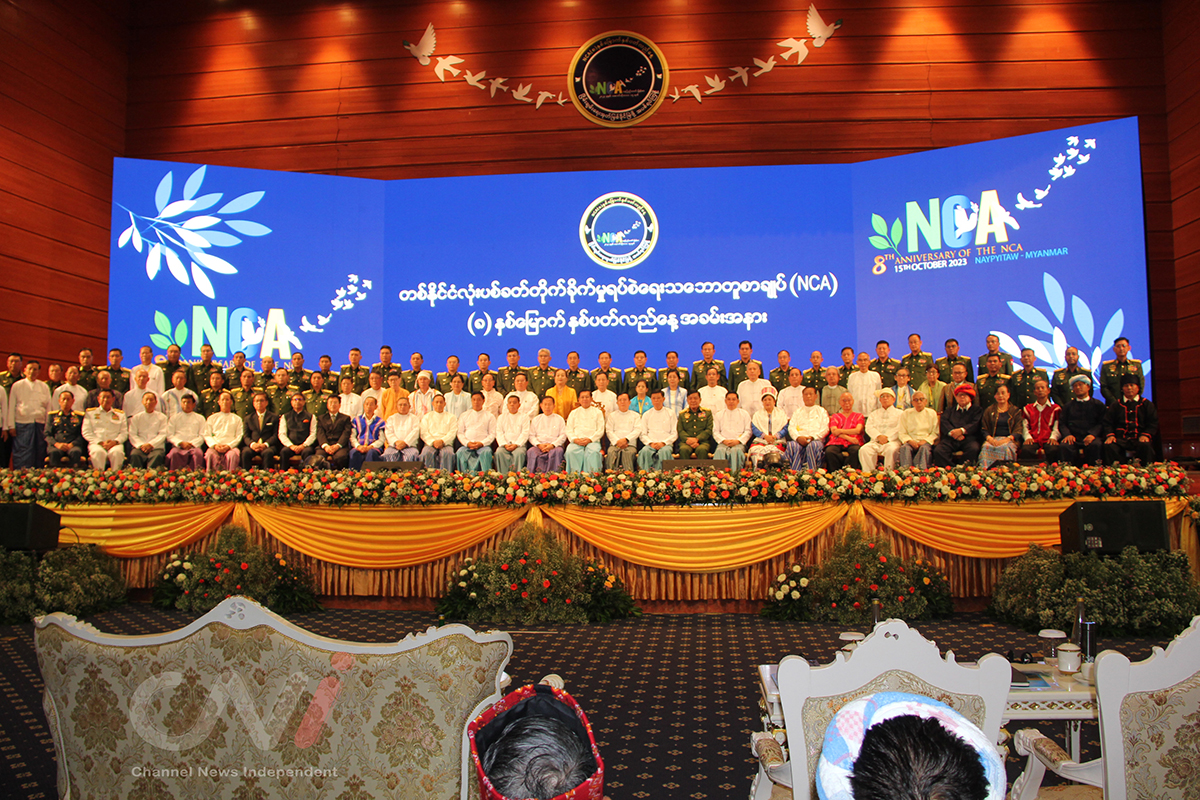
During the ceremony marking the anniversary of the NCA.
"There might be things he was pressured to do from the start, perhaps pressure from China or ASEAN. Currently, it’s possible this is being done to get invited to the ASEAN meeting next month. It’s like setting off fireworks to be noticed and invited. But how can this succeed? Consider whether it’s possible to end a 70-year-old civil war in just 100 days. If no one else could achieve it in a lifetime, could he?" she remarked.
The NCA was originally signed on October 15, 2015, by the Karen National Union (KNU), Restoration Council of Shan State (RCSS), KNU/KNLA-PC, Democratic Karen Benevolent Army (DKBA), Arakan Liberation Party (ALP), All Burma Students' Democratic Front (ABSDF), Chin National Front (CNF), and Pa-O National Liberation Organization (PNLO). On February 13, 2018, the New Mon State Party (NMSP) and Lahu Democratic Union (LDU) also signed.
Currently, the KNU, CNF, and ABSDF have effectively withdrawn from the NCA and are in active combat with the Myanmar military. Furthermore, groups like the ALP, PNLO, LDU, and NMSP have split into internal factions.
Questions remain regarding which peace track will be used for the KIA, SSPP, UWSA, KNPP, NDAA, AA, TNLA, MNDAA, SNA, NSCN, and the new armed groups that emerged after February 1, 2021.
Page 11 of 347
Connect with us