
English Edition

- By CNI
- Category: English Section
- Hits: 414
CNI News
17 December 2025
Offering of Kauk Oo alms food (alms food made from first crop of paddy) to Sangha and Buddha regarding the entire Uru Creek region, which is a Shanni traditional event, and the festival to mark New Year are being held in Htaingon Village, Homalin Township, upper Sagaing Region from 16th to 18th December, 2025.
The traditional ceremony of eating the first crop was collectively held by the 19 village tracts including Htaingon.
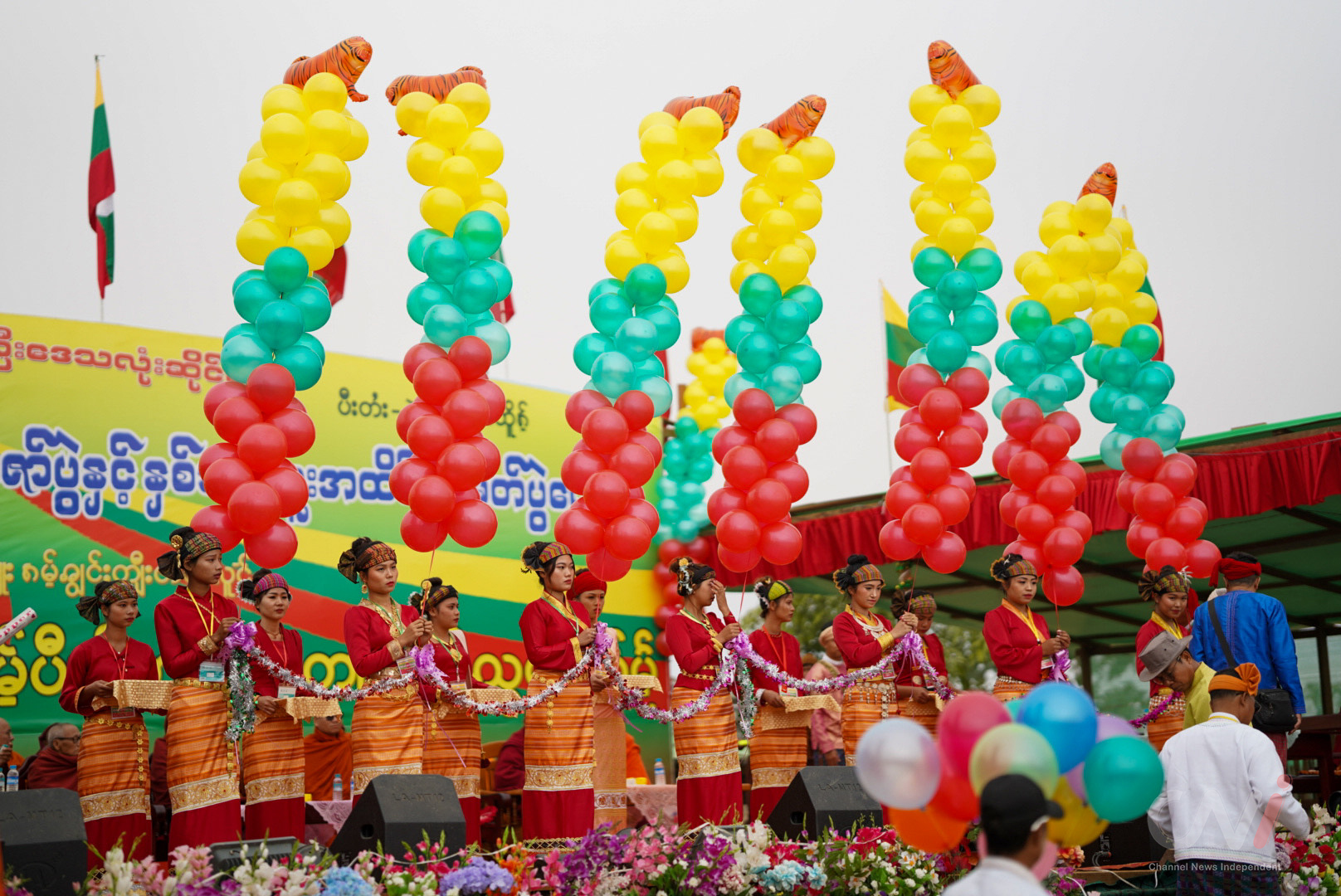
The Shanni ethnic people are concentrated in Myanmar’s Sagaing Region and Kachin State. After Myanmar gained independence on January 4, 1948, Shanni territories were divided into two parts, resulting in the loss of unity as a single, cohesive region.
Since then, the Shanni ethnic people have been a group that has been calling for the establishment of a Shanni State.
- By CNI
- Category: English Section
- Hits: 963
CNI News
17 December 2025
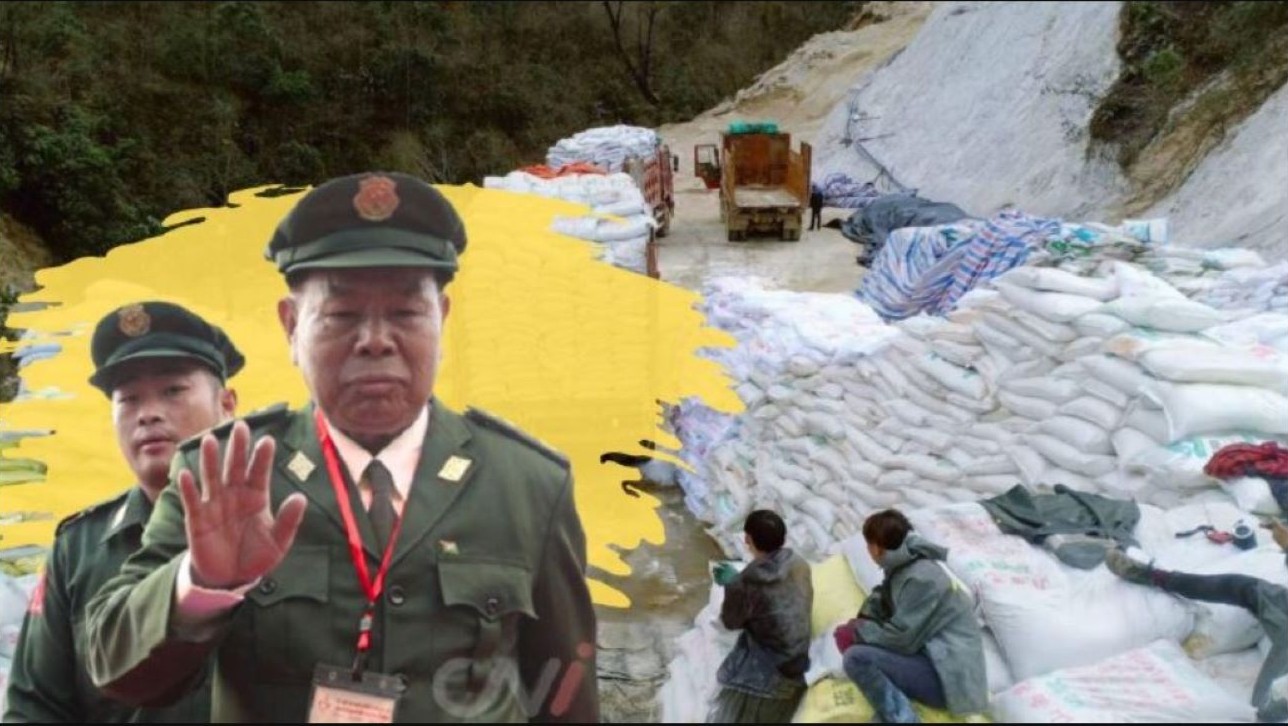
According to an exclusive intelligence investigation, Silicon Valley Time reported that a secret agreement has been concluded between India and Myanmar’s Kachin Independence Army (KIA).
The agreement is said to undermine Myanmar’s sovereignty and constitutes a strategic partnership aimed at the extraction of rare earth minerals.
Based on satellite imagery and cross-border intelligence, it has been confirmed that India is constructing a 365-kilometer road from Vijaynagar in Arunachal Pradesh to a rare earth mining site in Chipwi town, Kachin State. This road was built without the approval of the Myanmar Tatmadaw and the government. Through this route, India would gain access to rare earth resources from Myanmar, while in return India would be able to provide the KIA with weapons, medicines, and other logistical support.
The agreement also reportedly includes a covert plan to construct a second strategic road linking the KIA headquarters in Laiza, passing through Sagaing Region, and extending to Rihkhawdar town in Chin State.
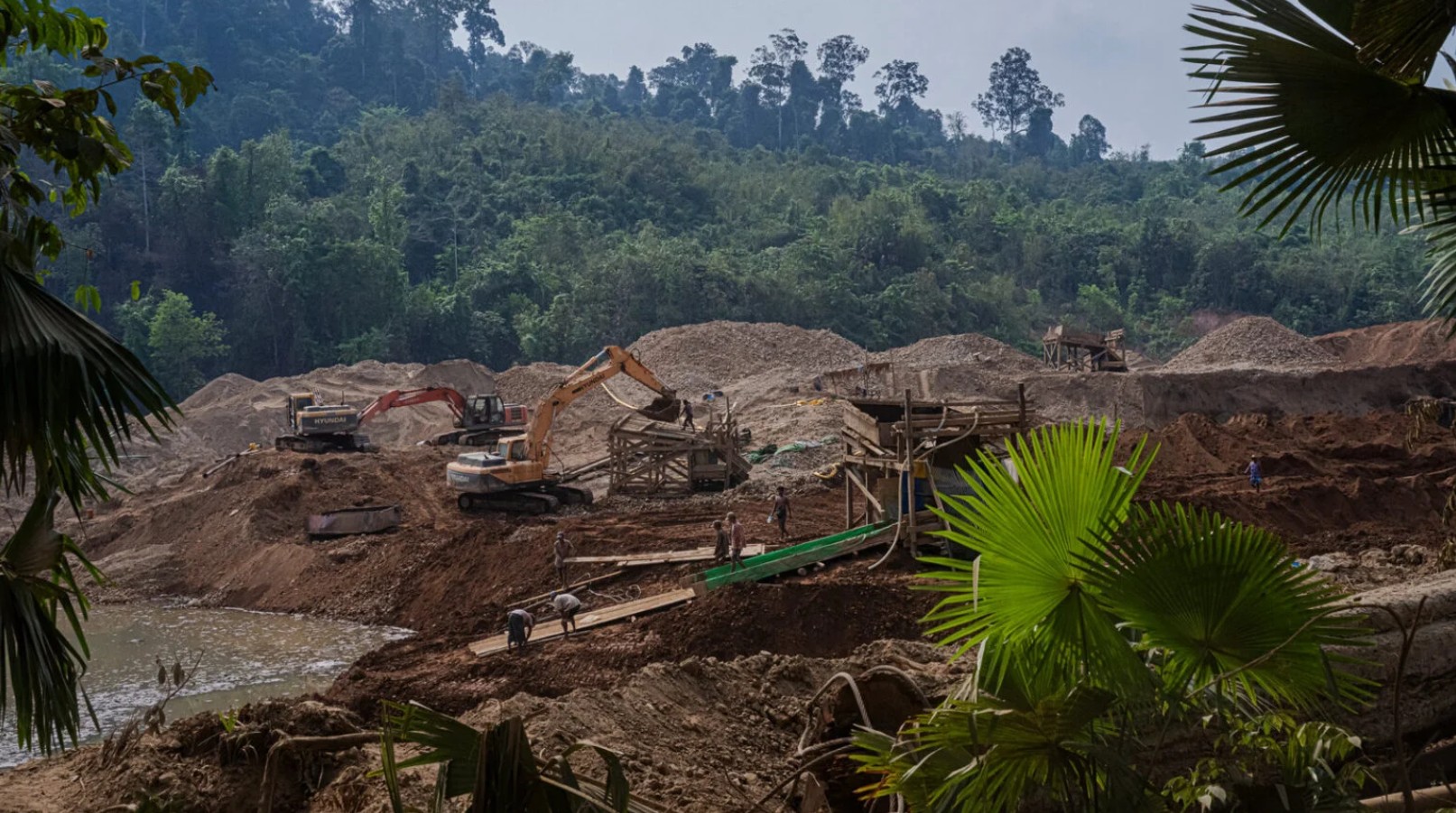
Gold mining in progress
Funding for this corridor is said to come from revenues generated by illegal timber smuggling networks in Myanmar, and it would enable the long-term export of rare earth minerals, oil, and teak to India.
Analysts noted that the KIA’s involvement has allowed India to indirectly control resource-rich areas, while bypassing the Myanmar Tatmadaw and weakening the military’s territorial influence.
India’s military assistance—channeled through Arunachal Pradesh—includes advanced weapons systems and medical supplies, which have enhanced the operational capabilities of the KIA as it confronts the Myanmar Tatmadaw.
In return, the KIA has reportedly pledged to suppress anti-India insurgent groups along the border, including NSCN-K/YA, and has also quietly endorsed India’s claims regarding the disputed Chin State and Kabaw Valley areas.
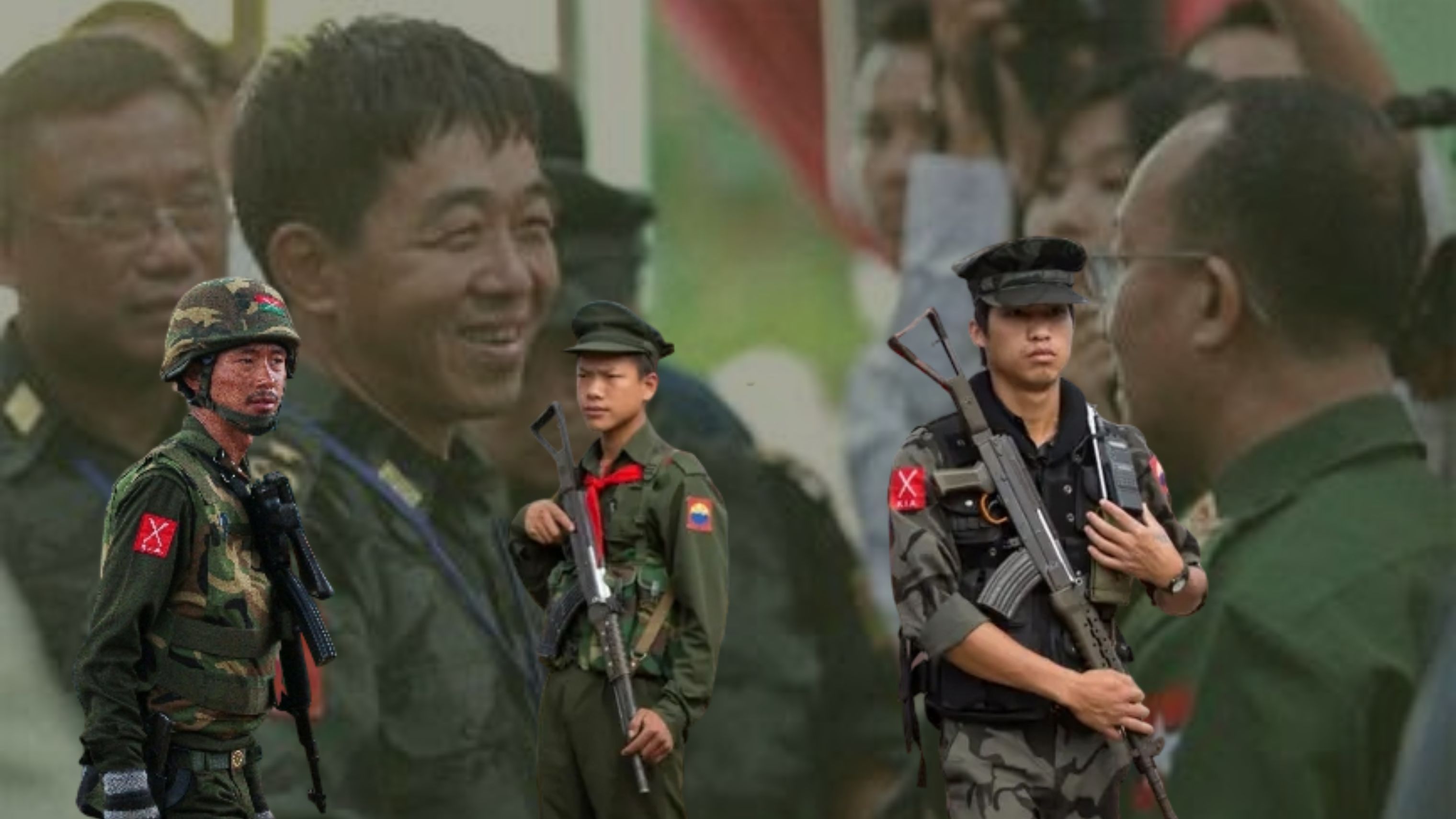
KIA forces seen
A Myanmar military official strongly criticized the agreement, calling it a blatant violation of international law, and warned that unauthorized Indian activities within Myanmar’s border regions would be met with severe military retaliation.
The official stated that road construction and resource extraction by Indian entities without Myanmar’s consent violate the fundamental principles of the United Nations Charter concerning sovereignty.
“These actions not only threaten Myanmar’s stability but also pose a serious risk of triggering a broader regional conflict,” the official from Myanmar’s military government said.
Source: Silicon Valley Time

- By CNI
- Category: English Section
- Hits: 377
CNI News
17 December 2025
Senior General Min Aung Hlaing, Chairman of the State Security and Peace Commission, said that successfully holding the election is a matter of national dignity and that all stakeholders must work together to ensure the election is successfully conducted in all areas where it will be held.
He made the remarks on December 11, 2025, during a meeting with members of the Yangon Region Government and departmental officials at the regional and district levels.
Senior General Min Aung Hlaing said, “The successful holding of the election is a matter of national dignity. Therefore, everyone must work together to ensure that the election is successfully conducted in all areas where it will take place. Arrangements are being made to allow voting through Myanmar Electronic Voting Machines (MEVMs), which cannot be used for electoral fraud.”
He added that under the democratic system and in accordance with the 2008 Constitution, elections are an unavoidable task that must be successfully carried out. Therefore, responsible officials from the Yangon Region Government must also cooperate to ensure the successful holding of the election.
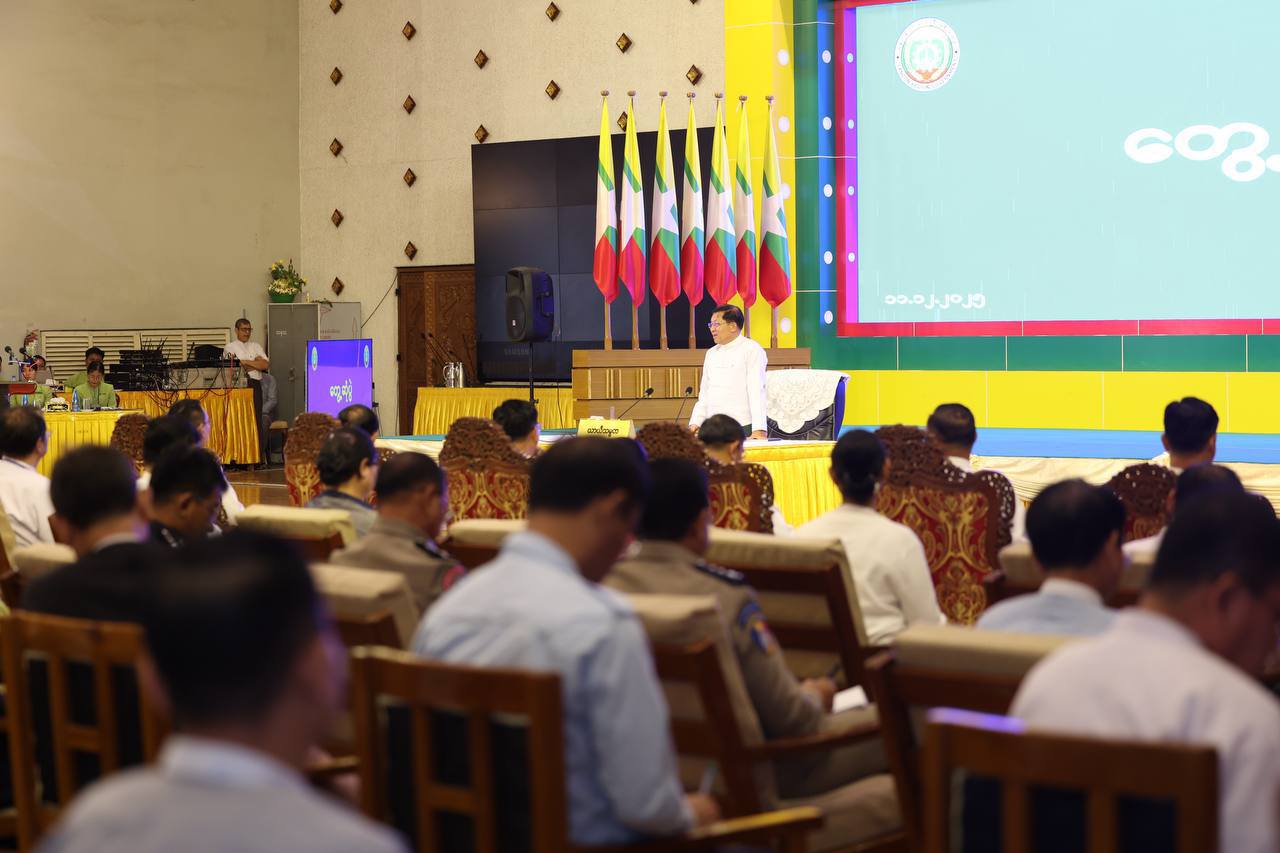
Senior General Min Aung Hlaing seen during the meeting.
Senior General Min Aung Hlaing further stated, “Since we are a government that assumed responsibility due to inaccuracies in voter lists during previous elections, the election we organize must not have errors in voter lists. Although it may not be possible to achieve 100 percent accuracy, we must strive to make them as accurate as possible. Efforts must be made to ensure that those listed do not lose their right to vote. Whether or not to cast a vote is the voter’s choice, but enabling voters to be able to vote is the responsibility of the government.”
In Myanmar, Phase (1) of the election will be held on December 28, 2025. Phase (2) will be held on January 11, 2026, and Phase (3) will be held in the last week of January.After that, state power will be transferred to the political party that wins the election, and the Tatmadaw will focus solely on national defense, Senior General Min Aung Hlaing said.
On the other hand, some armed groups, the NUG, and Spring Revolution forces have announced that they will sabotage the election at all costs and have also stated that they will take effective action against those who participate in the election.
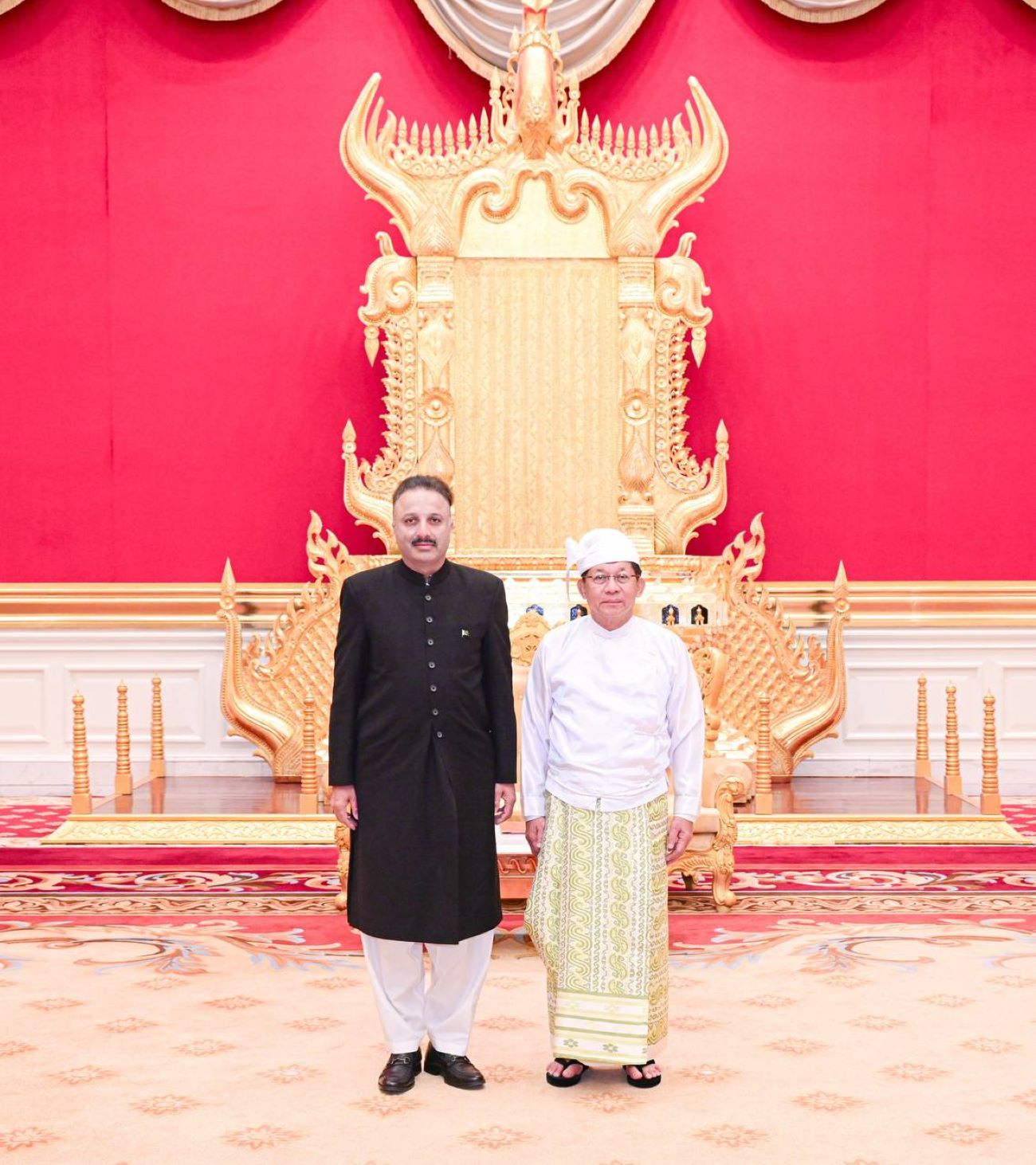
Pakistani Ambassador Presents Credentials to the Chairman of the State Security and Peace Commission
- By CNI
- Category: English Section
- Hits: 396
CNI News
17 December 2025
The Ambassador of the Islamic Republic of Pakistan to Myanmar, H.E. Mr. Tariq Karim, presented his credentials to the Chairman of the State Security and Peace Commission, Senior General Min Aung Hlaing.
The presentation of the credentials took place on December 16, 2025, at the Diplomatic Reception Hall in Nay Pyi Taw.
Following the ceremony, discussions were held on enhancing cooperation in the areas of trade, the economy, defense, health, and political affairs.
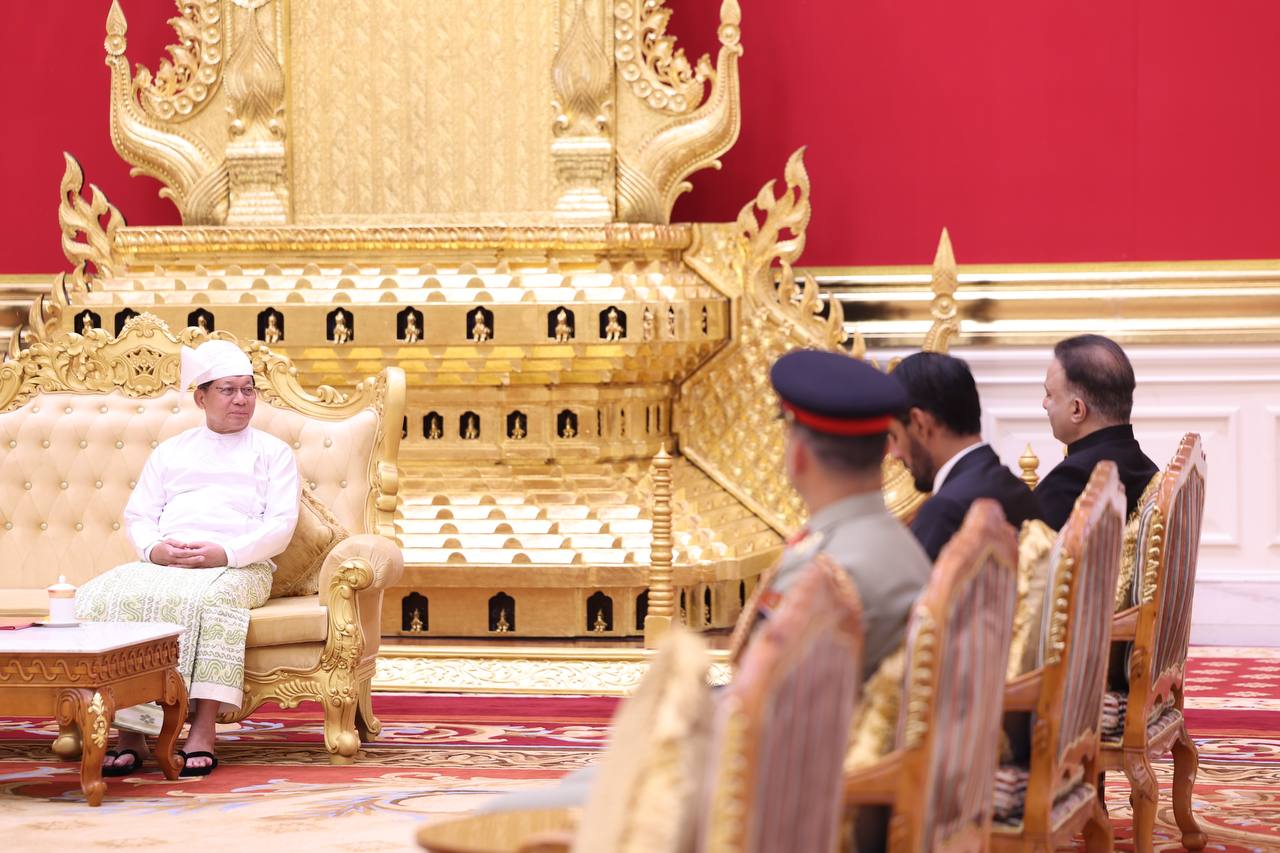
Similarly, matters related to strengthening cooperation in the religious and tourism sectors were discussed, along with enhancing cooperation between the respective Ministries of Foreign Affairs.
They also discussed the situation regarding Pakistan sending election observation missions to Myanmar’s upcoming multi-party democratic general election.
Mr. Tariq Karim has assumed duties as the Ambassador of Pakistan to Myanmar, replacing the former Ambassador, H.E. Mr. Imran Haider.
- By CNI
- Category: English Section
- Hits: 422
CNI News
17 December 2025
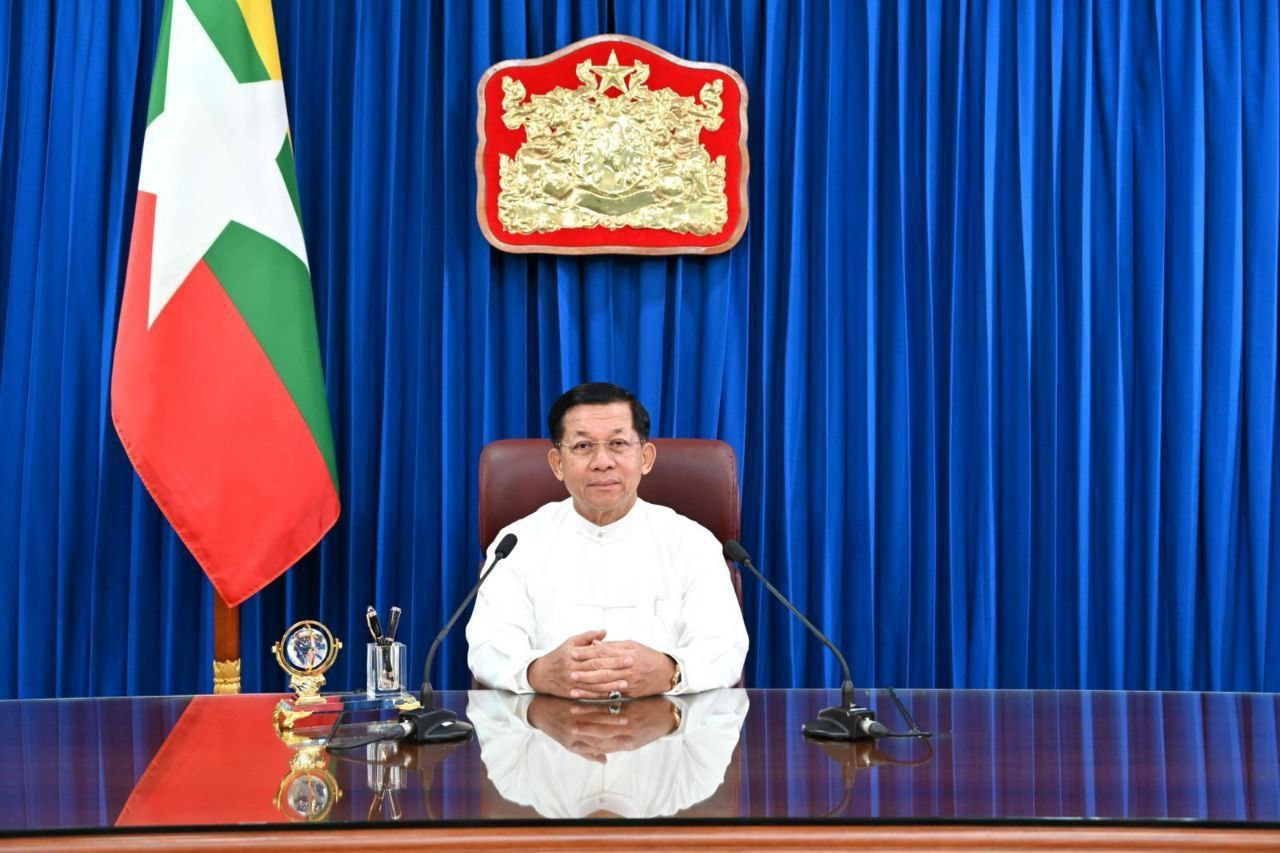
Senior General Min Aung Hlaing, Chairman of the State Security and Peace Commission, said that the Kokang force (MNDAA), the Ta’ang National Liberation Army (TNLA), and the Arakan Army (AA) are prioritizing a desire to stand separately rather than walking the path of a multi-party democratic system and jointly building the Union.
He made these remarks in a message sent to the ceremony marking the 51st Rakhine State Day held on December 15, 2025.
The Senior General stated:“Since October 2023, the actions of the terrorist insurgent groups MNDAA, TNLA, and AA have further worsened the socio-economic conditions of ethnic people. Due to the destructive acts of armed insurgents, many innocent civilians have suffered hardship. The armed attacks carried out by these terrorist insurgents over successive eras are merely violent acts driven by misguided ideologies under the pretext of politics. It has been observed that, rather than walking the multi-party democratic path and jointly building the Union, they are prioritizing only the desire to stand separately.”
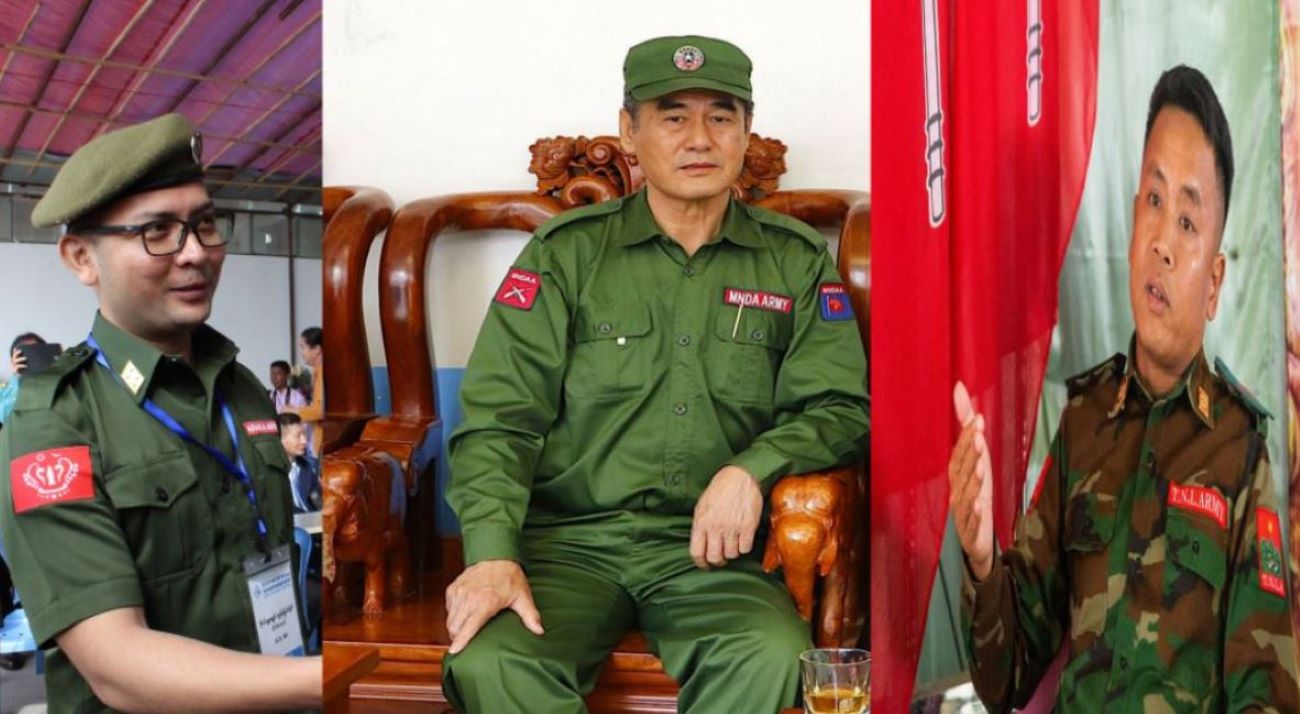
Leaders of MNDAA, AA, and TNLA
MNDAA, AA, and TNLA united armed groups of the Spring Revolution and launched the first wave of Operation 1027 on October 27, 2023, followed by a second wave in June 2024.
During Operation 1027, they seized and controlled areas in northern Shan State, including the Northeast Military Command, as well as Lashio, Hseni, Kunlong, Chinshwehaw, Laukkai, Konkyan, Mongkoe, Namkham, Namhsan, Mantong, Kutkai, Hsipaw, Kyaukme, Naungcho, Mine Ngaw, Namtu, Mogok, and Momeik, along with areas in Mandalay Region such as Mogok, Singu, Madaya, and Thabeikkyin.
Similarly, in Rakhine State, the AA seized and controlled areas including the West Military Command, Mrauk-U, Rathedaung, Maungdaw, Kyauktaw, Ponnagyun, Ramree, Thandwe, Minbya, Gwa, Toungup, and Ann, as well as Paletwa in Chin State.
Subsequently, through Chinese mediation, the Myanmar Tatmadaw regained control of the Northeast Military Command, including Lashio, Mogok, and Momeik. After also fighting TNLA-PDF forces, they were able to re-establish control over Naungcho, Kyaukme, Hsipaw, Madaya, Thabeikkyin, and Singu.
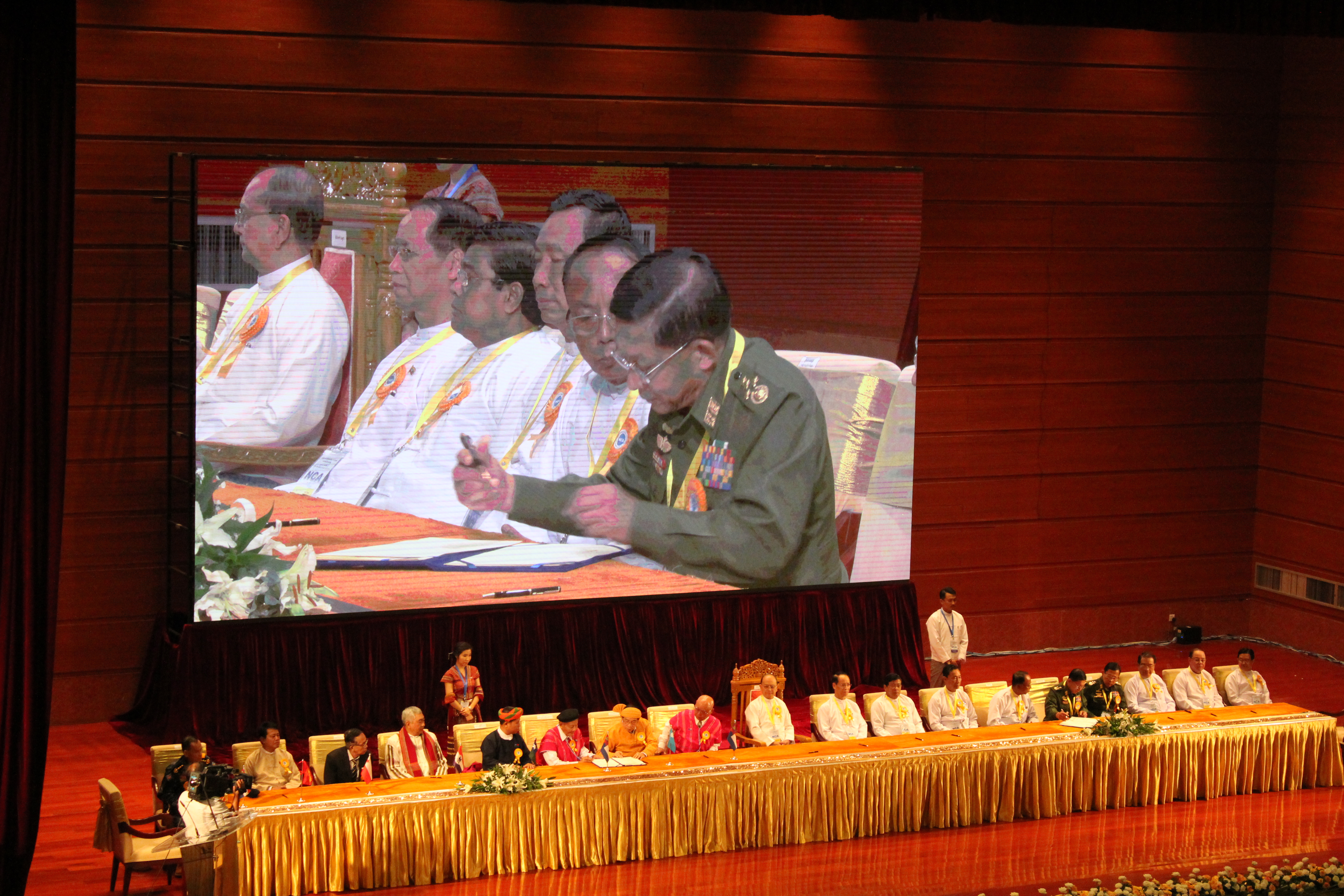
Signing of the NCA on October 15, 2015
The Senior General further said that armed groups have lured and recruited youths using narcotic drugs and forcibly pushed them into the war. He emphasized that demands cannot be achieved through armed terrorist methods, and that conflicts can only be resolved peacefully by coming to the political negotiating table. He urged them to abandon the armed path and return to the correct course.
He also said that, for peace in the Union, only by following the Nationwide Ceasefire Agreement (NCA) pathway can the peaceful and stable nation that everyone hopes for be built. Myanmar’s peace process, he added, can succeed only by avoiding foreign interference and by seeking solutions through political dialogue among ethnic brothers and sisters, grounded in the spirit of Union unity.
Political and military analysts point out that although MNDAA, AA, and TNLA had expressed a desire to sign the NCA in 2015, the Myanmar Tatmadaw did not allow them to do so and instead blocked it. Now, as MNDAA, AA, and TNLA have grown stronger and gained territorial control, they are demanding rights that go beyond the NCA framework.
- By CNI
- Category: English Section
- Hits: 437
CNI News
17 December 2025
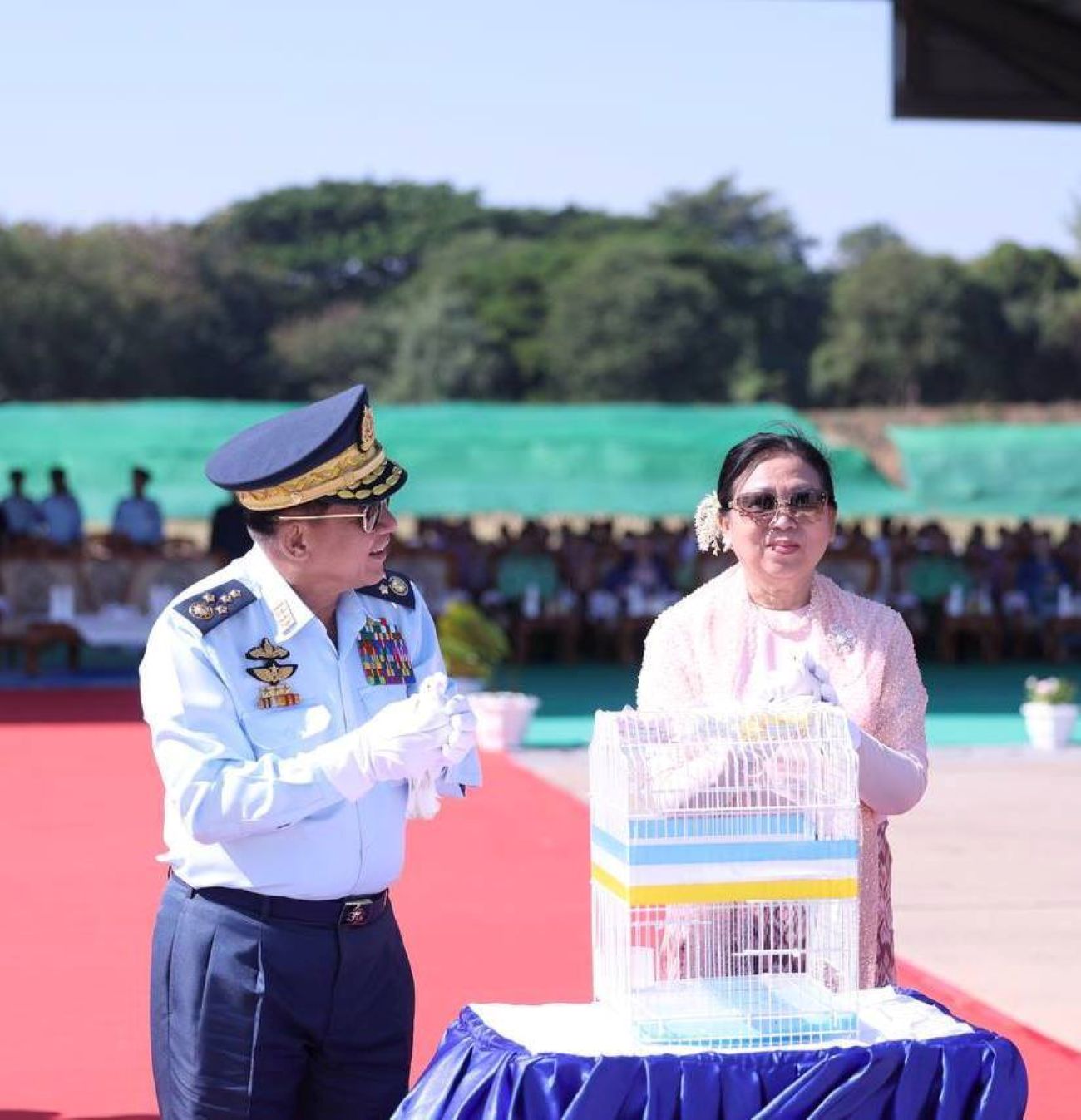
Senior General Min Aung Hlaing, Chairman of the National Security and Peace Commission, said that the Myanmar Air Force is now able to deploy its forces to effectively cover and dominate the entirety of Myanmar’s national airspace.
He made the remarks in a speech delivered on December 15, 2025, at the ceremony marking the 78th anniversary of the establishment of the Myanmar Air Force.
The Senior General stated, “The Myanmar Air Force is now capable of being deployed to achieve effective control over the entire national airspace of Myanmar. In terms of capability, it has progressed from a counter-insurgency-level air force to being developed into a strategic air force.”
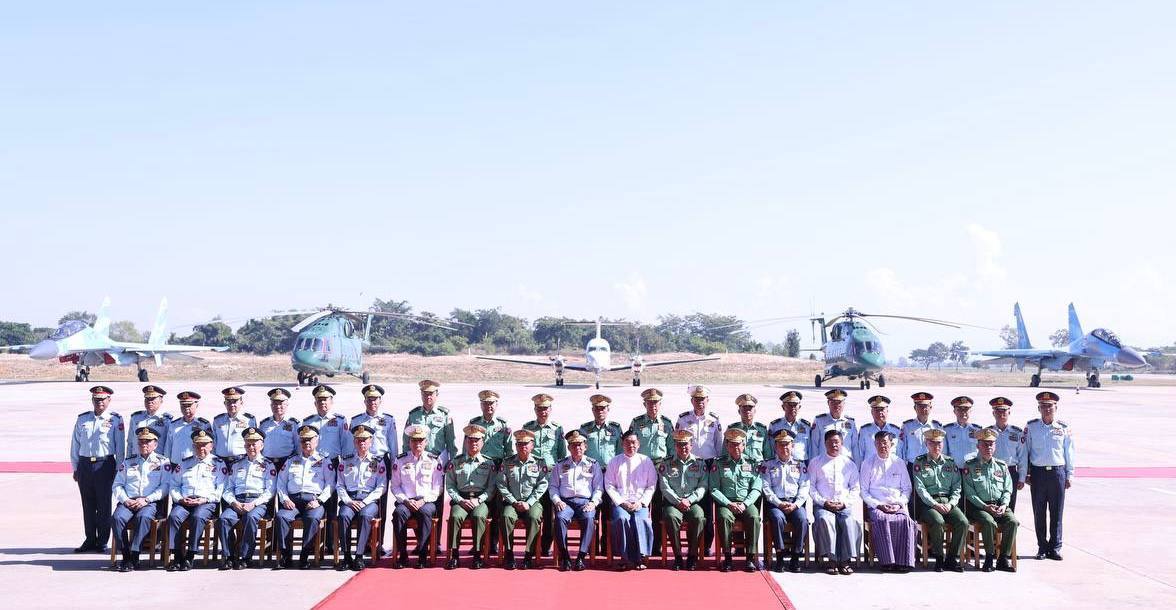
The ceremony commemorating the establishment of the Myanmar Air Force was attended by Chairman of the State Security and Peace Commission Senior General Min Aung Hlaing and his wife Daw Kyu Kyu Hla; Commission member and Prime Minister U Nyo Saw and his wife; Commission Secretary General Ye Win Oo and his wife; Commission member and Chief of the General Staff (Army, Navy, Air Force) General Kyaw Swar Lin and his wife; Commander-in-Chief of the Air Force General Htun Aung and his wife; Commander-in-Chief of the Navy Admiral Htein Win and his wife.
Also in attendance were retired Commanders-in-Chief of the Air Force and their wives, Union-level officials and their wives, senior Tatmadaw officers from the Office of the Commander-in-Chief and their wives, Commander of the Nay Pyi Taw Command, Air Base Commanders, and officers of the Myanmar Air Force.
- By CNI
- Category: English Section
- Hits: 639
CNI News
16 December 2025
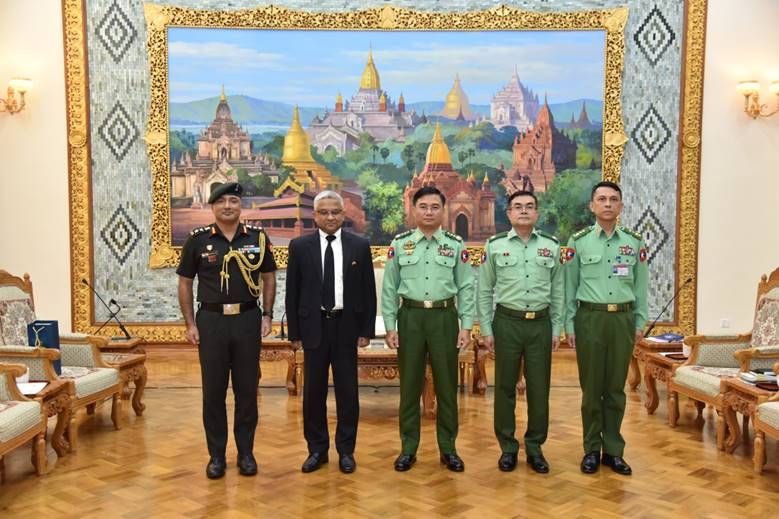
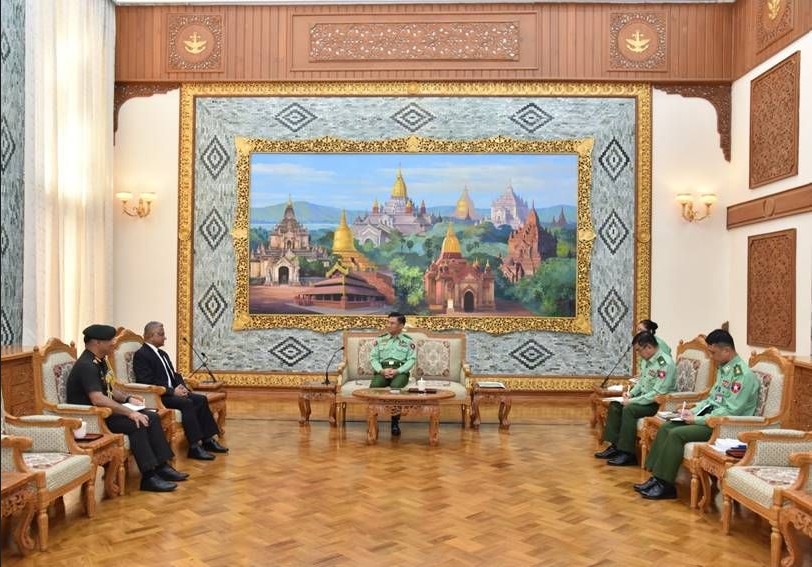
Following reports that India and the Kachin Independence Army (KIA)—which has been cooperating with Spring Revolution forces seeking to overthrow the Myanmar Tatmadaw—had concluded a secret agreement, the Indian Ambassador to Myanmar, H.E. Mr. Abhay Thakur, met with the Chief of the General Staff (Army, Navy, Air Force) of the Myanmar Tatmadaw, General Kyaw Swar Lin.
The meeting took place on December 15, 2025, at the Bayintnaung Guest Hall in Nay Pyi Taw, where the Indian Ambassador held discussions with General Kyaw Swar Lin, who is also a member of the State Security and Peace Commission.
According to reports, the discussions focused on enhancing cooperation between the two countries’ armed forces to further strengthen border security, stability, peace, and the rule of law in border regions.
It was also discussed that Myanmar is one of the three countries that originally adopted the Five Principles of Peaceful Coexistence and has continued to firmly adhere to these principles up to the present. In addition, the parties discussed prospects for the emergence of more positive developments following the successful completion of a multi-party democratic general election in Myanmar, according to an official statement released from Nay Pyi Taw.
Meanwhile, Silicon Valley Time reported that a special investigative intelligence operation had uncovered a secret agreement between India and the Kachin Independence Army (KIA). The report stated that the agreement represents a strategic cooperation on rare-earth mineral extraction at a time when efforts are underway to weaken Myanmar’s sovereignty.
Based on satellite imagery and cross-border intelligence, it was confirmed that India is constructing a 365-kilometer-long road from Vijaynagar in Arunachal Pradesh to a rare-earth mining site in Chihpwi, Kachin State.
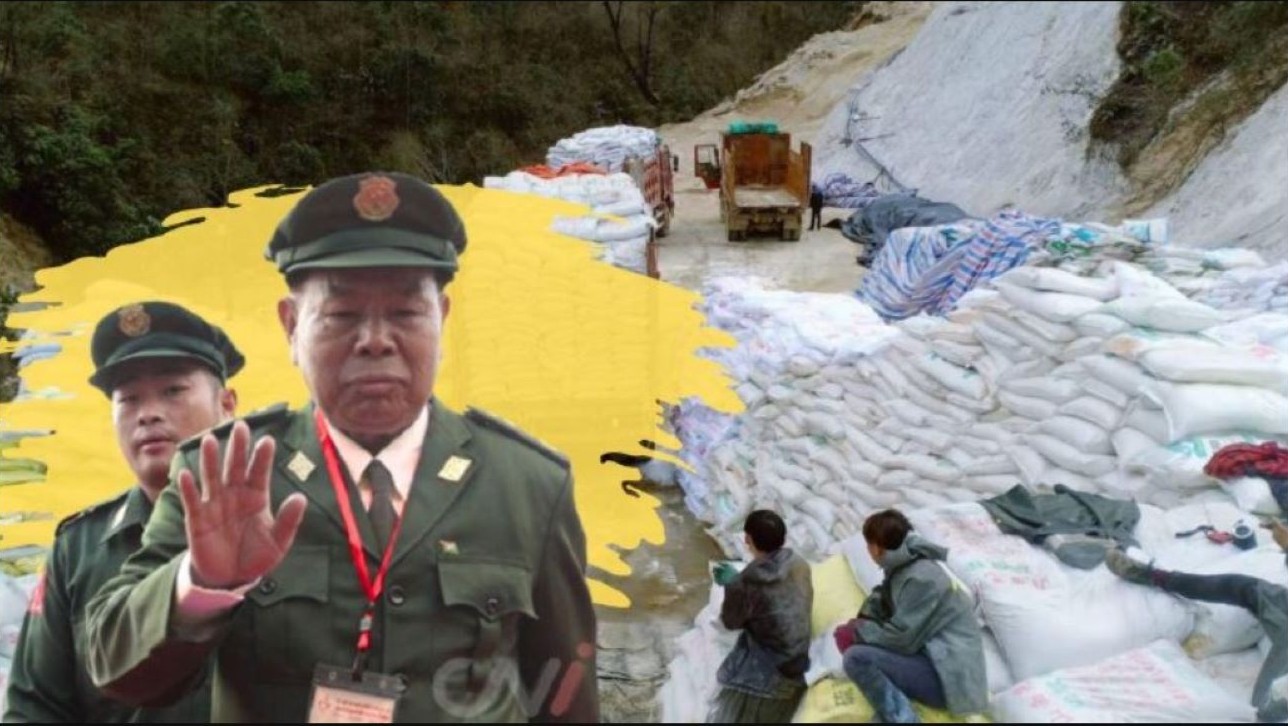
This road, reportedly constructed without the authorization of the Myanmar Tatmadaw and the government, would enable India to access rare-earth resources from Myanmar. In return, India would be able to provide the KIA with weapons, medicines, and other logistical support.
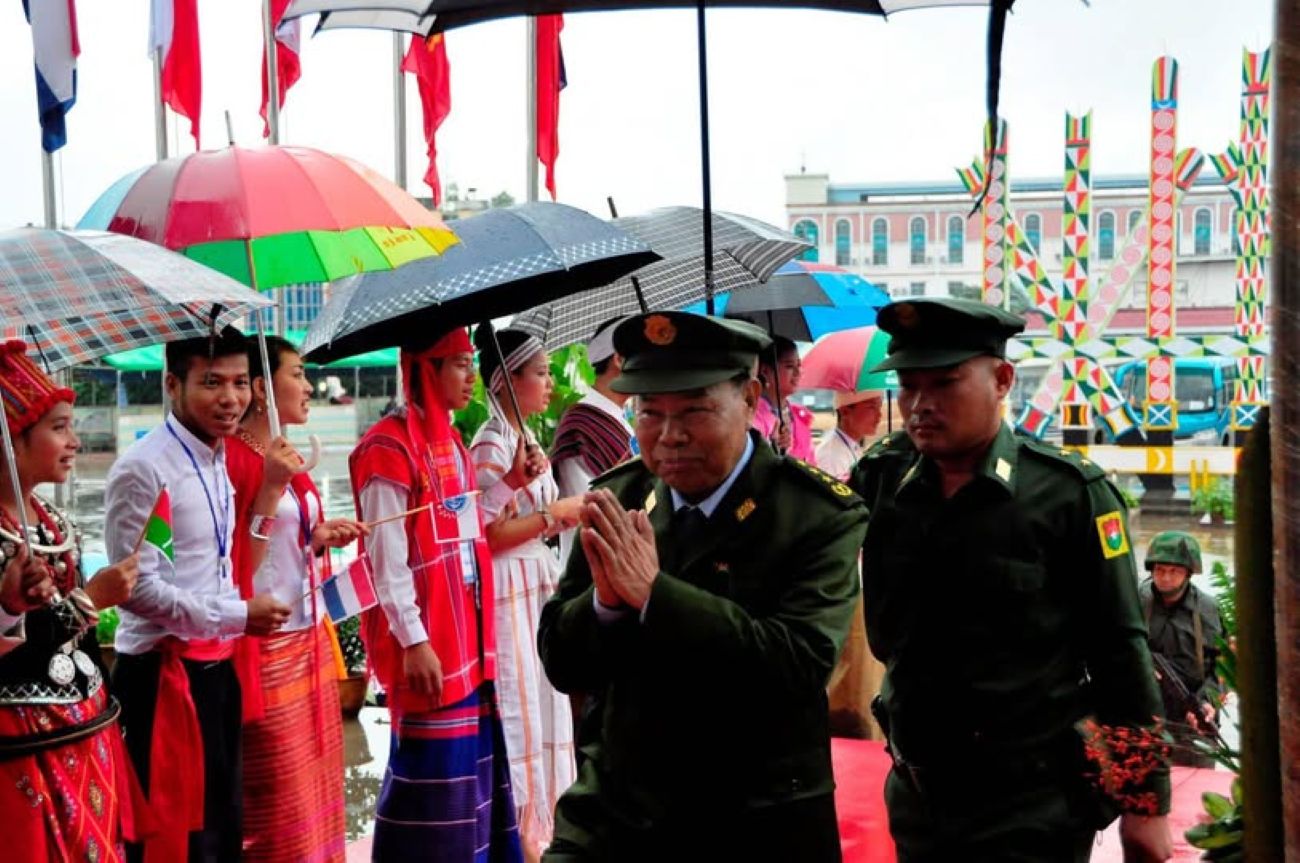
The partnership agreement is also said to include a secret plan to construct a second strategic road linking the KIA headquarters in Laiza through Sagaing Region to Rihkhawdar town in Chin State.
Following the emergence of reports alleging secret agreements between India and the KIA, Indian Ambassador Mr. Abhay Thakur and the Indian Military Attaché to Myanmar, Colonel Jaswinder Singh Gill, held discussions with General Kyaw Swar Lin, Chief of the General Staff (Army, Navy, Air Force).
- By CNI
- Category: English Section
- Hits: 567
CNI News
16 December 2025
As questions arise over why the Myanmar military (Tatmadaw) has been unable to exert the same level of pressure on the Kachin Independence Army (KIA) as it has on other ethnic armed organizations, military and political analysts have been examining what makes the KIA distinctive.
At present, fighting has resumed between the Myanmar military and joint KIA–PDF forces in Kachin State, while clashes are also continuing in Sagaing Region.
According to U Khun Sai, who has been involved in peace processes, the KIA is distinctive not only because of its geographical position compared to other regions in Myanmar, but also because it is more skilled diplomatically than other armed groups. He told CNI News:
“The KIA has two or three distinctive features. First, unlike groups such as the ‘Wa’ that rely solely on China, Kachin State lies between India and China. This is a unique geographical position. In other words, it is something China must carefully consider before exerting full, one-hundred-percent pressure. Second, what distinguishes the KIA from most revolutionary forces is that although it is fighting Naypyidaw on one front, it is also constantly engaging in dialogue with Naypyidaw through intermediaries. It is understood that this intermediary role is played by the Peace Talks Creation Group (PCG), which has been active in Kachin State since around the 1990s. The KIA has always pursued this approach—fighting on one side while negotiating on the other. Third, while the KIA cooperates with the NUG and opposition forces, it does not do so officially as the KIO. Instead, it maintains peace as an intermediary framework and engages in joint cooperation through that channel. Because it does not take a position of completely opposing Naypyidaw one hundred percent like some other groups, it has greater room to maneuver.”
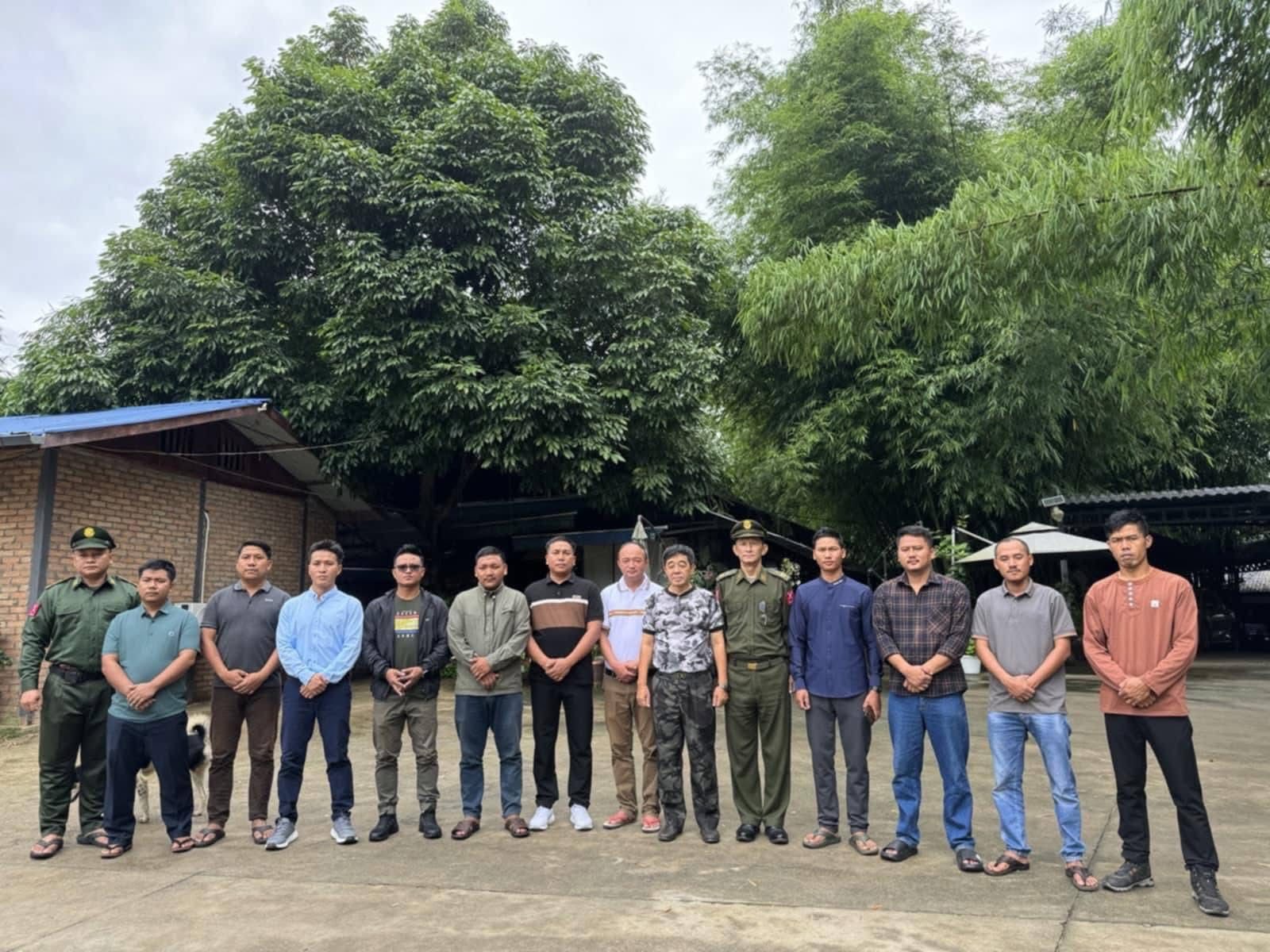
KIA Vice Chair Lt. Gen. Gun Maw meeting with Chin Brotherhood
Currently, among ethnic armed organizations, the Brotherhood Alliance members—the Myanmar National Democratic Alliance Army (MNDAA), the Ta’ang National Liberation Army (TNLA), and the Arakan Army (AA)—as well as the Karen National Union (KNU), have been officially designated as terrorist organizations, while the KIA has not been so designated.
Moreover, since the Spring Revolution began in 2021, the KIA has grown stronger than before and has provided many revolutionary forces with weapons and ammunition, military training, and assistance for living arrangements. It has also supported joint operations in Sagaing Region and Kachin State.
According to Sai Htay Aung, Chair of the Tai-Leng (Shanni) Nationalities Development Party (TNDP), revolutionary forces support the KIA because their own interests are being served. He told CNI News:
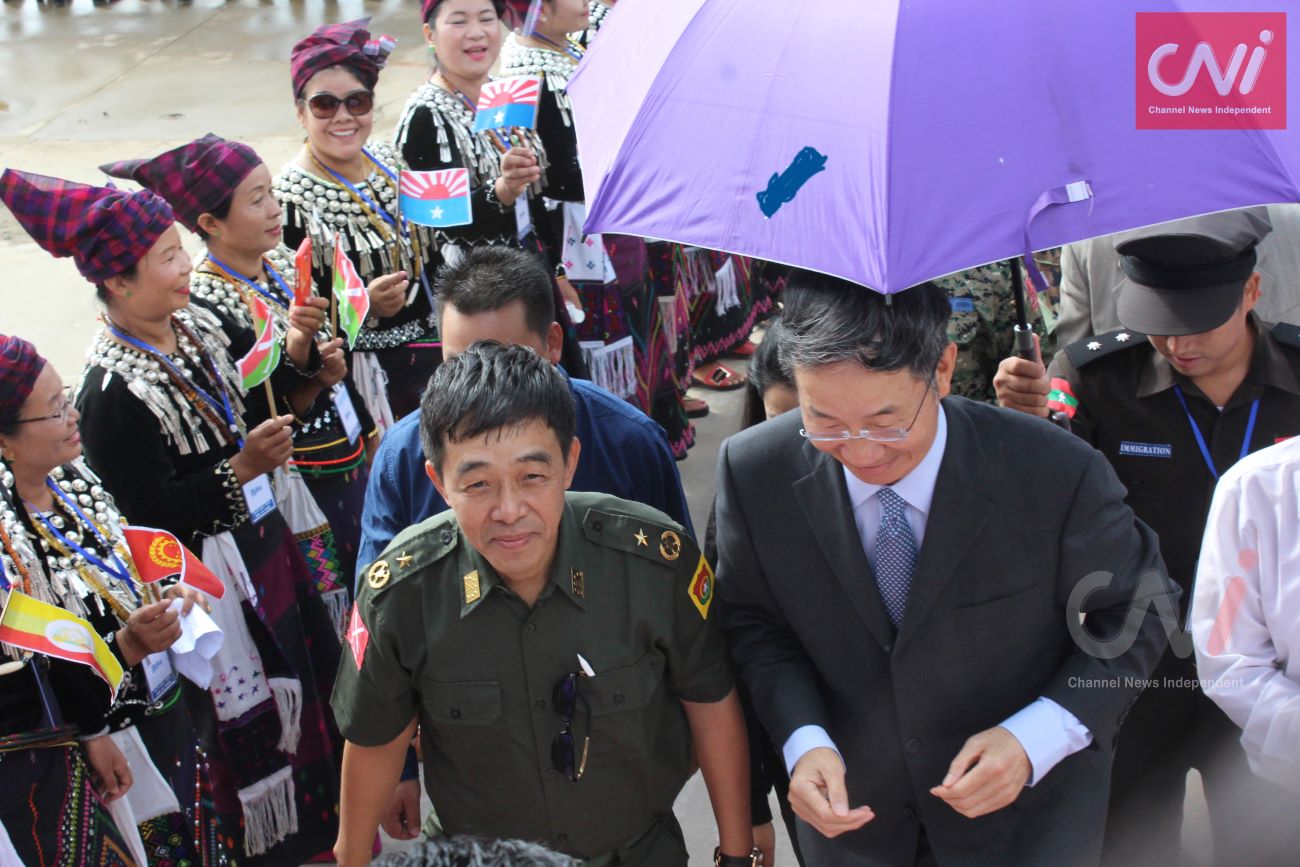
KIA Vice Chair Lt. Gen. Gun Maw meeting with former Chinese Special Envoy to Myanmar, Mr. Sun Guoxiang
“It is understood that during the Spring Revolution, the KIA has granted operating rights in Hpakant—such as jade mining rights—to revolutionary leaders, leaders of the Arakan Army (AA), as well as CNF and Naga armed groups. When tax collection rights are also granted, those groups have little choice but to cooperate with the KIA. If they do not, they would not receive such rights. From an economic and authority standpoint, the KIA maintains control.”
Military and political analysts have also pointed out that the KIA is striving for liberation across Myanmar’s northwestern regions, including Kachin State, Sagaing Region, Chin State, and Rakhine State.
At present, although there are already plans for talks between the Myanmar military and the KIA, the venue for such meetings has yet to be decided.
As a result, analysts note that if some form of accommodation can be reached between the KIA and the Myanmar military, China–India connectivity routes would be beneficial for Myanmar.

- By CNI
- Category: English Section
- Hits: 387
CNI News
16 December 2025
Military and political analysts have pointed out that in Myanmar’s ongoing peace process, it is necessary to reassemble individuals who have experience from previous peace negotiations, including those who have retired from active roles.
Ethnic armed organizations responded positively to the peace talks invitation extended by the Union Government led by President U Thein Sein. Subsequently, repeated negotiations were held with 15 ethnic armed organizations, resulting in the step-by-step signing of 39 agreements.
Beginning on November 18, 2013, the Union Peace-making Working Committee—comprising representatives from the government, parliament, and the Tatmadaw—and the Nationwide Ceasefire Coordination Team (NCCT) of ethnic armed organizations started discussions aimed at achieving a Nationwide Ceasefire Agreement (NCA) acceptable to both sides.
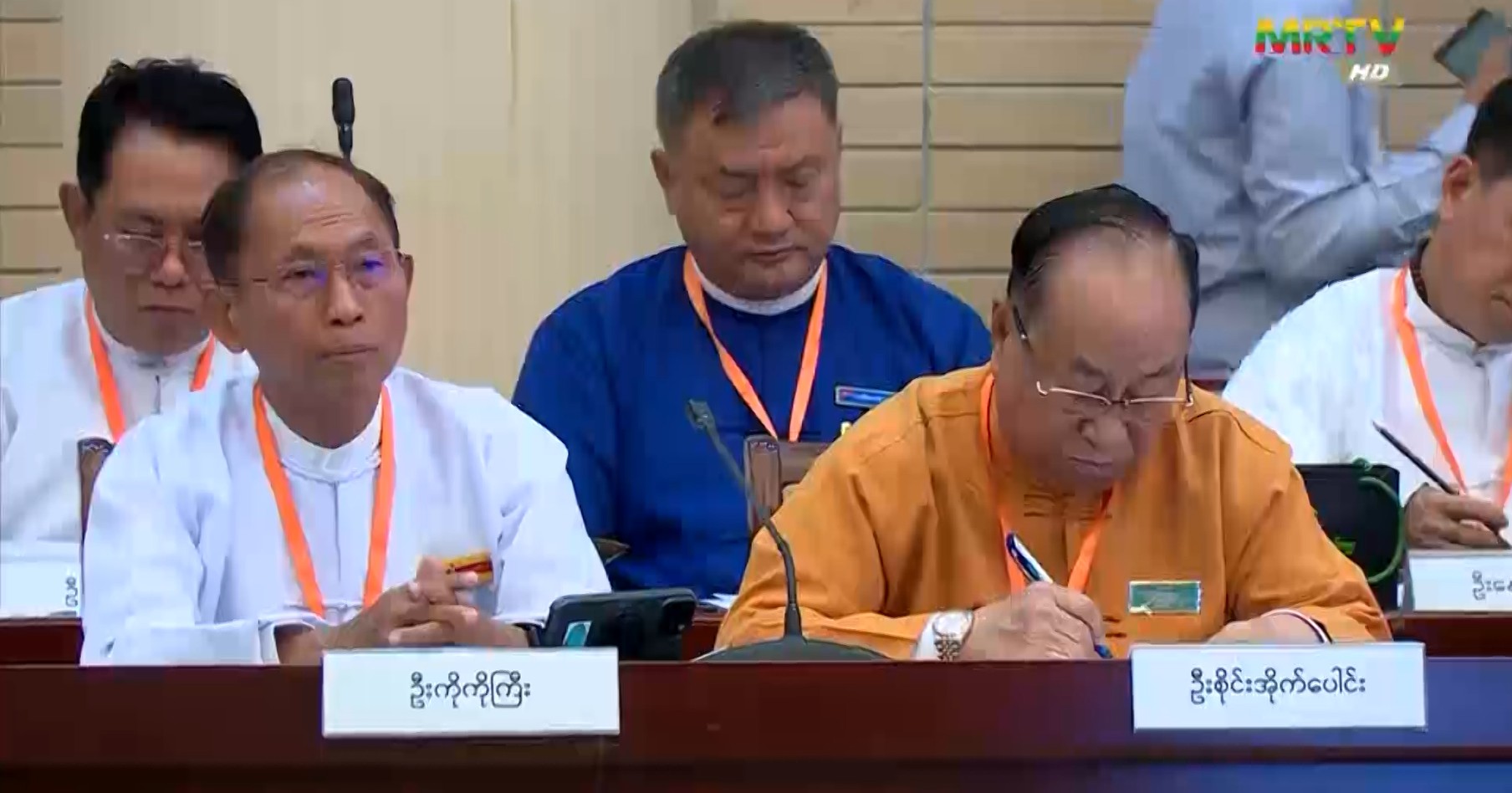
U Ko Ko Gyi seen at a Peace Talk
Regarding peace negotiations, it is necessary to make continuous efforts to enable informal discussions rather than only formal, all-inclusive talks, and to gather experienced individuals with institutional memory, said U Ko Ko Gyi, Chair of the People’s Party (PP), in an interview with CNI News.
He said, “Even during times of armed conflict, communication channels can be maintained. Therefore, it is first necessary to rebuild communication channels among the various organizations—some through hotlines—to enable immediate contact. Before moving to inclusive, formal negotiations, there should be continuous efforts to hold informal discussions. It is also necessary to reassemble individuals with past peace experience and established traditions. This is because, in recent years, new generations of young leaders have emerged within various organizations. Meanwhile, many experienced peace negotiators have grown older or retired, so it is necessary to bring these individuals back together.”
Military and political observers noted that in implementing peace processes, there exist a wide range of perspectives, ideas, and approaches.
In Myanmar, whenever there is a change of government during peace-building efforts, personnel, policies, and institutions also change, leading to bottlenecks and disruptions in the frameworks built by successive previous governments.
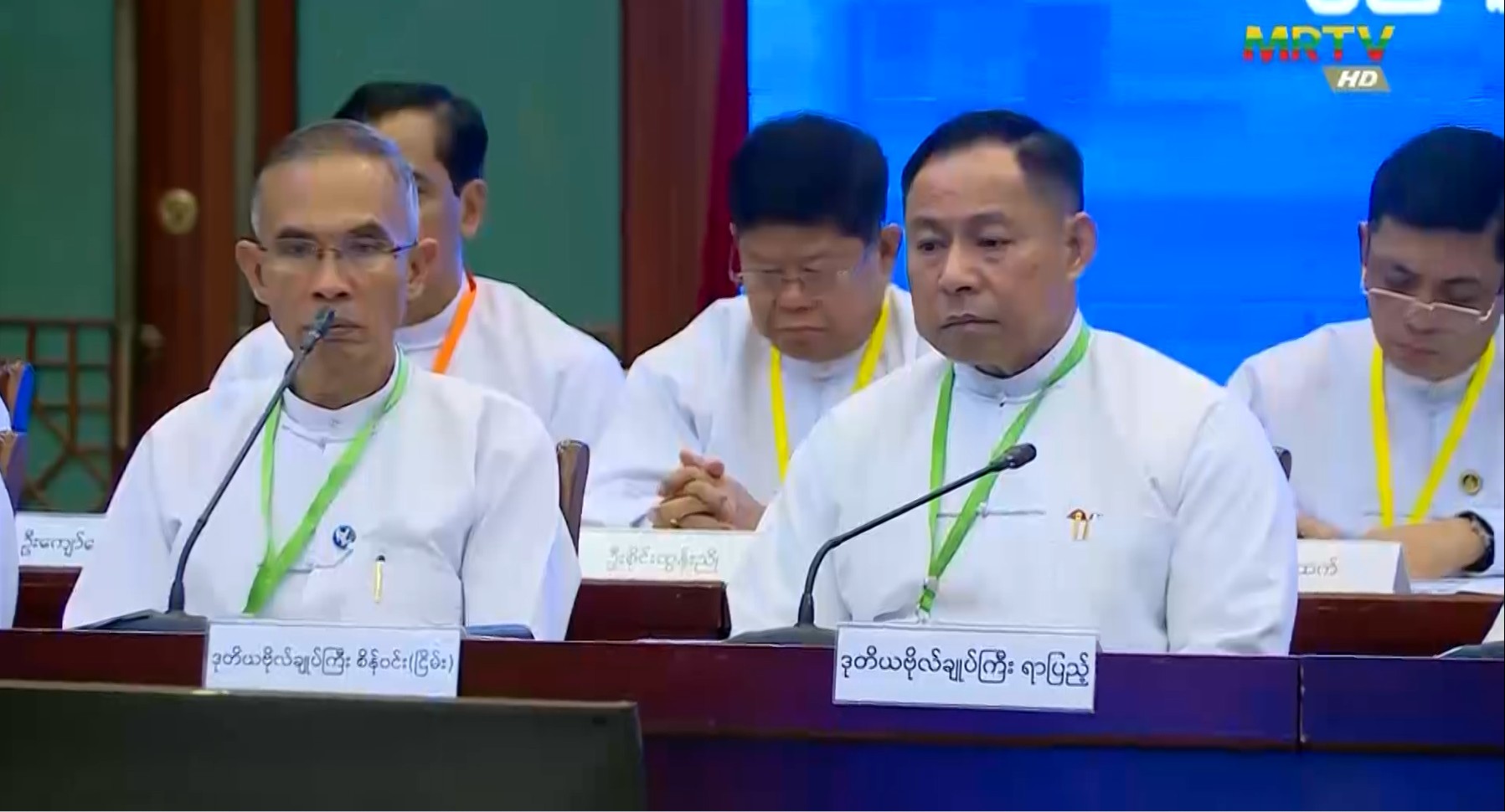
Representatives of the Tatmadaw seen at a Peace Talk
U Ko Ko Gyi told CNI News that Myanmar is currently in an unavoidable situation when it comes to establishing a federal union.
He said, “Fundamentally, our country cannot avoid the necessity of building a federal union. Therefore, there are areas related to federalism that require reform. In discussions with India, there were many talks involving Tatmadaw officers, political party leaders, and ethnic armed organizations on fiscal federalism and power-sharing systems—using India as an example. We have also studied many examples from other countries. In relation to peace, we also have extensive experience from studying countries where peace has been successfully achieved. However, we believe priority should be given to handling practical, realistic solutions appropriate to the circumstances of each period.”
Military and political analysts further pointed out that peace processes cannot function unless the root causes of conflict—such as historical backgrounds, past events, ideological disputes, and political convictions—are taken into consideration.
At present, intense fighting is continuing between the Myanmar military and armed groups across the country, and peace processes have yet to be implemented in practice.
Page 48 of 352
Connect with us