
English Edition
- By CNI
- Category: English Section
- Hits: 359
CNI News
8 January 2026
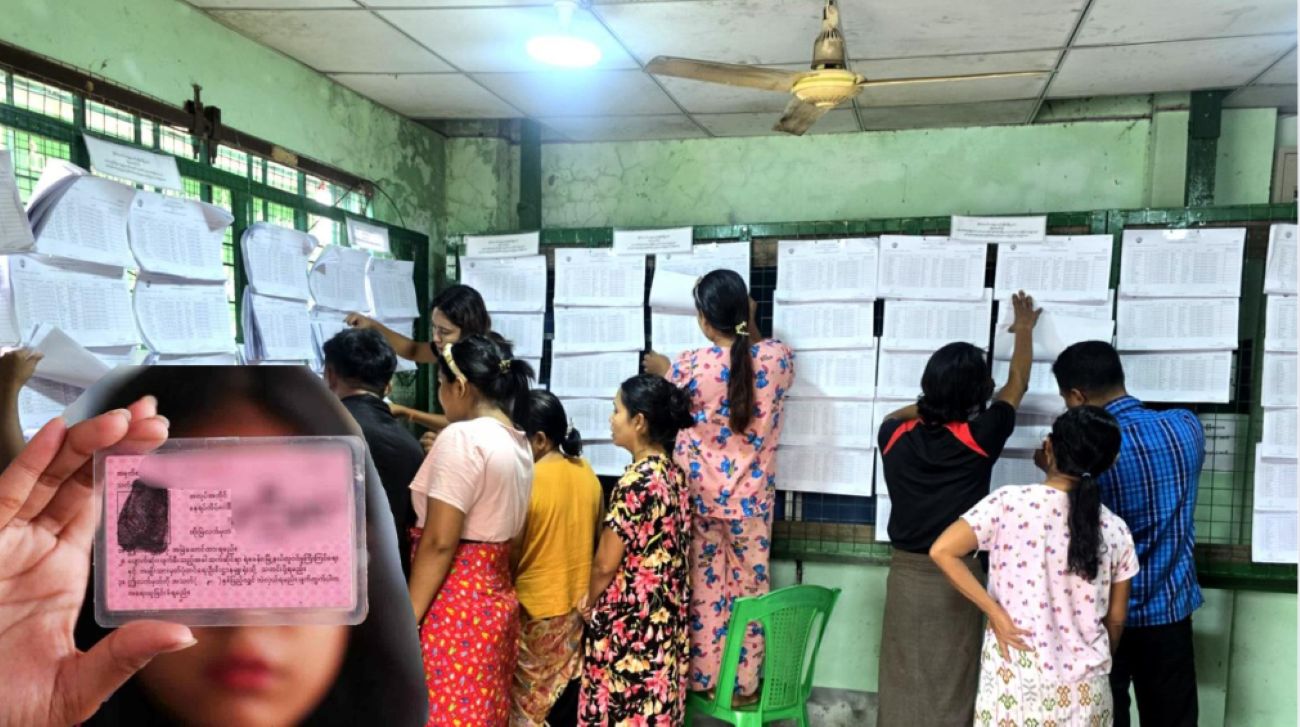
Although the list of eligible voters was announced three times and Election Phase (1) was held, there were people who were not included on the voter list.
Therefore, there is a desire to allow anyone who holds a national registration card (ID) to be permitted to vote, said U Mann Aung Pyay Soe, Chairman of the Karen National Democratic Party (KNDP), in an interview with CNI News.
Political parties have pointed out that although the voter list should have stabilized at least one month before voting day, it was found to remain unstable right up to the day the election was held.
For this reason, U Mann Aung Pyay Soe stated to CNI News that he wants any person who holds proof of citizenship in the form of a national ID card to be allowed to vote.
He said, “A citizen may have a national ID card and be listed in the household registration, but their name does not appear on the voter list. The idea now is that one can vote only if their name is on the voter list. What we want is that if someone already has proof of citizenship in the form of a national ID card, then they should be allowed to vote, regardless. We have submitted this proposal. However, the law says that only those whose names appear on the voter list can vote, so it is very difficult.”
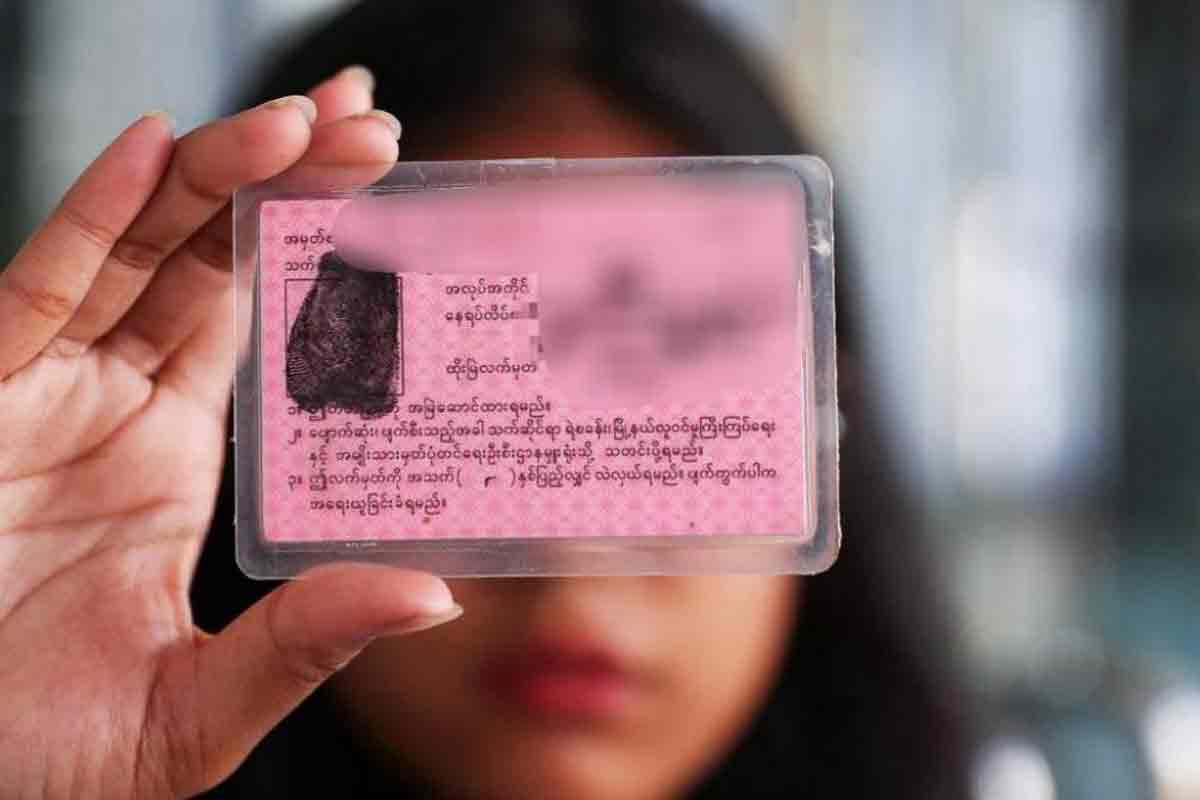
A Citizen Verification Card being shown
“For example, in my case, my name appeared on the first voter list, but my wife’s name did not. We did not check the second list. On the third list, both of our names appeared, but not on the street where we actually live—it was listed under a different street. Moreover, the neighboring couple’s names were not on the voter list, while the names of their deceased parents appeared instead. Too much emphasis is placed on whether a name appears on the voter list or not. That is why, if people have national ID cards and want to vote, we want them to be allowed to vote,” he said.
Although the voter lists were announced three times at the relevant ward and village-tract sub-commissions, it is understood that the lists were not consistent from one announcement to another.
Among the three published voter lists, political parties reported encountering problems such as names not appearing in the first and second lists, incorrect street names for residences, and cases where names appeared in the first two lists but disappeared from the third list.
The voter list should be accurate, and based on experiences during Election Phase (1), instability in the voter list should not occur, said Sai Aik Pao, Chairman of the Shan and Nationalities Democratic Party (White Tiger Party), in an interview with CNI News.
He said,“A citizen’s name did not appear on the first voter list. They applied using Form 3 to be included in the second list, and their name appeared. But on the actual voting day, their name was no longer there. That kind of situation is happening, and it should not happen. It must be precise. For example, if there are five people, only about two appear on the list while three do not. Situations like that should not exist.”
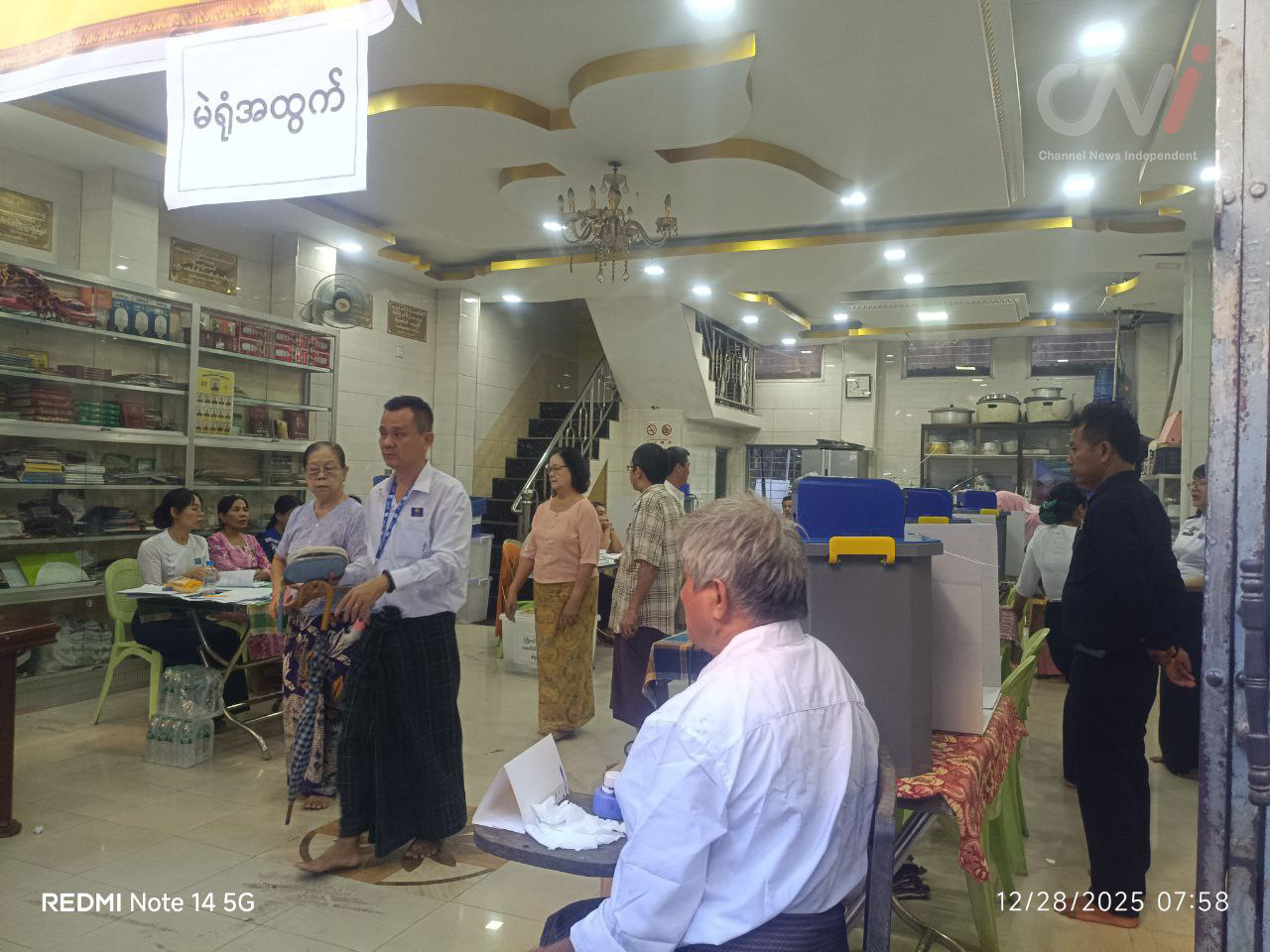
People casting their ballots
Given the current political environment, people should be grateful that there are still members of the public turning out to vote.
However, the public is also weak in checking the voter lists when they are announced. It is rare for voters to arrive on voting day already holding their voter list number; many only search for their names on the voter list after arriving at the polling station, said Dr. Nyo Nyo Thin, founder of the Yangon Monitoring Group, to CNI News.
She added that political parties contesting the election should also go and check the voter lists in their constituencies and inform voters in advance so that the public is ready and able to vote.
Dr. Nyo Nyo Thin said, “Relevant parties need to make much greater efforts than now. In constituencies I observed in past elections, I saw major political parties provide voters in advance with their voter list numbers—telling them which polling station they are assigned to and what their number is—so voters could easily go and cast their ballots. As a result, voter turnout increased. Now, political parties are struggling amid many difficulties, so many cannot do this work. In some areas, the only party capable of doing so is the USDP. Political parties seem to be limited to activities like putting up signboards and distributing pamphlets when it comes to mobilizing the public. Therefore, political parties also have their own weaknesses,” she said.
Currently, during the election period, in order to ensure that voters who have lost or damaged their citizenship cards do not lose their right to vote, township immigration offices are providing special services without holidays, according to announcements by the Department of Immigration.
In Election Phase (1), held on December 28, 2025, more than 11 million people were eligible to vote, and more than 6 million cast their ballots, according to the Union Election Commission (UEC).
- By CNI
- Category: English Section
- Hits: 328
CNI News
7 January 2026
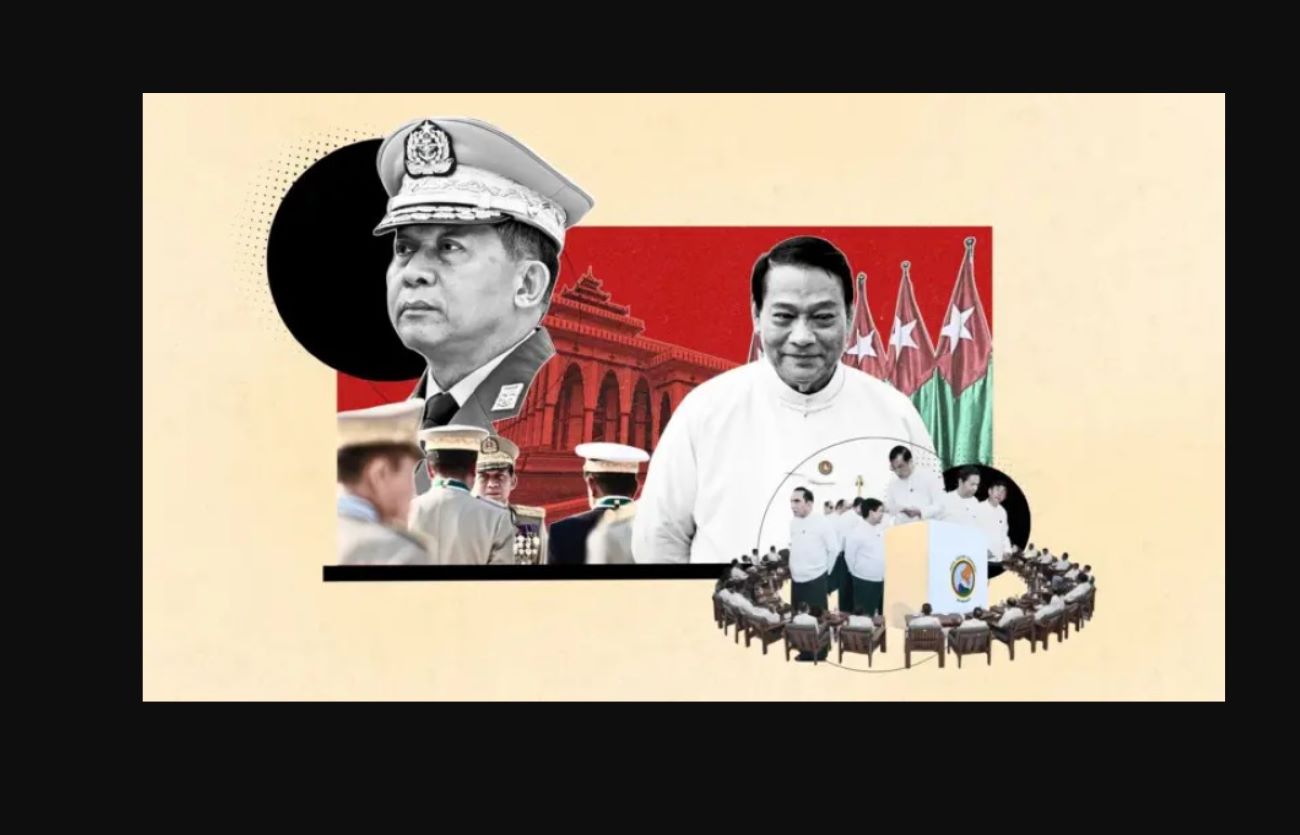
The government and parliament(Hluttw) that will emerge after the election may become a new administration and legislature dominated by a single political party, according to political analyst U Htet Aung Kyaw, who spoke to CNI News Agency.
In Myanmar, Election Phase (1) was first held on December 28, 2025. Election Phase (2) is scheduled for January 11, 2026, and Election Phase (3) for January 25, 2026.
After the completion of Election Phase (1) and the announcement of results, it is understood that the Union Solidarity and Development Party (USDP) won about 80 percent of the seats in 102 townships.
Political analyst U Htet Aung Kyaw told CNI News that he had hoped the post-election parliament would not be dominated by a single party, but that other parties would also be represented in a proportionate and appropriate manner. However, he said that this expectation was not met in the current Election Phase (1).
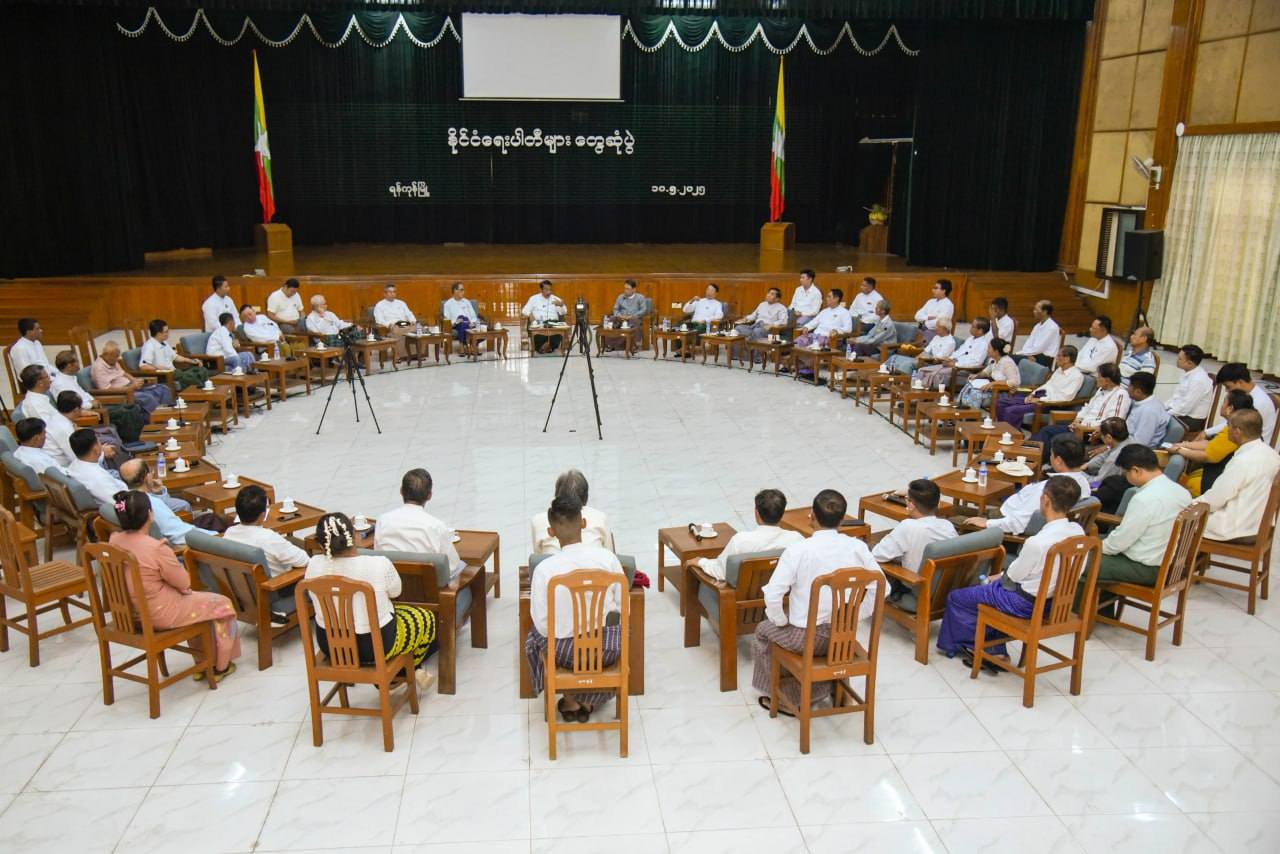
Political parties meeting
He said: “We want the election to take place as quickly as possible, so we welcome and are pleased that the election process itself has proceeded successfully. However, when it comes to the results of this election, what we want is a situation in parliament where there is strong capacity for checks and balances. That is why we hoped not for domination by a single party, but for a political landscape in which parties are represented proportionally and can restrain and balance one another. But that expectation has not been fulfilled. If things continue in line with the current dynamics seen in the first phase of the election, then this is certain: the parliament will become one dominated by a single party, and the government will be formed and led by that same party.”
U Thein Tun Oo, Director of the Thayninga Institute for Strategy Studies, told CNI News that it is difficult to draw conclusions about the likelihood of a single-party-dominated political landscape based on the results of only one phase of the election. He said that regardless of which party is strong, what matters most is how much it can actually work for the country.
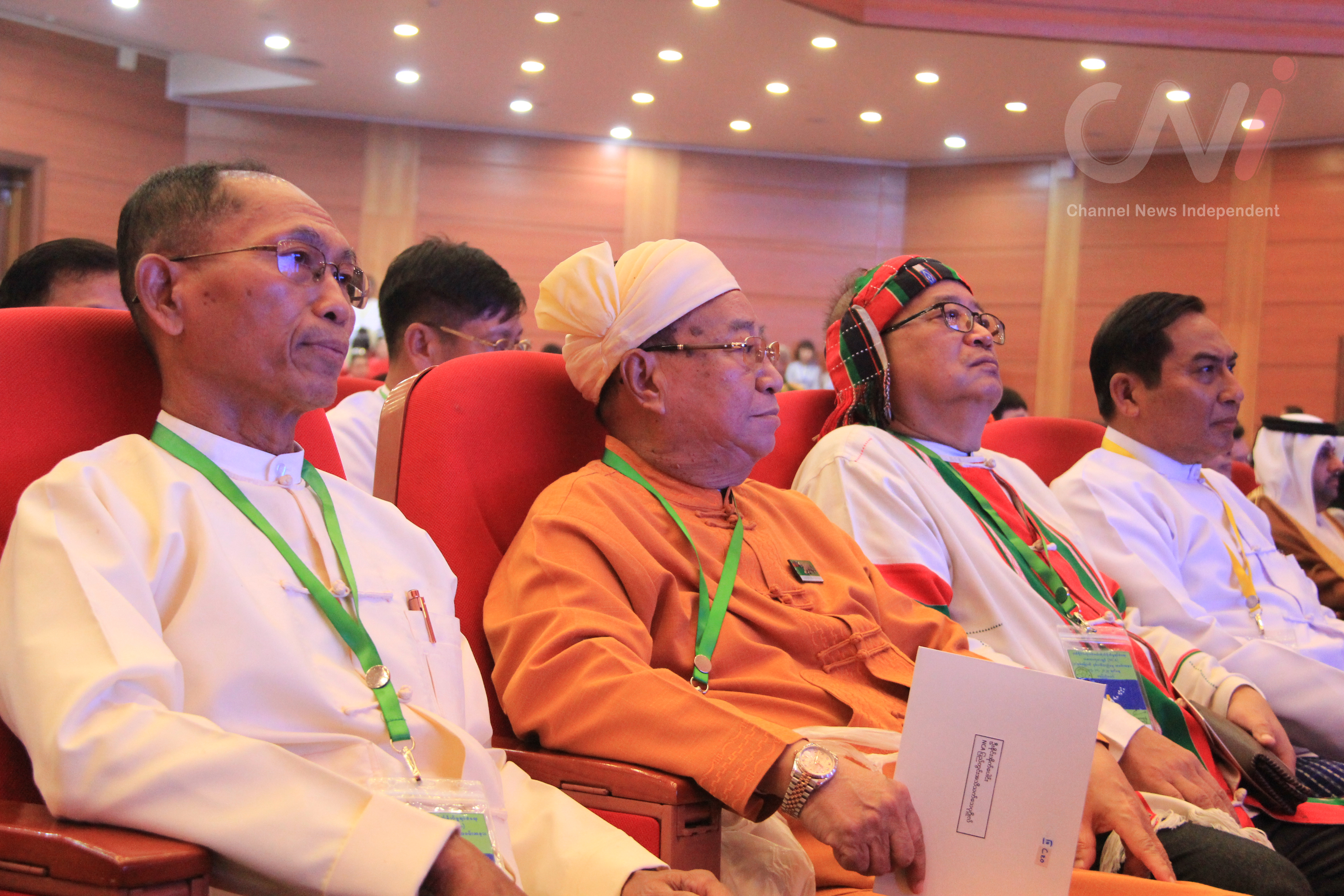
Some political party leaders seen
He said: “In the 2010 election, the USDP also won a majority in a similar way, so some people make assumptions by looking at those past patterns. However, we need to consider who will actually enter parliament—whether they are familiar faces or new ones—and, more importantly, how effectively they can work on national issues. When it comes to making assessments, it may seem reasonable to speculate based on past experiences, but we cannot draw firm conclusions based solely on the fact that one party has a majority. In our view, regardless of which party is dominant, the key questions are what kinds of policies it can formulate for the country’s future, what changes it can implement, and how much it can actually deliver. Those are the most important factors.”
Political observers also noted that public interest in the election remains weak because many people believe that no real change will occur, as the new government is likely to be led by the military and the USDP when it is formed.
Currently, it is known that in Election Phase (1), held on December 28, 2025, the Union Solidarity and Development Party (USDP) won approximately 80 percent of the seats nationwide and secured victories across all of Yangon Region and the Nay Pyi Taw Council area.
Following that, the National Unity Party (Ta Sa Nya) ranked second, while the Pa-O National Organization Party, the Naga National Party, the Mon Unity Party, the Arakan Front Party, and the Shanni (Tai Leng) Solidarity Party ranked third.
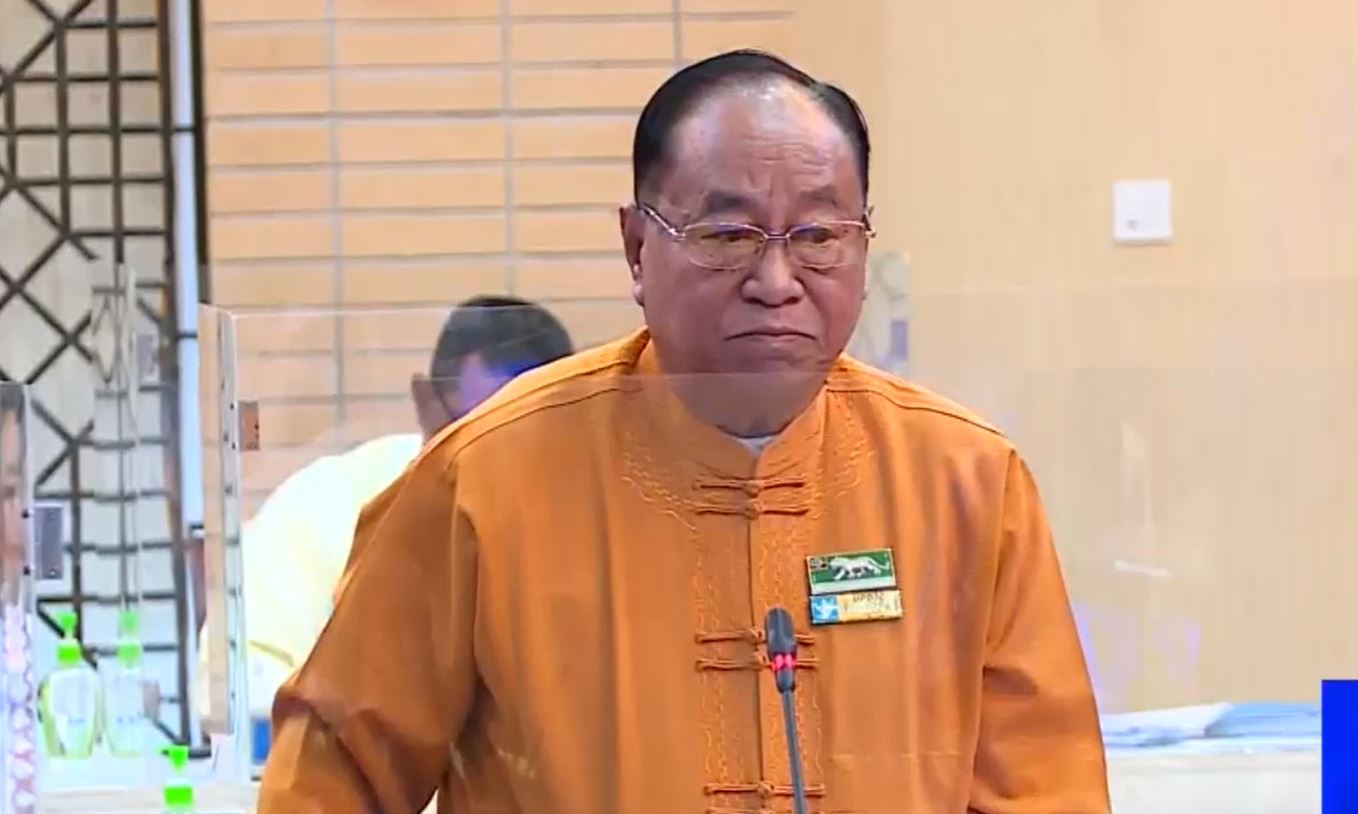
- By CNI
- Category: English Section
- Hits: 503
CNI News
7 January 2026
Sai Aik Pao, Chairman of the Shan and Nationalities Democratic Party (SNDP)—also known as the White Tiger Party—told CNI News that the party is considering filing an official objection regarding the election results in Muse, Northern Shan State, after losing to the Union Solidarity and Development Party (USDP) due to advance votes.
During Part (1) of the general election held on December 28, 2025, there were 18 polling stations in Muse. Sai Aik Pao stated that while the White Tiger Party led in 17 of those stations, they ultimately lost the seat after advance votes were counted at the final polling station. He argued that this outcome does not reflect the truth.
"We have 18 polling stations in Muse. The White Tiger Party won in 17 of them. But at the last station, advance votes were brought in, and we lost. This is not the truth. We are considering whether to object. We should have won. Out of 18 stations, we already won 17. Then, at the 18th station, advance votes arrived. This is not right. We don’t know who cast those votes. We competed with effort because the Commander-in-Chief said the election must be free and fair; we entered the race believing that," said Sai Aik Pao.

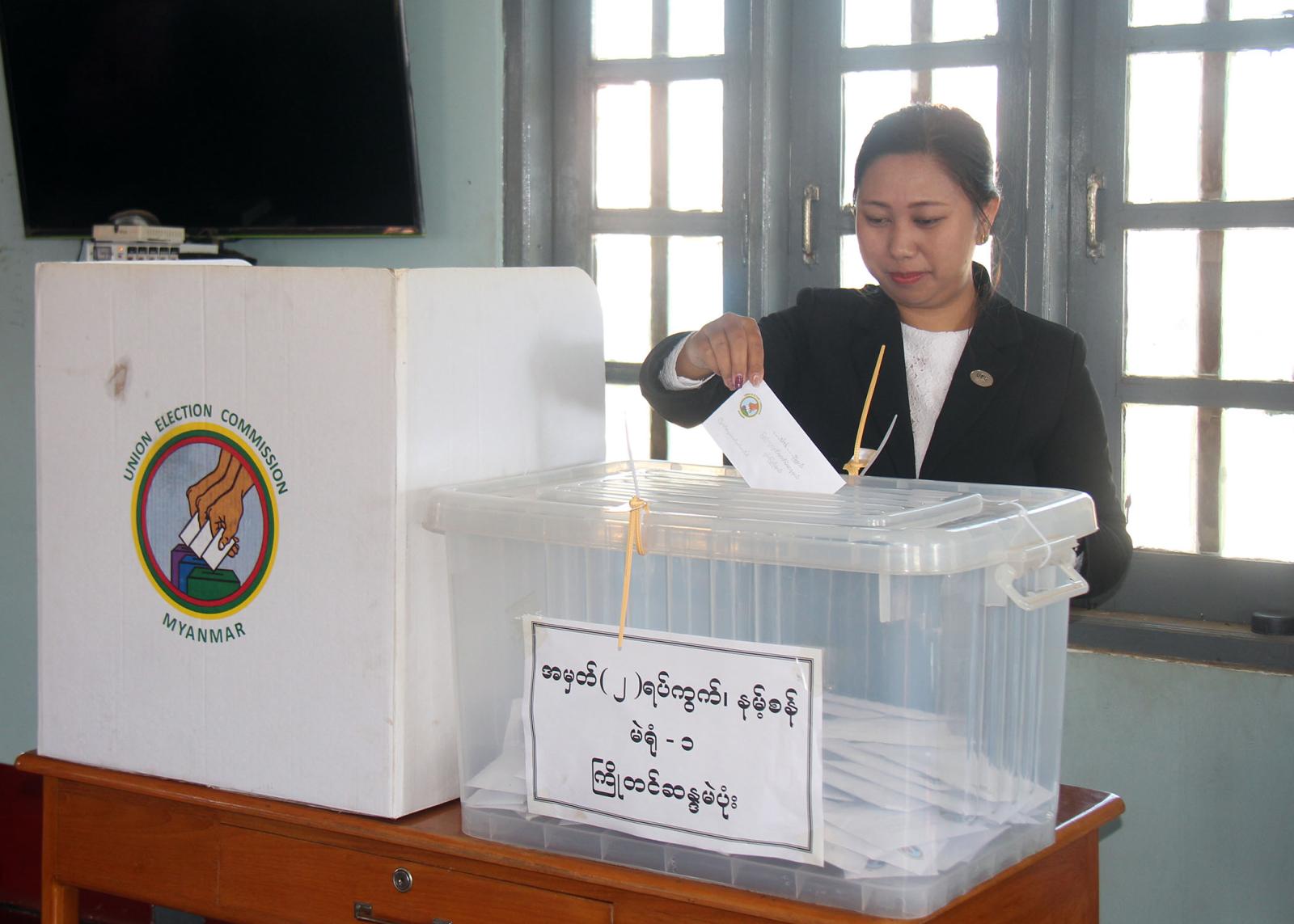
People casting votes in Muse.
Following the conclusion of Part (1) of the multi-party democratic general election on December 28, many political parties found themselves losing to the USDP due to advance votes. Citing a lack of transparency regarding these advance votes, the White Tiger Party (SNDP), the People’s Party (PP), and the Myanmar Farmers' Development Party have reportedly sent a formal letter to Senior General Min Aung Hlaing.
According to current results from Part (1) of the election, the distribution of wins is as follows: Party Approximate Success Rate/Rank Union Solidarity and Development Party (USDP)~80% Nationwide (Winner), National Unity Party (NUP) Second highest number of seats and Ethnic Political Parties Third highest number of seats.
Political parties analyze that based on these results, the USDP is likely to maintain its dominance in Parts (2) and (3), potentially securing a vast majority of seats in Parliament(Hluttaw).Sai Aik Pao noted that while the Parliament might appear diverse in terms of party representation, the actual number of non-USDP members will be small.
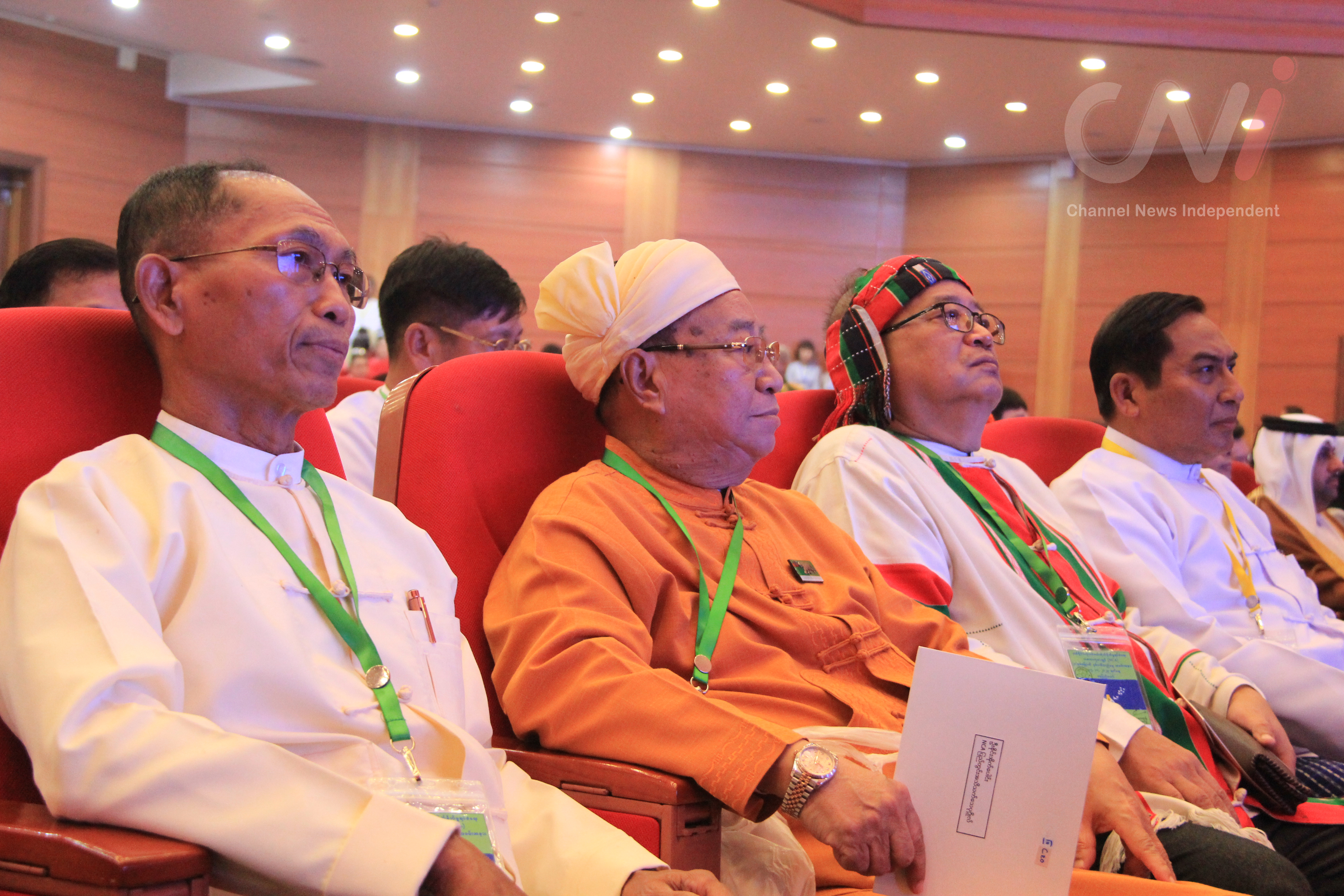
Leaders of various political parties.
"There will be a variety of parties, but the numbers won't be significant. Currently, our party has won two seats in the Pyithu Hluttaw (House of Representatives). We aimed for much more than that. If there were true transparency and fairness, we would have won more. We should have won in Kengtung, Tachileik, Muse, and Lashio. Since things are happening like this, I don't even want to talk much more about it," he added.
Upcoming Election Schedule Part (2): To be held on January 11, 2026, in 100 townships.Part (3): To be held on January 25, 2026, in 63 townships.
In a message sent for the 78th Independence Day on January 4, 2026, Senior General Min Aung Hlaing stated that the government would be formed based on justice, high distribution of votes, and integrated stability.
- By CNI
- Category: English Section
- Hits: 357
CNI News
7 January 2026
Including advance ballots that arrive later in the vote-counting process lacks honesty, said U Nai Than Shwe, spokesperson of the Mon Unity Party (MUP), in an interview with CNI News Agency.
The Election Commission, however, has announced that the compilation of voter lists for advance voting, the collection of ballots, the announcement of results, and the counting process were all carried out in accordance with parliamentary election laws and bylaws.
Regarding the collection of advance ballots, MUP spokesperson U Naing Than Shwe told CNI News that ballots are sometimes collected by political parties, and sometimes by the Election Commission together with ward and village administrations. He said that if party representatives are not allowed to accompany the process, it amounts to a lack of transparency.
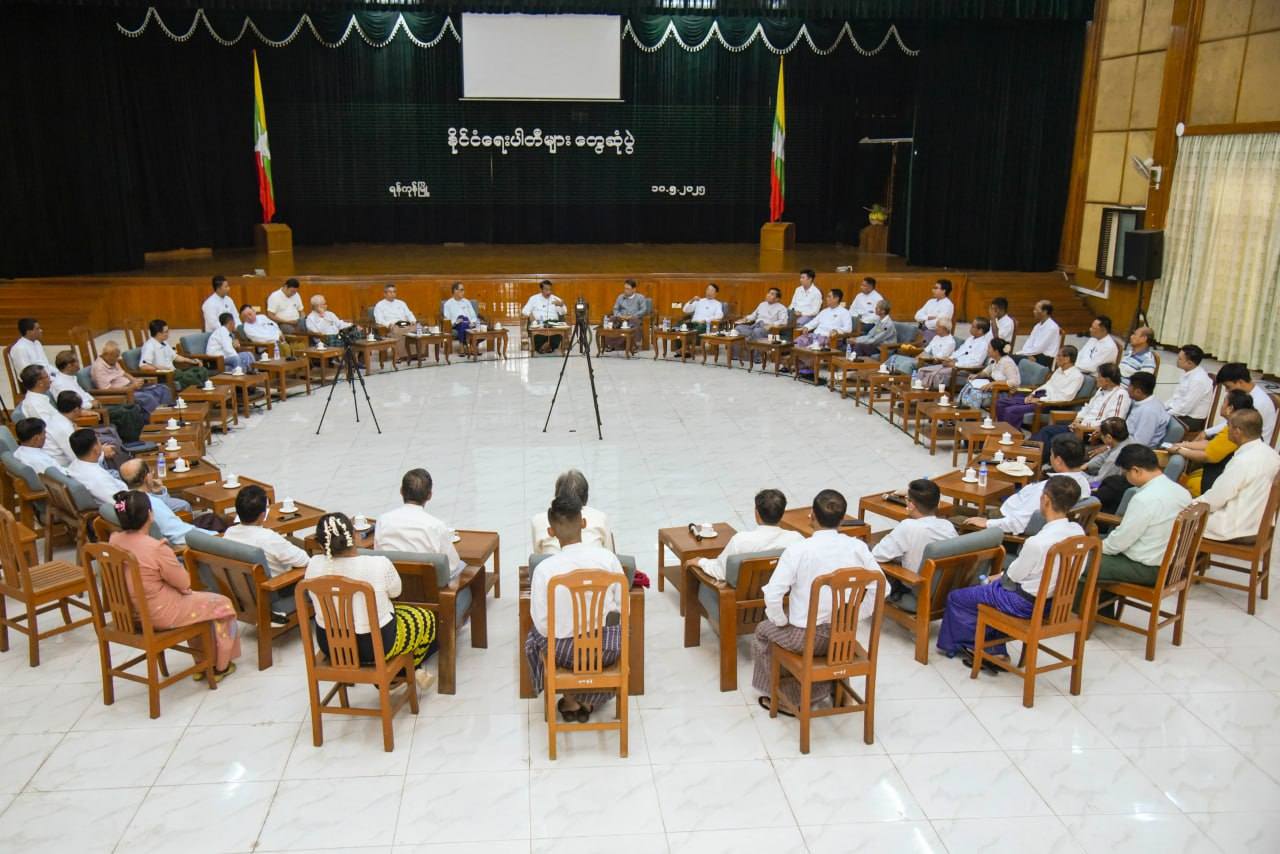
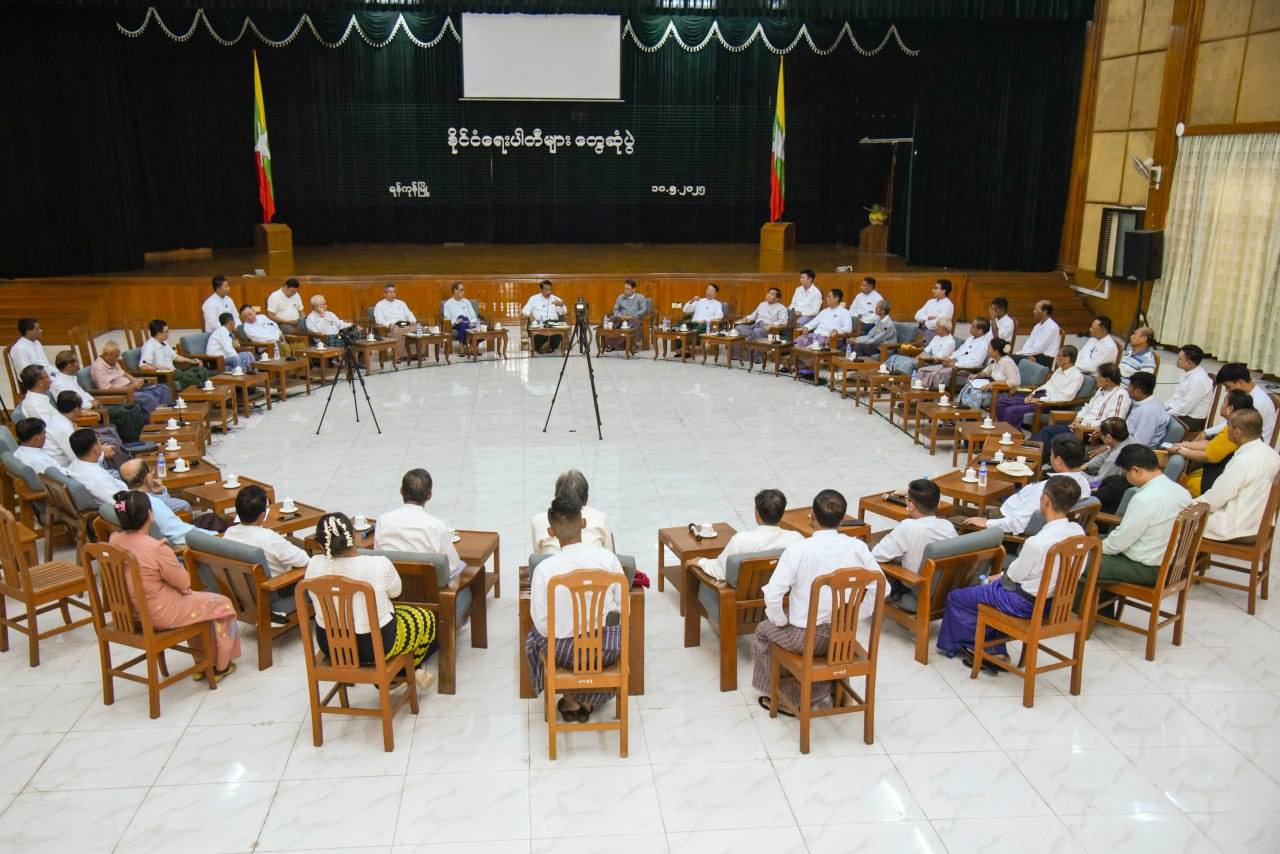
Political parties seen
He said: “Advance ballots are collected in different ways—sometimes by parties, sometimes by the commission and ward or village authorities. But when advance ballots are cast, our election agents should be allowed to accompany the process. If they are not allowed to do so, then it clearly lacks transparency. In wards and villages, sometimes the Election Commission collects advance ballots. Another important point is that when advance ballots are cast, election agents, candidates, or polling station agents appointed by candidates should be allowed to be present. Some commissions may fail to notify parties properly when they are busy, and that might happen. What I want to say is this: first, advance ballots should be counted, then the ballots placed in the ballot boxes should be counted. When these two are combined, the valid votes for us are already certain. But advance ballots that arrive later than that—those lack integrity.”
The Union Election Commission (UEC) has stated that advance voting procedures were carried out transparently by inviting political parties, parliamentary candidates, election agents, witnesses, and the public, and that the lists of votes obtained were announced at the relevant sub-commission offices.
Meanwhile, U Saw Han Aye, Vice Chairman of the People’s Pioneer Party (PPP), told CNI News that there are indeed many unclear aspects regarding advance ballots and that there are many places where no information was provided.
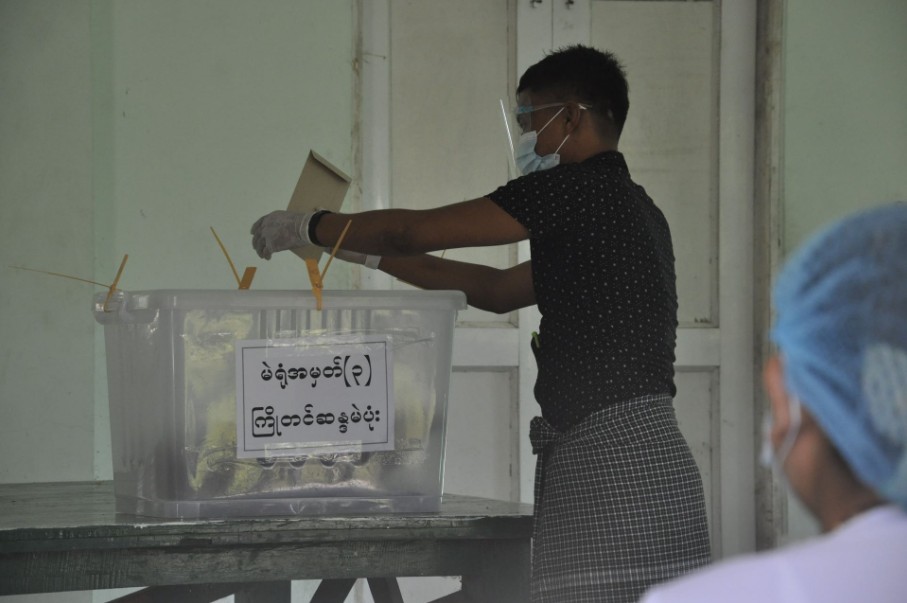
Casting advance votes
He said: “In the previous election Phase (1), there were real weaknesses. To prevent these issues from happening again in Phase (2), we have already sent recommendations to the UEC. Today as well, we are planning to hold a meeting with the UEC and political parties in Nay Pyi Taw, although I cannot say for certain yet. What is clear is that there are many cases where we were not informed. We do not know, with proper lists, how many people cast advance votes and for whom, or how many people in each ward cast advance votes. There are many places where we do not know, and many places where no notification was given—this is absolutely true. In some wards, notifications were given, but they were very few. What we are talking about now mainly concerns advance voting within wards. As far as we know, advance voting in wards should only be for people with disabilities, the elderly who are not physically able, those who genuinely have to travel, students going to school or university. Everyone else should vote on election day. But instead, in many places, a large number of advance ballots were taken, which has created problems.”
U Kyaw Swar Soe, Chairman of the Myanmar Farmers Development Party, also pointed out that not knowing the number of advance voters, and allowing only the Union Solidarity and Development Party (USDP) to accompany the advance vote collection process without informing other party representatives, does not meet the standards of a free and fair election.
- By CNI
- Category: English Section
- Hits: 316
CNI News
6 January 2026
Following the conclusion of Phase 1 of the multi-party democratic general election on December 28, 2025, the majority of political parties lost to the Union Solidarity and Development Party (USDP) due to advance votes.
Citing a lack of transparency regarding advance voting, the Shan and Nationalities Democratic Party (SNDP/White Tiger Party), the People’s Party (PP), and the Myanmar Farmers' Development Party have sent formal letters of concern to Senior General Min Aung Hlaing.
Sai Aik Pao, Chairman of the Shan and Nationalities Democratic Party (SNDP), told CNI News that while the law requires a list of advance voters to be posted at polling stations on election day, most stations failed to do so. As a result, parties remain in the dark about who actually cast these votes.
"We don’t know who gave those advance votes," he said. "We weren't informed of the data when the votes were cast. Legally, the list of advance voters must be posted, but it wasn't. Furthermore, representatives or parties should be invited when advance votes are collected. I believe our letter will be effective; we are also speaking out in the media."
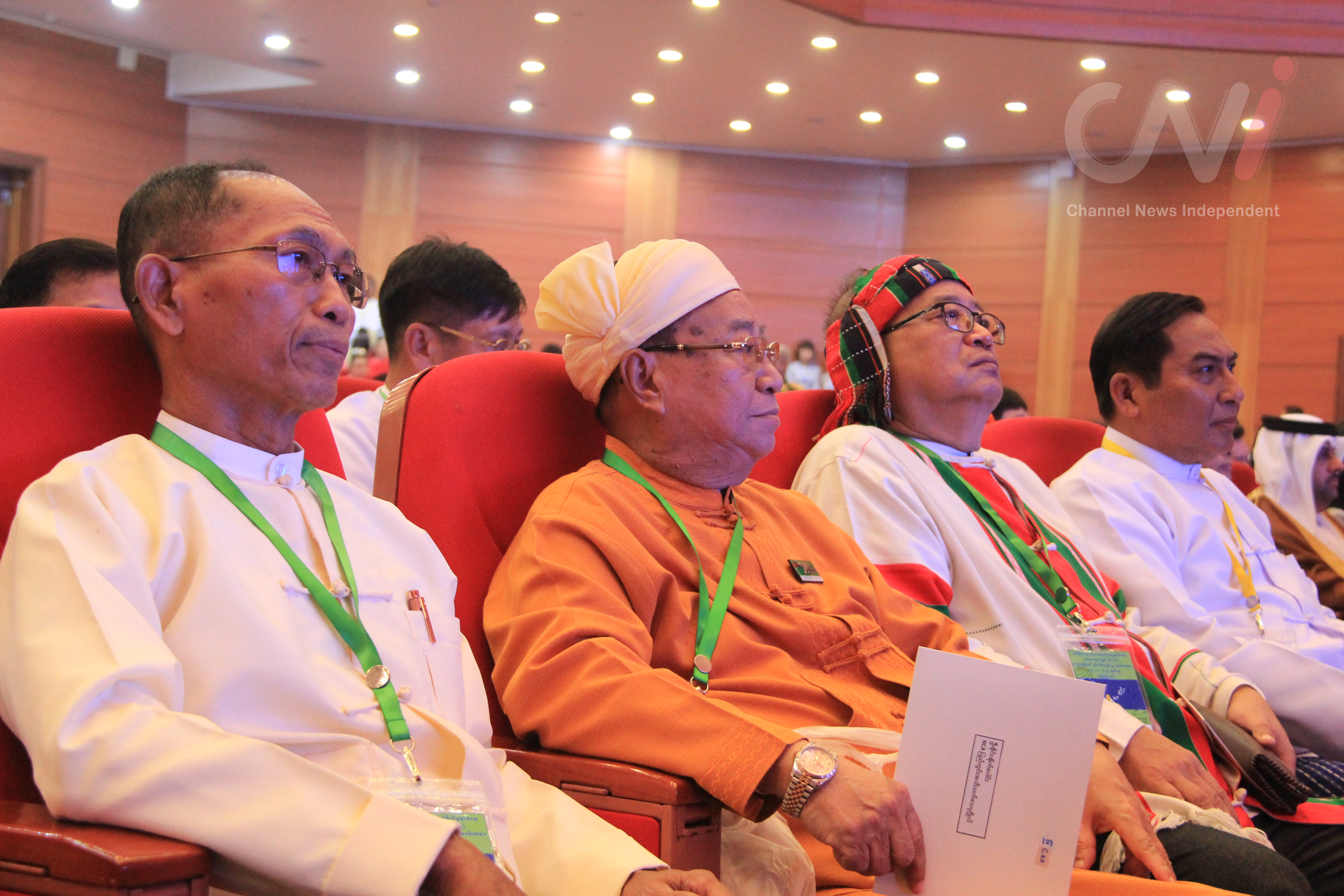
Sai Aik Pao and U Ko Ko Gyi
Lack of Notification and Participation Parties reported that they were not notified during the actual collection of advance votes and were only invited during the counting process.
U Mann Aung Pyi Soe, Chairman of the Karen National Democratic Party (KNDP), told CNI:
"Parties should be widely informed about the advance voting process. They do call us to come and observe the counting, but there are many times we cannot attend because we have to prioritize campaign activities. That is a point I want to emphasize."
Dr. Nyo Nyo Thin, founder of Yangon Watch, told CNI that such representations by political parties are positive as they play a vital role in ensuring fair and free elections. She expressed hope that the Election Commission (UEC) would handle instances of malpractice according to the law.
"The parties' submissions will help future elections. I believe the Election Commission can better supervise weaknesses at the grassroots level based on these reports. If they don’t speak up, neither the UEC nor the Senior General will know what is happening on the ground. While I welcome this feedback, ultimately, everyone must generally recognize the election results," she added.
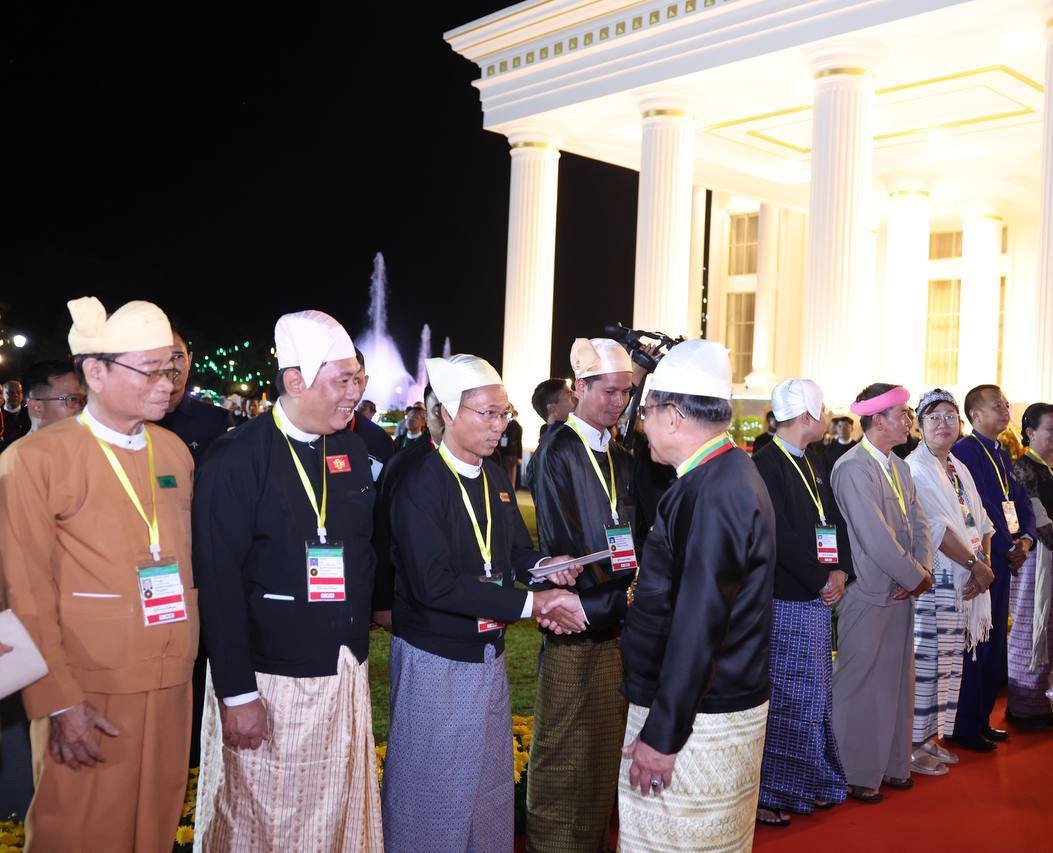
Senior General Min Aung Hlaing and political parties
The Union Election Commission (UEC) issued a statement explaining that: Overseas Advance Votes: Handled by embassies and consulates within the designated period in accordance with Section 47 of the relevant Election Law. These were counted transparently in front of party representatives on December 25, 2025.
Out-of-Constituency Advance Votes: Counted by 4:00 PM on December 26, 2025, with parties invited to observe.
In-Constituency Advance Votes: Collected between December 18 and 27 for those unable to visit polling stations. These were handed over to polling station officers before 6:00 AM on election day (December 28).
The UEC maintained that results of these advance votes have already been posted at relevant sub-commission offices for public viewing.
Impact on Phase 2, Following the controversies in Phase 1, reports indicate that for Election Phase 2, candidates and political parties are being more actively invited to observe the advance voting process. Consequently, candidates competing in Phase 2 are now closely monitoring the collection and handling of these votes to avoid a repeat of the previous issues.
- By CNI
- Category: English Section
- Hits: 617
CNI News
6 January 2026
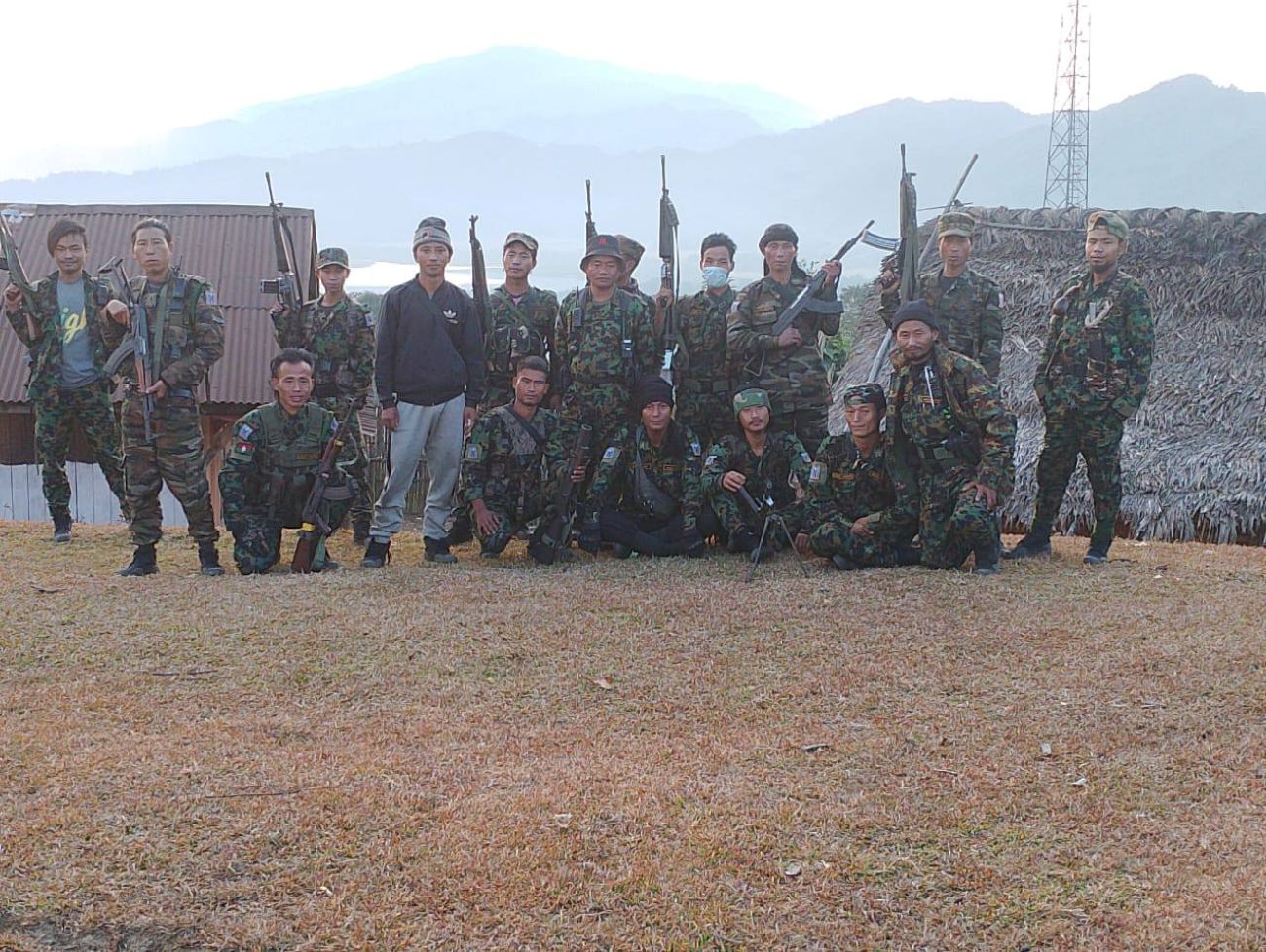
It has been learned that the National Socialist Council of Nagaland–Khaplang/Ang Mai (NSCN-K/AM) has taken up troop positions in order to gain control of Pansaung town (area), located in Nanyun Township of the Naga Self-Administered Zone, Sagaing Region, which serves as a border trade exit point between Myanmar and India.
The NSCN-K/AM told CNI News Agency that its Naga armed unit has been deployed and assigned duties in the Pansaung area of Nanyun Township in the Naga region of Myanmar. According to the group, the unit arrived in Pansaung town on January 1, 2026.
The group stated: “We respectfully and sincerely express our heartfelt gratitude to the respected leaders and beloved local people of Pansaung town for warmly welcoming our Naga armed unit. The primary responsibilities of the Naga armed unit in this area are to ensure the security and safety of the people, to maintain peace and stability, and to encourage and promote comprehensive development activities in Pansaung town and surrounding areas.”
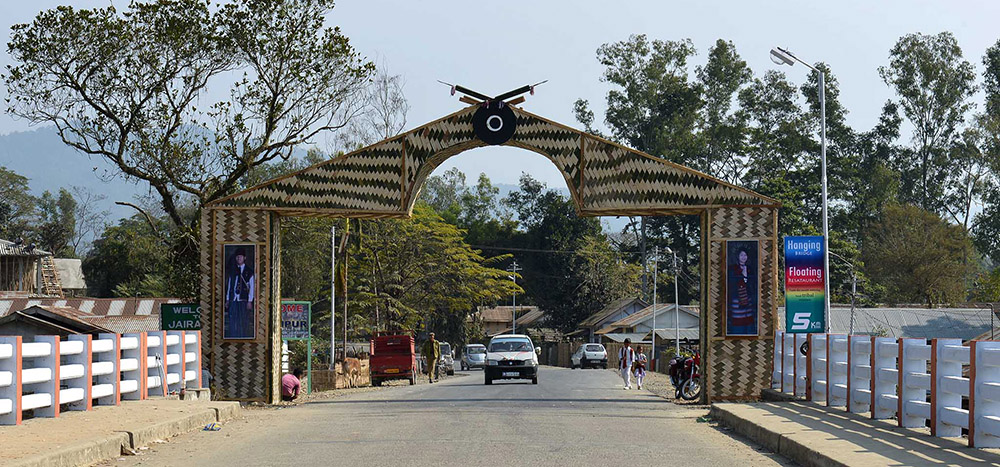
The Pansaung border gate
Pansaung town is an extremely important strategic area for the Naga region, as it is the only border trade exit point with India.
The NSCN-K/YA (Khaplang/Yung Aung) faction is also actively deploying and operating troops in the Pansaung area.
In addition, the Kachin Independence Army (KIA) has been holding discussions and negotiations with Naga armed groups in an effort to gain control over the Pansaung area and the border trade exit point.
It is reported that India, Myanmar, and China have agreed to renovate the Stillwell Road, also known as the Ledo Road. Under this agreement, India will take responsibility for the section from Pansaung and Nanyun to Mohnyin–Mogaung, while China will be responsible for the section from Mohnyin–Mogaung to the Lweje border trade gate.
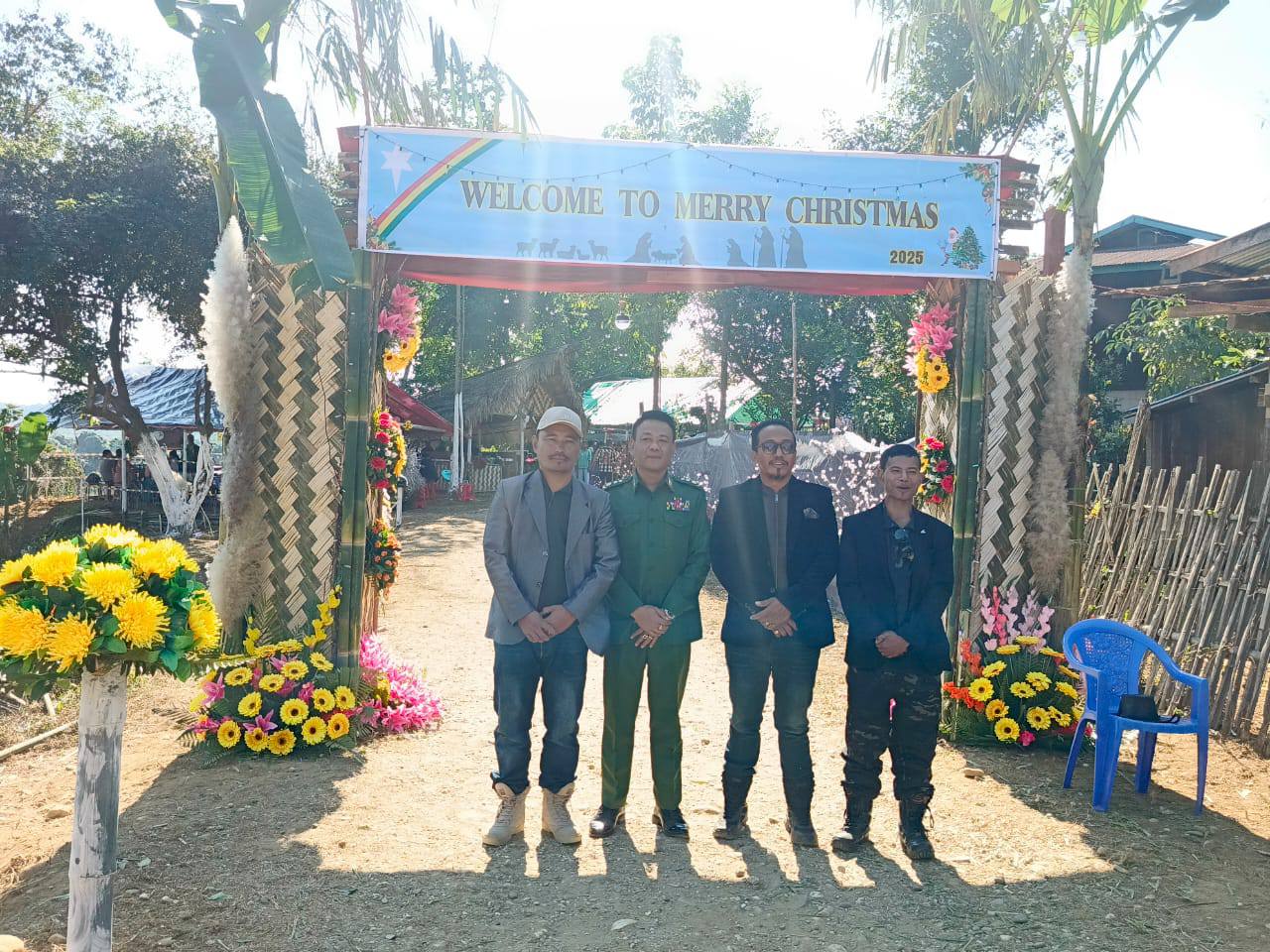
Myanmar Tatmadaw officers and NSCN-K/AM members celebrating Christmas on December 25, 2025
Subsequently, local sources say that India and the KIA have been focusing on the Pansaung area for the extraction and transportation of natural resources, including rare earth minerals produced in Kachin State.
At present, the Pansaung area is reportedly being controlled and administered by troops from NSCN-K/AM and NSCN-K/YA. A military observer from Sagaing Region pointed out that NSCN-K/AM has been able to gain broader control over the entire Pansaung area because it prioritizes peace and Naga development, maintains close relations with the Myanmar Armed Forces (Tatmadaw), and is therefore likely to receive support from the Tatmadaw.
Similarly, the observer noted that the Indian government may also provide support to NSCN-K/AM, as the group prioritizes peace and stability. Meetings and peace talks between NSCN-K/AM and the Indian government reportedly took place during 2025.
- By CNI
- Category: English Section
- Hits: 345
CNI News
5 January 2026
Senior General Min Aung Hlaing, Chairman of the State Security and Peace Commission, stated that a government characterized by fairness, high voter distribution, and strong integrated stability will be formed.
This statement was included in the message sent by the Senior General on the occasion of the 78th Independence Day, which fell on January 4, 2026.
Senior General Min Aung Hlaing said, "By employing a mixture of the First-Past-The-Post (FPTP) and Proportional Representation (PR) systems, we will work to form governments that ensure fairness, high voter distribution, and integrated stability. According to the election results, the state responsibilities will be handed over to the emerging government in accordance with democratic standards."
In Myanmar, the first phase of the election was held on December 28, 2025, across 102 townships. In this first phase:
The Union Solidarity and Development Party (USDP) won 80% of the seats. The National Unity Party (NUP) secured the second-highest number of seats.
Ethnic political parties won the third-highest number. The election process is scheduled to continue in phases: Phase 2: January 11, 2026 (100 townships).
Phase 3: January 25, 2026 (63 townships).
Observers note that the post-election government is expected to be led by the Military and the USDP. There are ongoing concerns regarding the potential emergence of a government with highly centralized control.
Meanwhile, everyone hopes for the emergence of a form of national unity government as a means to end the ongoing political and armed conflicts within Myanmar.
- By CNI
- Category: English Section
- Hits: 513
CNI News
3 January 2026
Following Phase (1) of Myanmar’s election held on December 28, 2025, the public has been closely watching to see whether the People’s Party (PP) and the People’s Pioneer Party (PPP) won any seats.
Phase (1) of the election was held on December 28 across 102 townships nationwide. Contrary to what many people are saying—that they did not win anywhere—U Saw Han Aye, Vice Chair of the People’s Pioneer Party (PPP), told CNI News that this was not entirely true.
He said: “Under the FPTP system, PPP did not win any seats in the constituencies we contested. However, we have heard that some ethnic representatives won about two seats. But the vote counting is not yet complete. Votes have not been fully counted across entire states and regions, so we cannot say for certain about those ethnic representatives. As for FPTP, no one has won. Under the FPTP system, we did not win seats in either the Pyithu Hluttaw or the regional/state hluttaws. We still need to wait for the Amyotha Hluttaw results. To be frank, we did not expect to lose this badly. The main problem is that, honestly, we do not know how many advance votes there were or how many we received. However, votes cast in person by the public appear to have been for various parties and independent candidates. The rest likely came from the core supporters of the larger party. Voter turnout was low in some areas, while in others it exceeded 50 percent. This means we need to encourage more people to come out and vote in Phase (2) and Phase (3).”
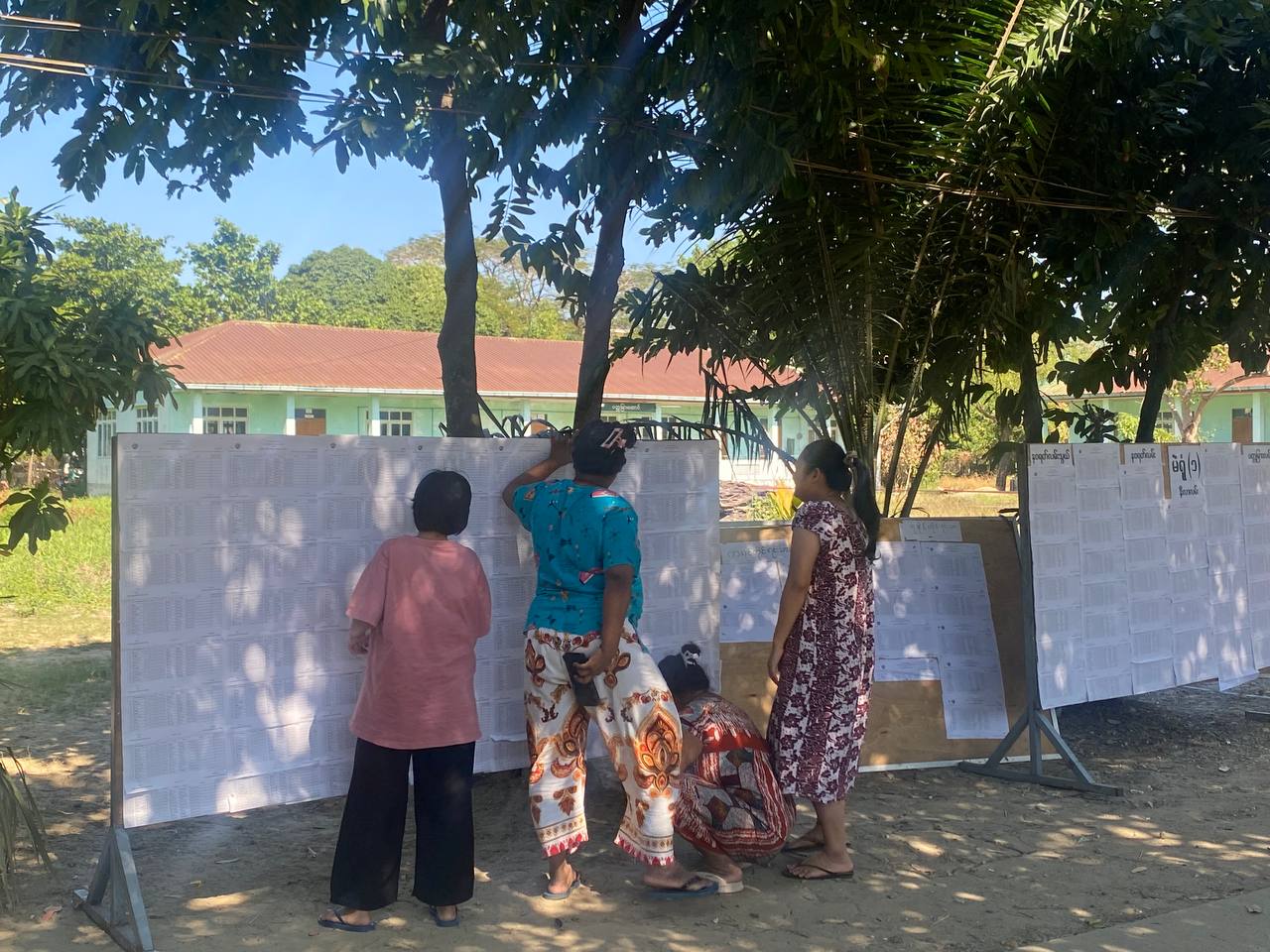
People checking voter lists
In Myanmar’s election, six parties are competing nationwide. These are the People’s Party (PP), the People’s Pioneer Party (PPP), the Union Solidarity and Development Party (USDP), the Shan and Nationalities Democratic Party (SNDP), the Farmers Development Party, and the National Unity Party (Ta Sa Nya).
Among these, PP and PPP were expected to receive strong public support, but due to very low voter turnout, they achieved limited victories. The USDP reportedly won about 80 percent nationwide; however, critics point out that USDP’s victories were influenced by advance votes and complicated voter lists.
The People’s Party (PP) won one regional Hluttaw seat in the Myeik constituency of Tanintharyi Region, but this result is currently under dispute due to an objection filed by the USDP.
Regarding Phase (1), PP Chair U Ko Ko Gyi told CNI News that after the USDP and the National Unity Party, the People’s Party ranked second.
He said: “According to our preliminary vote lists, we won all three seats in Myeik—the Pyithu Hluttaw, the regional Hluttaw, and the Amyotha Hluttaw. In the final confirmed results, we clearly won one seat in the regional Hluttaw. The remaining vote lists have still not been released. In other areas such as Yamethin and elsewhere, our vote results are also quite strong.
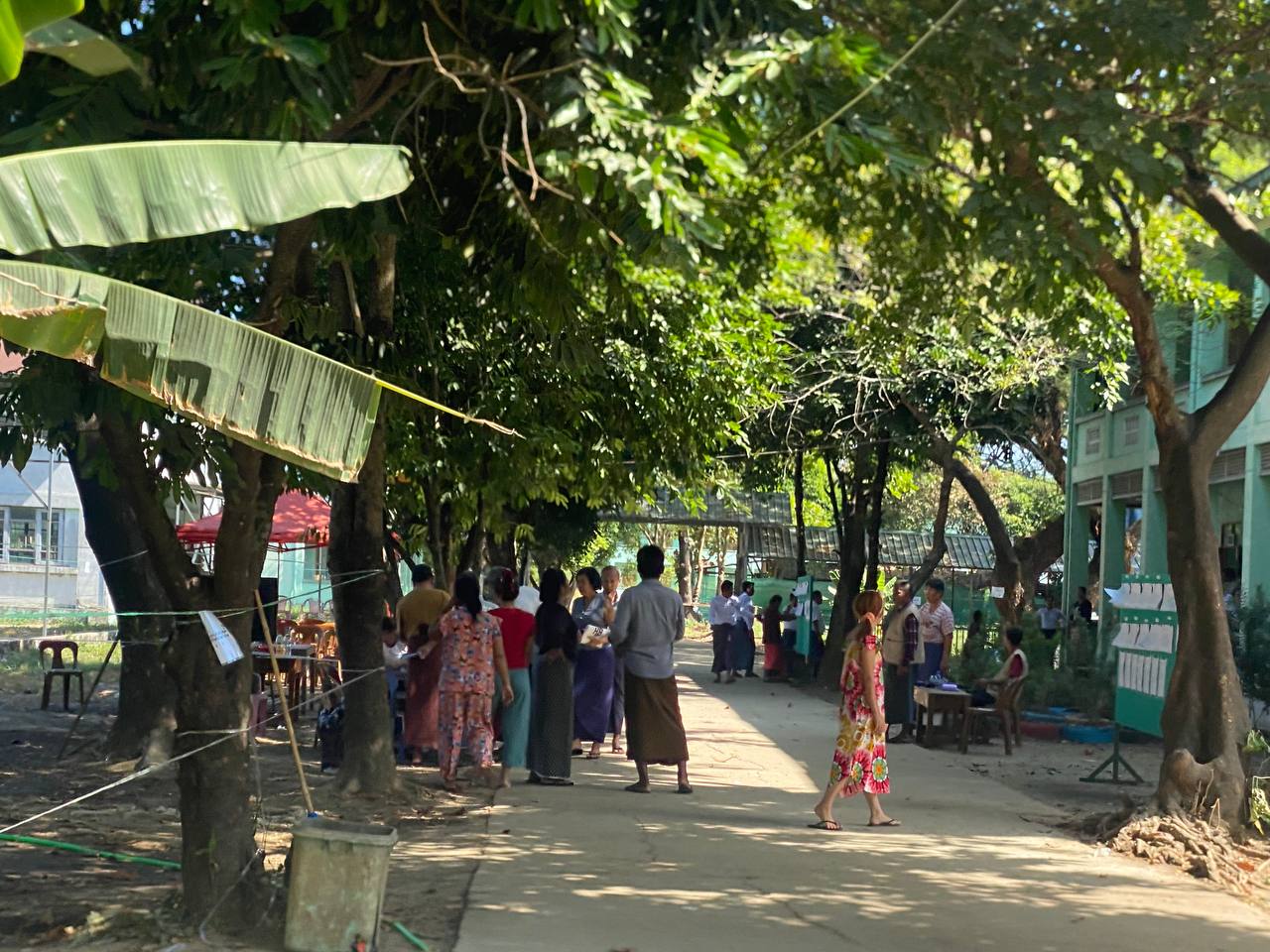
Voters casting ballots
Overall, after the USDP and the National Unity Party, our party stands second in some areas and third in others in terms of total votes received. We believed—and hoped—that the upcoming parliament would be truly diverse in composition. In the past, everyone has experienced parliaments dominated by a single party. Therefore, we wanted this parliament to be appropriately diverse. However, judging from the Phase (1) results, it appears to be moving back toward a single-party-dominated structure.”
In Phase (1) of the election held on December 28, most candidates from the People’s Pioneer Party (PPP) led by Daw Thet Thet Khaing, the Arakan Front Party (AFP) led by Dr. Aye Maung, and the People’s Party (PP) led by U Ko Ko Gyi were defeated, with only a small number winning seats.
Phase (1) of Myanmar’s election has now concluded. Phase (2) will be held on January 11, 2026, in 100 townships, and Phase (3) will be held on January 25 in 63 townships.
Overall, the election involves 6 union-level parties, 51 regional or state-level parties, totaling 57 political parties, along with 4,863 independent candidates.
- By CNI
- Category: English Section
- Hits: 929
CNI News
3 January 2026
The intensifying battles in Bhamo Township, Kachin State, are a result of the Kachin Independence Army (KIA) seeking leverage in negotiations with China, according to Colonel Khun Okkar, Chairman of the Pa-O National Liberation Organization (PNLO-NCA/S), a signatory of the Nationwide Ceasefire Agreement (NCA).
Fighting resumed in Bhamo on December 25, 2025, and has currently escalated to include almost the entire town.
Meanwhile, on December 25, the Naypyidaw authorities announced that the third phase of the 2026 General Election, scheduled for January 25, would include Bhamo, Mansi, Momauk, Hpakant, and Shwegu townships in Kachin State.
Colonel Khun Okkar told CNI News that the current battle for Bhamo is not intended for long-term occupation but is being fought as a strategic move for bargaining.
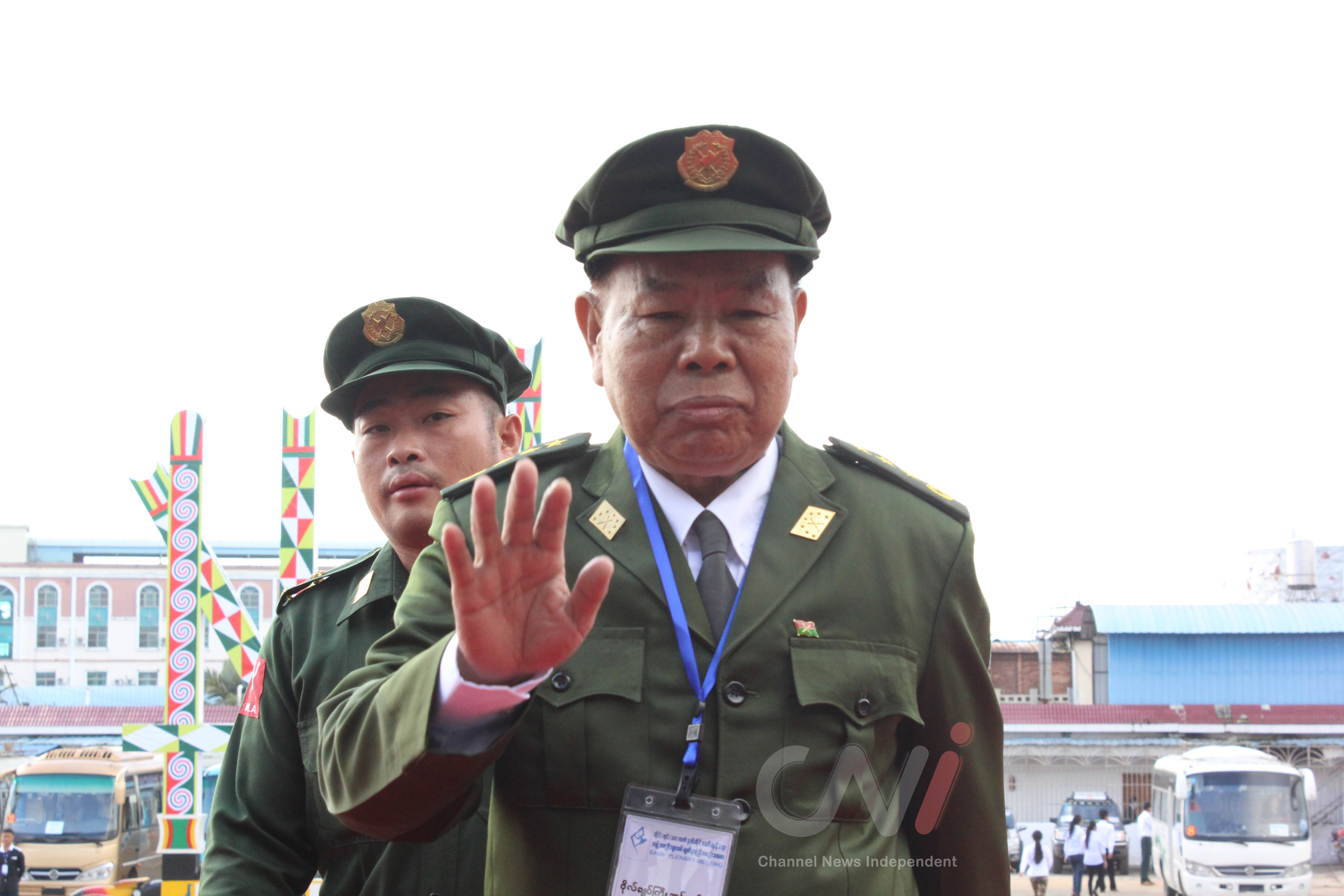
KIA leader General N'Ban La
"The battles in Bhamo and similar areas are 'face-saving' battles. Both sides know these fights will eventually stall because China itself is involved. At some point, China might tell the KIA to stop the Bhamo offensive. The KIA is likely waiting for that moment. When told to stop, the KIA can then negotiate: 'If we stop, which border gates will you reopen? What rights will you restore?' They want bargaining power. They are fighting to gain that leverage for an exchange. It’s not about holding Bhamo permanently; it’s about territory control to secure bargaining power when a deal arises. We saw this with Lashio, Hsipaw, and Kyaukme. Once deals were struck, those towns returned to the control of the Tatmadaw. Everything is part of the bargaining process. So, whether they can fully capture Bhamo or not, the act of fighting is for the sake of the deal. If they give and take without fighting, what will they get in return? That is the key," he said.
While fighting is currently intense in Bhamo, the KIA has already captured and occupied the towns of Mansi and Momauk since 2024.
However, according to a statement released on the night of December 27, 2025, elections will not be held in 1,002 village tracts and 62 wards in Kachin, Chin, Shan, Rakhine, Karen States,Sagaing, Tanintharyi, Bago, Mandalay and Ayeyarwady Regions, including 43 village tracts in Bhamo, 43 in Mansi, 65 in Momauk, 39 in Shwegu, and 8 in Hpakant.
Dr. Hla Kyaw Zaw, an observer of China-Myanmar affairs, told CNI News that both the KIA and China hold their own "cards," and it remains to be seen how they will trade them.
"The KIA has cards, and China has cards. China can close or open economic trade routes. On the other hand, the KIA controls rare earth minerals. They could choose not to sell to China or divert them elsewhere. I can't say exactly how they will negotiate. China’s primary goal is peace and stability along its border with Myanmar. How the KIA utilizes that, I am not sure," she said.
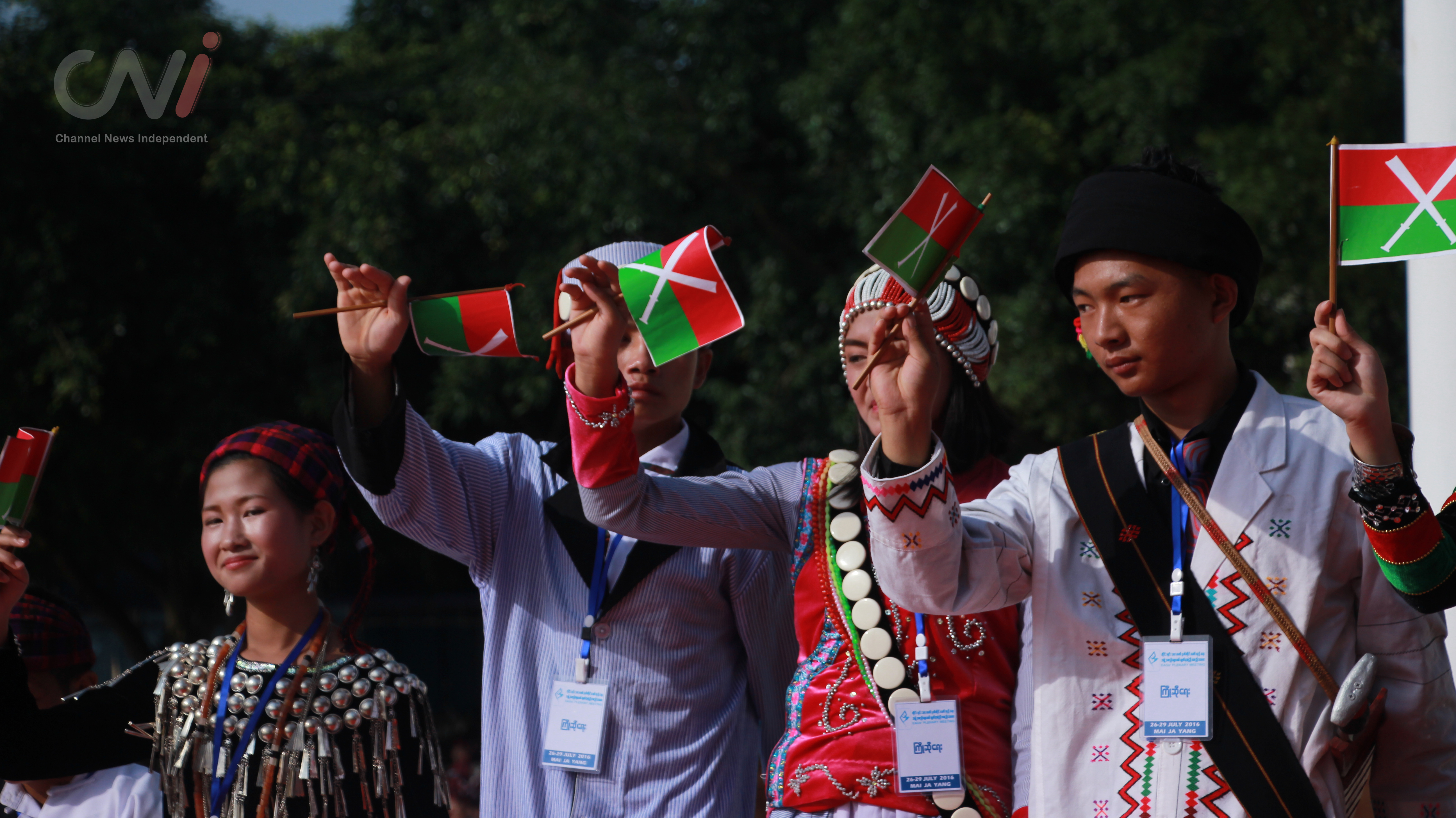
Kachin ethnic people
Additionally, a report by the US-based Silicon Valley Times claimed that a secret agreement was signed between the KIA and India in December 2025, uncovered through special intelligence investigations.
The Silicon Valley Times reported that based on satellite imagery and cross-border intelligence, India is constructing a 365-kilometer road from Vijaynagar in Arunachal Pradesh to rare earth mines in Chipwi, Kachin State.
This road, allegedly built without the permission of the Myanmar military or government, would allow India access to Myanmar’s rare earth resources. In exchange, India would provide the KIA with weapons, medicine, and other logistics. The partnership also reportedly includes a secret plan for a second strategic road connecting the KIA headquarters in Laiza through Sagaing Region to Rihkhawdar in Chin State.
Page 44 of 352
Connect with us