
English Edition
- By CNI
- Category: English Section
- Hits: 408
CNI News
2 January 2026
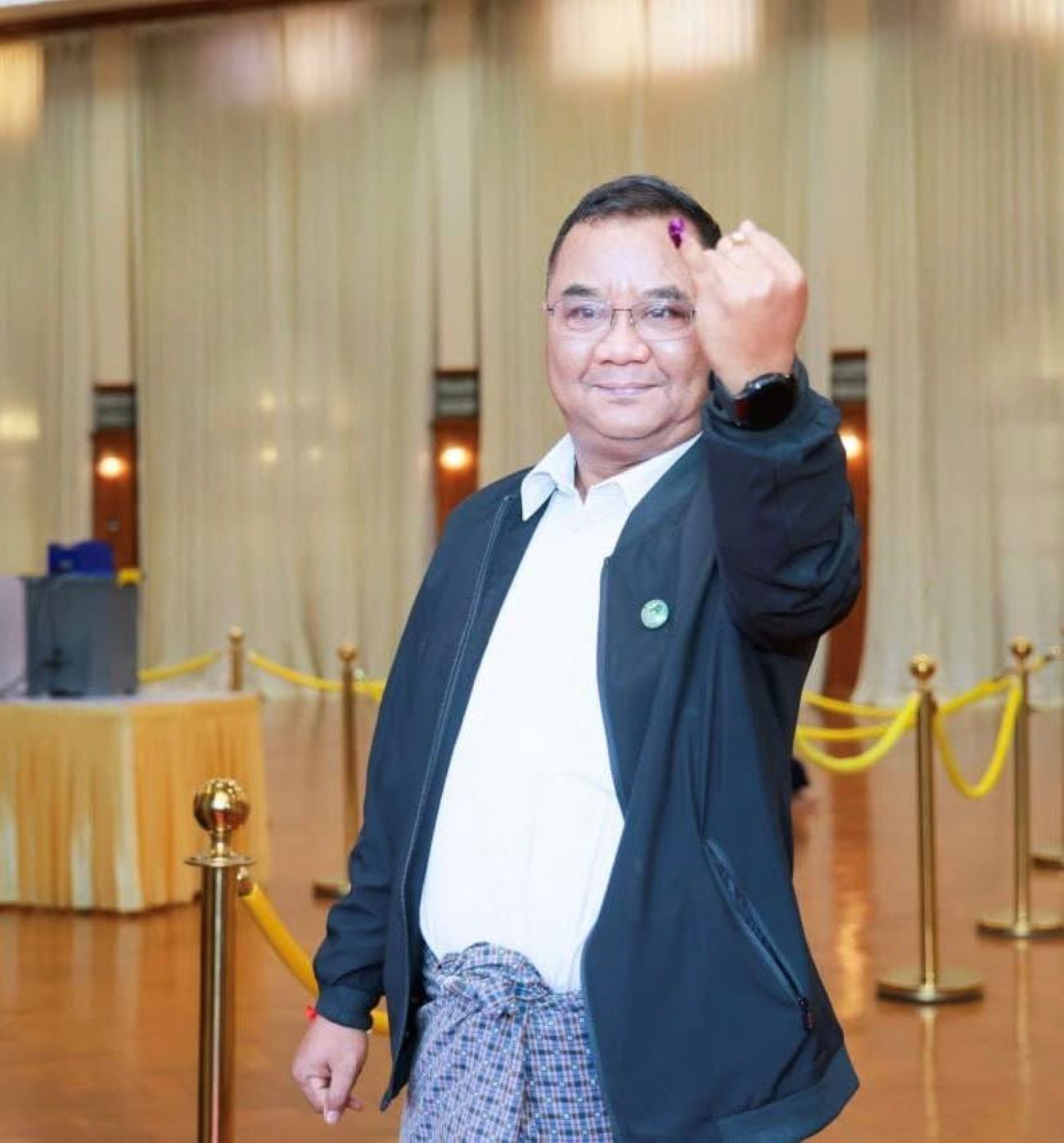
In Phase 1 of Myanmar’s 2025 election, held on December 28, 2025, more than 6.09 million voters cast their ballots out of over 11.6 million eligible voters, according to the Union Election Commission (UEC) speaking to CNI News.
Myanmar’s election is being conducted in three phases. Phase 1 was held on December 28, 2025, Phase 2 will be held on January 11, 2026, and Phase 3 will be held on January 25, 2026.
Phase 1, completed on December 28, 2025, was conducted in 102 townships.
The UEC also told CNI News that around 24.26 million people in total are eligible to vote across Phases 1, 2, and 3 of the election in Myanmar.
- By CNI
- Category: English Section
- Hits: 490
CNI News
2 January 2026
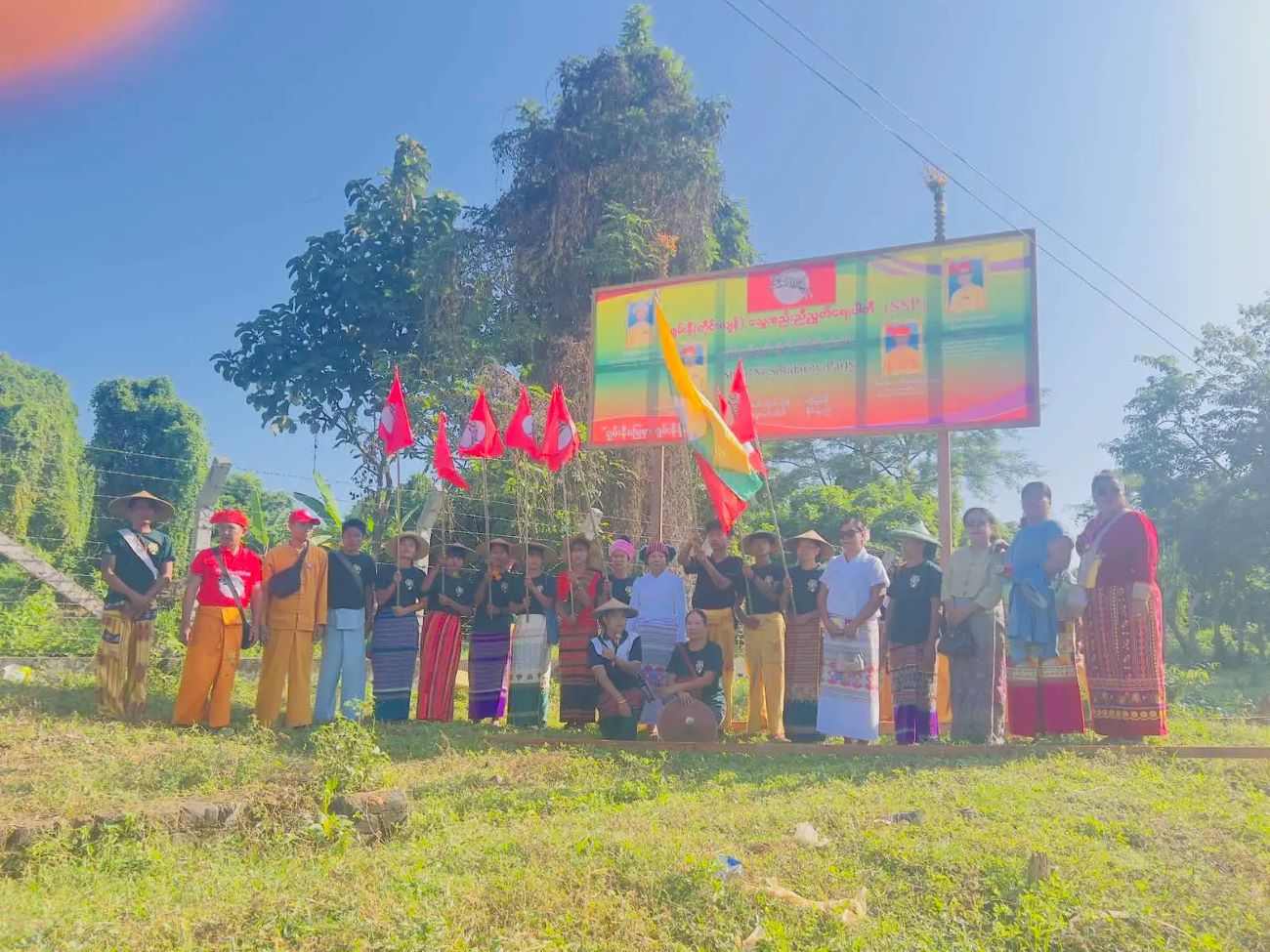
In Phase 1 of the 2025 election, held on December 28, 2025, the Shanni Kyar Min (King Tiger) Party achieved a decisive victory in Homalin Township, Sagaing Region, according to Sai Naing Naing Kyaw, Chairperson of the Shanni (Tai Leng) Solidarity Party (SSP), speaking to CNI News.
Known locally as the “Kyar Min Party,” the Shanni party won seats in the People’s Assembly (Pyithu Hluttaw), National Assembly (Amyotha Hluttaw), and Regional Assembly constituencies within Homalin Township.
Phase 1 of the election was held on December 28, 2025,. Phase 2 will be held on January 11, 2026, and Phase 3 on January 25, 2026.
Based on ground information from Phase 1, the Shanni (Tai Leng) Solidarity Party is believed to have secured victory in both the Pyithu Hluttaw seats and the Regional Hluttaw seats in Homalin Township, said SSP Chairperson Sai Naing Naing Kyaw.
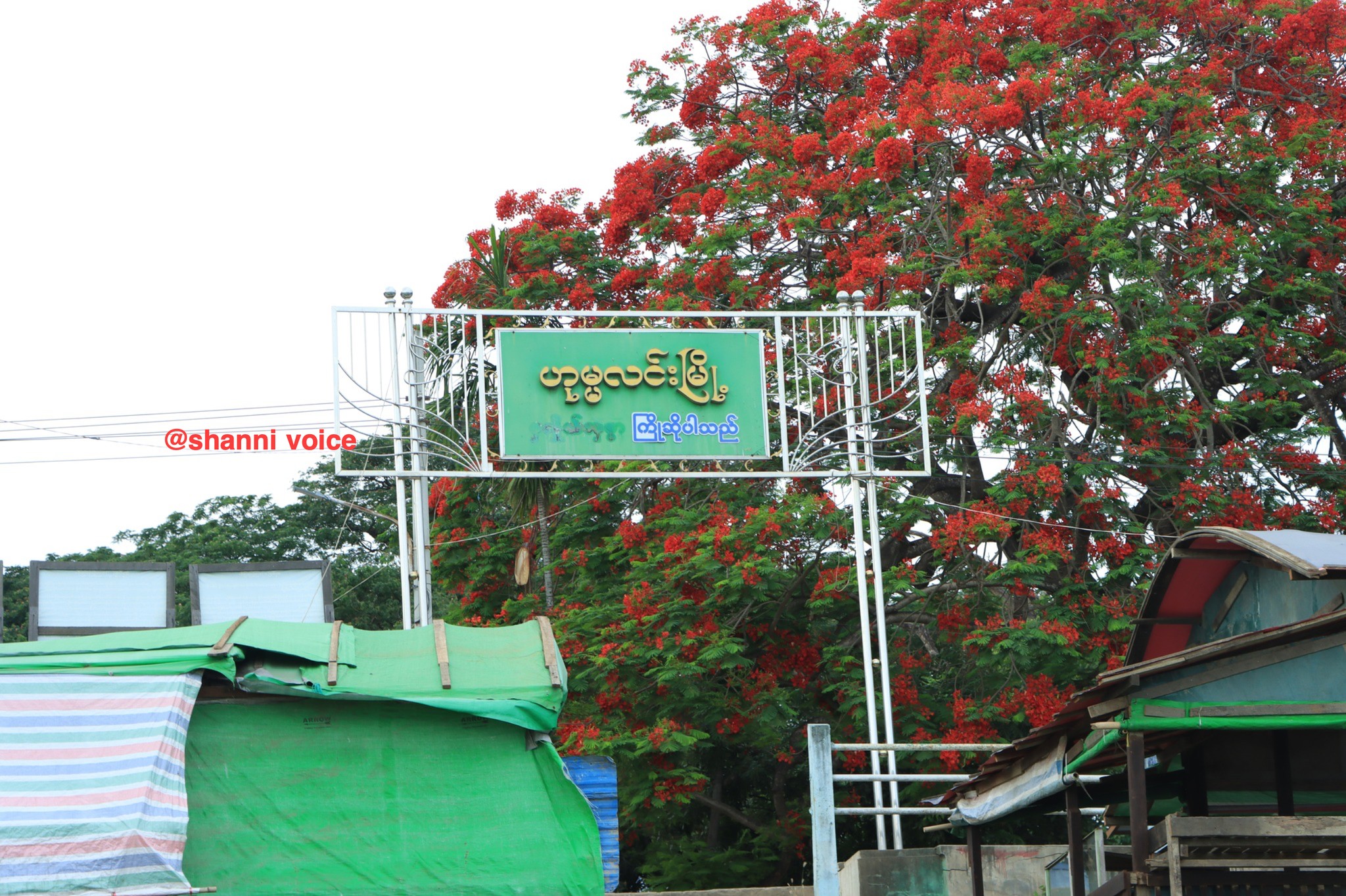
Homalin town (Shanni Voice)
He stated: “As the Kyar Min Party, we are only competing in Sagaing Region, and we have fielded 40 candidates. Since only Phase 1 has been completed, we cannot yet say how many seats we will win overall. But in a first-past-the-post system, as I mentioned earlier, we are certain to have won in Homalin — both the Pyithu Hluttaw seats and the Regional Hluttaw seats — based on available ground data. The Election Commission has not officially announced the results yet, but from what we have on the ground, we can confidently say we have won those constituencies in Homalin under the FPTP system.”
Only three-quarters of Homalin Township was able to participate in Phase 1 of the election. Due to security concerns, elections could not be held in Uru Chaung, Nat Nan regions, and surrounding village tracts.
However, according to SSP Chairperson Sai Naing Naing Kyaw, voter turnout in Homalin and Khamti townships was around 60%, though there were some shortcomings regarding the voter lists.
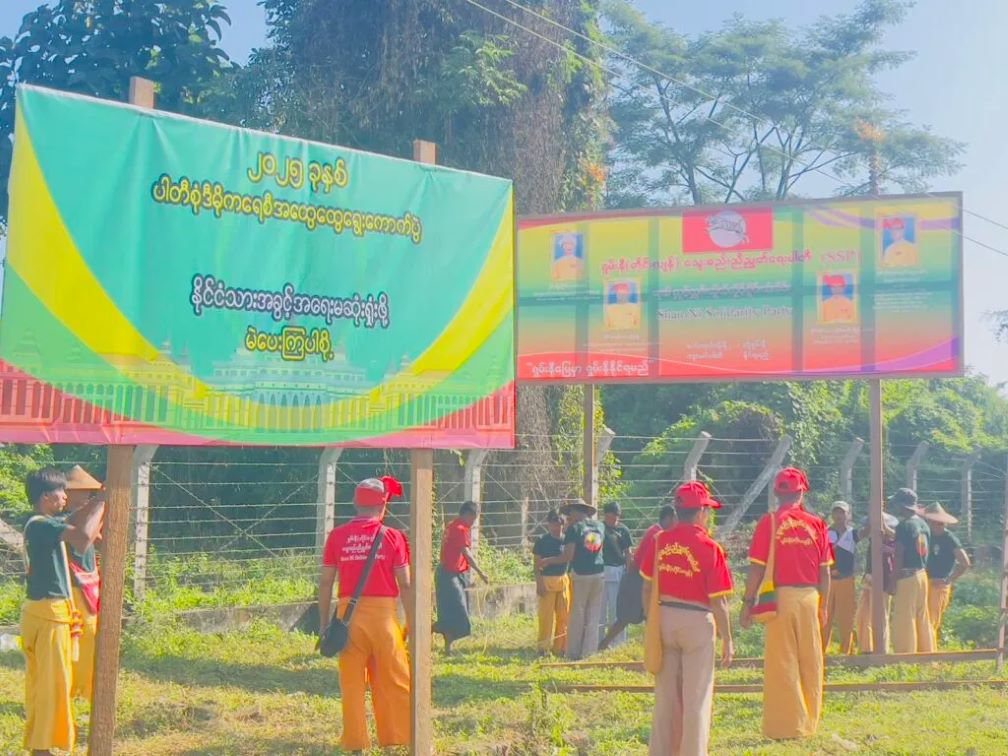
Shanni (Tai Leng) Solidarity Party (SSP)
He added: “On December 28, people came out to vote in Homalin and Khamti. We see this as an election comparable to a regular election. Based on available information, voter turnout was around 50% to 60%. Everyone is showing strong interest in the election. But we have noticed some weaknesses concerning the basic voter lists. For example, some people appeared in the voters’ list in the first and second editions, but disappeared in the final edition. Another issue: siblings with the same parents faced different eligibility status for ethnic votes. For instance, during ethnic voting for Shanni representatives, the younger brother was allowed to cast an ethnic Shanni vote, but the older brother was not eligible — cases like that were also found.”
In Homalin Township, two SSP candidates won: Sai Naing Naing Kyaw — Pyithu Hluttaw seat, Sai San Hla Soe — Regional Assembly seat.
- By CNI
- Category: English Section
- Hits: 397
CNI News
1 January 2026
Major General Zaw Min Tun, spokesperson of the National Defense and Security Council, said that the Myanmar military (Tatmadaw) assumed national responsibility because it could not avoid doing so, in order to prevent the emergence of a dictatorship under the name of democracy.
He made this remark on December 30, in relation to Phase 1 of the election, which was held on December 28, 2025.
Major General Zaw Min Tun said:
“As the government, due to electoral fraud committed by the ruling government and the NLD party in the 2020 election, we had to take national responsibility because we could not let the multi-party democratic system that the nation was advancing towards be destroyed, nor allow a dictatorship under the name of democracy to emerge.
From the moment we began taking responsibility, we laid down objectives to fulfil the desire of the people — to restore a multi-party democratic system. We have always aimed to hold a multi-party democratic general election.”
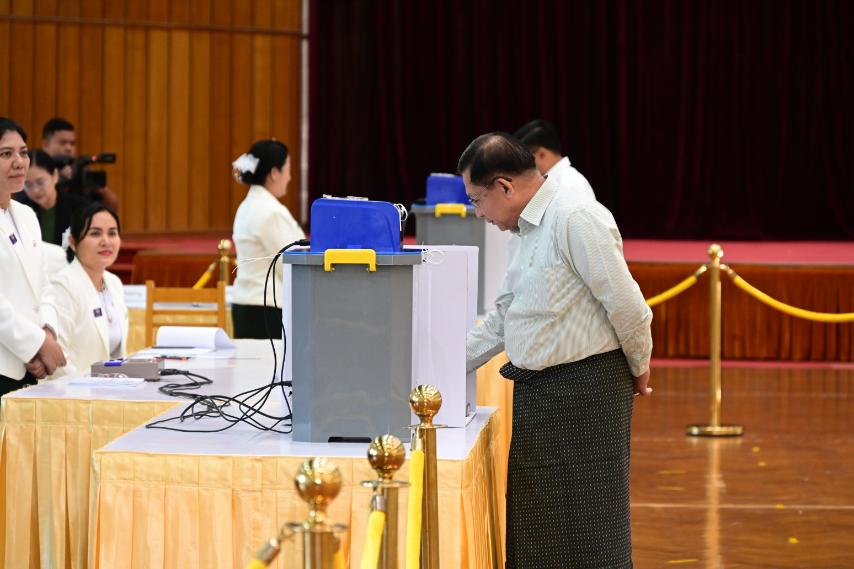
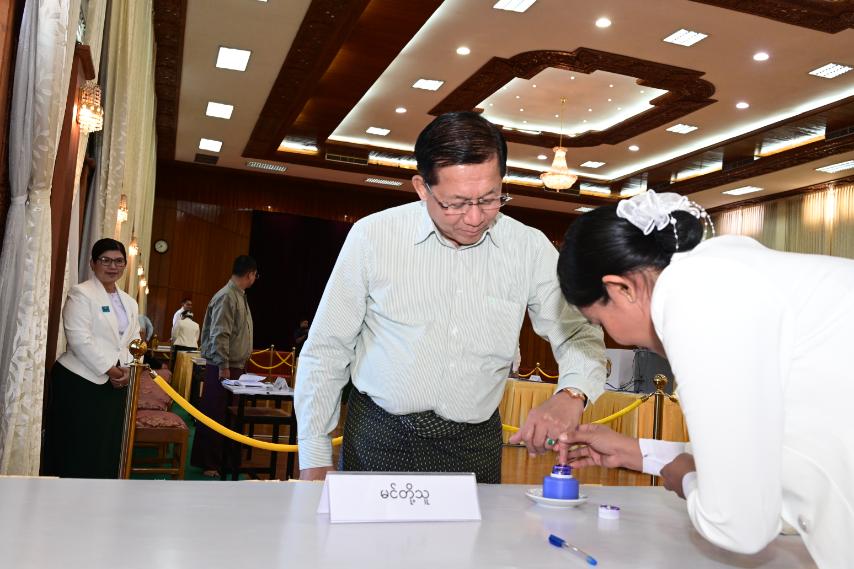
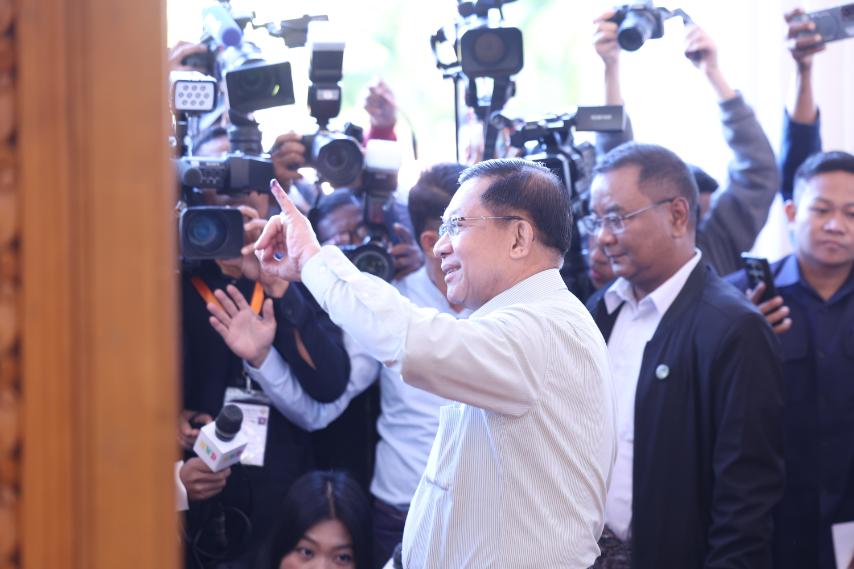
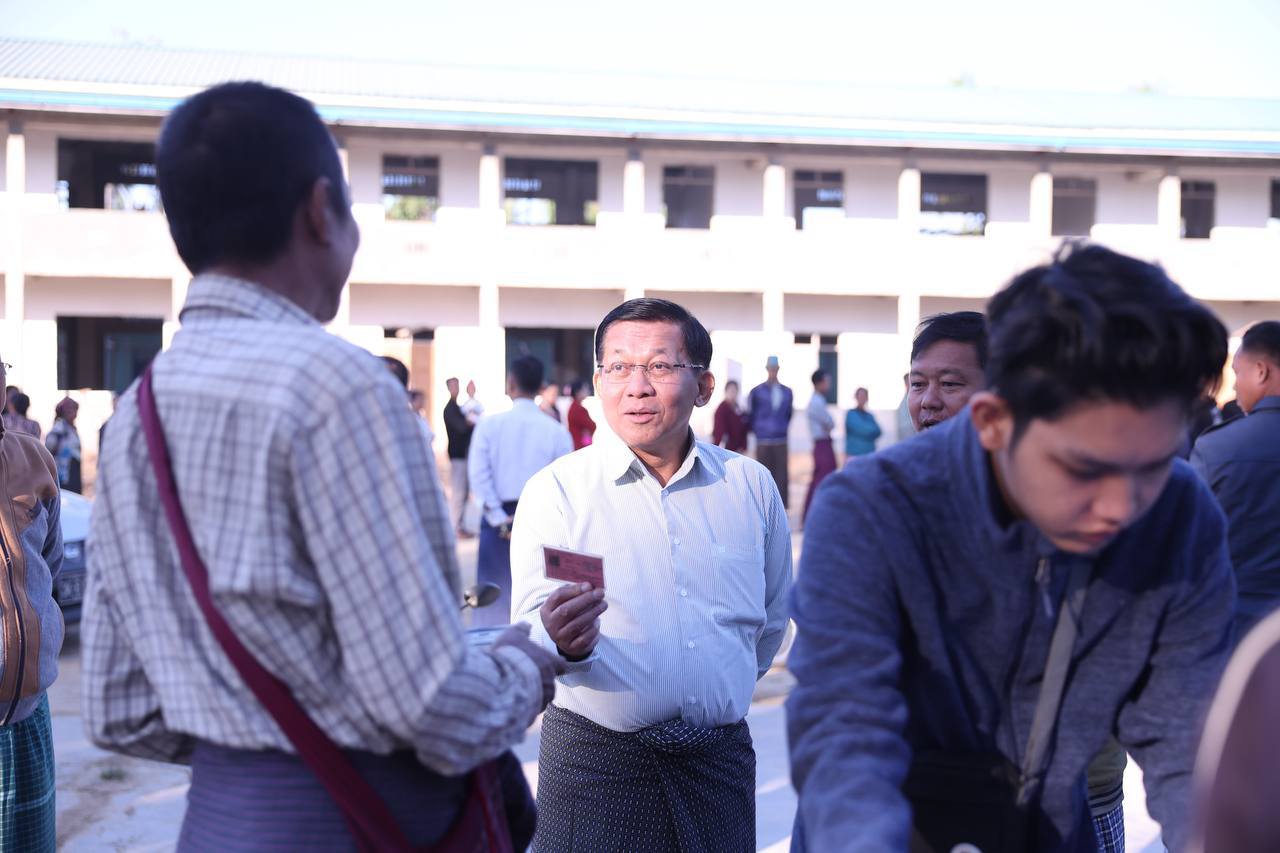
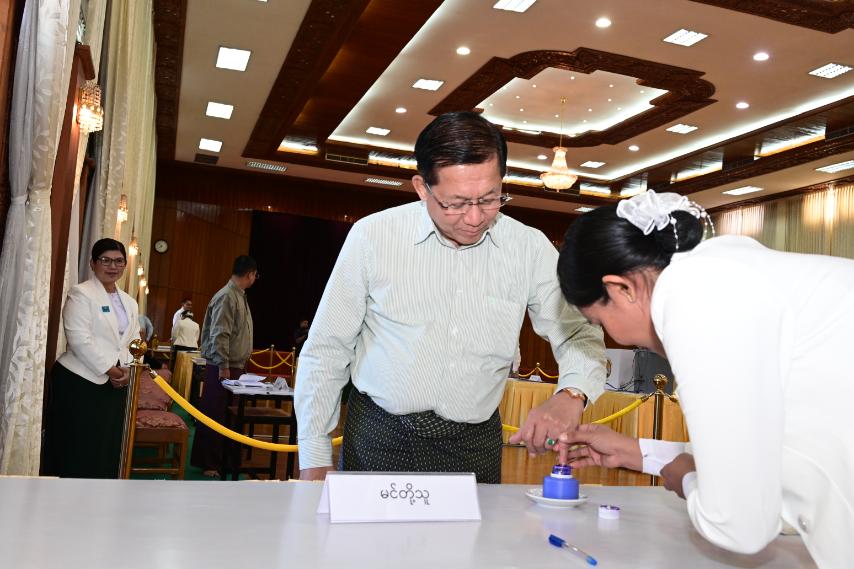
Senior General Min Aung Hlaing casting his vote
In November 2020, a general election was held in Myanmar, in which the National League for Democracy (NLD) won by a landslide.
More than 30 political parties and the Myanmar military requested the re-examination of disputed voter lists.
However, the military claimed that the NLD party and the NLD government did not resolve the voter list disputes and instead proceeded to form a government.
As a result, on February 1, 2021, the Myanmar military overthrew the NLD government, declared a state of emergency, and took control of the country.
On that same day, February 1, 2021, the NLD government was preparing to convene the parliament, and foreign diplomats had been invited as witnesses.
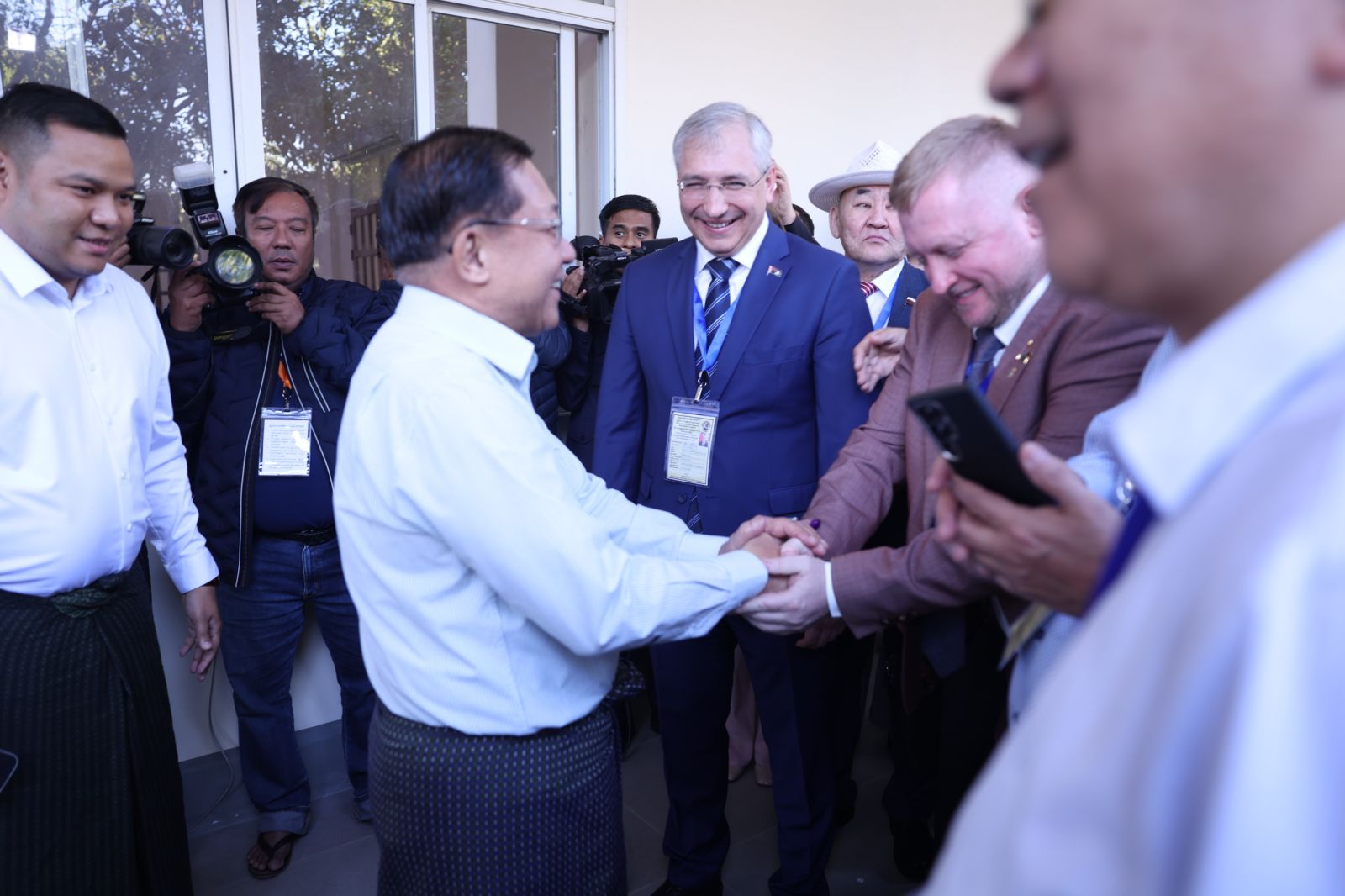
Senior General Min Aung Hlaing meeting foreign diplomats observing the election
Currently, the Myanmar military is holding the election in three phases.
Phase 1 was held on December 28, 2025.Phase 2 will be held on January 11, 2026, and Phase 3 will follow on January 25, 2026.
Senior General Min Aung Hlaing, the military chief, has said that after the election, the military will hand over state power to the political party that wins, and that the military will only continue to serve national defense duties.

- By CNI
- Category: English Section
- Hits: 409
CNI News
1 January 2026
While Phase 1 of Myanmar’s election was being held on December 28, 2025, 11 townships across the country were attacked by Spring Revolution forces, according to Brigadier General Zaw Min Tun, spokesperson of the State Defense and Security Council.
Major General Zaw Min Tun made the above statement in connection with the holding of Phase 1 of the election on December 30, 2025.
He said:
“The state-destroying terrorists and state-destroying media that are constantly bringing every kind of suffering to Myanmar and its people have always been plotting how to disturb and sabotage the election, and have been carrying out sabotage activities. They carried out threats, long-range artillery attacks, mine explosions, blocking vehicles of citizens coming to vote, dropping bombs with drones, and spreading misinformation — using various methods.
Up until December 28, the day the election was held, we witnessed short-range rocket attacks, mine explosions, and blockades in 11 townships located in Kachin State, Kayah State, Kayin State, Tanintharyi Region, Sagaing Region, and Mandalay Region.
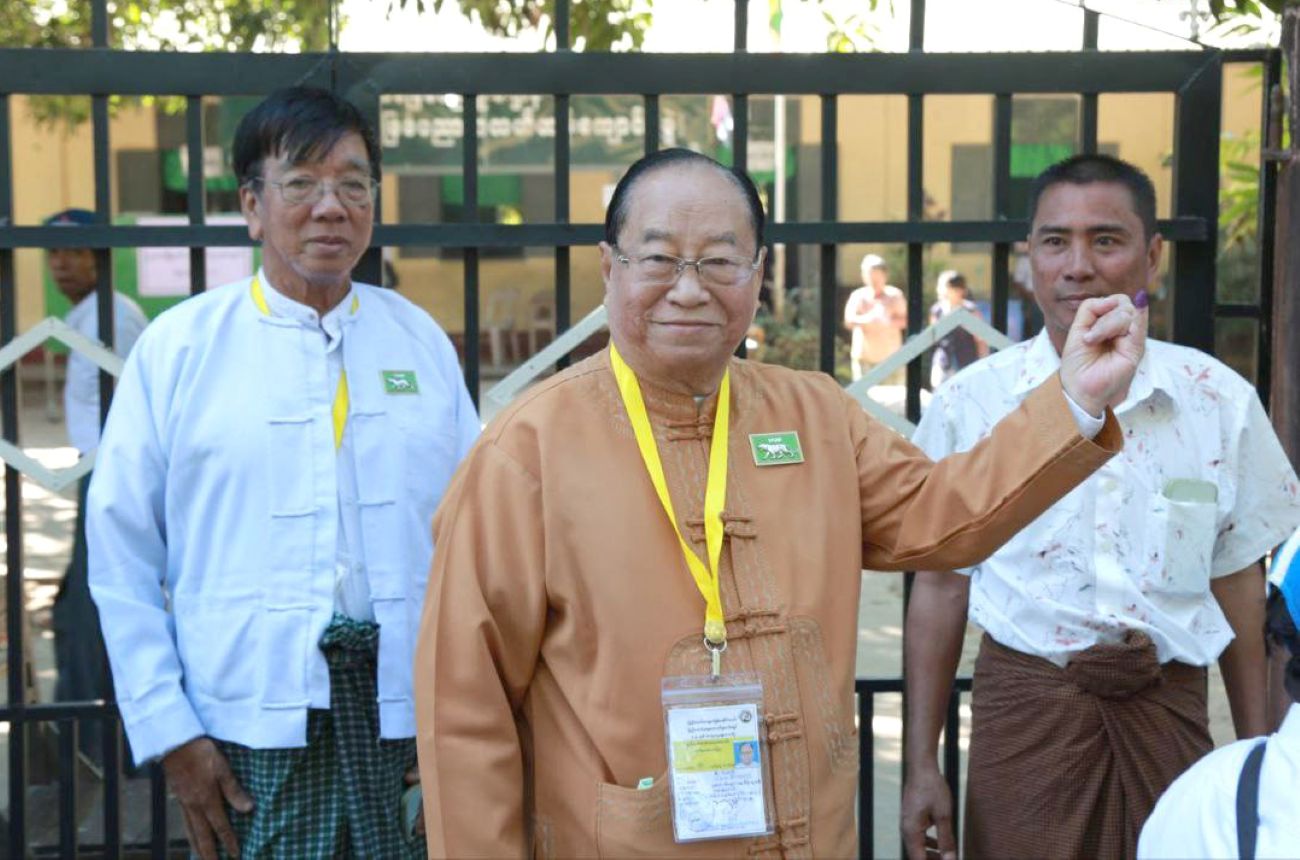
People waiting to cast their votes
However, with cooperation between security personnel, election officials, and the public in those townships, we were able to successfully hold the election.”
On December 27 and 28, Spring Revolution forces attacked 11 townships, namely Myawaddy, Loikaw, Nyaung-U, Katha, Mandalay, Myitkyina, Shwebo, Sagaing, Myingyan, Mottama, and Tamu, using drone-dropped bombs, short-range rockets, and small and heavy weapons.
In Katha Township, joint forces of KIA and PDF launched an offensive to seize the township on December 28, while some PDF units also came onto the Yangon-Mandalay Expressway and carried out inspections on passenger vehicles.
In Myanmar, Phase 2 of the election will be held on January 11, 2026, and Phase 3 will be held on January 25, 2026.
During Phase 1 of the election on December 28, 2025, over 11.6 million people were eligible to vote, and more than 6.09 million cast their ballots, according to the Union Election Commission (UEC), speaking to CNI News.
- By CNI
- Category: English Section
- Hits: 409
CNI News
31 December 2025
The Chairman of the Shan and Nationalities Democratic Party (SNDP), U Sai Aik Pao, told CNI News that he is dissatisfied with the recently concluded Phase 1 of the election and feels that it was conducted unfairly.
In Myanmar, Phase 1 of the election commenced on December 28, 2025. Phase 2 is scheduled for January 11, 2026, and Phase 3 for January 25, 2026.
U Sai Aik Pao expressed his lack of satisfaction regarding the first phase of the multi-party democratic general election.
"I am not satisfied. There was a massive influx of advance votes, while the number of people actually coming out to vote was low. Furthermore, there was no transparency regarding these advance votes; parties were not invited to witness the process. Right now, the situation with advance votes is very messy. I simply feel that there is no fairness," said U Sai Aik Pao.
Despite inquiries regarding the number of eligible advance voters and the total number of advance ballots cast, the Union Election Commission (UEC) has neither released official data nor provided answers.
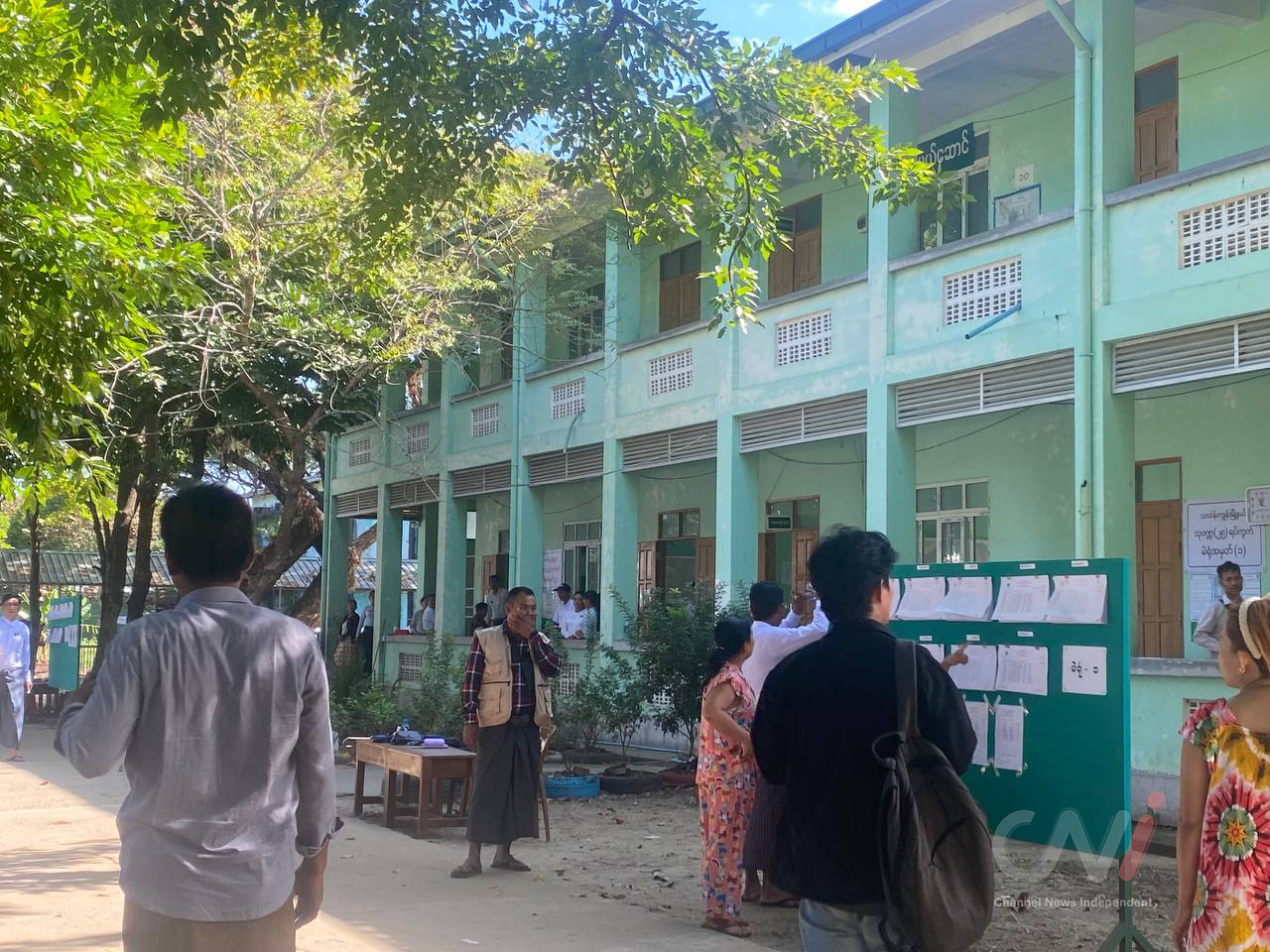
People checking lists to cast their votes.
Daw Nant Khin Aye Oo, Chairwoman of the Karen People's Party (KPP), told CNI News that public voter turnout was very weak and the process was unsatisfactory, leading many voters to lose their right to vote.
"From what I know, the turnout was very low. To be frank, there were hardly any people. This is due to a lack of technical expertise and the fact that different areas were following different formats—it was inconsistent. There were also many difficulties on the ground. For instance, ethnic voters have been unable to vote for their respective Ethnic Affairs Ministers; this happened in 2010, 2015, 2020, and now again in 2025.
Regarding the public, many found their names on the first preliminary voter list, but by the second list, they were gone. They reported this to the UEC with their IDs and were told they would be on the third list, but they were still missing. I believe this is a result of incompetence. Many errors are surfacing in the current operations. So many people couldn't vote. These are major human's weaknesses," she said.
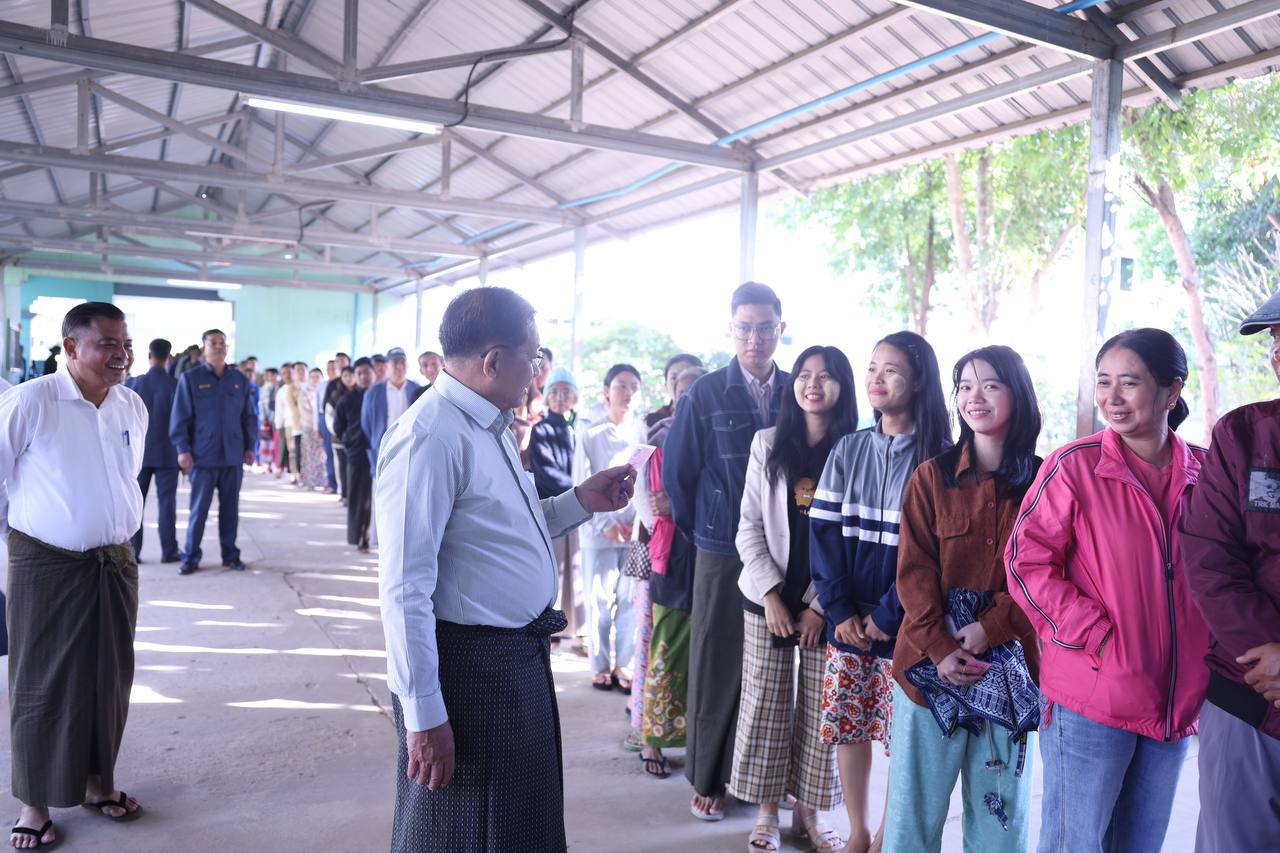
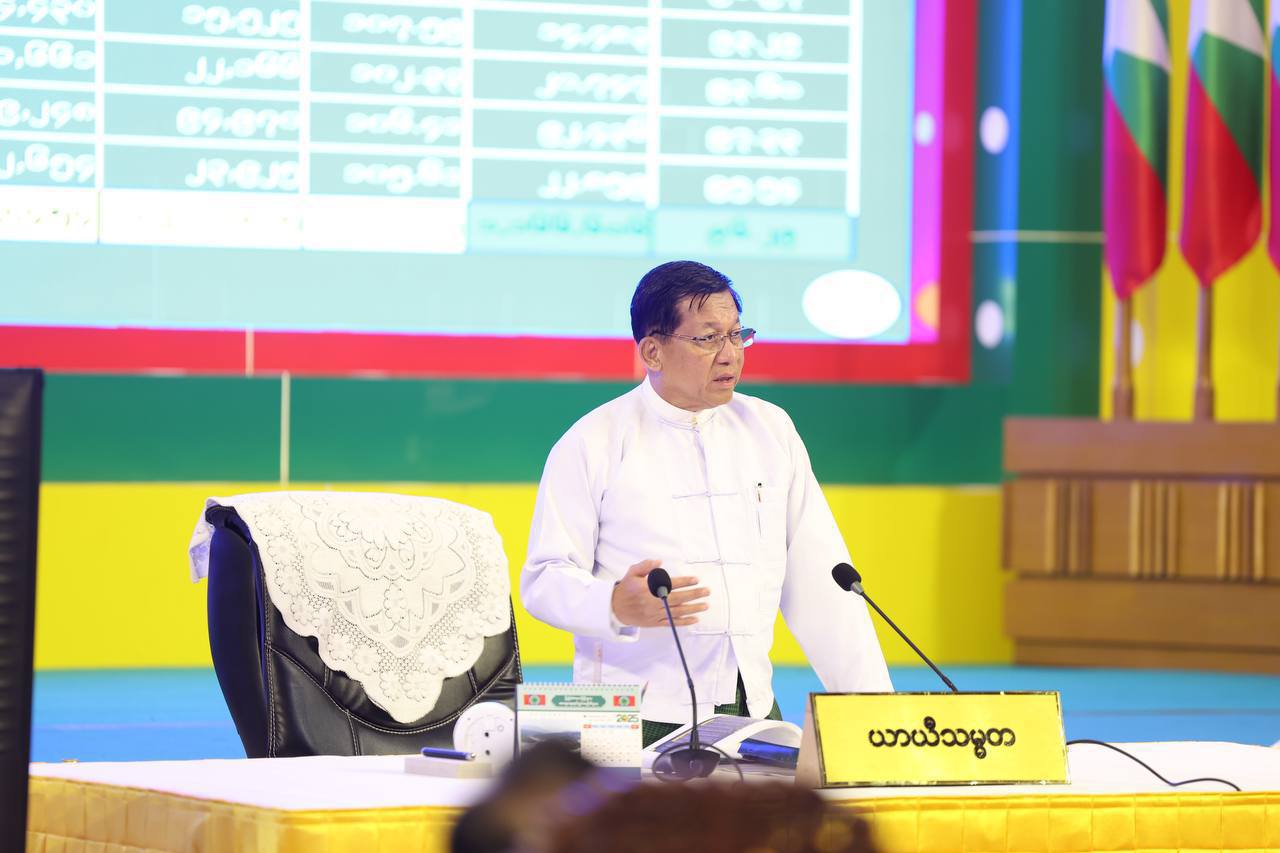
Senior General Min Aung Hlaing meeting with those who were about to vote
Revolutionary forces have issued statements urging the public not to vote or participate in the military-organized election, warning that effective action will be taken against those who collaborate. Consequently, many citizens faced difficulties casting their ballots due to security fears.
Conversely, some voters whose names were on the list were torn between whether to vote or not. They feared that if they stayed away for security reasons, authorities might cause trouble for them later, given that Ward Administrators hold all their household registration data.
As of now, it is reported that in the Phase 1 elections held on December 28, 2025:
The Union Solidarity and Development Party (USDP) has claimed victory in 80% of constituencies nationwide.
The USDP has reportedly won all seats in the Yangon Region and the Nay Pyi Taw Council Area.
- By CNI
- Category: English Section
- Hits: 406
CNI News
31 December 2025
Military and political observers are analyzing how the current Acting President, Commander in Chief Senior General Min Aung Hlaing, might be nominated for the office of the President once the parliament (Hluttaw) is formed following the Myanmar elections.
In the multi-party democratic general elections held in 2010, 2015, and 2020, three individuals were nominated for the presidency: one by the Pyithu Hluttaw (Lower House), one by the Amyotha Hluttaw (Upper House), and one by the Military.
The parliament then decides among these three candidates. According to Colonel Khun Okkar, Chairman of the Pa-O National Liberation Organization (PNLO-NCA/S), historical election trends show that the nominee from the Pyithu Hluttaw (Lower House) usually becomes the President.
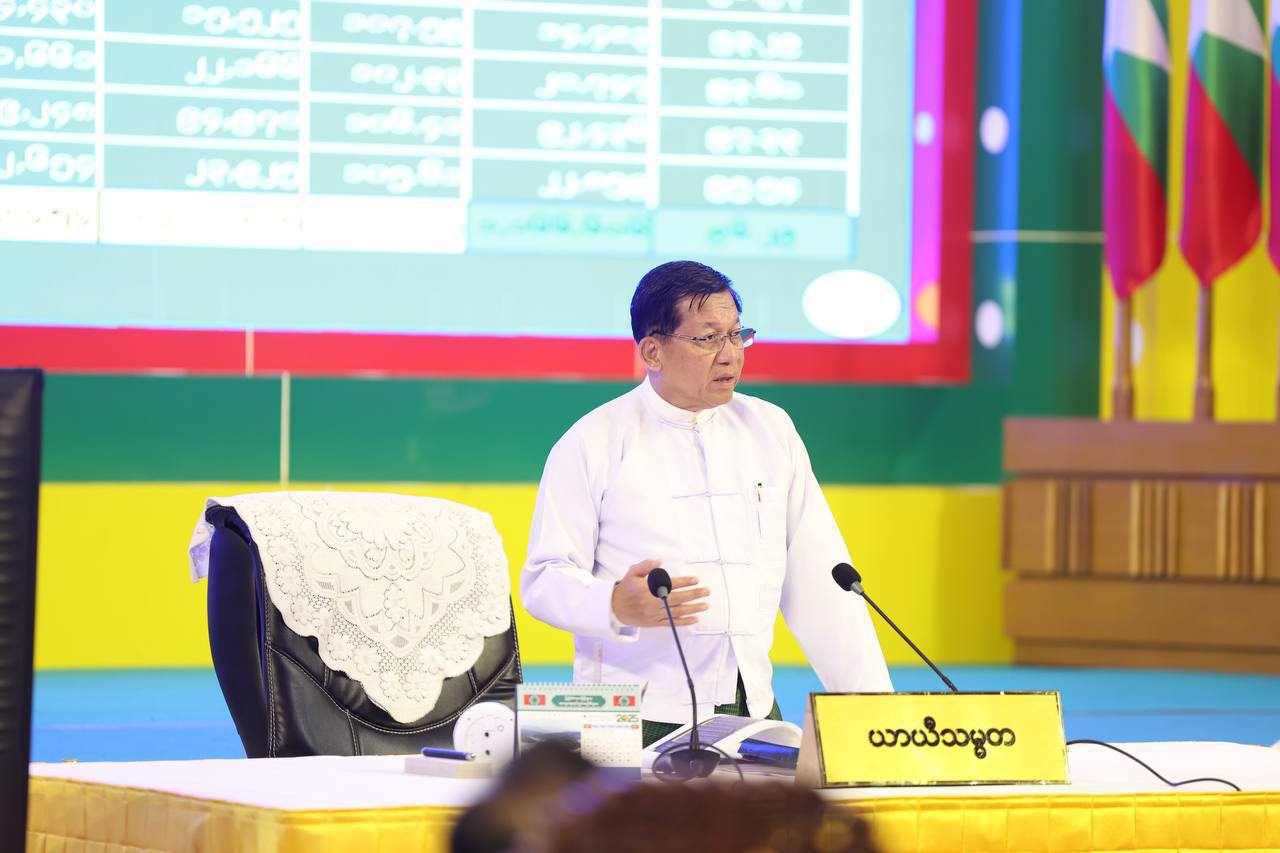
Senior General Min Aung Hlaing.
He suggested that a majority of representatives in the Pyithu Hluttaw would likely approve and nominate Senior General Min Aung Hlaing for the presidency.
Colonel Khun Okkar explained the typical breakdown as follows:
Pyithu Hluttaw Nominee: Usually becomes the President.
Amyotha Hluttaw Nominee: Usually becomes a Vice President (often representing ethnic nationalities, such as former VPs Sai Mauk Kham or Henry Van Thio).
Military Nominee: Usually becomes Vice President (1).
"While three departments nominate three names, the person nominated by the Pyithu Hluttaw is most likely to become the President. Traditionally, the Military's nominee becomes Vice President. We cannot say for certain if the Military will nominate Senior General Min Aung Hlaing, but even if they do, he would likely be a Vice President under that process. I believe the Pyithu Hluttaw will be the one to nominate him. With the 25% MPs from the military already there, combined with the majority party in the Pyithu Hluttaw, the person nominated by that majority has the highest potential to become President," said Colonel Khun Okkar.
When Senior General Min Aung Hlaing cast his vote in Nay Pyi Taw during Phase 1 of the election on December 28, media outlets asked whether he would take the presidency after the election.
He responded by stating that he is the Commander-in-Chief of the Defense Services and a civil servant, not a political party leader; therefore, he cannot simply say he "wants" to be President. He noted that the presidential selection process would only occur when the parliament is convened, and that would be the appropriate time to speak on the matter.
Senior General Min Aung Hlaing.
Dr. Hla Kyaw Zaw, an observer of China-Myanmar affairs, told CNI News that the presidency is a personal goal for the Senior General, and he is likely to pursue it by any means necessary.
"He might be staying quiet because he isn't certain yet, or he might just be waiting to announce it when the time comes. During the 2020 election, he made various claims about the people's choice before the coup. Even now, while he says it can only be discussed after the election, he will likely take the presidency if he wants to. His words aren't entirely reliable. Since becoming President is his personal ambition, he will definitely make it happen. We have to wait and see what methods he uses to make it look acceptable to the public," Dr. Hla Kyaw Zaw said.
Phase 1 of the multi-party general election was held on December 28. The Union Solidarity and Development Party (USDP) is reportedly winning in the majority of constituencies nationwide, bolstered by a strong lead in advance votes.
Although all phases of the election are not yet complete, political and military analysts point out that the policies of the new government are unlikely to change and will likely follow the current path laid out by the Commander-in-Chief.
- By CNI
- Category: English Section
- Hits: 1307
CNI News
30 December 2025
The election held in Myanmar is a result of an agreement between Acting President Senior General Min Aung Hlaing and Chinese President Xi Jinping, according to Mr. Deng Xijun, the Chinese Special Envoy who arrived as an election observer.
The first phase of Myanmar’s election was held on December 28, 2025. International monitoring teams from countries including China (led by Mr. Deng Xijun), India, Russia, Belarus, Thailand, Cambodia, and Vietnam were sent to observe the process.
Mr. Deng Xijun stated, "I believe that implementing these elections is a realization of the agreements and friendship established between our President Mr. Xi Jinping and Acting President Senior General Min Aung Hlaing."
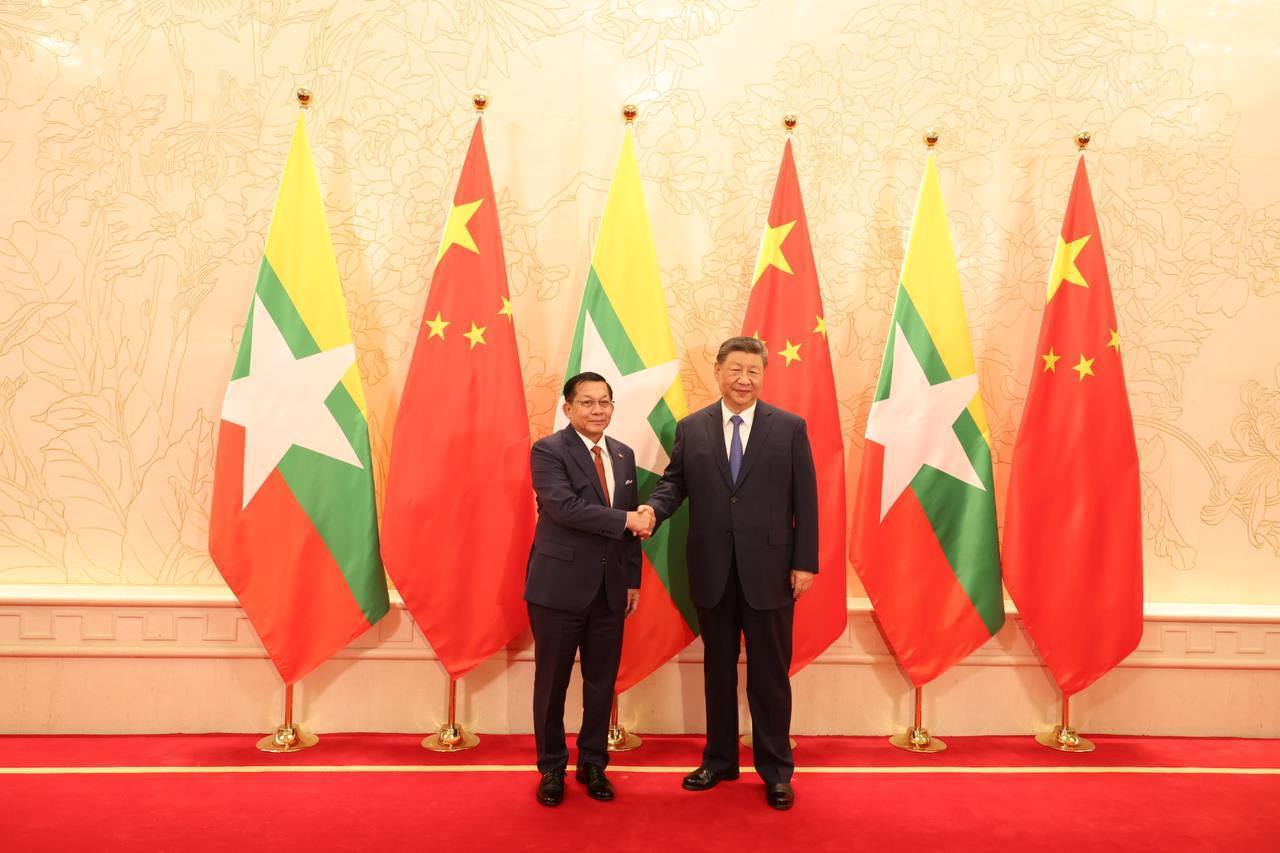
Senior General Min Aung Hlaing met with Chinese President Xi Jinping twice in 2025:
May 9, 2025: Their first meeting took place in Moscow, Russia.
August 30, 2025: Their second meeting took place in Tianjin, China.
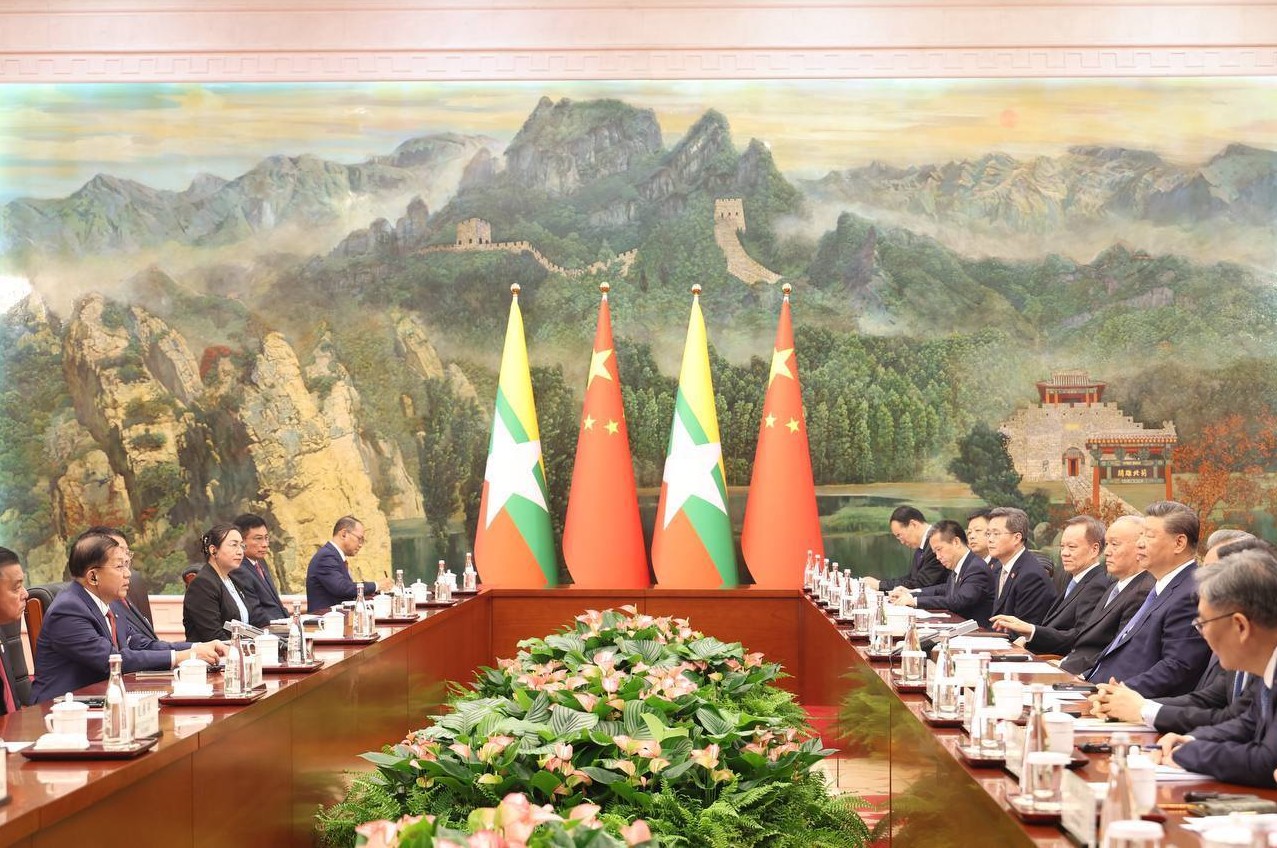
Senior General Min Aung Hlaing and President Xi Jinping seen together.
Mr. Deng Xijun noted that based on their observations, the election process appeared generally smooth and successful.
"China and Myanmar are engaged in extensive cooperation, and we are aware that China is providing significant support to Myanmar. Yesterday, we visited six polling stations in Nay Pyi Taw. During our observation, we found everything to be generally in good order. The polling station preparations and operations were systematic and excellent. We saw that careful arrangements were made to ensure a peaceful environment for voters," said Mr. Deng Xijun.
He added that during the visits, they observed voters waiting securely and calmly to cast their ballots.
While the first phase of the election took place on December 28 and international observers visited stations in Nay Pyi Taw and Yangon, the period was marked by significant conflict.
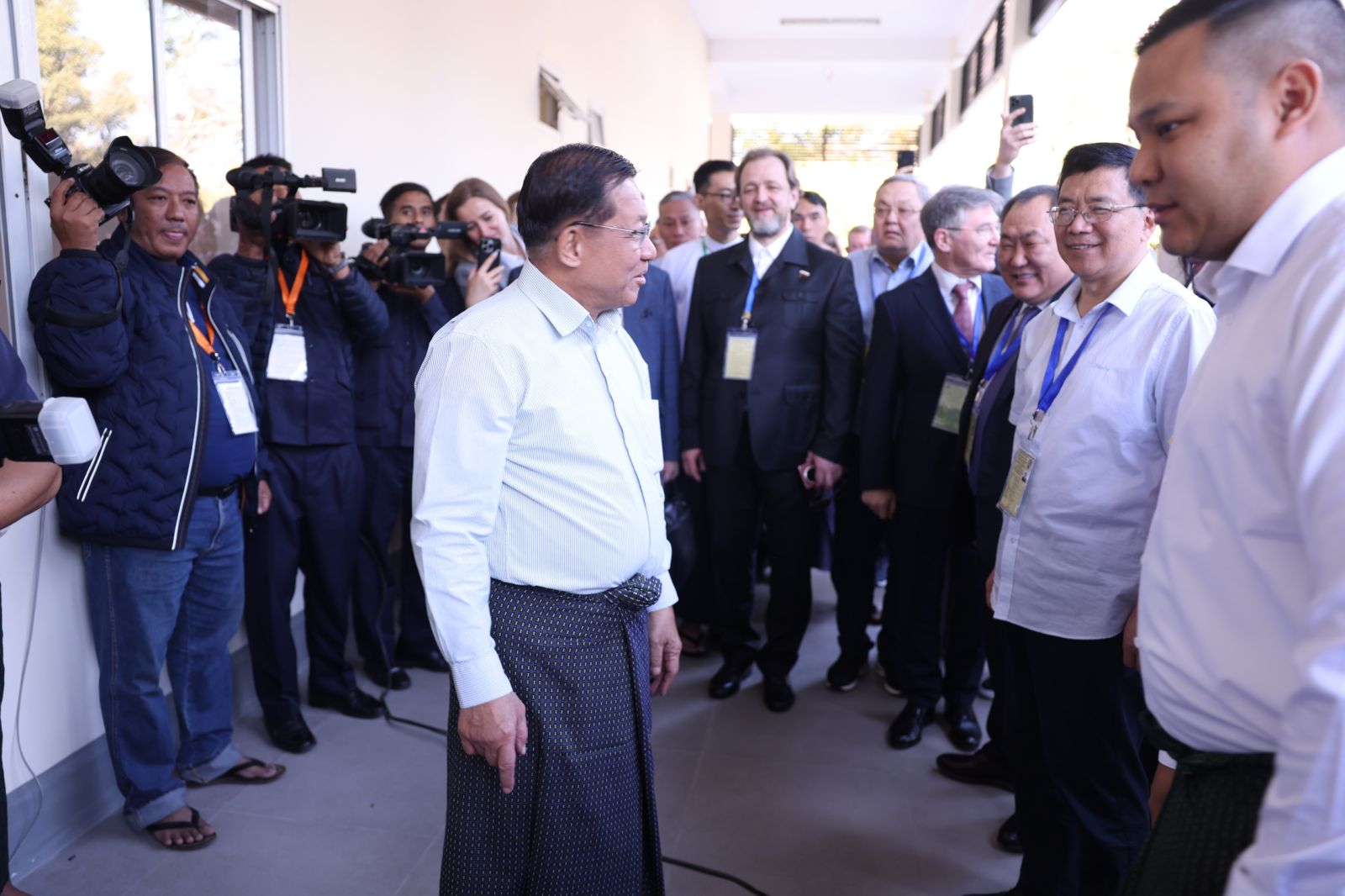
Senior General Min Aung Hlaing and Mr. Deng Xijun seen together.
On December 27 and 28, eleven towns—including Mandalay, Myitkyina, Sagaing, Shwebo, Monywa, Katha, Nyaung-U, Myingyan, Madaya, Myawaddy, and Loikaw—came under attack from drone bombs, rockets, and heavy weaponry.
Additionally, PDF forces reportedly conducted inspections on the Yangon-Mandalay Expressway, and on December 28, KIA-PDF joint forces launched an offensive to seize the town of Katha.
The remaining phases of the election are scheduled as follows: Phase 2: January 11, 2026, Phase 3: January 25, 2026.
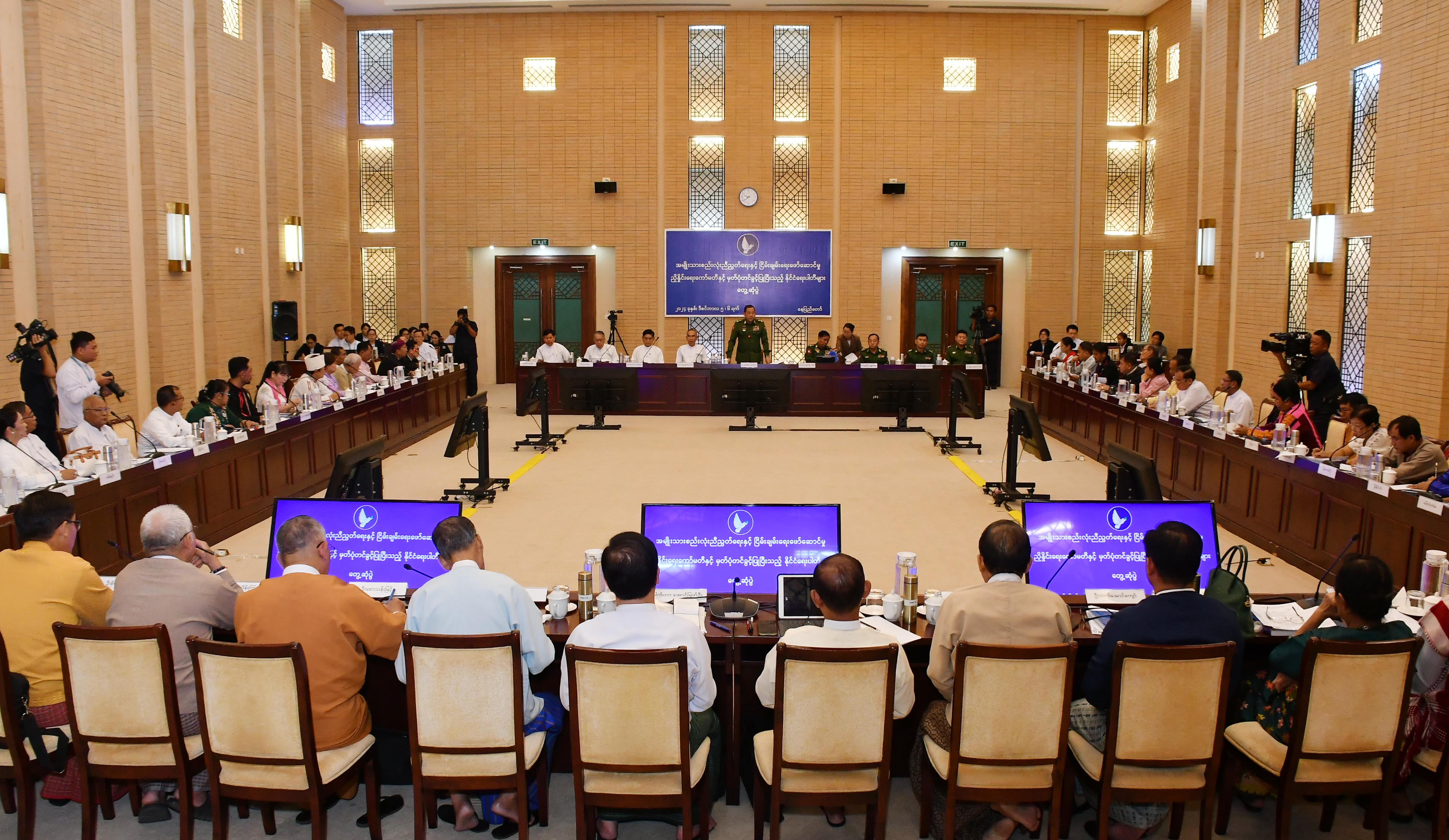
- By CNI
- Category: English Section
- Hits: 408
CNI News
30 December 2025
Colonel Khun Okkar, Chair of the Pa-O National Liberation Organization (PNLO-NCA/S), told CNI News that a round of political dialogue may emerge after the election as a means to resolve the ongoing armed conflicts and political crisis in Myanmar.
Myanmar held the first phase of the 2025 general election on December 28, 2025, and the second phase will be held on January 11, 2026, followed by the third phase on January 25, 2026.
Afterward, state power will be transferred to the political party that wins the election, and the military will return to performing only national defense duties, according to Senior General Min Aung Hlaing.
Colonel Khun Okkar explained to CNI News that depending on the laws enacted by the new parliament after the election and the policies implemented by the future government, a situation may develop in which political dialogue and coordinated negotiations once again take place.
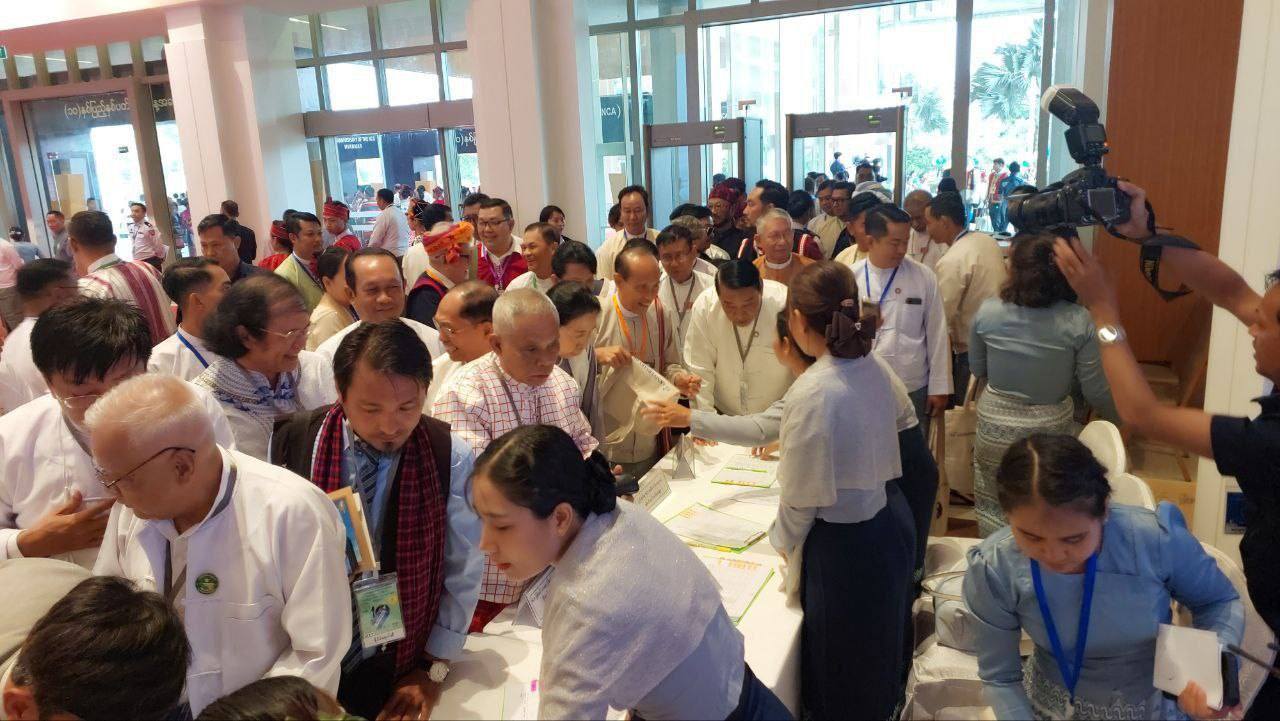
Political party representatives and leaders of armed groups seen together
He said: “Whatever happens after the election — whether it’s the circumstances created from Naypyidaw, or the developments being formed outside, or the position of the NUG — if we look at all of them, depending on the laws that will be enacted by the parliament formed after the election and the laws that will be implemented by the government, a culture of dialogue may emerge. During U Thein Sein’s era, we first began to see the culture of dialogue.We carried it forward into Daw Suu’s administration, and for over ten years we experienced a culture of dialogue.Within that culture of dialogue, peace architects began to emerge — those who develop the framework for building peace.When all dialogues were directed toward peace, peace architecture became visible.Therefore, I think that within a new political landscape, new policies and new approaches can be introduced, even though the people involved may be the same individuals.Once those policies are introduced, we need to watch carefully.If we can observe until around mid-2026, we will be able to say what direction things might take.At the moment, it’s still a little early.”
Political parties and analysts say that the new government formed after the election will need to be flexible, decisive and take strong action to pursue long-lasting peace.
They point out that in the political landscape emerging after the election, peace should be prioritized, because without peace, no matter how much development is attempted, it will not succeed.
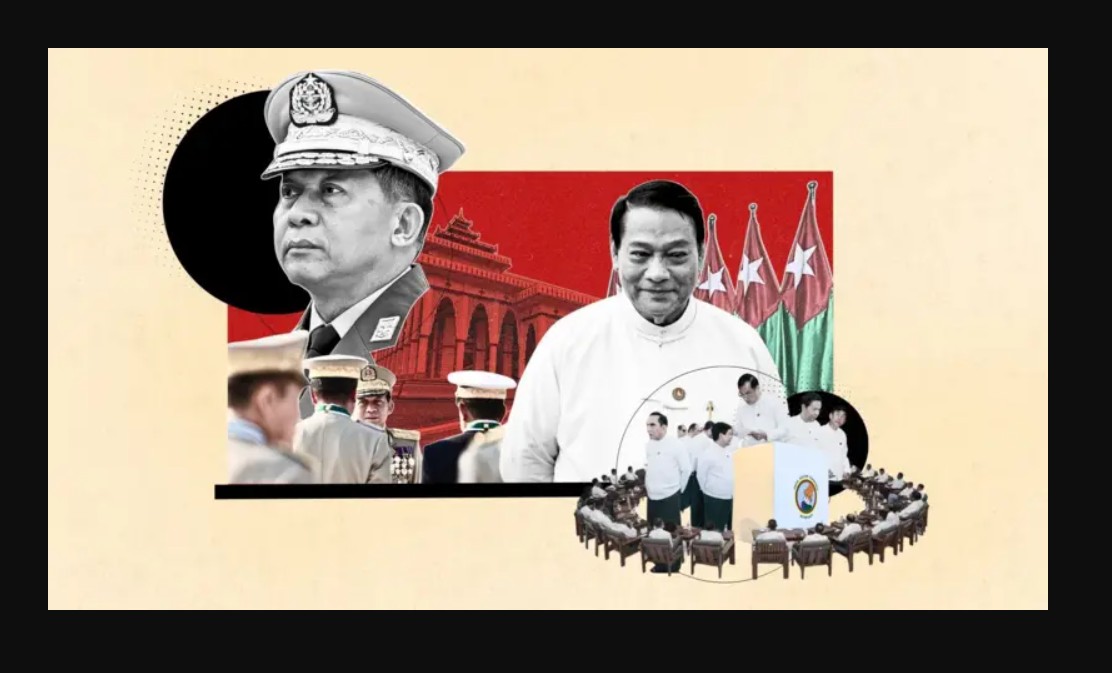
USDP Chair U Khin Yi and Senior General Min Aung Hlaing seen together
Daw Nan Khin Aye Oo, Chair of the Karen People’s Party (KPP), told CNI News: “The current administration intends to continue working toward peace.But it’s hard to say how the other side will respond.Considering the present situation, there is not much to be optimistic about.However, the responsibility of the incoming government is to strive for achieving peace — without peace, development will not work no matter what.We need to work toward peace.How many groups will participate depends on how much trust those groups have in the new government.I think it won’t happen quickly — it will have to be built step by step.”
Senior General Min Aung Hlaing, Chair of the National Defence and Security Council, has said that state power will be transferred to the political party that wins the election.
Military and political analysts say that in the upcoming election, the Union Solidarity and Development Party (USDP) is expected to win the most constituencies and form the government, and that the military may take the lead in forming the new administration.
- By CNI
- Category: English Section
- Hits: 556
CNI News
30 December 2025
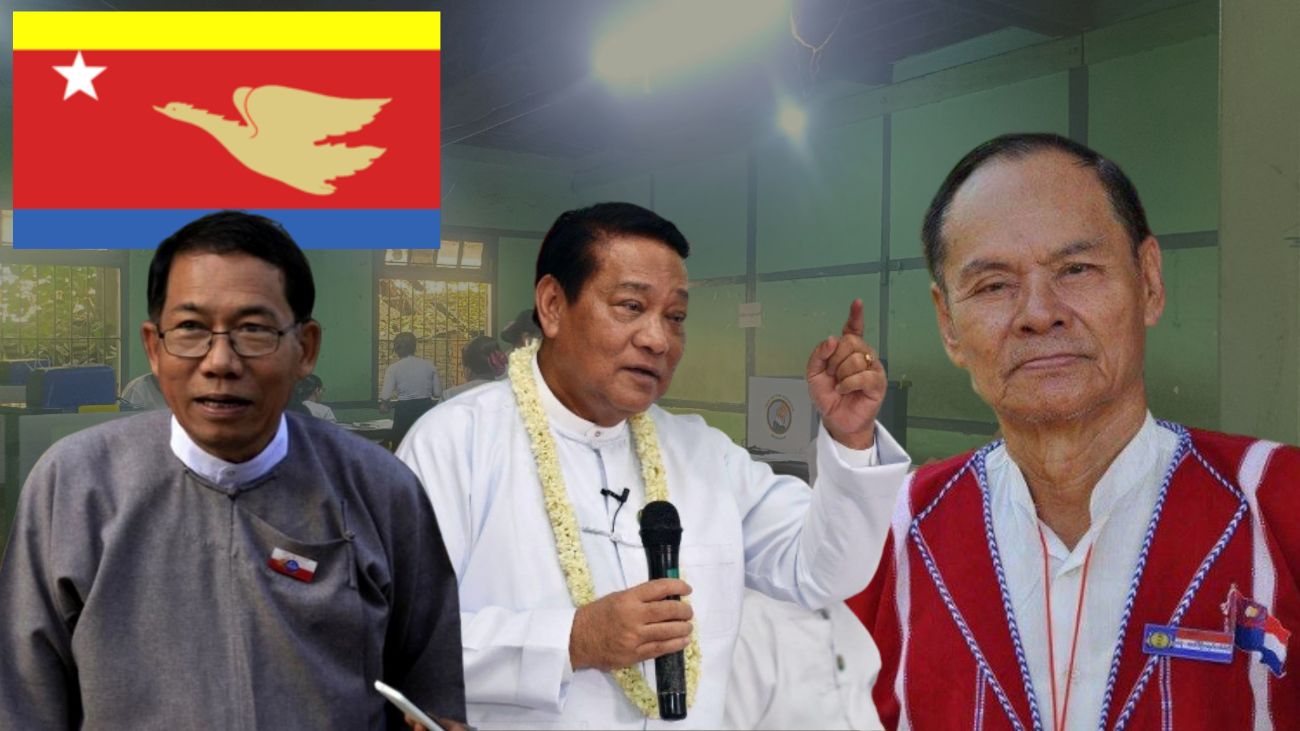
In Mon, Rakhine, and Karen States, ethnic political parties appear to have shown strength in the Phase (1) election results, while there are also areas where the Union Solidarity and Development Party (USDP) performed strongly, party officials told CNI News.
In Rakhine State, where elections were held in three townships, the USDP is leading in Sittwe Township, while the Arakan Front Party (AFP) is leading in Mrauk-U Township, AFP Chairman Dr. Aye Maung told CNI News.
He said, "Generally, in Sittwe, the USDP is leading. In Manaung, our AFP is leading. In Kyaukphyu, AFP is leading in both the Amyotha luttaw and the Pyithu Hluttaw. However, the USDP has received a lot of advance votes there. That could allow them to change the election result like in Sittwe."
In Karen State, where elections were held in three townships, although the USDP, Karen National Democratic Party (KNDP), and Phalon-Sawaw Democratic Party all have significant support, the USDP currently leads with the most votes, while the KNDP is in second place, KNDP Chairman Mann Aung Pyi Sone told CNI News.
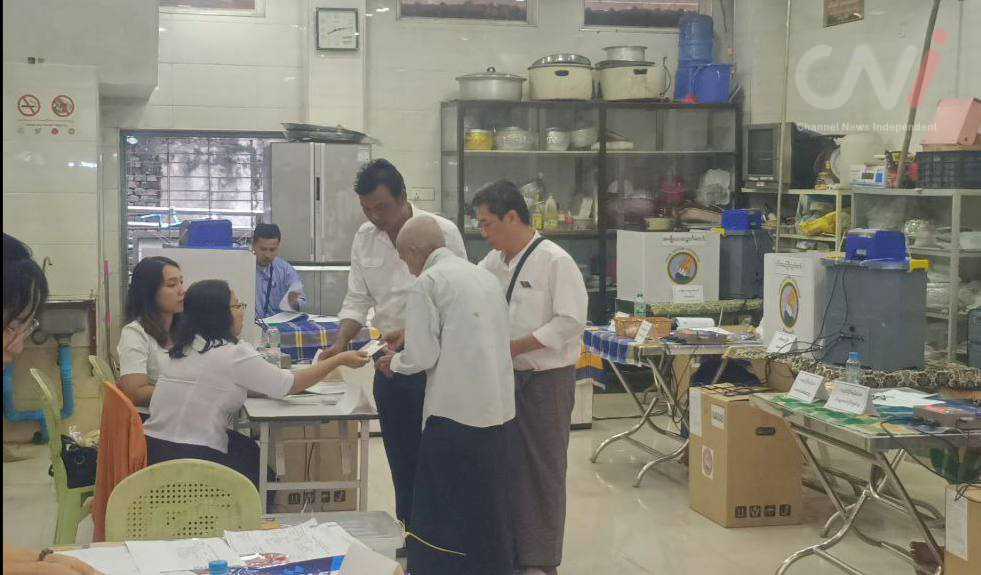
Voters casting ballots
He added that this outcome was expected in advance.
Mann Aung Pyi Sone said, "We had already expected the results to be like this. Because our parties are small. Also, due to the limited campaigning time, our outreach wasn’t as strong. So when competing with the major parties, expectations were naturally low. In our state, we also have the PPP and the Kyarr Phyu Party competing. They are nationwide parties, but they didn’t get many votes — only about two digits. In Karen State, our Karen ethnic parties — KNDP, Phalon-Sawaw, and USDP — are the three main competitors. But overall, the USDP won by a small margin."
In Mon State, where five townships took part in Phase (1), the Mon Unity Party (MUP) is currently leading in both Amyotha and Pyithu Hluttaw seats in Chaungzon Township. The results for other townships are not yet known, party spokesperson Naing Than Shwe told CNI News.
He said that since polling stations could not open in some villages in these five townships, the MUP could not compete effectively in areas where it is usually strong.
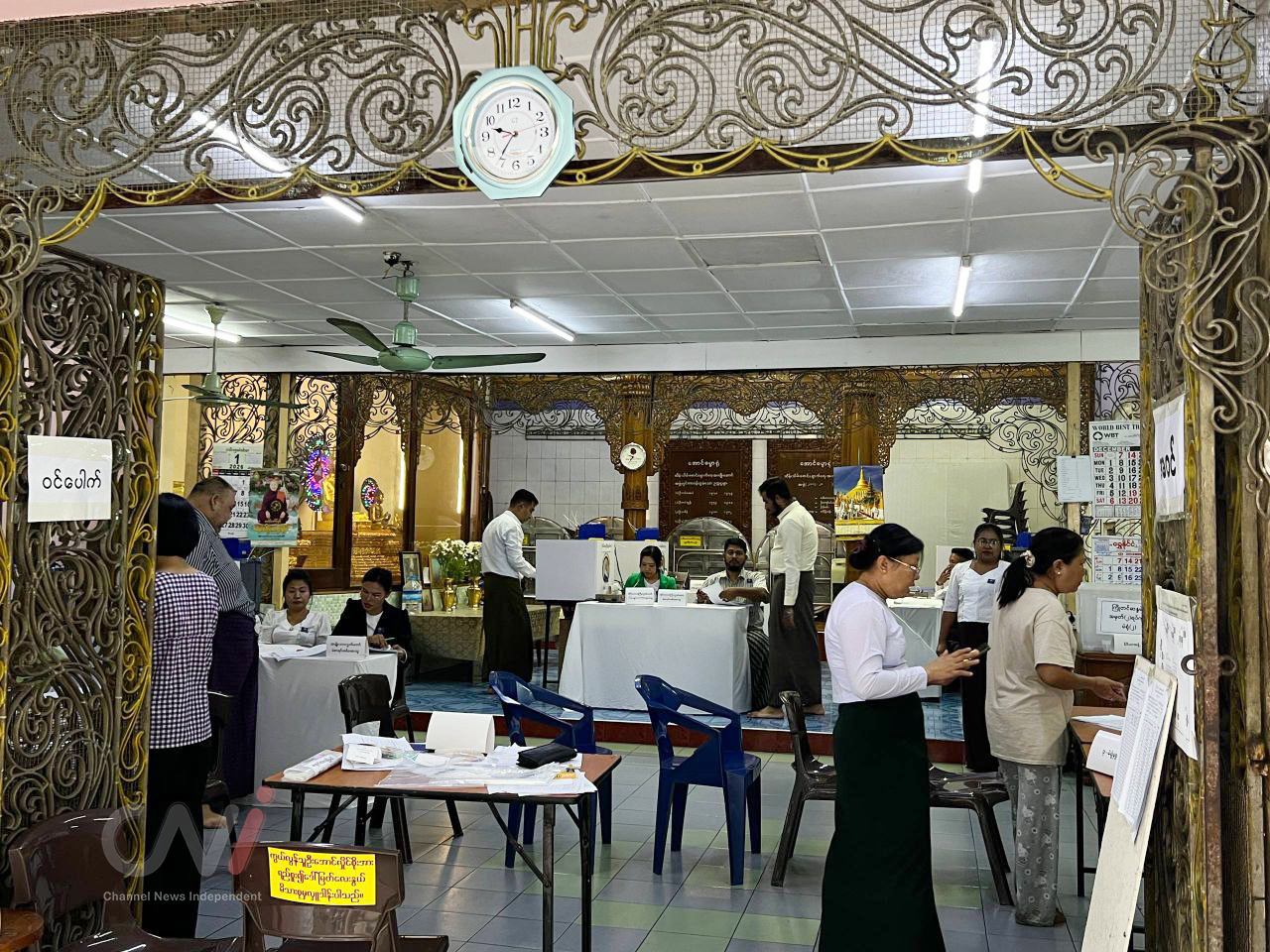
Voters casting ballots
Naing Than Shwe said, "In Phase (1), all constituencies in Chaungzon Township were included, and polling stations in Chaungzon and Mawlamyine were fully open. However, polling stations could not open in some villages in Kyaikmaraw Township. Without those polling stations, we couldn’t compete in our strong areas."
The Phase (1) multi-party democratic general election, held on December 28, 2025, took place in a total of 102 townships. Party officials from Mon, Rakhine, and Karen States said voter turnout in these states was satisfactory.
Current nationwide election results show that the USDP is leading with the highest number of votes nationwide.
Page 45 of 352
Connect with us