
English Edition
- By CNI
- Category: English Section
- Hits: 811
CNI News
14 November 2025
Shan armed organizations need to cease fire among themselves just as they have halted military engagements with the Myanmar military(Tatmadaw), political analyst Sai Main told CNI News.
“Shan State cannot achieve peace by only reaching a ceasefire with the military council. Even groups like the RCSS and SSPP, which say they are working for the interests of Shan people, have clashed with each other. So we cannot say similar clashes won’t happen among other armed groups as well. The key point is—just as they can cease fire with the military, they must also cease fire with all the people who live together in the same region. Only then can there be real peace. Right now, it’s not like that. They stop fighting the military, but they still want to fight each other. This is not a good sign,” he said.
The Restoration Council of Shan State (RCSS) is a signatory to the Nationwide Ceasefire Agreement (NCA), while the Shan State Progress Party (SSPP) has signed the preliminary state-level and union-level ceasefire agreements with the government.
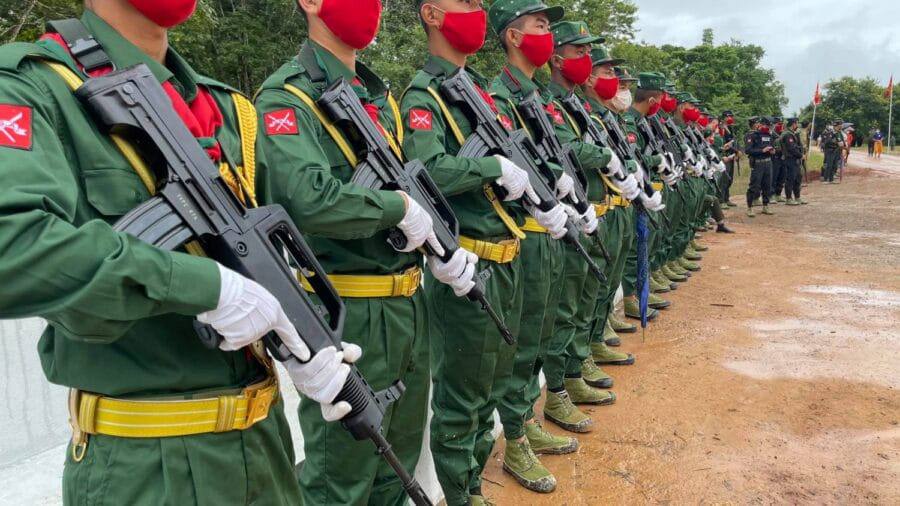
SSPP troops seen
In addition, the SSPP is a member of the Federal Political Negotiation and Consultative Committee (FPNCC), led by the UWSA.
Since 2021, Shan armed groups have neither joined the Myanmar military in joint offensives nor sided with the revolutionary forces to wage war against the military, military and political analysts noted.
Furthermore, groups that collaborated with Spring Revolution forces in urban offensives—such as the Kokang MNDAA and the Ta’ang TNLA in northern Shan State—have also signed ceasefire agreements with the military.
As a result, almost all ethnic armed organizations in Shan State are now under ceasefire arrangements with the Myanmar military, according to analysts.
Despite this, clashes have continued in Shan State—between the RCSS and SSPP, between TNLA and SSPP, and between KIA and TNLA.
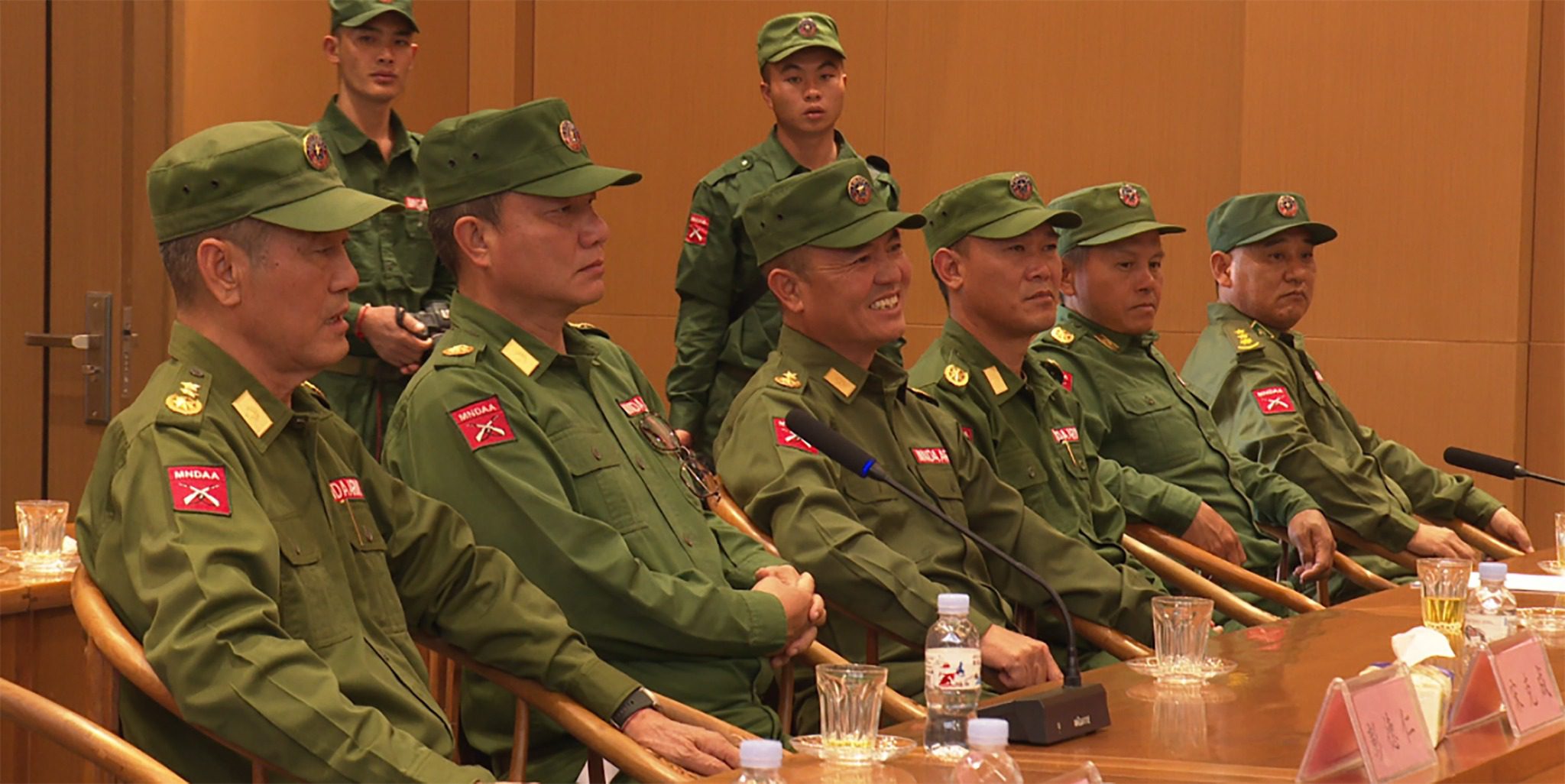
MNDAA troops seen
Political analyst Sai Main told CNI News that only when Shan State’s internal diversity can be united will it be possible to build a union based on unity.
“Although clashes are happening now, judging from social media exchanges, these clashes look set to continue into next year. They are attacking each other online as well. That’s also significant. Just as they ceasefire with the military council, they should also ceasefire among themselves. Only then can they move toward a genuine federal union. Only when Shan State’s diversity can be consolidated will it be possible to build the kind of unity needed for a union. Otherwise, there will never be peace. In reality, the so-called union will only exist in name. Fighting will return, and divisions will remain,” he said.
Shan State is home to many ethnic groups and numerous armed organizations. Since the political changes of 2021, armed conflicts have expanded and intensified, leading analysts to closely monitor the evolving political situation in Shan State.
- By CNI
- Category: English Section
- Hits: 489
CNI News
14 November 2025
Although political parties are preparing to secure the public vote and enter the parliament, they are extremely weak in addressing the difficulties the public is facing, political observers point out.
They note that candidates entering the parliament are running to represent their parties during the election period, and are thus party representatives. However, once they win based on the public vote and enter the parliament, they transform into not only party representatives but also representatives of the people.
Dr. Nyo Nyo Thin, founder of the Yangon Watch Group, told CNI News that some political parties are quite weak in practically addressing the difficulties faced by the public.
She stated, "It is necessary to prove to the youth that this election will bring about positive events, benefits, and results for them. For example, a simple situation exists: in some areas in the regions, there are unlawful military conscription summons. By political parties standing firmly in front of these young people, speaking out and advocating for them, the youth will become interested in the election. If they realize that a candidate is someone who stands with them and can protect their interests, they will become interested in the election. Therefore, political parties need to prove themselves through action. Some political parties are quite weak in providing truly practical assistance, practical solutions, and practically resolving the difficulties of the public."
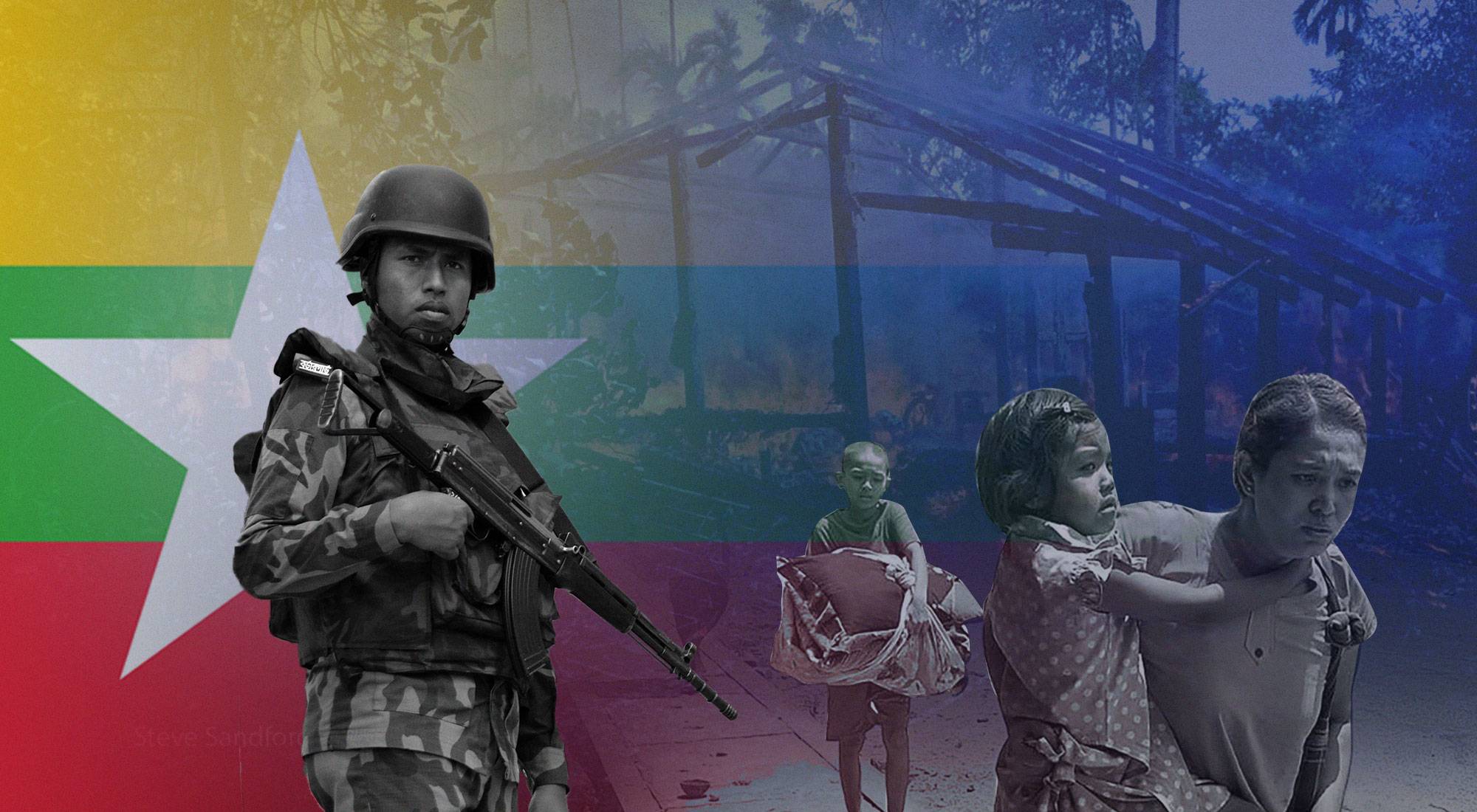
Armed groups and the people in Myanmar
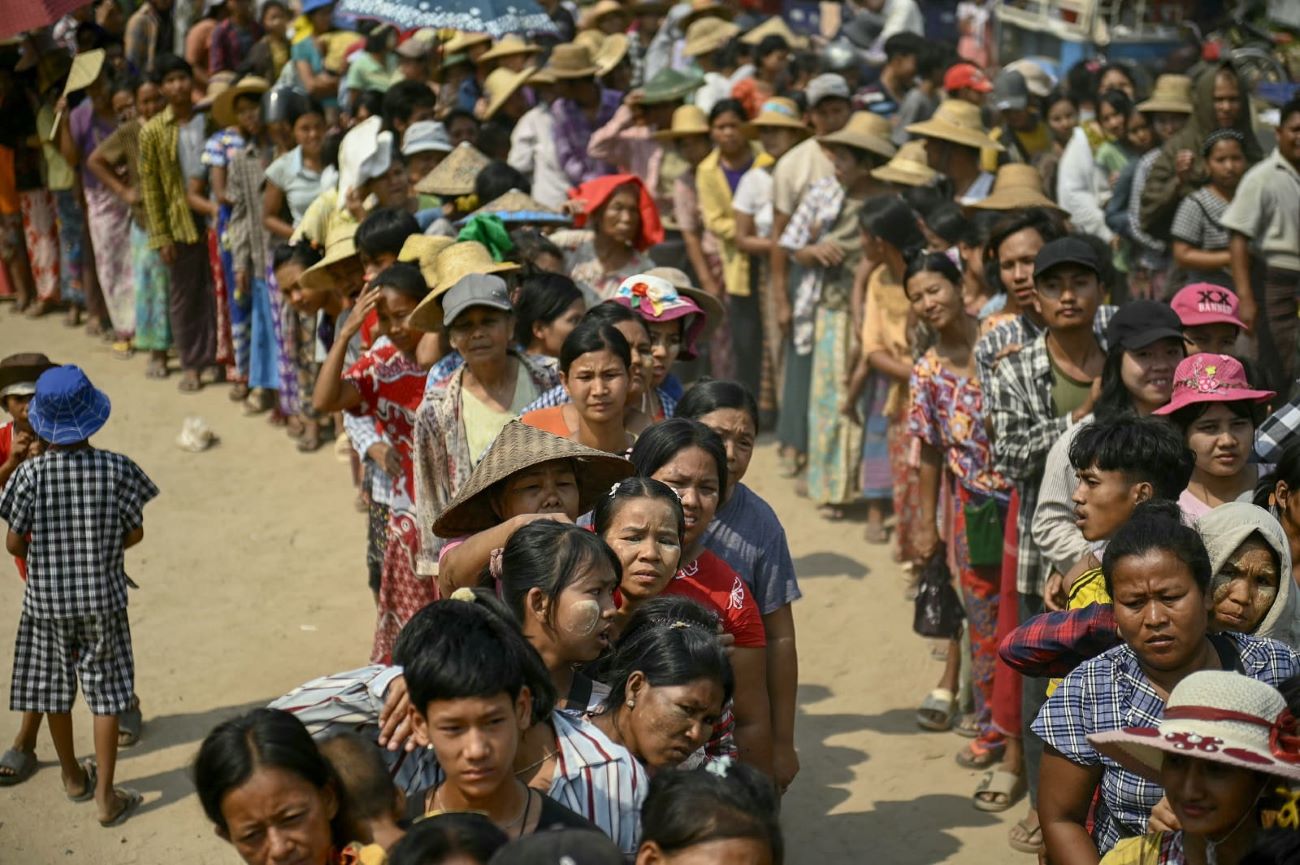
Currently, the people of Myanmar are facing economic crises, job scarcity, inflation, high commodity prices, high cost of living, insecurity of life, authorities exploiting the Military Service Law to demand money, and displacement due to conflicts.
Political parties are urging people to vote during the election period without being able to stand in front of the public and resolve these issues.
Dr. Nyo Nyo Thin, founder of the Yangon Watch Group, told CNI News that the current time is an opportunity for political parties, and by standing firmly on the side of the people, a win-win situation for both sides could emerge.
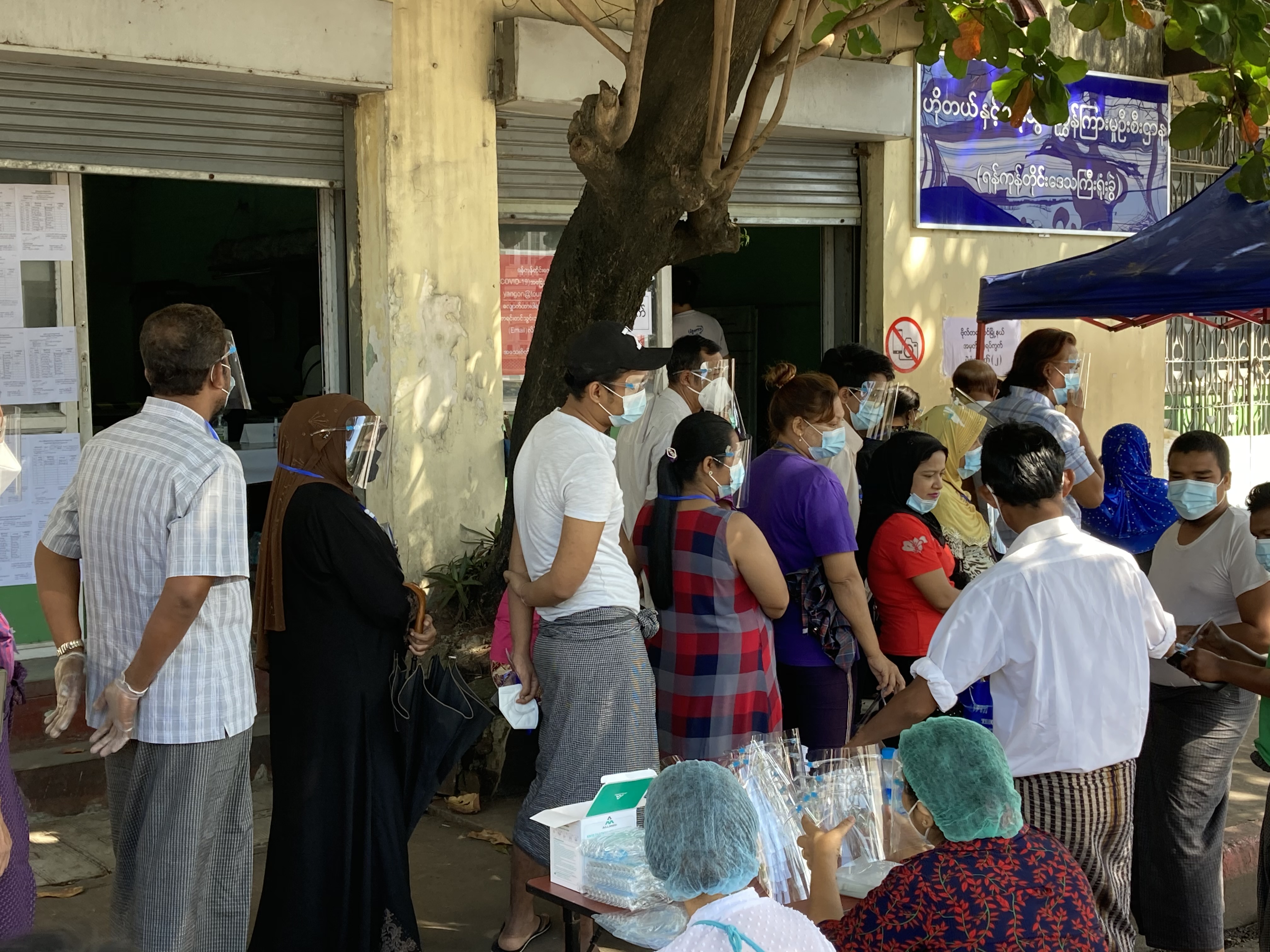
Those who are casting their votes
She said, "There are actions that are inconsistent with the law, and it is worse in some regions. In areas where the rule of law is distant and weak, candidates should stand firm on the side of the people, in accordance with the law, and provide protection. This is an opportunity. By uncovering things that are inconsistent with the law and issues where the rule of law is absent, and standing firmly on the side of the people, a win-win situation for both the public and the party could emerge. During the election period, things like the well-being of the public, the proper implementation of the Military Service Law, and if it cannot be implemented according to the law in some areas, those areas should be suspended as an exception."
Political observers point out that election-winning candidates in Myanmar politics, upon entering the parliament, transform from a representative of the people to a party-affiliated representative of the parliament, often driven by party loyalty.
Therefore, political observers recommend that the public needs to carefully scrutinize and select the political parties and candidates entering the election. It is necessary to choose political parties that have candidates who will truly work for the benefit of the public and the nation.
- By CNI
- Category: English Section
- Hits: 842
CNI News
13 November 2025
The second phase of Myanmar’s general election will be held on January 11, 2026, according to Major General Zaw Min Tun, head of the Information Team of the National Defense and Security Council, speaking on November 10, 2025.
He added that the third phase of the election would take place two weeks after the second phase.
“There are only 48 days left until the multi-party democratic general election. The second phase will be held on January 11, 2026, and the third phase will follow two weeks after that,”said Major General Zaw Min Tun.
Myanmar held its first election on November 21, 1922. From 1922 to 1947, six elections were held.
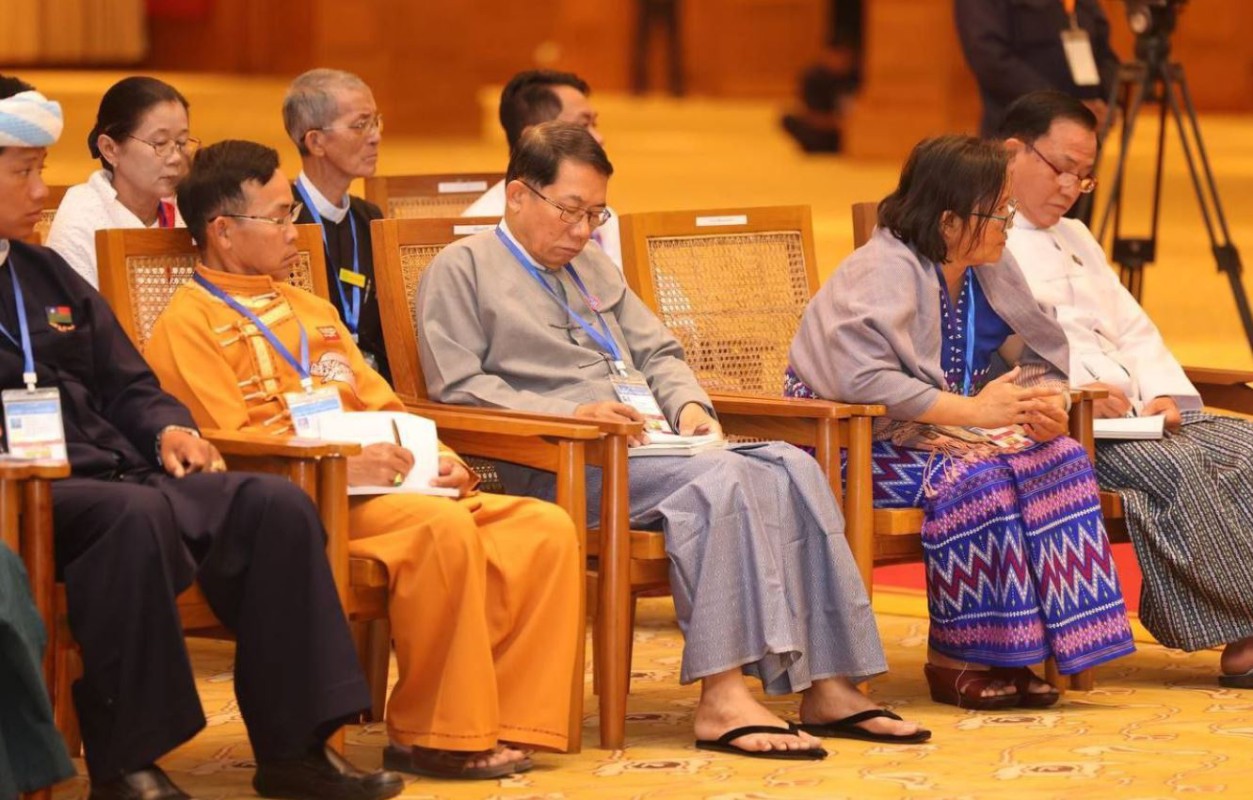
Political parties that will contest in the upcoming election.
During the Parliamentary Era (1948–1962), there were three elections;
under the Burmese Socialist Programme Party (1962–1988), there were four elections; under the State Law and Order Restoration Council (SLORC) and the State Peace and Development Council (SPDC) (1988–2010), one election was held; and during the Democratic Era (2010–present), six elections have been conducted — three general and three by-elections — according to Major General Zaw Min Tun.
- By CNI
- Category: English Section
- Hits: 666
CNI News
13 November 2025
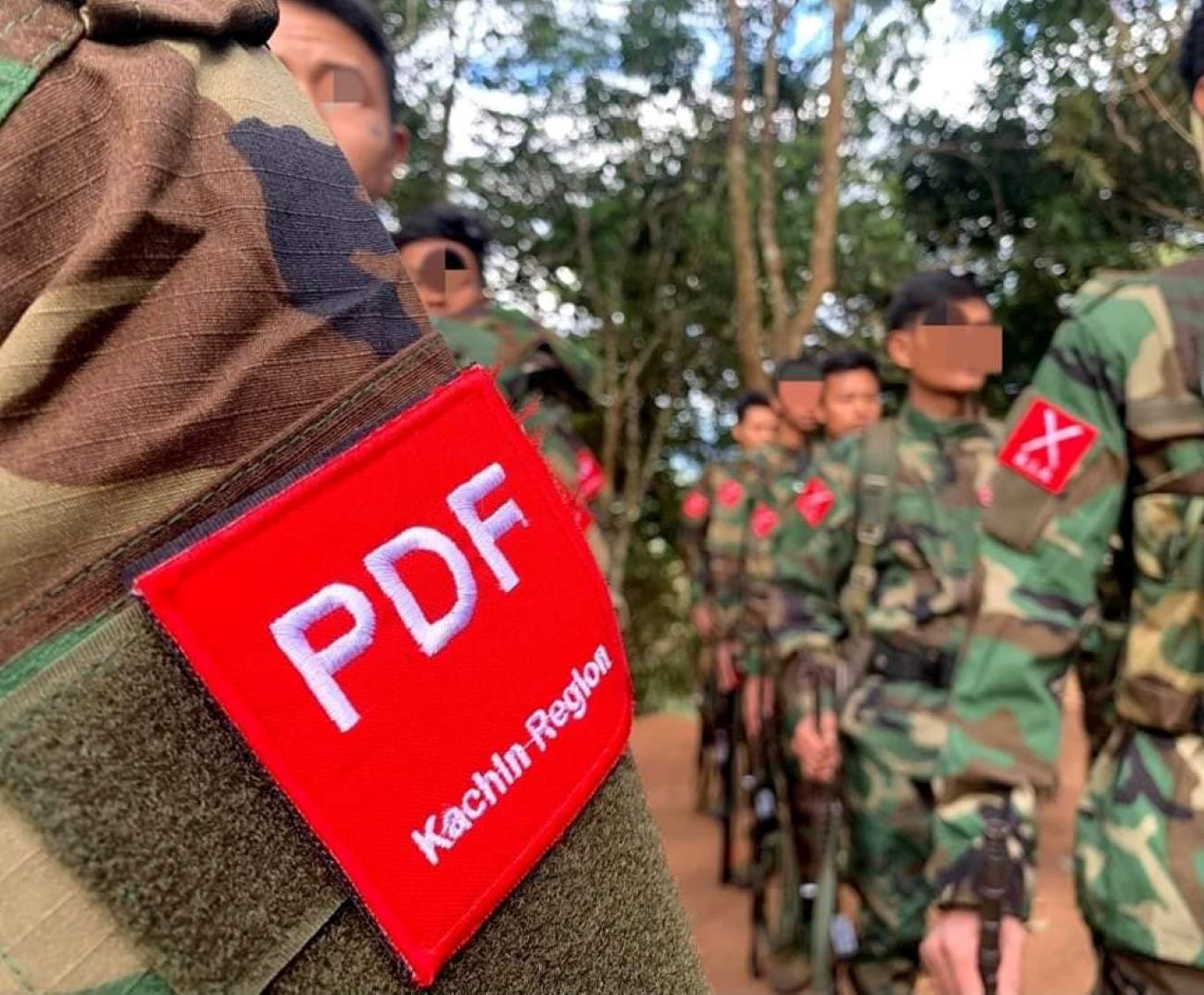
Political analyst Sai Main told CNI News that joint forces of the Kachin Independence Army (KIA) and People’s Defense Forces (PDF) may move in to take control of Momeik Township in northern Shan State, which the Ta’ang National Liberation Army (TNLA) is set to withdraw from.
Following the ninth round of peace talks between the Myanmar military(Tatmadaw) and TNLA, mediated by China, both sides agreed to a ceasefire starting October 29. As part of the deal, TNLA would withdraw its troops from Mogok and Momeik.
However, since the announcement, tensions have risen along the Shan State–Mandalay Region border, and the MDY-PDF has declared that it will not easily relinquish territories captured during the Spring Revolution period.
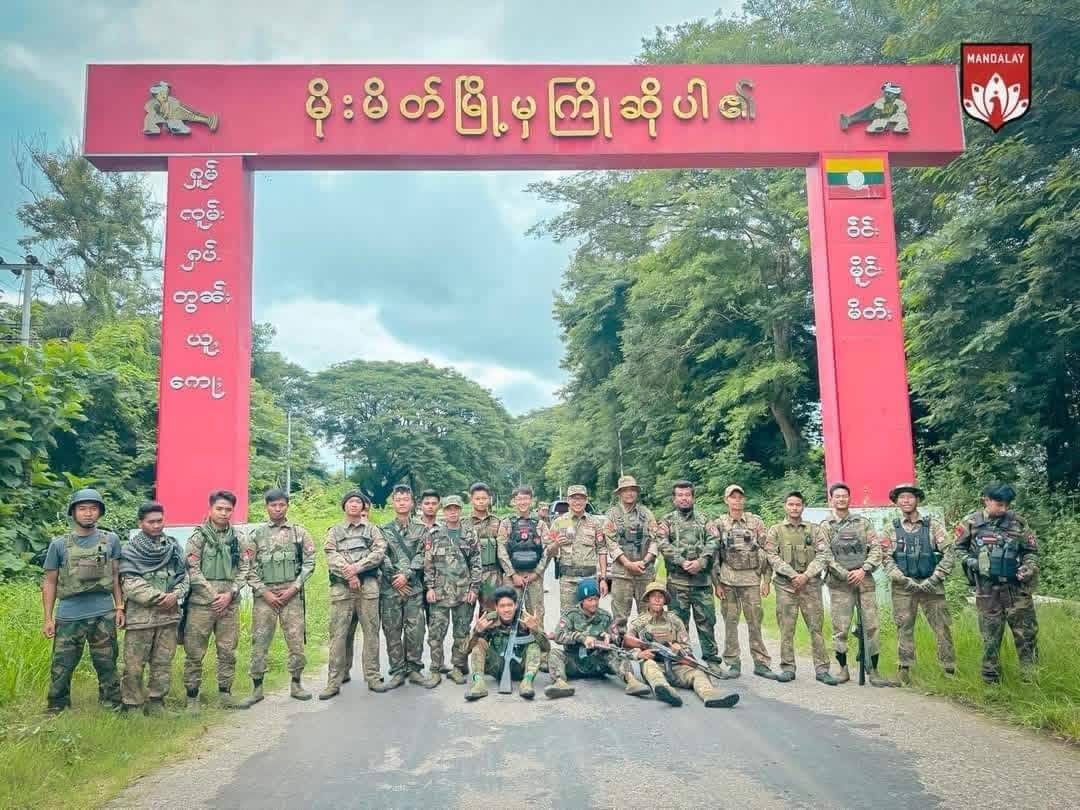
The MDY-PDF comrades
As a result, fierce clashes could break out again between KIA-PDF allied forces and the Myanmar military in the Momeik area, said Sai Main.
“Heavy fighting could erupt around Momeik. Even though TNLA has agreed with the military commission to withdraw, the KIA and PDF forces there will not accept it.Previously, KIA attacked and took control of Momeik for about a week or two before TNLA retook it and incorporated it into its controlled territory. So, KIA and PDF forces might move back in to reclaim positions,and if that happens, clashes with the junta forces are very likely,”
he explained.
In January 2024, during the Operation 1027 campaign, KIA, AA, ABSDF, and KPDF joint forces captured Mabein town north of Momeik, but were later forced to withdraw.
Following TNLA’s recent withdrawal announcement, KIA and PDF units have already begun mobilizing around Momeik District, reportedly for security and positioning purposes.
Currently, TNLA is the only ethnic armed group still engaged in direct fighting with the Myanmar military in Shan State.
However, since a political agreement was reached between the two sides, a ceasefire has now been put in place.
According to analyst Sai Main, this situation means that most ethnic armed groups in Shan State have now halted fighting with the junta, making further large-scale military operations in northern Shan unlikely.
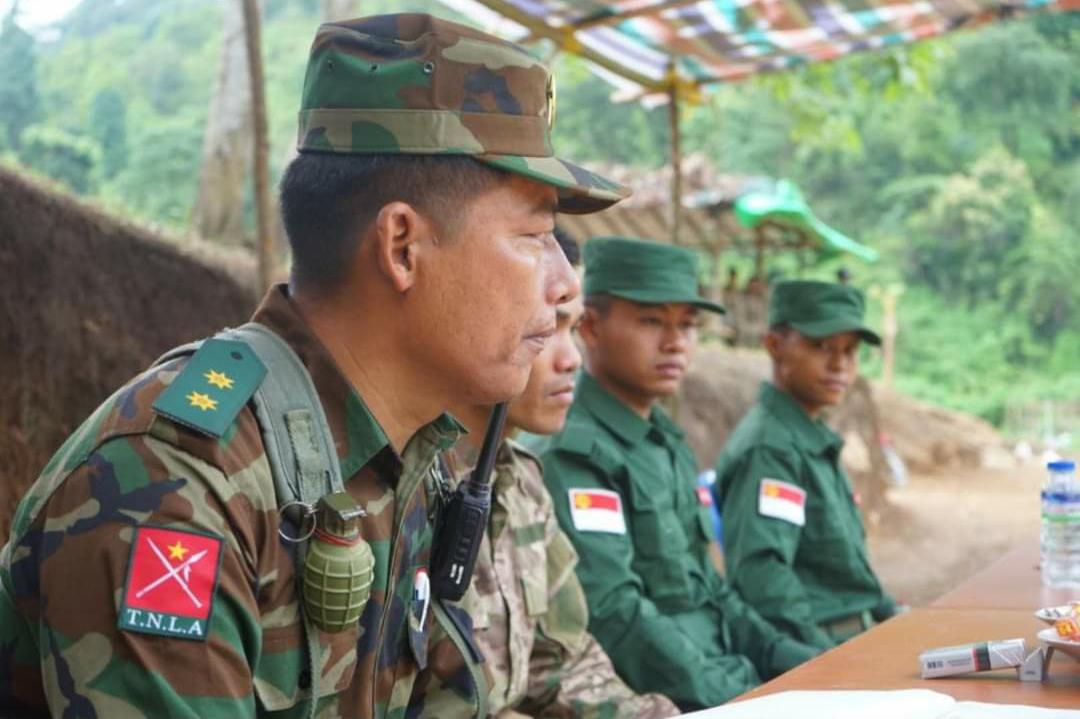
TNLA and PDF troops
“At the moment, TNLA is the only group still actively fighting the junta in Shan State.
The SSPP has already signed a bilateral agreement at the Union level,and the RCSS has signed the Nationwide Ceasefire Agreement (NCA).Given this, I don’t expect to see major fighting in other areas of northern Shan,”, said Sai Main.
Since the 2021 political upheaval, People’s Defense Forces (PDFs) have emerged across the country and have cooperated with ethnic armed organizations (EAOs) to fight against the Myanmar military.
Although these EAO-PDF joint forces were able to capture significant territories, many were later handed back to the military under agreements mediated by neighboring countries during peace talks.
For example, the Myanmar National Democratic Alliance Army (MNDAA) handed back control of Lashio, and although Spring Revolution groups did not publicly oppose that move, questions have been raised by observers about the TNLA’s decision to hand over two towns to the military — a move that many resistance groups did not accept.
Meanwhile, the KIA is reportedly engaged in confidential coordination with the Myanmar military regarding potential peace talks, and both sides have agreed to meet for discussions soon.
- By CNI
- Category: English Section
- Hits: 468
CNI News
13 November 2025
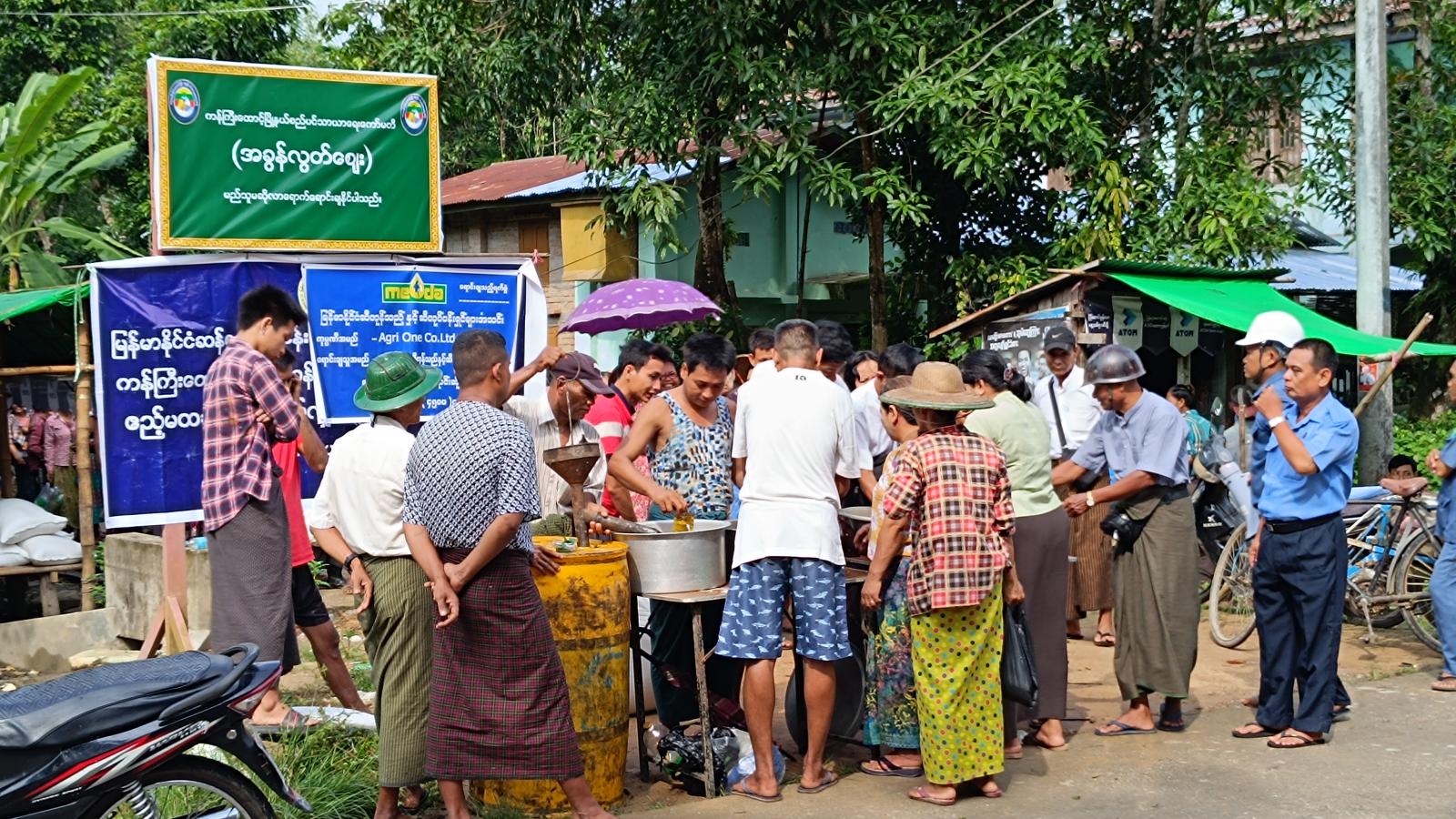
The general public’s struggle to make ends meet has led to waning interest in Myanmar’s upcoming elections, according to political analysts.
The Union Election Commission (UEC) had announced that voter lists for the upcoming elections would be displayed at respective township sub-election commission offices from September 30 to the second week of October 2025.
However, analysts say public trust in the elections has declined since the results of previous elections were annulled due to disputes over voter lists. As a result, many citizens are showing no enthusiasm toward the upcoming polls.
Yangon Watch founder Dr. Nyo Nyo Thin told CNI News that people such as young voters, women, and key working-age groups appear largely uninterested in participating in the election.
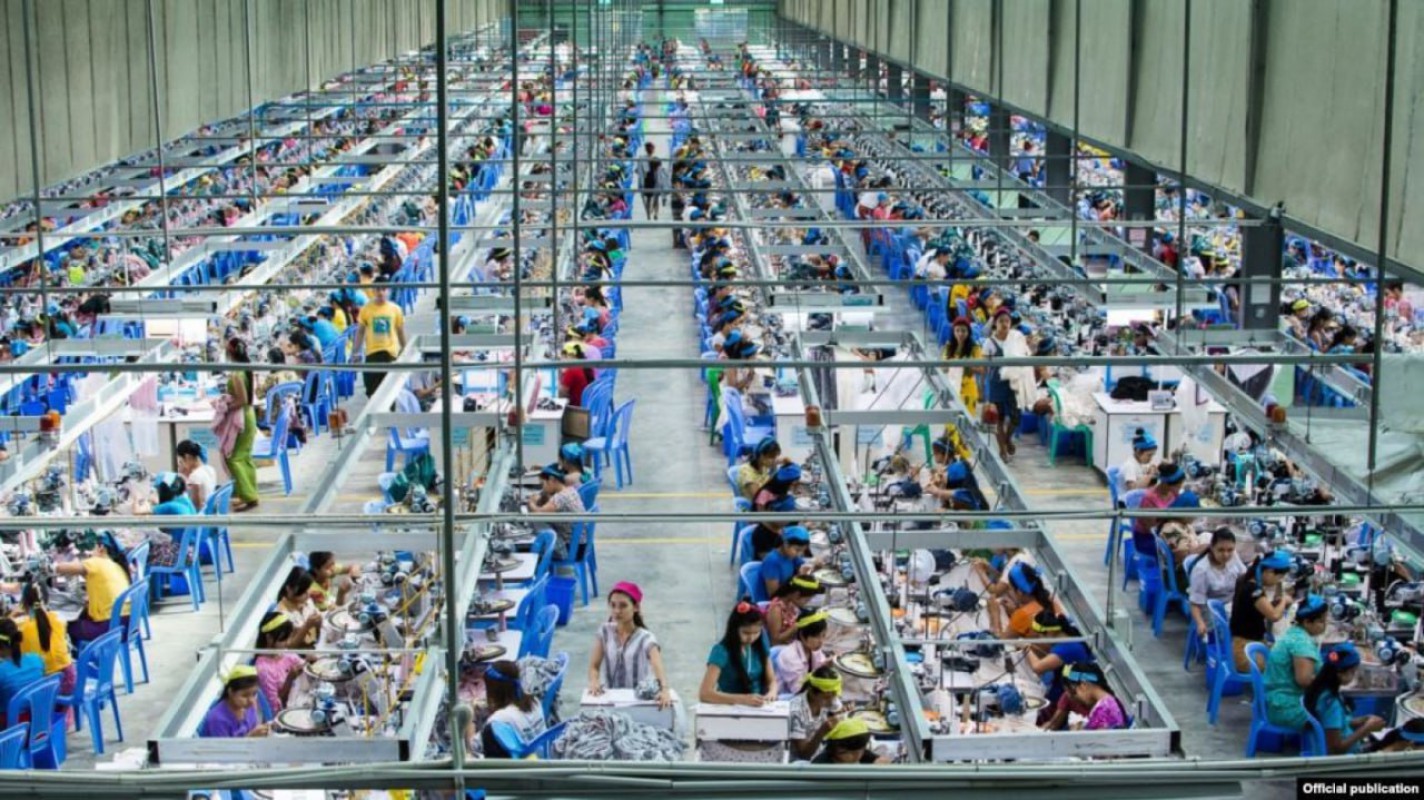
A garment factory in operation.
“Right now, most young people — and even many housewives — are struggling. These groups, including important segments of society like the youth and women, seem to have lost interest in the election. People are focused on surviving, trying to secure better job opportunities and improve their livelihoods. Because of that, interest in the election has significantly declined,” she said.
The first phase of Myanmar’s election is scheduled for December 28, 2025, covering 102 townships, while the second phase is set for January 11, 2026, in 100 more townships.
Chairman of the Arakan Front Party (AFP), Dr. Aye Maung, told CNI News that the central challenge in Myanmar’s politics remains the armed conflict, and resolving it is key to rebuilding the nation’s socio-economic life.
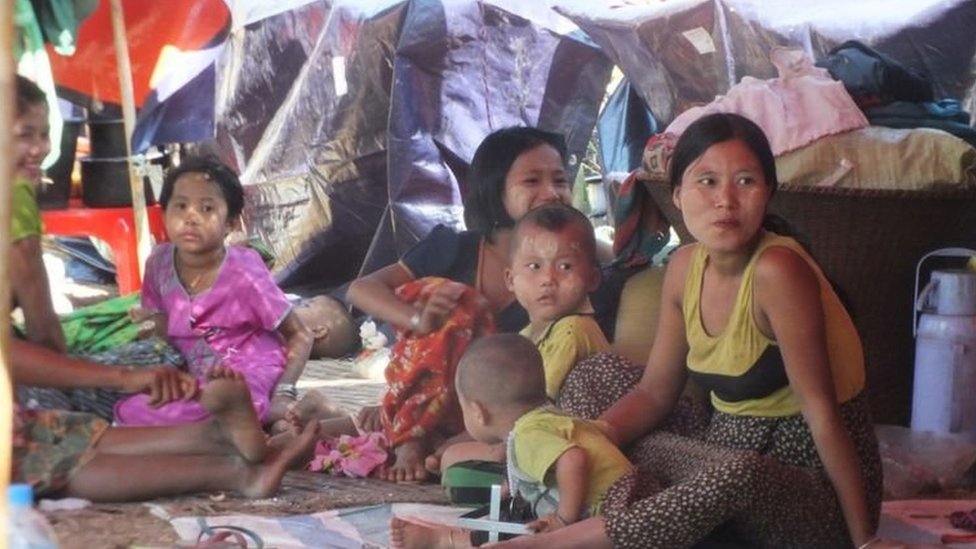
Displaced persons fleeing conflict zones.
“At present, everyone is being pushed toward the path of armed confrontation. But still, the election is the election.So rather than seeing people’s disinterest merely as an effect of economic hardship, I think some middle-aged and older citizens may view the election as a possible path to resolution.Neighboring countries and the international community also seem to be encouraging this direction because of the ongoing suffering caused by the war. The main issue is still how to resolve Myanmar’s armed conflict. Only by doing so can we begin to rebuild social and economic life.The election could become a step toward such change,” he said.
Currently, many citizens are undecided about whether to vote, and the rate of people checking voter lists remains very low.
This situation is attributed to the public’s daily struggle for survival and job opportunities, as well as warnings from Spring Revolution forces that they would boycott and disrupt the election and take action against participants.
- By CNI
- Category: English Section
- Hits: 511
CNI News
12 November 2025
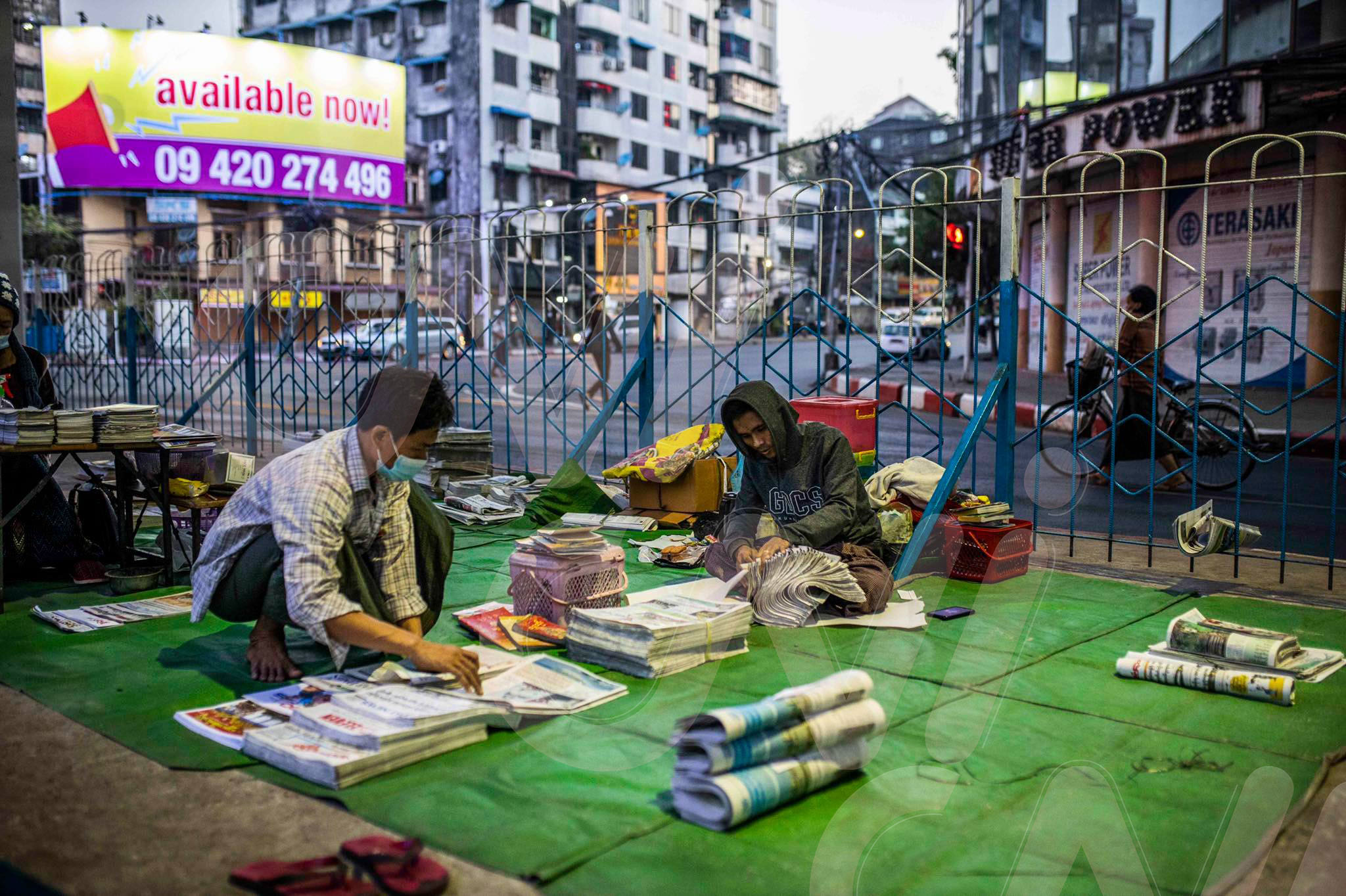
With the ongoing political crisis in Myanmar, questions are being raised about the status of the public’s freedom of expression.
On February 1, 2021, the Myanmar Military (Tatmadaw) ousted the NLD government, citing their attempt to form a government without resolving the disputed voter list from the election, and subsequently declared a state of emergency.
Since then, as armed conflict has intensified between the Tatmadaw and revolutionary forces, the public's freedom of expression and the right to stand by their beliefs have also been increasingly restricted.
Dr. Nyo Nyo Thin, founder of the Yangon Watch Group, told CNI News that restricting the public's freedom of expression is detrimental to democracy.
She stated: "In an effort for the State to successfully achieve its political goal—the election—it is suppressing and restricting any issue or event it believes could disrupt the election, leading to a situation where freedom of expression is being threatened. The prosecuting authorities must consider this carefully. These incidents are not good for a future democratic state. Therefore, action should be taken after judiciously weighing how much the public's freedom of expression can impact the election. Arresting, prosecuting, and jailing people merely for criticizing the election or a candidate competing in the election, simply because they are dissatisfied, raises many questions. We are concerned about a situation where politics dominates the rule of law. That is why we do not want judicial and prosecuting authorities to file arbitrary charges and take action merely as part of a 'state plan'."
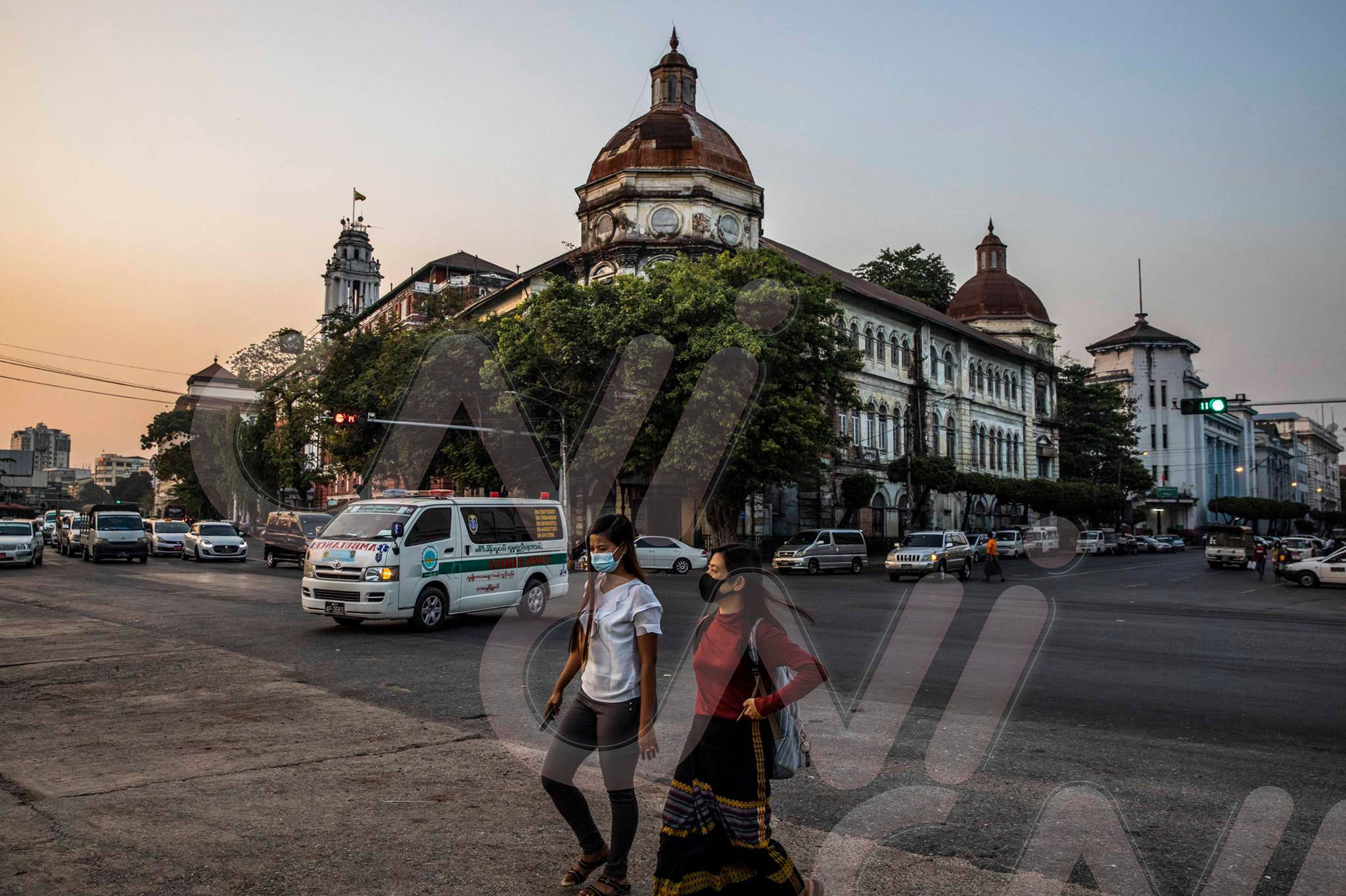
A place in Yangon
Currently, authorities are arresting and prosecuting individuals who criticize the election, attempt to sabotage it, or criticize and defame candidates running in the election.
Similarly, the Spring Revolution forces are also taking action, including issuing life threats, against those who criticize the revolution or fail to support it in their writings.
U Ko Ko Gyi, Chairman of the People's Party (PP), told CNI News that freedom will remain secondary as long as security threats remain high.
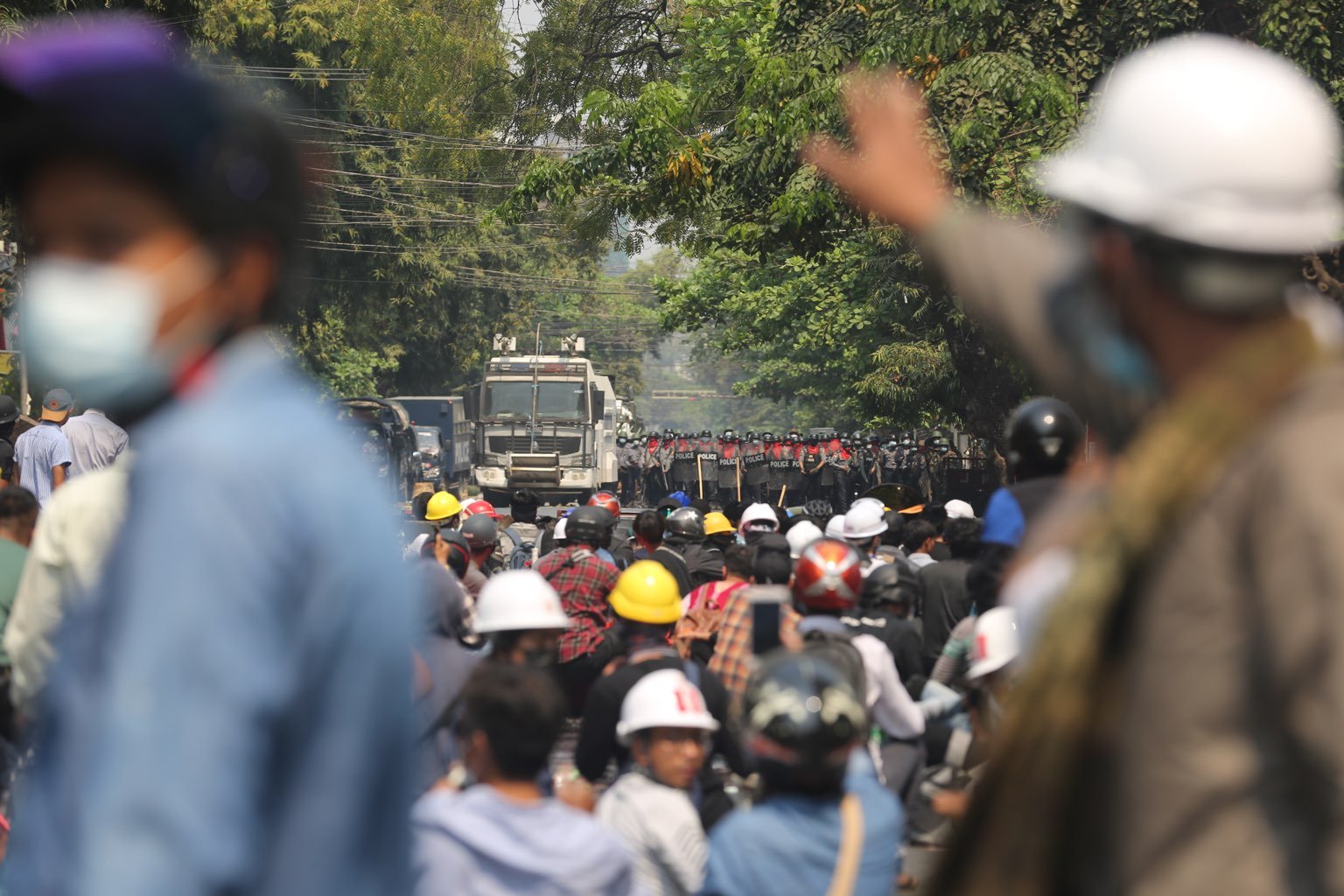
Demanding democracy (Photo: Frontier Myanmar).
He stated: "As long as security threats remain high, freedoms will always take a backseat. That is why we believe that when security threats are reduced along with peace, democratic rights such as freedom of speech, freedom of belief, and freedom of assembly will return. Otherwise, the higher the conflict, the more security will take the forefront. In a security period, for example, during periods of Martial Law, the order of the respective military commander becomes the law. Even when such practices are necessary, the commander needs to exercise their authority with restraint and caution. If the areas under Martial Law gradually decrease, areas where the rule of law prevails will re-emerge. Only then will the offices of elected representatives become places where the public can come to share their concerns and discuss issues. Thus, if there are instances of controlling or threatening freedom, mechanisms can emerge for the public to voice their grievances through their representatives."
Political analysts point out that as long as Myanmar's political crisis is not overcome, or until a civilian government is established, the public's freedom and right to expression will remain restricted.
- By CNI
- Category: English Section
- Hits: 699
CNI News
12 November 2025
The head of the Information Team of the National Defense and Security Council, Major General Zaw Min Tun, stated that the National League for Democracy (NLD) government and the Union Election Commission (UEC) they appointed destroyed the multiparty democratic system, and that they (the NDSC) are systematically rebuilding it.
Major General Zaw Min Tun made this announcement, titled "Statement to the People Regarding the Multiparty Democratic General Election," on November 10, 2025.
He pointed out that there were 38 million eligible voters in the 2020 General Election, and when political parties and the military (Tatmadaw) jointly requested the NLD government to solve the 10.4 million cases of alleged voter fraud, the NLD failed to address it and instead attempted to convene the parliament and form a government on February 1, 2021.
He suggested that people can consider who made demands legally and lawfully, and who disregarded and ignored the law through these actions. Following this, Major General Zaw Min Tun said that the Tatmadaw (Myanmar Military) had to assume all state responsibilities.
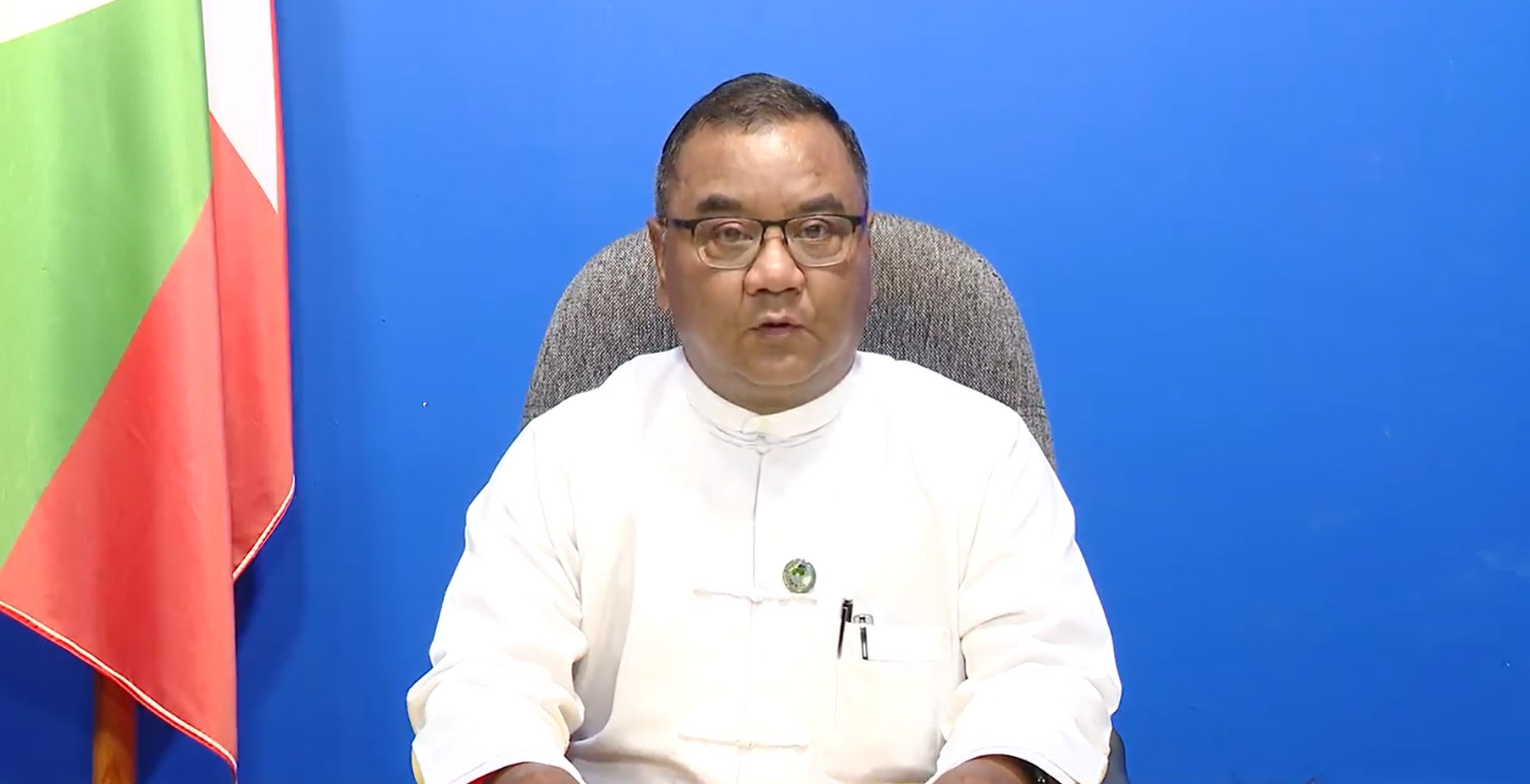
Major General Zaw Min Tun
He stated: "It is only the NLD government and the Union Election Commission they formed, who tried to seize state power by illegal means without solving the voter fraud lawfully, that intentionally destroyed the sincere and disciplined multiparty democratic system for the entire populace and the nation. We are systematically rebuilding this multiparty democratic system, which was destroyed and which the people desired and longed for."
Regarding the current political crisis, the Myanmar Military announced that the election will be held in three phases:
Phase 1: December 28, 2025, in 102 townships.
Phase 2: January 11, 2026, in 100 townships.
Phase 3: The last week of January 2026, two weeks after Phase 2.
The National Unity Government (NUG), formed by NLD leaders and elected representatives, the Committee Representing Pyidaungsu Hluttaw (CRPH), ethnic armed organizations (EAOs), and the People's Defense Force (PDF) have all issued statements vowing to completely disrupt this election.
Similarly, they have issued warnings that those who participate in the election led by the Myanmar Military will face effective action, and that their safety cannot be guaranteed.
- By CNI
- Category: English Section
- Hits: 499
CNI News
12 November 2025
There are ongoing discussions and analyses among military and political observers regarding who gained political advantage by leaning on the forces of the Spring Revolution.
Following the political changes in 2021, the emerging People's Defense Forces (PDFs) have been cooperating with Ethnic Armed Organizations (EAOs) to fight the Myanmar Military (Tatmadaw).
While these EAO-PDF joint forces were able to seize territories in their battles, subsequent negotiations mediated by China resulted in agreements only between the Tatmadaw and the EAOs, with the seized towns being handed back.
U Thein Tun Oo, Executive Director of the Thayninga Institute for Strategic Studies, told CNI that EAOs gained a large number of armed forces from the PDFs. He suggested that based on the actual loss of forces and damages suffered in these developments, one can see whether the EAOs or the PDFs gained the political upper hand.
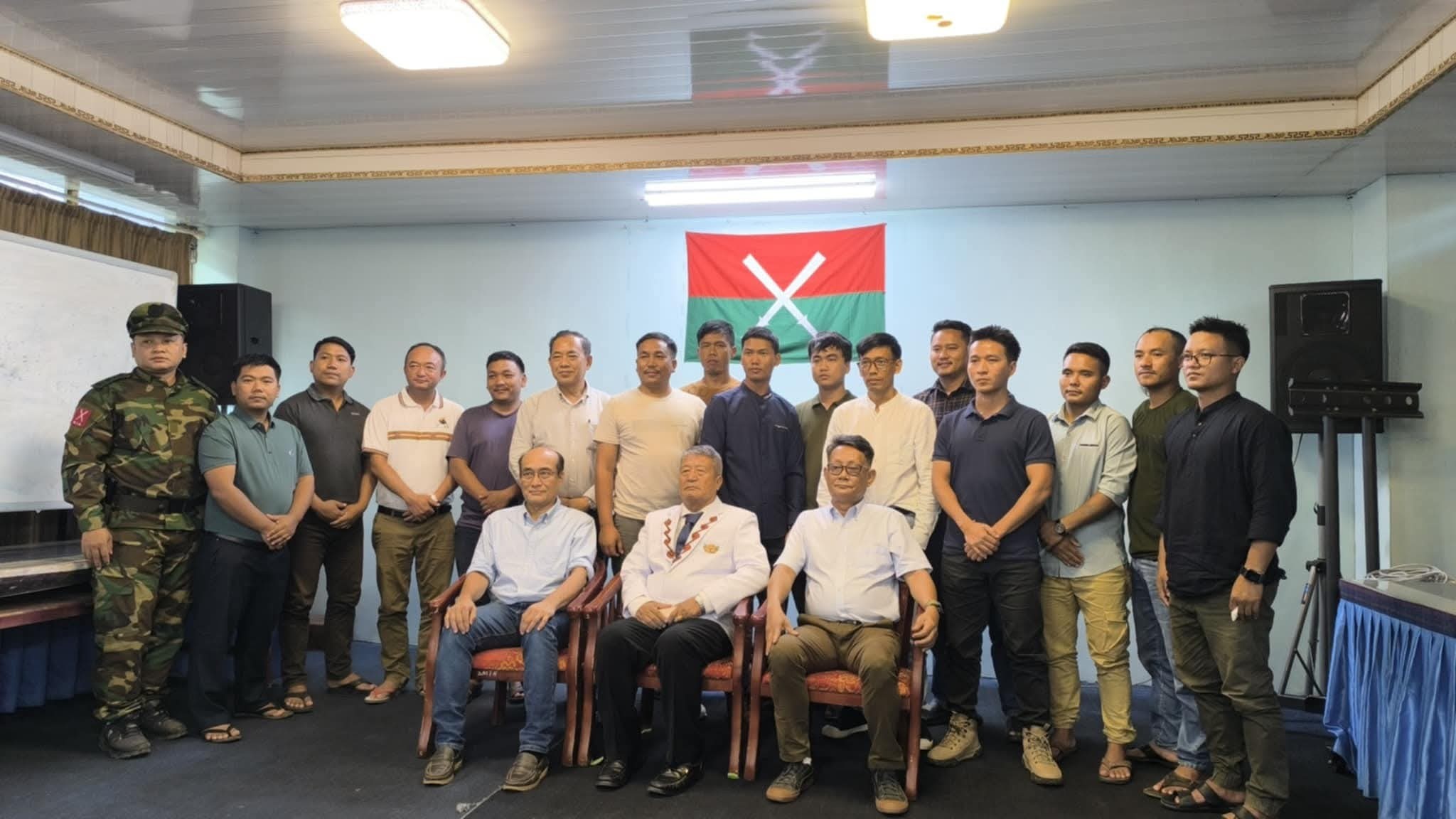
Chin Brotherhood (CB) and NUG leaders meet
He stated: "This is because the EAOs didn't have this level of activity before. Simply put, they gained a considerable number of fighting forces—forces that would carry out armed activities—from the PDFs. Consequently, in the end, the PDFs did not get what they wanted. At the same time, their ability to maneuver became very difficult. Our analysis is that the EAOs gained the advantage. The PDFs no longer have much capacity to act. Furthermore, we are seeing how well their cooperation is or isn't working. Therefore, if you look at who truly lost forces and how much damage they suffered, it's clear. Based on that, everyone can see whether the EAOs or the PDFs gained the advantage."
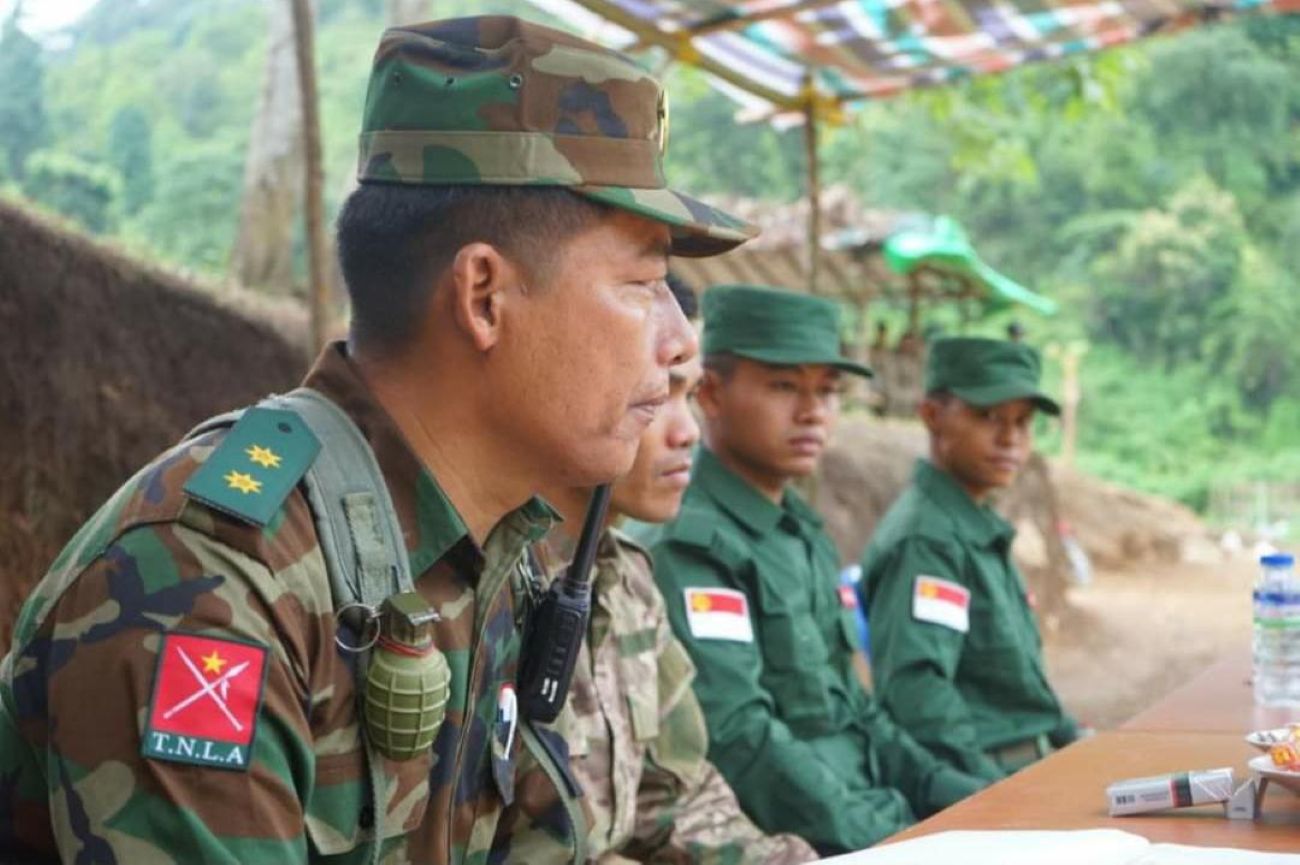
Following a meeting between the TNLA (Ta’ang National Liberation Army) and the Tatmadaw on October 27 and 28, 2025, the TNLA announced a ceasefire agreement and stated they would withdraw from Mogok and Momeik townships.
Following this announcement, the military situation on the Shan-Mandalay border has become complicated, with the MDY-PDF (Mandalay PDF) publicly stating that they will not easily relinquish the control areas seized during the Spring Revolution.
Dr. Hla Kyaw Zaw, an analyst of China-Myanmar affairs, told CNI that since the main priority for EAOs is the liberation of their respective regions, states, and ethnic groups, it seems their efforts were more focused on securing their territories when striking political agreements.
However, she added that she believes most of the comrades of the Spring Revolution will understand the difficulties faced by the Ethnic Armed Organizations.
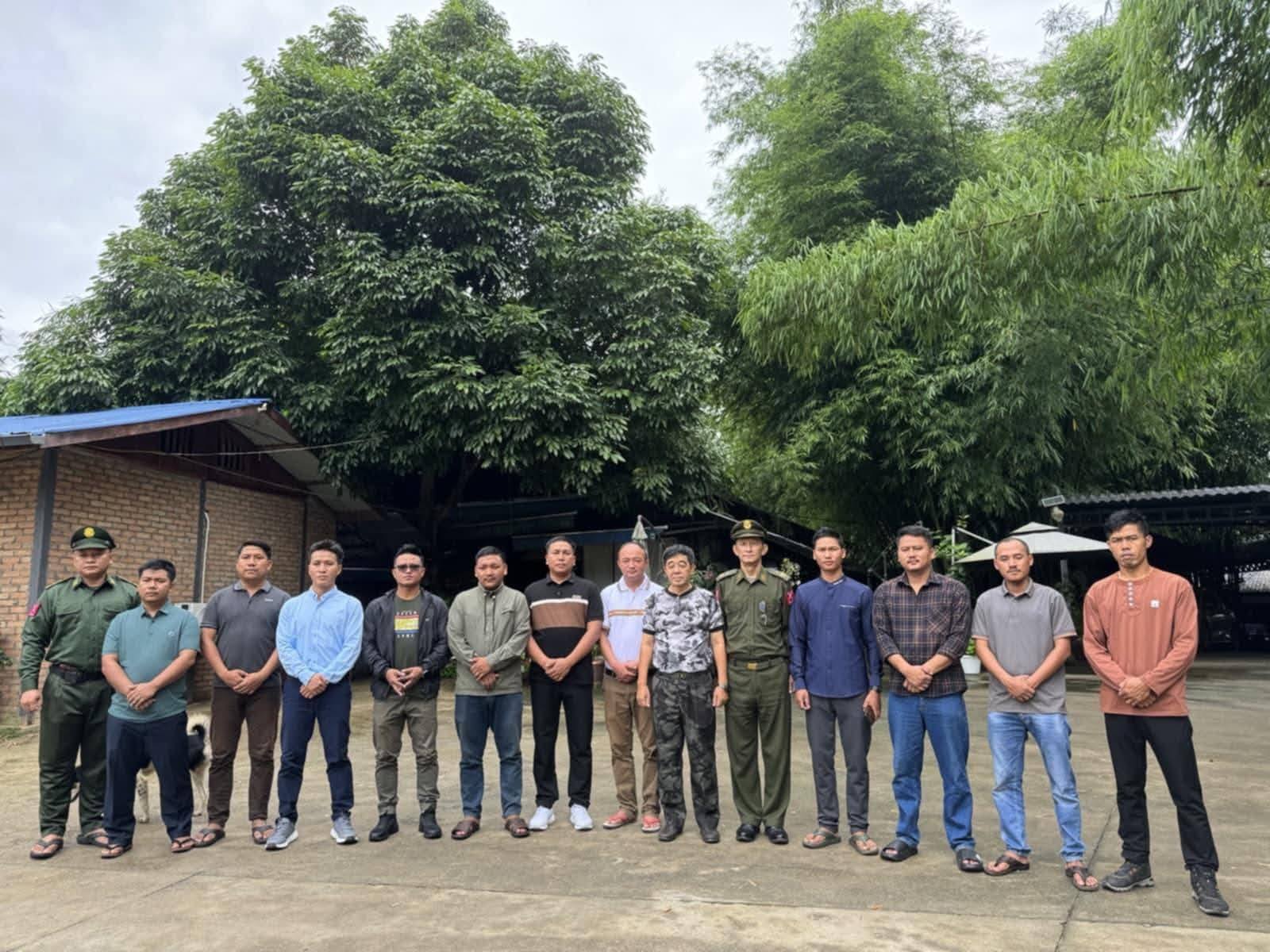
Chin Brotherhood (CB) and KIA leader Deputy General Gun Maw meet.
Dr. Hla Kyaw Zaw said: "All the Ethnic Armed Organizations are geographically contiguous with China. So, rather than pressure from China, it's more like China offering incentives. For example, if they cease fire, they will open the border gates. China has opened up a lot of economic movement for groups like the MNDAA. That's why the MNDAA has been able to properly rebuild their old territories. So, it's not that the ethnic organizations don't have good will towards Myanmar. But their main priority is the liberation of their region, their state, or their ethnic group, rather than the entire country. Therefore, I think they were more inclined to settle for this and focus on stabilizing and strengthening their own territories. The PDFs also understand this. I think most of the comrades from the Spring Revolution understand the difficulties and predicaments of the ethnic groups, so there will be mutual understanding. Saying this doesn't mean everything is smooth. There might be minor conflicts and friction."
Military and political observers had speculated that since the Kokang Army (MNDAA) handed back Lashio town to the Myanmar Military out of the towns seized during Operation 1027, other towns might also have to be returned.
Mogok and Momeik townships were seized by the TNLA and its allies in July 2024. News is now circulating that, a little over a year later, the TNLA has reached an agreement with the Myanmar Military and will withdraw by the deadline of November 20.
Furthermore, the KIA (Kachin Independence Army) has also used PDF forces to seize and control military bases and towns of the Myanmar Military in Kachin State and Sagaing Region.
However, military and political observers point out that if the KIA, which is reportedly in secret contact with the Myanmar Military for peace talks, reaches an agreement, the position of the PDFs could change significantly.

- By CNI
- Category: English Section
- Hits: 395
CNI News
12 November 2025
Business leaders and economic analysts have emphasized the need to find effective ways for Myanmar’s government and private sector to work together in order to revive and strengthen the national economy.
According to U Htay Aung Kyi, a banking and financial expert, businesspeople must clearly differentiate between income generation and true business development, while the government must provide structured and consistent economic policies supported by laws, regulations, and practical guidelines — without distorting the market or imposing arbitrary control.
He told CNI News,“To reach the global level, we must operate systematically and competitively. Every earning is not a business — that’s an important distinction. The government also has responsibilities: it needs to act smartly, with sound laws, regulations, and systems that support business development without distorting economic policy. For business people, success should not only mean short-term profits, but also long-term growth to reach international standards. The government must have the capacity to guide the country to that level. So, effective collaboration between the government and entrepreneurs is vital.”
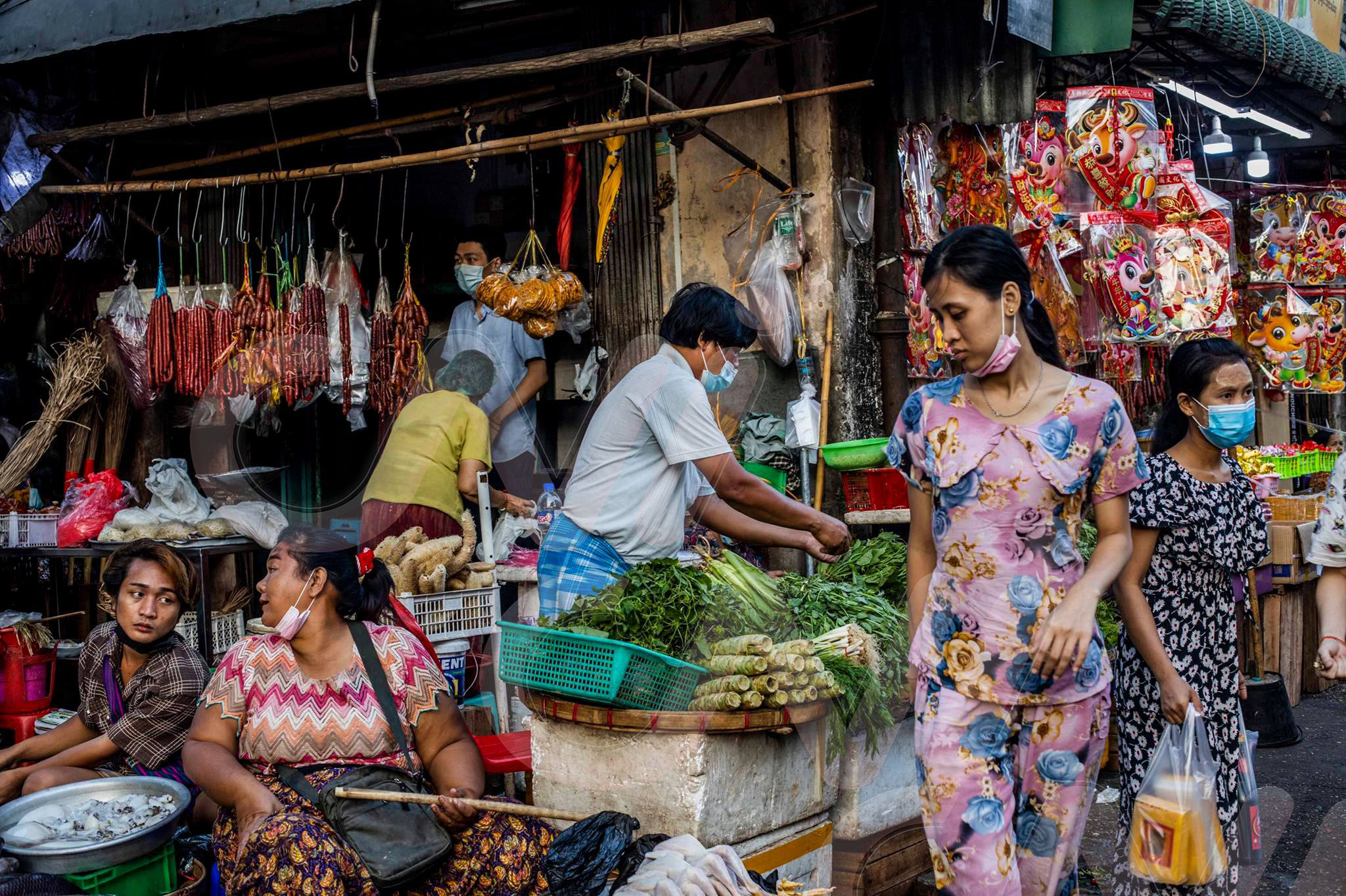
Local vendor seen at market
He further noted that the government should review and revise existing laws, regulations, and policy frameworks to make them more supportive of private-sector operations:
“To make business operations smooth, the government must provide support through laws, bylaws, regulations, directives, and policies. For the private sector to truly function, these frameworks need to be thoroughly reviewed and updated.”
Meanwhile, business leader U Aung Pyae Sone told CNI News that the government must actively listen to the voices of businesspeople and maintain regular engagement with them. He pointed out that cooperation between the two sides remains weak:
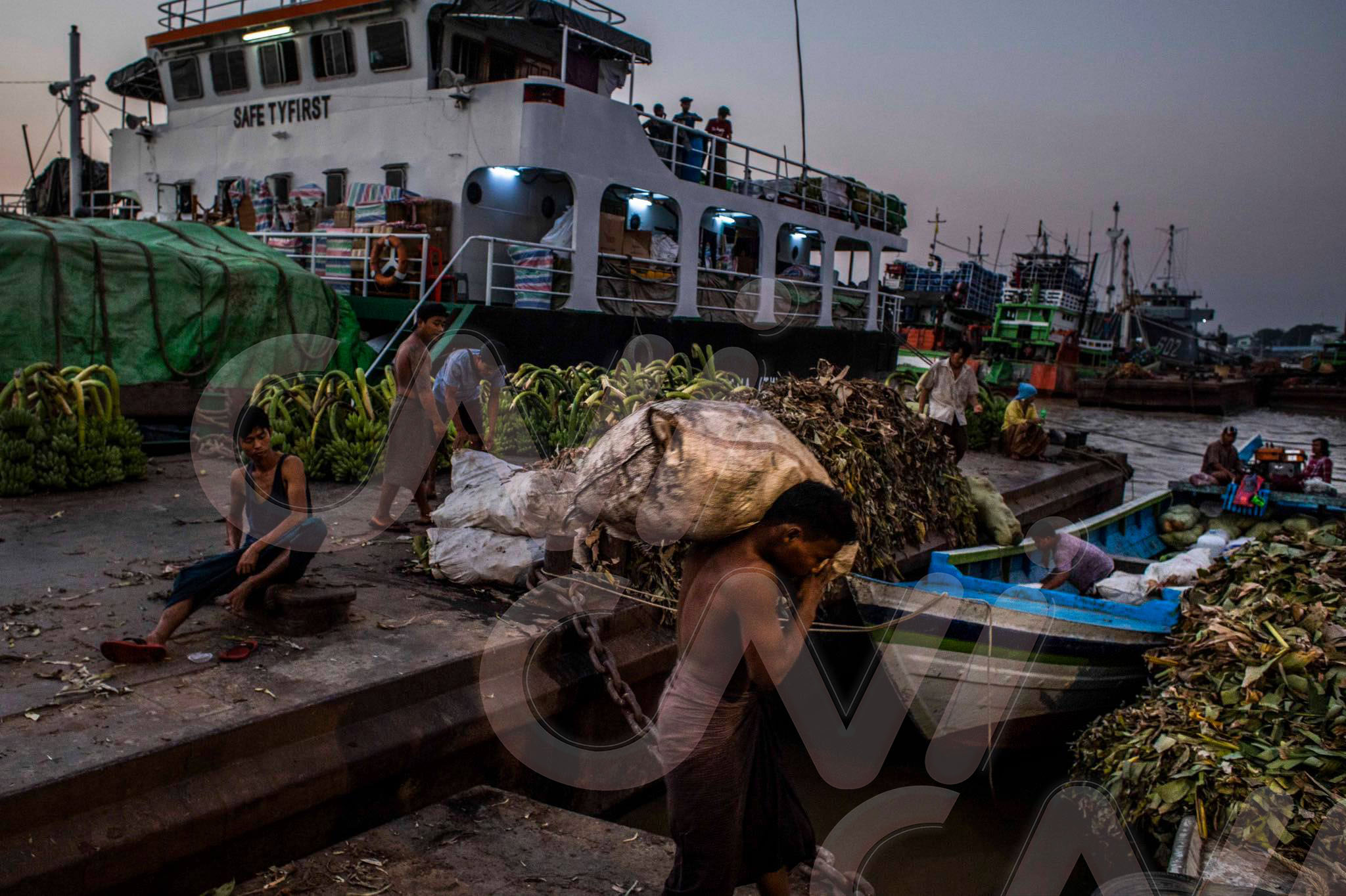
While seeing a stevedore
“The government should listen carefully to what businesspeople are saying. Meetings between government bodies and business associations should be held regularly. For example, if it’s difficult to meet with Union-level authorities, regional and state officials — including those from UMFCCI — should engage with local entrepreneurs. Some major business owners are not even members of any associations, so the government should still reach out to them to learn what they need. Rather than waiting for entrepreneurs to report their problems, the government should proactively ask what kind of support is required. So far, communication and coordination have been quite weak.”
To improve Myanmar’s economy, Senior General Min Aung Hlaing, Chairman of the State Security and Peace Commission, has invited both domestic and foreign investment. The government is reportedly seeking partnerships with countries such as China, Russia, Belarus, Thailand, and India.
However, Myanmar’s economy remains in decline due to ongoing political instability, weak rule of law and security, insufficient electricity supply, a shortage of labor, and international economic sanctions.
Page 57 of 352
Connect with us