

CNI News
1 July 2026
U Li Paw Reh, the Minister of Lisu Ethnic Affairs for the Kachin State Government, told CNI News that transportation infrastructure is critically important for the development of regions inhabited by the Lisu people within Kachin State.
He stated that if transportation infrastructure improves, income-generating opportunities will emerge for the local population.
Lisu Ethnic Affairs Minister U Li Paw Reh said, “The main issue lies in the border areas where travel is difficult. Transportation infrastructure is crucially important. Only when there is travel, trade and commerce, and the transport and sale of local consumer goods will local residents have opportunities to earn an income. Transportation infrastructure is in the number-one priority sector. Education is also quite difficult in some remote areas. The government appoints education staff, but when they are assigned and the transportation infrastructure is poor, it costs an education worker between 1.5 to 3 million Kyats in travel expenses just to reach those areas. As a result, some assigned education staff end up leaving. Towns under government administrative control, such as Khaunglanphu, Nawngmon, Machanbaw, and Putao, suffer from difficult transport infrastructure and face shortages of education staff. On the other hand, in places like Tanai and Hpakant, education staff mostly avoid going there due to security concerns. However, compared to the upper regions, their needs are significantly lower.”
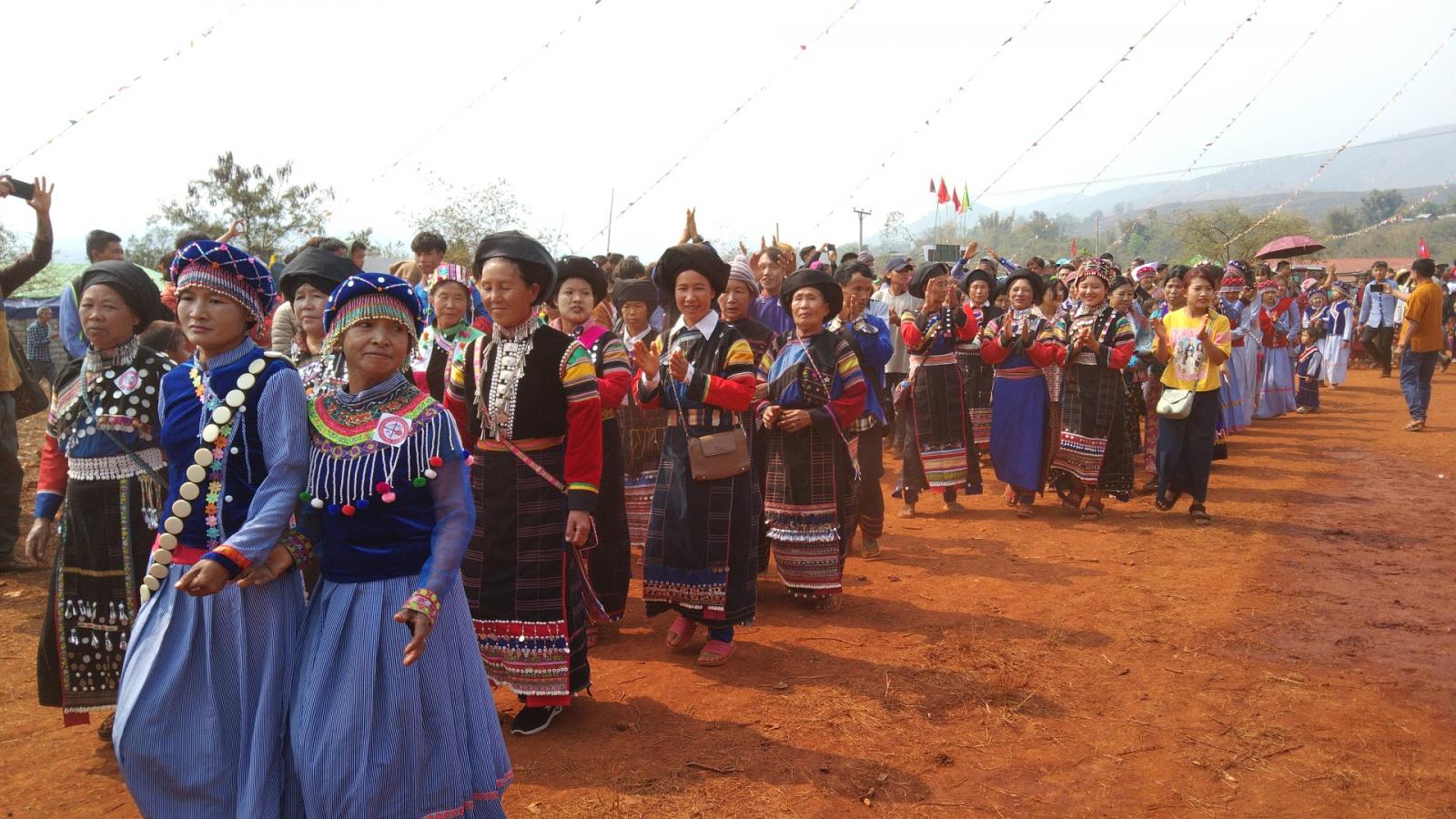
Members of the Lisu ethnic nationality seen
Political analysts point out that transportation infrastructure is extremely difficult in the mountainous regions of northern Shan State and the upper parts of Kachin State, which are the primary areas inhabited by the Lisu people.
Because transportation development has lagged across successive eras, local residents still face immense hardships traveling just to procure basic foodstuffs and medicines.
Due to the extremely rough terrain and travel conditions, basic consumer goods coming from the outside are exorbitantly expensive within the region. Conversely, locally grown agricultural products cannot be easily transported to external markets, resulting in spoilage and losses along the journey.
Currently, it is difficult to operate in some areas as they are outside the scope of government administrative control, Lisu Ethnic Affairs Minister U Li Paw Reh told CNI News.
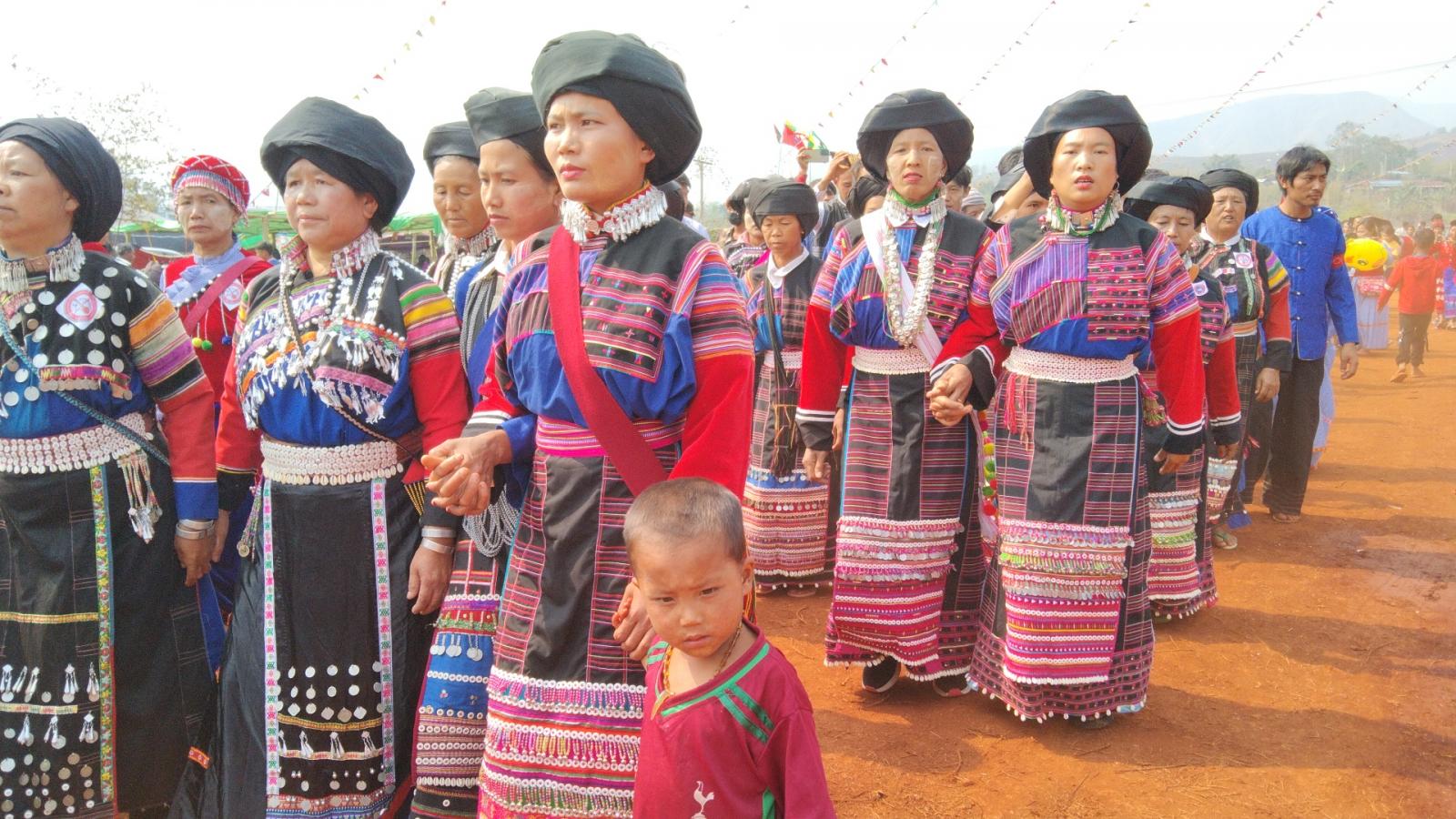
Members of the Lisu ethnic nationality seen
He said, “Principally, development has lagged significantly in areas experiencing active fighting. Not only have lives and property been destroyed, but the local populace in those areas is enduring hardships, living in makeshift tarpaulin tents within displaced person camps. The socio-economic decline is beyond description. Crucially, Sawlaw in Kachin State is not yet under the administrative control of the Union Government. Without government authority active there, it is difficult to operate. Once these areas return under the umbrella of the Union Government's authority in the future, there will be a vast number of tasks to execute and support. The needs are immense.”
The majority of regions where Myanmar's Lisu ethnic nationality resides are remote, mountainous areas in Kachin State and northern Shan State. Consequently, the challenges and difficulties facing regional development depend heavily on geographical terrain, transportation infrastructure, and the current political and security situation.