
CNI News
1 July 2026
Military and political analysts have pointed out that red tape and bureaucracy should be reduced when implementing peace processes regarding domestic peace and the cessation of armed conflicts in Myanmar.
Those within political circles have highlighted that the call to reduce bureaucracy in the peace process is highly accurate and represents a key factor for the swift success of the process.
They also pointed out that bureaucratic hurdles—such as complex paperwork, multi-tiered reporting, and the constant need to seek approvals—delay negotiations and can damage mutual trust between the parties involved.
Dr. Nyo Nyo Thin, founder of Yangon Watch, told CNI News that bureaucracy acts as a barrier in certain matters in Myanmar, and that it is necessary to reform this system at the very least.
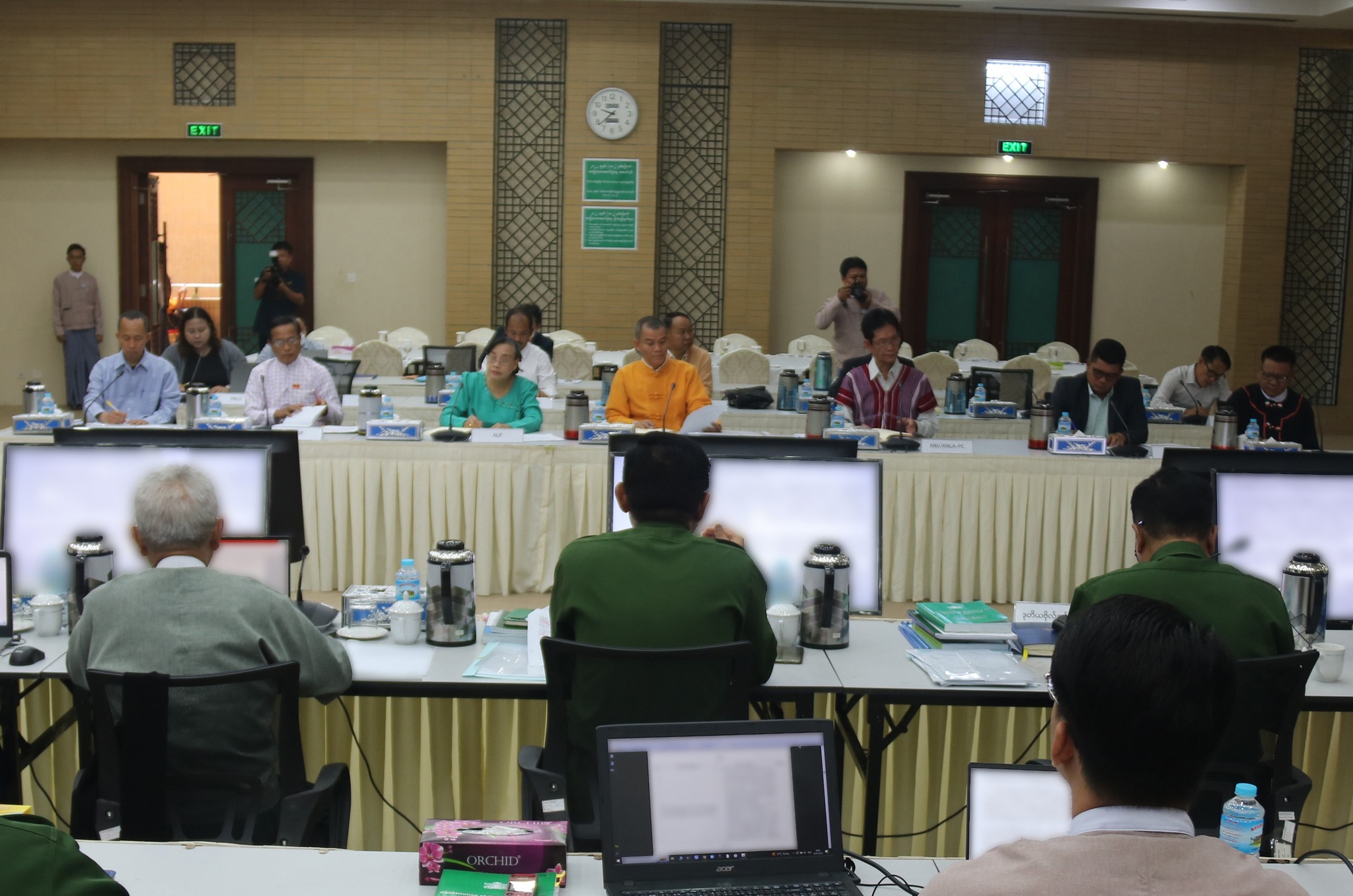
During a peace dialogue.
She said, "It is natural for peace processes to take time. International experience shows that some matters cannot be rushed. For a country like Myanmar in particular, processes to build peace will take time. Building trust is especially crucial. To rebuild it, all sides need to reconsider, review, and fulfill the promises they have made; they must stand by their word. During negotiations to build trust, weaknesses often arise in terms of mutual respect when reviewing matters. Therefore, if we fix these weaknesses and make an effort, it is possible. Nothing is impossible. If we rectify what needs to be rectified, better results can emerge. Crucially, frequent meetings and dialogues are needed. Bureaucratic red tape needs to be reduced in the peace process. The nature of a peace process is different from the operations carried out by other ministries. In Myanmar, red tape exists and acts as a barrier in certain matters. This isn't the only obstacle; there are many barriers, hindrances, and challenges. However, at the very least, such minor things need to be reformed."
Political analysts have pointed out that bureaucracy prioritizes excessive multi-tiered paperwork over the actual completion of a task, making operations inefficient and causing delays.
They further noted that this system is most commonly encountered in government departments and is considered a major obstacle when conducting business. They added that red tape causes delays in operational matters and daily life, and solutions should be sought to address this issue.
Political analyst Dr. Aung Myo told CNI News that Myanmar cannot completely do away with bureaucracy, but the more centralized a system becomes, the heavier the bureaucracy grows.
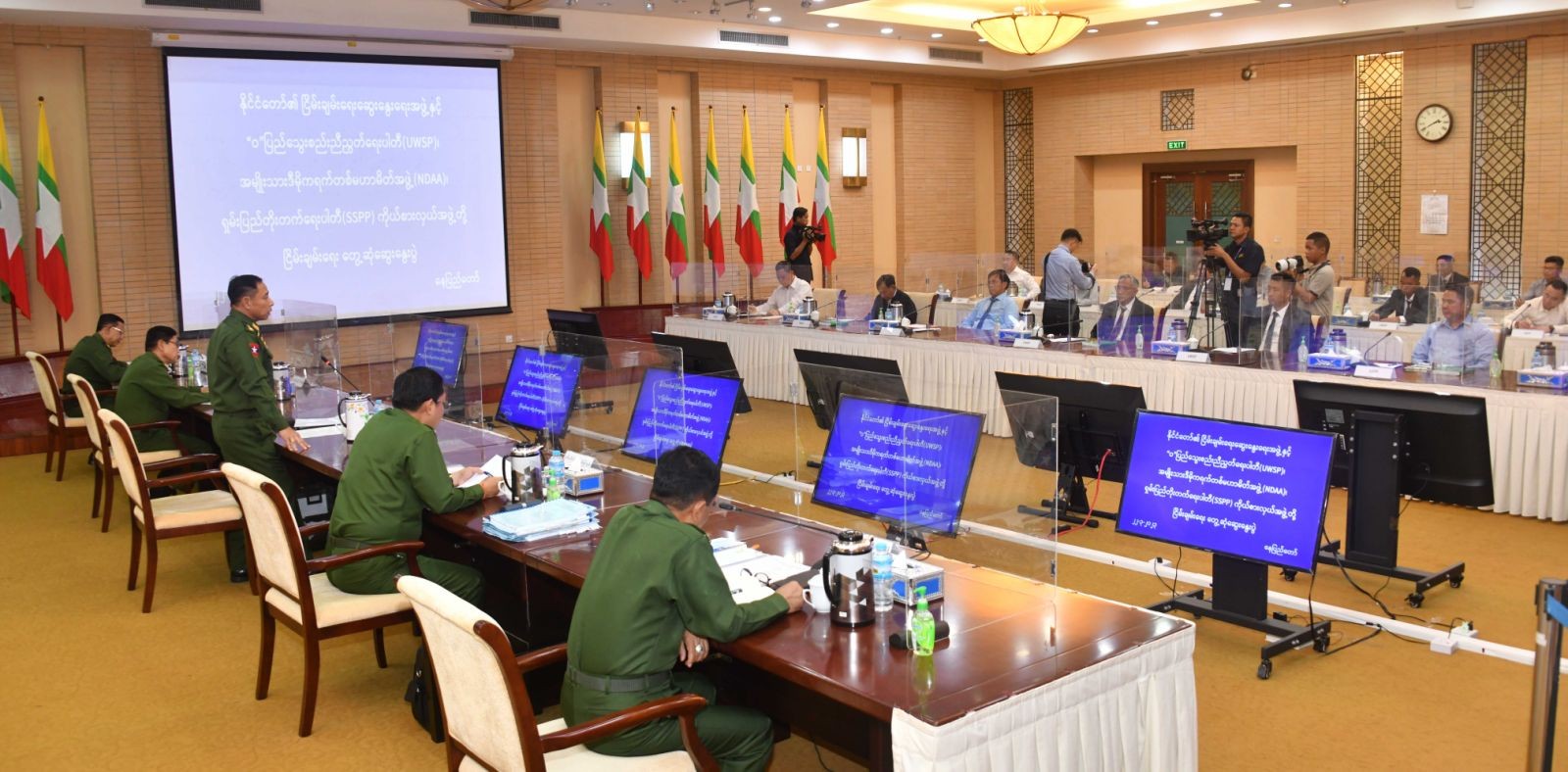
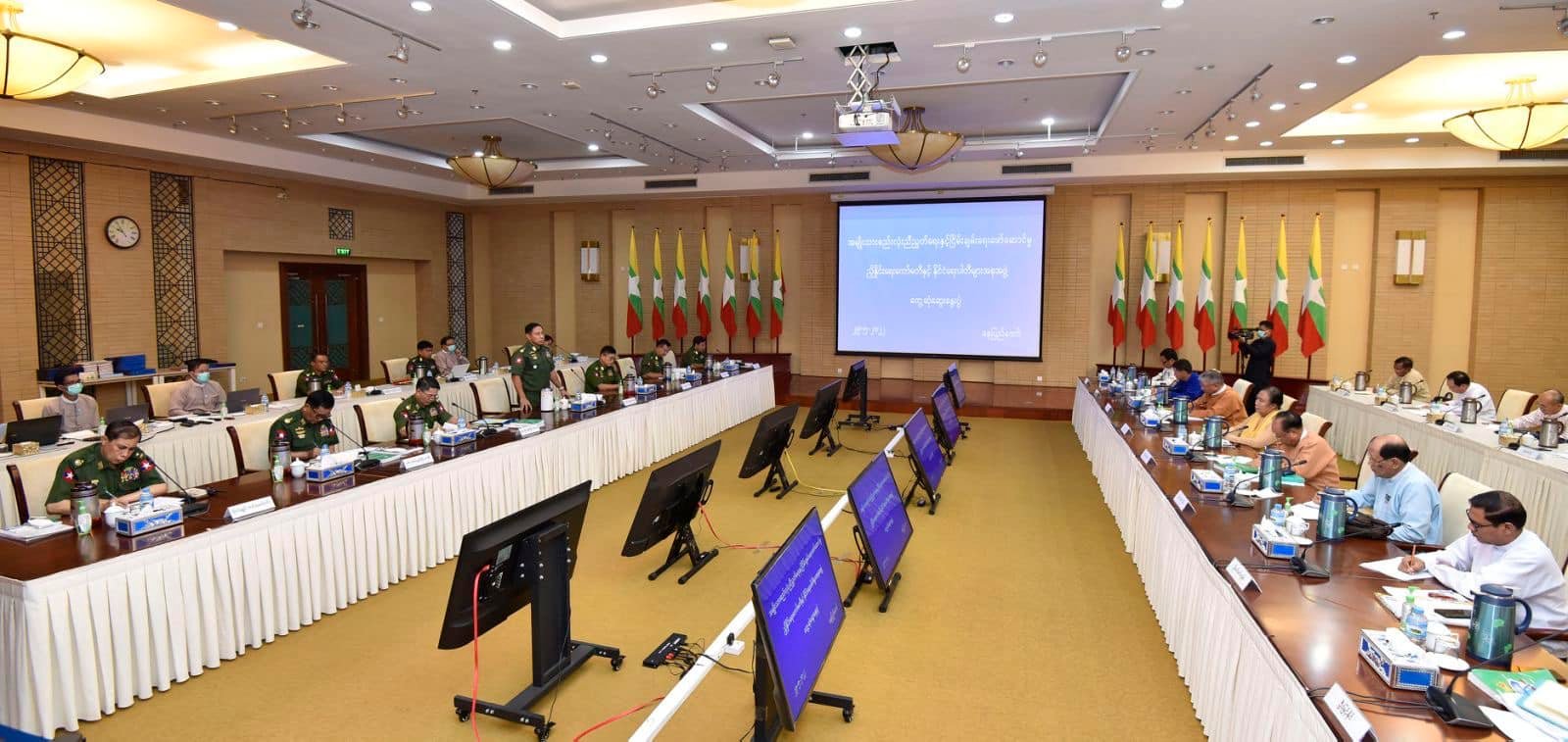
During a peace dialogue.
He said, "Bureaucracy is always present. You can't say it's wrong to suggest that red tape should be eased. In any process, there are those who negotiate and those who approve. Approving a negotiation on the spot is typically not part of the dialogue process. This isn't necessarily just red tape. After all, the person negotiating and the person approving should not be the same individual. This is standard practice in international negotiation processes. Generally, the more centralized a system is, the larger the bureaucracy becomes. If there is no central command system and power is decentralized down to regional commands, then red tape will diminish. We just need to make sure the bureaucracy doesn't become too overwhelming. It is best to have as little red tape as possible, though it cannot be non-existent."
Observers note that bureaucracy involves the systematic implementation of tasks within workplaces and government machinery through strict rules, multi-tiered oversight, and formal procedures.
They pointed out that while this system can cause delays, it offers benefits such as ensuring fairness and equality, establishing clear accountability and responsibility, maintaining systematic records of operations, and fostering institutional expertise and reliability.
It is learned that during the implementation of peace processes in Myanmar, negotiators often consume a great deal of time by having to report back to their respective leaders, as those at the negotiating table lack the authority to make final decisions and approvals.