
CNI News
June 27, 2026
Business owners and economic analysts warn that Myanmar could face long-term domestic labor shortages as the majority of its youth leave the country for employment or study abroad, while others enter domestic military service.
Among the massive wave of citizens departing Myanmar, the primary destinations are South Korea, Japan, Thailand, Malaysia, China, Singapore, and the UAE, alongside ongoing departures to Western and European nations.
Even at present, Myanmar continues to face a scarcity of skilled professionals in the industrial, electrical, and construction sectors.
Consequently, Myanmar is highly likely to encounter a labor shortage crisis in the long run, economic analyst U Thet Zaw told CNI News.
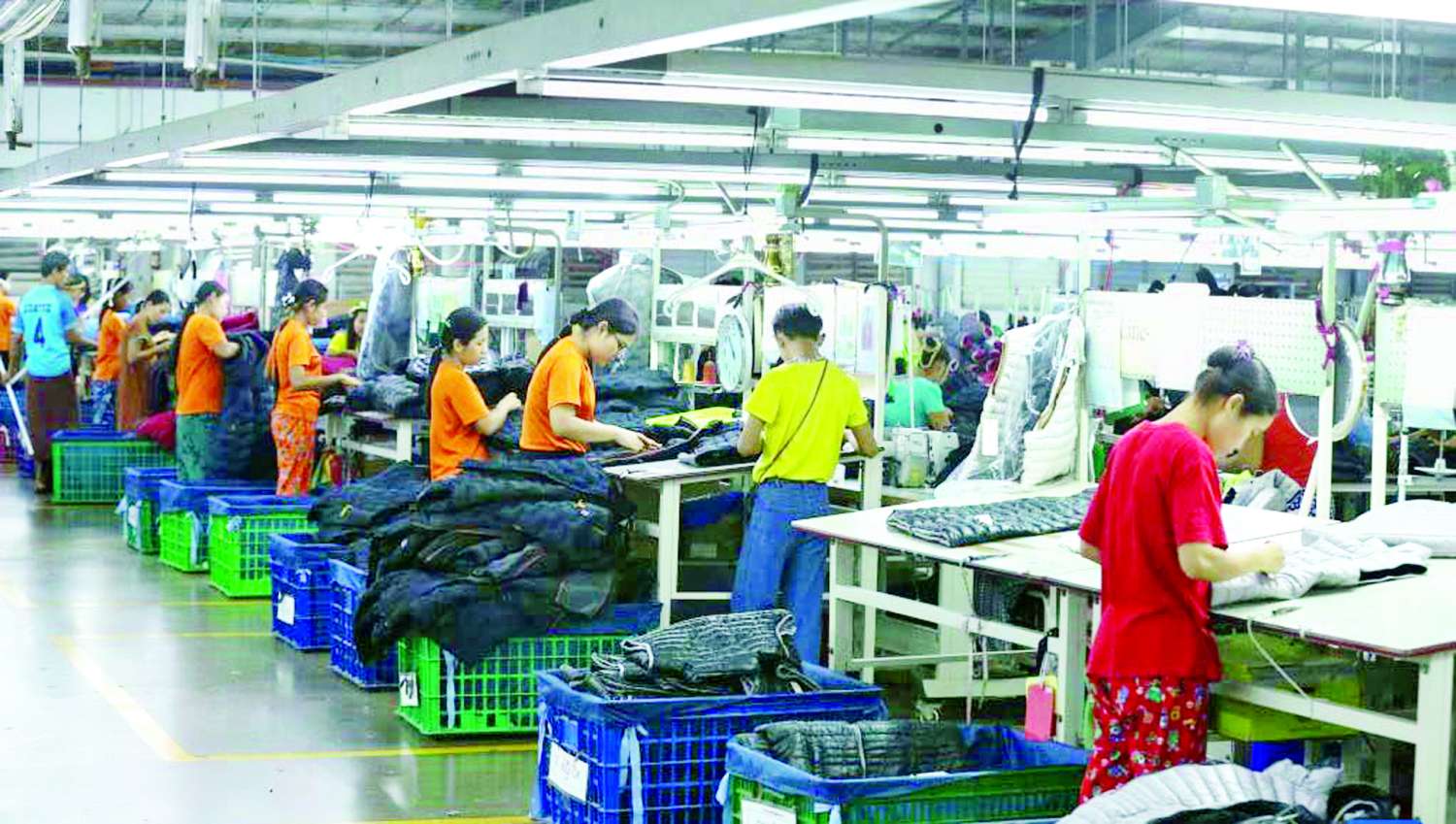
A garment manufacturing factory seen in operation
"Myanmar's population is currently around 50 million. Actually, I think it might even be less than 50 million now. Out of this 50 million, there are about 20 million people within the working-age bracket of 18 to 35. If you deduct those studying and those moving abroad from that 20 million, not many are left.Furthermore, once you factor in those working in agriculture, monks, religious staff, and those studying due to various circumstances, I estimate only about 4, 5, or 6 million people are actually available to work. Within this dynamic, labor shortages and human resource capabilities are bound to become a real issue."
Although the current new government is inviting international investments in sectors such as agriculture, livestock, electricity, natural gas, and garment manufacturing, there remains a critical need to foster a conducive environment for investment.
Furthermore, wages need to be competitive enough not to fall behind countries like Thailand and Malaysia, and the labor shortage problem can only be resolved if foreign investments successfully flow in, economic and banking expert U Htay Aung Kyi told CNI News.
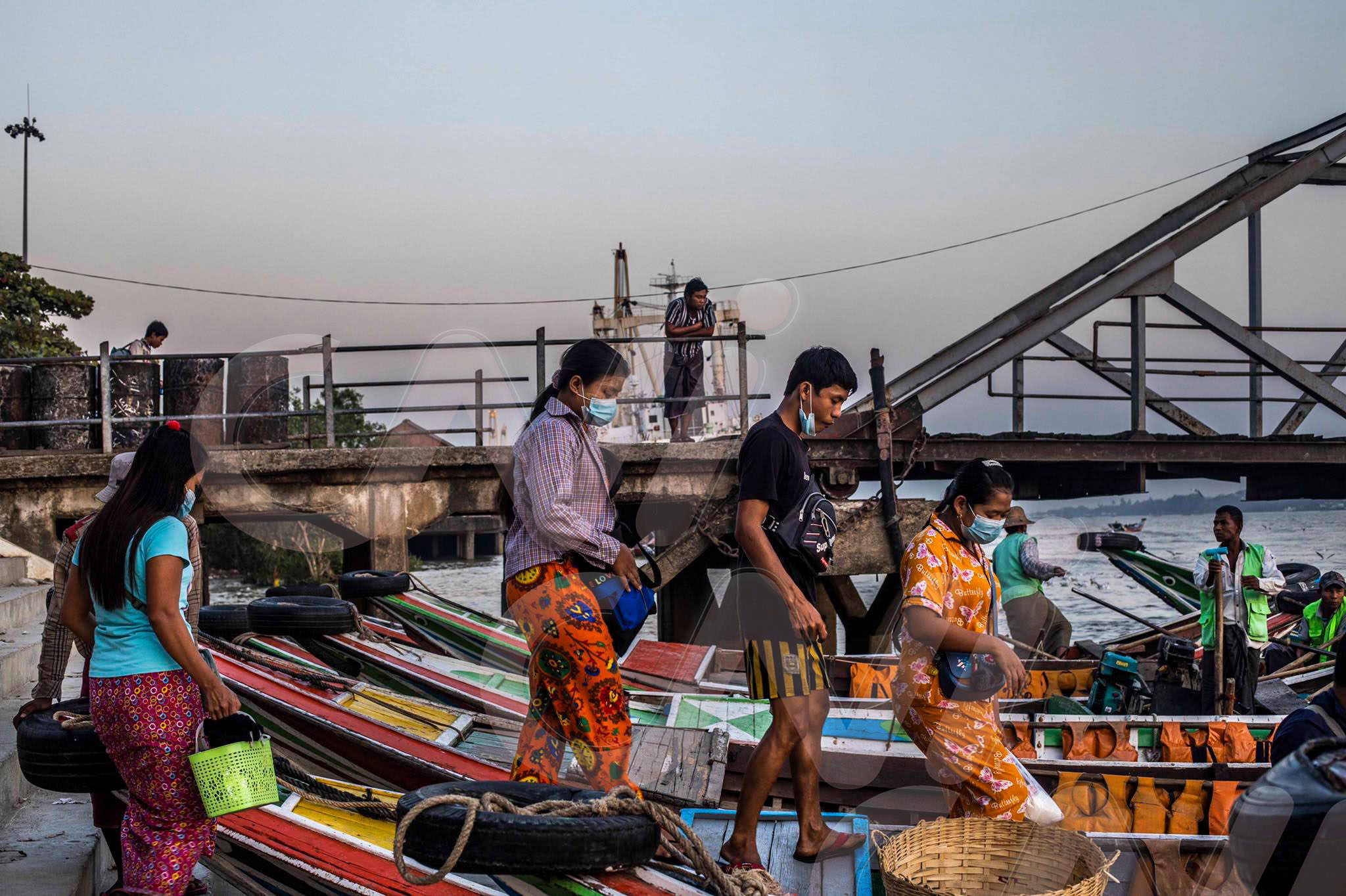
Members of the working class seen together
"If we want overseas Myanmar workers to return, we cannot just forcefully tell them to come back. The question of whether we have a proper, well-functioning, and sound economic environment for them to work in is a question we must answer ourselves. If the economic and investment environments are favorable, these workers will naturally return. It is true that a labor shortage will occur in the long run. Crucially, we need systematic planning for the long term. We must consider what measures to take in accordance with structured economic theories. To make those who went abroad want to return, creating a supportive investment and economic environment is essential."
In Myanmar's current labor market, due to the scarcity of skilled labor and low wages, labor shortages are heavily impacting the domestic industrial, garment, and construction sectors, driving the majority of workers to migrate to foreign countries such as Thailand and Malaysia.
Compared to other countries within the ASEAN region, Myanmar's minimum wage remains at the lowest baseline, which acts as a primary catalyst for the heavy outflow of workers going abroad.