
CNI News
June 27, 2026
Based on the territories they currently occupy, some northern armed groups have nothing to lose, which may prompt them to accept the peace invitation from the National Solidarity and Peacemaking Negotiation Committee (NSPNC), political analyst Dr. Aung Myo told CNI News.
The NSPNC has recently extended invitations and held peace talks with several ethnic armed organizations (EAOs). Furthermore, reports have emerged indicating that northern groups will be invited to Nay Pyi Taw in coming August for peace negotiations.
Dr. Aung Myo told CNI News that during these discussions, the NSPNC will likely operate strictly within the framework of the 2008 Constitution, meaning demands that exceed constitutional boundaries will not be granted.
"No matter what, it will remain within the framework of the Constitution. That much is certain. To put it broadly, we can say that demands for a confederation style that goes beyond the Constitution will not be granted. However, what is certain is that if a constructive meeting takes place between both sides, military actions will cool down. Among the northern groups, the TNLA and MNDAA are likely to attend, especially the MNDAA. Even if they come, they have nothing to lose. Territorially speaking, it is somewhat natural for the MNDAA and the 'Wa' to have autonomy, considering their geopolitical context from the very beginning. The KIA, however, is a bit more difficult. This is because, historically, the majority of Kachin State consists of Shan and Bamar populations. Since they have historically shown a lack of sincerity, the other side [the government] will be cautious with them. It won't be easy for them to come either, as they have already overextended their rhetoric."
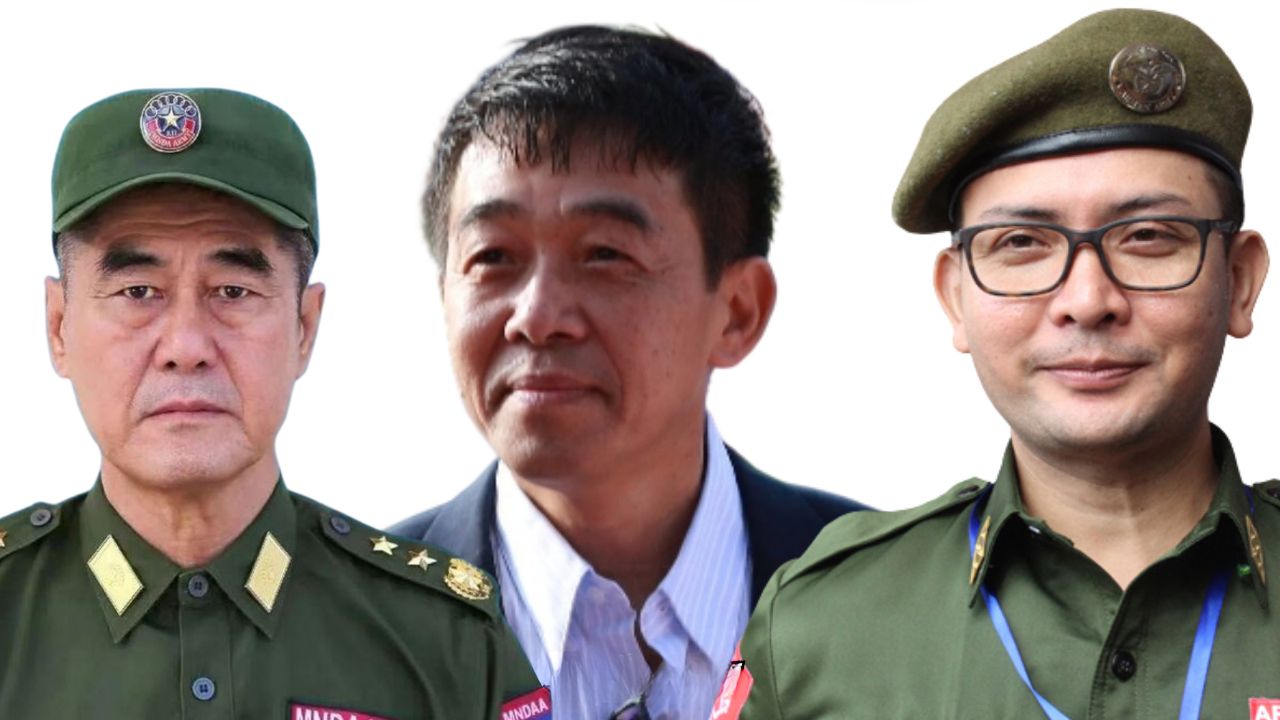
Members of northern armed groups seen together
Dr. Aung Myo added that whether the Arakan Army (AA) will be included in the peace invitation to northern groups primarily depends on the policy of the President.
"As for the AA, it will mainly depend on the President’s policy. The actions they have committed amount to significant war crimes. For instance, in Kyauktaw, over 900 people were pulled from the water and slashed with knives or shot. Because of such incidents, it is difficult for nationalist groups and military supporters here to forgive them. Therefore, this is something the President must decide. Nationalists and military supporters will not be very pleased with them. Thus, their situation will be different. I think it won't be very easy with them. While it is possible [for them to be included], it means it's difficult to get a good result. They might still be included, as you can never say for sure. That's just how the game of politics is played."
Kachin politician U Kun Gawn Awng Kham told CNI News that since most northern groups operate under China's shadow, they might be in a position where they cannot refuse to attend if China wants peace.
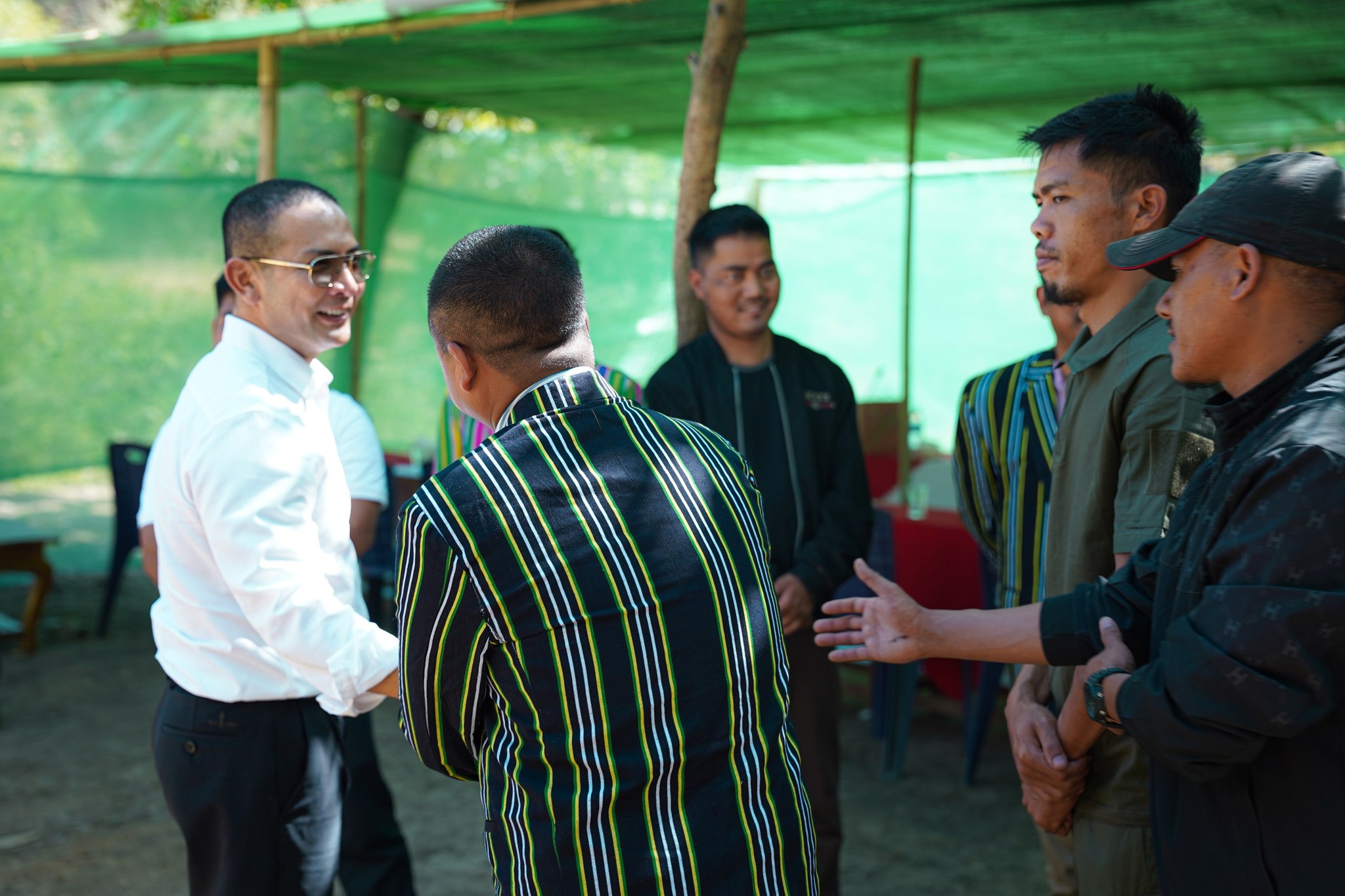
AA and Chin PDF members seen together
"The northern groups face some difficulties. Since their combat zones are along the border, they cannot escape China's shadow. Specifically, rather than just Chinese influence, we can see that they are in a position where they cannot reject China's words. Therefore, if China wants peace for the sake of its own economy and interests, China will likely press them to engage. For that reason, these groups might have to go out of necessity. It will happen due to China's desires rather than the general situation itself. However, an invitation does not necessarily guarantee that actual peace negotiations will happen every time. I believe it would be more beneficial for them if they conduct successive stages of pre-discussions internally before they proceed."
Currently, the NSPNC has held meetings with the Shanni Nationalities Army/Shanni Nationalities United Council (SNA/SNUC) on June 5, 2026; the 7 EAO Alliance (NCA signatories) on June 10; the Shan State Progress Party (SSPP) on June 12; and the National Democratic Alliance Army (NDAA) and United Wa State Party (UWSP) on June 17 and 18.
President U Min Aung Hlaing has set a 100-day window for the peace invitation, running from April 20 to July 31, 2026.