
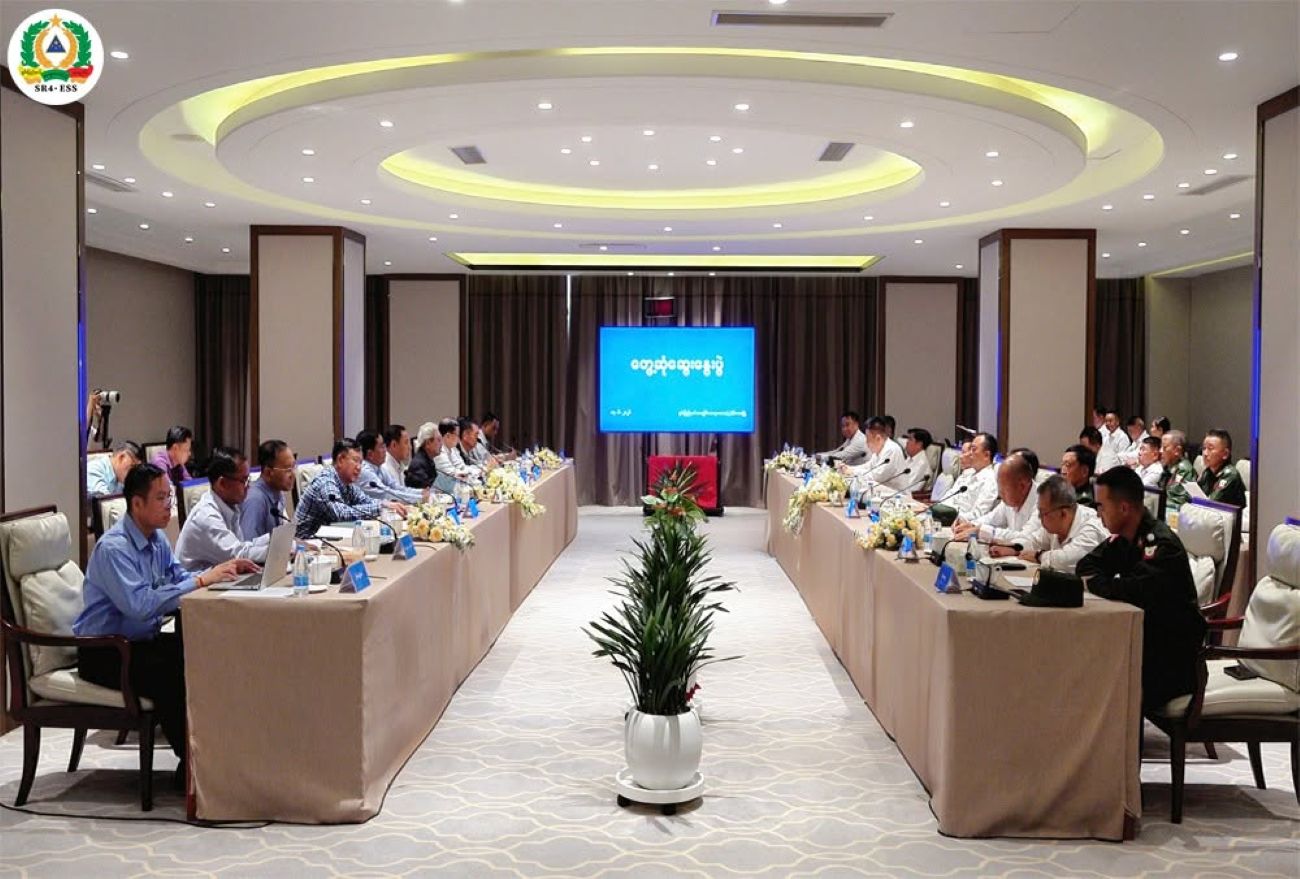
CNI News
27 June 2026
Military and political analysts have been highlighting the critical importance of participants involved in the bilateral negotiation process regarding the cessation of armed conflicts and internal peace in Myanmar.
The negotiation process is vital for achieving mutually beneficial and acceptable agreements between both parties, focusing on resolution rather than dividing conflicts into winners and losers.
Dr. Nyo Nyo Thin, founder of the Yangon Watch group, told CNI News that participants in the peace negotiation process should not be under political control.
"Negotiation is a necessary process anywhere and in any line of work. It is highly important. Therefore, the capability of the people involved in the negotiation path and the stakeholders' trust in them are also critical. That is why people from all sides need to be included in the negotiation process. If it fails this way or encounters hiccups, it is important to restart the process using other actors. Keeping constant contact with each other and honoring the promises made during the negotiation process is essential. Furthermore, those involved in the negotiation process must have a certain degree of freedom to make decisions and act; if they have to keep asking higher-ups for everything, it won't work well. Therefore, those overseeing the process must be individuals granted a certain level of authority. If they lack accountability and responsibility, and are in a position where they do not dare to decide even minor matters, these negotiation processes can drag on. They should not be under political control."
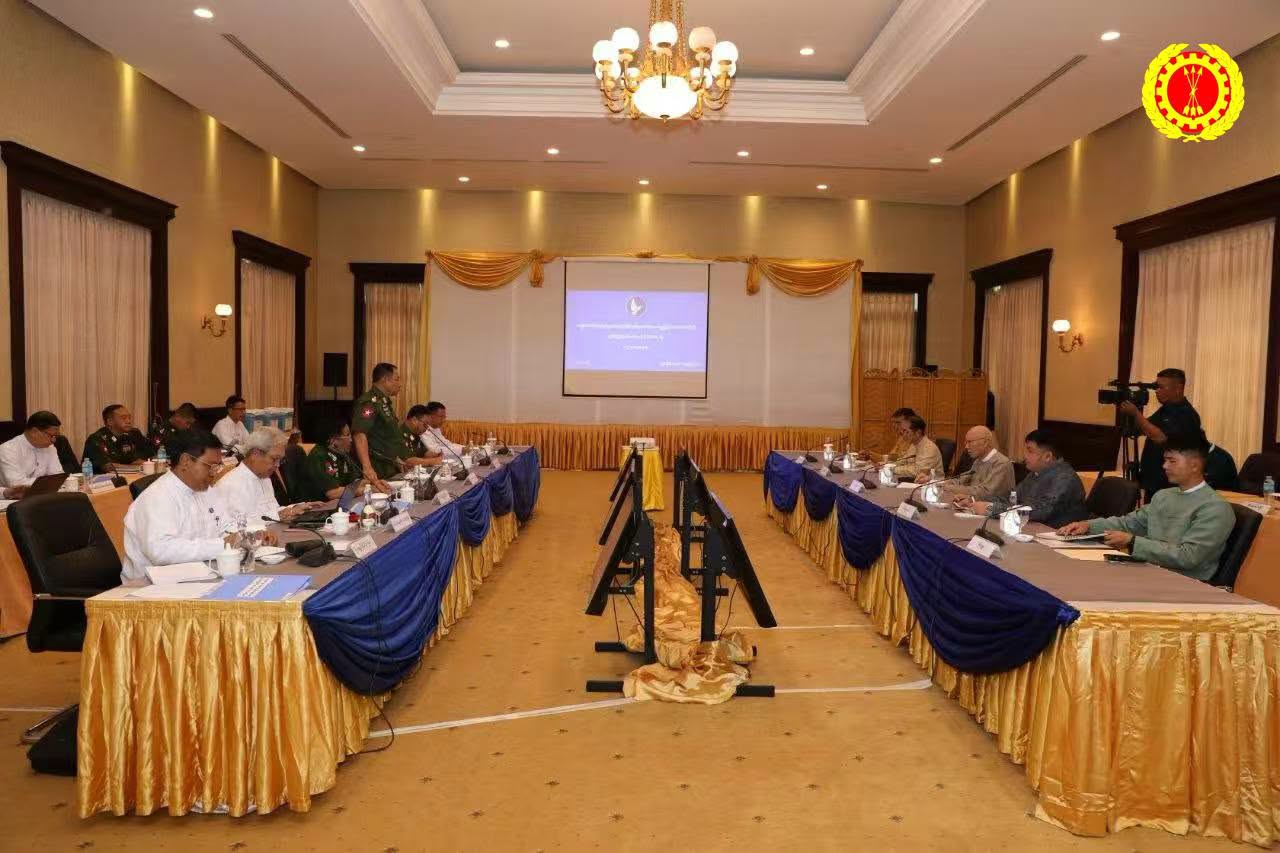
Meeting and discussion between NSPNC and SSPP
Political analysts point out that in political negotiation, aiming for the public interest, avoiding violence and conflict, bridging different ideologies, and building peace are the most critical factors.
In a democratic system, negotiations regarding multi-party participation, government stability between the government and the opposition, legislation, and development matters are processes that breathe life into democratic norms.
Colonel Saw Kyaw Nyunt, spokesperson for the 7 EAO Alliance, told CNI News that the negotiation process is crucial given the current political landscape and armed conflict situations.
"Until before 2020, we held peace talks along the Nationwide Ceasefire Agreement (NCA) path. However, after 2021, all political dialogue under the NCA path came to a halt. The past five-year period pushed us to this current situation. Finding a way based on the NCA that other groups and forces can join would, I think, align with the current political landscape.At this time, trust between both sides has declined severely. Moreover, armed conflicts—the opposite of peace—continue to remain strong and active. Under this circumstance, I feel it is important to conduct mediation and negotiations in accordance with the current political reality."
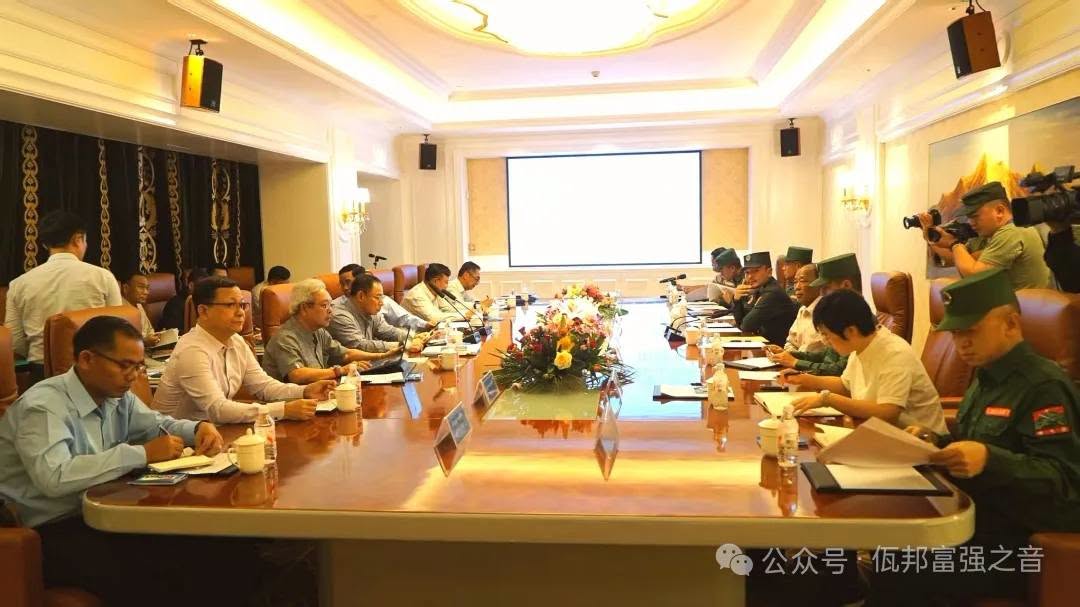
Meeting and discussion between NSPNC and UWSA
Colonel Saw Kyaw Nyunt further stated that if they can proceed with restraint under a crisis caused by politics, there could be some sort of benefit.
"In an unusual political landscape like this, it is extremely difficult for the methods and approaches of different groups to match perfectly; there are many challenges. Sometimes, even when acting with good intentions, it might not turn out well and could result in difficulties.We must build the Union peace and eternal peace that are urgently needed for the country, keeping a close eye on the current political situation. Even if it is not at a fully adequate level under a crisis, if we can initiate steps to start on that path and proceed with restraint, I hope there will be some benefit."
The political community points out that there should be no political control or pressure in political negotiations. Such pressure defeats the primary purpose of negotiation and can pose a major barrier to achieving peace, justice, and long-lasting agreements.
Similarly, military and political analysts point out that negotiators involved in peace talks between the government and armed groups should avoid talking in a threatening manner, such as how they can attack militarily or what weapons they can use. They also need to avoid sycophantic ("boss-pleasing") discussions that claim they can make the other side accept terms without any compromise or benefits.