
CNI News
June 26, 2026
Military and political analysts are questioning how to approach the cessation of armed conflicts in Myanmar, which have been ongoing for over 70 years.
The political community points out that to eliminate armed conflict and ensure the success of the peace process, it is essential to elevate the economic and education sectors. Effectively approaching peace requires not only halting violence and conflict but also systematically building foundations based on justice, understanding, and cooperation.
Country analyst U Htet Aung Kyaw told CNI News that a multifaceted approach must be utilized regarding peace in Myanmar.
"We cannot say that all of those [approaches] are entirely correct either. Why? Because for some ethnic armed organizations, demanding ethnic rights is just a title used to make it sound good to the public. Similarly, thinking everything will be resolved just by giving them what they want is not that simple. The main thing is that the will of the actual people must be involved—not just the leaders holding guns. We have to properly engage with all of these factors and implement it only after handling everything, including people-to-people relations. It's not as simple as 'just give them what they want and it's over.'
The main problem is the assumption that talking to these armed ethnic leaders and satisfying them will solve the issue. Even if one group stops, another could emerge. We have had many lessons on this in the past. These leaders were supported economically and given legitimacy, but because others were dissatisfied with that, another group emerged. It becomes an endless cycle. To truly reach a state where everyone shares both ups and downs together, the people themselves must accept it first, and then we must use various methods, including people-to-people relations."
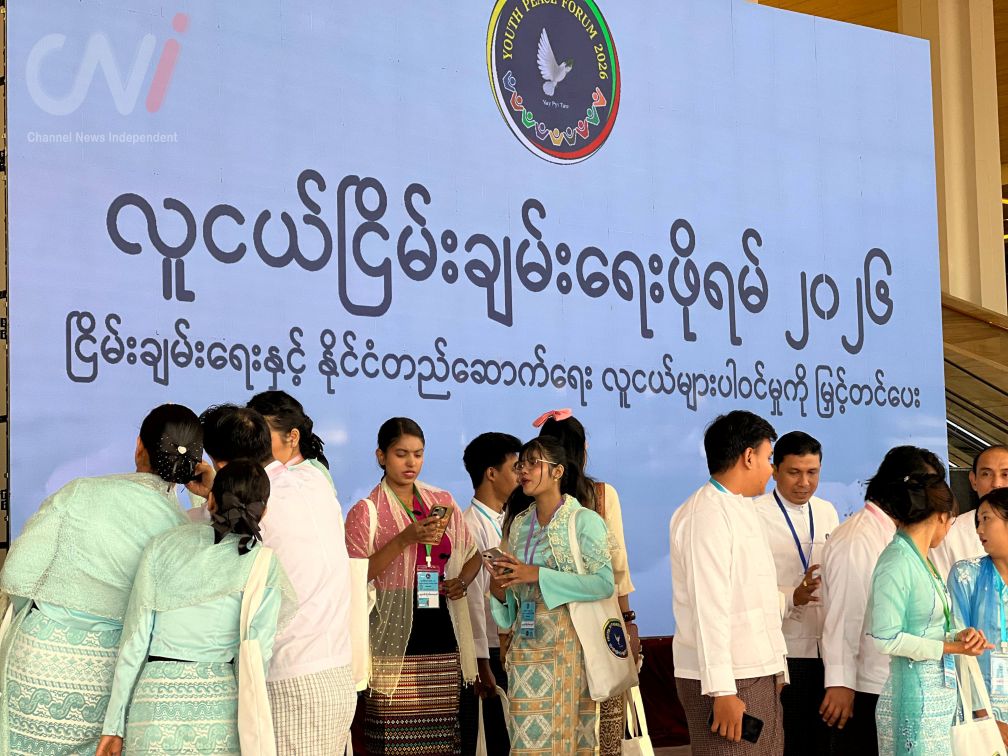
During the Youth Peace Forum.
Armed conflicts have worsened in Myanmar since 2021, and there is an intense enthusiasm among youth to resolve issues through armed means. Consequently, those bearing arms—including the Myanmar Military, Ethnic Armed Organizations (EAOs), and People's Defense Forces (PDFs)—are recruiting new members and engaging in fierce fighting against one another.
Colonel Saw Kyaw Nyunt, spokesperson for the 7 EAO Alliance, told CNI News that the current new government needs to have a firm and precise policy regarding the peace process.
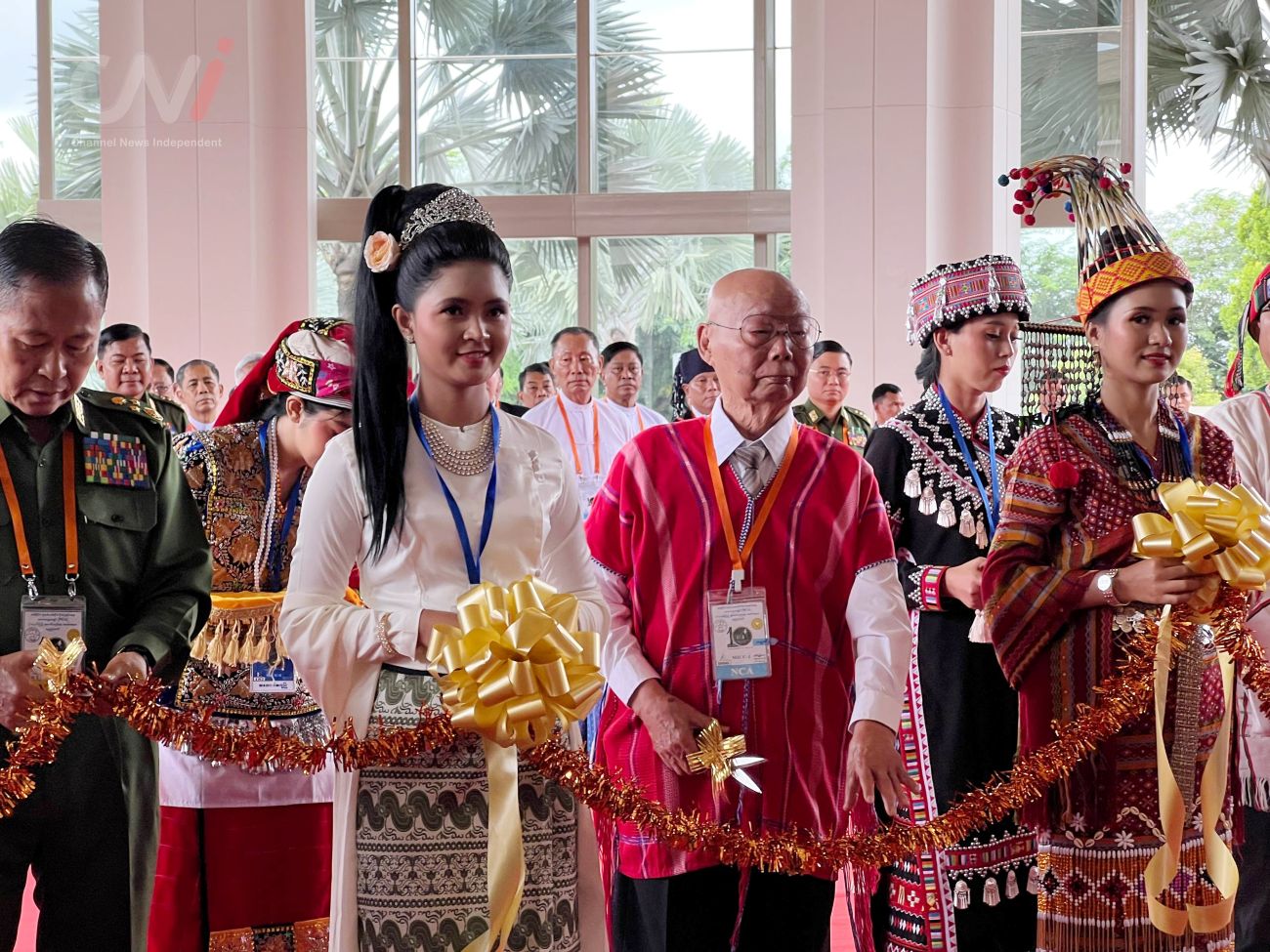
Retired military leaders seen with ethnic nationals.
"Right now, we are still looking for a way, so we are just trying to find out which path we should or shouldn't take to the best of our ability. As the 7 EAO Alliance, we have thoughts and points regarding the peace process. The main thing is that we are currently just at the stage of exchanging viewpoints on how to restart this stalled peace process. We proposed that this new government needs to have firm and precise policies regarding the peace process, as well as the necessary mechanisms for it. To reduce armed clashes, which are the opposite of the peace process, we proposed that all relevant organizations declare a ceasefire without any preconditions. Furthermore, we urge all relevant parties to find a solution to political problems through political dialogue, and all stakeholder groups need to prioritize trust-building measures."
Military and political analysts point out that the currently formed government and parliament need to make strenuous efforts toward the peace process, while also taking a comprehensive view of all sectors to develop politics, economy, and education.
Similarly, they stated that the government and the Myanmar Military should approach the peace process from a policy of integration, eliminate discrimination, and implement the peace process with broad-mindedness.