
CNI News
25 June 2026
Military and political analysts point out that ending armed conflict and achieving peace and stability in Myanmar could be difficult if there is no equality among ethnic nationalities. Achieving equal rights and full self-determination for all ethnic groups in Myanmar is a crucial factor for national stability and peace.
Ethnic leaders and political analysts highlight that inequality and human rights violations are the root causes of conflicts across various states and regions.
Sai Htay Aung, Chairman of the Tai-Lai (Shanni) Nationalities Development Party, told CNI News that a federal system is vital to achieving equality for all ethnic nationalities, and that the Union government needs to implement democracy and federalism in accordance with the law.
"According to the principles agreed upon at the 21st Century Panglong Conference, the country is slated to transition toward a democratic and federal system. The 43-point agreement negotiated between EAOs (Ethnic Armed Organizations) and political parties cannot simply be submitted directly to parliament. We must convene a conference, and the decisions made at that conference must then be submitted to parliament; this has already been laid out following the NCA (Nationwide Ceasefire Agreement) roadmap. Therefore, if this country is to move toward democracy and federalism, power must be devolved to ethnic nationalities in line with federal practices. This requires negotiation and discussion on which sectors the Union will handle, and which sectors will be handed over to ethnic groups to develop their own regions and secure their own domains based on the rights they desire. A federal system is essentially the key to ensuring equality for all ethnic groups. If a federal system can be implemented stably, all ethnic nationalities will be satisfied. I would like to say that the Union government needs to legally implement the democratic and federal system that all ethnic nationalities long for," he said.
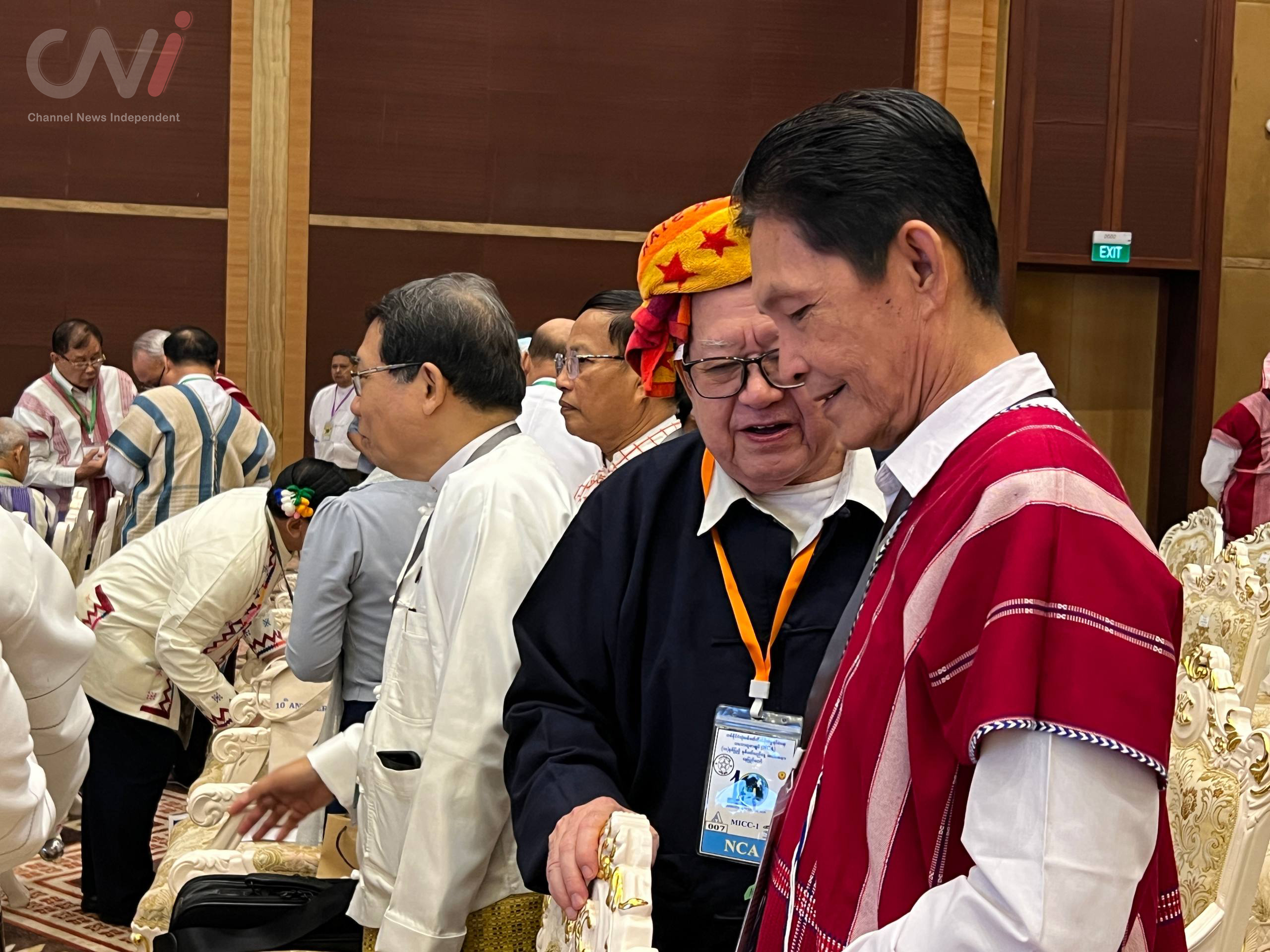
Former ethnic armed leaders and retired military leaders
Military and political analysts point out that Myanmar’s civil war originated from ethnic demands for equality, self-determination, and federal democracy. Therefore, fulfilling the rights and political aspirations that ethnic nationalities yearn for is the primary key to peace.
Sai Htay Aung told CNI News that the current civil war in Myanmar began with ethnic issues, and that if the Union fairly grants what ethnic groups desire, the internal armed conflict could be extinguished.
"The government side needs to be patient. Among the demands made by ethnic groups, there are certain points where the government must take bold risks and concede. The civil war in Myanmar started with ethnic issues. Because of this, if the Union looks at what ethnic groups want and concedes what it can—rather than tightly gripping onto rigid policies—I believe the flames of civil war can be put out," he said.
Political analyst U Htet Aung Kyaw told CNI News that ethnic groups in the country currently harbor a sentiment that the Bamar (Burman) majority is suppressing them.
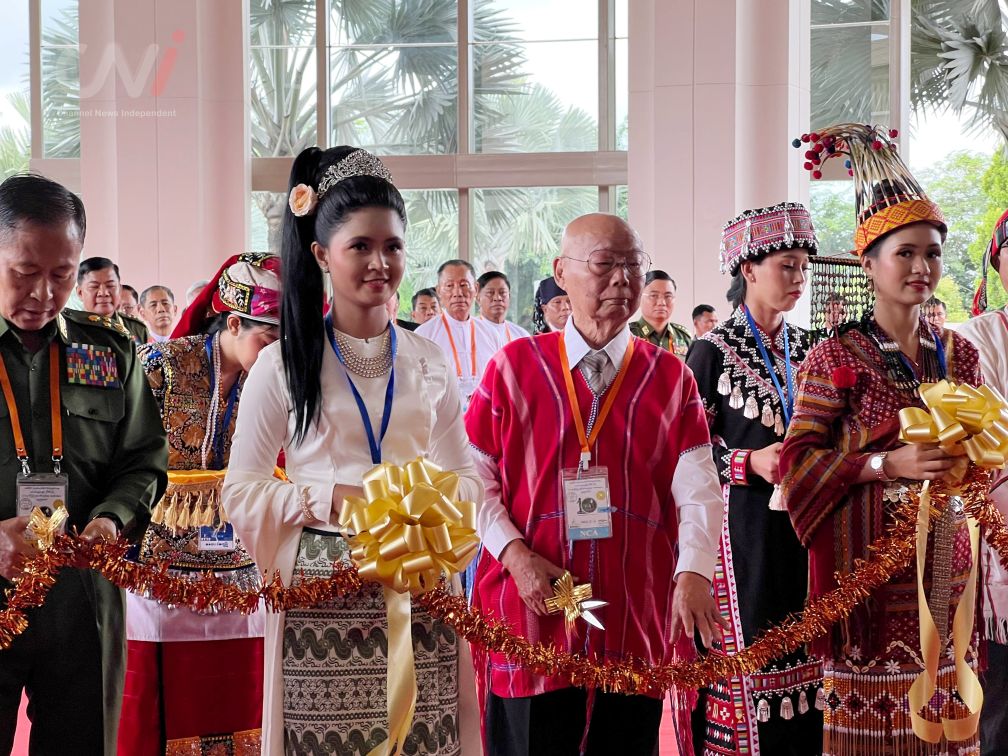
Ethnic armed groups and political parties
"If we look back at how this issue came about, ethnic groups have been talking about equal rights and such throughout successive eras. It is not that the ruling governments and the civil servants running the state machinery intentionally suppressed ethnic groups; rather, it stems from corruption. For instance, in departments like Immigration, civil servants engage in corruption regardless of whether someone is Bamar or an ethnic minority.However, ethnic minorities feel this deeply in their hearts. Since the majority of civil servants are Bamar, it creates a perception that the Bamar are oppressing them. In reality, everyone suffers under the same systemic issues. But since the country lacks development, the cultivation of a shared national identity remains somewhat weak. The government should look at examples like China or Singapore. If we can properly establish a good governance and administrative system, things will smooth out," he said.
Currently in Myanmar, the ruling party and the Myanmar military desire to build a Democratic Federal Union, whereas non-Bamar ethnic armed organizations and political parties want to build a Federal Democratic Union.
Depending on the nuance between these terms, the exact system under which the country will be built remains uncertain, leaving the future of ethnic equality equally ambiguous.
Military and political analysts emphasize that regardless of which union system is constructed, sustainable peace can only be achieved when all ethnic nationalities receive political representation and equal rights. Without ethnic unity, building a stable nation will remain impossible.