
CNI News
24 June 2026
Domestic and international political circles are closely monitoring whether new self-administered zones for ethnic groups could emerge in Myanmar under the new government led by President U Min Aung Hlaing.
Back in 1958, ethnic minorities legally possessed a high political status within the Union, which included rights to autonomy and secession. Following that, under the 2008 Constitution, Myanmar designated a total of six areas: one Self-Administered Division and five Self-Administered Zones.
Among them, the Wa ethnic group obtained the status of a Self-Administered Division, while the Naga, Pa-O, Danu, Palaung, and Kokang ethnic groups were granted status as Self-Administered Zones. However, because these exist merely as self-administered zones in name without full self-determination and genuine autonomy, ethnic groups have been demanding the right to establish truly independent self-administered zones.
Political observers point out that the emergence of new self-administered zones largely depends on how much the Constitution can be amended through coordination between the government and parliament, as well as the efforts of the National Solidarity and Peacemaking Negotiation Committee (NSPNC).
Given the current landscape, there could be three to four states where new self-administered zones might emerge, and constitutional amendment issues related to these matters are more likely to shift past 2027, political analyst Dr. M Kawn La told CNI News.
ethnic youths
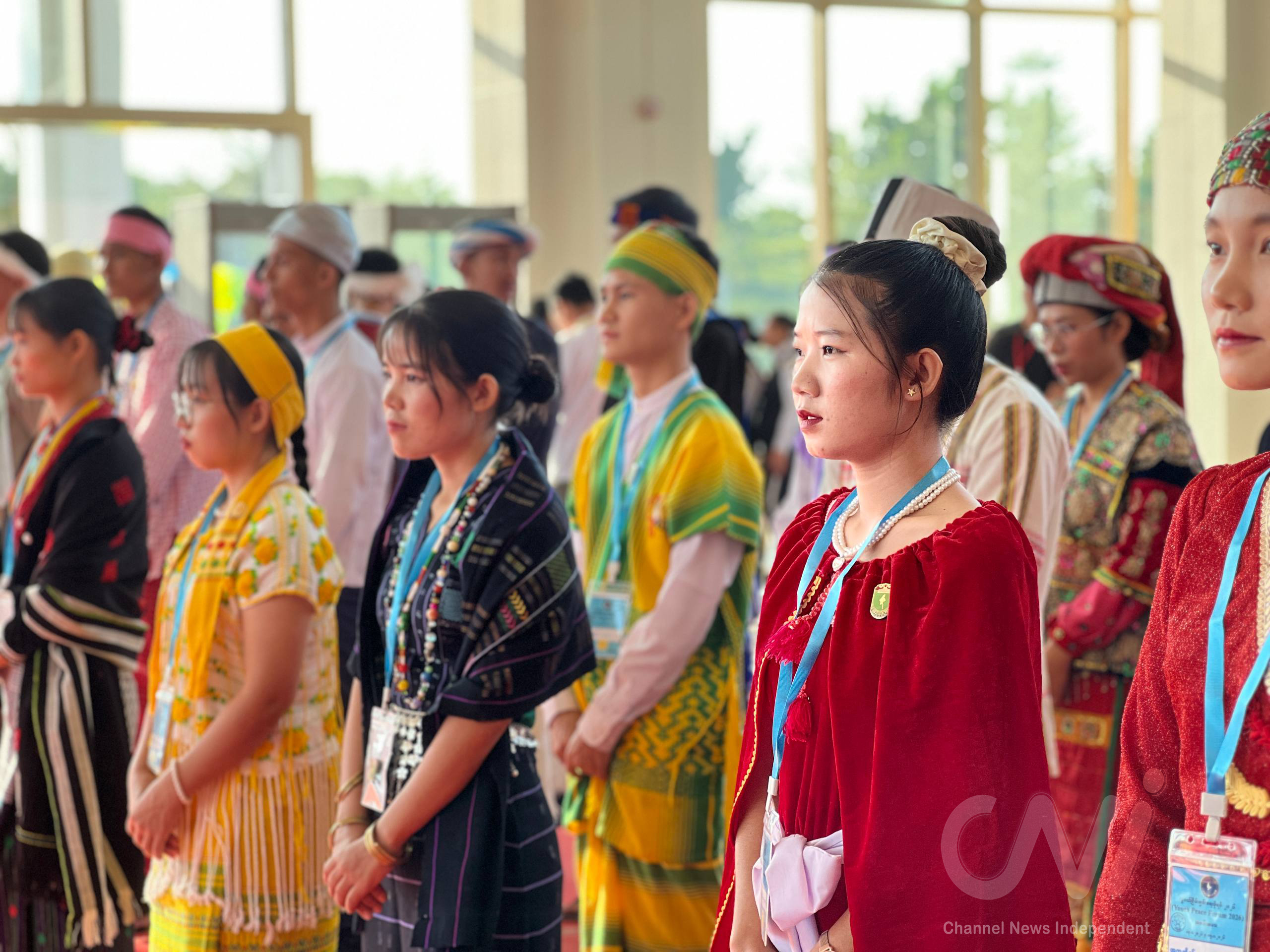
"Right now, the Shanni are showing a bit of movement, making it a strong possibility. There could be others too. For instance, groups like the Lahu—they have an EAO (Ethnic Armed Organization) and have signed the NCA (Nationwide Ceasefire Agreement). So, a Lahu zone could emerge. Additionally, in Kachin State, the Lisu have a People's Militia Force (PMF), and the Rawang also have political demands. Therefore, there are currently about three or four areas with a history of political conflict where either Special Regions or Self-Administered Zones could emerge. The question is how well these three or four groups can negotiate politically and how far the Constitution can be amended. Will it involve amending Schedule 3 of the Constitution, or adding more Self-Administered Divisions? Currently, it is unknown whether these matters are included in the 43-point agreement discussed between the NSPNC and political parties. There are rumors that those 43 points will be submitted and debated in parliament. However, within this five-year government term, I think this issue will move forward only after 2027," he said.
Furthermore, Dr. M Kawn La added that he does not believe new self-administered zones will be added within the current five-year term of the government.
"The SNA (Shanni Nationalities Army) has met with the NSPNC, and some Shanni individuals have voiced their opinions. They have their own political aspirations. However, according to the Constitution, an ethnic group must make up at least 51% of the population. The region must not cross boundaries between different states and regions. Furthermore, sub-regions are not allowed to make additional demands within an existing mother state. There are restrictions like these. Another factor is the required demographic threshold. If they meet these criteria, and if parliament deems it appropriate to grant, and if the NSPNC also agrees, then constitutional amendments could happen. So, could they increase? Yes, they could. If the Constitution can be amended, they will increase; if not, they won't. I don't think they will increase within these five years. The target cannot be shifted to this matter just yet. I think Union-level matters will be discussed first. Once political stability is achieved in the next five-year term, I foresee this issue being addressed," he said.
ethnic youths
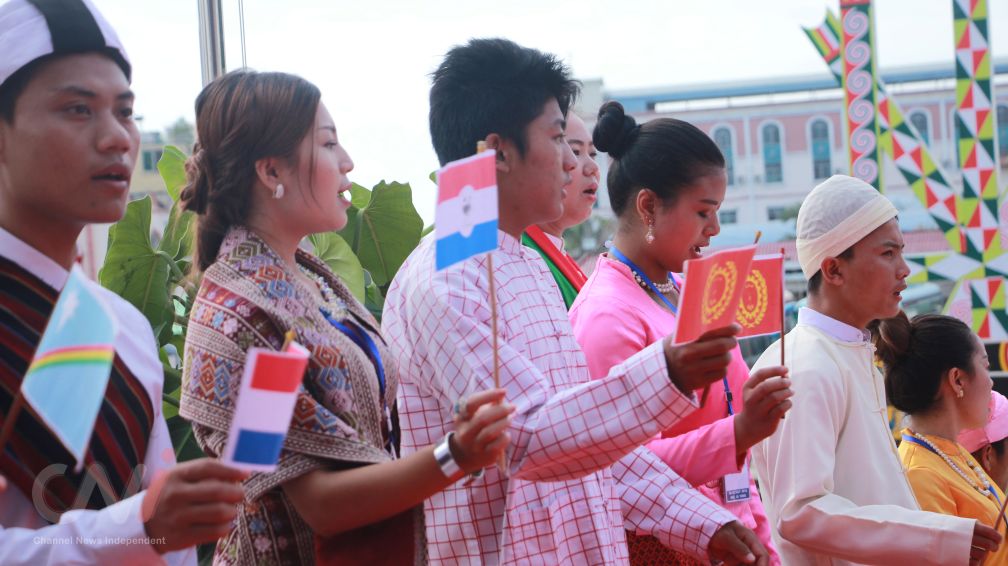
Currently, ethnic groups such as the Shanni, Lahu, Lisu, and Akha are making demands through dialogue and meetings to be designated as self-administered zones or states.
Political analyst Dr. Aung Myo told CNI News that there is a particular prospect for a Shanni Self-Administered Zone to emerge in Kachin State.
"Self-administered zones could emerge, especially in Kachin State. It was already agreed in the 1947 Constitution that the KIA (Kachin Independence Army) must absolutely not have the right to secede. That's why areas where Kachins are not the majority—such as the Bhamo region, the Ayeyarwady river basin, and along the railway lines—were included for them back then. Population-wise, the Shan and Bamar outnumber them. Since the KIA became greedy and started talking about a 'Wunpawng State' and so forth, mainstream politicians have developed a strong dislike for them. Furthermore, all the troubles started with the KIA. Therefore, regarding Kachin State, everyone supports the creation of a Shanni Self-Administered Zone. A Lisu Self-Administered Zone is also highly possible. For these reasons, such models are more likely to emerge on the Kachin State side," he said.
Current Self-Administered Areas in Myanmar: Kokang: Comprises Konkyan and Laukkai townships in Shan State.
Palaung: Comprises Namhsan and Mantong townships in Shan State.
Danu: Comprises Ywangan and Pindaya townships in Shan State.
Pa-O: Comprises Hopong, Hsiseng, and Pinlaung townships in Shan State.
Naga: Comprises Lahe, Leshi, and Nanyun townships in Sagaing Region.
Meanwhile, the Wa ethnic group has obtained the status of a Self-Administered Division by combining Hopang, Mongmau, Panwai, Nahfan, Metman, and Pangsang (Pangkham) townships in Shan State.