
CNI News
June 11, 2026
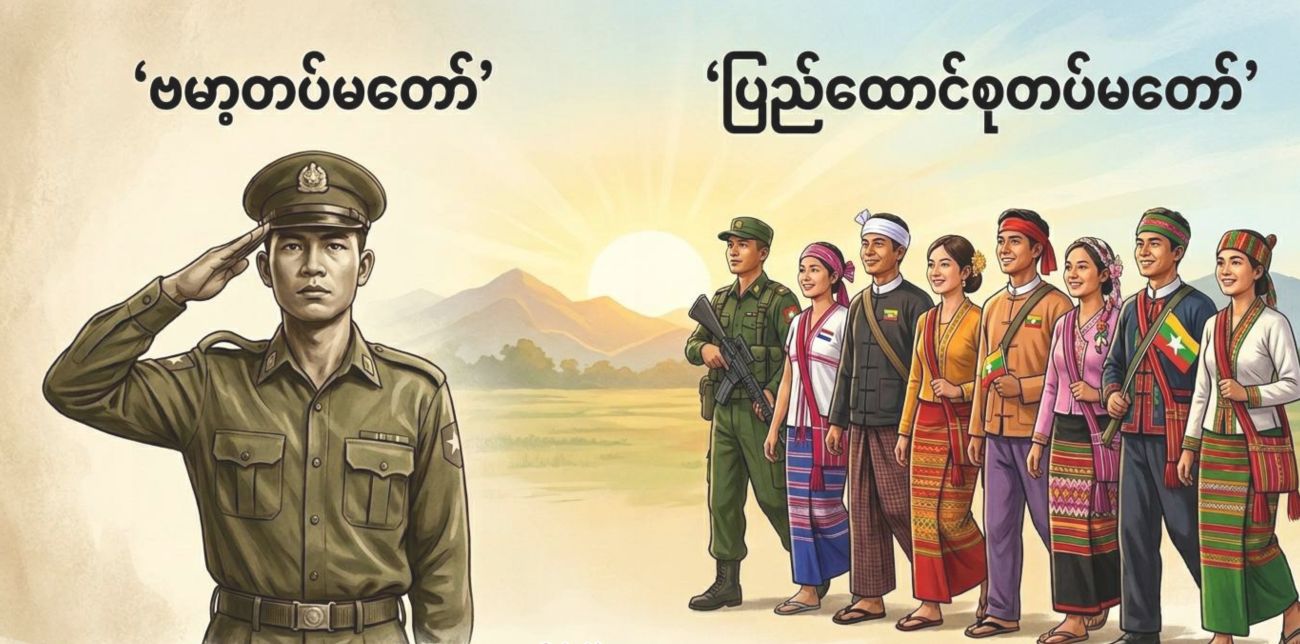
Military and political analysts are currently offering insights into what changes need to be made so that the Myanmar military(Tatmadaw) is viewed as a "Union Army," given that ethnic nationalities currently view it as a "Bamar (Burman) Army" rather than a Union Army.
U Khun Sai, a participant in the peace process, told CNI News Agency that if the military wishes to shift this perspective to that of a Union Army, it needs to give greater priority to ethnic nationalities and implement a system that determines the proportional representation of respective ethnic groups within the military.
"For us to achieve this, we need to work in two stages," U Khun Sai said. "The first stage is to assign duties based on capability and qualification without discrimination based on race, and to assign responsibilities based on loyalty to the state. If possible, there is a need to give more emphasis to ethnic nationalities. For example, regarding a specific rank or duty, if a candidate is Bamar, they must have a university degree, but if they are a non-Bamar ethnic nationality, passing the 10th grade could be acceptable. This kind of system needs to be in place."
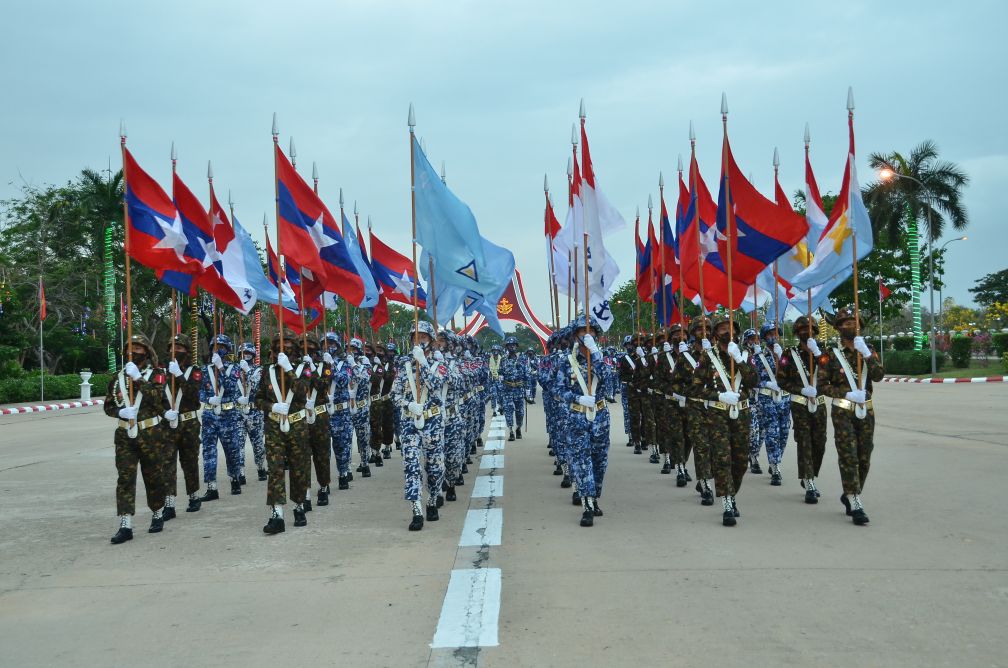
A scene showing the Myanmar military(Tatmadaw).
He added, "Secondly, people keep saying that the military is a Union Army. A Union Army means an army formed by gathering different member states of the union. For these member states, a definitive system must be established detailing how many personnel from Kachin State must serve, how many from Shan State, and how many from Karenni State. To achieve this, we need to meet, negotiate, and reach an agreement. If we can do these things, our military can truly become a great Union Army instead of being a Bamar Army."
Currently, ethnic armed organizations as well as military and political analysts perceive the Myanmar military as being dominated by a single ethnic group. Therefore, they point out that transforming it to achieve the perspective of a Union Army is the most fundamental and difficult challenge for long-term political stability in Myanmar.
Military and political analysts also analyze that the first step should be ensuring that the military is not an organization meant to lead the state, but must instead operate solely under the command of a civilian government democratically elected by the people.
Furthermore, a political analyst told CNI News Agency that military reforms must be undertaken to ensure that the military's duty is not to fight domestic ethnic nationalities as enemies, but to protect the state's borders and the constitution from external threats.
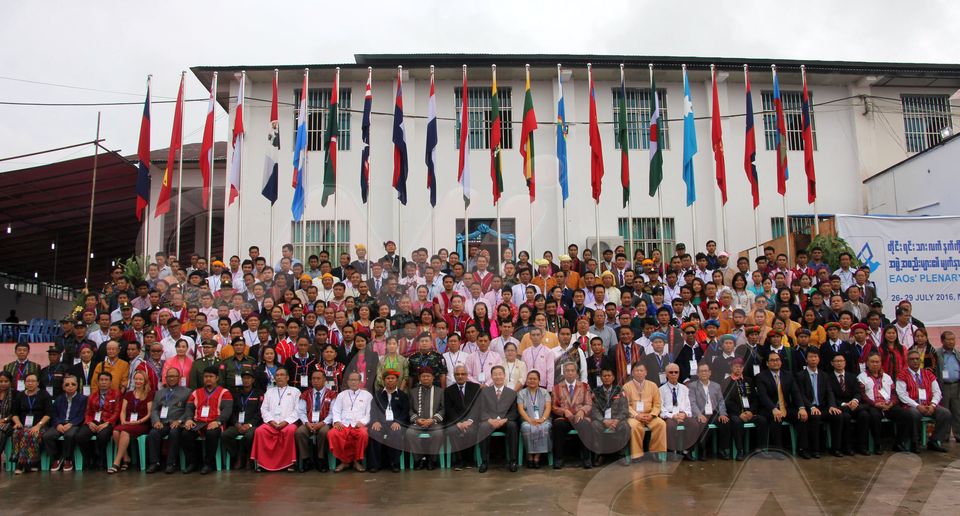
Leaders of EAOs
"The military must be a Union Army that protects the country. What is happening now is that it has become a Bamar Army," the analyst said. "Inside the military, if you are an ethnic nationality, your rank doesn't really advance. If your wife happens to be Christian or Muslim, that person's rank stops advancing. What I mean to say is that this military must be an army that protects the country, with participation from all diverse ethnic groups. In the past monarchy era, ancient Myanmar kings only demanded that Shan Saophas (chiefs) pay annual tributes and remain loyal to them. If foreign invasions came from the borders, the king would send the military to protect them. Meaning, the duty of the military is solely to defend against external aggression."
For nearly 80 years, ethnic nationalities have viewed the military not as their protector, but as an army that oppresses and invades them under the ideology of Burman chauvinism (Burmanization).
Military and political analysts point out that if the military continues to exist as a Bamar Army, the respective Ethnic Armed Organizations (EAOs) will never disarm, in order to defend themselves.