

CNI News
May 26, 2026
U Maw Late, a Sagaing Region Hluttaw (Regional Parliament) representative from the Naga National Party (NNP), told CNI News that it is essential to implement permanent terraced farming to ensure rice self-sufficiency in the Naga Self-Administered Zone of Sagaing Region.
He stated that because the Naga Self-Administered Zone currently relies primarily on shifting cultivation (slash-and-burn agriculture), rice self-sufficiency is virtually non-existent. Furthermore, due to transport and communication hardships, rice supplies often fail to reach the region.
"Since most people here practice shifting cultivation, rice self-sufficiency in our region is almost close to zero," said Sagaing Region Hluttaw MP U Maw Late. "Right now, due to difficult transportation and road access, rice cannot reach the Naga region. Consequently, there is a bit of a rice scarcity in the area. That is why if we have terraced farming in our region, we will achieve rice self-sufficiency, and shifting cultivation will decrease. If permanent terraced farms can be developed, the region will have enough food. By establishing these terraced farms, we won't need to transport rice all the way from the lower parts of the country. Seasonal crops could also be grown like that. In such a scenario, some areas will achieve rice self-sufficiency, and moreover, we might even reach a stage where we can export to other regions."
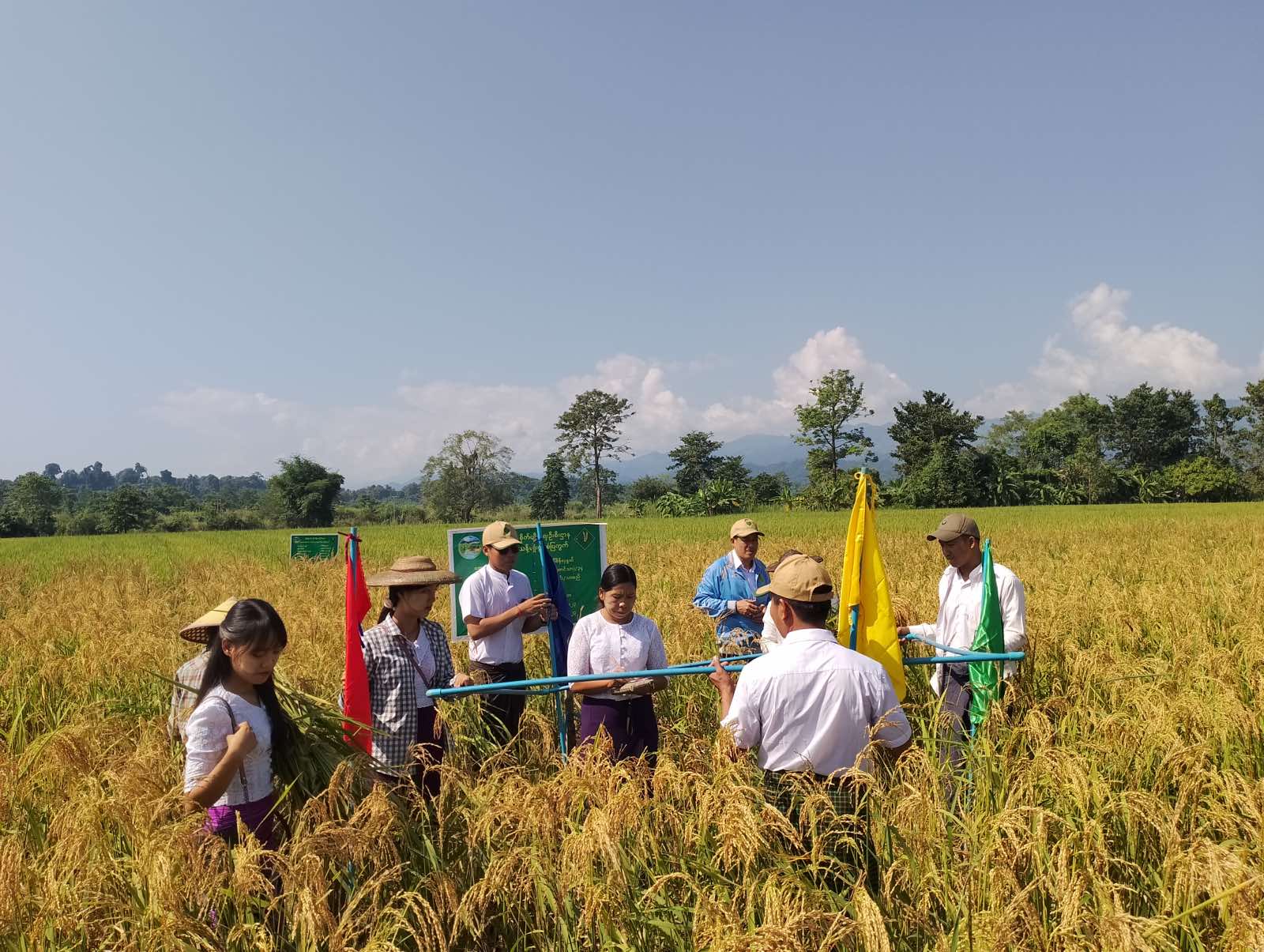
Agricultural activities in the Naga region seen
Naga community leaders have pointed out that due to topography and climatic conditions in the Naga mountain region of Sagaing Region (Leshi, Lahe, and Nanyun), paddy cultivation is weak, causing frequent rice shortages and price hikes for rice, which is the staple food.
To replace the shifting cultivation system that harms the environment, modern hillside farming techniques aimed at long-term sustainability and increasing agricultural yields are currently being implemented in the Naga region.
However, U Maw Late told CNI News that because there is currently no commercial market output for agricultural products in the Naga region, local communities lack the motivation to put effort into farming.
"In terms of agriculture, most people on this side engage in shifting cultivation. However, there are plans in place to develop terraced farms. There are already some individuals currently practicing terraced farming, and projects are underway to establish more of them. For the most part, though, shifting cultivation remains dominant. Currently, there is a plan to transition from shifting cultivation to terraced farming in the Naga region. Fruits and vegetables are grown in flatter areas, but since there is no commercial market for the products, the public doesn't put much effort into it," he explained.
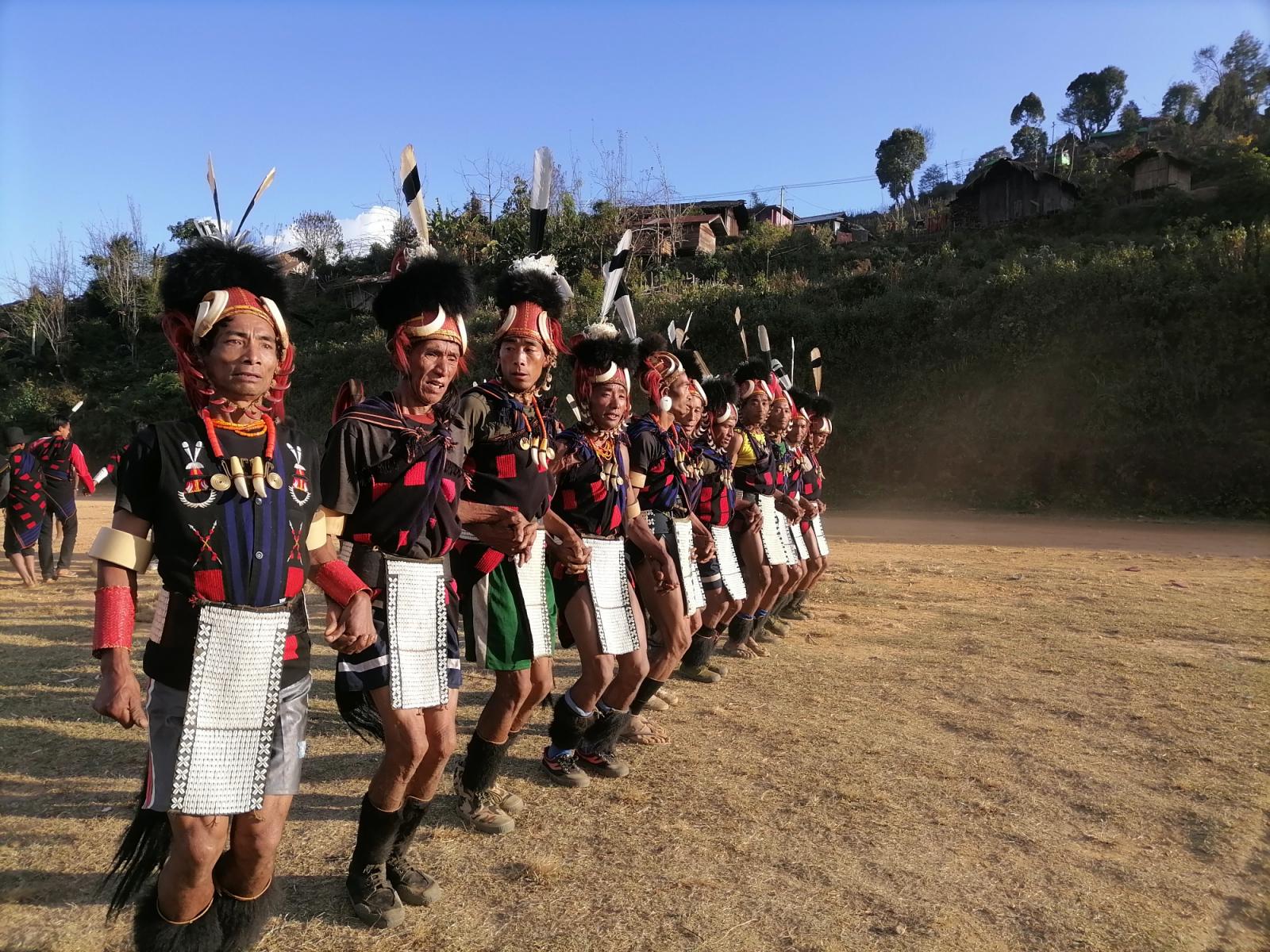
Naga ethnic people seen
It is learnt that the development of upland agriculture and terraced farms in the mountainous Naga Self-Administered Zone (Lahe, Leshi, and Nanyun) aims to prevent soil erosion and ensure food security.
Due to the lack of flat arable land and weather conditions, the region cannot cultivate enough rice and has to rely primarily on upland farming. Furthermore, due to cross-border trade restrictions, pest infestations, and natural disasters, the rice yield still falls far short of local self-sufficiency requirements.
Although exact data is unavailable because most households in the Naga Self-Administered Zone (Lahe, Leshi, and Nanyun) rely on shifting cultivation as their primary livelihood, it is estimated that the average annual shifting cultivation area ranges between 30,000 and 50,000 acres.
On February 16, 2026, while serving as the Chairman of the State Security and Peace Commission, the current President U Min Aung Hlaing stated that necessary measures would be undertaken for the development of the Naga Self-Administered Zone in Sagaing Region, which remains heavily underdeveloped in Myanmar.