
CNI News
May 26, 2026
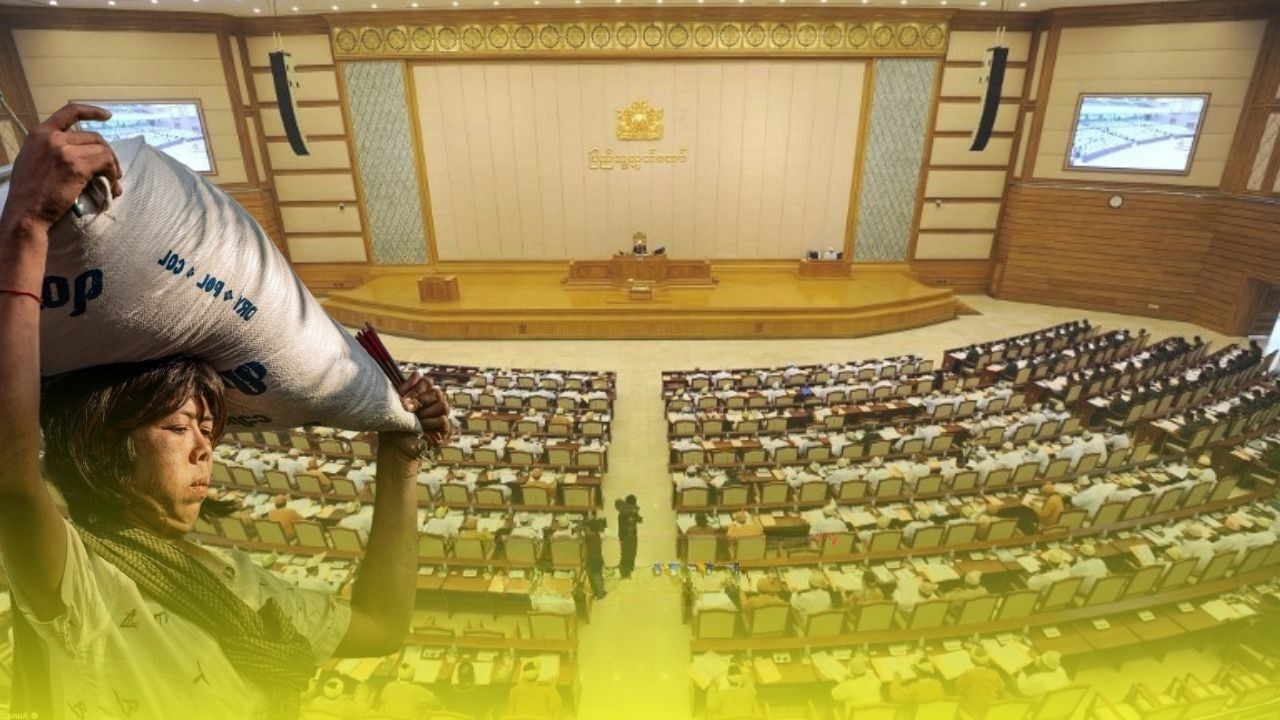
Political analysts and the public are questioning how the Parliament(Hluttaw) will manage and control the skyrocketing commodity prices that the people of Myanmar are currently experiencing.
While the prices of basic foodstuffs continue to rise gradually, the income of the general public has not increased, leaving citizens facing numerous challenges in making ends meet.
Speaking to CNI News, Sai Kaung Thet San, a Pyithu Hluttaw (House of Representatives) MP from the Shan and Nationalities Democratic Party (SNDP), stated that stabilizing commodity prices must be the primary consideration when working to lower them.
Furthermore, he emphasized that efforts must also be made to raise the income of the public.
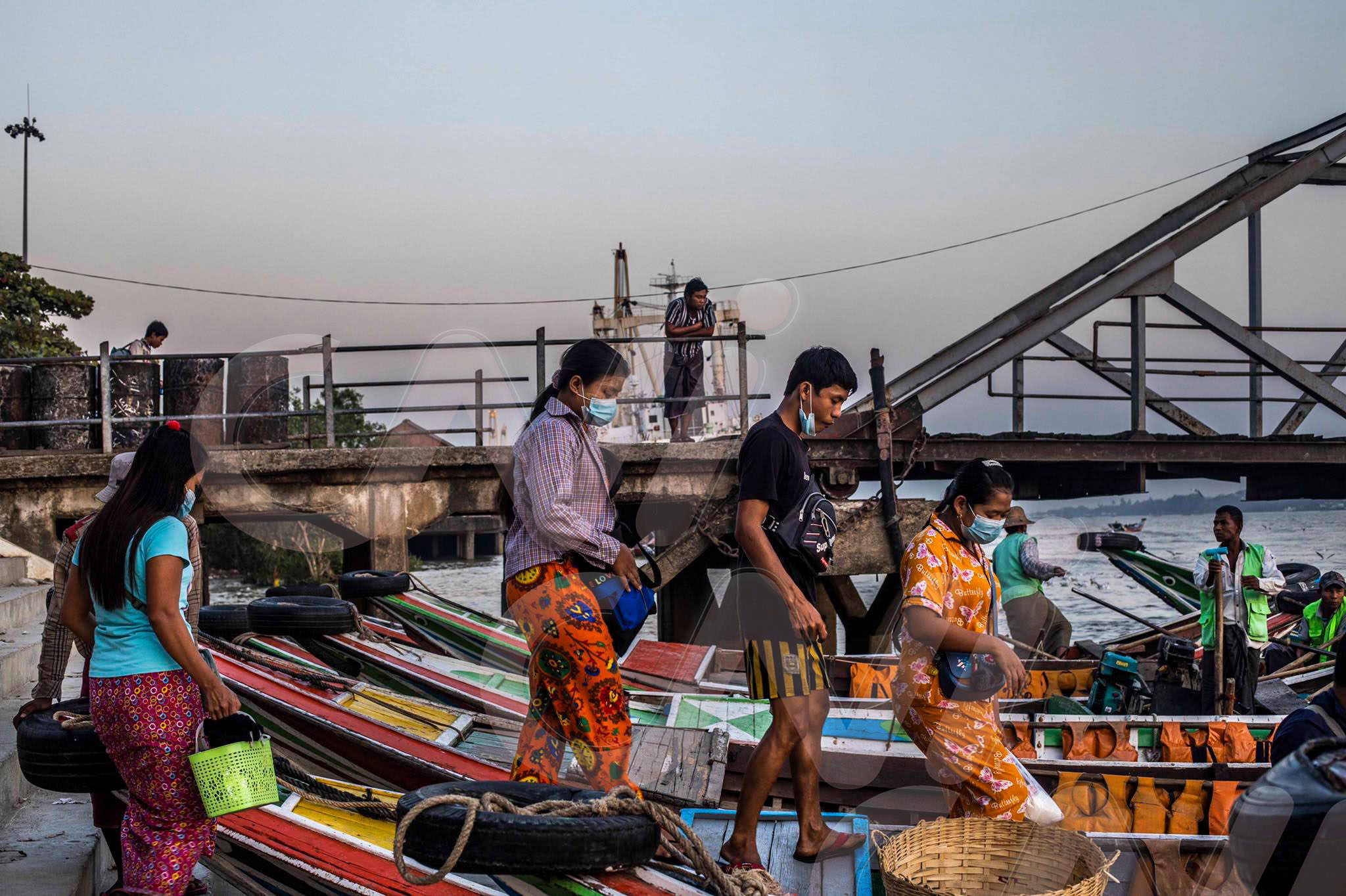
Working-class citizens
"First and foremost, we must work to stabilize the prices of essential goods," said Pyithu Hluttaw MP Sai Kaung Thet San. "While doing so, the second key factor is that public income needs to rise. Even if the prices of essential goods are stable, if people's income does not increase, they will still face hardships in their daily livelihoods. Therefore, in Parliament, we plan to submit and enact laws that regulate commodity prices, initiatives that protect domestic entrepreneurs, and motions and laws that support MSMEs (Micro, Small, and Medium Enterprises). From the parliamentary side, we enact laws that benefit the public. On the other hand, to control the flow of illegal goods, the executive branch needs to take effective action without discrimination. If illegal goods continue to thrive without the state receiving taxes, it could lead to a situation that destabilizes domestic entrepreneurs. On this matter, administrative bodies and legislative parliamentary groups are constantly in discussion. If necessary, we will effectively enact new laws or amend and supplement existing ones. By doing so, I believe we can significantly alleviate the livelihood hardships and the issue of high essential commodity prices that the public is currently facing."
Business owners have pointed out that if the issue of labor shortages in Myanmar cannot be resolved, commodity prices will continue to rise, adding that commodity prices can only be controlled if domestic production is strong.
Additionally, they analyzed that the three fundamental reasons for the rise in commodity prices are increased demand, decreased supply, and inflation.
U Kyaw Min Htet, a Yangon Region Hluttaw MP from the People's Pioneer Party (PPP), told CNI News that the worst problem the public is currently facing on the ground is livelihood hardship, and that efforts will be made to further develop domestic businesses.
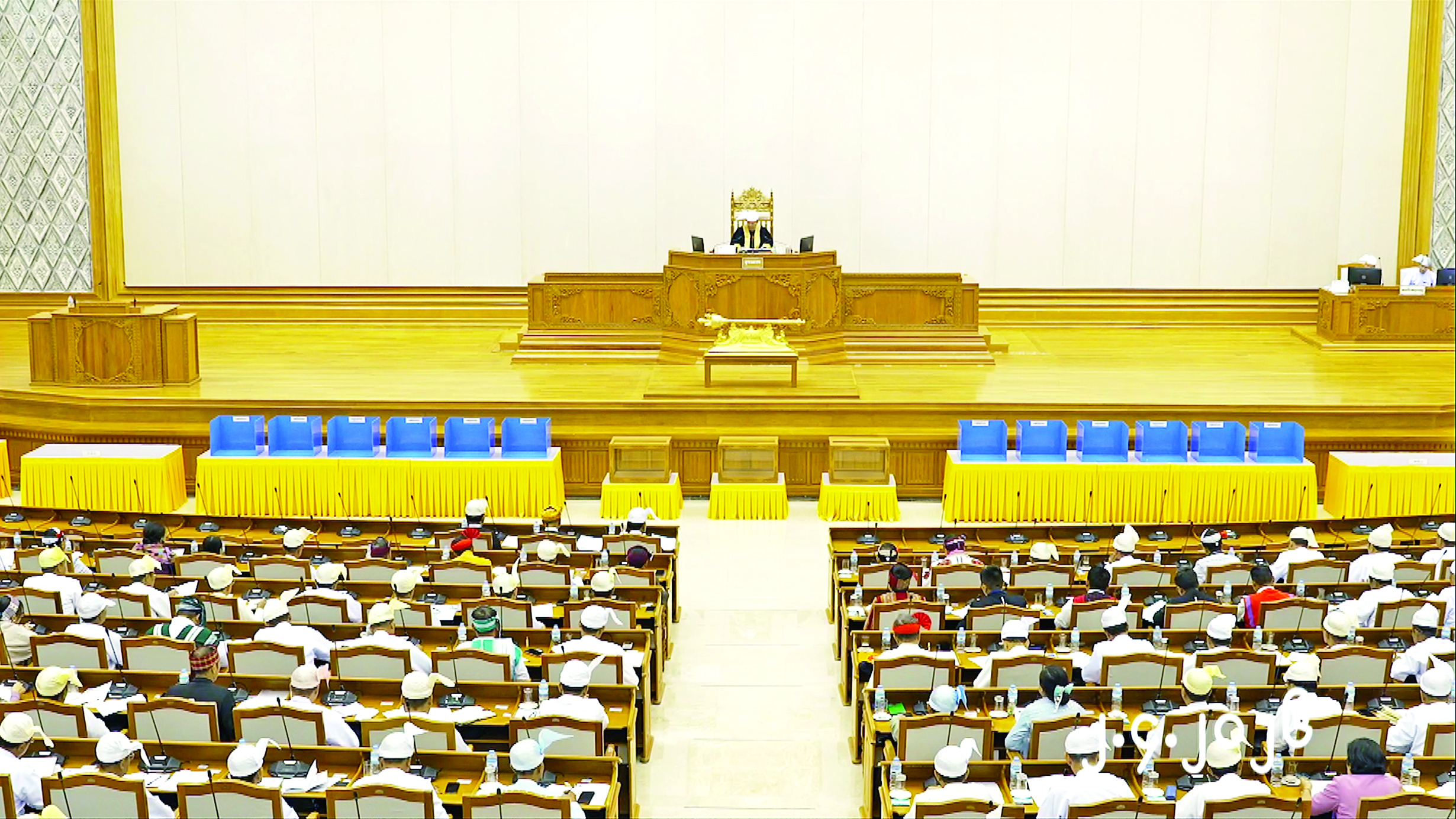
Hluttaw and Hluttaw representatives seen together.
"Right now, the worst problems are human security and livelihood hardships," he said. "Mainly, it's the high commodity prices. To some extent, prices are rising based on the global situation. However, rather than just high commodity prices, it's more accurate to describe it as an imbalance between income and expenditure. It wouldn't be a problem if incomes were good and prices rose, but when incomes don't rise while commodity prices do, it's not just the general public—we hear that civil servants are also facing difficulties. Everyone in Yangon is aware of the situation with MSMEs and SMEs. The media knows this too. For instance, we see that potato chip and jam-making businesses are struggling. We need more developed SMEs and MSMEs to emerge within the Yangon Region. Since I am an MP from Yangon, I can only speak from a Yangon scope. For example, we will need to properly re-implement industrial zones. And as mentioned earlier, we need to make policy amendments to make it easier for SME and MSME businesses to operate. We are currently studying these issues, and when the time and opportunity are right, we will take action on them."
Political analysts pointed out that a new government needs to continuously work on peace processes, while also striving for the country's economic stability.
They analyzed that under the current new government, peace invitations and offers may be extended, and efforts may also be made to revive the economy.
However, everyone highlighted that economic and peace policies must be correct and aligned, and that existing policies need to be reassessed.