
CNI News
May 9, 2026
The transitional government led by President U Min Aung Hlaing has sent invitation letters for peace talks to ethnic armed organizations (EAOs) that signed the Nationwide Ceasefire Agreement (NCA), as well as to individuals who were involved at the time of the signing, according to the 7 EAO Alliance.
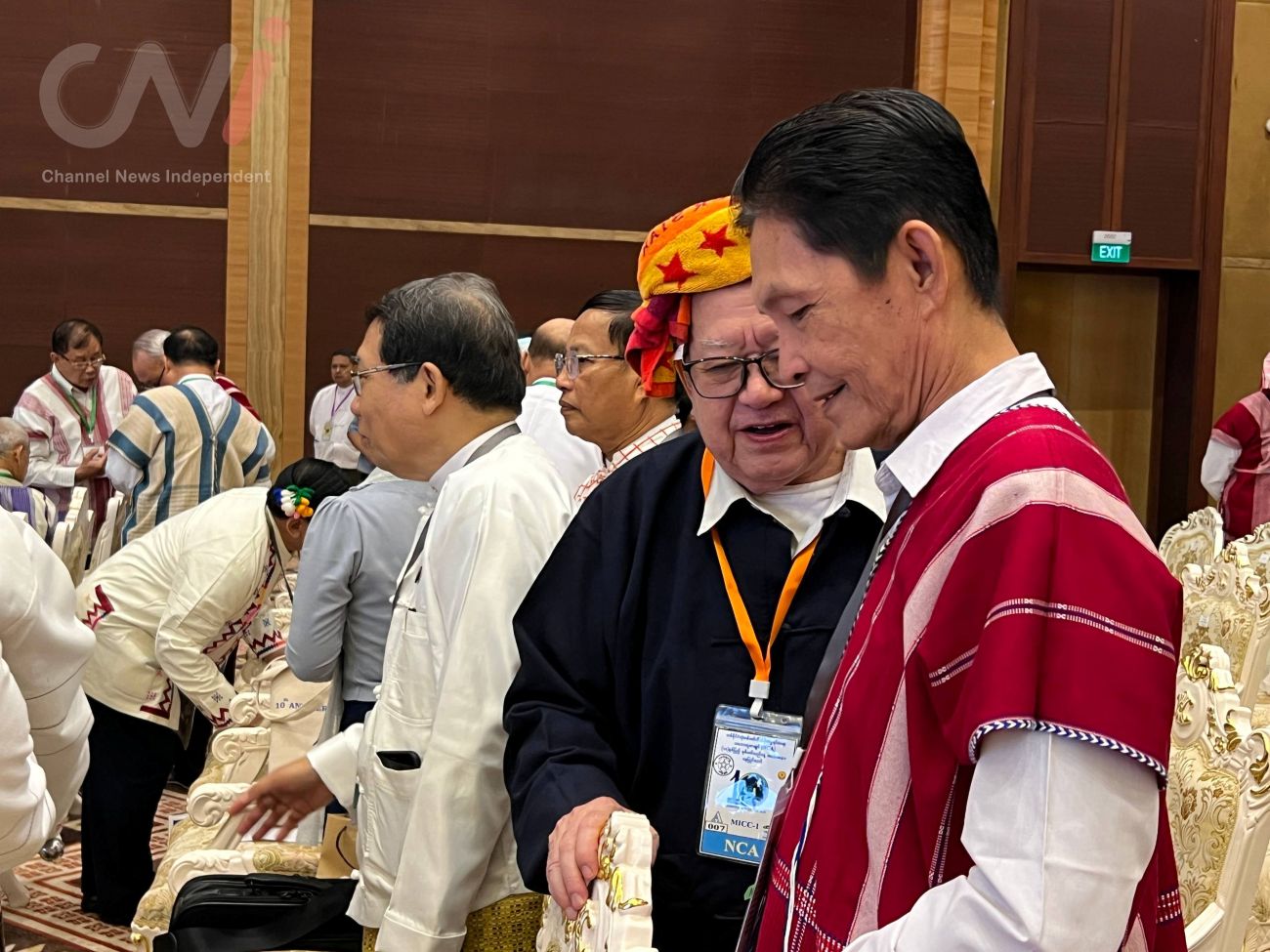
Colonel Khun Okkar, Chairman of the Pa-O National Liberation Organization (PNLO-NCA/S), an NCA signatory, told CNI News that the current invitation appears to be for informal meetings.
He stated, "The government has three committees regarding peace: a Central Committee, a Working Committee, and a Negotiation Committee. The President’s speech included the government's policy regarding these three. Additionally, the Central Committee issued a letter outlining the policy and processes for peace. The invitations were issued by the National Solidarity and Peacemaking Negotiation Committee (NSPNC). There are two types of invitations: one addressed to the organizations that signed the NCA, and another addressed to individuals who participated in the NCA signing. In addition to individual letters, a separate invitation was sent to the leader of the group of seven organizations known as the '7 EAO Alliance'."
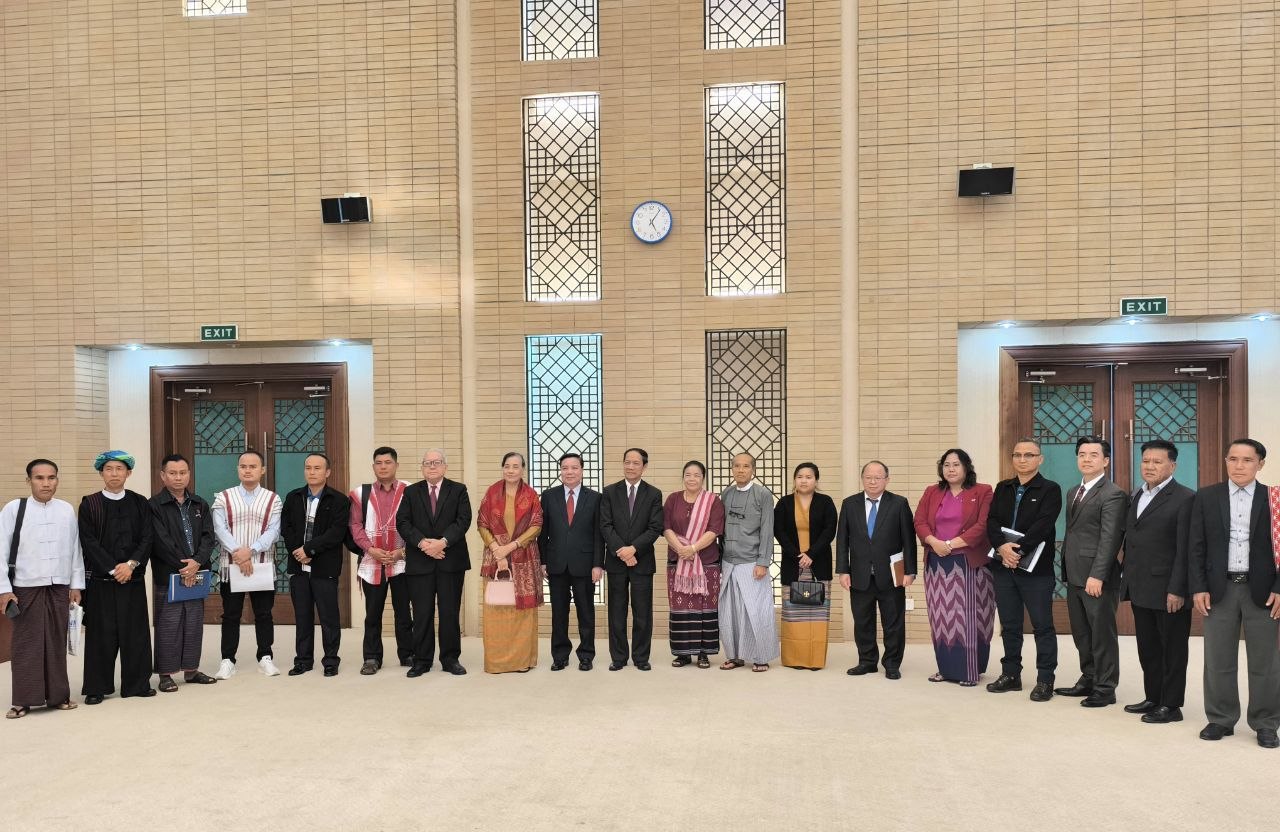
A meeting between NCA signatory groups and an ASEAN representative.
"The specific topics, location, and timing have not been disclosed yet. We will restart with informal talks. Once trust is built and progress is made in the informal stage, we will proceed to lay out the agendas and specific subjects. Therefore, we understand that we will begin informally," he added.
It is reported that the NSPNC has sent invitations to seven out of the ten EAOs that signed the NCA, though details regarding the discussion topics and dates remain unconfirmed.
Under the government led by U Thein Sein in 2011–2012, state-level and union-level ceasefire agreements were signed with 14 EAOs. Negotiations for the NCA began in 2013, with a draft finalized in August 2015.
Subsequently, the KNU, RCSS, ALP, DKBA, KNU/KNLA-PC, PNLO, CNF, and ABSDF signed the agreement on October 15, 2015, followed by the NMSP and LDU on February 13, 2018.
However, internal disagreements arose among members after 2021, leading the KNU, CNF, and ABSDF to withdraw from the NCA process and engage in active combat against the Myanmar military. Consequently, military and political observers are questioning the government's considerations regarding these three groups and how the groups themselves might respond to the invitation.
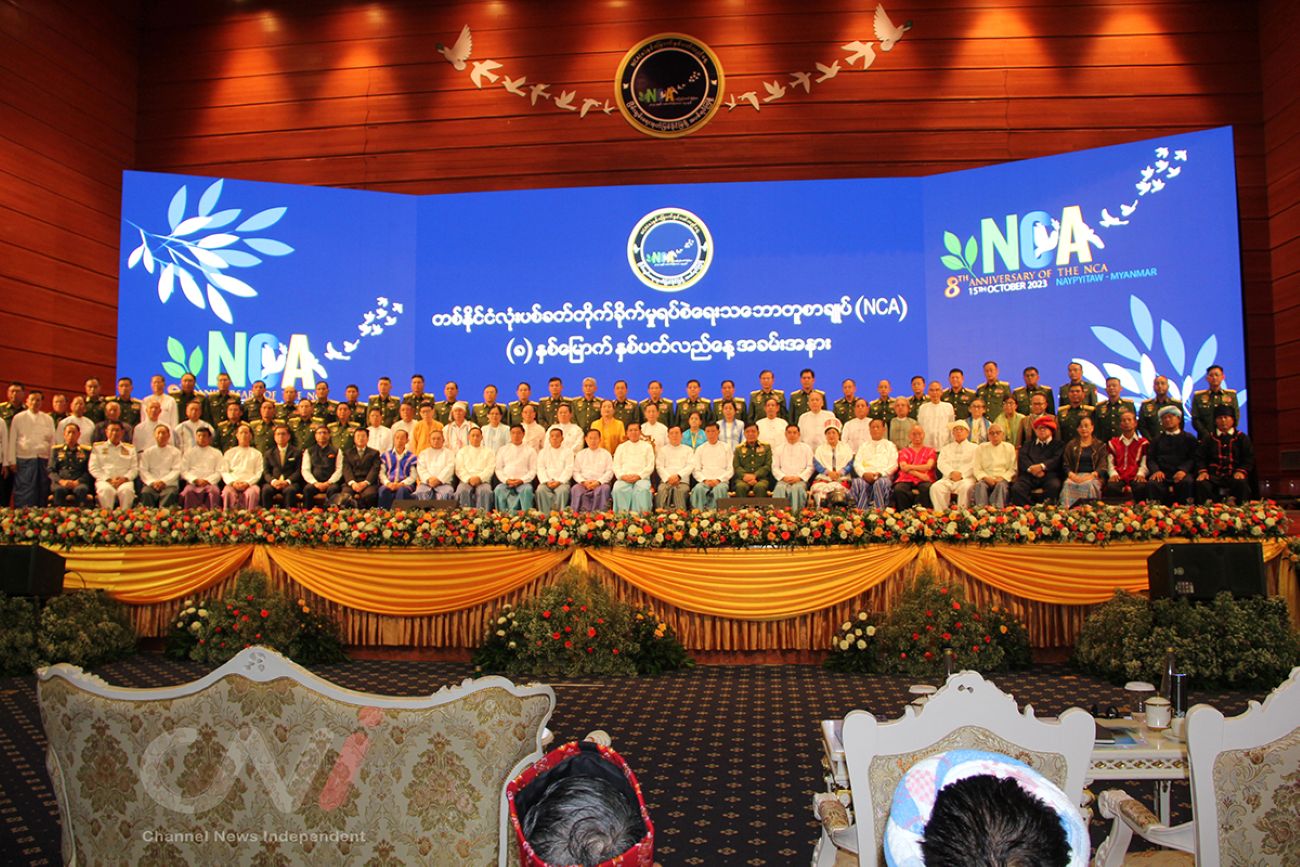
An event held to commemorate the anniversary of the NCA.
Major Saw Kyaw Nyunt, spokesperson for the 7 EAO Alliance, told CNI News that if these invitations lead to meetings, the priority should be finding a way forward amid difficulties to reduce clashes and bring all the stakeholders to the peace table.
He said, "There are different categories even among NCA signatories. There are three groups that, due to the current political landscape, cannot engage in political dialogue. I heard they have also been invited. Then there are the seven groups that have remained in contact and communication over the past five years; we have organized as the 7 EAO Alliance. I understand invitations were sent both to individual groups and to the alliance as a whole."
"If you ask what should be prioritized, in my view, under this situation of armed conflict, we must frankly find a way to talk while reducing the fighting. Whether the person is someone you are compatible with, someone you hate, or someone you like—regardless, we must consider how to move from the routine of war toward face-to-face dialogue amidst various challenges. I believe we should first discuss how to find that path," he said.
Currently, intense fighting continues between the Myanmar military and various armed forces, and the peace process has stalled. The civil war in Myanmar has persisted from the time of independence on January 4, 1948, until the present day.