
CNI News
May 9, 2026
In the current landscape of Myanmar, a decisive military victory for any single side is no longer possible. Therefore, if both sides negotiate and implement a federal system within a defined timeframe, peace can be achieved quickly, said Dr. Kyaw Swe, a Pyithu Hluttaw representative from the National Unity Party (NUP), in an interview with CNI News.
He stated, "To put it simply, in this current period of warfare, a total victory by one side will never happen again. The government will not be able to completely defeat any armed organization. In this situation, if both sides negotiate—specifically, how much percentage of the federal data and demands the government can concede—peace can be achieved. For example, if you ask for 100%, the government starts by giving 10%. The other side accepts that 10% to start, then demands 20%, then works to get 30%. If we establish a time duration or frame to reach 50% or 100% eventually, Myanmar will find peace quickly. That is what I believe."
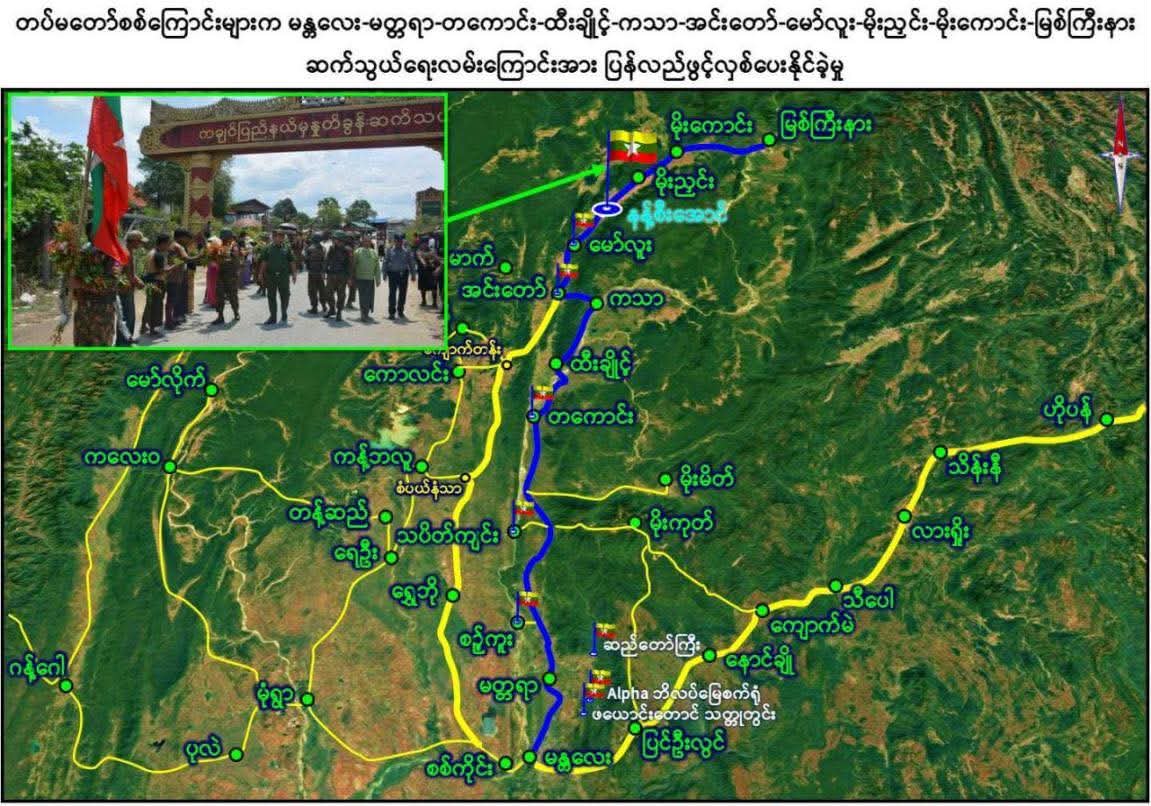
The Myanmar Tatmadaw regaining control of towns on the border of Sagaing Region and Kachin State.
According to the landscape of the past five years in Myanmar, Ethnic Armed Organizations (EAOs) and revolutionary forces have grown stronger and have seized extensive territories. Military and political analysts point out that EAOs have actively led and fought in these military operations.
Analysts further assess that both the military and the armed groups are currently heading toward a military stalemate, where it is difficult for either side to achieve a final, decisive blow.
While armed groups have been able to capture territories, the military maintains control over major cities through defensive positions and is fighting to reclaim lost areas.
A political analyst told CNI News that if ethnic groups achieve liberation for their respective regions and peoples, they are satisfied; understanding this dynamic allows one to predict the political outlook.
He explained, "On a nationwide scale, the organizations that have the mindset of completely toppling the military to take power across the whole country are typically large Bamar-majority political organizations—for example, groups like the Communist Party of Burma (CPB), U Nu’s government-in-exile, or the current NUG. These large groups have the vision of defeating the military nationwide to seize power and establish a democratic Myanmar."
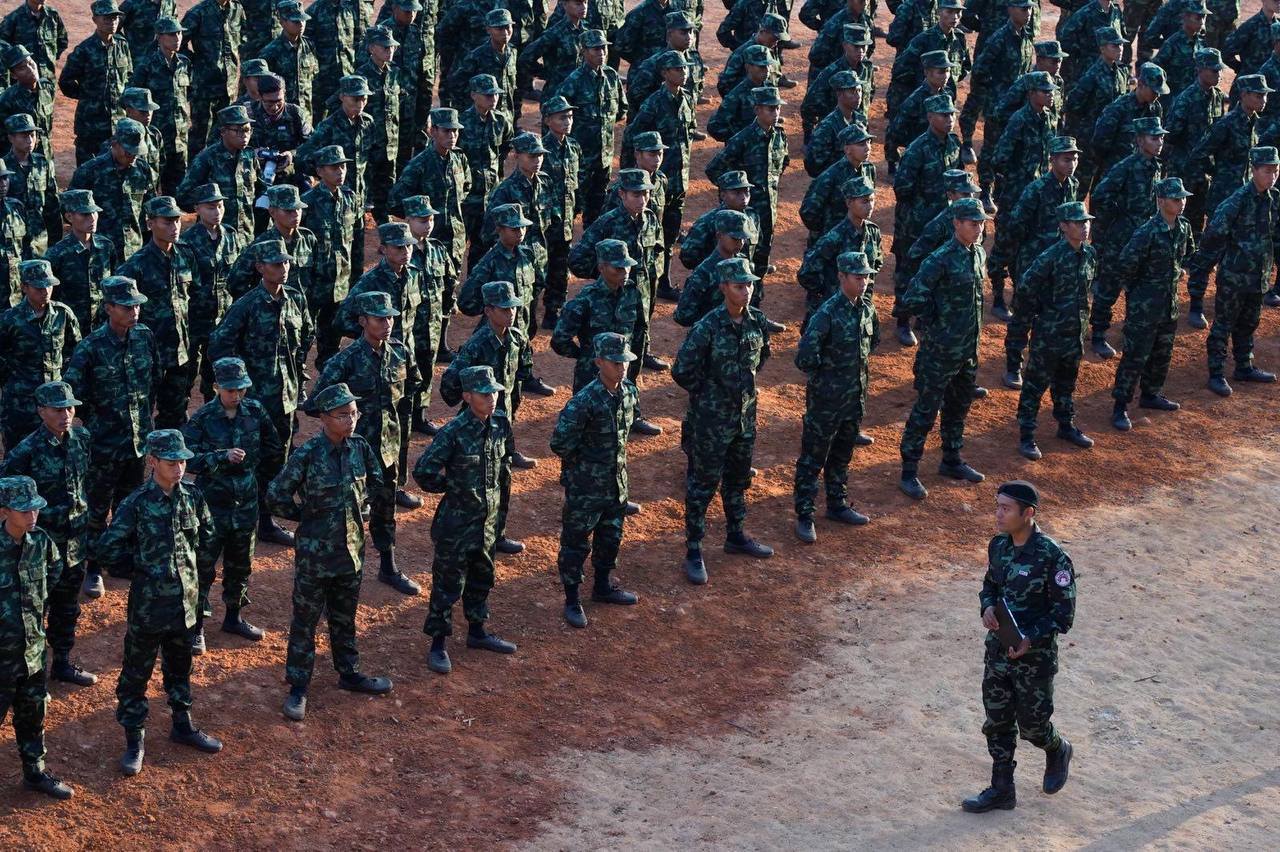
Members of the BPLA (Bamar People's Liberation Army) seen
"As for the ethnic groups, although they have championed goals of organizing PDFs and cooperating with various revolutionary forces, in practice, their backer, China, does not encourage that. They themselves have limitations regarding population and resources. Once they gain control over their own territories, they are no longer as active. If they are forced to lead the charge further, internal rifts occur. For instance, when the Kokang and Wa seized power from the CPB, the Wa said, 'How long will it take for the whole of Burma to be liberated? Do we Wa have to sacrifice many more lives for such a long war?' That is a practical question. So, they decided they no longer needed the CPB, staged a coup, and drove them out. My point is, ethnic groups are satisfied once their region and people are liberated. If you understand this, you can gauge the political prospects."
Military and political analysts assess that, rather than major military shifts, political negotiations or the mediation of major powers will likely play the decisive role in the current situation.
Currently, the transitional government led by President U Min Aung Hlaing has invited armed groups to engage in peace talks by a deadline of July 31, 2026.