
CNI News
May 9, 2026
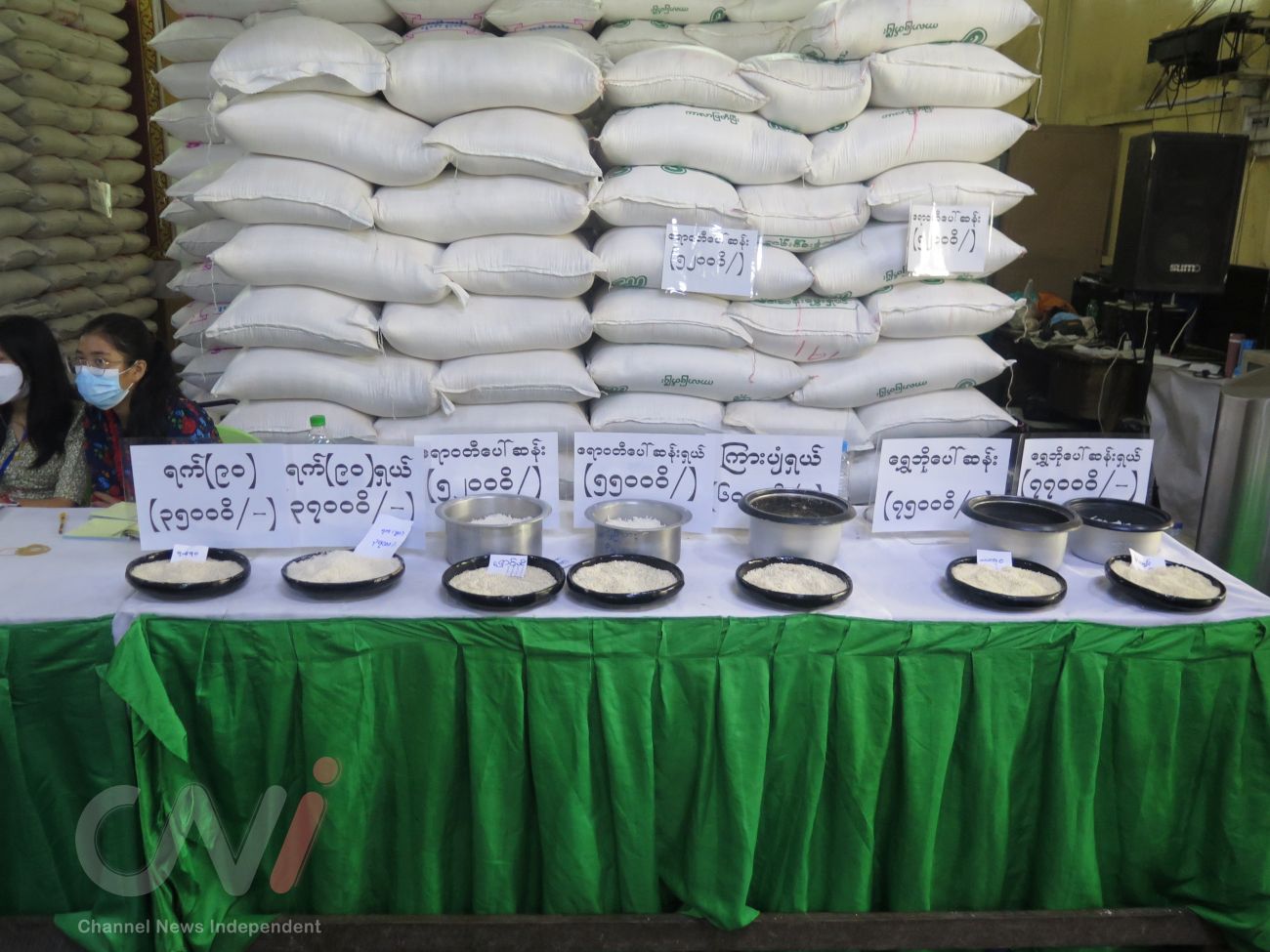
While the government and exporters have been working to export Myanmar’s Paw San Hmwe rice since 2024, it is reported that a Memorandum of Understanding (MoU) has now been signed between two countries to export the rice to the United States.
Although the export of Paw San Hmwe can drive up domestic prices and allow for higher sales, paddy farmers say that rice millers and exporters—who have the capacity to store the grain—stand to profit more than the actual growers.
U Aye Naing, a paddy farmer from Bogale Township, told CNI News that domestic rice prices typically spike only when the paddy is no longer in the hands of the farmers. He noted that farmers will not benefit from this year’s export of Paw San Hmwe.
"Farmers won't benefit from this current export because the paddy is no longer in their hands. Only those hoarding rice and the mill owners will get rich. Farmers have no paddy left to export. For the farmer, this year won't bring any profit. Benefits will only reach farmers if they grow rice during the upcoming monsoon and the prices remain high when the paddy is in their hands. If it's exported, market prices for rice will certainly rise," he said.
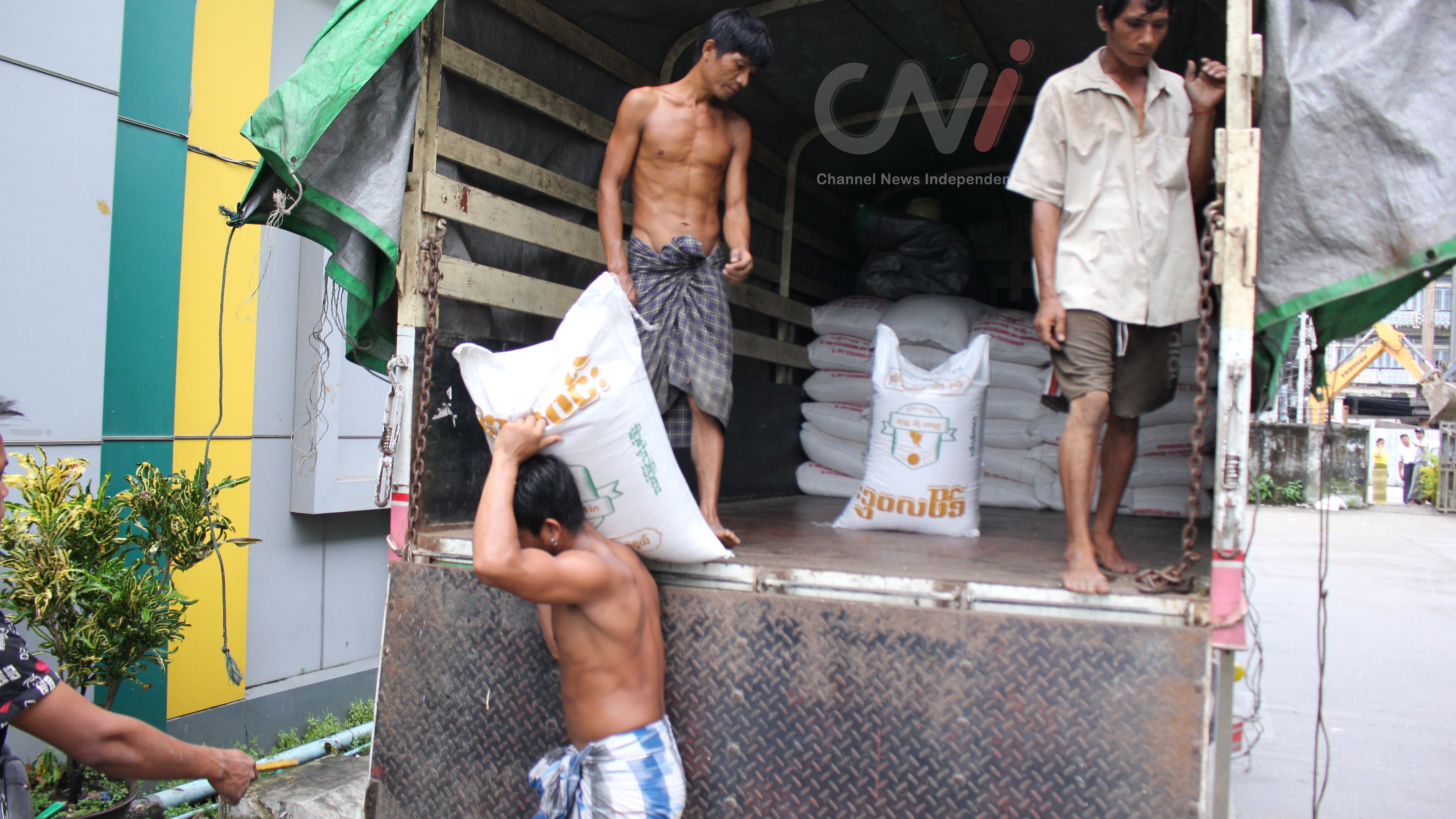
Since Myanmar’s Paw San Hmwe is also popular in some European countries, it is necessary to maintain quality standards. Experts suggest that agricultural specialists, farmers, entrepreneurs, and government bodies need to collaborate through meetings and educational initiatives.
U Thein Aung, former chairman of the Farmers' Development Association, said: "To ensure high quality, we need to reduce nitrogen and increase phosphate and potash fertilizers. Only then will the rice quality improve. Not all farmers understand this yet. Though it's being talked about, widespread knowledge is lacking. We need frequent educational workshops and discussions."
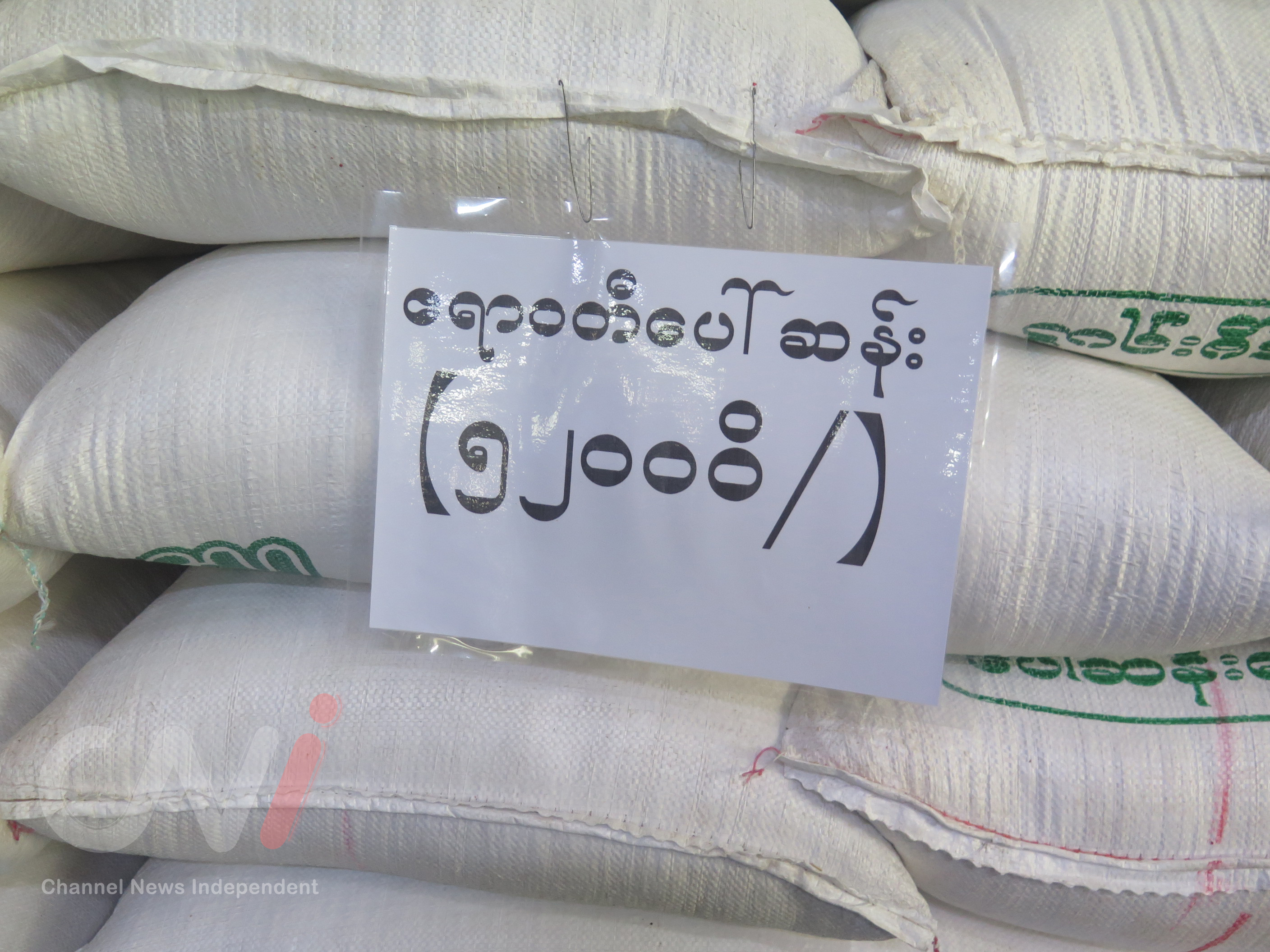
Paw San Hmwe is primarily grown in Shwebo Township (Sagaing Region), Mandalay Region, and the Ayeyarwady Region. Out of the 3.7 million acres of paddy in the Ayeyarwady Region, Paw San Hmwe accounts for about 1 million acres, yielding roughly 40 baskets per acre.
While exporting Paw San Hmwe secures better prices and markets, farmers point out the need to stabilize domestic prices and for traders to engage in fair trade. Furthermore, they suggested that the State Reserve Rice Inspection and Purchase Committee should purchase Paw San Hmwe in large quantities at the right time to help regulate the market.
President U Min Aung Hlaing has also urged for the increased cultivation and export of Paw San Hmwe rice to international markets.