
CNI News
May 5, 2026
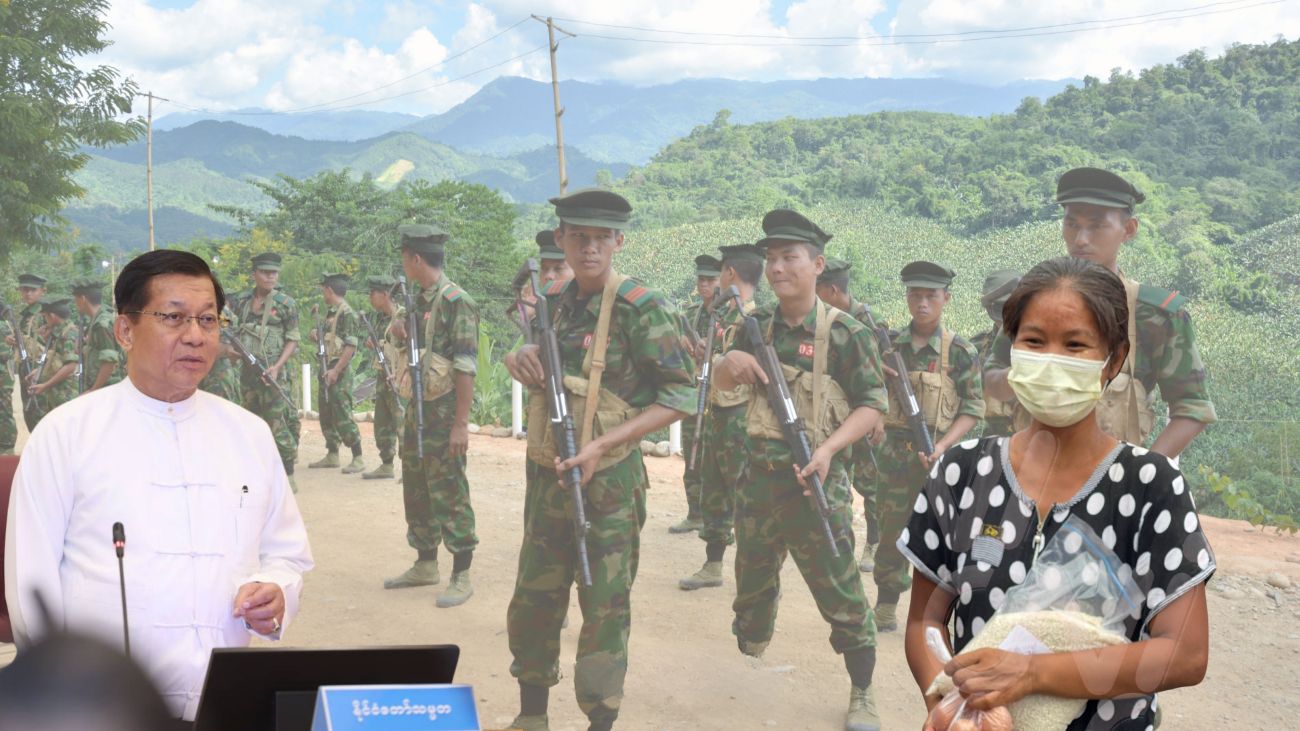
Myanmar’s domestic issues have all become equally urgent, leaving no room to choose which one to prioritize, said Dr. Kyaw Swe, a Pyithu Hluttaw representative from the National Unity Party (NUP), in an interview with CNI News.
Since 2021, Myanmar has faced expanding armed conflicts, a decline in socio-economic living standards, and multifaceted crises that the public continues to endure.
Dr. Kyaw Swe emphasized that stability and peace should be the first priority.
"The issues in Myanmar are such that we don't even have the luxury of choosing what to prioritize. Everything is critical at the same time," he said. "Therefore, stability and peace must come first. After that, we must boost production in agriculture and livestock—the backbone of Myanmar's economy. I believe the country's economy will only see relief when a large portion of the population is actively engaged and operating within these sectors. In the long run, relying solely on natural resource extraction is no longer viable. Regarding the role of the Hluttaw (Parliament), if we submit proposals based on existing Union Accords to incorporate or amend them within the Constitution, the majority of our parliaments are in a position to agree and carry that out."
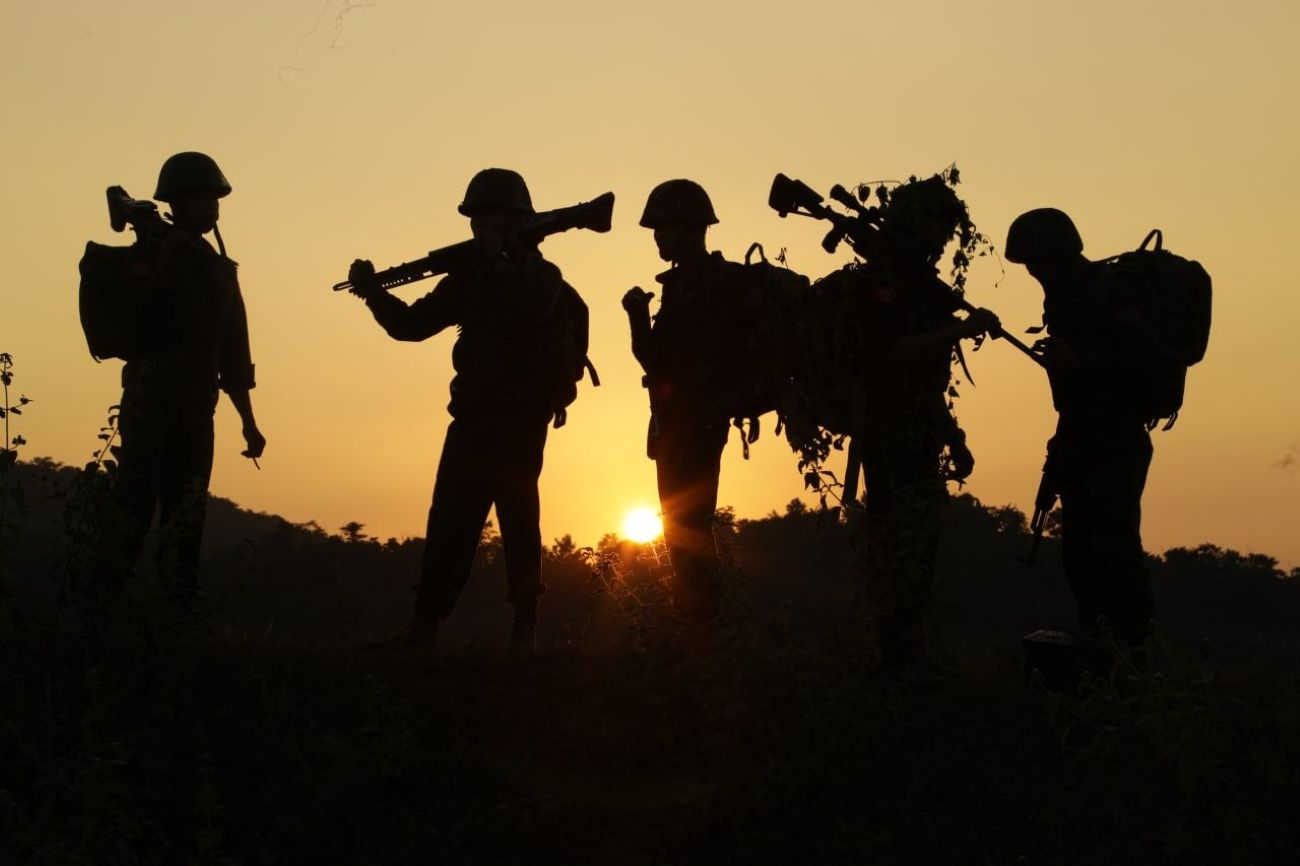
A view of an armed force.
Following the political changes in 2021, armed groups have proliferated, and nearly all border trade has come to a standstill. Additionally, the country has suffered from international sanctions, while domestic currency speculation has driven up foreign exchange rates and commodity prices.
Despite the growing political conflicts, a new transitional government was recently formed.
Political analyst Dr. M. Kawn La told CNI News that the new government’s most vital task is resolving the political conflict, while simultaneously addressing the economic downturn.
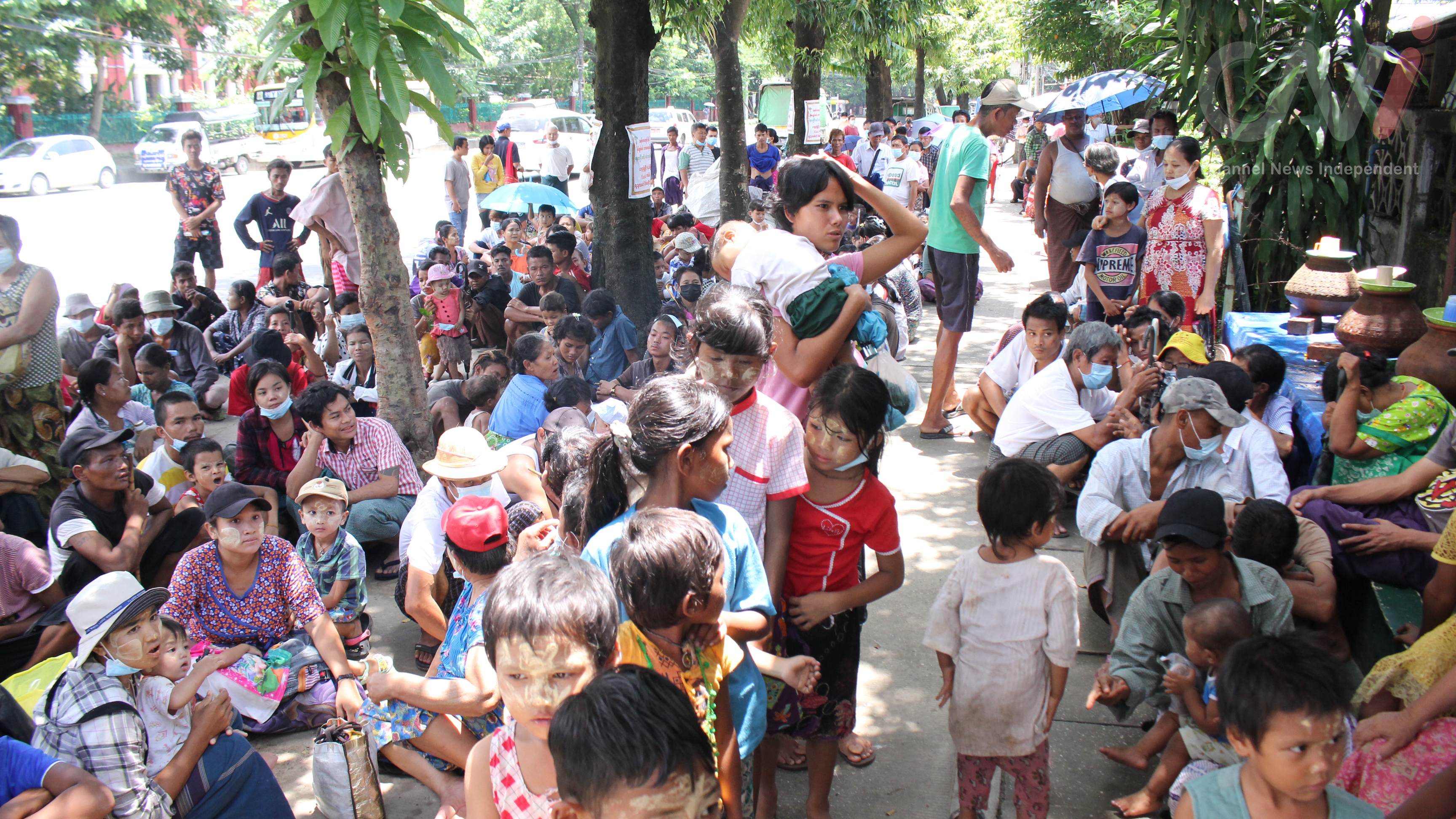
Members of the public seen at a rice and curry donation event.
"Both must be done; otherwise, it won't work. They must be handled simultaneously," Dr. M. Kawn La stated. "To resolve the political conflict, I believe we must begin approaching all armed resistance groups and political forces through peace dialogues or by establishing peace-oriented perspectives and channels. However, I think for the first six months, the focus will likely remain on state stability. Only after that will peace and economic processes be addressed as follow-ups. Currently, it might just be preparations for bilateral dialogues or preliminary talks with individual groups. The new government still needs time to prepare for these matters. There is a transitional period required to solve the political problems. After passing through that, we will need international mediators as well as domestic mediators—influential figures from within the public. There are many stages involved in approaching each group and each ethnic nationality individually."
The current new government is set to implement a "100-Day Plan" from April 20, 2026, to July 30, 2026. This plan includes increasing loans for farmers, as well as addressing trade, peace, and energy sectors.