
CNI News
May 5, 2026
Economists and observers point out that while labor organizations have demanded an increase in the basic minimum wage to 20,000 MMK per day, it is currently impossible to implement given the existing situation in Myanmar.
The Federation of General Workers Myanmar (FGWM) made the demand for a minimum wage of at least 20,000 MMK per day during the 136th International Workers' Day, which fell on May 1.
Economic analyst U Thet Zaw told CNI News that it is difficult to increase the basic salary to 20,000 MMK per day for government employees, garment industry workers, and staff in Small and Medium Enterprises (SMEs). He noted that if such an increase were implemented, domestic commodity prices would rise disproportionately.
He stated: "A basic wage of 20,000 MMK means 600,000 MMK per month. Even government salaries are currently only around 200,000 to 250,000 MMK at most. How can they pay 600,000? Private sector wages and government salaries must be balanced. While the government has a budget, the reality on the ground is that it’s insufficient. However, increasing it by that much becomes very difficult. Casual laborers in the informal sector already earn 20,000 or 30,000 MMK a day. But for factories and regular salaried workers, being able to pay that much is not easy. Some businesses can afford it, while others cannot. Small MSMEs and basic eateries should be managed carefully. If 600,000 is paid, commodity prices will skyrocket. We cannot consider the wage in isolation; we must consider the surrounding environment. Prices are already looking for any reason to rise."
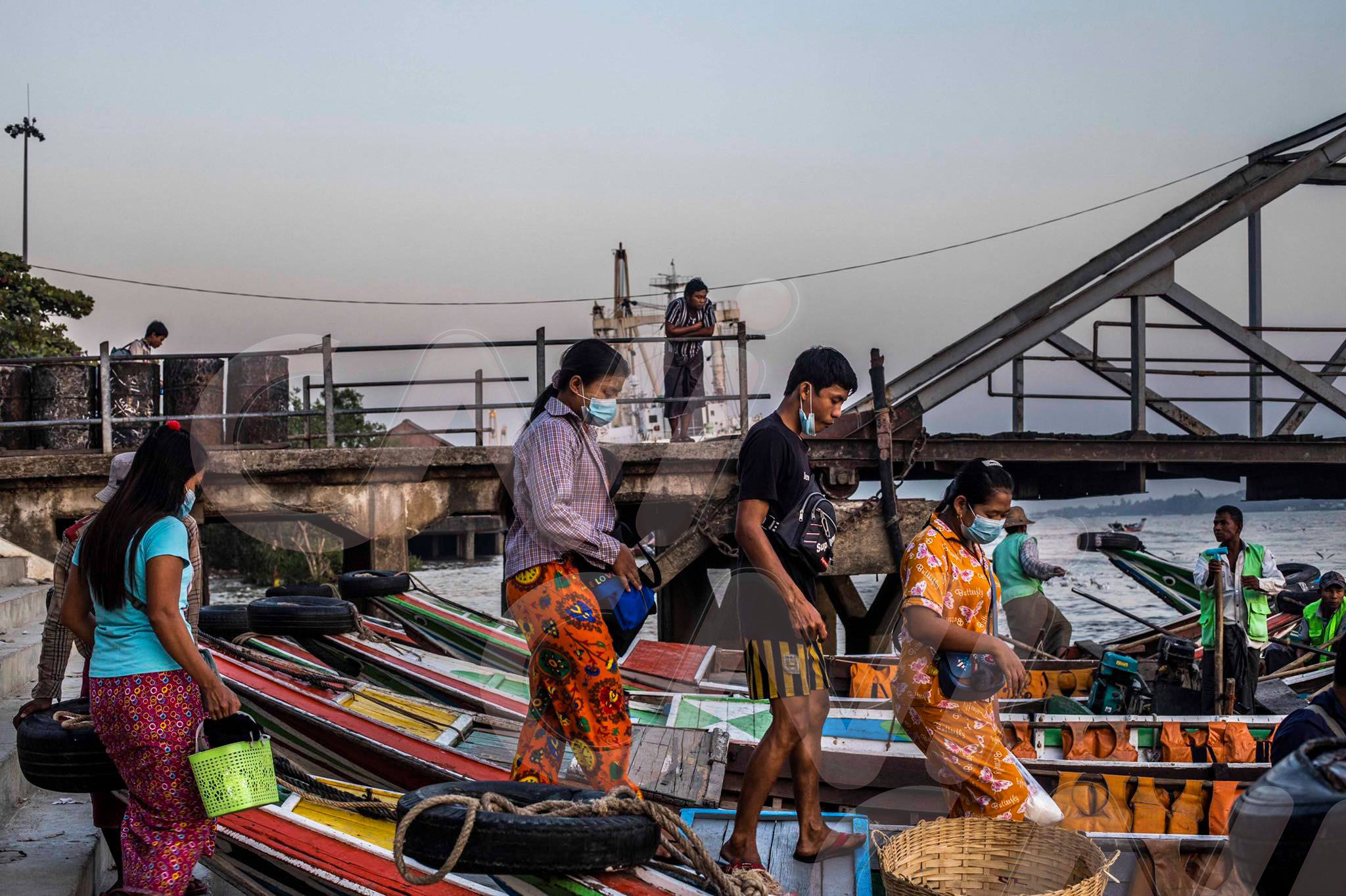
Basic laborers seen at work.
Observers also pointed out that garment industries, which create the most employment opportunities in Myanmar, are facing difficulties as they operate on a Cut-Make-Pack (CMP) system. Most factories are currently seeing fuel and CNG costs rise about threefold compared to previous years due to electricity shortages, making wage increases nearly impossible.
However, some businesses are already paying more than the demanded 20,000 MMK per day (600,000 MMK per month) by substituting a lower base wage with various titles such as bonuses, attendance fees, and performance incentives.
On the other hand, political analyst U Htet Aung Kyaw told CNI News that since the US dollar has tripled in value and domestic commodity prices have risen fivefold, the demanded 20,000 MMK basic wage is a reasonable rate.
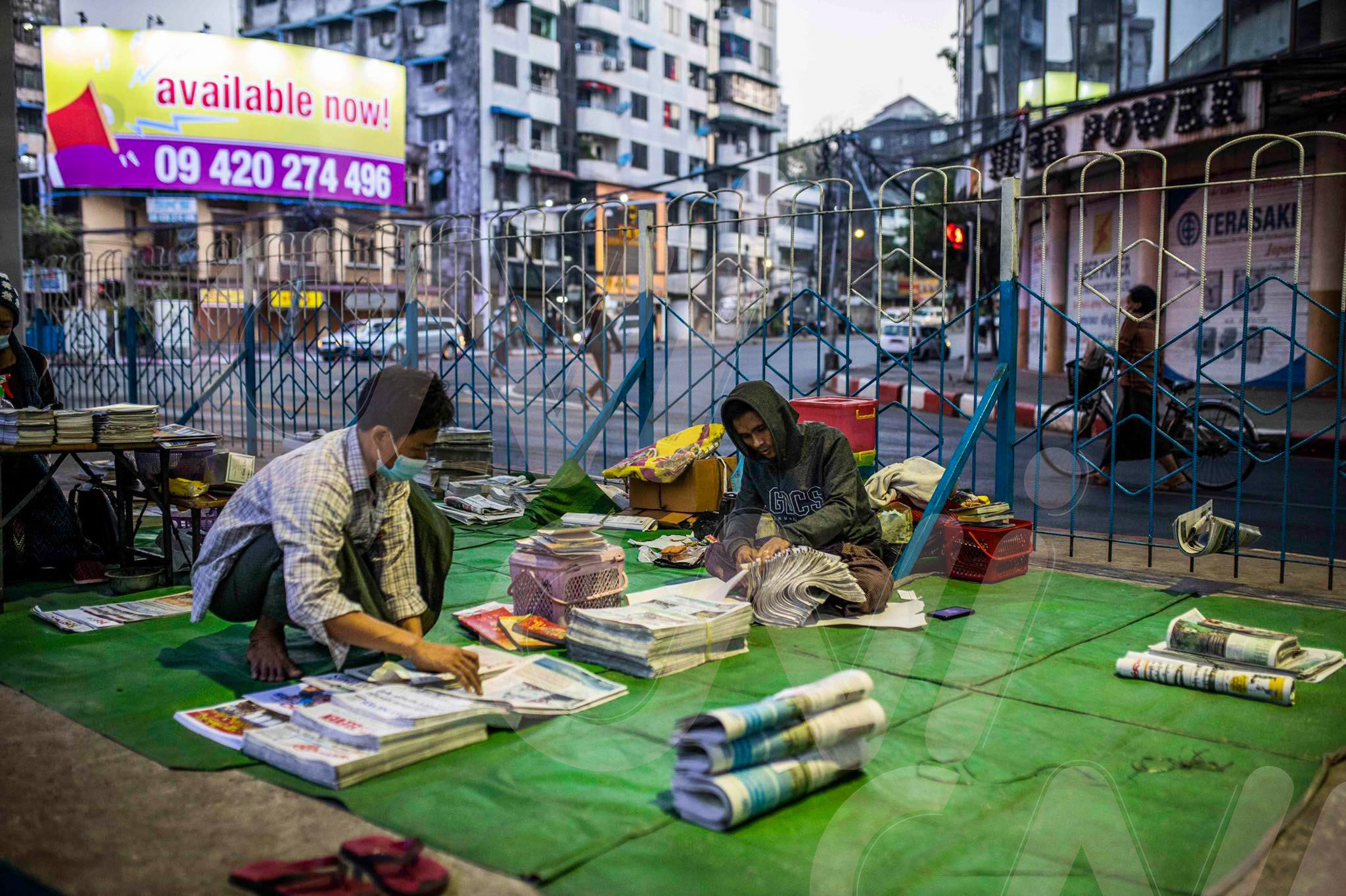
Basic laborers seen at work.
He said: "Previously, when the daily wage was 4,500 or 5,800 MMK, the dollar exchange rate was around 1,400 or 1,500 MMK. Back then, it was equivalent to between 3 and 4 US dollars. If we calculate at the current exchange rate of over 4,000 MMK, the demand for 20,000 MMK is a fair rate. Even if the dollar price only tripled, commodity prices didn't just triple—some rose five or six times. Therefore, I see their demand for 20,000 MMK as justifiable. However, whether employers can actually afford to pay it is something we have to calculate thoroughly."
While the garment industry might be able to adjust pay based on worker productivity under the CMP system, critics argue that increasing the basic salary to 20,000 MMK for government employees is a rate that is currently impossible for the government to sustain.
Nevertheless, if the government officially announces a basic wage increase to 20,000 MMK, it would be required to pay government employees according to that rate as well.