
CNI News
April 29, 2026
Following the recent diplomatic talks between China and Myanmar, the situation regarding ethnic armed conflicts in Northern Shan State is likely to see significant improvement, according to Colonel Khun Okkar, Chairman of the Pa-O National Liberation Organization (PNLO-NCA/S), an NCA signatory.
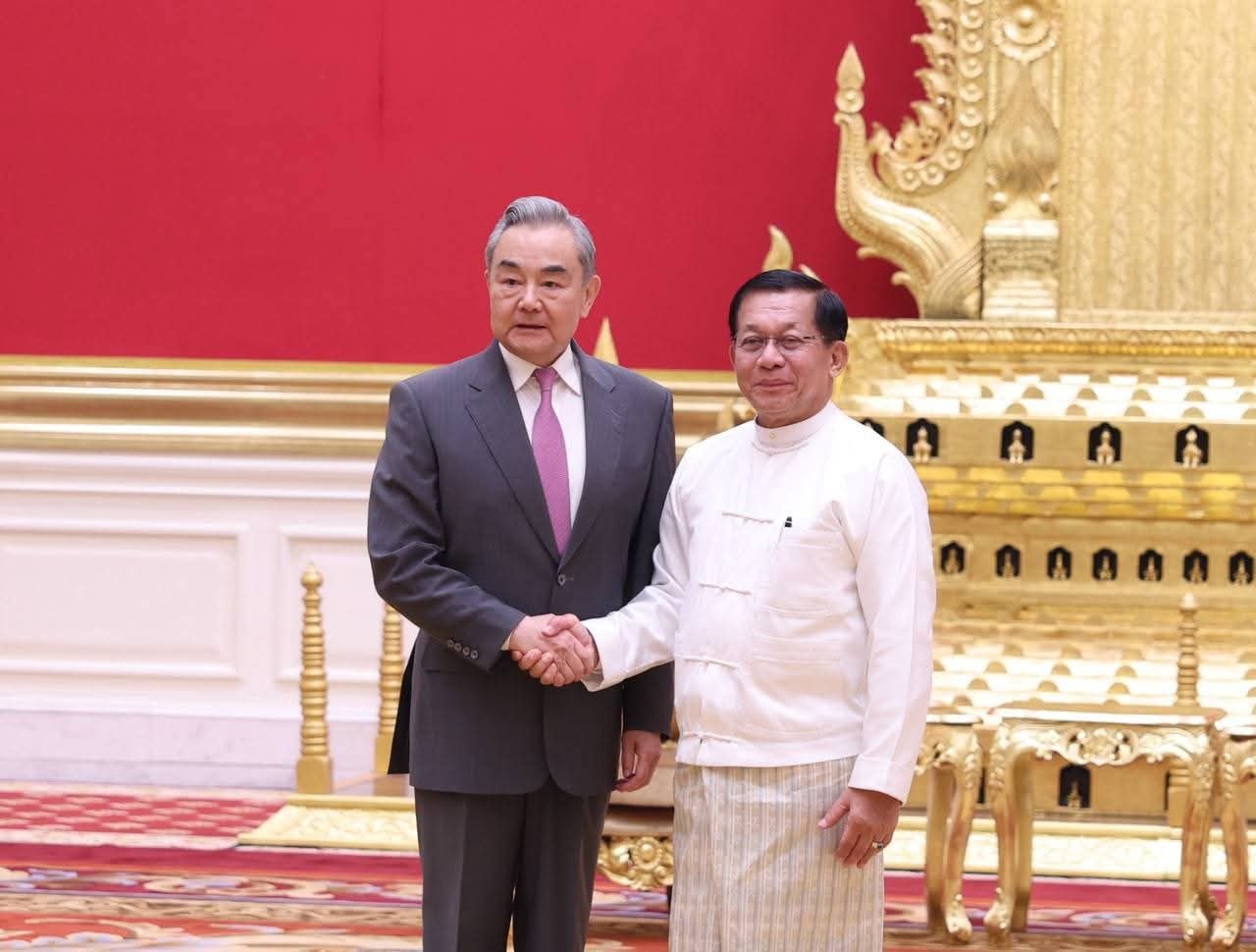
On April 25, 2026, President U Min Aung Hlaing and Chinese Foreign Minister Mr. Wang Yi met for discussions in Nay Pyi Taw.
During the meeting, they discussed China's steadfast support for Myanmar's sovereignty, territorial integrity, and stability. They also touched upon China’s backing of national stability, ethnic reconciliation, and the implementation of social harmony within the country.
Colonel Khun Okkar told CNI News that following this dialogue, the armed conflict in Northern Shan State is expected to improve substantially due to Chinese pressure, which could lead to the reopening of economic trade routes.
"Essentially, China will act to protect its interests and maintain the current situation. They arrived to demonstrate their recognition of the political framework—the parliament resulting from the election, President U Min Aung Hlaing, and his government. By granting this recognition, it is assumed they will move step-by-step toward their desired goals, such as the China-Myanmar Economic Corridor (CMEC). Therefore, the trade routes in Northern Shan are expected to improve," Colonel Khun Okkar stated.
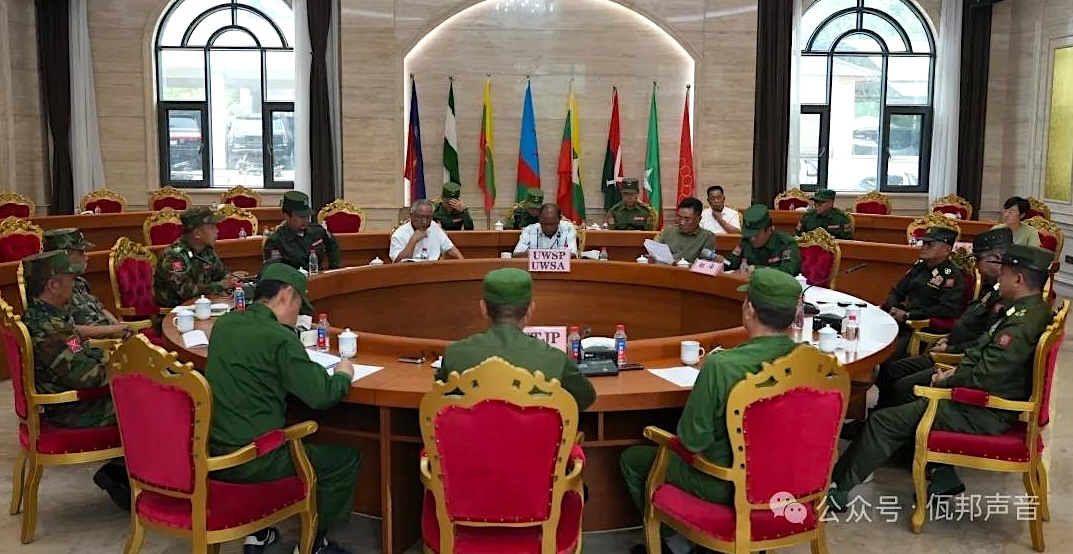
Ethnic armed personnel in Northern Shan State.
He further noted that because China intends to protect its economic interests in Northern Shan State, a resurgence of major armed conflict is unlikely, leading to a more secure environment.
"Furthermore, new forms of cooperation are emerging. For instance, the TNLA’s recognition of President U Min Aung Hlaing’s government marks a significant political shift—moving from anti-dictatorship stances to acknowledging the current administration. It seems everyone in the north will follow this tone due to Chinese influence. While things won't get better overnight, the conflict will likely subside significantly, except perhaps in Kachin State, where conflict remains," he added.
The Chinese government wields significant influence over the "Wa" (UWSA) and the Three Brotherhood Alliance (AA-TNLA-MNDAA) operating in Northern Shan State, possessing the power to control or utilize them as needed.
Political analyst Dr. Aung Myo told CNI News that following these talks, economic cooperation is expected to increase, and there could be pivotal shifts regarding internal insurgencies.
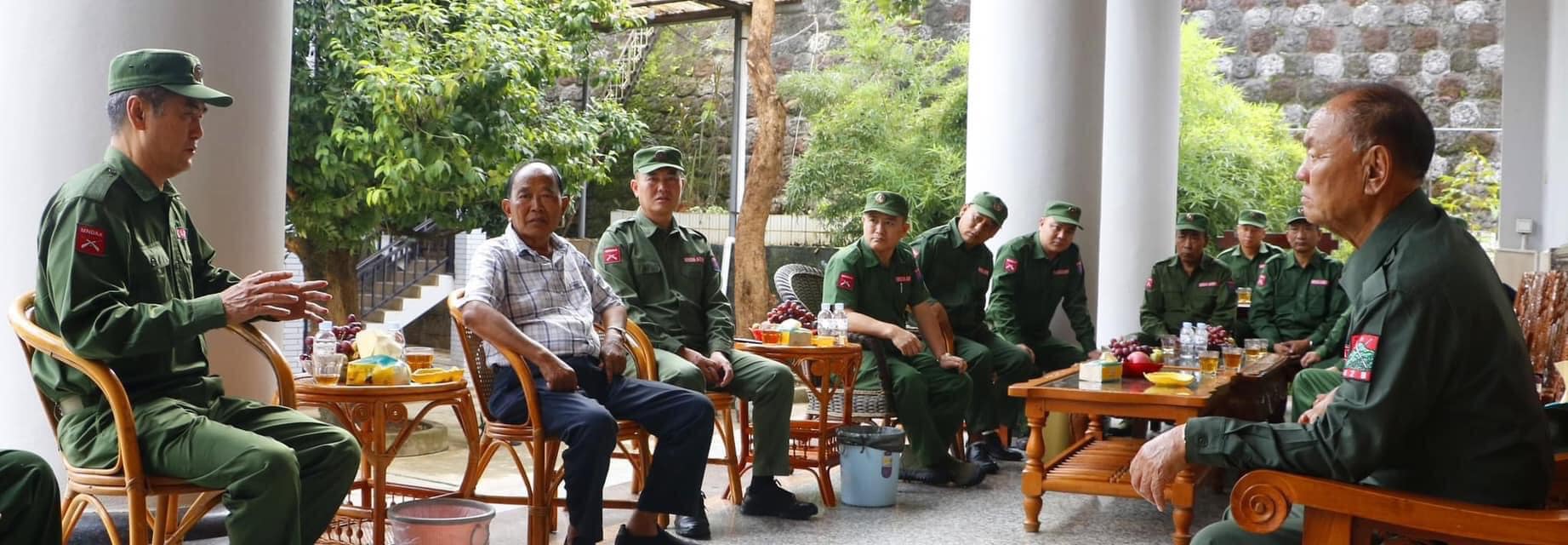
Leaders of the UWSA and MNDAA.
"Firstly, there will likely be economic cooperation. Secondly, we might see major turning points in the ongoing internal unrest. Take the recent shifts with the TNLA and MNDAA, for example. The TNLA has officially declared support for the current military-backed government, essentially reversing its previous course. We cannot rule out more such developments. For example, the MNDAA might clear areas based on China's wishes to prepare for a future landscape. Since the MNDAA and China share ethnic ties and China has more influence over the MNDAA and may support them, such 'clearing' operations are possible," Dr. Aung Myo explained.
Major Chinese investment projects in Myanmar include the Kyaukphyu Special Economic Zone, the Myitsone Dam, elevated railways, the Kanpiketee Economic Cooperation Zone, the Muse-Mandalay electric railway, the Shweli-Mandalay-Kyaukphyu expressway, and various bilateral trade routes.
Military and political observers point out that in the upcoming political and military landscape, China is likely to continue pushing groups like the Wa, Mong La, and Kokang toward the peace table. They suggest that Myanmar remains in a position of dependency on China, and that a new government is likely to be one that can cooperate strategically with its neighbor.