
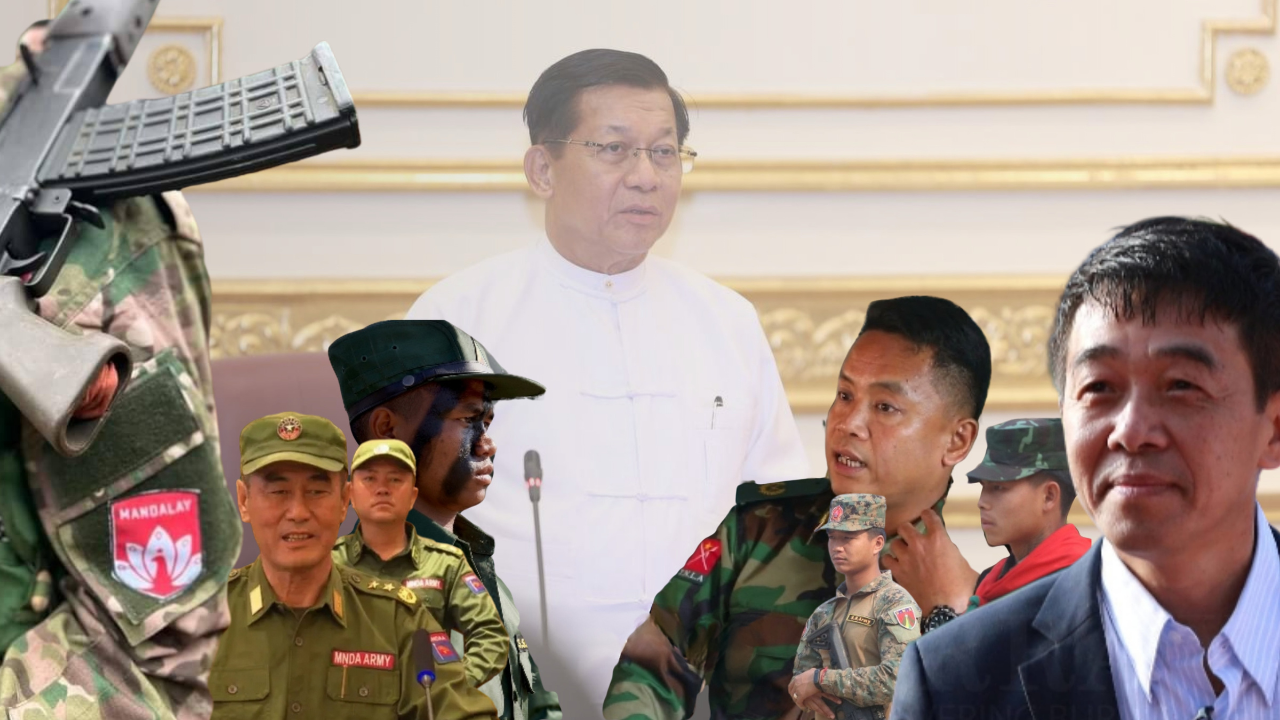
CNI News
April 28, 2026
In inviting various armed organizations in Myanmar to peace talks and dialogue, it is necessary for them to see that their interests and benefits will not diminish even if they lay down their arms, said Dr. Kyaw Swe, a Pyithu Hluttaw representative from the National Unity Party (NUP), in an interview with CNI News.
He stated, "There is much to be done regarding peace. Primarily, we see a lack of trust between the various organizations. Trust is the most important factor. The armed groups will need to have faith in the government’s peace invitation, and the armed groups will need to genuinely desire and follow through with peace after accepting the commitments and opportunities provided. Currently, I see a situation where mutual trust is missing. The main point I want to make is that armed organizations need to see that laying down weapons will not decrease their interests, and that peace will better support regional development."
Currently, the administration led by President U Min Aung Hlaing includes peace negotiations as one of the tasks to be implemented within a "100-day plan."
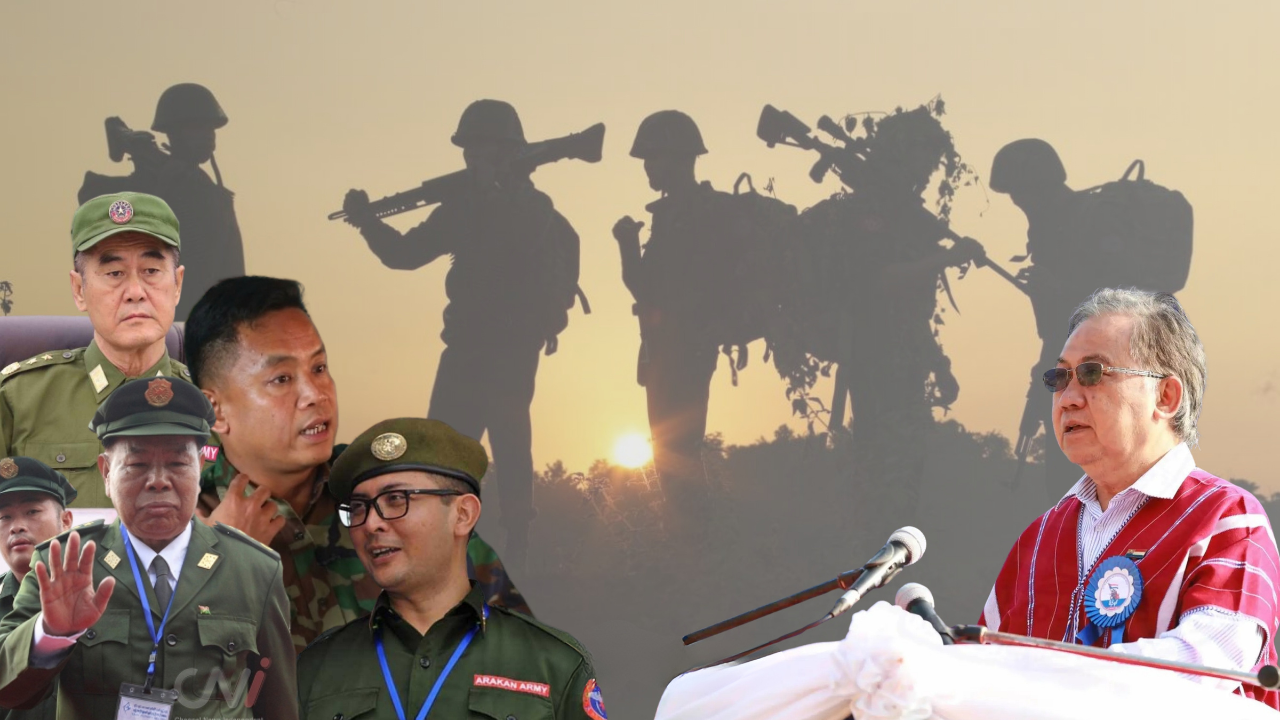
leaders of armed groups.
President U Min Aung Hlaing has stated that from April 20 to before July 31, all PDFs, Ethnic Armed Organizations (EAOs) that have signed the NCA, and those that have not yet signed are invited to meet for peace talks, with a deadline for negotiations set for July 31.
Daw Saw Mra Raza Linn, Chairperson of the Arakan Liberation Party (ALP)—a signatory to the NCA—told CNI News that as a group that has signed the agreement, they wish to see its implementation through to completion, though the starting topic of discussion remains a point for consideration.
She said, "What kind of topic do they want us to start discussing? That is something to think about. Organizations that have signed the NCA must have accountability and responsibility aimed at long-term, sustainable peace. Based on transparency, we need to implement the agreements within the NCA until completion. Furthermore, our desire is to participate as 'a brick and a grain of sand' in building a Union based on democracy and federalism. Speaking for myself as a signatory, I have the desire to work until what we signed is fully implemented. However, others may not feel the same as I do. Therefore, we must move forward in various forms depending on the individuals and organizations. There must be transparency, and I also want to add that there must be goodwill and compassion."
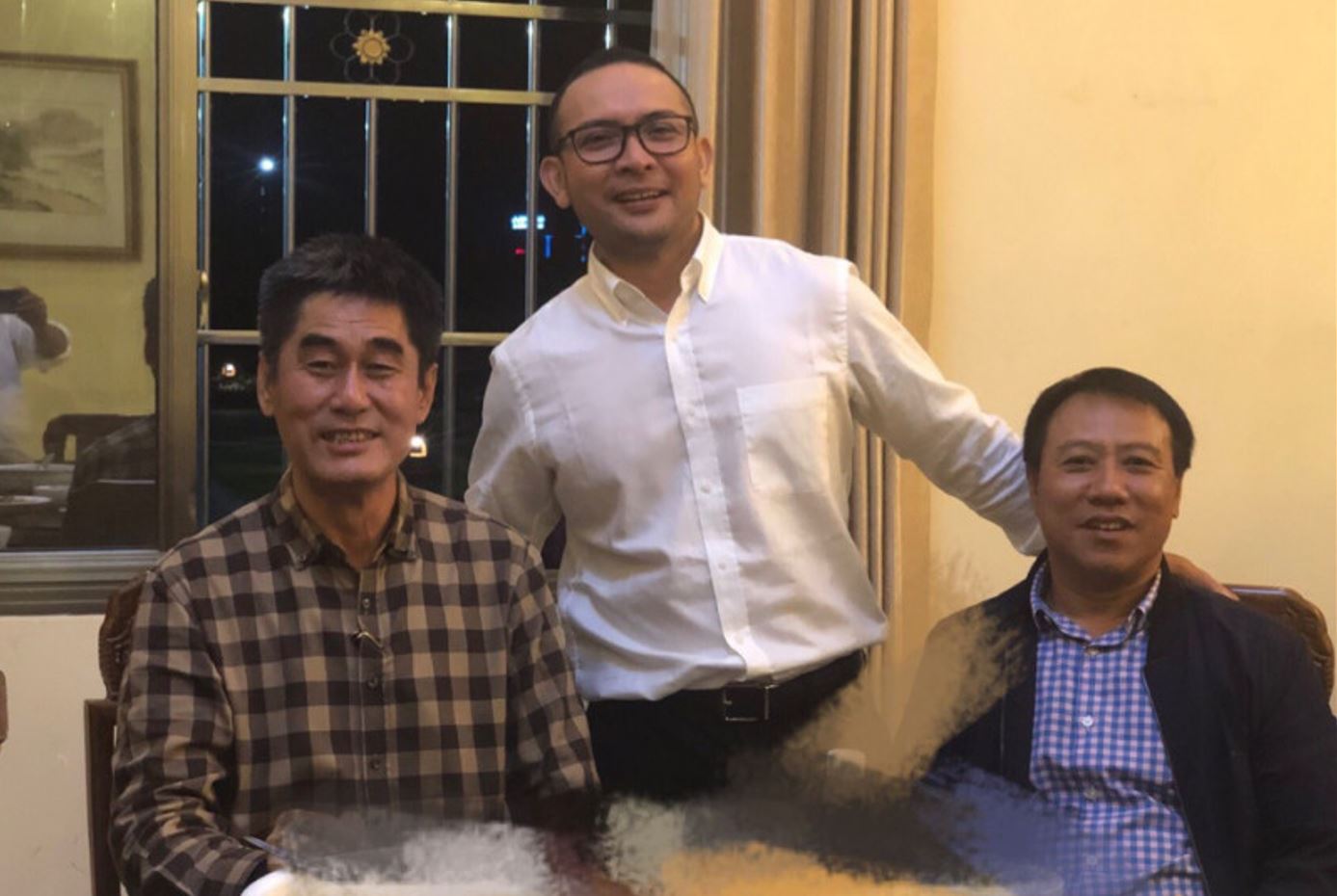
Leaders of the AA, MNDAA, and TNLA seen together.
Following 2021, the Myanmar political landscape has seen armed conflicts grow larger and more widespread, with the number of ethnic armed groups and other armed forces increasing by the hundreds.
Moreover, most ethnic armed organizations have become stronger than before and currently hold significant territorial gains through military force. Over the past five years, the Myanmar military has lost numerous territories to ethnic armed groups and revolutionary forces.
Among the major ethnic armed organizations, the Northern Alliance groups—the Myanmar National Democratic Alliance Army (MNDAA) and the Ta'ang National Liberation Army (TNLA)—are currently groups that have agreed to a ceasefire with the Myanmar military.