
CNI News
April 10, 2026
Ethnic Armed Organizations (EAOs) that have captured territories beyond their original operational areas should focus on the actual needs of their respective ethnicities and organizations during peace negotiations, according to political analyst Dr. An Kaw La.
Since the political shifts of 2021, armed conflicts in Myanmar have expanded significantly. Many EAOs and revolutionary forces have seized control of numerous territories far exceeding their traditional strongholds.
Dr. An Kaw La told CNI News that these territorial issues must be addressed according to constitutional provisions and approached through a lens that balances history, population, economy, and cultural reach.
Key Perspectives on Territorial Disputes 1. Legitimacy and Compromise Dr. An Kaw La emphasized that military occupation does not automatically equate to permanent ownership.
"It is difficult to claim a territory as your own just because you captured it. If a place has no historical connection to a group, they may need to return to their original designated areas. However, some areas might be conceded out of necessity. This will involve 'give and take' and negotiation."
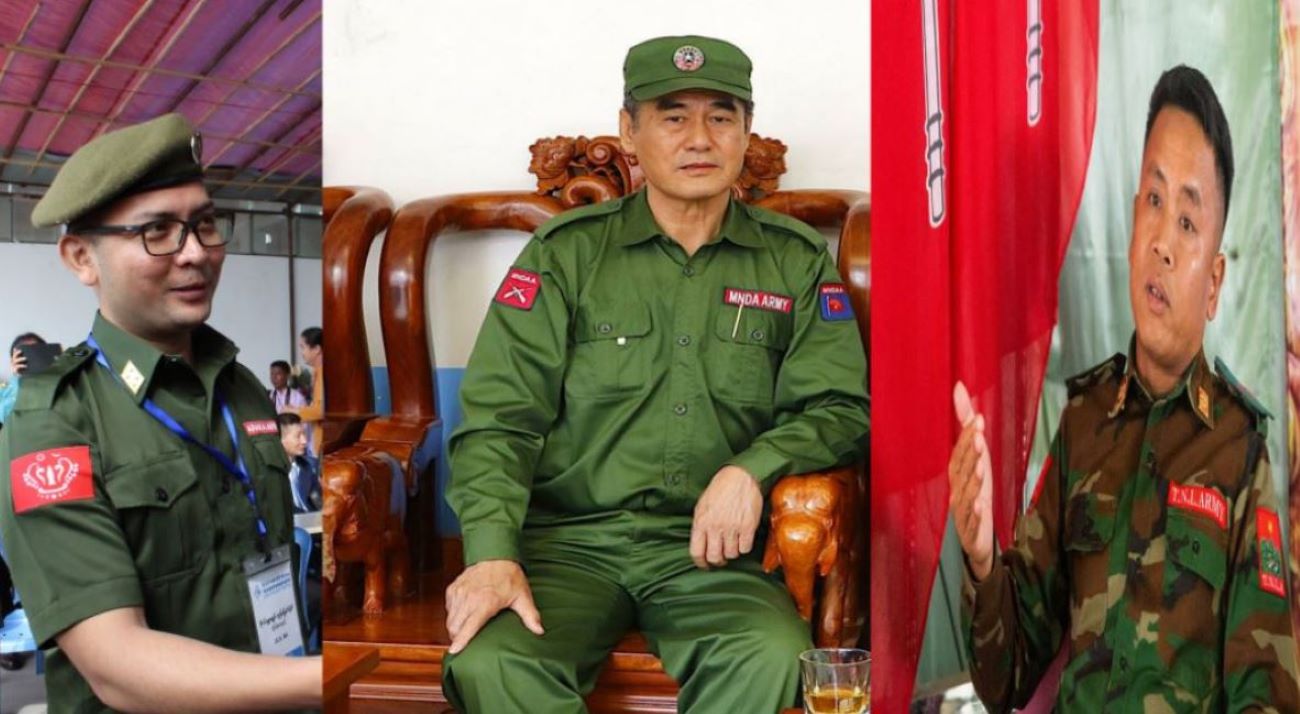
Leaders of the Three Brotherhood Alliance.
2. The Role of New Institutions With the emergence of the new parliament and legitimate governing bodies, the analyst noted that the resolution depends on the vision and foresight of those in decision-making positions.
"For peace negotiations to be effective, demands should be limited to what is truly necessary for one's ethnic group. Peace is, first and foremost, a compromise. You cannot take everything, nor can you give everything away. Simply saying 'I fought for this land, so it's mine' is not a viable long-term solution."
Evolving Political Aspirations Most EAOs aim for a Federal Democratic System based on self-determination and equality, seeking to replace centralized control with local autonomy. However, the political landscape is shifting:
Beyond Federalism: Some groups are now looking toward a Confederation status or practical, independent self-rule.
Rejecting the 2008 Constitution: Many major EAOs no longer recognize the 2008 Constitution and are working toward a new Federal Accord.
Status of the NCA: Groups that once trusted the Nationwide Ceasefire Agreement (NCA) now consider it void.
Alliances: Since 2021, major groups like the KNU, KIA, KNPP, CNF, and the Three Brotherhood Alliance (MNDAA, AA, TNLA) have increased cooperation with the NUG and PDF.
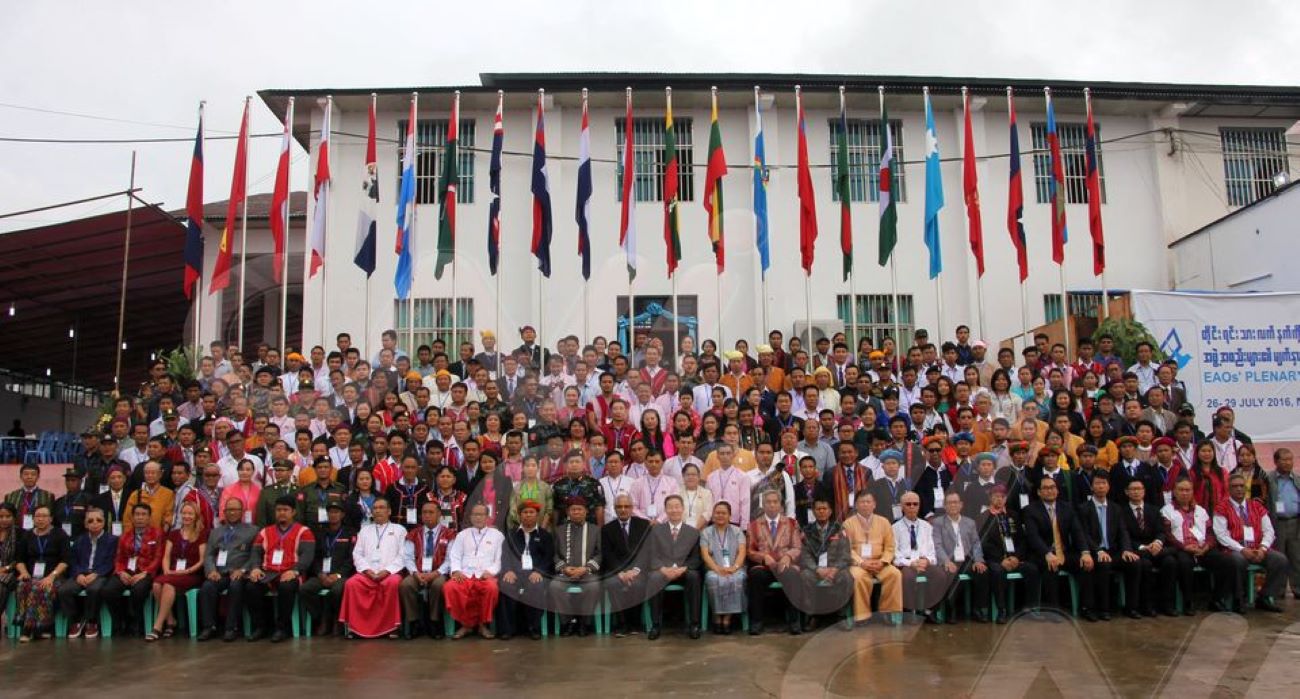
Leaders of Ethnic Armed Organizations.
The Challenge for the New Government A political analyst pointed out to CNI that the new government faces a massive challenge in deciding the fate of captured territories—specifically those seized by groups like the TNLA and MNDAA that fall outside their legally designated Self-Administered Zones.
Public Referendums: One suggested solution is to hold referendums for local populations to decide which administrative jurisdiction they wish to join.
Negotiation over Conflict: "Once a ceasefire is signed, fighting must stop. Remaining issues must be settled at the table. Both sides need a deep understanding of federalism to create a unique structure tailored to Myanmar," the analyst added.
Current Status of Administrative Zones Under the 2008 Constitution, Myanmar currently recognizes one Self-Administered Division and five Self-Administered Zones (totaling six).
The EAOs remain divided into two main camps: Those who believe political dialogue should only happen after achieving total military victory. Those who seek an end to Myanmar's political crisis through immediate peace talks and negotiation.