
CNI News
April 9, 2026
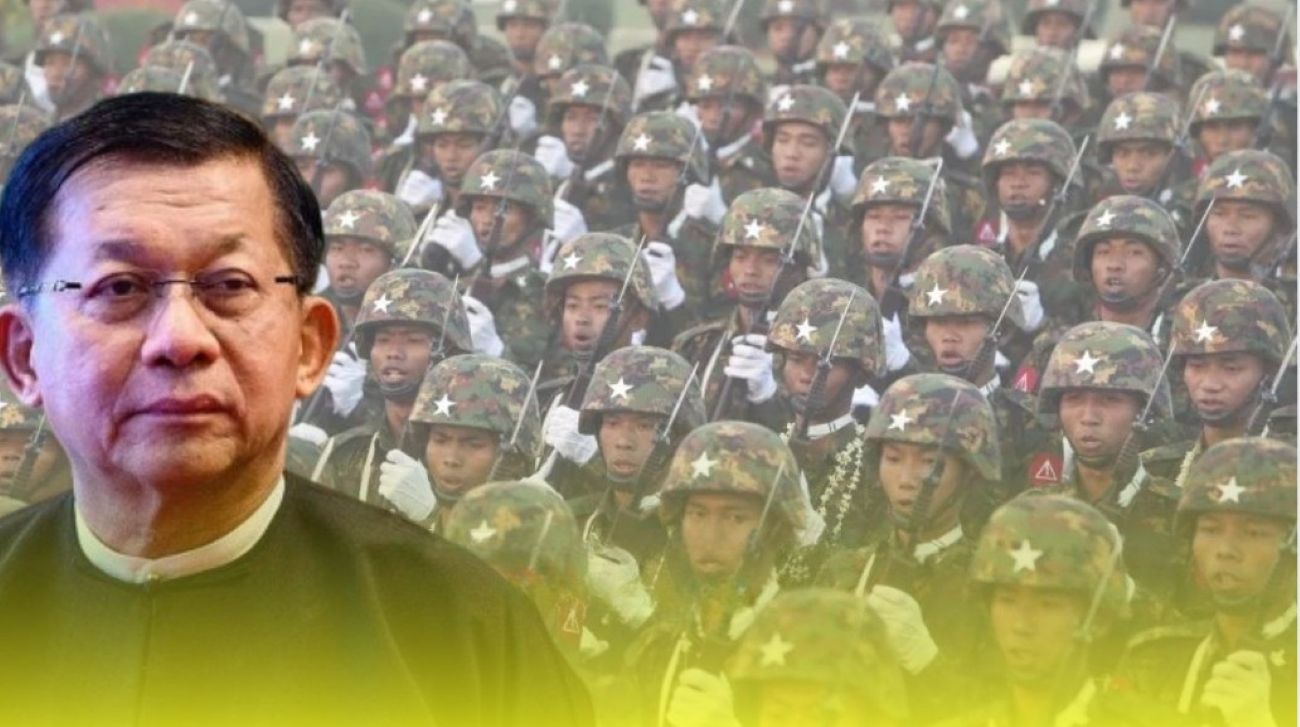
Military and political observers are analyzing the potential trajectory of Myanmar’s politics following the formation of a new government post-election and leadership changes within the Tatmadaw (military).
The New Political Framework Myanmar held a multi-party general election in three phases from December 28, 2025, to January 25, 2026. The Union Solidarity and Development Party (USDP) emerged victorious nationwide. In collaboration with the military, the USDP is currently forming the Union Government, regional and state governments, and the parliament(Hluttaw).
On April 3, 2026, the Union Parliament (Pyidaungsu Hluttaw) elected Senior General Min Aung Hlaing as President. Subsequently: April 6: 31 ministries were established. April 7: 30 Union Ministers were appointed.
Expert Perspectives 1. Internal Progress vs. Foreign Policy Sai Htay Aung, Chairman of the Tai-Lleng (Shanni) Nationalities Development Party (TNDP), told CNI that while major shifts in foreign relations are unlikely, internal politics and peace processes may see significant focus.
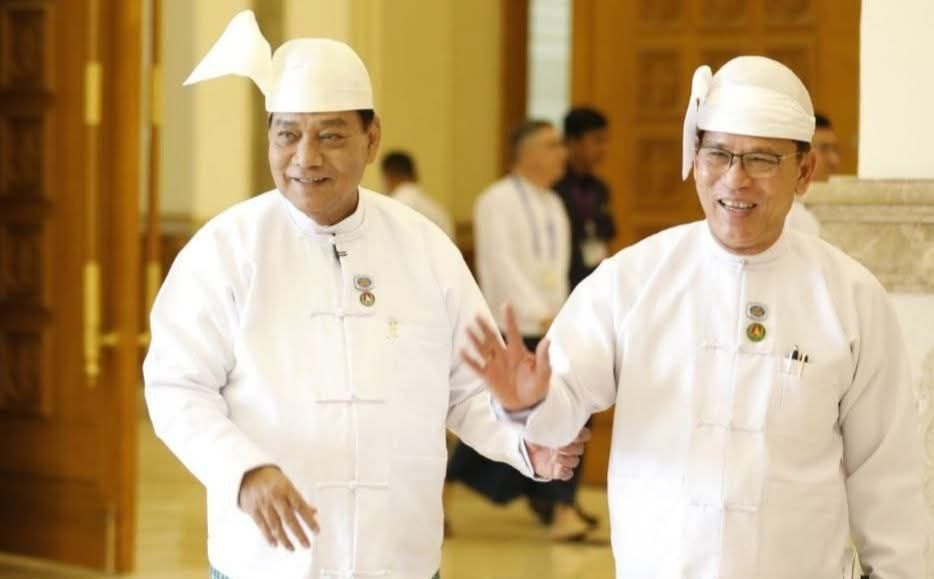
The Speaker and Deputy Speaker of the Pyithu Hluttaw
"I expect the domestic political situation to change. While foreign relations might not see massive shifts, the military situation could improve given Senior General Min Aung Hlaing's experience. If the government focuses on the people's welfare to alleviate the burdens of war, they could gain public trust."
2. Military Leadership and ASEAN Relations Colonel Khun Okkar, Chairman of the PNLO-NCA/S, noted that the new military appointments—General Ye Win Oo as Commander-in-Chief and General Kyaw Swar Linn as Deputy Commander-in-Chief (effective March 30)—suggest a firm military stance.
Military Stance: The new leaders appear unlikely to soften their military approach.
Diplomacy: If the new government follows the ASEAN Five-Point Consensus, relations with ASEAN might normalize, especially as Thailand takes the chair in the coming years.
Policy Shifts: While the leadership remains familiar, observers are waiting to see if the government or parliament introduces new policies that might alter the military's operational direction.
3. Constitutional Reform and Power Centers Political analyst U Htet Aung Kyaw suggested that the return of a parliamentary system offers hope for constitutional change.
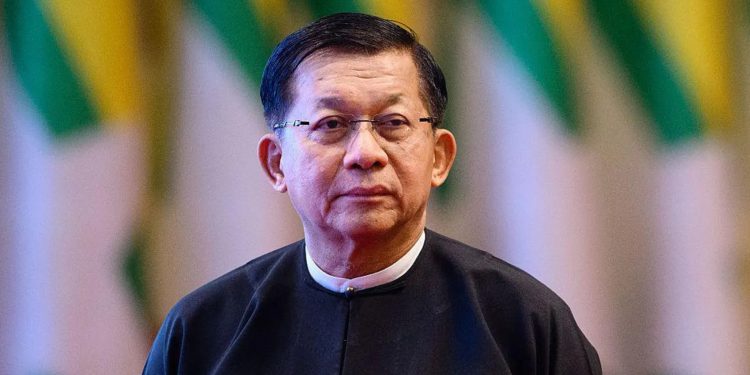
President Min Aung Hlaing.
2008 Constitution: There are expectations for amendments based on 43 points previously discussed between the NSPNC and 16 political parties.
Power Centers: "The 'Power Center' has diversified with the emergence of the parliament. Although the key figures haven't changed drastically, the political playground has expanded, offering more hope for the citizens," he noted.
Key Challenges Ahead Analysts and observers emphasized that the new government must prioritize the following to ensure national stability: Economic Recovery: Urgently implementing sound economic policies to address the high cost of living and the collapsing economy. Peace Process: Increasing efforts in internal peace negotiations.
Policy Review: Re-evaluating current military and political strategies to ensure they are aligned with the country's needs.