
CNI News
April 9, 2026
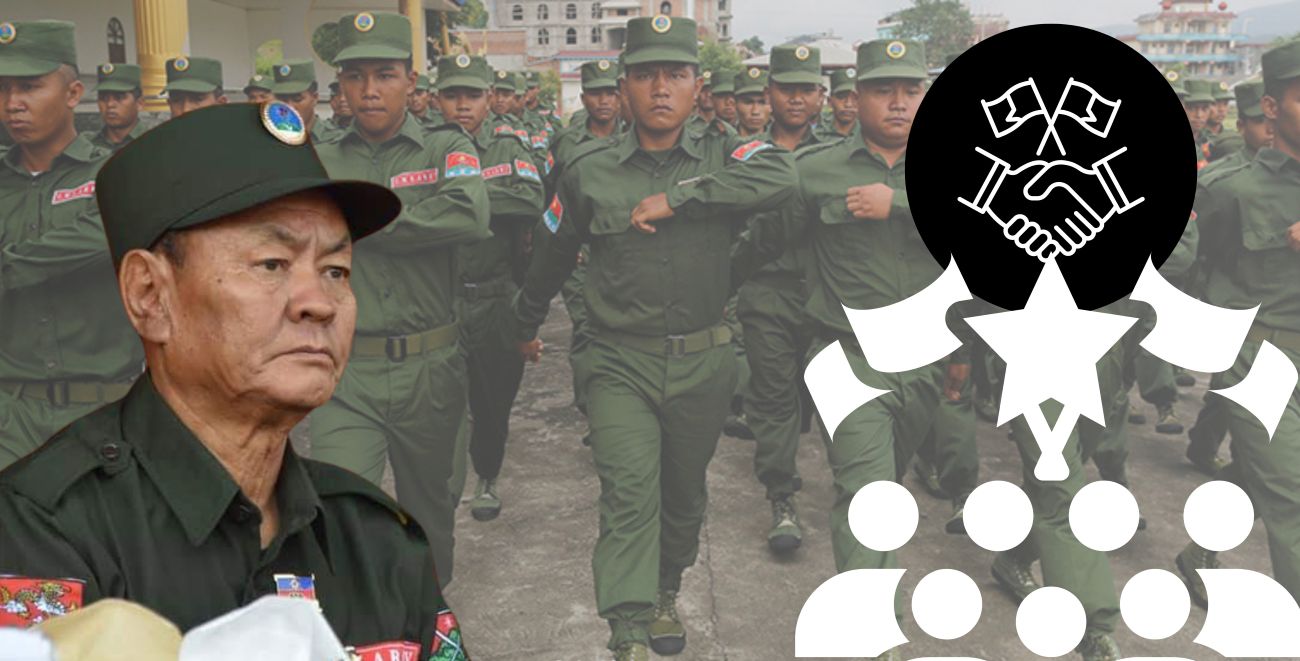
Military and political analysts are debating whether granting "Wa"-style autonomy to all non-Bamar ethnic groups could end Myanmar's nearly 80-year-long armed conflict.
Experts told CNI News that simply demarcating self-administered regions is not enough to end the fighting. Political analyst Dr. Aung Myo noted that while it is an undeniable truth that the central government has suppressed the rightful rights of ethnic minorities, their situations and positions differ significantly from those of the Wa, as many ethnic groups live in mixed-population areas.
Consequently, he argued that ethnic groups should instead receive the status they held prior to 1958.
"They won't be granted Wa-style status. The Wa's historical tradition is different. Even the British government only entered the Wa region in 1936, leaving them alone for 50 years. The standing of other ethnic groups is different from the Wa. Historically, other groups are integrated and mixed, so they won't get as much as the Wa," Dr. Aung Myo said.
He added, "However, it’s true that the central government has suppressed ethnic rights; that can't be denied. They should get the status they had before 1958. But we cannot accept a system where they can execute people at will under their own judiciary. In short, they should get a genuine federal system, but not the confederate-style 'Wa' model. The Wa situation is, in a way, like a fragmentation within the country. Some Wa actions are unacceptable to us; we feel they are taking excessive privileges."
The Pre-1958 Context Before 1958, under the 1947 Constitution, the Shan, Kachin, Kayah (Karenni), and Karen states held distinct state statuses. State governments were formed with representatives from their respective state councils and exercised certain administrative powers.
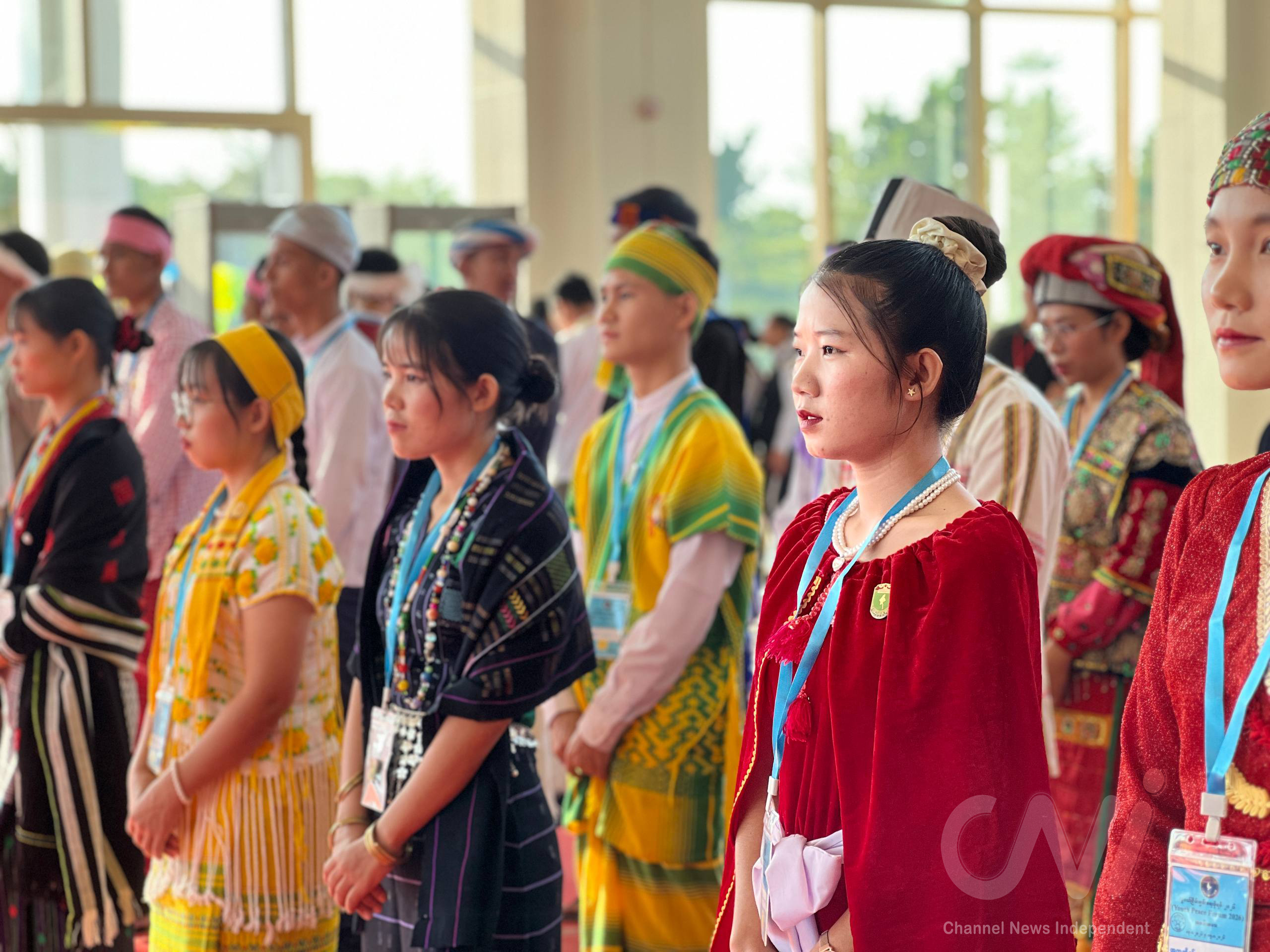
Non-Bamar ethnic youths seen
During that era, a bicameral legislature was practiced. There was a Chamber of Nationalities for non-Bamar ethnic groups. In this chamber, representatives were not chosen based on population size but based on state-defined rights, allowing them a balance of power nearly equal to the Bamar ethnic group. In 1958, ethnic groups legally possessed a high political status within the union, which included the right to self-determination and the right to secede.
The "Wa" Distinction Colonel Khun Okkar, Chairman of the Pa-O National Liberation Organization (PNLO-NCA/S), told CNI that the autonomy granted to the Wa is due to their location on the Chinese border, their financial strength, manpower, weaponry, and their ability to secure their region. Other states and divisions lack this level of compact organization.
"The status the Wa have is not a political status granted by the Constitution; they obtained it due to specific circumstances. However, other states and regions lack that level of cohesive organization. Without that cohesion, we don't see the same capacity for self-sustenance and security as the Wa. No other group or ethnic organization has managed to organize a region as tightly as they have," Colonel Khun Okkar said.
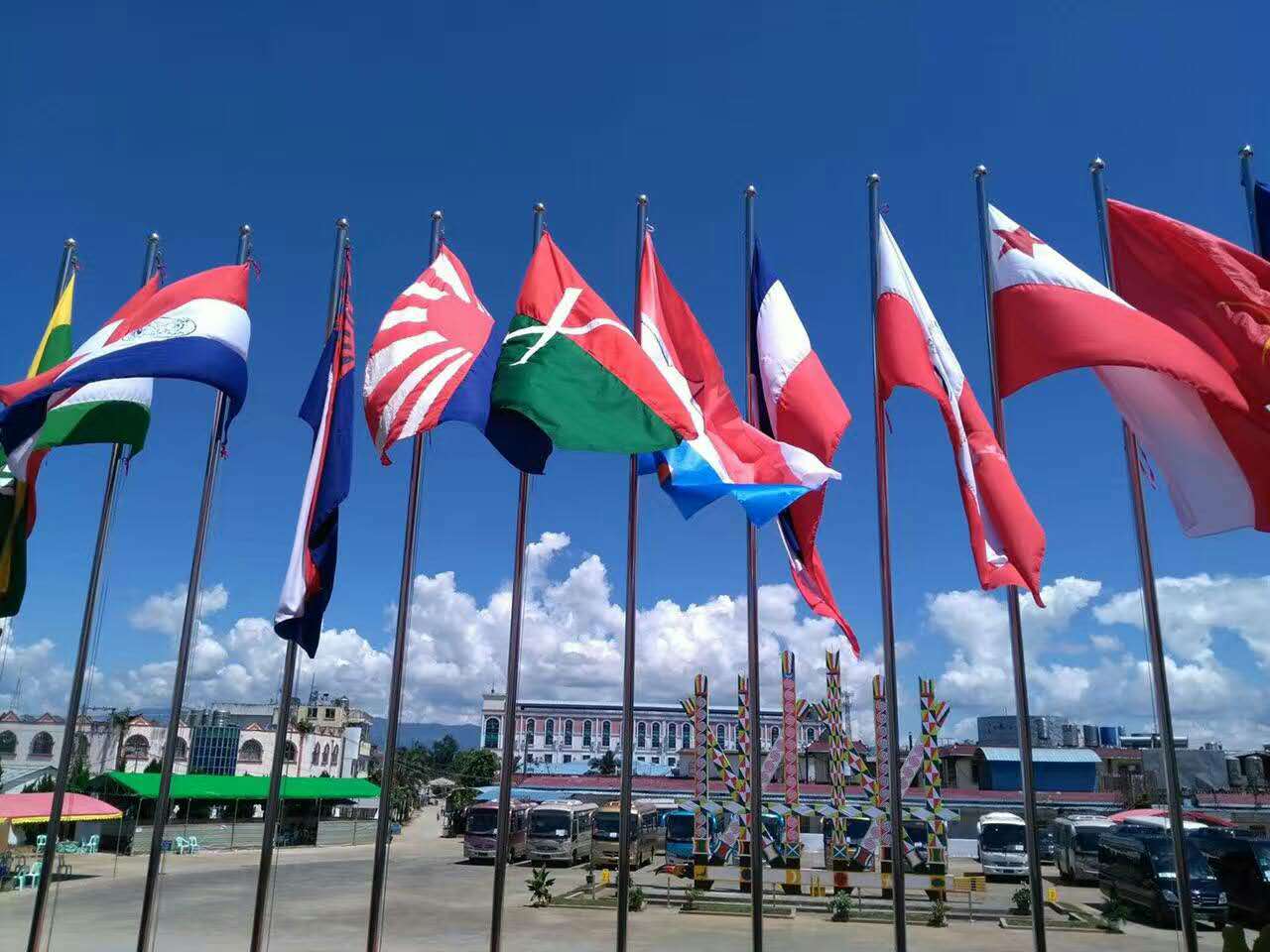
Flags of Non-Bamar ethnic armed groups seen
He further noted that since the Wa maintain they will not secede, Shan State is unlikely to break apart. However, the administrative, legislative, and judicial reach of both the Shan State government and the central government remains weak over the Wa region.
Historical Timeline of Wa Autonomy 1989: The UWSA signed a ceasefire with the SLORC government, and the region was designated as "Shan State Special Region (2)."
2008 Constitution: Under Section 56(c), six townships—Hopang, Mongmau, Panwai, Nahpan, Metman, and Pangsang (Pankham)—were grouped to form the Wa Self-Administered Division.
2011: Administrative mechanisms were fully implemented after the new government took office following the 2010 elections.
The Wa leadership frequently asserts a policy of not seceding from the Union or declaring independence.
Current Self-Administered Zones in Myanmar Under the 2008 Constitution, there is one Self-Administered Division and five Self-Administered Zones: Type Region/Group Townships Included Division Wa Hopang, Mongmau, Panwai, Nahpan, Metman, Pangsang
Zone Kokang Konkyan, Laukkaing (Shan State)
Zone Palaung (Ta'ang) Namhsan, Mantong (Shan State)
Zone Danu Ywangan, Pindaya (Shan State)
Zone Pa-O Hopong, Hsihseng, Pinlaung (Shan State)
Zone Naga Lahe, Leshi, Nanyun (Sagaing Region)