
CNI News
April 6, 2026
Military and political observers are closely monitoring the differences between the government transition led by U Thein Sein (2011) and the one currently being led by Senior General Min Aung Hlaing (2026).
According to political analyst U Kyaw Htet, the current transition is not a shift toward a party-led government, but rather a re-formation of the previous administration. He noted that if the leadership remains the same, significant policy shifts are essential for progress.
"Politically speaking, this is not a government formed by a winning party, but a reorganization led by the preceding administration. Therefore, there is no change in personnel. For the country to advance, both people and policies must change. If the people don't change, international perspectives—informed by misunderstandings of the previous military government, sanctions, and economic blockades—will remain. Foreign investment won't come, external political pressures will persist, and internal conflicts will escalate. To fix all of this, the current situation doesn't appear to offer much of a breakthrough," U Kyaw Htet told CNI.
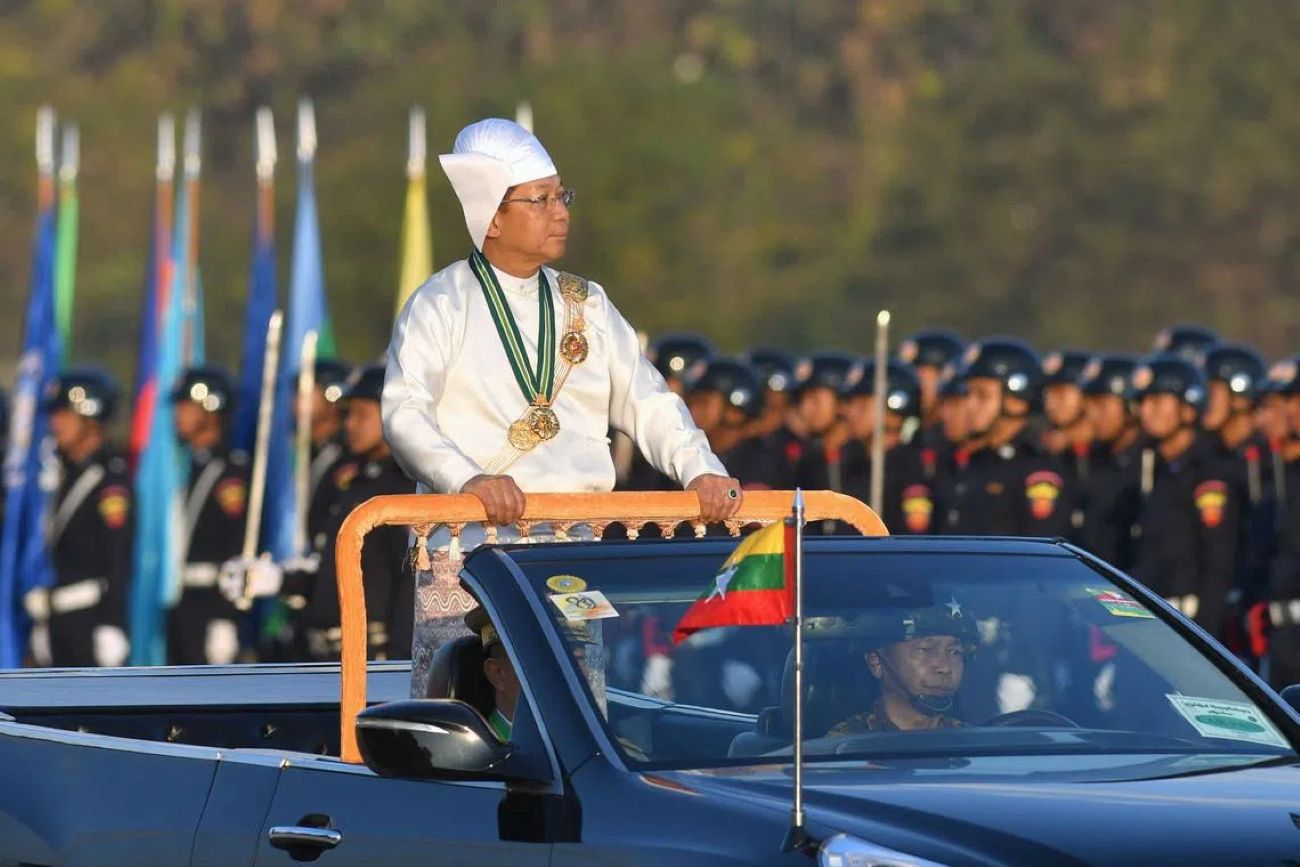
Senior General Min Aung Hlaing
1988–2011: The military seized power on September 18, 1988. Senior General Than Shwe took over on April 23, 1992, after Senior General Saw Maung retired for health reasons, and ruled until March 30, 2011.
The 2011 Transition: After stabilizing the country, Senior General Than Shwe held the 2010 general election. General Thein Sein retired from the military and was appointed President by Parliament (Hluttaw) in February 2011.
The Thein Sein Era: From 2011 to 2015, the country was governed by the Union Solidarity and Development Party (USDP), composed of retired military leaders and civilians.
2021: The military, led by Senior General Min Aung Hlaing, ousted the NLD government and took control on February 1.
2025–2026: A general election was held in three phases from December 28, 2025, to January 25, 2026. In March, Parliament convened to select Speakers, Vice Presidents, and the President. A new government is set to form in April.
The Key Difference: In this transition, Senior General Min Aung Hlaing is both the person handing over power and the person receiving it as the new President.
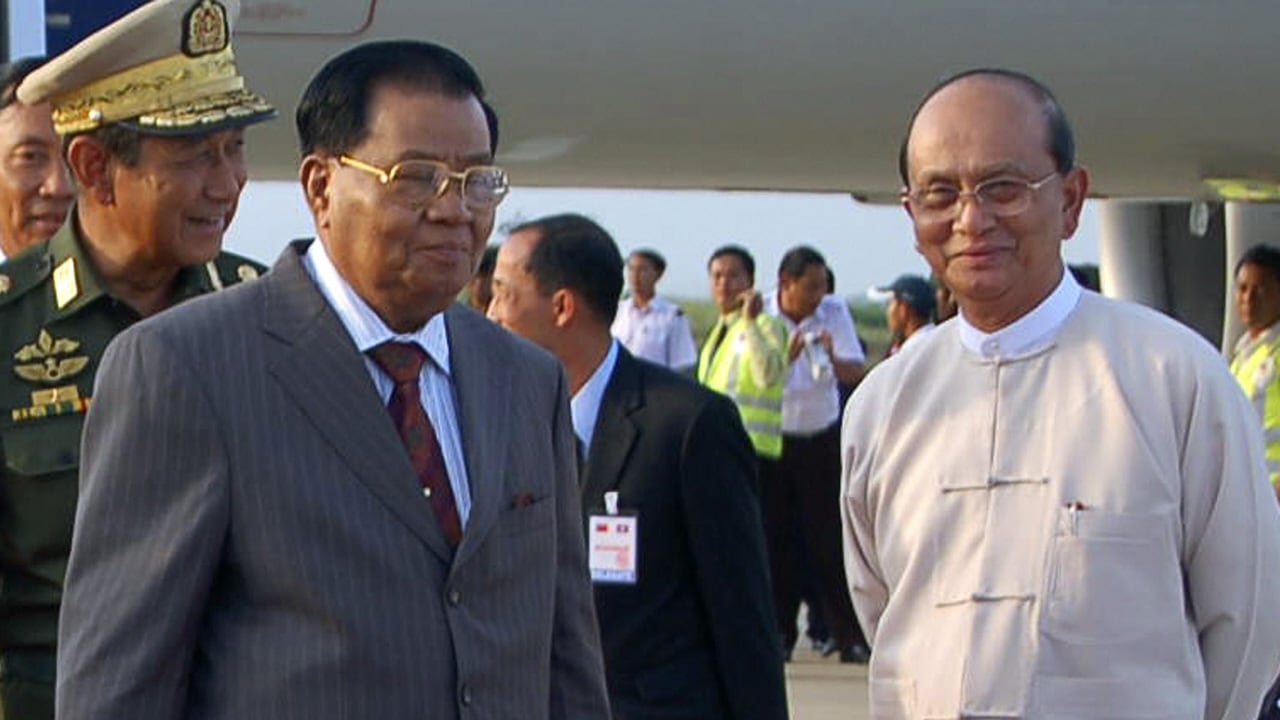
U Thein Sein
Colonel Khun Okkar, Chairman of the Pa-O National Liberation Organization (PNLO-NCA/S), shared his view that while the structure of government formation is similar to U Thein Sein’s era, the leadership tradition has shifted.
On Leadership: "Under U Thein Sein, the party chairman became President. Now, the party chairman has become the Speaker of the Pyithu Hluttaw, and the Senior General himself is taking the Presidency. That is a slight deviation in tradition."
On Policy: Colonel Khun Okkar emphasized the need for urgent economic reforms to address the collapse of livelihoods and the economy. "Priority must be given to solving the fuel crisis and various other bottlenecks. The new government has a mountain of work to do regarding reform and reconstruction."
Military and political analysts highlighted several benchmarks from the Thein Sein era: Peace Process: Initiated a nationwide peace call, signing preliminary bilateral ceasefires with 14 groups and the NCA with 8 groups.
Socio-Economic Gains: Increased media freedom, growth in tourism, and relative stability in most regions.
Market Stability: Stronger border trade and effective control over exchange rates, real estate prices, car prices, and commodity costs.
The Big Question: Whether the new government formed in April 2026, with Senior General Min Aung Hlaing as President, can return the country to the conditions seen during U Thein Sein’s tenure remains to be seen.