
CNI News
March 30, 2026
Farmers in Myanmar are facing serious difficulties in harvesting crops due to challenges in purchasing fuel and the inability to obtain sufficient supplies. U Thein Aung, a farmer from Ayeyarwady Region, told CNI News that transporting harvested and ripening paddy from fields has become extremely difficult.
He said: “The difficulties are very serious. They affect plowing, cultivation, and now harvesting. If early rains come like last year, even harvested paddy will be difficult to move from the fields to higher ground. Without fuel, we can’t transport it. Also, because fuel is unavailable, some harvesting machines have had to stop operating. If all the paddy ripens at once, both irrigated fields and harvested crops left in the fields will be at risk. This is not a minor problem. Even now, for paddy that is about to ripen, already ripened, or being harvested, it is very difficult to harvest and transport it. Fuel is not easily available, travel is difficult, and it has become extremely hard to send harvested paddy to rice mills in towns.”
At present, farmers in the Ayeyarwady Region have begun plowing for the upcoming monsoon paddy season. However, in some townships, plowing cannot proceed due to the lack of fuel.
In 2025, summer paddy cultivation began between January and March, with over 1.5 million acres planted in Ayeyarwady Region and more than 260,000 acres in Yangon Region. In Paungde Township, planting was successfully completed in the second week of March.
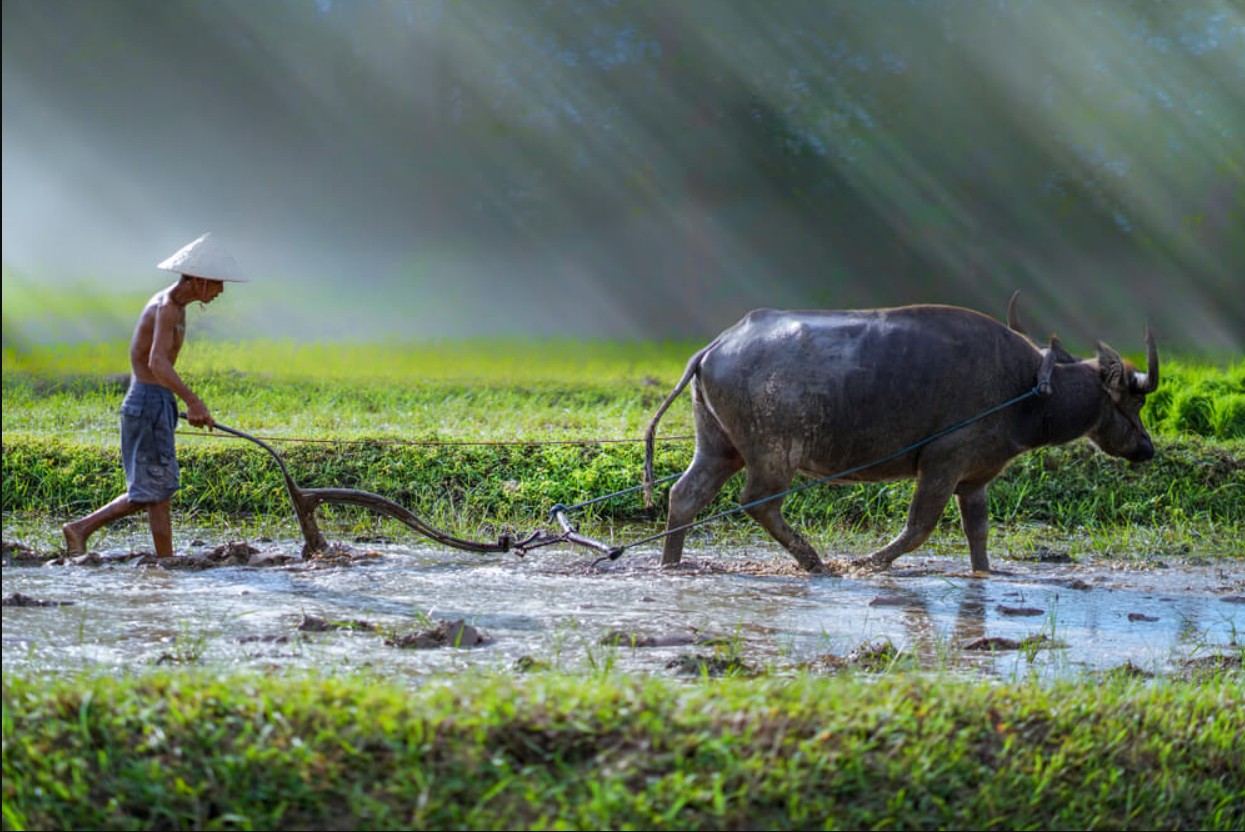
A farmer plowing a field
Former lawmaker and farmers’ rights advocate U Sein Win warned that if the agricultural sector is not prioritized in fuel distribution, it could lead to reduced cultivated acreage, disruption of ongoing farming activities, and significant losses.
He said: “In some places, paddy is being harvested, so diesel is needed. In other places, land preparation is ongoing, which also requires diesel. Farmers also need fuel to travel to towns to buy fertilizers and seeds. Since there are not enough harvesting machines, delays in harvesting will cause major crop losses. If agriculture is not prioritized, cultivated areas will decrease, farming operations will be disrupted, and farmers will suffer losses. If fuel cannot be purchased, farmers may even stop their work due to both crop losses and lack of fuel for transportation. Therefore, diesel and petrol must be prioritized for production. Previously, summer paddy yields were about 80, 100, or even 120 baskets per acre. Now, not only are yields declining, but there is also a high risk of crop damage. Monsoon paddy will also be affected.”
Although Ayeyarwady Region typically cultivates over 1.5 million acres of summer paddy annually, this year production costs have risen significantly due to high fuel prices, increased input costs, and water shortages.
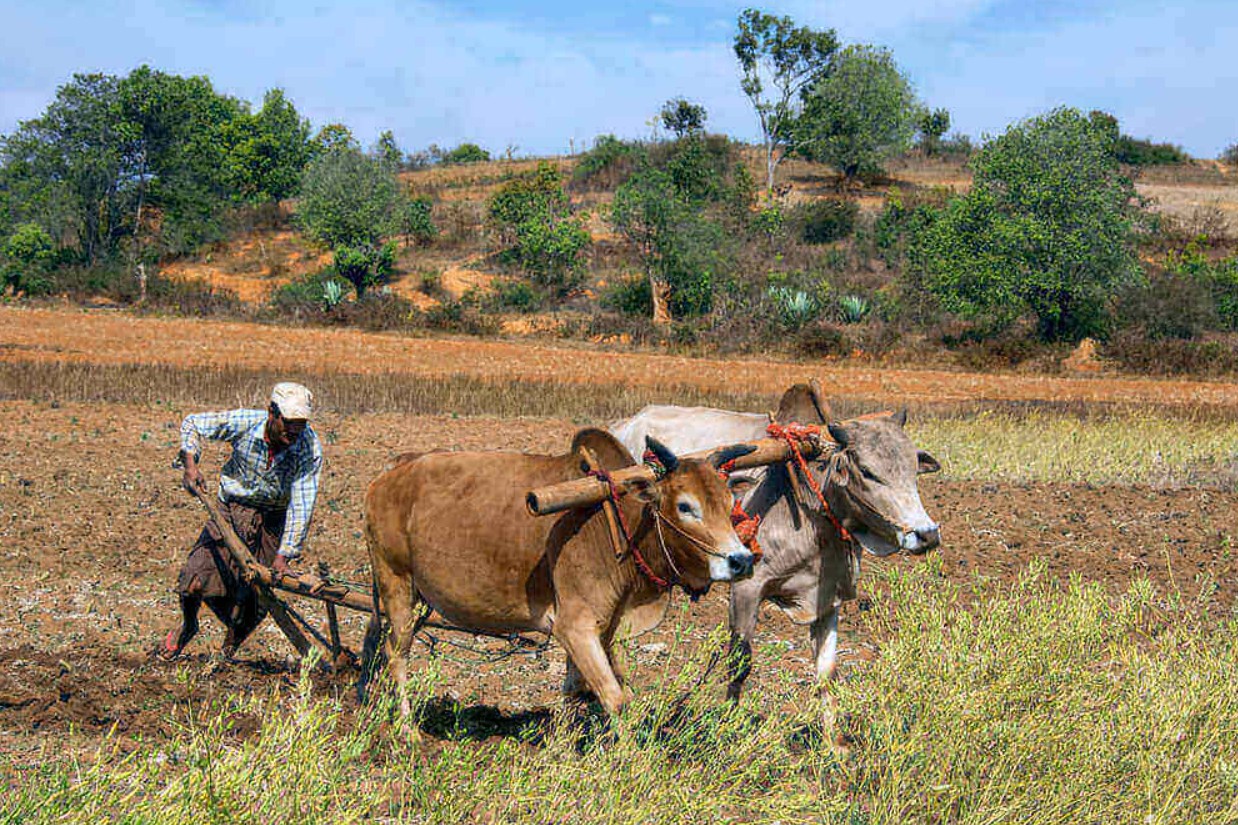
A farmer plowing a field
Due to fuel shortages, farmers are struggling even to harvest paddy that has already been planted or is ready for harvest, U Thein Aung added.
He said: “At this time, fields should already be plowed using tractors, but that work cannot be done. If these activities are delayed, next year’s rice production will be significantly affected. Right now, even for already planted paddy that cost around 1 to 1.2 million kyats per acre, it is extremely difficult to harvest and store it. I would like to suggest that authorities and agricultural departments allocate fuel to farmers based on acreage. That way, agricultural production will not be disrupted.”
Currently, farmers in the Ayeyarwady Region are harvesting major summer paddy varieties such as GW-11, Thai Bey Kyar, New Ayeyar, Byaw Thukha, Anyar Thar, 90-day varieties, Sin Thukha, and Hnan Kauk.
High fuel prices are a major issue, with farmers often forced to pay above the official rates, significantly increasing per-acre production costs.
Farmers warn that if fuel remains unavailable or insufficient, rice production will decline and they will suffer major financial losses.