
CNI News
March 30, 2026
The regulation restricting vehicles to operate on designated “odd” and “even” days as part of fuel-saving measures is pushing the public toward lawbreaking, according to political analysts, businesspeople, and members of the public.
Starting March 7, 2026, the National Defence and Security Council announced on March 3 that cars and motorcycles must be used on an odd/even basis to address fuel shortages.
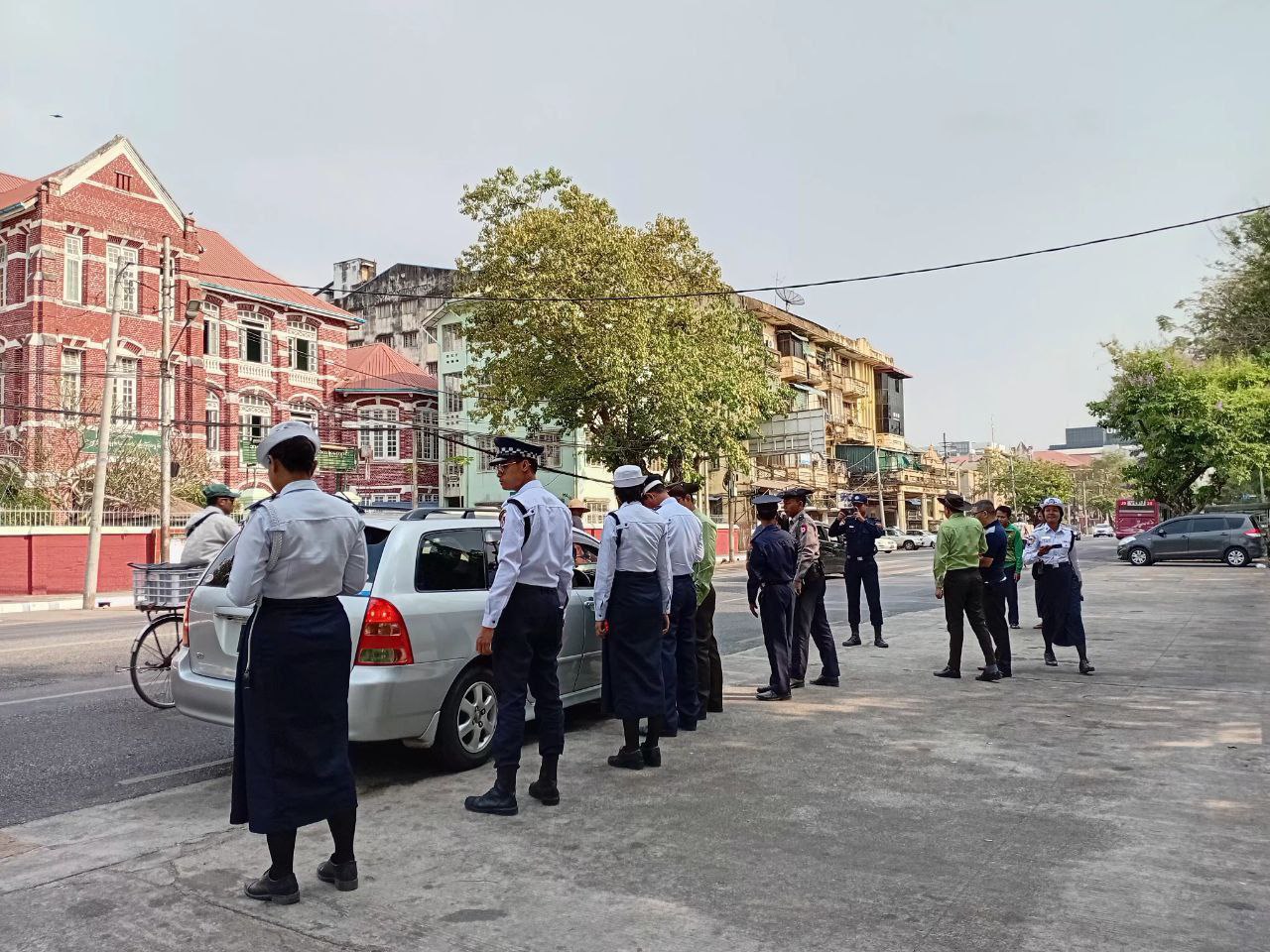
On the ground, however, people must travel daily for their livelihoods and economic activities, forcing them to bypass the odd/even restrictions in various ways. As a result, many are unintentionally breaking the law, and the policy is effectively encouraging such violations, observers noted.
Political analyst U Htet Aung Kyaw told CNI News that laws must be precise and effective when enacted, and they should be practical enough for the public to follow. Laws that are outdated or unsuitable for current conditions should be repealed.
He said: “In Myanmar, we often see this kind of situation. When a law is issued, it should be effective and clear. But when laws are vague or impractical, people find it difficult to comply and end up acting however they can.As a result, people unknowingly become lawbreakers. There is a theory called the ‘broken window theory.’ If a broken window at an intersection is not repaired quickly, people begin to assume that law enforcement is weak and that they can do whatever they want. Gradually, this leads to more serious crimes.
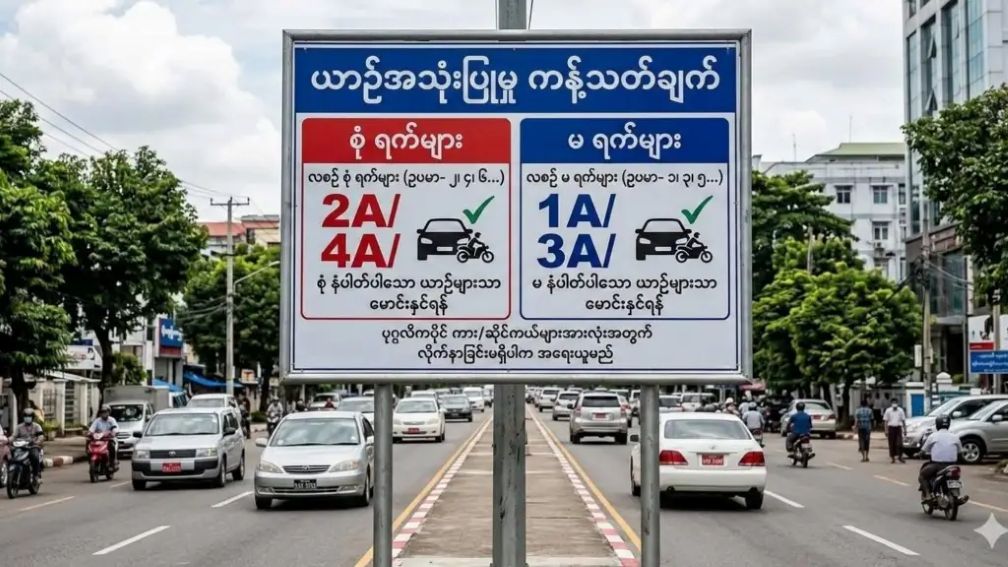
The odd/even restriction announcement is seen.
The idea is that by addressing small issues, larger problems can be prevented. In Burmese, it is similar to the saying ‘a great fire can start from a small spark.’If people unknowingly continue breaking laws, it weakens the rule of law. Therefore, laws must be ones that people can realistically follow, and outdated laws should be abolished.”
Currently, due to the odd/even restriction, people are forced to move about secretly like offenders, effectively becoming lawbreakers without realizing it, critics pointed out.
Businesspeople also said the policy is harming the hotel and tourism sector, reducing production, disrupting economic activity, causing labor losses in workplaces, encouraging corruption, and creating a privileged class.
U Htet Aung Kyaw added that if people begin to believe that breaking a law has no consequences, the long-term effects could be severe.
He said: “Every Myanmar citizen is breaking some rule, knowingly or unknowingly. This mindset—‘nothing will happen if we break the rule’—has already taken root among the public. When people start believing that small violations don’t matter, this attitude spreads throughout society, which is not good.That is why authorities, the government, and lawmakers must carefully consider these impacts and design systematic and practical policies.”
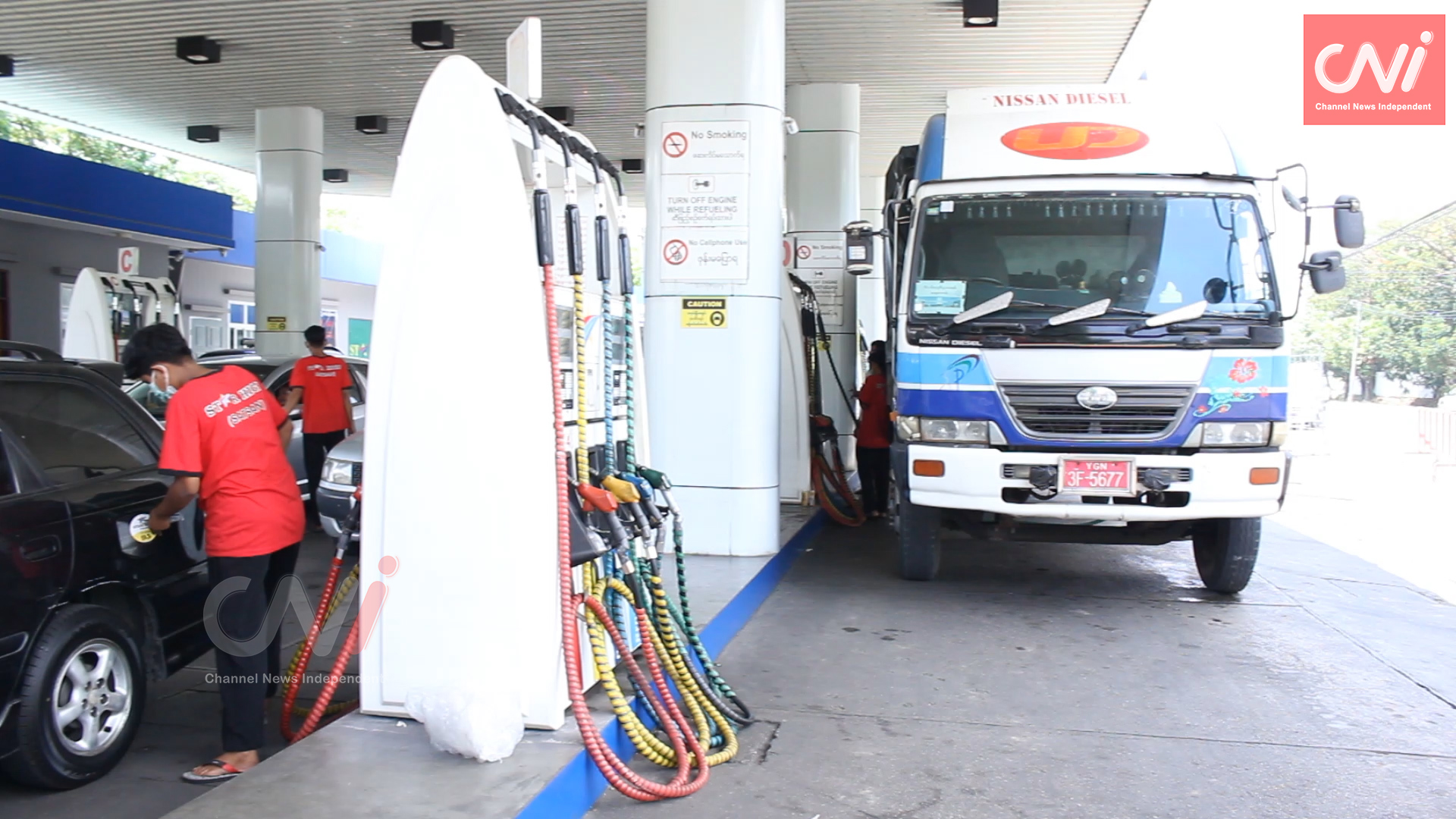
A fuel station is seen.
Sai Htay Aung, chairman of the Tai-Leng (Shanni) Nationalities Development Party (TNDP), also told CNI News that while people do not intend to break the law, they are forced to do so out of necessity.
He said:“Even though people may be unknowingly violating the rules, they actually want to follow the law. But when they must travel, they have no choice but to take the risk.
If this directive were revoked and fuel-saving measures were implemented in a different way, the public would be satisfied. People will always find ways around restrictions.
At the same time, this directive has created opportunities for corruption among officials, based on what we have experienced.If a directive is issued, it should be clear and precise. Once issued, it is very difficult to revoke, so authorities should carefully assess both the positive and negative impacts on the public before implementing such measures.We do not want directives that effectively teach people how to break the law.”
Currently, there are widespread calls for authorities to revoke the odd/even system.
Instead, for fuel conservation, the public supports a system where fuel sales are limited once or twice a week based on engine power.