
CNI News
March 28, 2026
If peace can be achieved with the three armed groups from Kachin, Rakhine, and Karen, it could make resolving Myanmar’s armed conflicts easier, political analyst Dr. An Kaw La told CNI News.
He also said that the current appointments of Kachin individuals as the Speaker and Deputy Speaker of the National Parliament (Amyotha Hluttaw) may have been made with the intention of facilitating peace with Kachin groups.
Dr. An Kaw La said: “In my view, there are three key groups that are crucial in Myanmar’s current armed conflicts and peace process — the Kachin, Karen, and Rakhine groups. If peace can be achieved with these three, the path to resolving Myanmar’s armed political conflicts will become shorter and easier. Among them, making peace with the Kachin Independence Organization (KIO), which is involved in fighting in Sagaing Region, is particularly important. At present, Kachin representatives hold positions in the National Parliament. Also, in terms of political rotation, the turn for positions like the vice presidency appears close to Kachin and Rakhine representatives. Therefore, appointing Kachin individuals — including those who previously served under the State Administration Council (SAC) — may be aimed at making future peace efforts with the Kachin easier. Of course, there may be other reasons as well, which we cannot be certain about. But overall, I see this as a positive development that could be beneficial.”
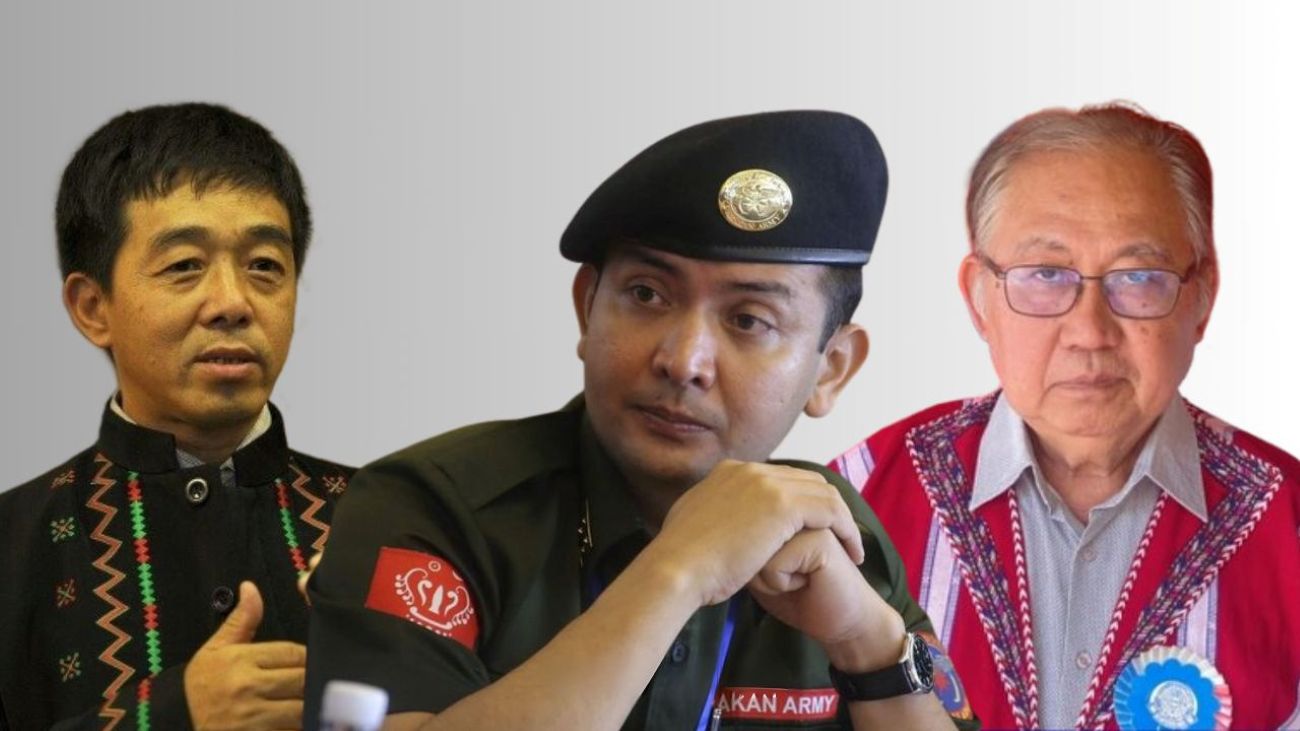
Military and political observers believe that the Kachin Independence Army (KIA), Karen National Union (KNU), and Arakan Army (AA) have reached a major turning point, both militarily and politically, in Myanmar’s current political landscape.
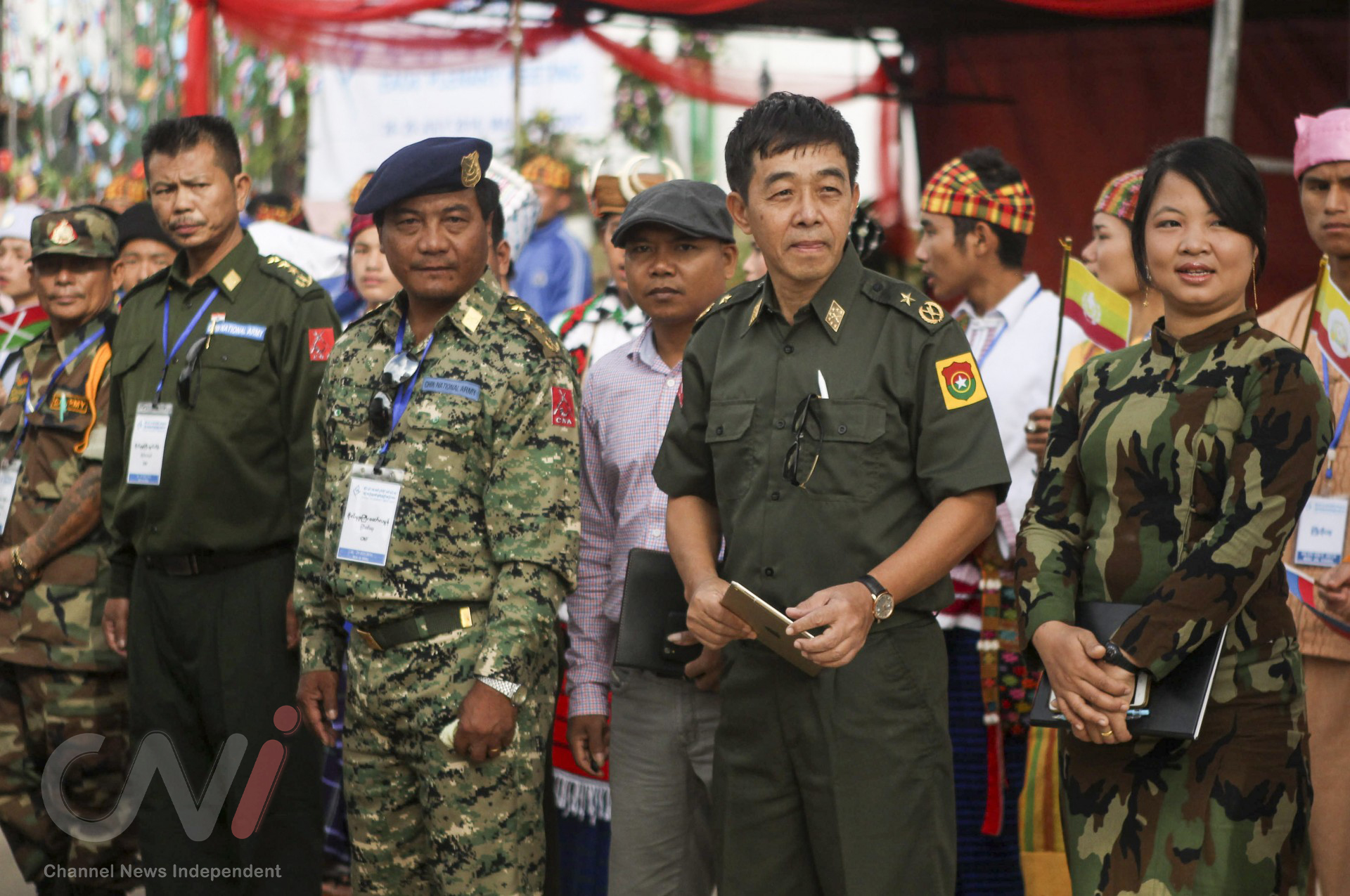
Members of KIA, ABSDF, and CNF are seen
The AA has taken control of most townships in Rakhine State and is nearly encircling key areas including the state capital Sittwe and the strategically important Kyaukphyu region. In line with its “Arakan Way,” it is effectively implementing a confederation-style system.
Since 2021, the KIA has gained significant political influence among resistance forces by providing military support and coordinating with the National Unity Government (NUG) and the People’s Defence Force (PDF).
In Sagaing Region, the KIA has been working to expand control over areas such as Homalin, Banmauk, Htigyaing, Tamu, Hkamti, Phaungbyin, Shwe Pyi Aye, Mawlaik, Katha, Kawlin, Pinlebu, and Indaw, as well as parts of the Naga region. It has coordinated with various groups including PDF units, KNA-Burma (Kuki), Naga armed groups (ENDA/ENNO and NPDF), ABSDF, AA, and CNDF.
The KNU has become a major revolutionary hub in southern Myanmar, expanding its military presence not only in Karen State but also into Bago Region and Mon State.
It is also attempting to control key transportation routes such as the Asian Highway. As one of the closest allies of the NUG, it is actively working to implement the Federal Democracy Charter.
These three groups are indigenous to their respective regions and possess their own communities and territories.
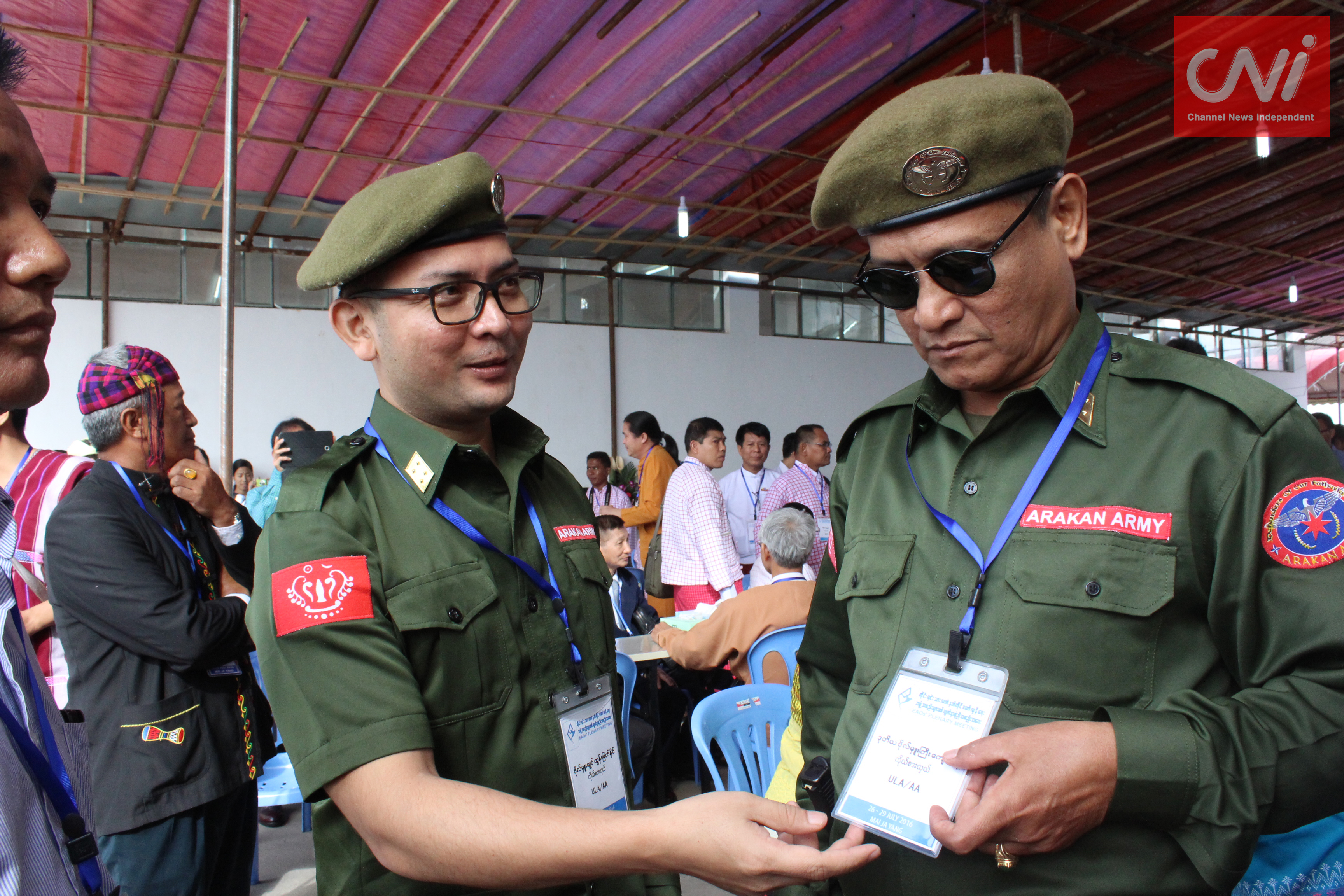
Two AA leaders are seen
Therefore, they are capable of practically implementing peace if efforts are made, said Colonel Khun Okka, chairman of the Pa-O National Liberation Organization (PNLO-NCA/S), a signatory to the Nationwide Ceasefire Agreement (NCA).
He said: “Kachin, Karen, and Rakhine groups are original ethnic groups who have been engaged in armed struggle for many years. They have the capacity to act, strong public support, and control over their own territories — these are significant strengths. Because they have their own territories and people, they are groups that can realistically implement peace in the country. Even if political dialogue cannot immediately begin with other armed groups, bringing them back into a ceasefire framework would at least reduce tensions. After that, dialogue and peace negotiations can resume.People are hopeful that the new government and new parliament will initiate such processes.”
Kachin State has cross-border trade with China, exports of rare earth minerals, and other natural resource extraction activities.
Rakhine State has border trade with Bangladesh as well as India’s Kaladan project.
Meanwhile, Karen State serves as a major artery for Thailand–Myanmar border trade.