
CNI News
March 28, 2026
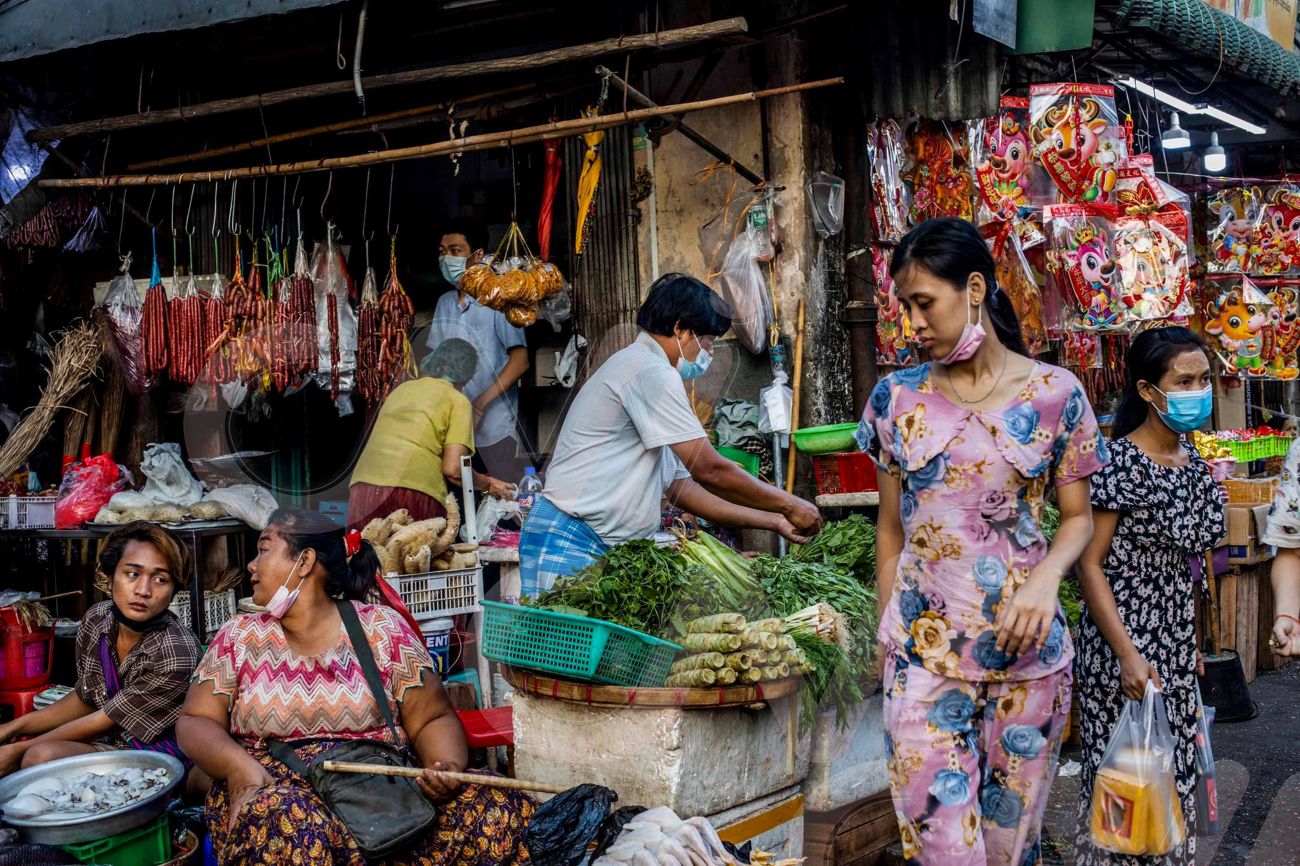
If the government increases taxes, it has a responsibility to ensure that people have access to job opportunities and rising incomes so they can pay taxes properly, businesspeople and economic analysts told CNI News.
As citizens, people are obligated to pay taxes set by the state.
However, if taxpayers receive no benefits in return, it becomes problematic.
Therefore, alongside raising taxes, the government must create employment opportunities, said businessman U Aung Pyae Sone.
He said: “As citizens, we must pay taxes. When we pay income tax, there are some benefits, such as relief when purchasing houses, land, or cars. The government should also ensure that tax revenues collected from the public are used effectively and without waste in the right sectors. People must pay taxes properly, but for them to do so, the government has a responsibility to create job opportunities so people can earn income. Otherwise, if the government only collects taxes whenever it has the chance, and people try to evade taxes whenever possible, the country will continue to stagnate and move backward. Therefore, both the public and the government need to act with goodwill and responsibility.”
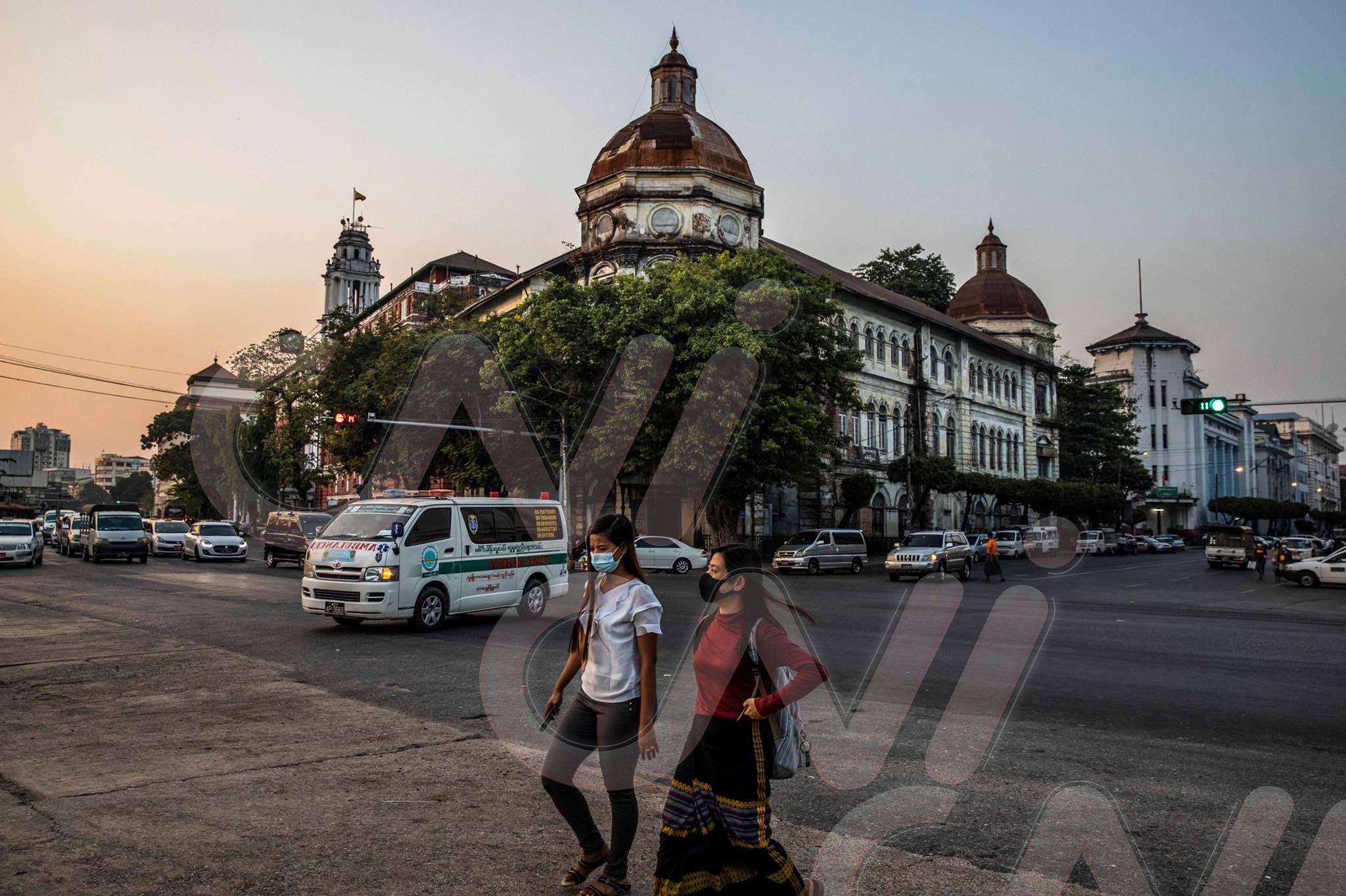
The government has also announced that customs duties will be imposed on imported and exported goods based on their type and value under the new law.
Under current regulations, higher taxes will be imposed on special goods such as cigarettes, tobacco products, cheroots, cigars, pipe tobacco, betel-related products, alcohol, beer, and wine.
For example, cigarettes priced between 1,001 kyats and 2,000 kyats will be taxed at 28 kyats per stick, while premium cigarettes priced above 2,001 kyats will be taxed up to 31 kyats per stick.
Locally consumed cheroots, commonly used in rural areas, will be taxed at a lower rate of 3 kyats per stick.
Economic analyst U Htay Aung Kyaw said many people question whether increasing taxes actually raises government revenue, noting that evidence often shows otherwise.
He said: “Both in theory and in practice, when taxes increase, the key question is whether government revenue actually rises. We also need to consider how higher taxes affect supply and demand. Higher taxes create a burden shared by both consumers and producers. Sometimes, neither the government nor taxpayers benefit—resulting in a loss for all parties. So it is important to understand that increasing tax rates does not necessarily increase revenue. It can also place additional pressure on the market.”
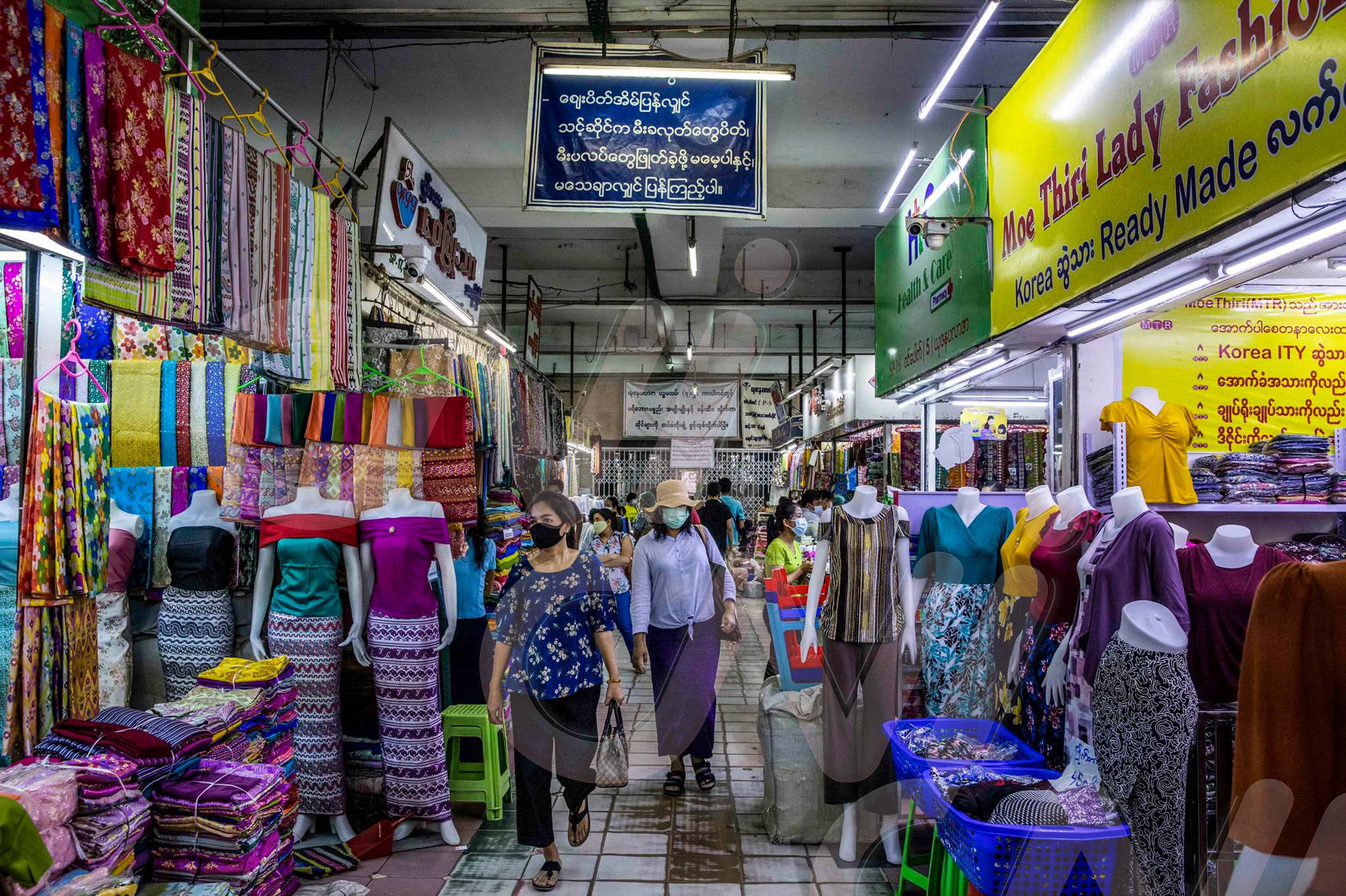
The law also stipulates that a 5 percent commercial tax will be applied to the landed cost of imported goods across various categories, including food, agriculture and livestock products, educational and office supplies, healthcare goods, religious and social-use items, transportation equipment, industrial goods, defense-related items, gemstones, natural resources, and general goods.
U Aung Pyae Sone also suggested that instead of collecting small amounts of tax from ordinary citizens, the government should ensure proper taxation of large businesses and encourage ethnic entrepreneurs to expand economic activity.
He said: “The key issue is how taxes are structured. There should be fair taxation systems based on income levels, including exemptions for low-income earners. If people have sufficient income, they will be willing to pay higher taxes. But if people are struggling daily just to survive, additional taxes will only worsen their hardship and lead to public dissatisfaction. The government should listen to the people and make necessary adjustments. Instead of collecting small amounts from ordinary citizens, it should focus on properly taxing large businesses that are capable of contributing more.”
Businesspeople also noted that sectors such as mining, natural gas, resource extraction, and gold mining—where the government can collect significant revenue—should be prioritized for taxation, while easing the burden on ordinary citizens.