
CNI News
March 21, 2026
Public members, tourism operators, and entrepreneurs are pointing out that the restriction of fuel sales at major filling stations for the fuel frugality is causing the fuel black market to expand more rapidly than before.
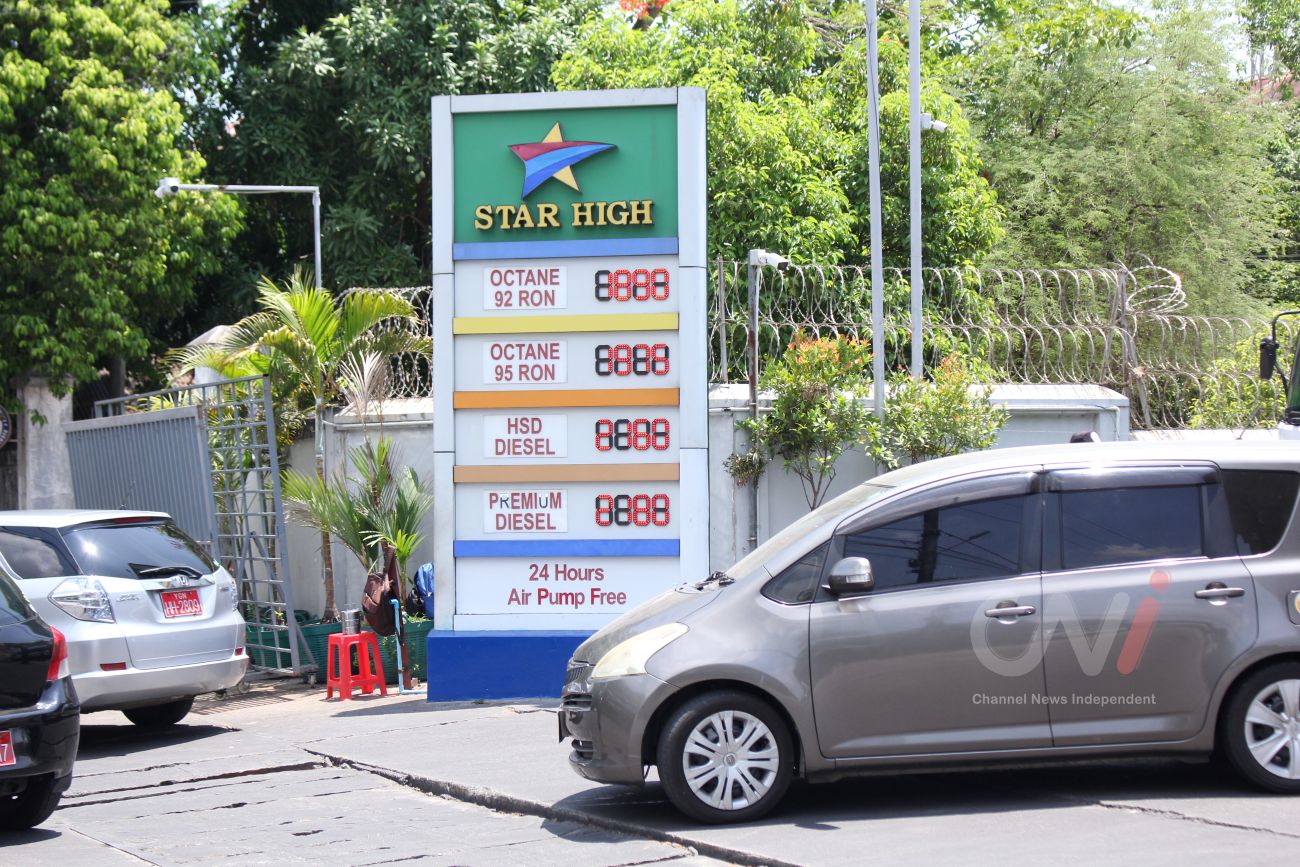
According to the domestic fuel reference prices released on March 20, 2026, prices are as follows:
92 Octane: 3,610 Kyats per liter, 95 Octane: 3,850 Kyats per liter, Standard Diesel: 4,390 Kyats per liter, Premium Diesel: 4,820 Kyats per liter.
Amidst these fuel difficulties, the illegal fuel black market is flourishing.
U Naung Naung Han, Chairman of the Myanmar Tourism Federation, told CNI News that the fuel crisis is significantly impacting the black market, both directly and indirectly.
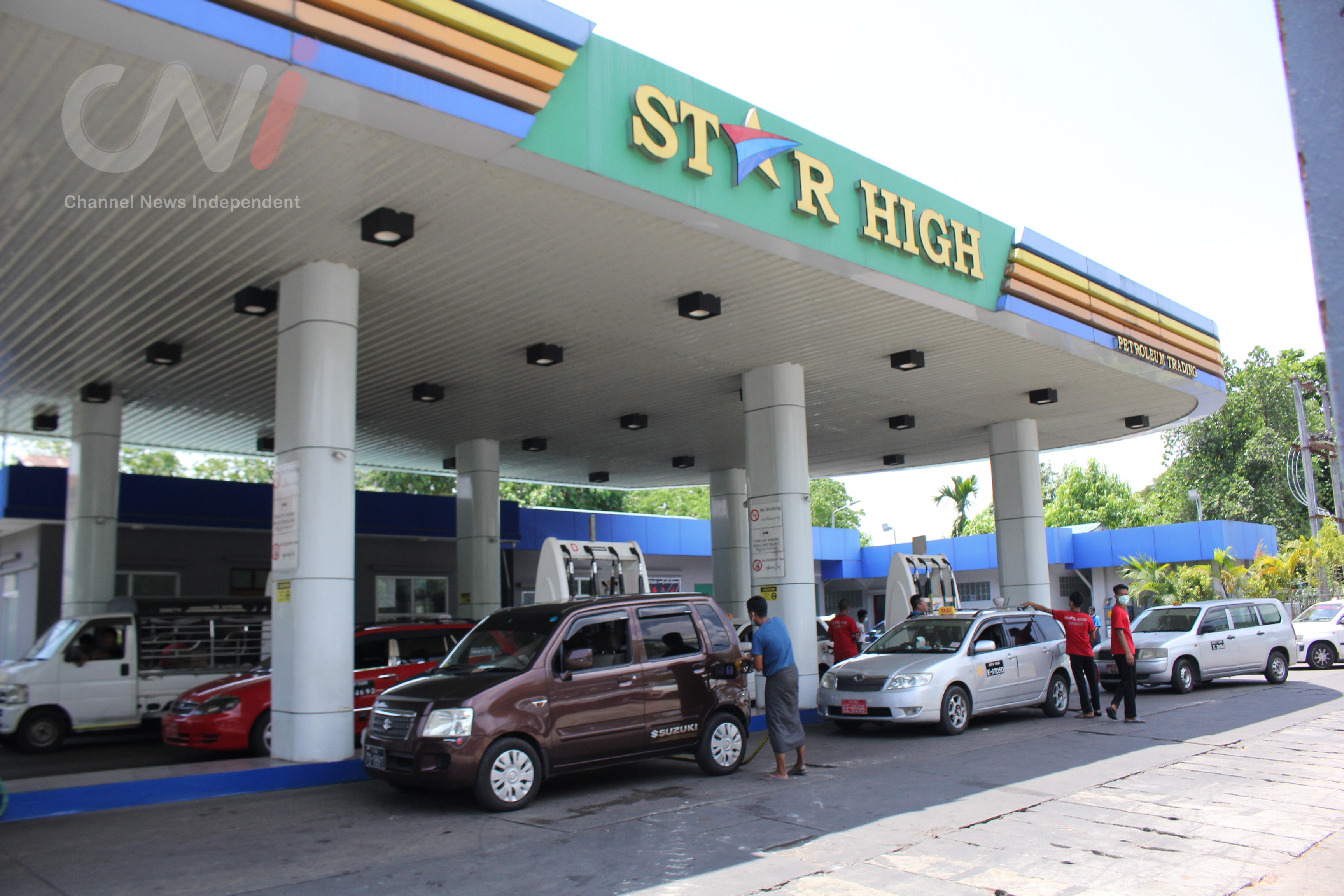
People queuing to fill fuel
"We are seeing many cases of duplicated vehicle licenses. There are also a vast number of unlicensed motorcycles, three-wheelers, and sidecars in use. As far as I know, most of them do not have official licenses. Since their fuel consumption is substantial, it's clear there is illegal buying and selling of fuel involved," he said.
He added that in cities like Mandalay, these hardships have caused the black market to swell, with external prices soaring to more than double the official rates.
Businesses that rely on generators but lack vehicle-style licenses also face shortages, further fueling the demand for illegal supplies.
The public has highlighted several critical issues arising from the current situation:
Price Inflation: In the black market, fuel prices have reached between 9,000 to 15,000 Kyats per liter.
Transportation Costs: This has led to a spike in rental fees for Tuk-Tuks (Thone Bane) and motorcycle taxis (Carry).
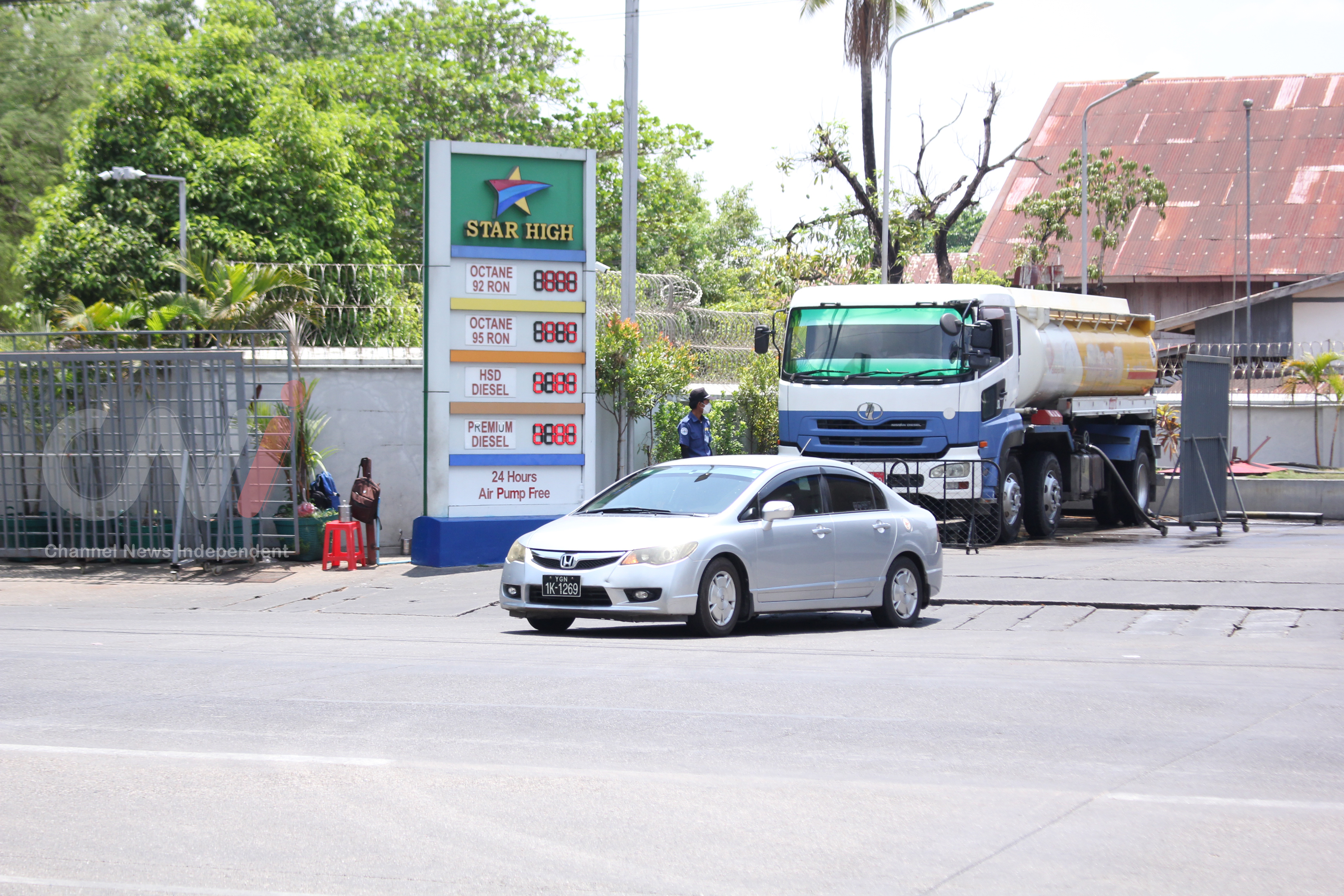
Scene at a fuel filling station
License Fraud: The use of "clone" license plates has led to "original" owners being unable to purchase fuel because their QR code quota has already been used by a fraudulent vehicle.
Economic analyst U Htay Aung Kyi told CNI News that because fuel is already sold with a set limit (quota) via QR codes, the "Odd-Even" day driving restriction (based on license plate numbers) is no longer practical and should be reconsidered.
"If fuel is already limited [via quota], the Odd-Even system isn't sustainable for the long term. If you have a limit, it doesn't matter which day you drive; you can't use more than your share anyway. We don't want this to further damage the economy," U Htay Aung Kyi explained.
The public reports that fuel difficulties are now affecting: Manufacturing & Production: Hampered by fuel costs and availability.
Tourism & Private Offices: Disrupted by the Odd-Even driving schedule.
Education: Parents are facing significant hurdles in transporting students to school.