
CNI News
March 20, 2026
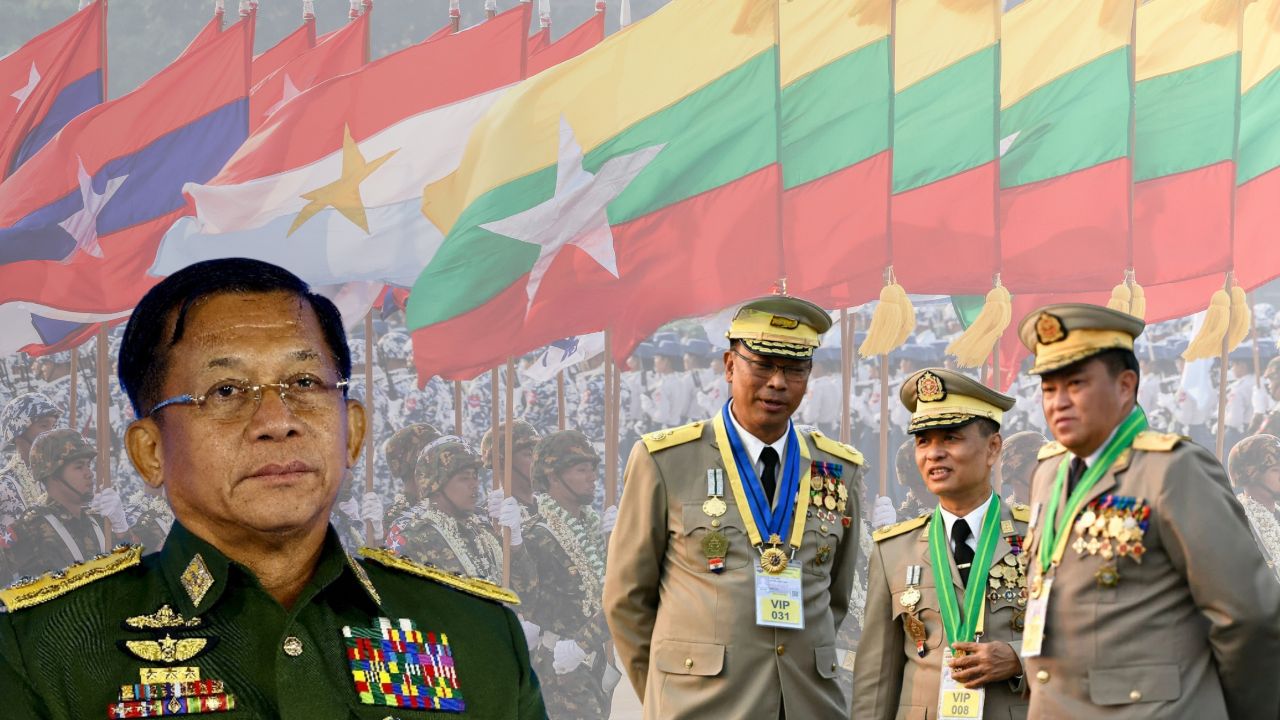
Political analysts told CNI News that peace negotiations in Myanmar between the Government, the Military (Tatmadaw), and Ethnic Armed Organizations (EAOs) will be impossible if deep-seated suspicion and restrictive conditions remain.
Pu Pu Htan, spokesperson for the Zomi National Party (ZNP), told CNI that if there is a genuine desire for a peace dialogue, it would be much easier if both sides engaged without prior restrictions or rigid regulations.
"If there are preconditions, trust will be broken. I believe it would be easier to negotiate if there are no such restrictions. It would be most effective to create a setting where everyone can discuss freely—perhaps in the presence of an international organization if mutual trust is still lacking. It would build more confidence, especially with support from neighboring powers," Pu Pu Htan said.
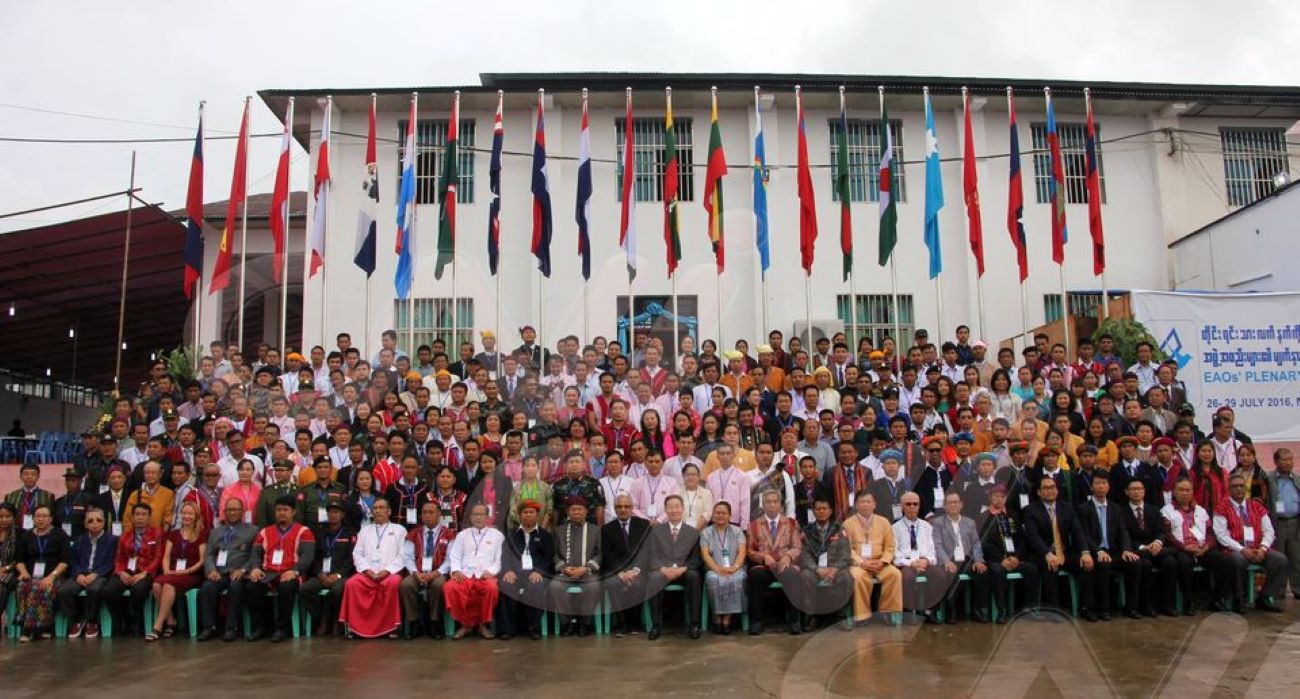
Currently, there are hundreds of armed groups in Myanmar, including Ethnic Armed Organizations, Spring Revolution forces, People’s Militia, and Border Guard Forces. Military and political analysts point out that the peace process will remain ineffective unless the underlying causes of conflict—such as political ideologies, historical backgrounds, and doctrinal disputes—are addressed.
Revolutionary Forces
Observers also noted that there are diverse concepts, philosophies, and efforts regarding the implementation of peace processes. Dr. Nyo Nyo Thinn, founder of the Yangon Watch group, told CNI that any armed organization would come to the table if they temporarily set aside self-interest and possessed a genuine desire to hand down a peaceful future Federal Union to the next generation.
Furthermore, she emphasized that the role of both domestic and international peace mediators is crucial in making these dialogues a reality.
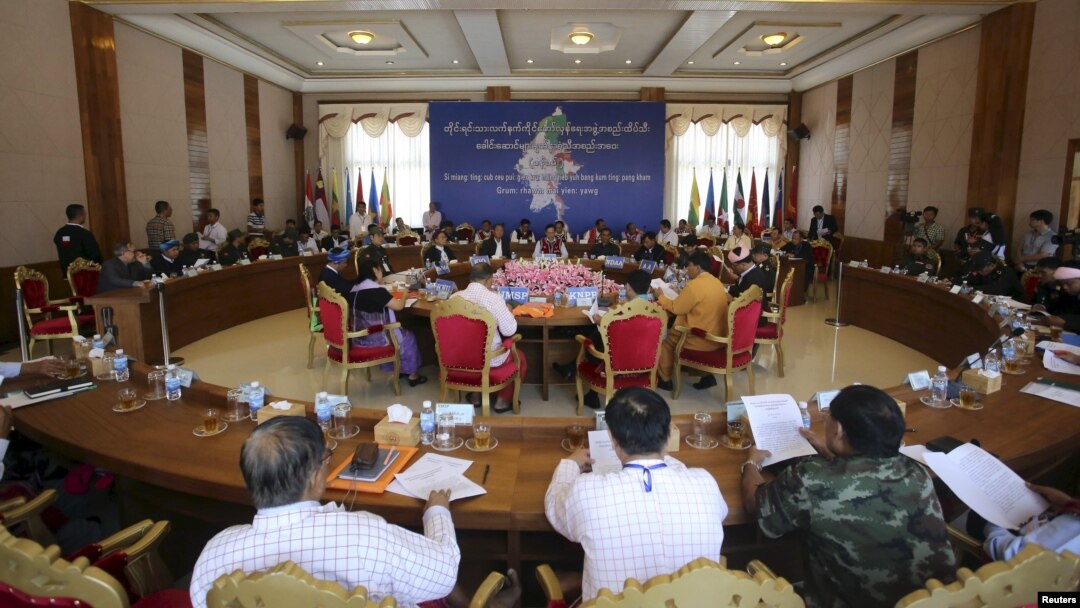
"Even if there is a desire for true peace for the future Union, these dialogues won't happen if they are overshadowed by immense suspicion. This is why the role of international and domestic mediators is vital. I believe it would be difficult for the Myanmar Military (Tatmadaw) and armed groups to succeed through direct negotiations alone. However, if international actors and domestic mediators are involved, the situation could change," Dr. Nyo Nyo Thinn said.
Revolutionary Forces
She added, "For example, if the KIA and the Myanmar Military were to negotiate face-to-face, there is a high chance of deep suspicion arising. Therefore, working with mediators is a faster route to the peace journey."
Myanmar’s civil war has persisted since the country gained independence on January 4, 1948. Analysts highlight that the current conflict has expanded significantly, with intense battles over territorial control between the military and various armed forces, leaving peace initiatives stalled.
Additionally, analysts suggest that when peace dialogues are held, smaller armed groups or those not currently engaged in active combat with the military should not be excluded; instead, all armed groups should be invited to participate on an equal footing.