
CNI News
March 20, 2026
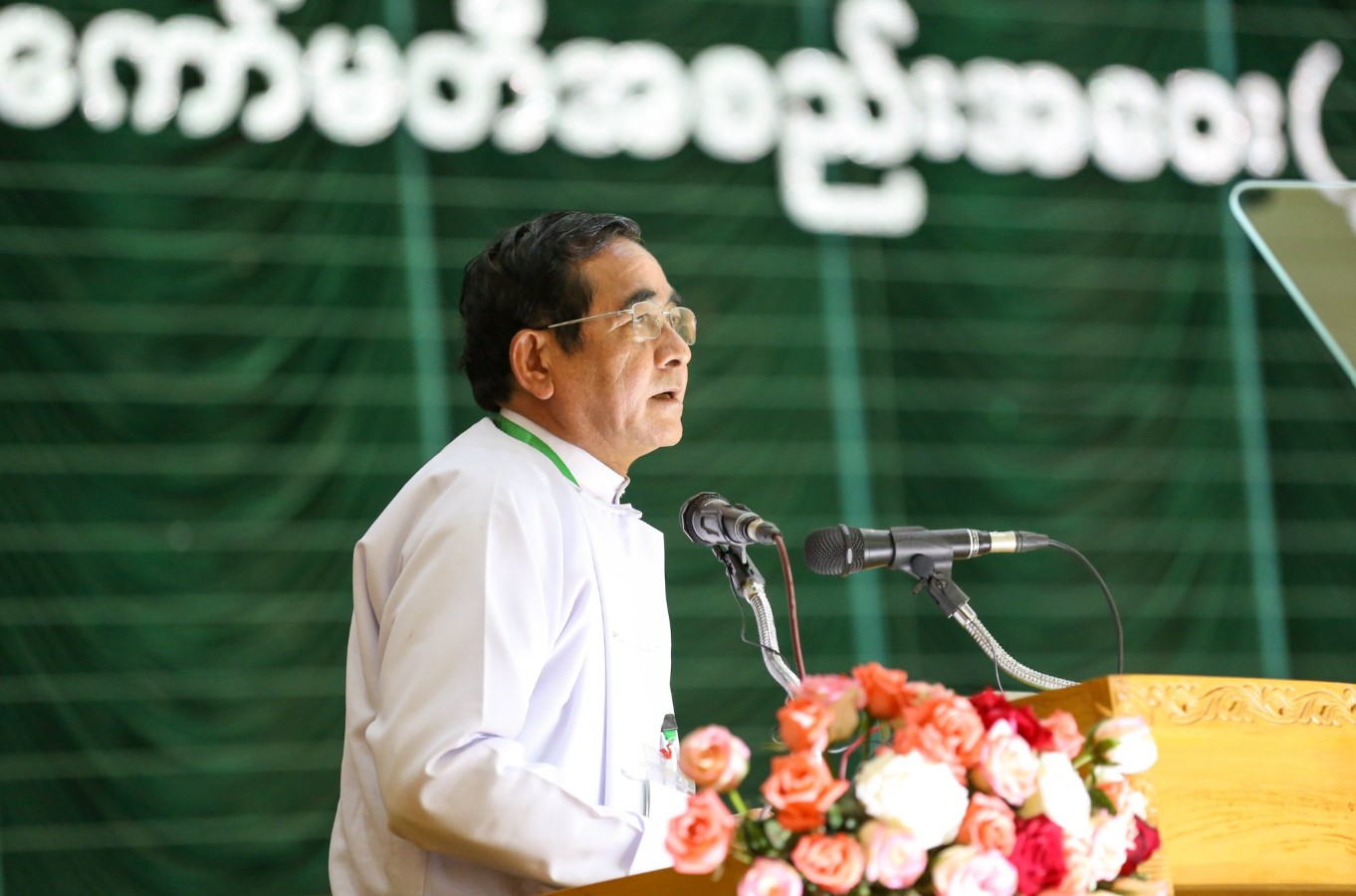
U Hla Swe, a member of the Pyithu Hluttaw, told CNI News that the Myanmar peace process requires a specific "Time Frame" to be set for negotiating with armed rebels.
Although Myanmar gained independence on January 4, 1948, civil war broke out as early as March of that year, persisting for over 70 years to the present day.
Regarding the peace process, U Hla Swe expressed an affinity for the decisive way World War II ended (referring to the U.S. atomic bombings of Japan), suggesting that armed groups should be given a deadline for negotiations. He stated that if they do not come forward within that set time frame, they must be decisively crushed.
"In truth, we have the Nationwide Ceasefire Agreement (NCA). Speaking from my personal view—as this hasn't been debated in Parliament (Hluttaw) yet—these insurgents and rebels must abandon the path of armed struggle. According to the Constitution, there should be no armed organization in Myanmar other than the Tatmadaw (Military). We need to upgrade the NCA. We must set a Time Frame for the points within the NCA: By which month or which year will you accept peace? I believe we need to act decisively and firmly. We will continue work regarding the NCA and peace, but we can't keep 'beating around the bush' like before. There must be a Time Frame: Will you settle once and for all by this year or not? If not, we stop talking to you; we will simply neglect you. We need to do what is appropriate for them. If they (rebel leaders) are relaxing at Laiza (KIA Headquarters), playing golf, smoking opium, and singing karaoke, they won't come if you just 'invite' them to peace talks," U Hla Swe said.
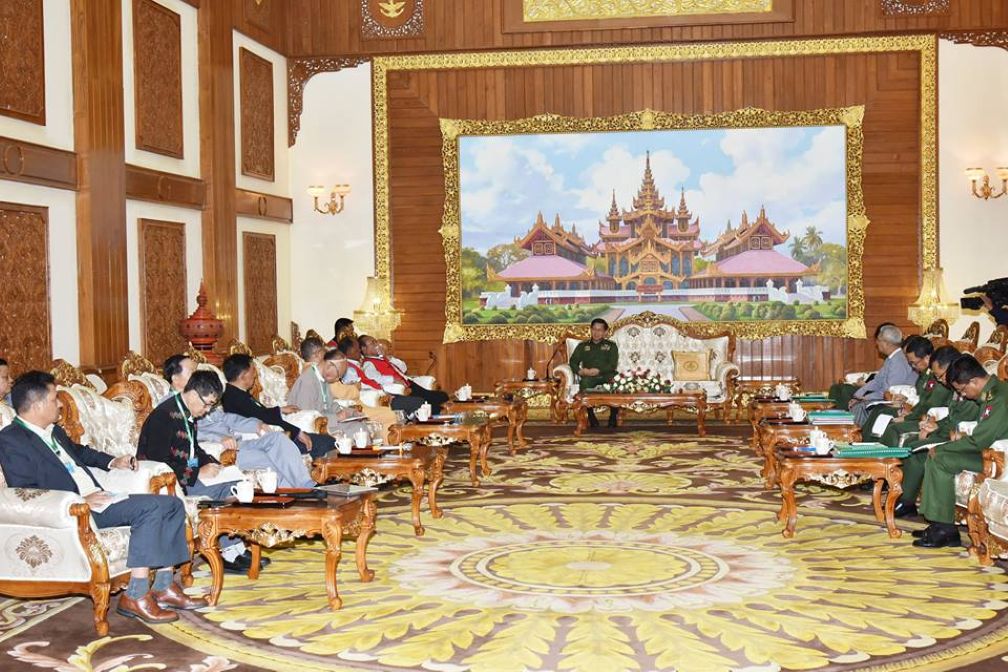
Senior General Min Aung Hlaing and leaders of the northern armed groups
Despite various meetings between the Government, Military, Parliament, and armed groups to implement peace and end the civil war, a successful resolution has yet to be reached.
Currently, the Myanmar Military has Preliminary Ceasefire Agreements (Bilateral) with 14 armed groups, while 10 armed groups have signed the NCA. Similar peace treaties were signed between the military and various groups between 1989 and 1995. However, armed conflicts persist, and many peace processes have collapsed.
U Hla Swe further argued that honest civilians reside in military-controlled areas, while only rebels remain on the other side. He warned that if the military lacks decisiveness, it will only result in the armed groups growing stronger.
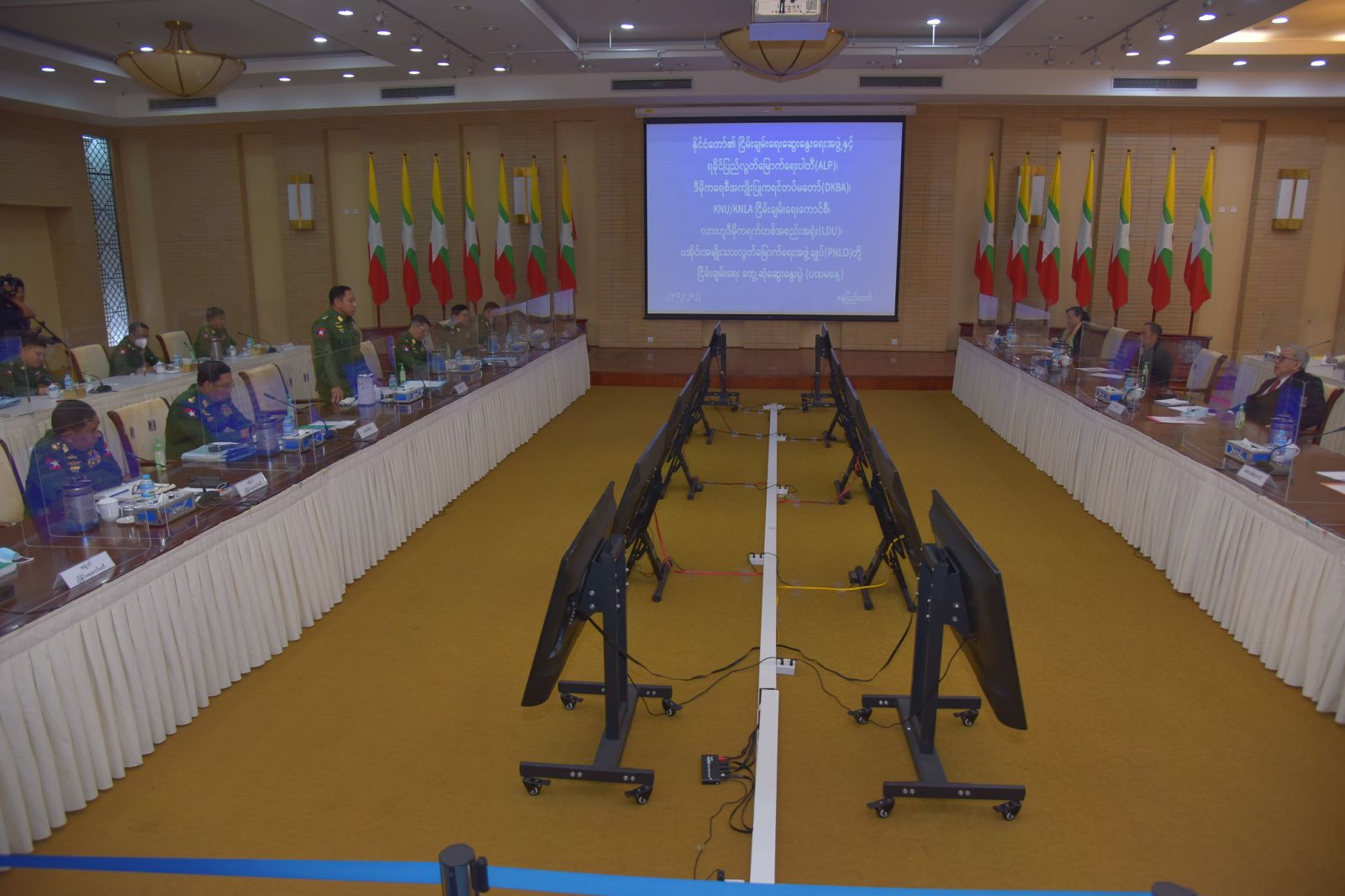
NSPNC and NCA signatories
"The public has wanted these rebels to end for a long time—just ask them. Ask if the people like having rebels around; they don't. Furthermore, civilians don't stay in rebel-held areas. They flock to military-controlled areas as internally displaced persons (IDPs). On their side [rebel-controlled], it's just rebels and soldiers. There might be opium, karaoke girls, or 'Jia Pian' [online scam/gambling] operators, but there are no honest civilians. Honest people cling to our side. The number of IDPs coming to us is not small. We have been negotiating with these groups for three generations now and still haven't settled it. My advice to those actually going to negotiate is: set a Time Frame. If there is no time frame, it won't benefit the country; it will only increase the strength of the rebels," he added.
It has been 79 years since Myanmar was established under the Panglong Agreement signed on February 12, 1947. However, the country’s armed conflicts have not ceased and are, in fact, intensifying. Furthermore, some armed groups have begun considering goals beyond Federalism, including secession.