
CNI News
March 20, 2026
Business owners, including those from the hotel and tourism sectors, report that the "Odd/Even" day vehicle restrictions—implemented to address fuel shortages in Myanmar—are negatively impacting the tourism and manufacturing industries.
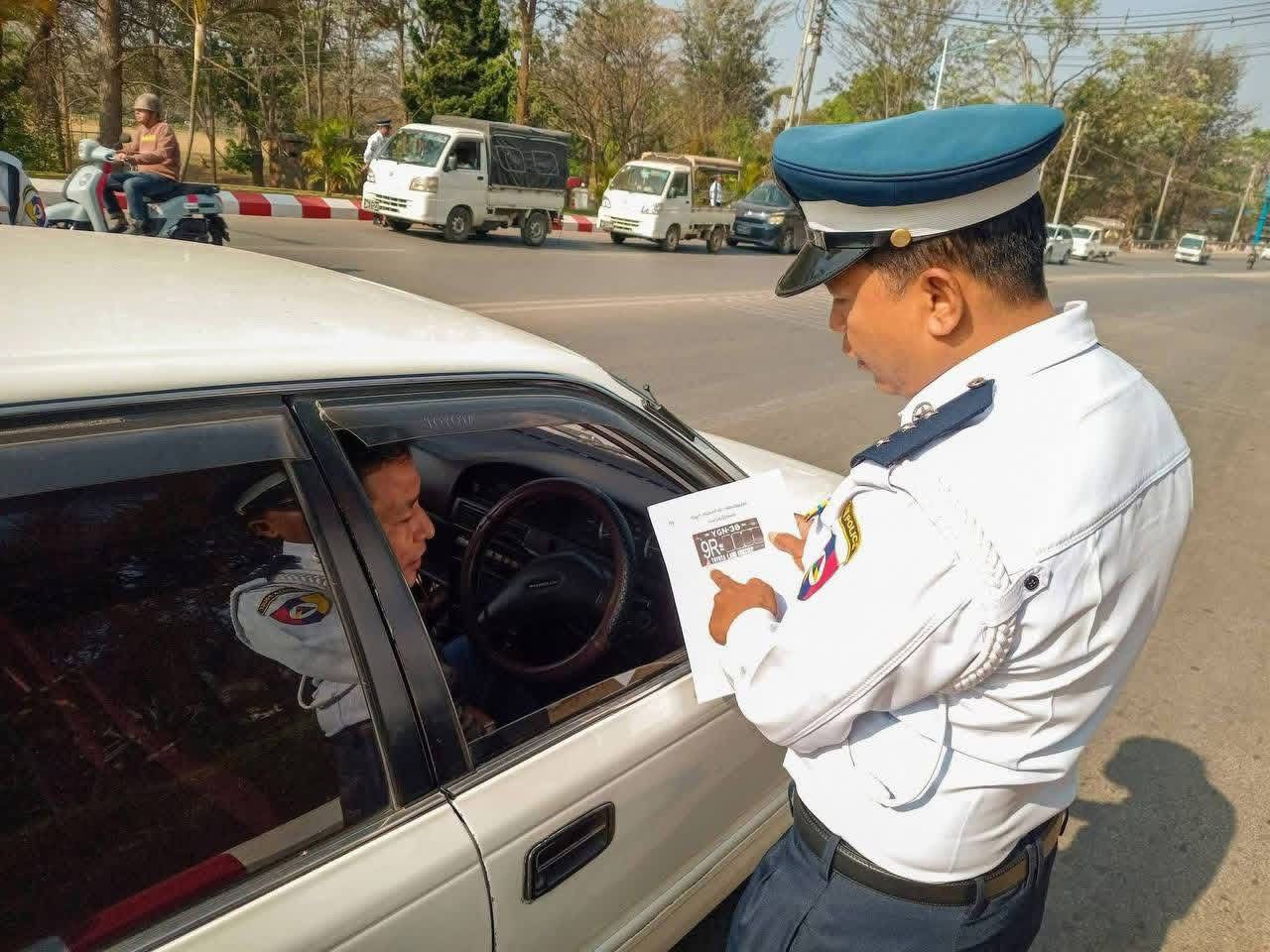
On March 3, 2026, the National Defense and Security Council announced that, starting March 7, motor vehicles and motorcycles must operate on alternating "Odd" and "Even" days based on their license plate numbers to conserve fuel.
U Naung Naung Han, Chairman of the Myanmar Tourism Federation, told CNI News that these restrictions have caused significant disruptions to the travel industry.
"In the tourism sector, we are facing major difficulties in organizing itineraries for international tourists. Since vehicles are split into odd and even days, if a guest arrives at the airport on the first day, we might need a completely different vehicle to pick them up the next day. Traveling to Naypyidaw or via highways has become a challenge. If the departure day is an 'Even' day but the return falls on an 'Odd' day, the vehicle cannot operate.

Tourists seen in Bagan.
It’s not just a one-day trip. Tours usually last three to five days, requiring travel on both odd and even days. For example, on a domestic pilgrimage from Yangon to Bagan, Mandalay, and Inle: if you arrive in Bagan on an 'Even' day with an 'Even' plate car, you can't use that car to sightsee on the following 'Odd' day, nor can you return home. This 'one day on, one day off' system is a massive blow to the tourism world," he said.
Currently, the restrictions are affecting private offices and students' parents, as well as commuters and those traveling for business. Traffic police officer Deputy Superintendent Kyaw Soe Lwin posted on social media that violators will be prosecuted under Section 96 of the 2020 Vehicle Safety and Management Law, carrying a fine not exceeding 30,000 Kyats.
Economic analyst U Htay Aung Kyi told CNI News that while fuel conservation is a necessary step, it should be implemented carefully to avoid damaging the economic system.
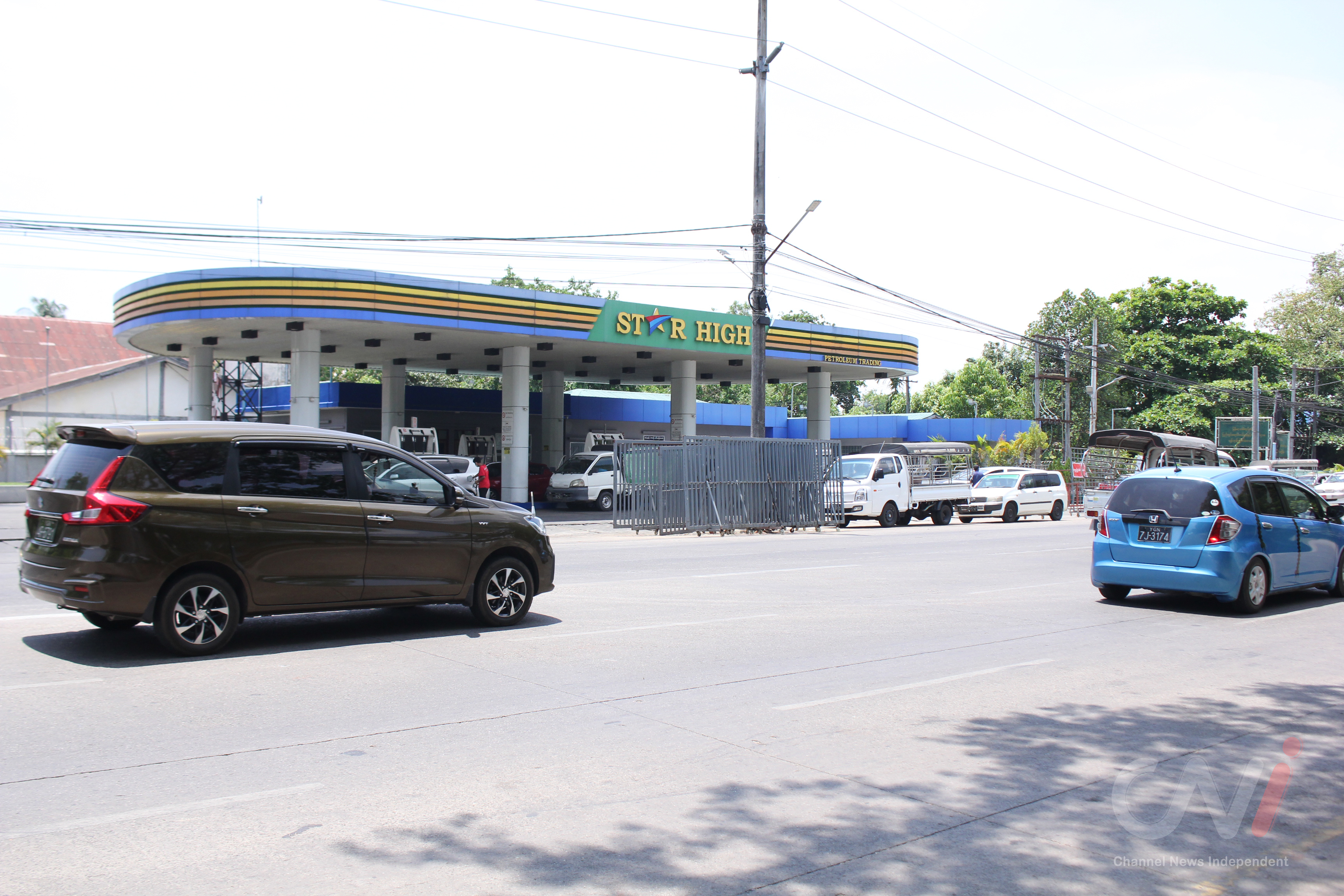
People queuing for fuel.
"Conservation measures are necessary for the immediate situation, but we must consider the long-term impact on the economy. Other countries implement fuel-saving measures, but they usually have very strong public transport systems. The main concern is how to avoid hitting productivity.
If I own a small factory and only have an 'Even' numbered car but no 'Odd' one, how can I work? This hits productivity directly. If I have 50 employees and provide ferry services, I need to operate daily. Can I afford to buy another car just to match the odd/even days? With current car prices, that's not feasible. This creates a chain reaction of problems," he explained.
Business owners and the public have pointed out that the Odd/Even mandate feels unfair to citizens and creates opportunities for exploitation by some individuals. They also noted that the fuel black market is expanding.
Additionally, challenges have arisen with the QR code system used for refueling. Some citizens reported that because of "cloned" license plates (illegal duplicates), original owners are sometimes unable to buy fuel because their quota has already been used by a vehicle with a matching fake plate.