
CNI News
March 11, 2026
Military and political analysts have pointed out that the new government emerging in Myanmar should simultaneously implement security, peace, federalism, and democracy.
Following the 2025 General Election, which was held in three phases from December 28, 2025, to January 25, 2026, the new government is set to be formed in April.
U Khun Sai, an active participant in the peace process, told CNI News that for the upcoming new government, peace, federalism, and democracy are interconnected issues that must be addressed together, emphasizing that the people are the true masters of the country.
He stated, "Security, peace, federalism, and democracy are all linked. I don’t think it’s practical to do them one after another; they must be worked on together. However, where we place our focus is more important. For instance, if we focus on security, can it be reliable without peace? Can there be peace without democracy? Or democracy without federalism? They are intertwined. Therefore, we cannot say yet which one should be prioritized right now."
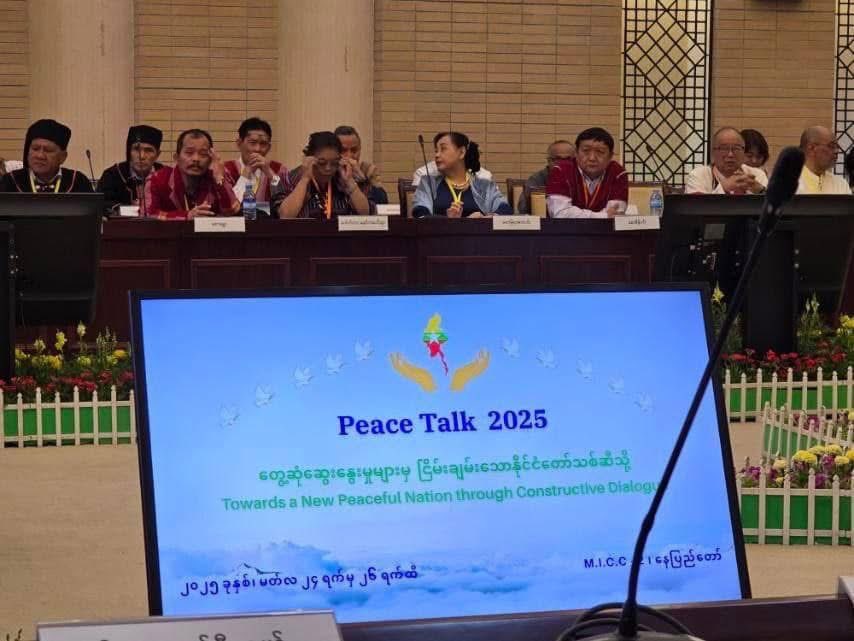
During a Peace Talk session.
He continued, "The main thing is they need to have the mindset of: 'We come from an election; an election is a choice by the people. The people are the true owners and masters of this country. We are not the masters. Whatever we do, we must obtain the consent of these masters.' If they have this mindset, though we may face difficulties initially, in the long run, we will achieve a country that is secure, peaceful, democratic, and federal. If they operate without this foundation—thinking 'We own the country, we will do as we please, and the people must accept it'—then it won't be possible. I hope the current leaders governing the country understand this."
Some observers suggest that during the new government's five-year term, the first two and a half years should prioritize peace and federalism, while the remaining two and a half years should focus on socio-economic development.
However, other military and political analysts argue that the new government needs to build the economy and education alongside the peace process.
Sai Htay Aung, Chairman of the Tai-Leng (Shanni) Nationalities Development Party (TNDP), told CNI News that if the new government strives for peace, federal issues must be the primary topic of discussion.
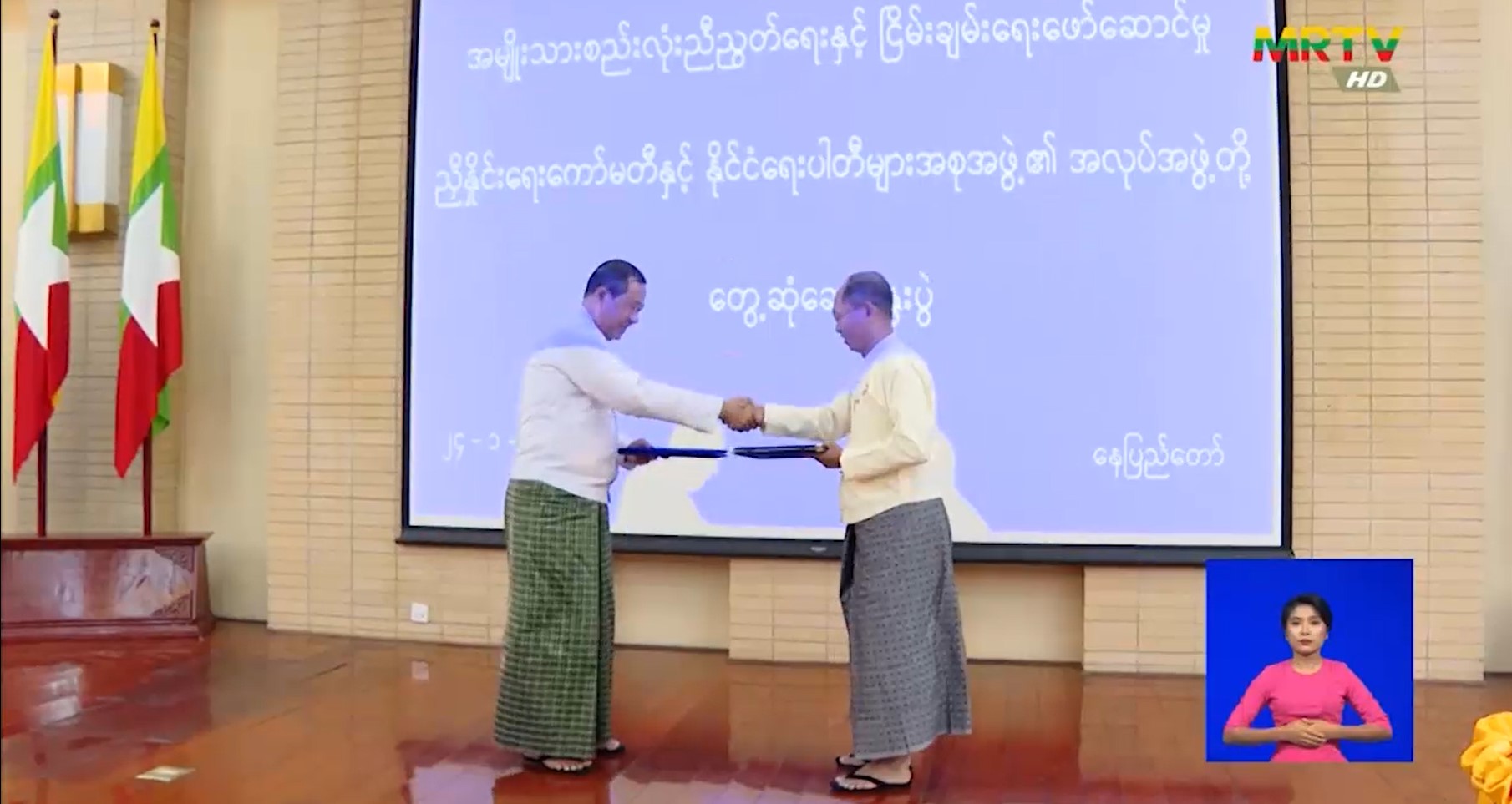
While reaching political agreements.
He said, "Democracy, federalism, and peace are intertwined like two sides of a coin. I don't think a sequential approach—doing one after the other—will work well. To strive for peace in the first two and a half years, federal issues must be the core of those discussions. Ethnic groups have demanded the federalism they desire since independence. Therefore, peace and federalism will move forward together. Regarding methods, some things should be presented to the public, while others should continue as internal implementations. Currently, we have the NCA (Nationwide Ceasefire Agreement). We must review its strengths and weaknesses."
He added, "If armed organizations are fighting, the current NCA is weak. The government should accept amendments of the NCA that benefit the people. We will move toward peace via the NCA. Since Paragraph 26 of the NCA states that constitutional amendments and other laws can be amended or supplemented, this must be discussed in parliament and the NCA path must be implemented from one side."
Political parties have pointed out that the post-election government should be formed as a national unity government style to accelerate political dialogues.
However, military and political analysts noted that the incoming government might manage the executive, legislative, and judicial branches by taking lessons from the various administrative eras of U Than Shwe, U Thein Sein, and Daw Aung San Suu Kyi. Therefore, the new government's policies on peace and socio-economics remain to be seen.