
CNI News
March 11, 2026
U Khun Sai, a participant in the peace process, told CNI News that there is no need to worry if the natural principle of the Panglong Agreement is applied: collective management for matters concerning everyone, and management by the relevant state officials for matters specific to their own state.
Following the political shifts in 2021, the goals of Ethnic Armed Organizations (EAOs) have evolved beyond Federalism, with some now aspiring toward a Confederal status.
Regarding these aspirations, military and political analysts point out that while the government accepts Federalism, it does not accept Confederation. Furthermore, the government is unlikely to accept a form of Federalism that involves very little central control.
Currently, the mention of "Panglong" is often misunderstood as synonymous with secession. However, U Khun Sai explained to CNI that the true essence of the Panglong Agreement is not about secession, but about the right to manage one's own state independently.
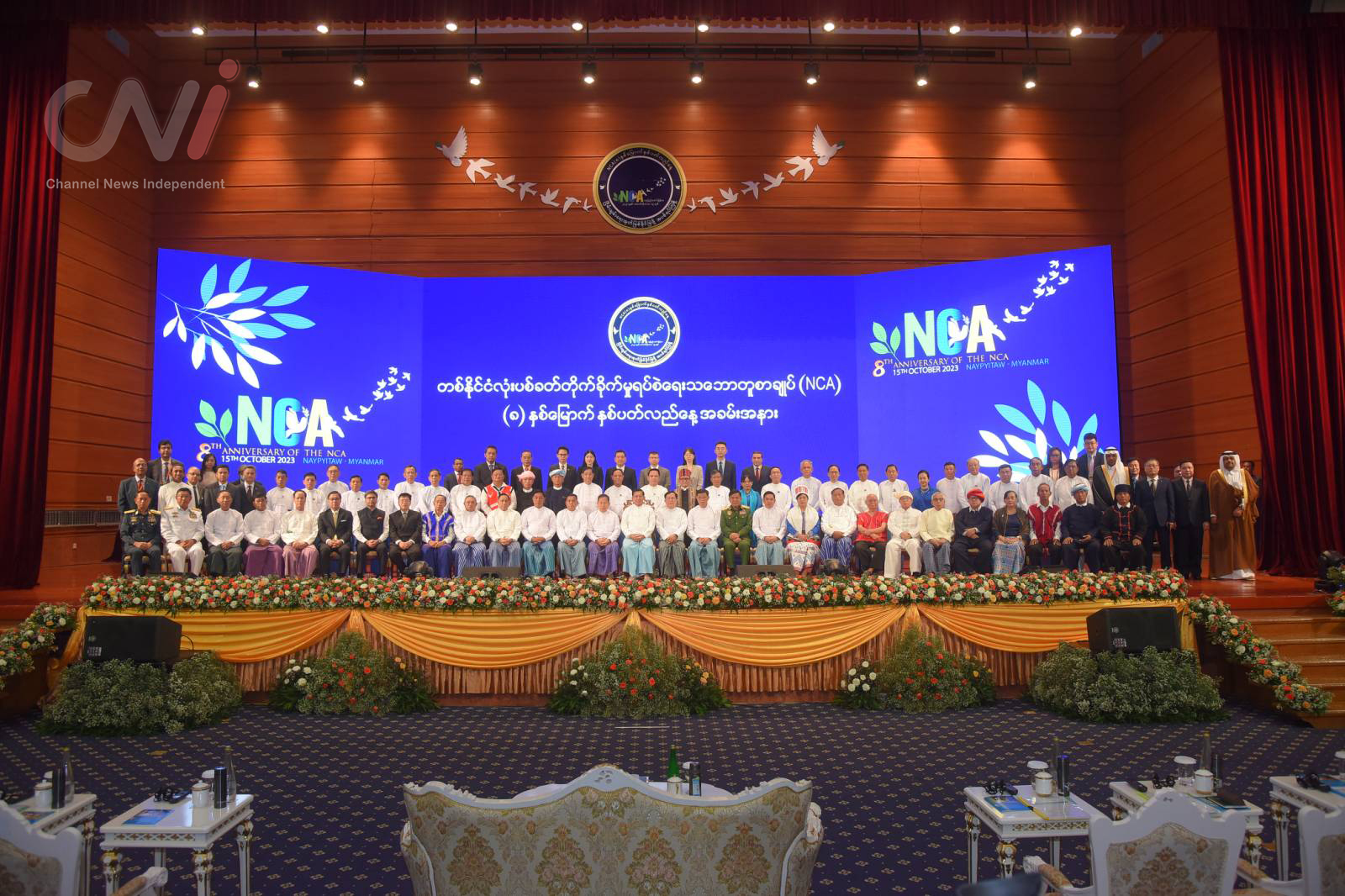
Leaders from ethnic armed groups, the Tatmadaw and the government seen.
He stated, "According to the Panglong Agreement and subsequent accords, the central government would handle matters concerning everyone. However, matters specific to a state would be handled by that state. When phrased this way, it can be interpreted as the 'Burman' government handling central affairs while non-Burmans only handle their own states. Many understand it that way. In reality, the leaders who drafted and implemented the Panglong Agreement did not define it like that. The central government wouldn't consist only of Burmans; it was intended to include ethnic and minority leaders as well. If you look at the Panglong Agreement, points 1 through 4 concern the central government, and you can see ethnic leaders participating in that central body. Since ethnic leaders themselves are involved, there is nothing for the central government to fear, even if they are governing their states separately. Why is there no need to worry? Most people now think 'Panglong' means secession or a desire for independence. Actually, Panglong wasn't created for that. It was so you could govern your own state independently."
The Panglong Agreement, signed on February 12, 1947, included a total of nine points, including five main agreements aimed at the Hill Regions and Mainland joining together to gain independence and achieve ethnic unity.
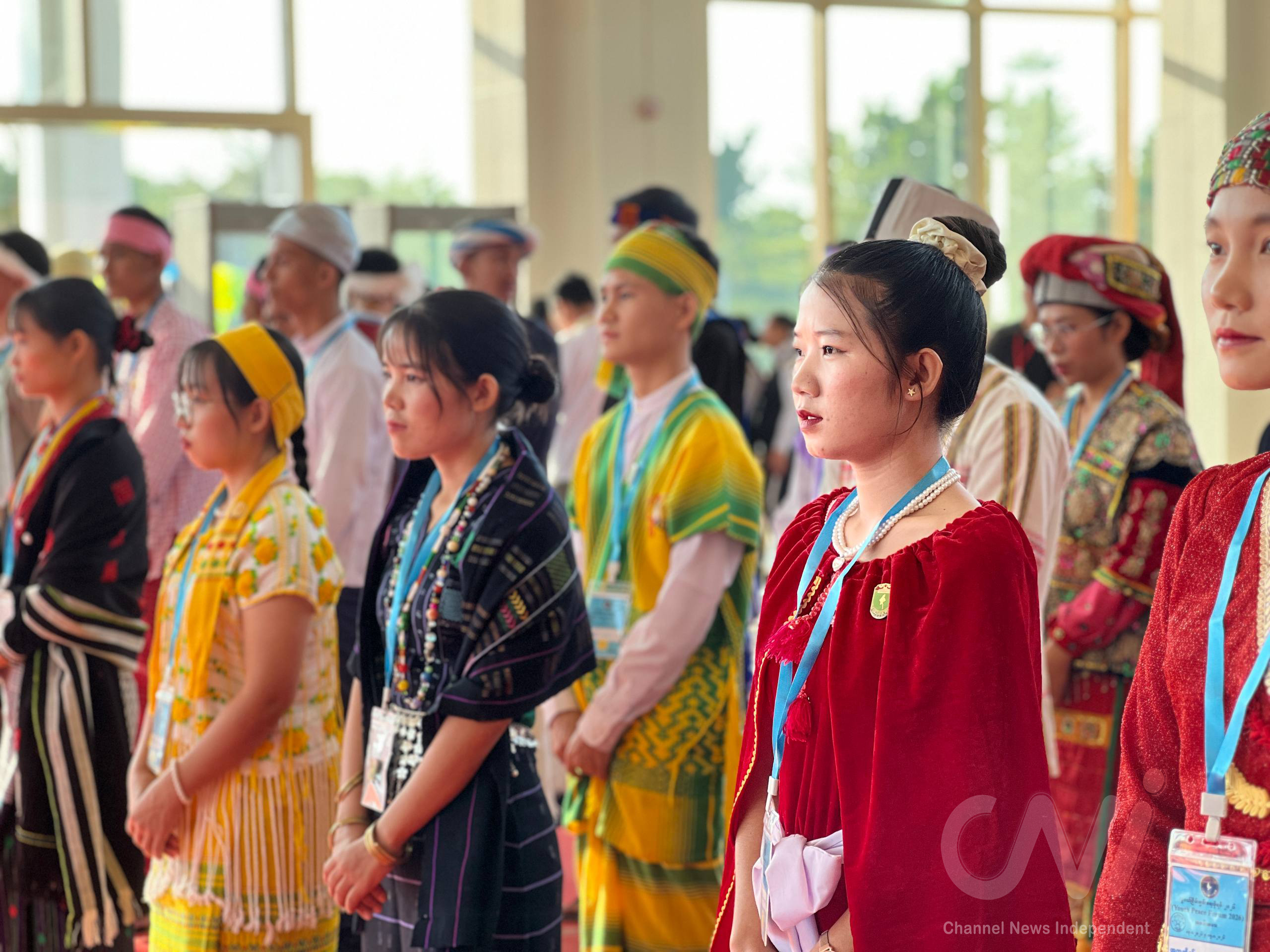
Ethnic youths seen.
The five main agreements are: The Council which is made up of representatives from the Hill Regions shall be included in the mainland government and cooperate in administration.The Hill Regions shall enjoy full autonomy and administrative powers over internal affairs.A separate Kachin State shall be established for the Kachin Hill tracts.The Hill Regions shall receive financial and administrative rights and privileges equal to those of the Mainland.The Hill Regions and the Mainland shall remain united and live in solidarity after gaining independence together.
Since the 2021 political changes, the number of armed organizations in the Myanmar political landscape has increased, and armed conflicts have grown larger and more widespread.
Furthermore, Ethnic Armed Organizations and the NUG-PDF are collaborating on operations to seize territories. In this landscape, some EAOs have seized territories beyond their previously designated self-administered zones.
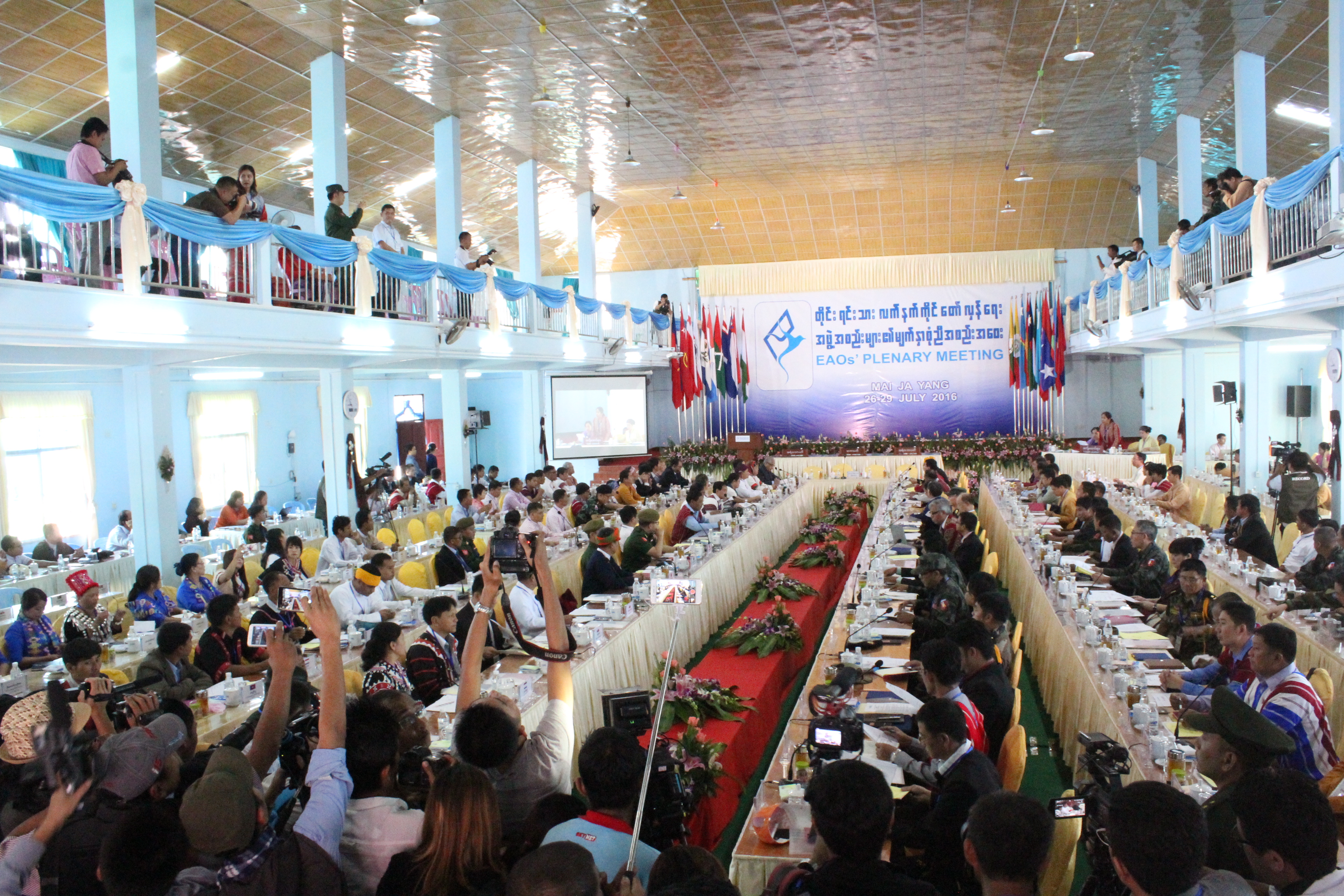
Ethnic armed organizations holding a conference.
A political analyst told CNI News that if the state allows them to keep the territories they have captured as they are, problems could arise in some state regions.
He said, "If we give [MNDAA and TNLA] the territories as they’ve seized them now, groups like the SSA and other groups in Shan State won't be satisfied. Also, in Rakhine, there is a conflict with the Chin—possibly regarding the Paletwa issue in Chin State. Since such problems exist, it will be difficult for other ethnic groups to accept. It would be best to discuss and get them to accept a process where territorial boundaries are decided by the will of the local people. The central government must propose this. If this is proposed and China also likes and agrees with it, then implement it and designate the territories accordingly. Once designated, then self-administration must be granted."
Military and political analysts observe that the goals of Ethnic Armed Organizations have diverged following the removal of the NLD government.
The original goal of the EAOs is to build a Federal Union and achieve full self-determination for states. But analysts point out that groups gaining a military advantage have begun to envision goals higher than a Federal Union.