
CNI News
February 24, 2026
Military and political analysts are weighing in on how the surrender of Bo Nagar, leader of the Burma National Revolutionary Army (BNRA), might reshape the military landscape in the Sagaing Region.
Looking at the BNRA’s operational areas—surrounded by Myaing to the south, Chin State to the west, Kani to the north, and Yinmarpin to the east—analysts suggest that Bo Nagar may have surrendered to the military (Tatmadaw) due to a complete logistical blockade imposed by NUG-PDF forces.
Political analyst Dr. Aung Myo told CNI News that if members of the BNRA remaining in Pale Township align with the military, it would have a massive impact, potentially signaling the "collapse of the revolution" on the western bank of the Chindwin River in Sagaing Region.
"Battles could intensify before the rainy season. Even during the rains, they will remain fierce because, unlike Kayin State, the dry zone of Upper Myanmar rarely has impassable mud. Furthermore, as the Chindwin River rises, it becomes easier for counter-insurgency columns to maneuver. Therefore, the state is likely to ramp up its crackdown on revolutionary groups," Dr. Aung Myo stated.
He added that while Sagaing-based groups rely on the KIA to the north and Chin and Rakhine forces to the west, Bo Nagar was a core figure. If his followers in his stronghold between western Yinmarpin and Pale join forces with the military, the revolutionary momentum in areas like Yinmarpin and Myaing could be severely compromised.
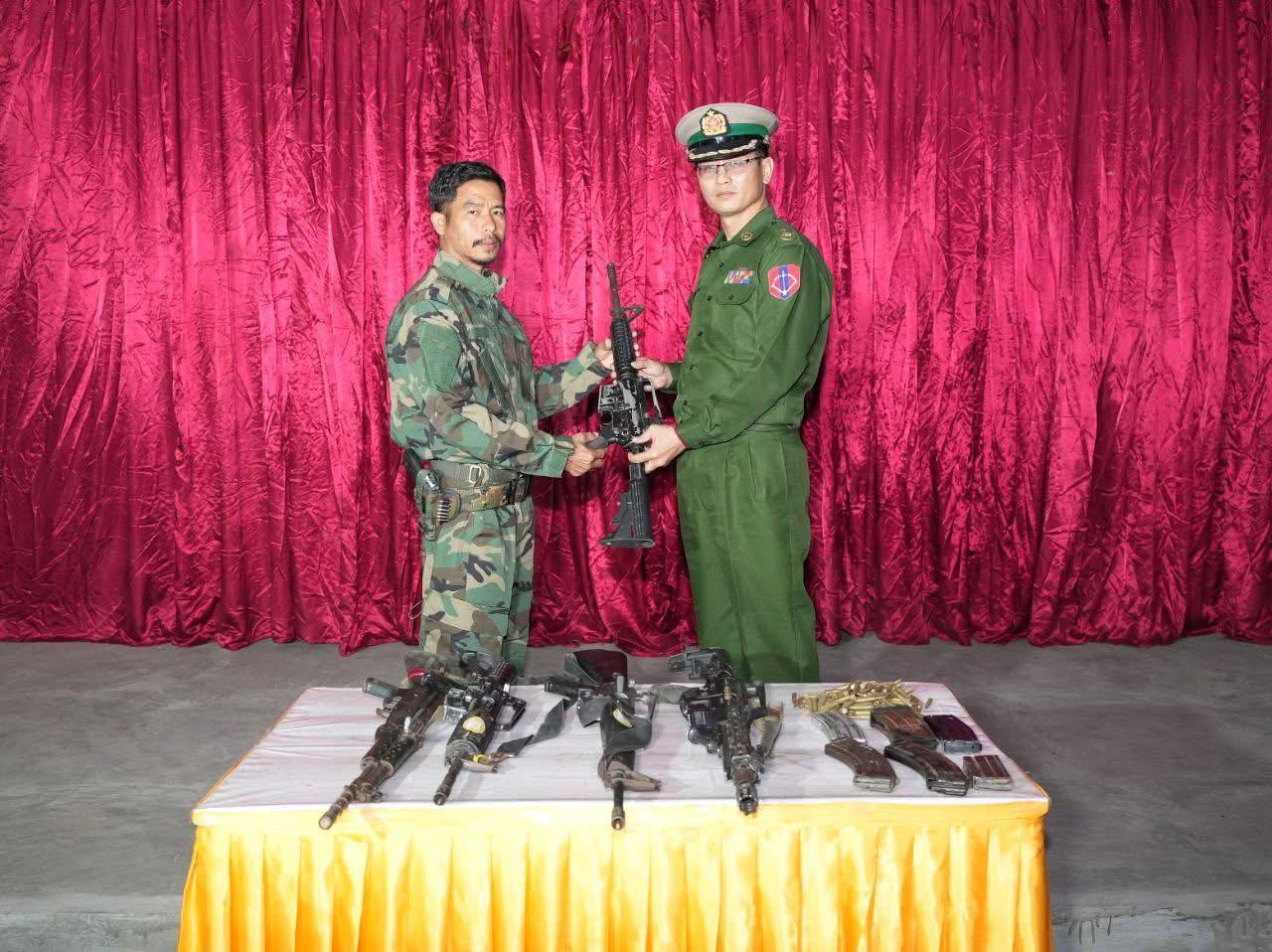
Bo Nagar during his surrender/entry into the legal fold.
A Complex Battlefield Sagaing is the largest of Myanmar's seven regions, bordered by Magway, Mandalay, Shan State, Chin State, Kachin State, and India. It remains a strategic prize that both Ethnic Armed Organizations (EAOs) and the Myanmar military are competing to control.
The region currently hosts a diverse array of armed actors, including:
NSCN (at least six Naga armed factions),Shanni Nationalities Army (SNA),Meitei Armed Groups,Kachin Independence Army (KIA),Arakan Army (AA),All Burma Students' Democratic Front (ABSDF),Karen National Union (KNU),Chin National Front (CNF).
Zomi Revolutionary Army (ZRA/ZRO),Kuki National Army-Burma (KNA-B),NUG-aligned People’s Defense Forces (PDFs),People's Liberation Army (PLA-Communist),96 Soldiers (led by Ko Zeya Lwin),Chin National Defence Force (CNDF),Local Defense Forces (LPDFs), Pro-military Militia (PST/PTSC) and Pyu Saw Htee groups.
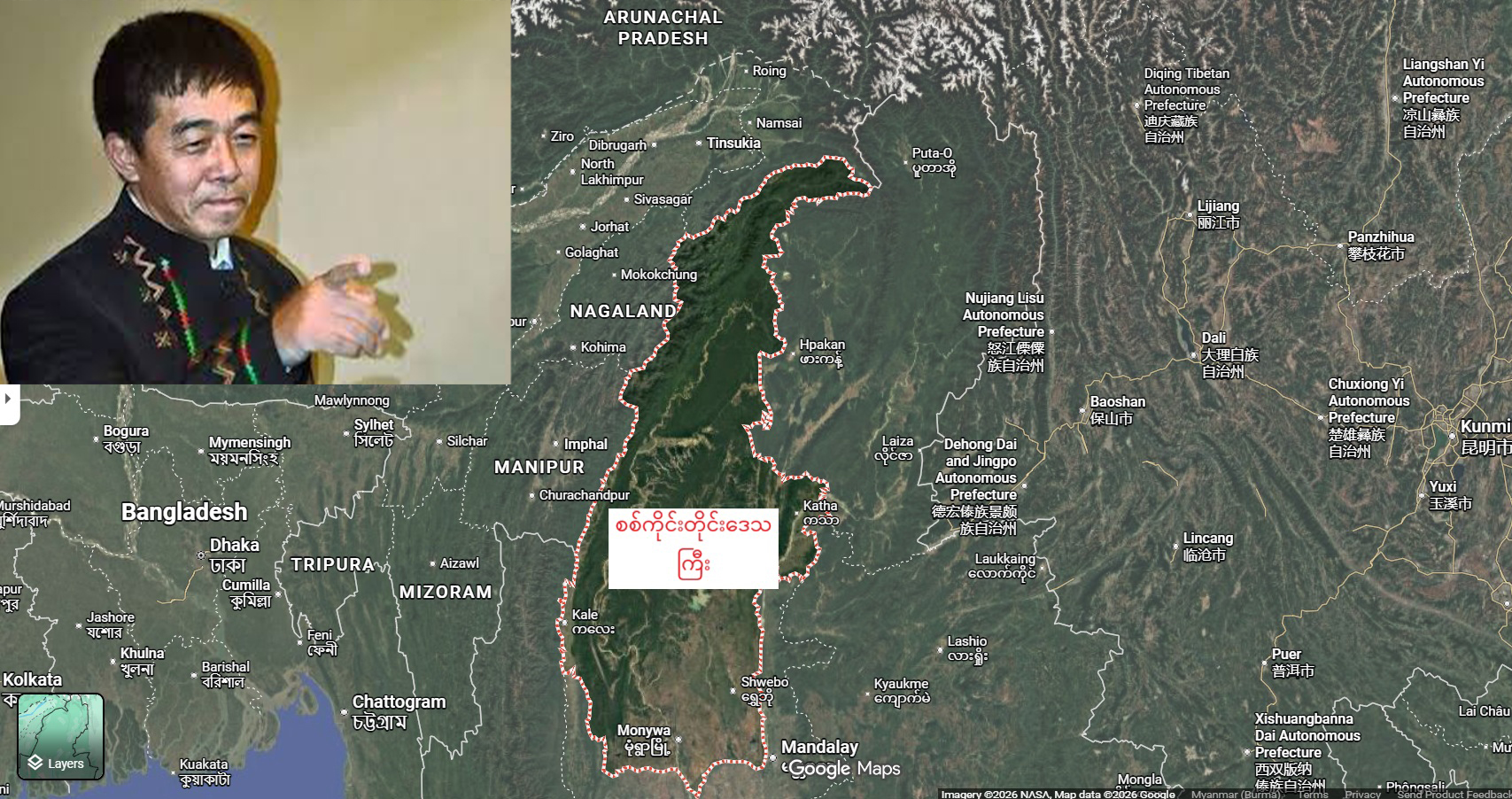
Sagaing Region and KIA leader Lieut. Gen. Gun Maw.
The Road Ahead: Peace or Continued Conflict?
U Thein Tun Oo, Executive Director of the Thayninga Institute for Strategic Studies, told CNI News that the intensity of future fighting depends on the choices made by the remaining armed groups.
"The areas where Bo Nagar operated will likely become quiet. The question is whether other groups will follow his path toward peace. If they do, there is a strong hope for rehabilitation in Sagaing Region, coinciding with the emergence of a new government. If they maintain their belief in armed struggle, area clearance operations will persist," he explained.
On February 18, 2026, Nay Pyi Taw officially announced that BNRA leader Naing Lin (aka Nagar) and his family members entered the "legal fold" along with weapons and ammunition. Military and political observers currently speculate that the Myanmar military may reorganize Bo Nagar’s remaining forces into a pro-government militia.