
CNI News
February 5, 2026
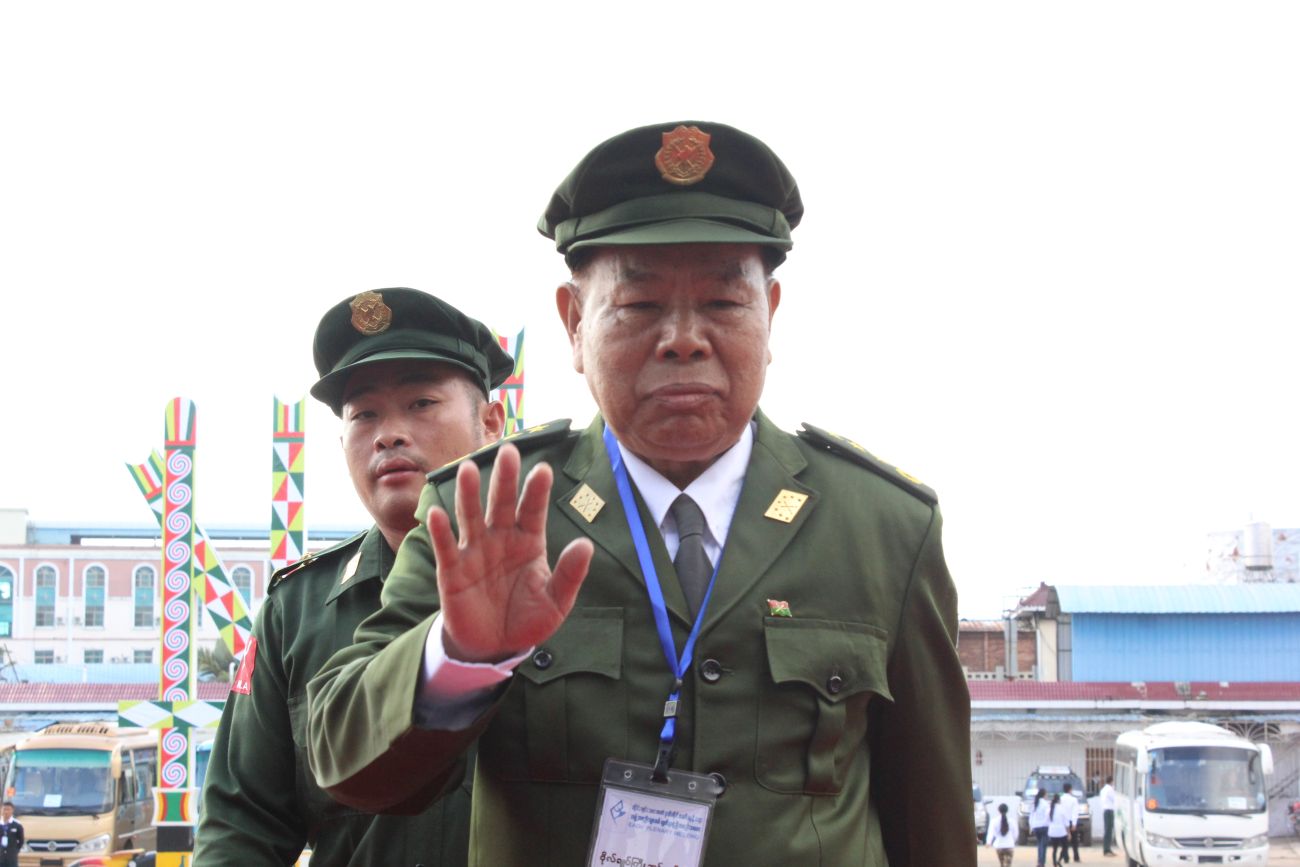
General N'Ban La, Chairman of the Kachin Independence Organization (KIO/KIA), urged people not to destroy the beautiful shared history of the Shan and Kachin ethnic groups. He made these remarks in a speech delivered today, February 5, 2026, marking the 65th Kachin Revolution Day.
Regarding the relationship between the two groups, General N'Ban La stated:
"I want to speak to the public regarding our Shan brothers and sisters living alongside us. Shan and Kachin peoples have lived together for generations throughout history. Despite the military junta's attempts to create division, let us not allow our beautiful history to be broken. Let us rebuild with love for future development. Let us remain vigilant against deceptive media reports to avoid being misled by misinformation."
The KIO established the Kachin Independence Army (KIA) on February 5, 1961. This date has since been commemorated as Kachin Revolution Day, now reaching its 65th anniversary.
While the KIO/KIA is based in Kachin State, it currently maintains military operations and territorial control in Northern Shan State and Sagaing Region, areas inhabited by various Shan ethnic subgroups, including the Shanni (Tai Leng).
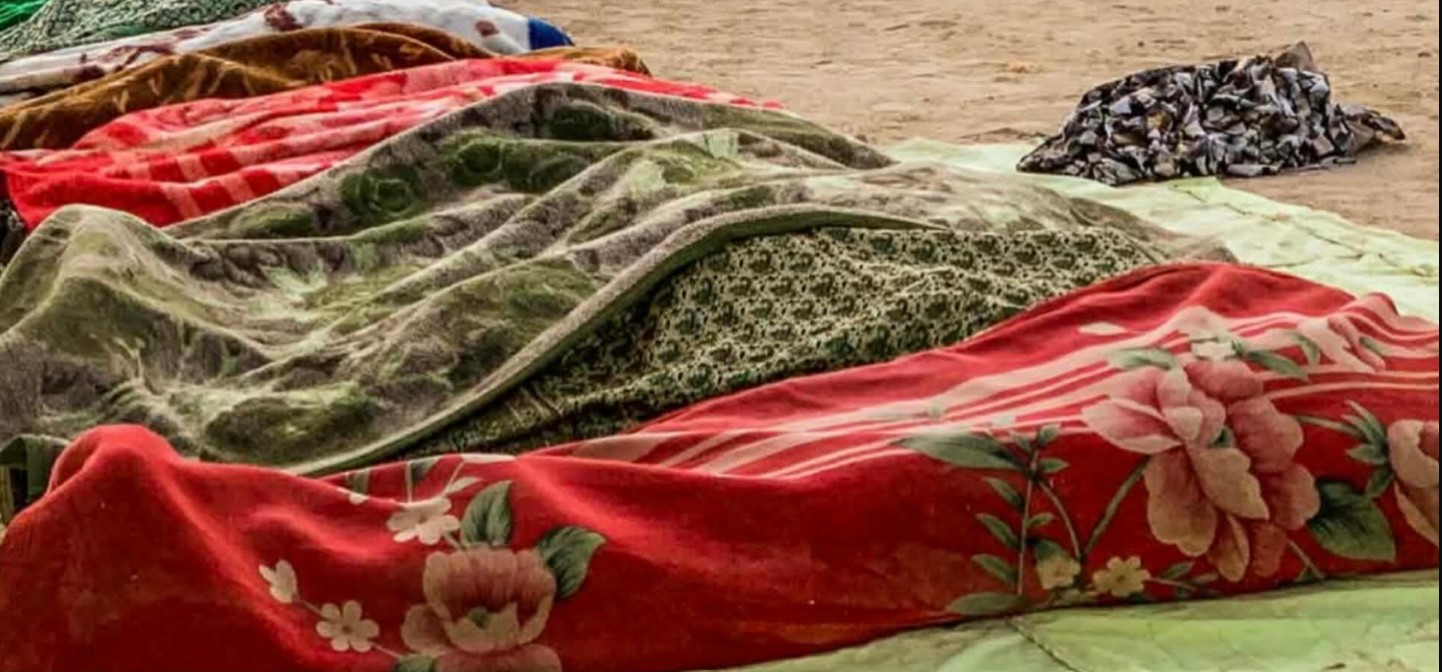
The bodies of 12 Shanni men abandoned in a monastery in Banmauk after being killed (Source: Shanni Empire).
Because of this, intense fighting has broken out with the Shanni Nationalities Army (SNA), a group striving for equality and rights for Shan subgroups within the Sagaing Region.
Local Shan communities in Kachin State, Shan State, and Sagaing Region have raised serious allegations against the KIA/KIO, including:
Forced recruitment and arbitrary arrests. Physical abuse and killings. Sexual violence against women. Attempts at "Kachinization" (forced cultural assimilation) and general oppression.
In January, Shanni community members reported that the KIA killed 12 Shanni men in Banmauk Township. There have also been reports of killings involving Shanni monks and members of Shanni literature and culture associations.
Political analysts point out that the KIO/KIA leadership must effectively manage and restrain these actions on the ground if they truly hope to implement peaceful coexistence between the Kachin and Shan ethnic nationalities.