
CNI News
7 July 2026
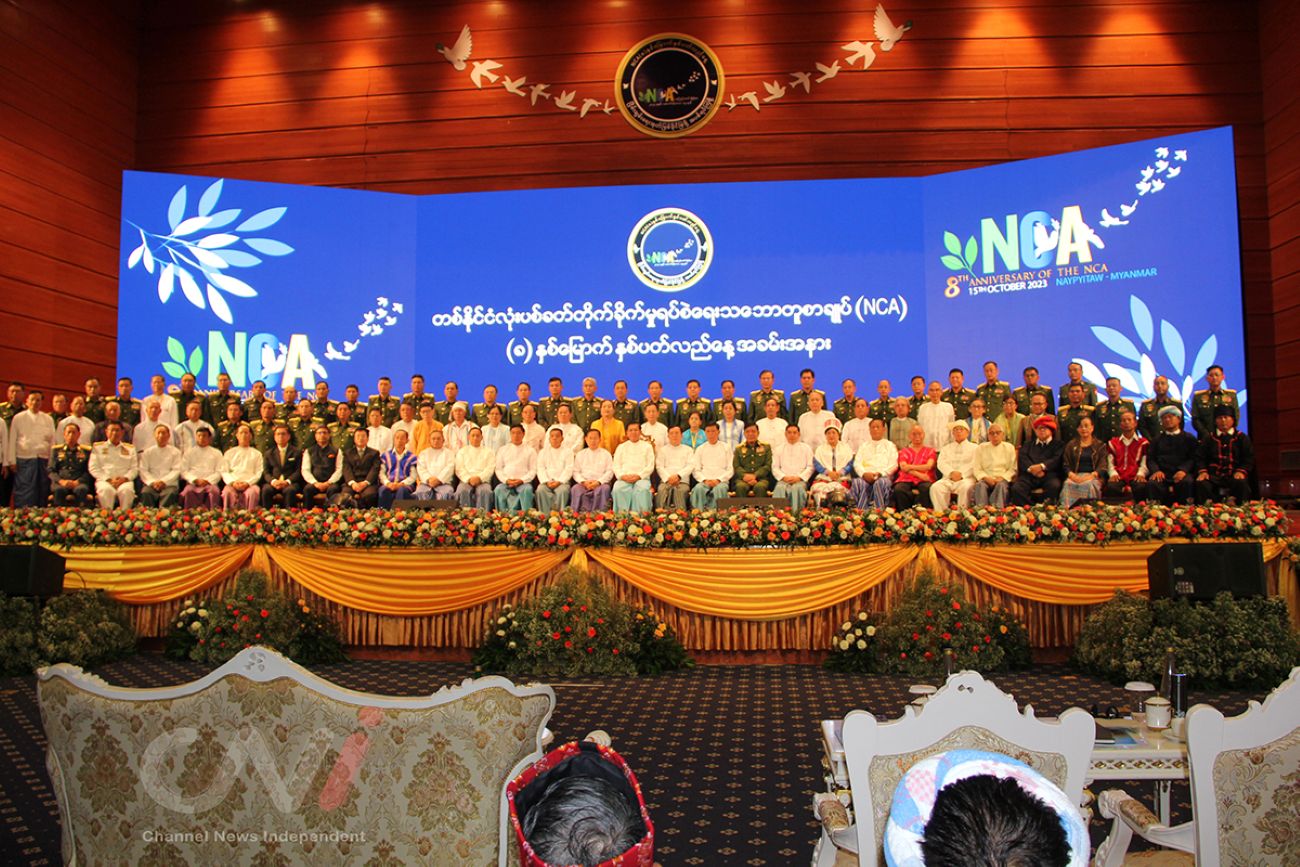
Questions remain regarding whether the relevant organizations genuinely desire peace in implementing Myanmar's peace process, political analyst Dr. Myo Set Thway told CNI News.
Military and political observers point out that various peace models attempted by successive governments in Myanmar have proven unsuccessful, underscoring the need to conceive and implement new methodologies to achieve lasting peace.
Analysts further argue that the peace process will remain ineffective unless it addresses the foundational causes of conflict, such as political convictions, historical backgrounds, and ideological disputes.
Dr. Myo Set Thway raised the critical question of whether the various armed organizations sincerely want peace, or are simply maneuvered by their own immediate survival needs.
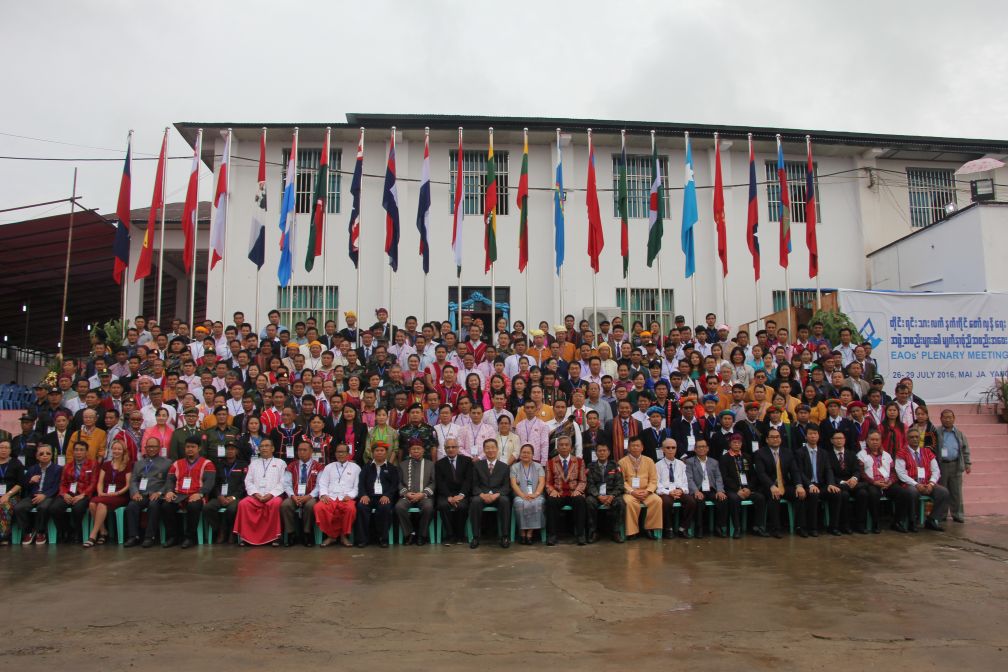
Leaders of armed organizations pictured together.
Dr. Myo Set Thway stated: "To put it simply, the remedy does not yet match the illness. While ethnic armed organizations may be demanding what they believe is the cure, we must ask: what is the appropriate medicine that our side should provide for their specific ailment? Giving more than what is prescribed will lead to trouble, just as failing to provide the necessary medicine will. The remedy and the illness are not aligned yet. Therefore, we need to understand the root cause of the ailment. We must know what medicine we can afford to give, and how much. We need to have discussions based on these realities—and that is just pointing out the bare minimum. Another point is that there are reasons to doubt whether these actions are being taken out of a genuine desire for peace. Are the ethnic armed organizations coming to the negotiation table because they truly want peace, or are they doing so merely for their immediate survival? Similarly, on the government's side, are they acting out of a genuine desire for peace, or are they merely trying to keep the country from collapsing? Questions can be raised against both sides. For instance, wanting peace should mean working for the development of the people in the region. Yet, in past incidents, we have seen actions that directly harm schools, hospitals, and clinics that support the health and education of local children. This makes one ask: are these actions driven by a genuine desire for peace and national development? If peace is the real goal, the military and armed groups should only fight each other. Why target vital civilian infrastructure like schools, hospitals, and religious buildings? This naturally raises doubts about the sincerity of their desire for peace."
Furthermore, Dr. Myo Set Thway pointed out that while the government strives to achieve peace, it must simultaneously work toward the socio-economic development of the ethnic nationalities.
Min Aung Hlaing has previously stated that ethnic armed groups are welcome to join if they want peace, and that he would spend whatever it takes to achieve it. However, military and political observers point out a disconnect between top-level rhetoric and ground implementation. They note that government negotiators have refused some armed groups wishing to sign the Nationwide Ceasefire Agreement (NCA), telling them that signing is unnecessary because they are not actively engaged in clashes with the military.
Peace can only progress if both sides share a common intersection and a unified goal, U Thein Tun Oo, Director of the Thayninga Institute for Strategic Studies Group, told CNI News.
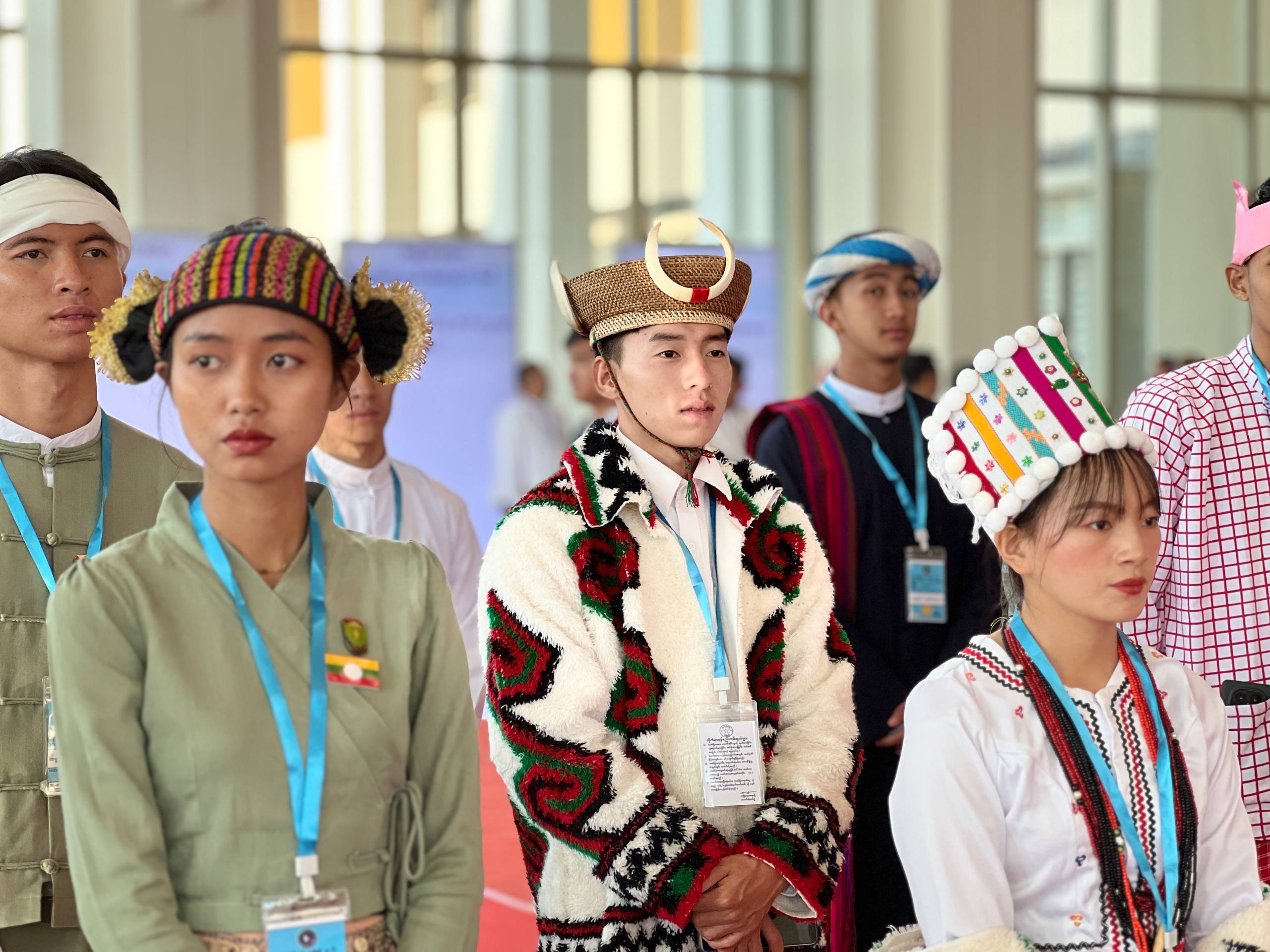
Ethnic youth seen together.
U Thein Tun Oo stated: "The peace process cannot be finalized by the government acting alone. It heavily depends on how much the organizations revolting against the government through armed struggle intend to participate, and how willing they are to cooperate. I believe the success, stagnation, or failure of the peace process hinges on this. No matter how the peace process is structured or how cooperation is framed, the ruling government and the armed organizations—regardless of who they are—need to meet at a common intersection on a shared path and with a unified objective. Both sides must agree on this shared intersection to complete the first phase. The subsequent phases—how to build, implement, and sustain long-term peace—must progress through systematic, step-by-step negotiations. If there is no intention toward peace from the very beginning, and if the armed path is chosen exclusively, then the road ahead will be cut short."
Although armed revolution in Myanmar is often justified as being for the benefit of the public, in reality, civilians bear the brunt of the losses. Due to armed conflicts, more than 3 million people have been displaced from their homes, and over 6.3 million school-aged children remain out of school.
Military and political observers emphasize the need to recognize that despite successive governments attempting to forge peace, past policies of discrimination and assimilation have hindered the implementation of the peace process, causing armed conflicts to escalate further.